Building Blocks
Questa sezione contiene prodotti fondamentali per la sintesi di composti organici e biologici. Building blocks sono i materiali di partenza essenziali utilizzati per costruire molecole complesse attraverso varie reazioni chimiche. Svolgono un ruolo critico nella scoperta di farmaci, nella scienza dei materiali e nella ricerca chimica. Presso CymitQuimica, offriamo una gamma diversificata di building blocks di alta qualità per supportare le tue ricerche innovative e progetti industriali, assicurandoti di avere i componenti essenziali per una sintesi di successo.
Sottocategorie di "Building Blocks"
- Acidi boronici e derivati dell'acido boronico(5.778 prodotti)
- Building Blocks Chirali(1.243 prodotti)
- Building Blocks Idrocarburici(6.097 prodotti)
- Building Blocks organici(61.048 prodotti)
Trovati 203115 prodotti di "Building Blocks"
Ordinare per
Purezza (%)
0
100
|
0
|
50
|
90
|
95
|
100
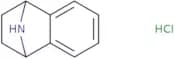
1,2,3,4-Tetrahydro-1,4-epiminonaphthalene hydrochloride
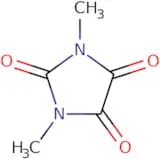
CAS:Versatile small molecule scaffoldFormula:C10H12ClNPurezza:Min. 95%Peso molecolare:181.66 g/mol1,3-Dimethyl-2,4,5-trioxoimidazolidine
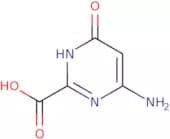
CAS:1,3-Dimethyl-2,4,5-trioxoimidazolidine is a diamagnetic molecule that has a high melting point. It is found in the skeleton of many organic compounds and is an intermediate in the synthesis of sulfonic acids. This compound also reacts with proton to form an amide, which can be used as a photocatalyst. Reaction products include aromatic hydrocarbons and inorganic acid.Formula:C5H6N2O3Purezza:Min. 95%Peso molecolare:142.11 g/mol4-Amino-6-hydroxypyrimidine-2-carboxylic acid
CAS:Versatile small molecule scaffoldFormula:C5H5N3O3Purezza:Min. 95%Peso molecolare:155.11 g/mol2,3,4,5-Tetrahydro-1H-benzo[e][1,4]diazepine dihydrochloride
CAS:Versatile small molecule scaffoldFormula:C9H14Cl2N2Purezza:Min. 95%Peso molecolare:221.13 g/mol3-[(Ethoxycarbonyl)amino]benzoic acid
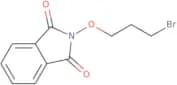
CAS:Versatile small molecule scaffoldFormula:C10H11NO4Purezza:Min. 95%Peso molecolare:209.2 g/mol2-(3-Bromopropoxy)-2,3-dihydro-1H-isoindole-1,3-dione
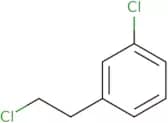
CAS:Versatile small molecule scaffoldFormula:C11H10BrNO3Purezza:Min. 95%Peso molecolare:284.11 g/mol1-Chloro-3-(2-chloroethyl)benzene
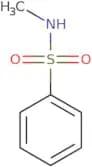
CAS:<p>Versatile small molecule scaffold</p>Formula:C8H8Cl2Purezza:Min. 95%Peso molecolare:175.05 g/molN-Methylbenzenesulfonamide
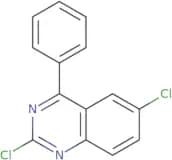
CAS:<p>N-Methylbenzenesulfonamide is a molecule that belongs to the class of sulfonamides. It is a colorless liquid with a strong, unpleasant odor. It has been used in the synthesis of ethylene, iodides, and chloroform. N-Methylbenzenesulfonamide has been shown to exhibit potent cardiac activity at high concentrations and has been used as an experimental drug for the treatment of heart conditions. The rate constant for its second-order reaction with hydrogen chloride was determined to be 0.0169/sec at 25°C using cellulose acetate as the substrate. N-Methylbenzenesulfonamide is a stable molecule that will not react with other molecules until it reaches temperatures over 300 degrees Celsius or solvents such as water or alcohols. This chemical also interacts with most other molecules except for those containing nitrogen or oxygen atoms.</p>Formula:C7H9NO2SPurezza:Min. 95%Peso molecolare:171.21 g/mol2,6-Dichloro-4-phenyl-quinazoline
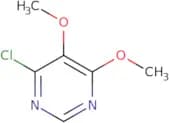
CAS:<p>Versatile small molecule scaffold</p>Formula:C14H8Cl2N2Purezza:Min. 95%Peso molecolare:275.14 g/mol4-chloro-5,6-dimethoxypyrimidine
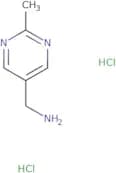
CAS:<p>Versatile small molecule scaffold</p>Formula:C6H7ClN2O2Purezza:Min. 95%Peso molecolare:174.59 g/mol(2-Methylpyrimidin-5-yl)methanamine dihydrochloride
CAS:Versatile small molecule scaffoldFormula:C6H11Cl2N3Purezza:Min. 95%Peso molecolare:196.07 g/mol4-Bromobenzo[b]thiophene-2-carboxylic acid
CAS:Versatile small molecule scaffoldFormula:C9H5BrO2SPurezza:Min. 95%Peso molecolare:257.1 g/mol2-(4-Bromophenyl)-2-oxoacetaldehyde
CAS:<p>2-(4-Bromophenyl)-2-oxoacetaldehyde (BPOD) is a molecule that can be synthesized by reacting benzonitrile with thiazolone. BPOD is an acetylation and benzoylation substrate, which makes it useful for the preparation of fatty acids and glyoxal. BPOD has been used as a reactive intermediate in the synthesis of other molecules, such as phenylacetic acid, 2-chloro-4-nitrobenzoyl chloride, and 1,3-dichloroacetone. The reaction of BPOD with proton gives 2-(4-bromophenyl)-2-hydroxyethanal. This reaction is catalyzed by electrolysis or by chromatography.<br>BPOD also reacts with glyoxal to form 2-(4-bromophenyl)-2-(2,3-dihydroxypropoxy)acetaldehyde (BPPD).</p>Formula:C8H5BrO2Purezza:Min. 95%Peso molecolare:213.03 g/mol2-[2-[2-(2-Chloroethoxy)ethoxy]ethoxy]ethanol
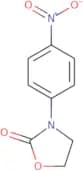
CAS:2-[2-[2-(2-Chloroethoxy)ethoxy]ethoxy]ethanol is a hydroxylated cationic surfactant that has been used in the production of polyurethane elastomers. It has two hydroxy groups and one ethoxy group, with an average molecular weight of 216. It is an ether alcohol with a hydroxyl and two ethoxy groups, which can be obtained as a residue from the reaction between ethylene oxide and 2-chloroethanol. 2-[2-[2-(2-Chloroethoxy)ethoxy]ethoxy]ethanol is used in the production of polyurethane elastomers by reacting with diisocyanates to form urethanes. The ether alcohols react with diisocyanates to form urethanes, which are then reacted with diols to produce urethane elastomers. This monomer reacts more readily than other monFormula:C8H17ClO4Purezza:Min. 95%Peso molecolare:212.67 g/mol3-(4-Nitrophenyl)-1,3-oxazolidin-2-one
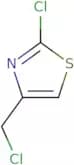
CAS:<p>Versatile small molecule scaffold</p>Formula:C9H8N2O4Purezza:Min. 95%Peso molecolare:208.17 g/mol2-Chloro-4-(chloromethyl)thiazole
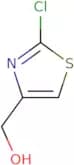
CAS:<p>2-Chloro-4-(chloromethyl)thiazole is a coplanar molecule with torsion and dihedral angles. It has an IUPAC name of 2-chloro-4-(chloromethyl)thiazole, but is also known as CMT or 2,4-dichlorotriazole.</p>Formula:C4H3Cl2NSPurezza:Min. 95%Peso molecolare:168.05 g/mol2-Chloro-4-thiazole-methanol
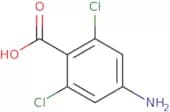
CAS:Versatile small molecule scaffoldFormula:C4H4ClNOSPurezza:Min. 95%Peso molecolare:149.6 g/mol4-Amino-2,6-dichlorobenzoic acid
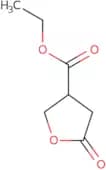
CAS:<p>Versatile small molecule scaffold</p>Formula:C7H5Cl2NO2Purezza:Min. 95%Peso molecolare:206.02 g/molEthyl 5-oxooxolane-3-carboxylate
CAS:<p>Versatile small molecule scaffold</p>Formula:C7H10O4Purezza:Min. 95%Peso molecolare:158.15 g/moltert-Butyl azetidine-3-carboxylate
CAS:<p>Please enquire for more information about tert-Butyl azetidine-3-carboxylate including the price, delivery time and more detailed product information at the technical inquiry form on this page</p>Formula:C8H15NO2Purezza:Min. 95%Peso molecolare:157.21 g/moltert-Butyl 7-formyl-3,4-dihydro-2H-1,4-benzoxazine-4-carboxylate
CAS:Please enquire for more information about tert-Butyl 7-formyl-3,4-dihydro-2H-1,4-benzoxazine-4-carboxylate including the price, delivery time and more detailed product information at the technical inquiry form on this pageFormula:C14H17NO4Peso molecolare:263.29 g/mol2-Bromoethanol
CAS:<p>2-Bromoethanol is a chemical used in the manufacture of sodium salts and ethylene. It has been shown to inhibit the enzyme activity of wild-type strains of E. coli, but not resistant mutants. 2-Bromoethanol was found to cause cell lysis, which may be due to its hydroxyl group reacting with argon, forming reactive oxygen species. The reaction mechanism for 2-bromoethanol is as follows: 2-bromoethanol + H2O → 2-(hydroxyethyl) bromide + HBr + heat</p>Formula:C2H5BrOPurezza:Min. 95%Colore e forma:Colorless Clear LiquidPeso molecolare:124.96 g/molBis(tri-tert-butylphosphine)palladium(0)
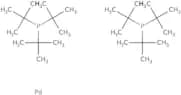
CAS:Bis(tri-tert-butylphosphine)palladium(0) is a chemical compound, insoluble in organic solvents. It has been used as a catalyst for cross-coupling reactions in organic chemistry. Bis(tri-tert-butylphosphine)palladium(0) reacts with sodium salts and palladium-catalyzed cross-coupling to form an insoluble complex in the presence of hexane, which is soluble in organic solvents. The reaction proceeds through reductive elimination, yielding a trisubstituted product. This process can be used for the synthesis of halides and transmetallation.Formula:C24H54P2PdPurezza:Min. 95%Colore e forma:White PowderPeso molecolare:511.05 g/mol5-Bromobenzo[d]oxazol-2-amine
CAS:5-Bromobenzo[d]oxazol-2-amine is a chemical that is used in the treatment of cancer. It is synthesized from benzoic acid and bromoacetonitrile. 5-Bromobenzo[d]oxazol-2-amine is an anticancer agent that has been shown to have a depressant activity on animal tissues, which may be due to its ability to neutralize cyanogen chloride, a chemical that reacts with organic solvents and produces toxic gases such as hydrogen cyanide. This drug also binds to DNA, preventing cell growth and causing cell death. 5-Bromobenzo[d]oxazol-2-amine can be used to treat cancer cells in mice and has been shown to inhibit the proliferation of MCT7 cells. It also inhibits the growth of human breast cancer cells by blocking protein synthesis at the ribosome level.Formula:C7H5BrN2OPurezza:Min. 95%Peso molecolare:213.03 g/molBoc-4-(4-fluorophenyl)-piperidine-4-carboxylic acid
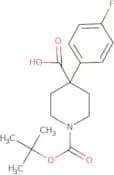
CAS:<p>Please enquire for more information about Boc-4-(4-fluorophenyl)-piperidine-4-carboxylic acid including the price, delivery time and more detailed product information at the technical inquiry form on this page</p>Formula:C17H22FNO4Purezza:Min. 95%Peso molecolare:323.36 g/mol1-Phenyl-1H-pyrrole-2-carbaldehyde
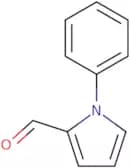
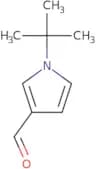
CAS:Versatile small molecule scaffoldFormula:C11H9NOPurezza:Min. 95%Peso molecolare:171.2 g/mol1-tert-Butyl-1H-pyrrole-3-carbaldehyde
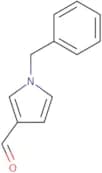
CAS:Versatile small molecule scaffoldFormula:C9H13NOPurezza:Min. 95%Peso molecolare:151.21 g/mol1-Benzyl-1H-pyrrole-3-carbaldehyde
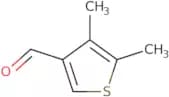
CAS:1-Benzyl-1H-pyrrole-3-carbaldehyde is an acylpyrrole that can be synthesized from the reaction of sodium borohydride with acetaldehyde or benzaldehyde. It is used in heteroarylation reactions, which are efficient methods for the synthesis of a variety of indoles. 1-Benzyl-1H-pyrrole-3-carbaldehyde has also been shown to be effective in reductive amination reactions, which are used to generate pyrroles from indole and aldehyde precursors.Formula:C12H11NOPurezza:Min. 95%Peso molecolare:185.22 g/mol4,5-Dimethylthiophene-3-carbaldehyde
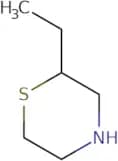
CAS:Versatile small molecule scaffoldFormula:C7H8OSPurezza:Min. 95%Peso molecolare:140.2 g/mol2-Ethylthiomorpholine
CAS:<p>Versatile small molecule scaffold</p>Formula:C6H13NSPurezza:Min. 95%Peso molecolare:131.24 g/mol2-Methylthiomorpholine hydrochloride
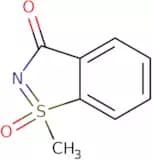
CAS:Versatile small molecule scaffoldFormula:C5H12ClNSPurezza:Min. 95%Peso molecolare:153.7 g/mol1-Methyl-3H-1λ⁶,2-benzothiazole-1,3-dione
CAS:Versatile small molecule scaffoldFormula:C8H7NO2SPurezza:Min. 95%Peso molecolare:181.21 g/molOctahydrocyclopenta[b]thiomorpholine
CAS:<p>Versatile small molecule scaffold</p>Formula:C7H13NSPurezza:Min. 95%Peso molecolare:143.25 g/molrac-(3aR,6aR)-Hexahydrofuro[3,4-d][1,3]oxazol-2-one
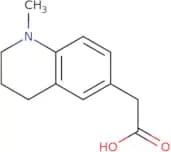
CAS:<p>Versatile small molecule scaffold</p>Formula:C5H7NO3Purezza:Min. 95%Peso molecolare:129.1 g/mol2-(1-Methyl-1,2,3,4-tetrahydroquinolin-6-yl)acetic acid
CAS:<p>Versatile small molecule scaffold</p>Formula:C12H15NO2Purezza:Min. 95%Peso molecolare:205.25 g/mol2-(4-Aminophenoxy)benzonitrile
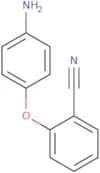
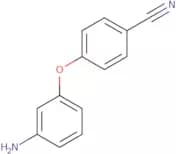
CAS:Versatile small molecule scaffoldFormula:C13H10N2OPurezza:Min. 95%Peso molecolare:210.23 g/mol4-(3-Aminophenoxy)benzonitrile
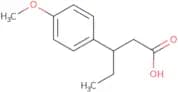
CAS:Versatile small molecule scaffoldFormula:C13H10N2OPurezza:Min. 95%Peso molecolare:210.23 g/mol3-(4-Methoxyphenyl)pentanoic acid
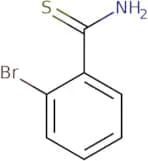
CAS:<p>Versatile small molecule scaffold</p>Formula:C12H16O3Purezza:Min. 95%Peso molecolare:208.25 g/mol2-Bromothiobenzamide
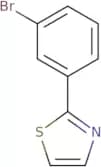
CAS:<p>2-Bromothiobenzamide is an organic solvent that is used as a reactant in the production of 2-bromothiolane. It is synthesized from the reaction of bromine with thiourea, which is then hydrolyzed to form the desired product. The reaction system is acidic, which leads to high yields and can be carried out on a large scale. It has a ligand that reacts with copper metal to form a reagent that can be used for the synthesis of various organic compounds. This product has a high yield (90%), and can be easily purified by filtration. Its efficiency makes it an ideal choice for industrial use.</p>Formula:C7H6BrNSPurezza:Min. 95%Peso molecolare:216.1 g/mol2-(3-Bromophenyl)-1,3-thiazole
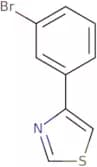
CAS:<p>Versatile small molecule scaffold</p>Formula:C9H6BrNSPurezza:Min. 95%Peso molecolare:240.12 g/mol4-(3-Bromophenyl)-1,3-thiazole
CAS:Versatile small molecule scaffoldFormula:C9H6BrNSPurezza:Min. 95%Peso molecolare:240.12 g/molTrifluoromethanesulfonyl isocyanate
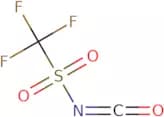
CAS:<p>Trifluoromethanesulfonyl isocyanate (TMS) is a linker molecule that has been used to connect copper salt and hydroxyl groups. TMS has been shown to absorb ultraviolet light, which affects its conformational properties. TMS is also an aromatic hydrocarbon with vibrational and amide bonds. This compound can be used in the synthesis of anti-HIV drugs and as a metal halide. TMS is also a molecule consisting of carbon, hydrogen, fluorine, sulfur, and nitrogen atoms.</p>Formula:C2F3NO3SPurezza:90%MinPeso molecolare:175.09 g/mol6-methyl-4-nitropyridine-2-carboxylic acid
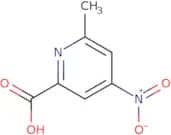
CAS:<p>6-Methyl-4-nitropyridine-2-carboxylic acid is an antagonist that is structurally related to pyridine. It has been shown to inhibit the binding of norepinephrine and serotonin to their receptors in vitro, with a potency that is comparable to other phenoxybenzamine analogues. The compound has also been shown to have a high affinity for the α1A receptor, as well as for other homologous receptors. In addition, 6-methyl-4-nitropyridine-2-carboxylic acid inhibits the hydrolysis of cyano groups and nitriles, which allows it to be used as a synthetic precursor in the synthesis of various drugs.</p>Formula:C7H6N2O4Purezza:Min. 95%Peso molecolare:182.1 g/mol4-chloro-3-methylpyridine-2-carboxylic acid
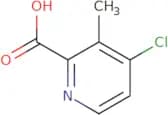
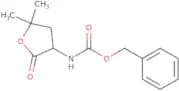
CAS:Versatile small molecule scaffoldFormula:C7H6ClNO2Purezza:Min. 95%Peso molecolare:171.6 g/molBenzyl N-(5,5-dimethyl-2-oxooxolan-3-yl)carbamate
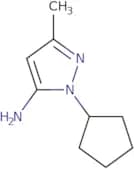
CAS:Versatile small molecule scaffoldFormula:C14H17NO4Purezza:Min. 95%Peso molecolare:263.29 g/mol2-Cyclopentyl-5-methyl-2H-pyrazol-3-ylamine
CAS:Versatile small molecule scaffoldFormula:C9H15N3Purezza:Min. 95%Peso molecolare:165.24 g/mol3-Methyl-5-phenoxy-1-phenyl-1H-pyrazole-4-carbaldehyde
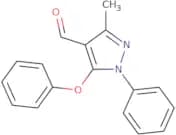
CAS:3-Methyl-5-phenoxy-1-phenyl-1H-pyrazole-4-carbaldehyde is a dihedral molecule that contains a pyrazole ring with three methyl substituents and one phenyl substituent. The molecule has hydrogen bonds between the pyrazole ring and the hydroxyl group of the phenol.Formula:C17H14N2O2Purezza:Min. 95%Peso molecolare:278.3 g/mol2-(2-azidoethyl)-1H-isoindole-1,3(2H)-dione
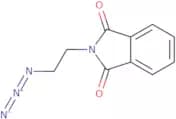
CAS:Versatile small molecule scaffoldFormula:C10H8N4O2Purezza:Min. 95%Peso molecolare:216.2 g/mol6'-Methoxy-3',4'-dihydro-2'H-spiro[imidazolidine-4,1'-naphthalene]-2,5-dione
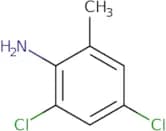
CAS:Versatile small molecule scaffoldFormula:C13H14N2O3Purezza:Min. 95%Peso molecolare:246.26 g/mol2,4-Dichloro-6-methylaniline
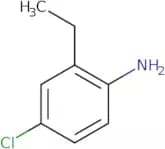
CAS:<p>Versatile small molecule scaffold</p>Formula:C7H7Cl2NPurezza:Min. 95%Peso molecolare:176.04 g/mol(4-Chloro-2-ethylphenyl)amine
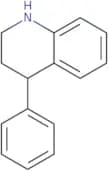
CAS:<p>4-Chloro-2-ethylphenyl)amine is a carcinogen that has been shown to damage mammalian cells. The compound causes mutations in the DNA of cells, and is mutagenic and damaging. 4-Chloro-2-ethylphenyl)amine can be eliminated from the body through metabolic processes, but also can be metabolized by reagents to form other compounds that are mutagenic or carcinogenic. This chemical has been shown to cause mutations in the DNA of Salmonella typhimurium and Typhimurium strains, as well as causing damage to their DNA.</p>Formula:C8H10ClNPurezza:Min. 95%Peso molecolare:155.63 g/mol4-Phenyl-1,2,3,4-tetrahydroquinoline
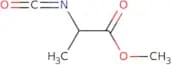
CAS:Versatile small molecule scaffoldFormula:C15H15NPurezza:Min. 95%Peso molecolare:209.29 g/molMethyl (2R)-2-isocyanatopropanoate
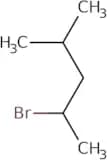
CAS:Versatile small molecule scaffoldFormula:C5H7NO3Purezza:Min. 95%Peso molecolare:129.11 g/mol2-Bromo-4-methylpentane
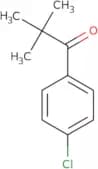
CAS:<p>2-Bromo-4-methylpentane is an isomeric, branched-chain fatty acid. It has been observed to desorb from the surface of polyethylene terephthalate in a conformational fashion. This reaction was shown to be first order with respect to bromine concentration and was found to be reversible. The kinetics were found to be second order with respect to bromine concentration and first order with respect to polyethylene terephthalate surface area. The rates of the desorption of 2-bromo-4-methylpentane were found not to be affected by the presence of chloride ions.<br>2-Bromo-4-methylpentane can also undergo a Suzuki coupling reaction with amines in the presence of palladium catalysts and chiral phosphoric acid ligands. This reaction can produce substituted benzo[b]thiophenes, which are useful for organic synthesis reactions such as phthal</p>Formula:C6H13BrPurezza:Min. 95%Peso molecolare:165.08 g/mol4'-Chloro-2,2-dimethylpropiophenone
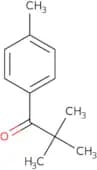
CAS:Versatile small molecule scaffoldFormula:C11H13ClOPurezza:Min. 95%Peso molecolare:196.67 g/mol4',2,2-Trimethylpropiophenone
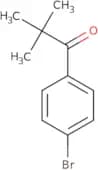
CAS:4',2,2-Trimethylpropiophenone is a benzyl derivative that lowers blood glucose levels in animals by inhibiting the activity of glycogen synthase. It also enhances the efficiency of maltase and decreases the rate of red blood cell maturation. 4',2,2-Trimethylpropiophenone has been shown to be a radioprotector in mice, protecting against radiation damage and hyperglycemia in diabetic mice. The drug has been shown to decrease the severity of diabetes mellitus type 1 in rats, as well as reduce the incidence and severity of diabetes mellitus type 2 in rats fed a high-fat diet. This drug is not active against lactose or animal cells.Formula:C12H16OPurezza:Min. 95%Peso molecolare:176.26 g/mol4'-Bromo-2,2-dimethylpropiophenone
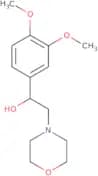
CAS:<p>Versatile small molecule scaffold</p>Formula:C11H13BrOPurezza:Min. 95%Peso molecolare:241.13 g/mol1-(3,4-Dimethoxyphenyl)-2-(morpholin-4-yl)ethan-1-ol
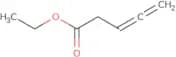
CAS:Prodotto controllatoVersatile small molecule scaffoldFormula:C14H21NO4Purezza:Min. 95%Peso molecolare:267.32 g/molEthyl penta-3,4-dienoate
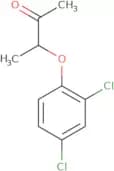
CAS:<p>Versatile small molecule scaffold</p>Formula:C7H10O2Purezza:Min. 95%Peso molecolare:126.15 g/mol3-(2,4-Dichlorophenoxy)butan-2-one
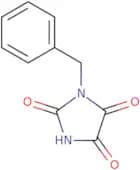
CAS:Versatile small molecule scaffoldFormula:C10H10Cl2O2Purezza:Min. 95%Peso molecolare:233.09 g/mol1-Benzylimidazolidine-2,4,5-trione
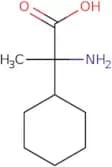
CAS:<p>Versatile small molecule scaffold</p>Formula:C10H8N2O3Purezza:Min. 95%Peso molecolare:204.18 g/mol(2S)-2-Amino-2-cyclohexylpropanoic acid
CAS:Versatile small molecule scaffoldFormula:C9H17NO2Purezza:Min. 95%Peso molecolare:171.24 g/mol4-Ethyl-1,3,5-triazin-2-amine
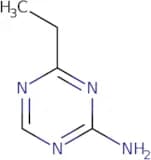
CAS:<p>Versatile small molecule scaffold</p>Formula:C5H8N4Purezza:Min. 95%Peso molecolare:124.14 g/mol6-Ethoxy-2-N,4-N-diethyl-1,3,5-triazine-2,4-diamine
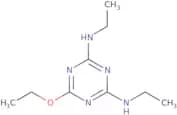
CAS:<p>Versatile small molecule scaffold</p>Formula:C9H17N5OPurezza:Min. 95%Peso molecolare:211.26 g/mol2-(3-Methylpiperidin-2-yl)ethan-1-ol
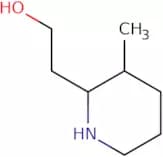
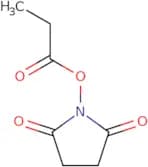
CAS:<p>Versatile small molecule scaffold</p>Formula:C8H17NOPurezza:Min. 95%Peso molecolare:143.23 g/molN-(Propionyloxy)succinimide
CAS:<p>N-(Propionyloxy)succinimide (NPS) is an analog of the natural hormone cortisol. It binds to the glucocorticoid receptor and activates it by binding to the cytoplasmic region of the receptor, which leads to inhibition of the transcription factor c-jun. This inhibits tumor necrosis factor-related apoptosis-inducing ligand (TRAIL) production, leading to decreased epidermal growth factor (EGF) synthesis, and prevents monocyte chemotaxis. NPS also has a high affinity for kidney bean α-amylase and can be used as a probe in studies investigating this enzyme.</p>Formula:C7H9NO4Purezza:Min. 95%Peso molecolare:171.15 g/mol2,5-Dioxopyrrolidin-1-yl 4-methoxybenzoate
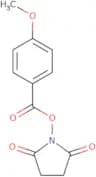
CAS:<p>Versatile small molecule scaffold</p>Formula:C12H11NO5Purezza:Min. 95%Peso molecolare:249.22 g/mol2-N-Ethyl-1,3,5-triazine-2,4-diamine
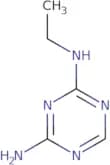
CAS:Versatile small molecule scaffoldFormula:C5H9N5Purezza:Min. 95%Peso molecolare:139.16 g/mol4-chloro-6-ethyl-1,3,5-triazin-2-amine
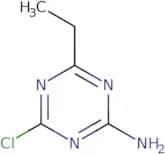
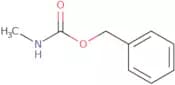
CAS:Versatile small molecule scaffoldFormula:C5H7N4ClPurezza:Min. 95%Peso molecolare:158.59 g/molBenzyl N-methylcarbamate
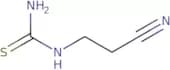
CAS:Benzyl N-methylcarbamate is an adrenergic receptor agonist that binds with high affinity to the 2-adrenergic receptors. It has been shown to have physiological effects on the gastrointestinal tract and has been used as a treatment for bowel disease. In addition, it also has anti-inflammatory properties that are mediated by its ability to inhibit the release of inflammatory mediators such as nitric oxide. Benzyl N-methylcarbamate is used in the treatment of inflammatory diseases, including rheumatoid arthritis and asthma. This drug is also effective against cancer cells and autoimmune diseases.Formula:C9H11NO2Purezza:Min. 95%Peso molecolare:165.19 g/mol(2-Cyanoethyl)thiourea
CAS:(2-Cyanoethyl)thiourea is a carbonyl compound that is insoluble in water. It has a molecular weight of 180.2 and it contains two carbon atoms. The compound is crosslinked and lactate-modified, but not modified by lysine or unmodified. This compound reacts with the enzyme dehydrogenase to produce hydrogen peroxide and 2-cyanoethanol. The reaction mechanism for this process is as follows: The substrate binds to the active site of the enzyme, forming an enzyme-substrate complex; the enzyme transfers electrons from NADH to the substrate; this results in a release of hydrogen peroxide, which then reacts with 2-cyanoethanol to form ethylene glycol and oxalic acid. The x-ray analysis showed that this molecule has a homologous structure with other enzymes.Formula:C4H7N3SPurezza:Min. 95%Peso molecolare:129.19 g/mol2-Methyl-imidazo[1,2-a]pyridine-3-carbaldehyde
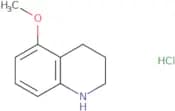
CAS:<p>Versatile small molecule scaffold</p>Formula:C9H8N2OPurezza:Min. 95%Peso molecolare:160.18 g/mol5-methoxy-1,2,3,4-tetrahydroquinoline
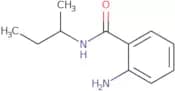
CAS:5-methoxy-1,2,3,4-tetrahydroquinoline is an anticancer agent that targets cancer cells by interfering with their metabolism. It has been shown to inhibit the growth of cancer cells in vitro and in vivo. This compound is a potential therapeutic for Alzheimer's disease and other neurological disorders due to its ability to cross the blood-brain barrier. 5-methoxy-1,2,3,4-tetrahydroquinoline is able to bind selectively with DNA or RNA molecules and modify them without affecting the surrounding healthy cells. The fluorescent properties of this molecule allow it to be detected easily in tissues. 5-methoxy-1,2,3,4-tetrahydroquinoline can be conjugated with different drugs or imaging agents for multifunctional treatment of cancer.Formula:C10H13NOPurezza:Min. 95%Peso molecolare:163.21 g/mol2-Amino-N-(but-2-yl)benzamide
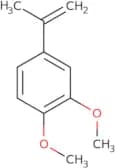
CAS:Versatile small molecule scaffoldFormula:C11H16N2OPurezza:Min. 95%Peso molecolare:192.26 g/mol1,2-Dimethoxy-4-(prop-1-en-2-yl)benzene
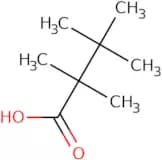
CAS:<p>Versatile small molecule scaffold</p>Formula:C11H14O2Purezza:Min. 95%Peso molecolare:178.23 g/mol2,2,3,3-Tetramethylbutanoic acid
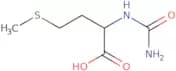
CAS:2,2,3,3-Tetramethylbutanoic acid is a superacid that reacts with carbon and oxygen to form carbon monoxide and hydrogen gas. The reaction of 2,2,3,3-tetramethylbutanoic acid with an alkane forms a carboxylic acid. When 2,2,3,3-tetramethylbutanoic acid is heated with an alkene in the presence of sodium metal or potassium tert-butoxide it undergoes an isomerization reaction to form a 1-alkene. This reaction can also be carried out using a catalyst such as nickel or palladium on charcoal.Formula:C8H16O2Purezza:Min. 95%Peso molecolare:144.21 g/mol2-(Carbamoylamino)-4-(methylsulfanyl)butanoic acid
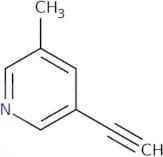
CAS:2-(Carbamoylamino)-4-(methylsulfanyl)butanoic acid is the substrate for the enzyme l-amino acid oxidase, which catalyses the oxidation of L-amino acids to α-keto acids and ammonia. This activity is dependent on sodium carbonate as a cofactor, pH, and metal ion (e.g., zinc). The optimum temperature for this reaction is 60°C. The kinetic constant for this reaction was determined by measuring the rate at different concentrations of 2-(carbamoylamino)-4-(methylsulfanyl)butanoic acid. 2-(Carbamoylamino)-4-(methylsulfanyl)butanoic acid has been shown to inhibit the production of malondialdehyde in rat liver mitochondria.Formula:C6H12N2O3SPurezza:Min. 95%Peso molecolare:192.24 g/mol3-Ethynyl-5-methylpyridine
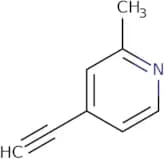
CAS:<p>Versatile small molecule scaffold</p>Formula:C8H7NPurezza:Min. 95%Peso molecolare:117.15 g/mol4-Ethynyl-2-methylpyridine
CAS:Versatile small molecule scaffoldFormula:C8H7NPurezza:Min. 95%Peso molecolare:117.15 g/mol2-Ethynyl-6-methylpyridine
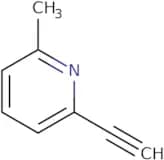
CAS:<p>2-Ethynyl-6-methylpyridine (EMPy) is a cytostatic agent that inhibits the synthesis of DNA, RNA and proteins. EMPy is used as an antiviral agent to inhibit the replication of hepatitis B virus, herpes simplex virus type 1 and 2 and varicella zoster virus. It also has chemoselective properties, which means that it reacts only with one type of molecule at a time. EMPy can be synthesized by cross-coupling reactions between deoxyribonucleosides and pyridine nucleophiles. The resulting EMPy can be converted into nucleophilic substitutions or eliminated by unselective cross-coupling reactions with nucleophilic reagents.</p>Formula:C8H7NPurezza:Min. 95%Peso molecolare:117.15 g/mol2-Ethynyl-3-methylpyridine
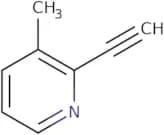
CAS:2-Ethynyl-3-methylpyridine is a compound that can be used in the synthesis of other compounds. It is a pyridyl analog with an ethynyl group at the 2 position and a methyl group at the 3 position. 2-Ethynyl-3-methylpyridine inhibits cox enzymes, which are responsible for the production of prostaglandins. This inhibition increases the production of anti-inflammatory prostacyclin, but decreases the production of proinflammatory prostaglandins such as thromboxane A2 and leukotriene B4. 2-Ethynyl-3-methylpyridine has been shown to inhibit both Cox 1 and Cox 2 isozymes, which may make it more potent than aspirin.Formula:C8H7NPurezza:Min. 95%Peso molecolare:117.15 g/mol2-Ethynyl-5-methylpyridine
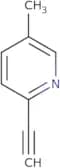
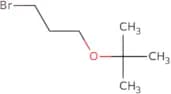
CAS:<p>2-Ethynyl-5-methylpyridine is an organometallic compound that can be synthesized by the reduction of 2-bromo-6-(diethoxymethyl)pyridine with sodium borohydride. This reaction generates a mixture of mono-, di-, and tri-substituted pyridines, which are separated by gas chromatography. The synthesis of this compound can be done in two steps: first, 2-bromo-6-(diethoxymethyl)pyridine is prepared by reacting diethoxyacetaldehyde with 2-bromopyridine; second, the desired product is synthesized from 2-ethynylpyridine. This process involves the addition of methylmagnesium bromide to the 2-(2'-hydroxyphenyl)propane diol and subsequent oxidation with sodium dichromate. Upon irradiation or photoexcitation, this compound undergoes oxidative dimer</p>Formula:C8H7NPurezza:Min. 95%Peso molecolare:117.15 g/mol1-Bromo-3-(tert-butoxy)propane
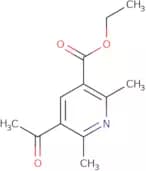
CAS:<p>Versatile small molecule scaffold</p>Formula:C7H15BrOPurezza:Min. 95%Peso molecolare:195.1 g/molEthyl 5-acetyl-2,6-dimethylpyridine-3-carboxylate
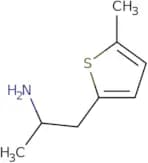
CAS:Versatile small molecule scaffoldFormula:C12H15NO3Purezza:Min. 95%Peso molecolare:221.25 g/mol1-(5-Methylthiophen-2-yl)propan-2-amine
CAS:Prodotto controllatoVersatile small molecule scaffoldFormula:C8H13NSPurezza:Min. 95%Peso molecolare:155.26 g/mol4-Methyl-6H,7H-thieno[3,2-c]pyridine
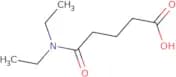
CAS:Versatile small molecule scaffoldFormula:C8H9NSPurezza:Min. 95%Peso molecolare:151.23 g/mol4-(Diethylcarbamoyl)butanoic acid
CAS:Versatile small molecule scaffoldFormula:C9H17NO3Purezza:Min. 95%Peso molecolare:187.24 g/mol1-[2-(Methylsulfanyl)phenyl]ethan-1-ol
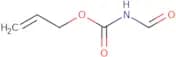
CAS:<p>Versatile small molecule scaffold</p>Formula:C9H12OSPurezza:Min. 95%Peso molecolare:168.26 g/molProp-2-en-1-yl N-carbonylcarbamate
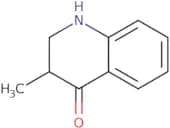
CAS:<p>Versatile small molecule scaffold</p>Formula:C5H7NO3Purezza:Min. 95%Peso molecolare:129.11 g/mol3-Methyl-1,2,3,4-tetrahydroquinolin-4-one
CAS:Versatile small molecule scaffoldFormula:C10H11NOPurezza:Min. 95%Peso molecolare:161.2 g/mol2-[(2-Hydroxyacetyl)oxy]acetic acid
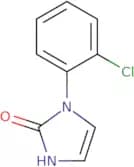
CAS:2-[(2-Hydroxyacetyl)oxy]acetic acid is a hydrolyzing agent that is used in the acylation reaction. 2-[(2-Hydroxyacetyl)oxy]acetic acid is a colorless, crystalline solid and has a melting point of 159-163°C. It is soluble in water, but not in organic solvents. This product can be used to produce an acylation product that contains an acetyl group, which can be obtained by dehydration of the glycolic acid ester. The resulting product will have a high yield and a polymeric structure. The major products are fatty acids with chloride substituents on the hydrocarbon chain. The main use of this product is as a hydrolysis agent for chloroacetic acid.Formula:C4H6O5Purezza:Min. 95%Peso molecolare:134.09 g/mol1-(2-Chlorophenyl)-2,3-dihydro-1H-imidazol-2-one
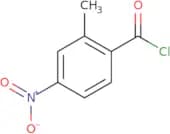
CAS:Versatile small molecule scaffoldFormula:C9H7ClN2OPurezza:Min. 95%Peso molecolare:194.62 g/mol2-Methyl-4-nitrobenzoyl chloride
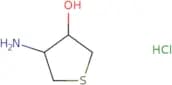
CAS:<p>Versatile small molecule scaffold</p>Formula:C8H6ClNO3Purezza:Min. 95%Peso molecolare:199.59 g/molrac-(3R,4S)-4-Aminothiolan-3-ol hydrochloride
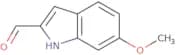
CAS:<p>Versatile small molecule scaffold</p>Formula:C4H10ClNOSPurezza:Min. 95%Peso molecolare:155.65 g/mol6-Methoxy-1H-indole-2-carbaldehyde
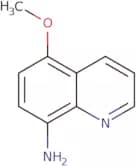
CAS:<p>Versatile small molecule scaffold</p>Formula:C10H9NO2Purezza:Min. 95%Peso molecolare:175.18 g/mol8-Amino-5-methoxyquinoline
CAS:8-Amino-5-methoxyquinoline is a quinoline derivative that can be prepared by a radical mechanism. It is synthesized from ammonium nitrate and c–h bond. 8-Amino-5-methoxyquinoline has been used in the synthesis of various other compounds and for the study of its functional groups. The compound also has been studied to determine if it can be an effective catalyst for reactions such as amination reactions, but it is not considered very efficient in this role.Formula:C10H10N2OPurezza:Min. 95%Peso molecolare:174.2 g/molBenzyl-(5,6-dihydro-4H-[1,3]thiazin-2-yl)-amine
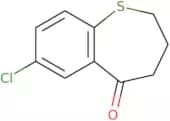
CAS:Versatile small molecule scaffoldFormula:C11H14N2SPurezza:Min. 95%Peso molecolare:206.31 g/mol7-Chloro-2,3,4,5-tetrahydro-1-benzothiepin-5-one
CAS:Versatile small molecule scaffoldFormula:C10H9ClOSPurezza:Min. 95%Peso molecolare:212.7 g/mol4,6-Dichloro-1H-benzo[D]imidazol-2-amine
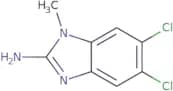
CAS:Versatile small molecule scaffoldFormula:C7H5Cl2N3Purezza:Min. 95%Peso molecolare:202.04 g/mol5,6-Dichloro-1-methyl-1H-1,3-benzodiazol-2-amine
CAS:Versatile small molecule scaffoldFormula:C8H7Cl2N3Purezza:Min. 95%Peso molecolare:216.06 g/mol

![2,3,4,5-Tetrahydro-1H-benzo[e][1,4]diazepine dihydrochloride](/_next/image/?url=https%3A%2Fstatic.cymitquimica.com%2Fproducts%2F3D%2Fthumb-webp%2FFAA17743.webp&w=3840&q=75)
![3-[(Ethoxycarbonyl)amino]benzoic acid](/_next/image/?url=https%3A%2Fstatic.cymitquimica.com%2Fproducts%2F3D%2Fthumb-webp%2FFAA18076.webp&w=3840&q=75)
![4-Bromobenzo[b]thiophene-2-carboxylic acid](/_next/image/?url=https%3A%2Fstatic.cymitquimica.com%2Fproducts%2F3D%2Fthumb-webp%2FFAA19437.webp&w=3840&q=75)
![2-[2-[2-(2-Chloroethoxy)ethoxy]ethoxy]ethanol](/_next/image/?url=https%3A%2Fstatic.cymitquimica.com%2Fproducts%2F3D%2Fthumb-webp%2FFAA19766.webp&w=3840&q=75)


![5-Bromobenzo[d]oxazol-2-amine](/_next/image/?url=https%3A%2Fstatic.cymitquimica.com%2Fproducts%2F3D%2Fthumb-webp%2FFB32511.webp&w=3840&q=75)
![Octahydrocyclopenta[b]thiomorpholine](/_next/image/?url=https%3A%2Fstatic.cymitquimica.com%2Fproducts%2F3D%2Fthumb-webp%2FFBA19620.webp&w=3840&q=75)
![rac-(3aR,6aR)-Hexahydrofuro[3,4-d][1,3]oxazol-2-one](/_next/image/?url=https%3A%2Fstatic.cymitquimica.com%2Fproducts%2F3D%2Fthumb-webp%2FFBA19756.webp&w=3840&q=75)
![6'-Methoxy-3',4'-dihydro-2'H-spiro[imidazolidine-4,1'-naphthalene]-2,5-dione](/_next/image/?url=https%3A%2Fstatic.cymitquimica.com%2Fproducts%2F3D%2Fthumb-webp%2FFBA26510.webp&w=3840&q=75)
![2-Methyl-imidazo[1,2-a]pyridine-3-carbaldehyde](/_next/image/?url=https%3A%2Fstatic.cymitquimica.com%2Fproducts%2F3D%2Fthumb-webp%2FFBA38493.webp&w=3840&q=75)
![4-Methyl-6H,7H-thieno[3,2-c]pyridine](/_next/image/?url=https%3A%2Fstatic.cymitquimica.com%2Fproducts%2F3D%2Fthumb-webp%2FFBA43399.webp&w=3840&q=75)
![1-[2-(Methylsulfanyl)phenyl]ethan-1-ol](/_next/image/?url=https%3A%2Fstatic.cymitquimica.com%2Fproducts%2F3D%2Fthumb-webp%2FFBA43931.webp&w=3840&q=75)
![2-[(2-Hydroxyacetyl)oxy]acetic acid](/_next/image/?url=https%3A%2Fstatic.cymitquimica.com%2Fproducts%2F3D%2Fthumb-webp%2FFBA45085.webp&w=3840&q=75)
![Benzyl-(5,6-dihydro-4H-[1,3]thiazin-2-yl)-amine](/_next/image/?url=https%3A%2Fstatic.cymitquimica.com%2Fproducts%2F3D%2Fthumb-webp%2FFBA48073.webp&w=3840&q=75)
![4,6-Dichloro-1H-benzo[D]imidazol-2-amine](/_next/image/?url=https%3A%2Fstatic.cymitquimica.com%2Fproducts%2F3D%2Fthumb-webp%2FFBA48676.webp&w=3840&q=75)