Building Blocks
Questa sezione contiene prodotti fondamentali per la sintesi di composti organici e biologici. Building blocks sono i materiali di partenza essenziali utilizzati per costruire molecole complesse attraverso varie reazioni chimiche. Svolgono un ruolo critico nella scoperta di farmaci, nella scienza dei materiali e nella ricerca chimica. Presso CymitQuimica, offriamo una gamma diversificata di building blocks di alta qualità per supportare le tue ricerche innovative e progetti industriali, assicurandoti di avere i componenti essenziali per una sintesi di successo.
Sottocategorie di "Building Blocks"
- Acidi boronici e derivati dell'acido boronico(5.756 prodotti)
- Building Blocks Chirali(1.242 prodotti)
- Building Blocks Idrocarburici(6.095 prodotti)
- Building Blocks organici(61.036 prodotti)
Trovati 195887 prodotti di "Building Blocks"
Ordinare per
Purezza (%)
0
100
|
0
|
50
|
90
|
95
|
100
2-Chloro-1,8-naphthyridine
CAS:<p>2-Chloro-1,8-naphthyridine is a configurational isomer of 1,8-naphthyridine. It has two phenyl groups and a cyclic configuration. 2-Chloro-1,8-naphthyridine is synthesized from 2,6-dichloronaphthalene by oxidation with potassium permanganate and subsequent reduction with iron powder. The compound can reversibly form metal complexes with potassium. 2-Chloro-1,8-naphthyridine exhibits reversible changes in its conductance when subjected to cyclic voltammetry.</p>Formula:C8H5ClN2Purezza:Min. 95%Peso molecolare:164.59 g/mol2-(3-Methylbut-2-en-1-yl)-2,3-dihydro-1H-isoindole-1,3-dione
CAS:<p>Versatile small molecule scaffold</p>Formula:C13H13NO2Purezza:Min. 95%Peso molecolare:215.25 g/mol5-Bromo-7-methyl-1H-indole-2-carboxylic acid
CAS:<p>Versatile small molecule scaffold</p>Formula:C10H8BrNO2Purezza:Min. 95%Peso molecolare:254.08 g/mol5-Bromo-7-methyl-1H-indole
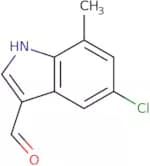
CAS:<p>5-Bromo-7-methyl-1H-indole is a serotonin receptor antagonist that blocks the binding of serotonin to its receptors, which are located on nerve cells. This drug has been used in animal studies to study the role of serotonin in brain function. 5-Bromo-7-methyl-1H-indole has also been shown to be an effective antiserotonin agent for the treatment of depression and anxiety.</p>Formula:C9H8BrNPurezza:Min. 95%Peso molecolare:210.07 g/mol5-Chloro-7-methyl-1H-indole-3-carbaldehyde
CAS:<p>Versatile small molecule scaffold</p>Formula:C10H8ClNOPurezza:Min. 95%Peso molecolare:193.63 g/mol2-[(2-bromophenyl)sulfanyl]acetic acid
CAS:<p>Versatile small molecule scaffold</p>Formula:C8H7BrO2SPurezza:Min. 95%Peso molecolare:247.1 g/mol4-Cyanobicyclo[2.2.2]octane-1-carboxylic acid
CAS:<p>Versatile small molecule scaffold</p>Formula:C10H13NO2Purezza:Min. 95%Peso molecolare:179.22 g/mol3-Methyl-5-oxocyclohexane-1,2-dicarboxylic acid
CAS:<p>Versatile small molecule scaffold</p>Formula:C9H12O5Purezza:Min. 95%Peso molecolare:200.19 g/molRel-2-amino-N-[(1R,4R)-4-hydroxycyclohexyl]benzamide
CAS:<p>Versatile small molecule scaffold</p>Formula:C13H18N2O2Purezza:Min. 95%Peso molecolare:234.29 g/mol7-chloro-1,8-naphthyridin-2-amine
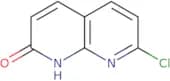
CAS:<p>Versatile small molecule scaffold</p>Formula:C8H6ClN3Purezza:Min. 95%Peso molecolare:179.6 g/mol7-Chloro-1,8-naphthyridin-2-ol
CAS:<p>7-Chloro-1,8-naphthyridin-2-ol is a nucleic acid that stabilizes duplexes and triplexes. It has an affinity for adenine bases in DNA, RNA, or triplexes. 7-Chloro-1,8-naphthyridin-2-ol also binds to mismatched nucleobases in the sequence of nucleic acids. This compound is a potent inhibitor of HIV replication and has been shown to inhibit the growth of cancer cells by targeting the enzyme topoisomerase II alpha.</p>Formula:C8H5ClN2OPurezza:Min. 95%Peso molecolare:180.59 g/mol2-Chloro-5-(methylsulfanyl)aniline
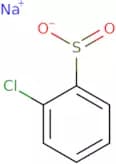
CAS:<p>2-Chloro-5-(methylsulfanyl)aniline is a sulfoxide that can inhibit the n-methyl-d-aspartate (NMDA) receptor, which is an ion channel that plays a key role in neuronal excitability. 2-Chloro-5-(methylsulfanyl)aniline has been shown to be neuroprotective against glutamate toxicity in rats and mice. This drug also blocks the NMDA receptor by binding to it, preventing glutamate from activating it. 2-Chloro-5-(methylsulfanyl)aniline has been shown to have neuroprotective effects in animal models of stroke, cerebral ischemia, and traumatic brain injury.</p>Formula:C7H8ClNSPurezza:Min. 95%Peso molecolare:173.66 g/mol2-Chlorobenzenesulfinic acid sodium
CAS:<p>Versatile small molecule scaffold</p>Formula:C6H4ClNaO2SPurezza:Min. 95%Peso molecolare:198.6 g/molSodium 3-chlorobenzene-1-sulfinate
CAS:<p>Versatile small molecule scaffold</p>Formula:C6H4ClNaO2SPurezza:Min. 95%Peso molecolare:198.6 g/mol2,3,4-Trichlorophenol
CAS:<p>2,3,4-Trichlorophenol (2,3,4-TCP) is a water-soluble compound that is used as an analytical reagent. 2,3,4-TCP is also an antimicrobial agent found in household cleaners and disinfectants. It is used to remove bacteria from equipment and surfaces in hospitals and other healthcare facilities. The acidic aqueous solution of 2,3,4-TCP has been shown to adsorb triclosan and p-hydroxybenzoic acid from wastewater treatment systems. The reaction mechanism for the adsorption process is not well understood but may involve the formation of hydrogen bonds between the polar hydroxyl groups on 2,3,4-TCP and the carboxyl groups on triclosan or p-hydroxybenzoic acid. Anhydrous sodium can be used as an alternative to water for this process.</p>Formula:Cl3C6H2OHPurezza:Min. 95%Peso molecolare:197.45 g/mol3-Chloro-N,N-diethylbenzamide
CAS:<p>Versatile small molecule scaffold</p>Formula:C11H14ClNOPurezza:Min. 95%Peso molecolare:211.69 g/mol3-(4-Fluorophenyl)butanoic acid
CAS:<p>3-(4-Fluorophenyl)butanoic acid is an analog of butanoic acid. It has been shown to have properties similar to carbamates and to be an intermediate in the synthesis of a number of other compounds. 3-(4-Fluorophenyl)butanoic acid is used as an oral dosage form, which is converted into its active form (2-chloro-N-[3-(4-fluorophenyl)propionyl]acetamide). This drug has been shown to be effective for the treatment of reflux disease, with a lower incidence of side effects than some other drugs used for this purpose.</p>Formula:C10H11FO2Purezza:Min. 95%Peso molecolare:182.19 g/mol1-(1,4-Dioxan-2-yl)ethan-1-one
CAS:<p>1-(1,4-Dioxan-2-yl)ethan-1-one is a nucleophilic compound that can be used as a catalyst for the conversion of carbinols and ketonitriles to their corresponding esters. It has been shown to have stereoselective properties in its reaction with substituted phenols. 1-(1,4-Dioxan-2-yl)ethan-1-one is also able to form coordination complexes with metals. The molecule is chiral and the enantiomers have different reactivities. This product has been shown to be useful in coatings, such as those applied to paper or textiles.</p>Formula:C6H10O3Purezza:Min. 95%Peso molecolare:130.14 g/molN-(4-Hydroxyphenyl)-3,4,5-trimethoxybenzamide
CAS:<p>N-(4-Hydroxyphenyl)-3,4,5-trimethoxybenzamide is a biomolecule that is found in nature. It has a square shape and is hydrophobic. The molecule consists of an amide group and a benzene ring. The molecule has been shown to have dose-dependent effects on ligands. Nonpolar molecules are attracted by the hydrophobic interactions between the benzene ring and the amide group. This molecule has also been cocrystallized with a nonpolar ligand. In this conformation, it is an anionic species with a dihedral angle of 90 degrees.</p>Formula:C16H17NO5Purezza:Min. 95%Peso molecolare:303.31 g/molSodium 4-nitrobenzene-1-sulfinate
CAS:<p>Sodium 4-nitrobenzenesulfinate is a sulfonylating agent that is used in organic chemistry to synthesize dihydronaphthalene, which is an intermediate in the synthesis of naphthalenes. It can be prepared by the ring-opening reaction of sodium nitrobenzenesulfinate with a suitable nucleophile such as methylenecyclopropanes. Sodium 4-nitrobenzenesulfinate reacts with sulfur to form sulfones, which are important intermediates for the synthesis of thiazoles and benzothiazoles. This reagent has been shown to be effective for the synthesis of biomolecules, such as proteins and peptides.</p>Formula:C6H4NNaO4SPurezza:Min. 95%Peso molecolare:209.16 g/molN-Phenylaminosulfonamide
CAS:<p>N-Phenylaminosulfonamide is a prodrug that is metabolized in the body to release oxadiazole. It has been shown to lower intracellular calcium levels by targeting response elements and hydrogen bonds in the cell. N-Phenylaminosulfonamide also inhibits fatty acid synthesis, which may be due to its ability to inhibit 3t3-l1 preadipocytes. The drug has been shown to have an anti-obesity effect by inhibiting energy metabolism through inhibition of hydroxyl group oxidation, leading to reduced glucose uptake and glycolysis.</p>Formula:C6H8N2O2SPurezza:Min. 95%Peso molecolare:172.21 g/mol2-Phenyl-2-propanamidoacetic acid
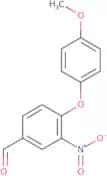
CAS:<p>Versatile small molecule scaffold</p>Formula:C11H13NO3Purezza:Min. 95%Peso molecolare:207.23 g/mol4-(4-Methoxyphenoxy)-3-nitrobenzaldehyde
CAS:<p>Versatile small molecule scaffold</p>Formula:C14H11NO5Purezza:Min. 95%Peso molecolare:273.24 g/molMethyl 3-methylenecyclobutanecarboxylate
CAS:<p>Methyl 3-methylenecyclobutanecarboxylate is an organic compound with the chemical formula CH3C(O)CH2CH2COOCH3. It is a colorless liquid that is soluble in organic solvents. Methyl 3-methylenecyclobutanecarboxylate has been studied for its use as a precursor to potassium salts, which are used as catalysts in industrial processes. Methyl 3-methylenecyclobutanecarboxylate has also been identified as a structural factor for the elimination of potassium from cyclopentanone and benzene, factors that contribute to its elimination from the body. This compound can be brominated using potassium tert-butoxide and reactions with other reagents such as lithium chloride or sodium hydroxide to form methyl 3-bromocyclobutanecarboxylate, which can then be dehydrobrominated to form methyl 3-</p>Formula:C7H10O2Purezza:Min. 95%Peso molecolare:126.15 g/mol(3-Chlorocyclobutyl)methanol
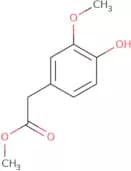
CAS:<p>Versatile small molecule scaffold</p>Formula:C5H9ClOPurezza:Min. 95%Peso molecolare:120.58 g/molMethyl 4-hydroxy-3-methoxyphenylacetate
CAS:<p>Methyl 4-hydroxy-3-methoxyphenylacetate (HMPAA) is a natural compound, which can be detected by mass spectrometric detection. It is an evaporative and has been shown to have inhibitory effects on the growth of ganglion cells in culture. HMPAA also inhibits phosphotungstic acid precipitation assays and crth2 expression. HMPAA has been shown to interact with other proteins, such as protein–protein interactions or functional groups. This compound is also involved in chemical reactions, such as the hydroxyl group or the methyl group. The detectable concentration of HMPAA ranges from 1 ng/mL to 1 μM and it is found in monomers or organic acids.</p>Formula:C10H12O4Purezza:Min. 95%Peso molecolare:196.2 g/mol1-Methyl-4-phenyl-1H-1,2,3-triazole
CAS:<p>1-Methyl-4-phenyl-1H-1,2,3-triazole is a ligand that interacts with copper. It is used in the synthesis of pyridine complexes and as a reagent for the preparation of other organometallic compounds. 1-Methyl-4-phenyl-1H-1,2,3-triazole has been shown to be able to replace azide or chloride ligands in some metal coordination complexes. It has been observed in spectra of copper and rhenium complexes with axially coordinated ligands. The X ray crystal structures of 1 methyl 4 phenyl 1H 1 2 3 triazole have revealed that it can be either a luminescent or nonluminescent compound depending on the type of solvent used during its preparation.</p>Formula:C9H9N3Purezza:Min. 95%Peso molecolare:159.19 g/mol2-Chloro-4-methyl-1H-benzo[d]imidazole
CAS:<p>2-Chloro-4-methyl-1H-benzo[d]imidazole is a biochemical, which has been used in structural studies and conformational analyses. The compound has been shown to be an oriented molecule that can exist in two different forms, depending on the solvent conditions. 2-Chloro-4-methyl-1H-benzo[d]imidazole is a halide with a low degree of solubility in water. It reacts with divalent cations such as magnesium or calcium ions to form insoluble salts. 2CMBDI has been shown to inhibit DNA replication by binding to 8-oxoguanosine residues during the synthesis of DNA and preventing their incorporation into the growing strand. Mechanistically, 2CMBDI inhibits cellular anions and causes cell death by inhibiting DNA replication.</p>Formula:C8H7ClN2Purezza:Min. 95%Peso molecolare:166.61 g/mol2-Chloro-1,5-dimethyl-1H-benzo[D]imidazole
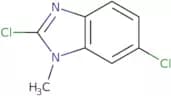
CAS:<p>Versatile small molecule scaffold</p>Formula:C9H9ClN2Purezza:Min. 95%Peso molecolare:180.63 g/mol2,6-Dichloro-1-methyl-1H-1,3-benzodiazole
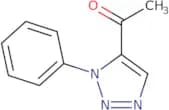
CAS:<p>Versatile small molecule scaffold</p>Formula:C8H6Cl2N2Purezza:Min. 95%Peso molecolare:201.05 g/mol1-(1-Phenyl-1H-1,2,3-triazol-5-yl)ethan-1-one
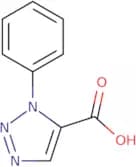
CAS:<p>Versatile small molecule scaffold</p>Formula:C10H9N3OPurezza:Min. 95%Peso molecolare:187.2 g/mol1-Phenyl-1H-1,2,3-triazole-5-carboxylic acid
CAS:<p>Versatile small molecule scaffold</p>Formula:C9H7N3O2Purezza:Min. 95%Peso molecolare:189.17 g/molPyrrolidine-1-carbohydrazide
CAS:<p>Versatile small molecule scaffold</p>Formula:C5H11N3OPurezza:Min. 95%Peso molecolare:129.16 g/mol2-[(4-Methoxyphenyl)carbonyl]furan
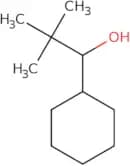
CAS:<p>Versatile small molecule scaffold</p>Formula:C12H10O3Purezza:Min. 95%Peso molecolare:202.21 g/mol1-Cyclohexyl-2,2-dimethylpropan-1-ol
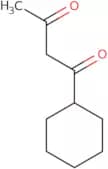
CAS:<p>Versatile small molecule scaffold</p>Formula:C11H22OPurezza:Min. 95%Peso molecolare:170.29 g/mol1-Cyclohexylbutane-1,3-dione
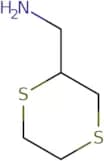
CAS:<p>Versatile small molecule scaffold</p>Formula:C10H16O2Purezza:Min. 95%Peso molecolare:168.23 g/mol1,4-Dithian-2-ylmethanamine
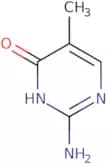
CAS:<p>Versatile small molecule scaffold</p>Formula:C5H11NS2Purezza:Min. 95%Peso molecolare:149.3 g/mol2-Amino-5-methyl-4-pyrimidinol
CAS:<p>2-Amino-5-methyl-4-pyrimidinol is a metabolite of the nucleobase cytosine. It is also a competitive inhibitor of guanine deaminase, an enzyme that converts guanine to inosine. 2-Amino-5-methyl-4-pyrimidinol can be synthesized by solid phase synthesis and has been shown to have clinical potential for the treatment of cancer.</p>Formula:C5H7N3OPurezza:Min. 95%Peso molecolare:125.13 g/molrac-(1R,2S)-2-Carbamoylcyclopropane-1-carboxylic acid
CAS:<p>Versatile small molecule scaffold</p>Formula:C5H7NO3Purezza:Min. 95%Peso molecolare:129.1 g/molMethyl 4-(aminooxy)butanoate hydrochloride
CAS:<p>Versatile small molecule scaffold</p>Formula:C5H12ClNO3Purezza:Min. 95%Peso molecolare:169.61 g/mol2-Propylpiperidine hydrochloride
CAS:<p>2-Propylpiperidine hydrochloride is a piperidine that is heterocyclic in nature and has the molecular formula C8H19N. It is obtained by the condensation of propionic acid with ammonia, followed by reaction with ethylene oxide. 2-Propylpiperidine hydrochloride is used as a starting material in the synthesis of other compounds such as coniine and its derivatives. The stereogenic center in 2-propylpiperidine hydrochloride can be synthesized using asymmetric methodology. The salt form of this compound is 2-propylpiperidine hydrochloride hydroxide (2-ppi) or 2-propylpiperidine hydrochloride hydrate. This compound can also exist as an alcohol, enantiopure, or amide form.</p>Formula:C8H18ClNPurezza:Min. 95%Peso molecolare:163.69 g/molrac-(3S,6R)-3,6-Bis(hydroxymethyl)piperazine-2,5-dione
CAS:<p>Versatile small molecule scaffold</p>Formula:C6H10N2O4Purezza:Min. 95%Peso molecolare:174.15 g/mol3,6-Dimethylene-2,5-piperazinedione
CAS:<p>3,6-Methylene-2,5-piperazinedione is a heterocyclic compound that belongs to the piperazinedione ring system. It is synthesized from 3,6-dithiobenzoic acid and thioacetic acid. The synthesis of this compound proceeds through a series of reactions involving oxidation of the thioacetic acid to the dithiols, followed by a sequence of nucleophilic substitution reactions.</p>Formula:C6H6N2O2Purezza:Min. 95%Peso molecolare:138.12 g/mol1,1-Dichloro-2-(chloromethyl)-2-methylcyclopropane
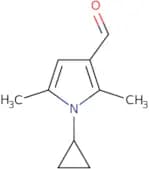
CAS:<p>Versatile small molecule scaffold</p>Formula:C5H7Cl3Purezza:Min. 95%Peso molecolare:173.46 g/mol1-Cyclopropyl-2,5-dimethyl-1h-pyrrole-3-carbaldehyde
CAS:<p>Versatile small molecule scaffold</p>Formula:C10H13NOPurezza:Min. 95%Peso molecolare:163.22 g/mol4-(1-Methyl-1H-pyrazol-5-yl)piperidine
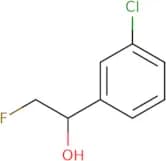
CAS:<p>Versatile small molecule scaffold</p>Formula:C9H15N3Purezza:Min. 95%Peso molecolare:165.24 g/mol1-(3-Chlorophenyl)-2-fluoroethan-1-ol
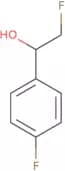
CAS:<p>Versatile small molecule scaffold</p>Formula:C8H8ClFOPurezza:Min. 95%Peso molecolare:174.6 g/mol2-Fluoro-1-(4-fluorophenyl)ethanol
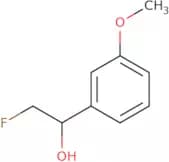
CAS:<p>Versatile small molecule scaffold</p>Formula:C8H8F2OPurezza:Min. 95%Peso molecolare:158.14 g/mol2-Fluoro-1-(3-methoxyphenyl)ethan-1-ol
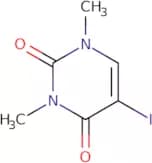
CAS:<p>Versatile small molecule scaffold</p>Formula:C9H11FO2Purezza:Min. 95%Peso molecolare:170.18 g/mol5-Iodo-1,3-dimethyluracil
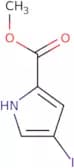
CAS:<p>5-Iodo-1,3-dimethyluracil (5IDMU) is a nucleoside that is used in cancer diagnosis. 5IDMU can be synthesized by the Suzuki coupling reaction with an amine and a halide. The synthesis of 5IDMU can also be accomplished by the cross-coupling of an amine and a tautomeric methylene compound. The methylene group in the heterocycle is electron donating, which makes it more reactive than other groups. This nucleoside has been shown to have anti-inflammatory properties, which may be due to its ability to inhibit prostaglandin synthesis. 5IDMU has also been shown to have anticancer effects in vitro and in vivo.</p>Formula:C6H7IN2O2Purezza:Min. 95%Peso molecolare:266.04 g/molMethyl 4-iodo-1H-pyrrole-2-carboxylate
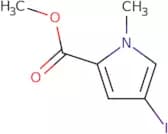
CAS:<p>Versatile small molecule scaffold</p>Formula:C6H6INO2Purezza:Min. 95%Peso molecolare:251.02 g/molMethyl 4-iodo-1-methyl-1H-pyrrole-2-carboxylate
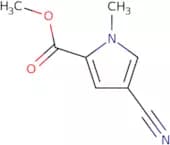
CAS:<p>Versatile small molecule scaffold</p>Formula:C7H8INO2Purezza:Min. 95%Peso molecolare:265.05 g/molMethyl 4-cyano-1-methyl-1H-pyrrole-2-carboxylate
CAS:<p>Versatile small molecule scaffold</p>Formula:C8H8N2O2Purezza:Min. 95%Peso molecolare:164.16 g/mol5-Fluoro-benzo[b]thiophene-3-carboxylic acid
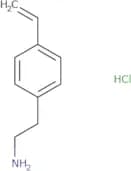
CAS:<p>Versatile small molecule scaffold</p>Formula:C9H5FO2SPurezza:Min. 95%Peso molecolare:196.2 g/mol2-(4-Ethenylphenyl)ethan-1-amine hydrochloride
CAS:Prodotto controllato<p>Versatile small molecule scaffold</p>Formula:C10H14ClNPurezza:Min. 95%Peso molecolare:183.68 g/mol4-(4-Bromophenyl)-1,2,3-thiadiazole
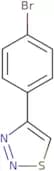
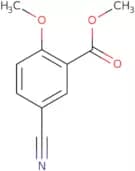
CAS:<p>4-(4-Bromophenyl)-1,2,3-thiadiazole is a mediated drug that belongs to the class of retinoids. It has been shown to have anticancer activity in vitro and in vivo. 4-(4-Bromophenyl)-1,2,3-thiadiazole is an endogenous metabolite of all-trans-retinoic acid (ATRA), which is a molecule synthesized from vitamin A. This drug also inhibits cytochrome p450 enzymes and can be used as an antidote for poisoning by itraconazole and other drugs that inhibit the same enzyme system.</p>Formula:C8H5BrN2SPurezza:Min. 95%Peso molecolare:241.11 g/molMethyl 5-cyano-2-methoxybenzoate
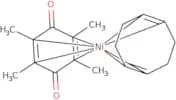
CAS:<p>Versatile small molecule scaffold</p>Formula:C10H9NO3Purezza:Min. 95%Peso molecolare:191.18 g/molBis(1,5-cyclooctadiene)(duroquinone) nickel(0)
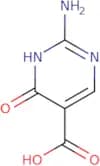
CAS:<p>Bis(1,5-cyclooctadiene)(duroquinone) nickel(0) is a synthetic compound that belongs to the class of organometallic compounds. It is used as a ligand in cross-coupling reactions and as a catalyst in organic synthesis. Bis(1,5-cyclooctadiene)(duroquinone) nickel(0) has been shown to react with Grignard reagents and boronic acids to form complex molecules with stereospecificity. This compound also reacts with aldehydes and triflates to form alkenylation products. The mechanism for this reaction is not well understood, but it is thought that the bis(1,5-cyclooctadiene)(duroquinone) nickel(0) binds to the electrophilic carbon atom of the carbonyl group through its duroquinone moiety and then undergoes oxidative addition with the Grignard reagent</p>Formula:C18H24NiO2Purezza:Min. 95%Peso molecolare:331.08 g/mol2-Amino-4-hydroxypyrimidine-5-carboxylic acid
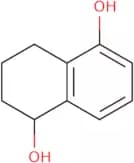
CAS:<p>Versatile small molecule scaffold</p>Formula:C5H5N3O3Purezza:Min. 95%Peso molecolare:155.11 g/mol1,5-Dihydroxy-1,2,3,4-tetrahydronaphthalene
CAS:<p>1,5-Dihydroxy-1,2,3,4-tetrahydronaphthalene is an experimentally studied chemical compound. It has been studied for its ability to catalyze the transesterification of vinyl acetate and tetrahydrofuran. This reaction is a good example of a ternary catalyst that is operational under both kinetic and optimal conditions. 1,5-Dihydroxy-1,2,3,4-tetrahydronaphthalene is also an enantiomeric mixture with a selectivity of the order of 90% for the (S)-enantiomer.</p>Formula:C10H12O2Purezza:Min. 95%Peso molecolare:164.2 g/mol5-Propyl-[1,2,4]triazolo[1,5-a]pyrimidin-7-ol
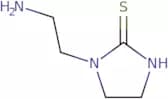
CAS:<p>Versatile small molecule scaffold</p>Formula:C8H10N4OPurezza:Min. 95%Peso molecolare:178.19 g/mol1-(2-Aminoethyl)imidazolidine-2-thione
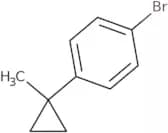
CAS:<p>1-(2-Aminoethyl)imidazolidine-2-thione is a hydrocarbon that inhibits corrosion by binding to metal ions and preventing the formation of corrosion products. It has been shown to be a potent inhibitor of corrosion in water, with more than 50% inhibition at pH 7.1. 1-(2-Aminoethyl)imidazolidine-2-thione has been shown to inhibit the deprotonation of thiourea in acidic conditions, which is an important step in the corrosion process. In addition, 1-(2-Aminoethyl)imidazolidine-2-thione binds to metal ions via its electron donor group and prevents the formation of anions. The molecular structure consists of a heterocyclic ring with five members, with the nitrogen atom occupying one position on the ring. As such, it can be classified as a heterocyclic amine or imidazolidineth</p>Formula:C5H11N3SPurezza:Min. 95%Peso molecolare:145.23 g/mol1-Bromo-4-(1-methylcyclopropyl)benzene
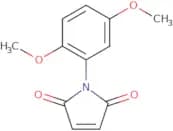
CAS:<p>Versatile small molecule scaffold</p>Formula:C10H11BrPurezza:Min. 95%Peso molecolare:211.1 g/mol1-(2,5-Dimethoxyphenyl)-1H-pyrrole-2,5-dione
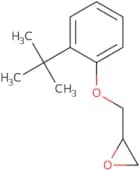
CAS:<p>Versatile small molecule scaffold</p>Formula:C12H11NO4Purezza:Min. 95%Peso molecolare:233.22 g/mol2-(2-tert-Butylphenoxymethyl)oxirane
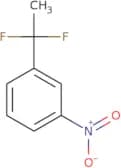
CAS:<p>Versatile small molecule scaffold</p>Formula:C13H18O2Purezza:Min. 95%Peso molecolare:206.28 g/mol1-(1,1-Difluoroethyl)-3-nitrobenzene
CAS:<p>Versatile small molecule scaffold</p>Formula:C8H7F2NO2Purezza:Min. 95%Peso molecolare:187.15 g/mol5-Ethylcyclohex-2-en-1-one
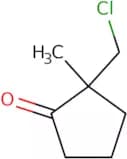
CAS:<p>Versatile small molecule scaffold</p>Formula:C8H12OPurezza:Min. 95%Peso molecolare:124.18 g/mol2-(Chloromethyl)-2-methylcyclopentan-1-one
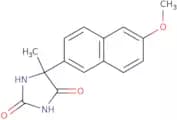
CAS:<p>Versatile small molecule scaffold</p>Formula:C7H11ClOPurezza:Min. 95%Peso molecolare:146.61 g/mol5-(6-Methoxynaphthalen-2-yl)-5-methylimidazolidine-2,4-dione
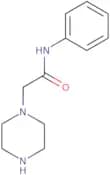
CAS:<p>Versatile small molecule scaffold</p>Formula:C15H14N2O3Purezza:Min. 95%Peso molecolare:270.28 g/molN-Phenyl-2-(piperazin-1-yl)acetamide
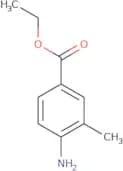
CAS:<p>Versatile small molecule scaffold</p>Formula:C12H17N3OPurezza:Min. 95%Peso molecolare:219.28 g/molEthyl 4-amino-3-methylbenzoate
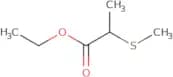
CAS:<p>Ethyl 4-amino-3-methylbenzoate is a dimer that can be formed by the reaction of ethyl benzoate with anilines. This dimer has been shown to have an asymmetric center and can form hydrogen bonds with other molecules. The reactivity of this molecule is similar to benzocaine, which is also a dimer, but it does not contain any nitrogen atoms.</p>Formula:C10H13NO2Purezza:Min. 95%Peso molecolare:179.22 g/molEthyl 2-(methylsulfanyl)propanoate
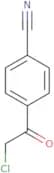
CAS:<p>Versatile small molecule scaffold</p>Formula:C6H12O2SPurezza:Min. 95%Peso molecolare:148.23 g/mol4-(2-Chloroacetyl)benzonitrile
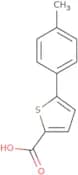
CAS:<p>Versatile small molecule scaffold</p>Formula:C9H6ClNOPurezza:Min. 95%Peso molecolare:179.6 g/mol5-(4-Methylphenyl)-2-thiophenecarboxylic acid
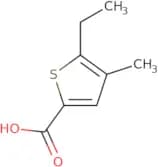
CAS:<p>Versatile small molecule scaffold</p>Formula:C12H10O2SPurezza:Min. 95%Peso molecolare:218.27 g/mol5-Ethyl-4-methylthiophene-2-carboxylic acid
CAS:<p>Versatile small molecule scaffold</p>Formula:C8H10O2SPurezza:Min. 95%Peso molecolare:170.23 g/mol2-(4-Methoxypyridin-2-yl)acetonitrile
CAS:<p>Versatile small molecule scaffold</p>Formula:C8H8N2OPurezza:Min. 95%Peso molecolare:148.16 g/mol3-Nitro-4-(pyrrolidin-1-yl)benzoic acid
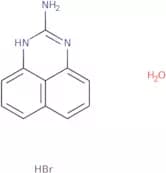
CAS:<p>Versatile small molecule scaffold</p>Formula:C11H12N2O4Purezza:Min. 95%Peso molecolare:236.22 g/mol2-Aminoperimidine hydrobromide sesquihydrate
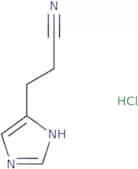
CAS:<p>2-Aminoperimidine hydrobromide sesquihydrate (2AP) is a sulfonamide antibiotic that inhibits bacterial growth by binding to the ribosome. 2AP is a potentiometric titrant, with an endpoint of 1.5 M NaOH. It has been shown to inhibit the growth of bacteria, such as Staphylococcus aureus and Escherichia coli, in vitro. The synthesis of 2AP can be achieved through a two-step reaction between ammonium salt and sulfate ester. This chemical synthesis uses the following parameters:</p>Formula:C11H9N3•HBr•(H2O)1Purezza:Min. 95%Peso molecolare:291.14 g/mol3-(1H-Imidazol-4-yl)propanenitrile hydrochloride
CAS:<p>Versatile small molecule scaffold</p>Formula:C6H8ClN3Purezza:Min. 95%Peso molecolare:157.6 g/mol3-(1H-Imidazol-4-yl)propan-1-amine dihydrochloride
CAS:<p>Versatile small molecule scaffold</p>Formula:C6H13Cl2N3Purezza:Min. 95%Peso molecolare:198.09 g/mol1-Benzyl-4-chlorophthalazine
CAS:<p>1-Benzyl-4-chlorophthalazine (1BCP) is a heterocyclic compound that inhibits the piperazine pathway. It has been shown to be a lead compound for inhibiting the growth of medulloblastoma cells in vivo and allografts in vitro. 1BCP inhibits the proliferation of mouse cells by blocking the production of pyrimidine nucleotides and DNA synthesis. This inhibition is due to its ability to inhibit the enzymes involved in pyrimidine biosynthesis, including dihydropteroate synthase, dihydrooratase, and ribonucleotide reductase. The observed effects are mediated through inhibiting key enzymes in the pyrimidine biosynthetic pathway, which leads to cell cycle arrest and apoptosis.</p>Formula:C15H11ClN2Purezza:Min. 95%Peso molecolare:254.71 g/molMethyl 2-(o-tolyl)acetate
CAS:<p>Methyl 2-(o-tolyl)acetate is a methylester that is used in organic chemistry as a pharmacophore. It is synthesized by the acylation reaction of chlorobenzene and formyl chloride in the presence of methanol. The product can be hydrolyzed to methyl 2-(o-tolyl)acrylate with an alkali metal hydroxide or ammonia, or it can undergo formylation with triazolinone to yield methyl 3-(o-tolyl)propionate. Methyl 2-(o-tolyl)acetate has been shown to react with metal cations such as copper(II) and mercury(II). This product is also stable isotope labeled for use as a tracer in biological studies.</p>Formula:C10H12O2Purezza:Min. 95%Peso molecolare:164.2 g/mol5-Chloro-2-methyl-3H-imidazo[4,5-b]pyridine
CAS:<p>Versatile small molecule scaffold</p>Formula:C7H6ClN3Purezza:Min. 95%Peso molecolare:167.6 g/mol(5S)-5-[(1H-Indol-3-yl)methyl]imidazolidine-2,4-dione
CAS:<p>The enzyme 5S-5-[(1H-Indol-3-yl)methyl]imidazolidine-2,4-dione is a multiphase enzyme that has two binding sites for the substrate. The first site is at the top of the cavity and the second site is at the bottom of the cavity. The first site binds to substrates with a low yield, while the second site binds to substrates with a high yield. The multiphase mechanism allows for transport of substrates through the enzyme by an alternating flow or plenum. This enzyme also has magnetic properties, which can be used in calibration and tabulation.</p>Formula:C12H11N3O2Purezza:Min. 95%Peso molecolare:229.23 g/mol2,4-Difluoro-5-nitropyrimidine
CAS:<p>Versatile small molecule scaffold</p>Formula:C4HF2N3O2Purezza:Min. 95%Peso molecolare:161.07 g/mol1-[3-(Dimethylamino)propyl]-6-hydroxy-4-methyl-2-oxo-1,2-dihydropyridine-3-carbonitrile
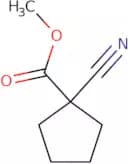
CAS:<p>Versatile small molecule scaffold</p>Formula:C12H17N3O2Purezza:Min. 95%Peso molecolare:235.28 g/molMethyl 1-cyanocyclopentanecarboxylate
CAS:<p>Versatile small molecule scaffold</p>Formula:C8H11NO2Purezza:Min. 95%Peso molecolare:153.18 g/mol3-(4-Bromophenoxy)pyridazine
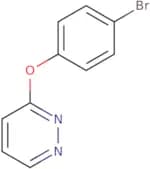
CAS:<p>Versatile small molecule scaffold</p>Formula:C10H7BrN2OPurezza:Min. 95%Peso molecolare:251.08 g/mol3-Bromo-2,2-dimethyl-1-propanol
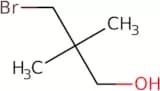
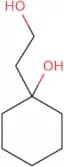
CAS:<p>3-Bromo-2,2-dimethyl-1-propanol is a thioether with a dithiol structure. It is an intermediate in the synthesis of other compounds and has been used as a ligand for copper in asymmetric synthesis. 3-Bromo-2,2-dimethyl-1-propanol reacts with formaldehyde to produce 2,4,6-trimethylaniline in the presence of a catalyst, such as palladium chloride or platinum oxide. The reaction can be carried out at room temperature without hazardous conditions. 3Br 2 DMPr is also used as an optical reagent for the detection of metals. This compound is selective in its reactivity and can be used for alkylation reactions on various metal surfaces with high selectivity. The optical properties of 3Br 2 DMPr are due to its ability to absorb light strongly at 285 nm and weakly at 365 nm. This property can be</p>Formula:C5H11BrOPurezza:Min. 95%Peso molecolare:167.04 g/mol1-(2-Hydroxyethyl)cyclohexan-1-ol
CAS:<p>Versatile small molecule scaffold</p>Formula:C8H16O2Purezza:Min. 95%Peso molecolare:144.21 g/mol(2-Methyl-3-nitrophenyl)methanamine hydrochloride
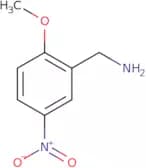
CAS:<p>Versatile small molecule scaffold</p>Formula:C8H11ClN2O2Purezza:Min. 95%Peso molecolare:202.6 g/mol(2-Methoxy-5-nitrophenyl)methanamine
CAS:<p>Versatile small molecule scaffold</p>Formula:C8H10N2O3Purezza:Min. 95%Peso molecolare:182.18 g/mol3-(1-Hydroxy-1-methylethyl)benzoic acid
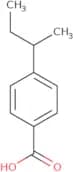
CAS:<p>Versatile small molecule scaffold</p>Formula:C10H12O3Purezza:Min. 95%Peso molecolare:180.2 g/mol4-(Butan-2-yl)benzoic acid
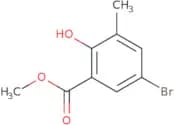
CAS:<p>Versatile small molecule scaffold</p>Formula:C11H14O2Purezza:Min. 95%Peso molecolare:178.23 g/molMethyl 5-bromo-2-hydroxy-3-methylbenzoate
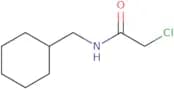
CAS:<p>Versatile small molecule scaffold</p>Formula:C9H9BrO3Purezza:Min. 95%Peso molecolare:245.07 g/mol2-Chloro-N-(cyclohexylmethyl)acetamide
CAS:<p>Versatile small molecule scaffold</p>Formula:C9H16ClNOPurezza:Min. 95%Peso molecolare:189.68 g/mol7-Methylbenzo[d]oxazol-2(3H)-O
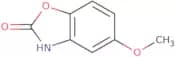
CAS:<p>Versatile small molecule scaffold</p>Formula:C8H7NO2Purezza:Min. 95%Peso molecolare:149.15 g/mol5-Methoxy-2,3-dihydro-1,3-benzoxazol-2-one
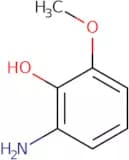
CAS:<p>Versatile small molecule scaffold</p>Formula:C8H7NO3Purezza:Min. 95%Peso molecolare:165.15 g/mol2-Amino-6-methoxyphenol
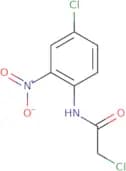
CAS:<p>Versatile small molecule scaffold</p>Formula:C7H9NO2Purezza:Min. 95%Peso molecolare:139.15 g/mol2-Chloro-N-(4-chloro-2-nitrophenyl)acetamide
CAS:<p>Versatile small molecule scaffold</p>Formula:C8H6Cl2N2O3Purezza:Min. 95%Peso molecolare:249.05 g/mol


![2-[(2-bromophenyl)sulfanyl]acetic acid](/_next/image/?url=https%3A%2Fstatic.cymitquimica.com%2Fproducts%2F3D%2Fthumb-webp%2FQAA93985.webp&w=3840&q=75)
![4-Cyanobicyclo[2.2.2]octane-1-carboxylic acid](/_next/image/?url=https%3A%2Fstatic.cymitquimica.com%2Fproducts%2F3D%2Fthumb-webp%2FQAA94109.webp&w=3840&q=75)

![Rel-2-amino-N-[(1R,4R)-4-hydroxycyclohexyl]benzamide](/_next/image/?url=https%3A%2Fstatic.cymitquimica.com%2Fproducts%2F3D%2Fthumb-webp%2FQAA94211.webp&w=3840&q=75)







![2-Chloro-4-methyl-1H-benzo[d]imidazole](/_next/image/?url=https%3A%2Fstatic.cymitquimica.com%2Fproducts%2F3D%2Fthumb-webp%2FQAA96557.webp&w=3840&q=75)
![2-Chloro-1,5-dimethyl-1H-benzo[D]imidazole](/_next/image/?url=https%3A%2Fstatic.cymitquimica.com%2Fproducts%2F3D%2Fthumb-webp%2FQAA96560.webp&w=3840&q=75)

![2-[(4-Methoxyphenyl)carbonyl]furan](/_next/image/?url=https%3A%2Fstatic.cymitquimica.com%2Fproducts%2F3D%2Fthumb-webp%2FQAA97074.webp&w=3840&q=75)



![5-Fluoro-benzo[b]thiophene-3-carboxylic acid](/_next/image/?url=https%3A%2Fstatic.cymitquimica.com%2Fproducts%2F3D%2Fthumb-webp%2FQBA74057.webp&w=3840&q=75)
![5-Propyl-[1,2,4]triazolo[1,5-a]pyrimidin-7-ol](/_next/image/?url=https%3A%2Fstatic.cymitquimica.com%2Fproducts%2F3D%2Fthumb-webp%2FQBA77587.webp&w=3840&q=75)





![5-Chloro-2-methyl-3H-imidazo[4,5-b]pyridine](/_next/image/?url=https%3A%2Fstatic.cymitquimica.com%2Fproducts%2F3D%2Fthumb-webp%2FQBA85192.webp&w=3840&q=75)
![(5S)-5-[(1H-Indol-3-yl)methyl]imidazolidine-2,4-dione](/_next/image/?url=https%3A%2Fstatic.cymitquimica.com%2Fproducts%2F3D%2Fthumb-webp%2FQBA85680.webp&w=3840&q=75)

![1-[3-(Dimethylamino)propyl]-6-hydroxy-4-methyl-2-oxo-1,2-dihydropyridine-3-carbonitrile](/_next/image/?url=https%3A%2Fstatic.cymitquimica.com%2Fproducts%2F3D%2Fthumb-webp%2FQBA85937.webp&w=3840&q=75)

![7-Methylbenzo[d]oxazol-2(3H)-O](/_next/image/?url=https%3A%2Fstatic.cymitquimica.com%2Fproducts%2F3D%2Fthumb-webp%2FQBA92560.webp&w=3840&q=75)