Building Blocks
Questa sezione contiene prodotti fondamentali per la sintesi di composti organici e biologici. Building blocks sono i materiali di partenza essenziali utilizzati per costruire molecole complesse attraverso varie reazioni chimiche. Svolgono un ruolo critico nella scoperta di farmaci, nella scienza dei materiali e nella ricerca chimica. Presso CymitQuimica, offriamo una gamma diversificata di building blocks di alta qualità per supportare le tue ricerche innovative e progetti industriali, assicurandoti di avere i componenti essenziali per una sintesi di successo.
Sottocategorie di "Building Blocks"
- Acidi boronici e derivati dell'acido boronico(5.756 prodotti)
- Building Blocks Chirali(1.242 prodotti)
- Building Blocks Idrocarburici(6.095 prodotti)
- Building Blocks organici(61.036 prodotti)
Trovati 195887 prodotti di "Building Blocks"
Ordinare per
Purezza (%)
0
100
|
0
|
50
|
90
|
95
|
100
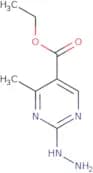
2-Hydrazino-4-methyl-pyrimidine-5-carboxylic acid ethyl ester
CAS:<p>2-Hydrazino-4-methylpyrimidine-5-carboxylic acid ethyl ester is a heterocyclic compound that is used in organic synthesis. It is obtained by the reaction of ethylene with chloroacetic acid and 2,6-dichloropyrimidine. This product can be used as a cocatalyst to promote the polymerization of ethylene. The molecular structure of this heterocyclic ring consists of three carbon atoms, five nitrogen atoms, and two oxygen atoms. The nomenclature for this product can be found in IUPAC Gold Book 1985. Triisobutylaluminium (TIBA) is a typical catalyst for the reaction. In addition, 2-hydrazino-4-methylpyrimidine-5-carboxylic acid ethyl ester chelates with copper or zinc compounds to form catalysts for reactions with other substrates.</p>Formula:C8H12N4O2Purezza:Min. 95%Peso molecolare:196.21 g/mol3-Ethyl-4,5-dihydro-1,2-oxazole-5-carbonitrile
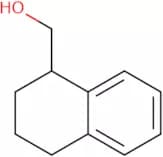
CAS:<p>Versatile small molecule scaffold</p>Formula:C6H8N2OPurezza:Min. 95%Peso molecolare:124.14 g/mol(1,2,3,4-Tetrahydronaphthalen-1-yl)methanol
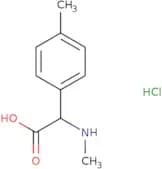
CAS:<p>Versatile small molecule scaffold</p>Formula:C11H14OPurezza:Min. 95%Peso molecolare:162.23 g/mol2-(Methylamino)-2-(4-methylphenyl)acetic acid hydrochloride
CAS:<p>Versatile small molecule scaffold</p>Formula:C10H14ClNO2Purezza:Min. 95%Peso molecolare:215.67 g/mol3-Bromo-5,7-dimethyl-1H,2H-pyrazolo[1,5-a]pyrimidin-2-one
CAS:<p>Versatile small molecule scaffold</p>Formula:C8H8BrN3OPurezza:Min. 95%Peso molecolare:242.07 g/mol3-(1-Benzothiophen-3-yl)-2-oxopropanoic acid
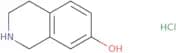
CAS:<p>Versatile small molecule scaffold</p>Formula:C11H8O3SPurezza:Min. 95%Peso molecolare:220.2 g/mol1,2,3,4-tetrahydroisoquinolin-7-ol hydrochloride
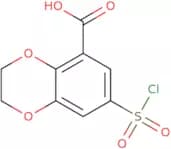
CAS:<p>Versatile small molecule scaffold</p>Formula:C9H12ClNOPurezza:Min. 95%Peso molecolare:185.65 g/mol7-(Chlorosulfonyl)-2,3-dihydro-1,4-benzodioxine-5-carboxylic acid
CAS:<p>Versatile small molecule scaffold</p>Formula:C9H7ClO6SPurezza:Min. 95%Peso molecolare:278.67 g/mol7-Nitro-2,3-dihydro-1,4-benzodioxine-5-carboxylic acid
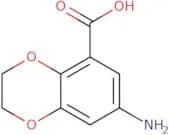
CAS:<p>Versatile small molecule scaffold</p>Formula:C9H7NO6Purezza:Min. 95%Peso molecolare:225.15 g/mol7-Amino-2,3-dihydro-1,4-benzodioxine-5-carboxylic acid
CAS:<p>Versatile small molecule scaffold</p>Formula:C9H9NO4Purezza:Min. 95%Peso molecolare:195.17 g/mol6,7-Dibromo-2,3-dihydro-1,4-benzodioxine-5-carboxylic acid
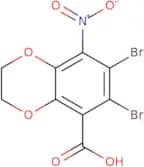
CAS:<p>Versatile small molecule scaffold</p>Formula:C9H6Br2O4Purezza:Min. 95%Peso molecolare:337.9 g/mol6,7-Dibromo-8-nitro-2,3-dihydro-1,4-benzodioxine-5-carboxylic acid
CAS:<p>Versatile small molecule scaffold</p>Formula:C9H5Br2NO6Purezza:Min. 95%Peso molecolare:382.95 g/mol8-Chloro-2,3-dihydro-1,4-benzodioxine-5-carboxylic acid
CAS:<p>Versatile small molecule scaffold</p>Formula:C9H7ClO4Purezza:Min. 95%Peso molecolare:214.6 g/mol6,7-Dinitro-2,3-dihydro-1,4-benzodioxine-5-carboxylic acid
CAS:<p>Versatile small molecule scaffold</p>Formula:C9H6N2O8Purezza:Min. 95%Peso molecolare:270.2 g/mol2,4-Diethyl 3-ethyl-5-methyl-1H-pyrrole-2,4-dicarboxylate
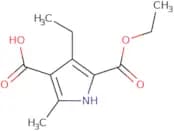
CAS:<p>Versatile small molecule scaffold</p>Formula:C13H19NO4Purezza:Min. 95%Peso molecolare:253.29 g/mol5-(Ethoxycarbonyl)-4-ethyl-2-methyl-1H-pyrrole-3-carboxylic acid
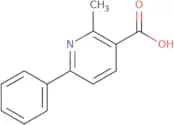
CAS:<p>Versatile small molecule scaffold</p>Formula:C11H15NO4Purezza:Min. 95%Peso molecolare:225.24 g/mol2-Methyl-6-phenylpyridine-3-carboxylic acid
CAS:<p>2-Methyl-6-phenylpyridine-3-carboxylic acid is a compound that has been used as an antimicrobial agent. It is the most active of the aldehydes for the treatment of tuberculosis. 2-Methyl-6-phenylpyridine-3-carboxylic acid inhibits bacterial growth by binding to DNA dependent RNA polymerase, thereby preventing transcription and replication. The high frequency of human activity has been shown using a patch clamp technique on human erythrocytes. This active form is metabolized through a number of metabolic transformations, including hydrolysis by esterases or glucuronidases, oxidation by cytochrome P450 enzymes, reduction by glutathione reductase, or conjugation with glucuronic acid. 2 methyl 6 phenylpyridine 3 carboxylic acid also specifically binds to markers expressed at high levels in Mycobacterium tuberculosis strains (e.g</p>Formula:C13H11NO2Purezza:Min. 95%Peso molecolare:213.23 g/mol4-[4-(Oxiran-2-ylmethoxy)phenyl]butan-2-one
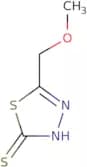
CAS:<p>Versatile small molecule scaffold</p>Formula:C13H16O3Purezza:Min. 95%Peso molecolare:220.26 g/mol5-Methoxymethyl-1,3,4-thiadiazole-2-thiol
CAS:<p>Versatile small molecule scaffold</p>Formula:C4H6N2OS2Purezza:Min. 95%Peso molecolare:162.2 g/mol2-(1,2-Thiazol-4-yl)acetonitrile
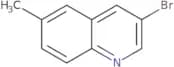
CAS:<p>Versatile small molecule scaffold</p>Formula:C5H4N2SPurezza:Min. 95%Peso molecolare:124.2 g/mol3-Bromo-6-methylquinoline
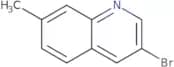
CAS:<p>3-Bromo-6-methylquinoline is a helical molecule with an axial arrangement of methyl groups around the central benzene ring. It has been shown to undergo racemization in aqueous solution, and the helicenes are photoproducts from the reaction. The photophysical properties of 3-bromo-6-methylquinoline have been studied extensively and it is found to be a good candidate for applications in organic light emitting diodes and solar cells. Computational studies have shown that 3-bromo-6-methylquinoline is a potential substrate for alkylation reactions with pyridinium ions and may be used as a catalyst.<br>Helix molecules are composed of repeating units called turns or residues. Each turn consists of two parts: one part which runs up the center of the helix, called the backbone; and one part which runs down the outside edge, called the side chain. The backbone is always made</p>Formula:C10H8BrNPurezza:Min. 95%Peso molecolare:222.08 g/mol3-Bromo-7-methylquinoline
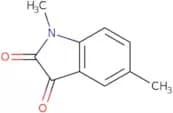
CAS:<p>Versatile small molecule scaffold</p>Formula:C10H8BrNPurezza:Min. 95%Peso molecolare:222.08 g/mol1,5-Dimethyl-1H-indole-2,3-dione
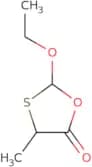
CAS:<p>1,5-Dimethyl-1H-indole-2,3-dione is a molecule with antibacterial activity. It has been shown to have interactions with staphylococcus and subtilis strains. Computational results show that the molecule has inhibitory effects on bacterial dna gyrase and topoisomerase IV. This inhibits the synthesis of bacterial proteins and leads to cell death. Hydrazides have been shown to be effective against staphylococcus aureus isolates and are hypothesized to inhibit protein synthesis by binding to bacterial ribosomes. The mechanism of action of 1,5-dimethyl-1H-indole-2,3-dione is not yet known.</p>Formula:C10H9NO2Purezza:Min. 95%Peso molecolare:175.19 g/mol2-Ethoxy-4-methyl-1,3-oxathiolan-5-one
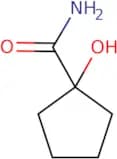
CAS:<p>Versatile small molecule scaffold</p>Formula:C6H10O3SPurezza:Min. 95%Peso molecolare:162.21 g/mol1-Hydroxycyclopentane-1-carboxamide
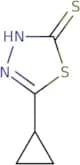
CAS:<p>Versatile small molecule scaffold</p>Formula:C6H11NO2Purezza:Min. 95%Peso molecolare:129.16 g/mol5-Cyclopropyl-1,3,4-thiadiazole-2-thiol
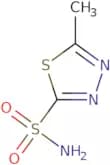
CAS:<p>Versatile small molecule scaffold</p>Formula:C5H6N2S2Purezza:Min. 95%Peso molecolare:158.2 g/mol5-Methyl-1,3,4-thiadiazole-2-sulfonamide
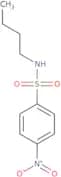
CAS:<p>Versatile small molecule scaffold</p>Formula:C3H5N3O2S2Purezza:Min. 95%Peso molecolare:179.2 g/molN-Butyl-4-nitrobenzenesulfonamide
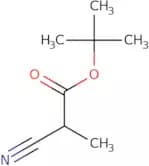
CAS:<p>N-Butyl-4-nitrobenzenesulfonamide is a chemical compound that belongs to the group of nitro compounds. It is synthesized by the reaction of an aliphatic amine with nitrobenzenesulfonyl chloride. The structure of this compound is characterized by an electron-deficient phenyl ring, which can be protonated and form a radical anion. N-Butyl-4-nitrobenzenesulfonamide has been shown to yield nitrated aliphatic amines, such as 3-nitropropane sulfonamide, when treated with sodium nitrate in dilute sulfuric acid. This chemical reaction occurs through radical ion mechanisms and involves the cleavage of a bond between two carbon atoms.</p>Formula:C10H14N2O4SPurezza:Min. 95%Peso molecolare:258.3 g/moltert-Butyl 2-cyano-2-methylacetate
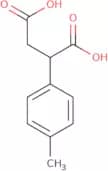
CAS:<p>tert-Butyl 2-cyano-2-methylacetate is a nonpolar chemical that is used as an alkylating agent in organic chemistry. It is synthesized by the reaction of glyoxylate and imine, which forms an enantiomeric pair with opposite stereogenic properties. The compound can also be used in asymmetric synthesis to form enantiomerically pure products. This compound has been shown to have catalytic activity when dissolved in organic solvents. Tert-butyl 2-cyano-2-methylacetate is soluble in both polar and nonpolar solvents, making it suitable for use in a variety of reactions.</p>Formula:C8H13NO2Purezza:Min. 95%Peso molecolare:155.19 g/mol2-(4-Methylphenyl)butanedioic acid
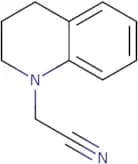
CAS:<p>Versatile small molecule scaffold</p>Formula:C11H12O4Purezza:Min. 95%Peso molecolare:208.21 g/mol2-(1,2,3,4-Tetrahydroquinolin-1-yl)acetonitrile
CAS:<p>Versatile small molecule scaffold</p>Formula:C11H12N2Purezza:Min. 95%Peso molecolare:172.23 g/mol6-chloro-3-methylbenzo[b]thiophene-2-carboxylic acid
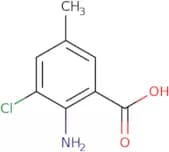
CAS:<p>Versatile small molecule scaffold</p>Formula:C10H7ClO2SPurezza:Min. 95%Peso molecolare:226.67 g/mol2-Amino-3-chloro-5-methylbenzoic acid
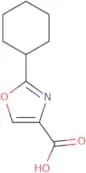
CAS:<p>Versatile small molecule scaffold</p>Formula:C8H8ClNO2Purezza:Min. 95%Peso molecolare:185.61 g/mol2-Cyclohexyl-oxazole-4-carboxylic acid
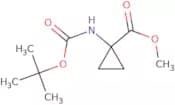
CAS:<p>Versatile small molecule scaffold</p>Formula:C10H13NO3Purezza:Min. 95%Peso molecolare:195.22 g/molMethyl 1-((tert-butoxycarbonyl)amino)cyclopropanecarboxylate
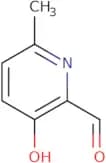
CAS:<p>Methyl 1-((tert-butoxycarbonyl)amino)cyclopropanecarboxylate is a six-membered analogue of the five-membered ring compound iprodione. It is used in the synthesis of compounds that are used as fungicides, such as propiconazole and fenpropimorph. This chemical reacts with nucleophiles to form adducts, which can be isolated in high yield by chromatography or crystallization. The methyl group in this compound also makes it an analogue of the six-membered ring molecule methylcyclopropane carboxylate.</p>Formula:C10H17NO4Purezza:Min. 95%Peso molecolare:215.25 g/mol3-Hydroxy-6-methylpyridine-2-carbaldehyde
CAS:<p>3-Hydroxy-6-methylpyridine-2-carbaldehyde is a building block for the synthesis of spiropyran, a magnetic heterocyclic compound. 3-Hydroxy-6-methylpyridine-2-carbaldehyde is an aldehyde with a short chain and has the ability to form crossover chains. It has been shown to be fluorescent under UV light and has magnetic properties.</p>Formula:C7H7NO2Purezza:Min. 95%Peso molecolare:137.14 g/mol5-methylfuro[3,2-b]pyridine-2-carboxylic Acid hydrochloride
CAS:<p>Versatile small molecule scaffold</p>Formula:C9H7NO3·HClPurezza:Min. 95%Peso molecolare:213.61 g/molrac-(1R,5S)-1-Phenyl-3-azabicyclo[3.1.0]hexane hydrochloride
CAS:<p>Versatile small molecule scaffold</p>Formula:C11H14ClNPurezza:Min. 95%Peso molecolare:195.69 g/molrac-(1R,5S)-1-Phenyl-3-azabicyclo[3.1.0]hexane-2,4-dione
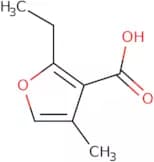
CAS:<p>Versatile small molecule scaffold</p>Formula:C11H9NO2Purezza:Min. 95%Peso molecolare:187.19 g/mol2-Ethyl-4-methylfuran-3-carboxylic acid
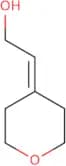
CAS:<p>Versatile small molecule scaffold</p>Formula:C8H10O3Purezza:Min. 95%Peso molecolare:154.16 g/mol2-(Oxan-4-ylidene)ethan-1-ol
CAS:<p>Versatile small molecule scaffold</p>Formula:C7H12O2Purezza:Min. 95%Peso molecolare:128.2 g/mol[(1E)-3-(Hydroxyamino)prop-1-en-1-yl]phosphonic acid
CAS:<p>Versatile small molecule scaffold</p>Formula:C3H8NO4PPurezza:Min. 95%Peso molecolare:153.07 g/mol[(2-Chlorobenzyl)thio]acetic acid
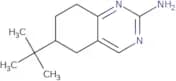
CAS:<p>Versatile small molecule scaffold</p>Formula:C9H9ClO2SPurezza:Min. 95%Peso molecolare:216.68 g/mol6-tert-Butyl-5,6,7,8-tetrahydroquinazolin-2-amine
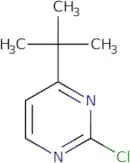
CAS:<p>Versatile small molecule scaffold</p>Formula:C12H19N3Purezza:Min. 95%Peso molecolare:205.3 g/mol4-tert-Butyl-2-chloropyrimidine
CAS:<p>4-tert-Butyl-2-chloropyrimidine is an Australian nitrogen heterocycle with a chiral center. It is a metal complex that has substituents on the ring and the nitrogen atom. 4-tert-Butyl-2-chloropyrimidine is a mononuclear ligand.</p>Formula:C8H11ClN2Purezza:Min. 95%Peso molecolare:170.64 g/mol4-(tert-Butyl)pyrimidine-2-thiol
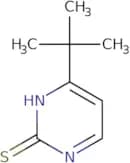
CAS:<p>Versatile small molecule scaffold</p>Formula:C8H12N2SPurezza:Min. 95%Peso molecolare:168.26 g/mol[4-(2-Methyl-1,3-dioxolan-2-yl)phenyl]methanamine
CAS:<p>Versatile small molecule scaffold</p>Formula:C11H15NO2Purezza:Min. 95%Peso molecolare:193.24 g/mol6-(Ethylsulfanyl)pyrazine-2-carboxylic acid
CAS:<p>Versatile small molecule scaffold</p>Formula:C7H8N2O2SPurezza:Min. 95%Peso molecolare:184.22 g/mol6-[3-(Trifluoromethyl)phenyl]pyridazin-3-ol
CAS:<p>6-[3-(Trifluoromethyl)phenyl]pyridazin-3-ol is a medicament that belongs to the class of anti-tumour agents. It was shown to have antitumor activity against liver cancer in mice. 6-[3-(Trifluoromethyl)phenyl]pyridazin-3-ol inhibits the growth of tumor cells by binding to the nucleus and preventing transcription of DNA into RNA. This drug also inhibits erythrocyte proliferation and increases the rate of apoptosis, which may be due to its ability to inhibit the synthesis of proteins required for cell division.</p>Formula:C11H7F3N2OPurezza:Min. 95%Peso molecolare:240.18 g/mol3-Chloro-6-[3-(trifluoromethyl)phenyl]pyridazine
CAS:<p>Versatile small molecule scaffold</p>Formula:C11H6ClF3N2Purezza:Min. 95%Peso molecolare:258.62 g/mol2-(2-Chlorophenyl)-2-(morpholin-4-yl)acetonitrile
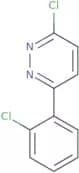
CAS:<p>Versatile small molecule scaffold</p>Formula:C12H13ClN2OPurezza:Min. 95%Peso molecolare:236.7 g/mol3-Chloro-6-(2-chlorophenyl)pyridazine
CAS:<p>Versatile small molecule scaffold</p>Formula:C10H6Cl2N2Purezza:Min. 95%Peso molecolare:225.07 g/mol6-(2-Fluorophenyl)pyridazin-3(2H)-one
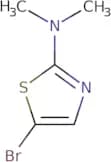
CAS:<p>Versatile small molecule scaffold</p>Formula:C10H7FN2OPurezza:Min. 95%Peso molecolare:190.18 g/mol5-Bromo-N,N-dimethyl-1,3-thiazol-2-amine
CAS:<p>Versatile small molecule scaffold</p>Formula:C5H7BrN2SPurezza:Min. 95%Peso molecolare:207.09 g/mol4-Ethylhexan-1-ol
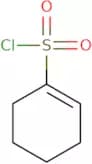
CAS:<p>Versatile small molecule scaffold</p>Formula:C8H18OPurezza:Min. 95%Peso molecolare:130.2 g/molCyclohex-1-ene-1-sulfonyl chloride
CAS:<p>Versatile small molecule scaffold</p>Formula:C6H9ClO2SPurezza:Min. 95%Colore e forma:Clear LiquidPeso molecolare:180.65 g/mol5-(Benzylamino)-8-thia-4,6-diazatricyclo[7.4.0.0,2,7]trideca-1(9),2(7),5-trien-3-one
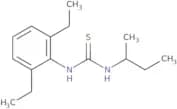
CAS:<p>Versatile small molecule scaffold</p>Formula:C17H17N3OSPurezza:Min. 95%Peso molecolare:311.4 g/mol3-(Butan-2-yl)-1-(2,6-diethylphenyl)thiourea
CAS:<p>Versatile small molecule scaffold</p>Formula:C15H24N2SPurezza:Min. 95%Peso molecolare:264.4 g/mol3-Acetylbenzo[b]furan
CAS:<p>3-Acetylbenzo[b]furan is a potent inhibitor of lipase and other enzymes. It has been shown to inhibit acetaldehyde dehydrogenase, an enzyme that catalyzes the conversion of acetaldehyde to acetic acid. 3-Acetylbenzo[b]furan also inhibits chemoenzymatic reactions and has a potent inhibitory activity against asymmetric synthesis. This compound has been shown to be useful for the production of chiral compounds with high selectivities. 3-Acetylbenzo[b]furan can be used as a ligand and isomeric in various fluorescent assays.</p>Formula:C10H8O2Purezza:Min. 95%Peso molecolare:160.17 g/molRU 24969
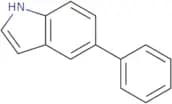
CAS:<p>RU 24969 is a 5-ht1a and 5-ht1b receptor agonist and has been shown to increase locomotor activity in animals. This drug also antagonizes the effects of drugs that bind to the 5-ht1b receptor, such as sumatriptan, which can lead to an increase in locomotor activity. RU 24969 may have therapeutic uses for treating depression and anxiety disorders. It is also an antagonist of 5-ht2 receptors, which can cause an increase in dopamine levels and a decrease in camp levels.</p>Formula:C14H16N2OPurezza:Min. 95%Peso molecolare:228.29 g/mol5-Phenyl-1H-indole
CAS:<p>Phenylindole is a chemical compound that is used as a medicine to treat bacterial infections. It has been shown to inhibit the production of chemokines, which are proinflammatory cytokines that play an important role in the immune system. Phenylindole has been shown to cross-couple with biphenyl or other compounds and has antibacterial activity. It can be used for microscopy to optimize water content or other factors such as pH. Phenylindole inhibits bacterial growth by binding to the ribosomal RNA and preventing protein synthesis. The inhibitory effect can be observed through morphological changes, such as cell shrinkage or cell lysis. Phenylindole has also been found to have antifungal effects, which may be due to its ability to react with aryl halides or activate energy for aryl chlorides.</p>Formula:C14H11NPurezza:Min. 95%Peso molecolare:193.25 g/mol2-Phenyl-1H-benzimidazole-7-carboxylic acid
CAS:<p>2-Phenyl-1H-benzimidazole-7-carboxylic acid is a heterocyclic compound that has been shown to have antiviral and antiparasitic properties. It is an analog of benzimidazole, which is a lead compound for the development of new drugs for the treatment of viral diseases, such as coxsackievirus B3. This drug also has antiinflammatory properties and is documented to inhibit Coxsackie virus in cell culture.</p>Formula:C14H10N2O2Purezza:Min. 95%Peso molecolare:238.24 g/mol1-Ethyltetrahydro-2(1H)-pyrimidinone
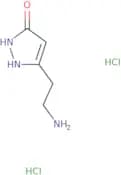
CAS:<p>Versatile small molecule scaffold</p>Formula:C6H12N2OPurezza:Min. 95%Peso molecolare:128.17 g/mol5-(2-Aminoethyl)-2,3-dihydro-1H-pyrazol-3-one dihydrochloride
CAS:<p>Versatile small molecule scaffold</p>Formula:C5H11Cl2N3OPurezza:Min. 95%Peso molecolare:200.06 g/molEthyl 4-{[(tert-butoxy)carbonyl]amino}-3-oxopentanoate
CAS:<p>Versatile small molecule scaffold</p>Formula:C12H20O5Purezza:Min. 95%Peso molecolare:244.28 g/mol1-(Pyridazin-4-yl)propan-1-one
CAS:<p>Versatile small molecule scaffold</p>Formula:C7H8N2OPurezza:Min. 95%Peso molecolare:136.15 g/mol4-Azido-[1,2,3,4]tetrazolo[1,5-a]quinoxaline
CAS:<p>Versatile small molecule scaffold</p>Formula:C8H4N8Purezza:Min. 95%Peso molecolare:212.17 g/mol2-[(2,6-Difluorophenyl)formamido]acetic acid
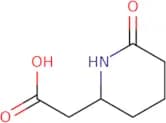
CAS:<p>Versatile small molecule scaffold</p>Formula:C9H7F2NO3Purezza:Min. 95%Peso molecolare:215.15 g/mol2-(6-Oxopiperidin-2-yl)acetic acid
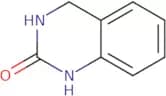
CAS:<p>Versatile small molecule scaffold</p>Formula:C7H11NO3Purezza:Min. 95%Peso molecolare:157.17 g/mol3,4-Dihydro-1H-quinazolin-2-one
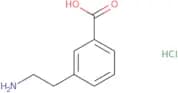
CAS:<p>3,4-Dihydro-1H-quinazolin-2-one is a compound that belongs to the class of thp-1 cells. It has been shown to inhibit the proliferation of cancer cells in vitro. 3,4-Dihydro-1H-quinazolin-2-one inhibits the production of oleanonic acid and other prostaglandins by inhibiting cyclooxygenase and lipoxygenase activities. This compound is stable in hydrochloric acid, which may be used for chemical synthesis. The flow system is a technique for synthesizing polymers with high molecular weight by polymerization at elevated temperature and pressure. 3,4-Dihydro-1H-quinazolin-2-one is minimally toxic to mammals and can be easily synthesized using palladium catalysis with amino acids as coupling partners. Biological studies have shown that it has heteroatomic properties and reacts through an S N 2 mechanism</p>Formula:C8H8N2OPurezza:Min. 95%Peso molecolare:148.16 g/mol3-(2-Aminoethyl)benzoic acid hydrochloride
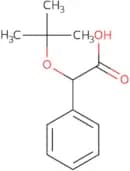
CAS:<p>Versatile small molecule scaffold</p>Formula:C9H12ClNO2Purezza:Min. 95%Peso molecolare:201.65 g/mol2-(tert-Butoxy)-2-phenylacetic acid
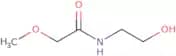
CAS:<p>Versatile small molecule scaffold</p>Formula:C12H16O3Purezza:Min. 95%Peso molecolare:208.25 g/molN-(2-Hydroxyethyl)-2-methoxyacetamide
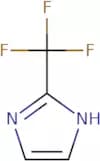
CAS:<p>Versatile small molecule scaffold</p>Formula:C5H11NO3Purezza:Min. 95%Peso molecolare:133.15 g/mol2-(Trifluoromethyl)-1H-imidazole
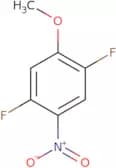
CAS:<p>2-(Trifluoromethyl)-1H-imidazole is a petrochemical that has a trifluoromethyl group. The imidazoles are thermally activated and pentafluoroethyl, ethane, reactive, hydrophobic, and their analogs react with ethyl bromoacetate to form an ether linkage. 2-(Trifluoromethyl)-1H-imidazole is used in the synthesis of products such as the linker for reaction mechanism with trifluoroacetyl.</p>Formula:C4H3F3N2Purezza:Min. 95%Peso molecolare:136.08 g/mol1,4-difluoro-2-methoxy-5-nitrobenzene
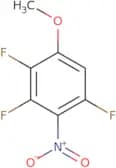
CAS:<p>Versatile small molecule scaffold</p>Formula:C7H5NO3F2Purezza:Min. 95%Peso molecolare:189.11 g/mol1,3,4-Trifluoro-5-methoxy-2-nitrobenzene
CAS:<p>Versatile small molecule scaffold</p>Formula:C7H4F3NO3Purezza:Min. 95%Peso molecolare:207.11 g/molEthyl 3-formyl-2,2-dimethylcyclopropane-1-carboxylate
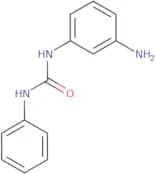
CAS:<p>Versatile small molecule scaffold</p>Formula:C9H14O3Purezza:Min. 95%Peso molecolare:170.21 g/mol3-(3-Aminophenyl)-1-phenylurea
CAS:<p>Versatile small molecule scaffold</p>Formula:C13H13N3OPurezza:Min. 95%Peso molecolare:227.26 g/mol3-(2-Hydroxyethyl)-2-methyl-4H,6H,7H,8H,9H-pyrido[1,2-a]pyrimidin-4-one
CAS:<p>3-(2-Hydroxyethyl)-2-methyl-4H,6H,7H,8H,9H-pyrido[1,2-a]pyrimidin-4-one is an impurity in the drug paliperidone. It is a pyridinic acid derivative and has been used as a ligand in X-ray crystallography to identify protein structures. 3-(2-Hydroxyethyl)-2-methyl-4H,6H,7H,8H,9H-pyrido[1,2-a]pyrimidin-4 one is also known to have high detection sensitivity and can be used to analyze ammonium formate. This impurity has been detected in the urine of patients taking paliperidone extended release tablets. To remove this impurity from the drug paliperidone, it must be purified by liquid chromatography or liquid chromatography with high performance liquid chromatography (</p>Formula:C11H16N2O2Purezza:Min. 95%Peso molecolare:208.26 g/mol6-(tert-Butyl)-2-thioxo-2,3-dihydro-4(1H)-pyrimidinone
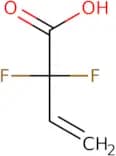
CAS:<p>Versatile small molecule scaffold</p>Formula:C8H12N2OSPurezza:Min. 95%Peso molecolare:184.26 g/mol2,2-Difluorobut-3-enoic acid
CAS:<p>Versatile small molecule scaffold</p>Formula:C4H4F2O2Purezza:Min. 95%Peso molecolare:122.07 g/mol1,2,5-Trimethyl-1H-indole-3-carbaldehyde
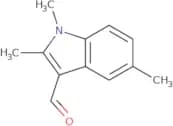
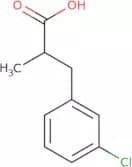
CAS:<p>Versatile small molecule scaffold</p>Formula:C12H13NOPurezza:Min. 95%Peso molecolare:187.24 g/mol3-(3-Chlorophenyl)-2-methylpropanoic acid
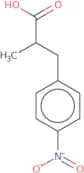
CAS:<p>Versatile small molecule scaffold</p>Formula:C10H11ClO2Purezza:Min. 95%Peso molecolare:198.64 g/mol2-Methyl-3-(4-nitrophenyl)propanoic acid
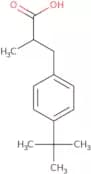
CAS:<p>Versatile small molecule scaffold</p>Formula:C10H11NO4Purezza:Min. 95%Peso molecolare:209.2 g/mol3-(4-tert-Butylphenyl)-2-methylpropionic acid
CAS:<p>Versatile small molecule scaffold</p>Formula:C14H20O2Purezza:Min. 95%Peso molecolare:220.31 g/mol4-Chloro-6-ethoxy-2-methylquinoline
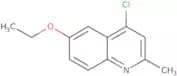
CAS:<p>Versatile small molecule scaffold</p>Formula:C12H12ClNOPurezza:Min. 95%Peso molecolare:221.68 g/mol5-Ethyl-1-phenyl-1H-pyrazole-3-carboxylic acid
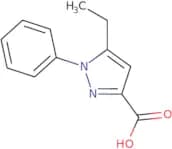
CAS:<p>Versatile small molecule scaffold</p>Formula:C12H12N2O2Purezza:Min. 95%Peso molecolare:216.24 g/mol(5-Acetylthien-2-yl)acetic acid
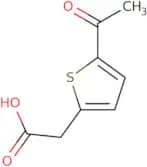
CAS:<p>Versatile small molecule scaffold</p>Formula:C8H8O3SPurezza:Min. 95%Peso molecolare:184.22 g/mol1-Benzyl-6-chloro-1H,2H,3H-pyrrolo[3,2-c]pyridine-7-carbonitrile
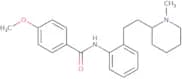
CAS:<p>1-Benzyl-6-chloro-1H,2H,3H-pyrrolo[3,2-c]pyridine-7-carbonitrile is an alkoxy compound that has been shown to react with amines and halogen to form pyridines. The compound also reacts with hydroxy groups and nucleophilic residues to form alkoxy groups. This reaction is catalyzed by hydroxy groups or a base such as sodium hydroxide or potassium hydroxide. 1-Benzyl-6-chloro-1H,2H,3H-pyrrolo[3,2-c]pyridine-7-carbonitrile can be used in the synthesis of polymers and plastics. It can also be used as a precursor for the synthesis of other compounds.</p>Formula:C15H12ClN3Purezza:Min. 95%Peso molecolare:269.73 g/molEncainide
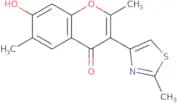
CAS:<p>Encainide is a class I antiarrhythmic drug that belongs to the group of class Ia drugs and inhibits the fast sodium channel. It slows the heart rate and decreases conduction velocity in cardiac tissue. Encainide has been shown to be effective against tachycardia and ventricular arrhythmias. It has been shown to have a stable dose-response curve as well as no known drug interactions. Encainide has also been shown to improve cardiac function by inhibiting the activity of beta-receptors in cardiac muscle, which may lead to increased contractility, improved relaxation, and increased blood flow. Encainide is mainly used for the treatment of arrhythmias in patients with certain heart conditions, such as papillary muscle dysfunction or cardiomyopathy.</p>Formula:C22H28N2O2Purezza:Min. 95%Peso molecolare:352.5 g/mol7-Hydroxy-2,6-dimethyl-3-(2-methyl-1,3-thiazol-4-yl)-4H-chromen-4-one
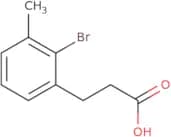
CAS:<p>Versatile small molecule scaffold</p>Formula:C15H13NO3SPurezza:Min. 95%Peso molecolare:287.3 g/mol3-(2-Bromo-3-methylphenyl)propanoic acid
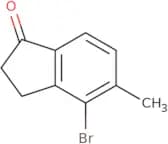
CAS:<p>Versatile small molecule scaffold</p>Formula:C10H11BrO2Purezza:Min. 95%Peso molecolare:243.1 g/mol4-bromo-5-methyl-2,3-dihydro-1h-inden-1-one
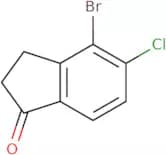
CAS:<p>Versatile small molecule scaffold</p>Formula:C10H9BrOPurezza:Min. 95%Peso molecolare:225.09 g/mol4-Bromo-5-chloro-2,3-dihydro-1H-inden-1-one
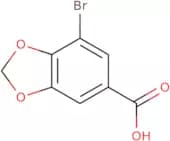
CAS:<p>Versatile small molecule scaffold</p>Formula:C9H6BrClOPurezza:Min. 95%Peso molecolare:245.5 g/mol7-bromo-1,3-dioxaindane-5-carboxylic acid
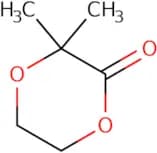
CAS:<p>Versatile small molecule scaffold</p>Formula:C8H5BrO4Purezza:Min. 95%Peso molecolare:245 g/mol3,3-Dimethyl-1,4-dioxan-2-one
CAS:<p>3,3-Dimethyl-1,4-dioxan-2-one (DMDO) is a chiral compound that is used in organic synthesis as a chiral auxiliary. This molecule has been shown to be useful for the stereoselective polymerization of lactones, enolates, amides and aldehydes. DMDO has also been investigated for its ability to form spindle-like polymers with glycolide and optical activity. 3,3-Dimethyl-1,4-dioxan-2-one is soluble in common organic solvents such as chloroform and dichloromethane at room temperature and can be used for the preparation of microparticles with a diameter up to 50 µm. The high yield of this compound makes it an attractive alternative to other synthetic methods.</p>Formula:C6H10O3Purezza:Min. 95%Peso molecolare:130.14 g/mol2-[(2-Bromoethoxy)methyl]oxirane
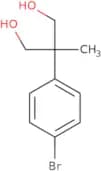
CAS:<p>Versatile small molecule scaffold</p>Formula:C5H9BrO2Purezza:Min. 95%Peso molecolare:181.03 g/mol2-(4-Bromophenyl)-2-methylpropane-1,3-diol
CAS:<p>Versatile small molecule scaffold</p>Formula:C10H13BrO2Purezza:Min. 95%Peso molecolare:245.11 g/mol2-[(6-Amino-1H-purin-8-yl)amino]ethan-1-ol
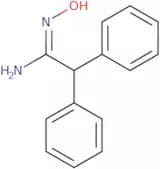
CAS:<p>2-[(6-Amino-1H-purin-8-yl)amino]ethan-1-ol (6APA) is a prodrug that is metabolized by the liver to 6-mercaptopurine (6MP). It is an antiinflammatory drug that has been shown to suppress collagen synthesis and inhibit the activity of proteases. 6APA is also used as a diagnostic agent for systemic diseases, such as reactive arthritis and systemic lupus erythematosus. This compound can be used in the treatment of inflammatory diseases, such as rheumatoid arthritis and Crohn's disease, due to its ability to inhibit the production of inflammatory compounds. The drug binds to affinity ligands which are associated with various proteins, including collagen. This binding prevents the formation of new proteins, which leads to cell death by inhibiting protein synthesis.</p>Formula:C7H10N6OPurezza:Min. 95%Peso molecolare:194.19 g/mol(1Z)-N'-Hydroxy-2,2-diphenylethanimidamide
CAS:<p>Versatile small molecule scaffold</p>Formula:C14H14N2OPurezza:Min. 95%Peso molecolare:226.27 g/mol


![3-Bromo-5,7-dimethyl-1H,2H-pyrazolo[1,5-a]pyrimidin-2-one](/_next/image/?url=https%3A%2Fstatic.cymitquimica.com%2Fproducts%2F3D%2Fthumb-webp%2FRCA38354.webp&w=3840&q=75)





![4-[4-(Oxiran-2-ylmethoxy)phenyl]butan-2-one](/_next/image/?url=https%3A%2Fstatic.cymitquimica.com%2Fproducts%2F3D%2Fthumb-webp%2FRCA42254.webp&w=3840&q=75)
![6-chloro-3-methylbenzo[b]thiophene-2-carboxylic acid](/_next/image/?url=https%3A%2Fstatic.cymitquimica.com%2Fproducts%2F3D%2Fthumb-webp%2FRCA49032.webp&w=3840&q=75)
![5-methylfuro[3,2-b]pyridine-2-carboxylic Acid hydrochloride](/_next/image/?url=https%3A%2Fstatic.cymitquimica.com%2Fproducts%2F3D%2Fthumb-webp%2FRCA49744.webp&w=3840&q=75)
![rac-(1R,5S)-1-Phenyl-3-azabicyclo[3.1.0]hexane hydrochloride](/_next/image/?url=https%3A%2Fstatic.cymitquimica.com%2Fproducts%2F3D%2Fthumb-webp%2FRCA50436.webp&w=3840&q=75)
![rac-(1R,5S)-1-Phenyl-3-azabicyclo[3.1.0]hexane-2,4-dione](/_next/image/?url=https%3A%2Fstatic.cymitquimica.com%2Fproducts%2F3D%2Fthumb-webp%2FRCA50437.webp&w=3840&q=75)
![[(1E)-3-(Hydroxyamino)prop-1-en-1-yl]phosphonic acid](/_next/image/?url=https%3A%2Fstatic.cymitquimica.com%2Fproducts%2F3D%2Fthumb-webp%2FRCA50829.webp&w=3840&q=75)
![[(2-Chlorobenzyl)thio]acetic acid](/_next/image/?url=https%3A%2Fstatic.cymitquimica.com%2Fproducts%2F3D%2Fthumb-webp%2FRCA51665.webp&w=3840&q=75)
![[4-(2-Methyl-1,3-dioxolan-2-yl)phenyl]methanamine](/_next/image/?url=https%3A%2Fstatic.cymitquimica.com%2Fproducts%2F3D%2Fthumb-webp%2FRCA52261.webp&w=3840&q=75)

![6-[3-(Trifluoromethyl)phenyl]pyridazin-3-ol](/_next/image/?url=https%3A%2Fstatic.cymitquimica.com%2Fproducts%2F3D%2Fthumb-webp%2FRCA54862.webp&w=3840&q=75)
![3-Chloro-6-[3-(trifluoromethyl)phenyl]pyridazine](/_next/image/?url=https%3A%2Fstatic.cymitquimica.com%2Fproducts%2F3D%2Fthumb-webp%2FRCA54863.webp&w=3840&q=75)



![5-(Benzylamino)-8-thia-4,6-diazatricyclo[7.4.0.0,2,7]trideca-1(9),2(7),5-trien-3-one](/_next/image/?url=https%3A%2Fstatic.cymitquimica.com%2Fproducts%2F3D%2Fthumb-webp%2FRCA60749.webp&w=3840&q=75)
![3-Acetylbenzo[b]furan](/_next/image/?url=https%3A%2Fstatic.cymitquimica.com%2Fproducts%2F3D%2Fthumb-webp%2FRCA61115.webp&w=3840&q=75)



![Ethyl 4-{[(tert-butoxy)carbonyl]amino}-3-oxopentanoate](/_next/image/?url=https%3A%2Fstatic.cymitquimica.com%2Fproducts%2F3D%2Fthumb-webp%2FRCA64380.webp&w=3840&q=75)

![4-Azido-[1,2,3,4]tetrazolo[1,5-a]quinoxaline](/_next/image/?url=https%3A%2Fstatic.cymitquimica.com%2Fproducts%2F3D%2Fthumb-webp%2FRCA64823.webp&w=3840&q=75)
![2-[(2,6-Difluorophenyl)formamido]acetic acid](/_next/image/?url=https%3A%2Fstatic.cymitquimica.com%2Fproducts%2F3D%2Fthumb-webp%2FRCA64838.webp&w=3840&q=75)

![3-(2-Hydroxyethyl)-2-methyl-4H,6H,7H,8H,9H-pyrido[1,2-a]pyrimidin-4-one](/_next/image/?url=https%3A%2Fstatic.cymitquimica.com%2Fproducts%2F3D%2Fthumb-webp%2FRCA69827.webp&w=3840&q=75)
![1-Benzyl-6-chloro-1H,2H,3H-pyrrolo[3,2-c]pyridine-7-carbonitrile](/_next/image/?url=https%3A%2Fstatic.cymitquimica.com%2Fproducts%2F3D%2Fthumb-webp%2FRCA75132.webp&w=3840&q=75)
![2-[(2-Bromoethoxy)methyl]oxirane](/_next/image/?url=https%3A%2Fstatic.cymitquimica.com%2Fproducts%2F3D%2Fthumb-webp%2FRCA80359.webp&w=3840&q=75)
![2-[(6-Amino-1H-purin-8-yl)amino]ethan-1-ol](/_next/image/?url=https%3A%2Fstatic.cymitquimica.com%2Fproducts%2F3D%2Fthumb-webp%2FRCA81329.webp&w=3840&q=75)