Building Blocks
Questa sezione contiene prodotti fondamentali per la sintesi di composti organici e biologici. Building blocks sono i materiali di partenza essenziali utilizzati per costruire molecole complesse attraverso varie reazioni chimiche. Svolgono un ruolo critico nella scoperta di farmaci, nella scienza dei materiali e nella ricerca chimica. Presso CymitQuimica, offriamo una gamma diversificata di building blocks di alta qualità per supportare le tue ricerche innovative e progetti industriali, assicurandoti di avere i componenti essenziali per una sintesi di successo.
Sottocategorie di "Building Blocks"
- Acidi boronici e derivati dell'acido boronico(5.778 prodotti)
- Building Blocks Chirali(1.242 prodotti)
- Building Blocks Idrocarburici(6.098 prodotti)
- Building Blocks organici(61.034 prodotti)
Trovati 199601 prodotti di "Building Blocks"
Ordinare per
Purezza (%)
0
100
|
0
|
50
|
90
|
95
|
100
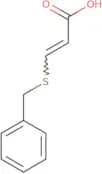
(2Z)-3-(Benzylsulfanyl)prop-2-enoic acid
CAS:<p>Versatile small molecule scaffold</p>Formula:C10H10O2SPurezza:Min. 95%Peso molecolare:194.25 g/mol1-(2-Bromoethoxy)-3-nitrobenzene
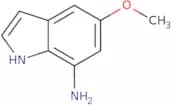
CAS:<p>Versatile small molecule scaffold</p>Formula:C8H8BrNO3Purezza:Min. 95%Peso molecolare:246.06 g/mol5-Methoxy-1H-indol-7-amine
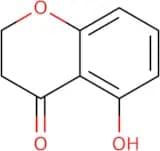
CAS:<p>Versatile small molecule scaffold</p>Formula:C9H10N2OPurezza:Min. 95%Peso molecolare:162.19 g/mol5-Hydroxy-3,4-dihydro-2H-1-benzopyran-4-one
CAS:<p>5-Hydroxy-3,4-dihydro-2H-1-benzopyran-4-one is a bioactive compound that is produced by microorganisms from indole alkaloids. It has been shown to have antibacterial activity in the form of an enzyme cascade, which can be inhibited by other compounds. The 5-hydroxy group of this compound is believed to be responsible for its inhibitory effects on the enzyme monooxygenase. This compound has not been fully characterized and does not have a known biological function.</p>Formula:C9H8O3Purezza:Min. 95%Peso molecolare:164.16 g/mol6,6-dimethylbicyclo[3.1.0]hexan-3-one
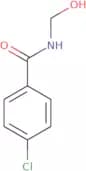
CAS:<p>6,6-dimethylbicyclo[3.1.0]hexan-3-one is a test compound that has been shown to exhibit antidepressant properties in animal models of depression. It is a cyclic ketone that can be synthesized by the scalable method of reacting piperazine with acetyl chloride and diethyl malonate. 6,6-Dimethylbicyclo[3.1.0]hexan-3-one has been shown to produce a statistically significant increase in locomotor activity in mice, but not rats, suggesting its effects are mediated by central nervous system mechanisms. This compound also exhibits antinociceptive and anxiolytic properties in animals.</p>Formula:C8H12OPurezza:Min. 95%Peso molecolare:124.18 g/mol4-Chloro-N-(hydroxymethyl)benzamide
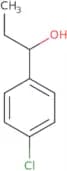
CAS:<p>4-Chloro-N-(hydroxymethyl)benzamide is an electrophilic reactive compound. It can undergo biotransformation to the more reactive 4-chloro-N-(hydroxymethyl)benzoic acid, which has been shown to be mutagenic in bacteria and carcinogenic in rats. This compound reacts with hydronium ions and hydroxide ions to form a reactive electrophile. 4-Chloro-N-(hydroxymethyl)benzamide also reacts with ethanethiol, which may be carcinogenic as well. This compound was incubated with glutathione, an antioxidant that protects cells from oxidative stress caused by free radicals, but it was not able to protect cells from the mutagenicity of this compound.</p>Formula:C8H8ClNO2Purezza:Min. 95%Peso molecolare:185.61 g/mol1-(4-Chlorophenyl)propan-1-ol
CAS:<p>1-(4-Chlorophenyl)propan-1-ol is a ligand that binds to the active site of enzymes, such as chiral alcohol dehydrogenase and amino alcohol dehydrogenase. It was used to catalyze the synthesis of optically pure products in enantioselective reactions. 1-(4-Chlorophenyl)propan-1-ol has been shown to be an excellent precatalyst for asymmetric catalysis. It also reacts with amino alcohols to form optically pure products in an experiment involving the use of chiral azetidine.</p>Formula:C9H11ClOPurezza:Min. 95%Peso molecolare:170.64 g/mol1',2'-dihydrospiro[cyclopropane-1,3'-indol]-2'-one
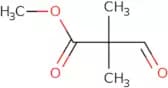
CAS:<p>Versatile small molecule scaffold</p>Formula:C10H9NOPurezza:Min. 95%Peso molecolare:159.19 g/molmethyl 2,2-dimethyl-3-oxopropanoate
CAS:<p>Methyl 2,2-dimethyl-3-oxopropanoate is an enantioselective propionate with an asymmetric synthesis. The enantiomers of methyl 2,2-dimethyl-3-oxopropanoate are separated by the use of a chiral auxiliary. The enantioselective synthesis of propionates is achieved by crotylboration, a reaction that uses boron and crotyl alcohol as substrates. Methyl 2,2-dimethyl-3-oxopropanoate is an example of a polyketide synthesized via the polyketide pathway. This compound is used in the synthesis of halipeptin, which is an antibiotic that inhibits bacterial growth by inhibiting protein synthesis and cell division.</p>Formula:C6H10O3Purezza:Min. 95%Peso molecolare:130.1 g/molDodecan-2-amine
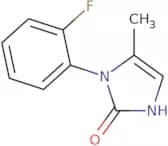
CAS:<p>Versatile small molecule scaffold</p>Formula:C12H27NPurezza:Min. 95%Peso molecolare:185.35 g/mol1-(2-Fluorophenyl)-5-methyl-2,3-dihydro-1H-imidazol-2-one
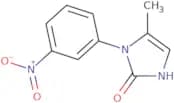
CAS:<p>Versatile small molecule scaffold</p>Formula:C10H9FN2OPurezza:Min. 95%Peso molecolare:192.19 g/mol5-Methyl-1-(3-nitrophenyl)-2,3-dihydro-1H-imidazol-2-one
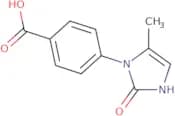
CAS:<p>Versatile small molecule scaffold</p>Formula:C10H9N3O3Purezza:Min. 95%Peso molecolare:219.2 g/mol4-(5-Methyl-2-oxo-2,3-dihydro-1H-imidazol-1-yl)benzoic acid
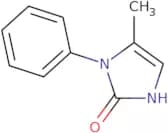
CAS:Prodotto controllato<p>4-(5-Methyl-2-oxo-2,3-dihydro-1H-imidazol-1-yl)benzoic acid is a ligand that binds to ion channels and is used as a research tool in pharmacological studies. It has been shown to activate a number of ion channels, including sodium and potassium channels. This compound has also been shown to bind to the GABA receptor, which regulates chloride levels in the brain. 4-(5-Methyl-2-oxo-2,3-dihydro-1H-imidazol-1y)benzoic acid may be used as an inhibitor for some ion channels and an activator for others.<br>4-(5 -methyl - 2 - oxo - 2 , 3 - dihydro - 1 H - imidazol - 1 yl) benzoic acid can be used in antibody production by conjugating it with other molecules</p>Formula:C11H10N2O3Purezza:Min. 95%Peso molecolare:218.21 g/mol5-Methyl-1-phenyl-2,3-dihydro-1H-imidazol-2-one
CAS:<p>Versatile small molecule scaffold</p>Formula:C10H10N2OPurezza:Min. 95%Peso molecolare:174.2 g/mol1H-Pyrazolo[4,3-d]pyrimidin-7-amine
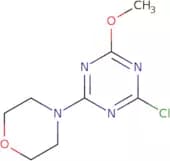
CAS:<p>1H-Pyrazolo[4,3-d]pyrimidin-7-amine is a purine derivative that has been shown to have anti-leishmanial activity. It has been shown to be effective in the treatment of Leishmania donovani infections in mice without causing any adverse effects on the host. The previous studies show that 1H-pyrazolo[4,3-d]pyrimidin-7-amine inhibits the synthesis of purines, which are involved in nucleic acid and protein biosynthesis. This drug also appears to be more potent than other pyrazolopyrimidine derivatives because it targets ribonucleotide reductase. 1H-Pyrazolo[4,3-d]pyrimidin-7-amine is metabolized by cytochrome P450 enzymes and excreted as its metabolites in urine.</p>Formula:C5H5N5Purezza:Min. 95%Peso molecolare:135.13 g/mol2-Chloro-4-methoxy-6-(4-morpholinyl)-1,3,5-triazine
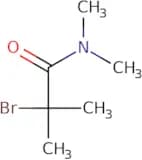
CAS:Versatile small molecule scaffoldFormula:C8H11ClN4O2Purezza:Min. 95%Peso molecolare:230.65 g/mol2-Bromo-N,N,2-trimethylpropanamide
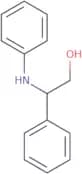
CAS:<p>Versatile small molecule scaffold</p>Formula:C6H12BrNOPurezza:Min. 95%Peso molecolare:194.07 g/mol2-Phenyl-2-(phenylamino)ethan-1-ol
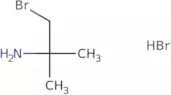
CAS:<p>2-Phenyl-2-(phenylamino)ethan-1-ol is a reagent that can be used in the synthesis of amines, acid catalysts, aldehydes and epoxides. It is used in the conversion of ethyl bromoacetate to an epoxide in high yield and with excellent regioselectivity. This product can also be reused for at least five cycles without significant loss in efficiency. 2-Phenyl-2-(phenylamino)ethan-1-ol has been shown to be useful for the preparation of cyclic, aliphatic and aromatic alcohols from their corresponding phenols with tetrafluoroborate as the base. The nucleophilic nature of this product makes it a suitable candidate for reactions involving anilines.</p>Formula:C14H15NOPurezza:Min. 95%Peso molecolare:213.27 g/mol1-Bromo-2-methylpropan-2-amine hydrobromide
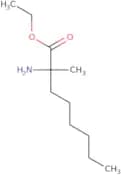
CAS:<p>Versatile small molecule scaffold</p>Formula:C4H11Br2NPurezza:Min. 95%Peso molecolare:232.94 g/molEthyl 2-amino-2-methyloctanoate
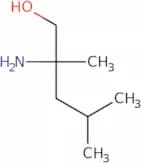
CAS:<p>Versatile small molecule scaffold</p>Formula:C11H23NO2Purezza:Min. 95%Peso molecolare:201.31 g/mol2-Amino-2,4-dimethylpentan-1-ol
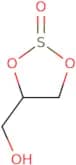
CAS:<p>Versatile small molecule scaffold</p>Formula:C7H17NOPurezza:Min. 95%Peso molecolare:131.22 g/mol1,3,2-Dioxathiolane-4-methanol 2-oxide
CAS:<p>Versatile small molecule scaffold</p>Formula:C3H6O4SPurezza:Min. 95%Peso molecolare:138.14 g/mol1H,2H,3H,4H-Benzo[G]quinazoline-2,4-dione
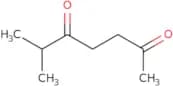
CAS:<p>1H,2H,3H,4H-Benzo[G]quinazoline-2,4-dione is an analog of the purine nucleoside adenine. It has been shown to bind to DNA by interacting with the polymerase and fluorescent probes. In addition to binding to DNA, 1H,2H,3H,4H-Benzo[G]quinazoline-2,4-dione interacts with other dna binding proteins and has been shown to form conformational triplexes with complementary strands of DNA. The compound also binds to ribonucleoprotein and can be used as a fluorescent probe for RNA synthesis. This compound has been shown to have thermal stability as well as denaturation properties that are dependent on pH and ionic strength.</p>Formula:C12H8N2O2Purezza:Min. 95%Peso molecolare:212.2 g/mol6-Methylheptane-2,5-dione
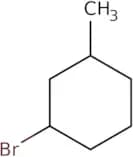
CAS:<p>Versatile small molecule scaffold</p>Formula:C8H14O2Purezza:Min. 95%Peso molecolare:142.2 g/mol1-Bromo-3-methylcyclohexane
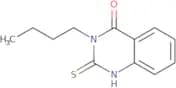
CAS:<p>1-Bromo-3-methylcyclohexane is an organic compound that is used as a catalyst in the petroleum industry. It is activated by heating, which converts it to its active form. 1-Bromo-3-methylcyclohexane is also a precursor for the production of biofuels and other chemicals.<br>1-Bromo-3-methylcyclohexane can be activated by heating it under nitrogen gas, which creates a more stable product. This process can be used to create pyrolysis oil, which can be refined into biofuel or other chemicals.</p>Formula:C7H13BrPurezza:Min. 95%Peso molecolare:177.08 g/mol3-Butyl-2-sulfanyl-3,4-dihydroquinazolin-4-one
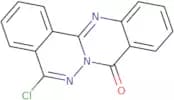
CAS:<p>Versatile small molecule scaffold</p>Formula:C12H14N2OSPurezza:Min. 95%Peso molecolare:234.32 g/mol10-Chloro-13H-5,11,12-triazatetraphen-13-one
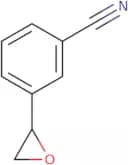
CAS:<p>Versatile small molecule scaffold</p>Formula:C15H8ClN3OPurezza:Min. 95%Peso molecolare:281.69 g/mol-3(oxiran-2-yl)benzonitrile
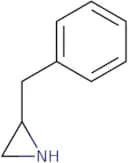
CAS:<p>Versatile small molecule scaffold</p>Formula:C9H7NOPurezza:Min. 95%Peso molecolare:145.16 g/mol2-Benzylaziridine
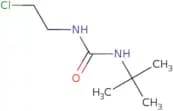
CAS:Prodotto controllato<p>2-Benzylaziridine is an organic compound that can be synthesized from 2-benzyloxirane and ammonia. It is used as a chromatographic stationary phase, a synthetic intermediate, and a starting material for the synthesis of other aziridines. The reaction rate of this compound depends on the energy of the reaction. Low energy reactions are generally faster than high energy reactions. In addition, ring-opening reactions are faster than aziridine synthesis because they require less activation energy. 2-Benzylaziridine can be produced in two different isomeric forms: cis and trans. This compound has been shown to have impurities such as isosafrole and aziridine which may be difficult to remove by distillation or recrystallization alone.<br>2-Benzylaziridine has been shown to have low toxicity in animal studies.END>></p>Formula:C9H11NPurezza:Min. 95%Peso molecolare:133.19 g/mol1-tert-Butyl-3-(2-chloroethyl)urea
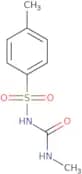
CAS:<p>Versatile small molecule scaffold</p>Formula:C7H15ClN2OPurezza:Min. 95%Peso molecolare:178.66 g/mol4-Methyl-N-(methylcarbamoyl)benzenesulfonamide
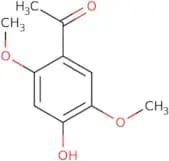
CAS:<p>Versatile small molecule scaffold</p>Formula:C9H12N2O3SPurezza:Min. 95%Peso molecolare:228.27 g/mol1-(4-Hydroxy-2,5-dimethoxyphenyl)ethan-1-one
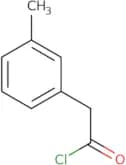
CAS:<p>Versatile small molecule scaffold</p>Formula:C10H12O4Purezza:Min. 95%Peso molecolare:196.2 g/molm-Tolyl-acetyl chloride
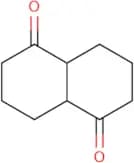
CAS:<p>Versatile small molecule scaffold</p>Formula:C9H9ClOPurezza:Min. 95%Peso molecolare:168.62 g/molDecahydronaphthalene-1,5-dione
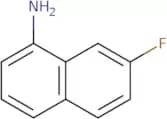
CAS:<p>Versatile small molecule scaffold</p>Formula:C10H14O2Purezza:Min. 95%Peso molecolare:166.22 g/mol7-Fluoronaphthalen-1-amine
CAS:<p>Versatile small molecule scaffold</p>Formula:C10H8FNPurezza:Min. 95%Peso molecolare:161.18 g/mol3,5-Dihydroxy-[1,2,4]triazine-6-carboxylic acid
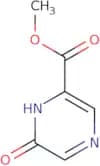
CAS:<p>3,5-Dihydroxy-[1,2,4]triazine-6-carboxylic acid is an antibacterial agent that belongs to the group of cyclizing drugs. It has a neutralizing reaction with alkali and hydrolyzes in water to form semicarbazide. 3,5-Dihydroxy-[1,2,4]triazine-6-carboxylic acid reacts with benzyl alcohol to produce a reaction product that is hydrolyzed by water to form penicillin. This drug has been shown to be effective against bacteria such as Staphylococcus aureus and Bacillus subtilis. 3,5-Dihydroxy-[1,2,4]triazine-6-carboxylic acid can cause pollution if it is not neutralized with methanol before being disposed of.</p>Formula:C4H3N3O4Purezza:Min. 95%Peso molecolare:157.08 g/molMethyl 6-oxo-1,6-dihydropyrazine-2-carboxylate
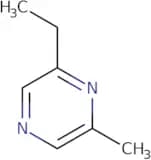
CAS:Methyl 6-oxo-1,6-dihydropyrazine-2-carboxylate is a lysine methyltransferase inhibitor. It has been shown to inhibit the DNA methylation and histone lysine methylation of mammalian cells, leading to changes in gene expression. Methyl 6-oxo-1,6-dihydropyrazine-2-carboxylate inhibits the uptake of methionine into cells and prevents its conversion to S-adenosylmethionine (SAM). SAM is an important donor of methyl groups for methylating DNA and histones. Methyl 6-oxo-1,6-dihydropyrazine-2 carboxylate also inhibits actin filament formation by preventing the binding of regulatory effector proteins such as cofilin, which is involved in nucleotide exchange on actin filaments.Formula:C6H6N2O3Purezza:Min. 95%Peso molecolare:154.12 g/mol2-ethyl-6-methylpyrazine
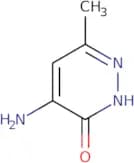
CAS:<p>2-Ethyl-6-methylpyrazine is a chemical substance with the formula CH3CONH2. It is used as a flavorant and has been shown to have tyrosinase activity in human liver cells. It can be synthesized by oxidation of ethyl pyruvate by sodium hypochlorite, followed by hydrolysis of the resulting 2-ethyl-6-methylpyruvic acid with dilute sulfuric acid. The chromatographic method for the identification of methylpyrazines was developed using a model system of fatty acids. A solid phase microextraction technique was employed for the analysis of 2-ethyl-6-methylpyrazine in acidic media, and the reaction products were analyzed by gas chromatography–mass spectrometry (GC–MS). 2-Ethyl-6-methylpyrazine was identified as an alkene and its molecular ion peak at m/z=147. Its mass spectrum showed signals at m</p>Formula:C7H10N2Purezza:Min. 95%Peso molecolare:122.17 g/mol4-Amino-6-methyl-2H-pyridazin-3-one
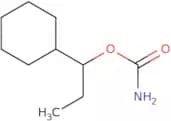
CAS:<p>Versatile small molecule scaffold</p>Formula:C5H7N3OPurezza:Min. 95%Peso molecolare:125.13 g/mol1-Cyclohexylpropyl carbamate
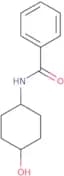
CAS:<p>1-Cyclohexylpropyl carbamate is a diagnostic agent that can be used to measure inflammatory bowel disease. It is an analog of 1-cyclohexyl-2,2,2-trifluoroethyl carbamate. The compound is insoluble in water and must be reconstituted with a diluent prior to use. The particle size of the reconstituted compound can be adjusted by varying the concentration of the diluent. 1-Cyclohexylpropyl carbamate binds to herpes simplex virus type 2 (HSV-2) with high affinity and has been shown to inhibit HSV-2 replication in cell culture. Iontophoresis is a technique for delivering ionic molecules into tissue by means of an electric field. This technique has been shown to increase the concentration of 1-cyclohexylpropyl carbamate within cells infected with HSV-2.</p>Formula:C10H19NO2Purezza:Min. 95%Peso molecolare:185.26 g/mol4-Benzamidocyclohexanol
CAS:<p>Versatile small molecule scaffold</p>Formula:C13H17NO2Purezza:Min. 95%Peso molecolare:219.28 g/mol1,4-Dioxaspiro[4.6]undecan-8-amine
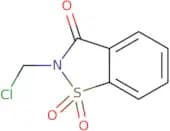
CAS:<p>Versatile small molecule scaffold</p>Formula:C9H17NO2Purezza:Min. 95%Peso molecolare:171.24 g/mol2-(Chloromethyl)-1,1-dioxo-1,2-benzothiazol-3-one
CAS:<p>2-(Chloromethyl)-1,1-dioxo-1,2-benzothiazol-3-one (CMTB) is a cytotoxic agent that inhibits the synthesis of DNA and RNA. CMTB has been shown to be effective against cancer cells in vitro, as well as against mycobacterial strains. The antitumor activity of CMTB is due to its ability to inhibit cancer cell proliferation by binding to DNA. This chemical has been shown as an effective treatment for lung cancer and ovarian cancer in mice. The cytotoxicity of CMTB has also been studied in human lung cancer cells.</p>Formula:C8H6ClNO3SPurezza:Min. 95%Peso molecolare:231.66 g/mol2-(1H-Tetrazol-5-yl)-benzoic acid
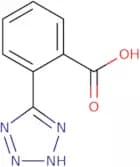
CAS:<p>2-(1H-Tetrazol-5-yl)-benzoic acid is a chloride salt of 2-(1H-tetrazol-5-yl)benzoic acid. It is soluble in water and organic solvents. The compound has a carboxylate group, which is the reactive part of the molecule. This group can be modified by reactions with other molecules, such as hydrothermal reactions that result in modifications to the structure of the carboxylate group. Tetrazole groups are found in many compounds, including those used in chemistry and octahedrally coordinated ligands. The coordination geometry of cadmium ions is tetrahedral, making it a good ligand for this type of compound. Crystal structures have been obtained for compounds containing both 2-(1H-tetrazol-5-yl)-benzoic acid and cadmium ions as ligands.</p>Formula:C8H6N4O2Purezza:Min. 95%Peso molecolare:190.16 g/mol2-Benzyl-1,3-thiazole
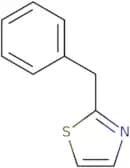
CAS:<p>2-Benzyl-1,3-thiazole (2BT) is a specific protein ligase inhibitor that has been shown to be active against various cancers in vivo. It binds to ubiquitin ligases and prevents their binding to proteins. 2BT is also an anion, which may change the electrostatic environment of the cell membrane and disrupt the lipid bilayer. This activity could lead to antiproliferation effects on tumor cells. 2BT has two different isomers, one of which has been shown to have a higher affinity for ubiquitin ligases than the other. The computational method employed in this study was DFT-B3LYP/6-31G* and used standard quantum chemistry software for geometries and energies. The conjugates of 2BT were obtained by reacting with cysteine residues using glutaraldehyde as a crosslinker. In vivo antitumor activity was observed at doses of 0.5mg/kg/day and 1</p>Formula:C10H9NSPurezza:Min. 95%Peso molecolare:175.25 g/molEthyl 2-oxobicyclo[4.1.0]heptane-7-carboxylate
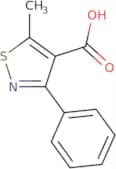
CAS:<p>Versatile small molecule scaffold</p>Formula:C10H14O3Purezza:Min. 95%Peso molecolare:182.22 g/mol5-Methyl-3-phenyl-1,2-thiazole-4-carboxylic acid
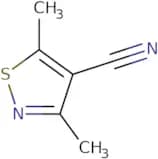
CAS:<p>Versatile small molecule scaffold</p>Formula:C11H9NO2SPurezza:Min. 95%Peso molecolare:219.26 g/molDimethyl-1,2-thiazole-4-carbonitrile
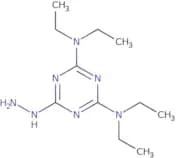
CAS:<p>Versatile small molecule scaffold</p>Formula:C6H6N2SPurezza:Min. 95%Peso molecolare:138.19 g/molN2,N2,N4,N4-Tetraethyl-6-hydrazinylidene-3,6-dihydro-1,3,5-triazine-2,4-diamine
CAS:Tetrodotoxin is a potent neurotoxin that blocks the transfer of nerve impulses. It is used as a pharmacological treatment for diseases of the urinary tract such as bladder and urethral spasms, bladder dysfunction, and urinary retention. Tetrodotoxin can also be used for the treatment of other conditions that affect the target tissue such as stenosis or cavity. This drug has been shown to be beneficial in autoimmune diseases, inflammatory diseases, and infections. Tetrodotoxin is implanted into the body through devices such as catheters or balloons to treat these conditions. The drug has anticholinergic properties which may cause side effects like dry mouth, blurred vision, difficulty urinating, and dizziness.Formula:C11H23N7Purezza:Min. 95%Peso molecolare:253.35 g/mol2-Ethylpiperazine Dihydrochloride
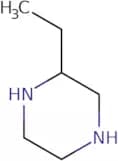
CAS:<p>2-Ethylpiperazine Dihydrochloride (2EP) is an activated form of piperazine that is used in databases for the study of reactions involving aldehydes and dehydrogenases. 2EP has been shown to be a competitive inhibitor of 11β-hydroxysteroid dehydrogenase, which is an enzyme involved in the conversion of cortisone to cortisol. It also has been shown to inhibit the production of formaldehyde from cyclooctane, as well as to catalyze the oxidation of pyridine. 2EP is an important part of optimization studies for catalysis and can also act as a catalyst itself.</p>Formula:C6H14N2ClHPurezza:Min. 95%Peso molecolare:187.11 g/molMethyl 1,4-dihydroxyisoquinoline-3-carboxylate
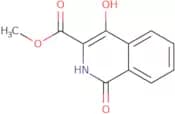
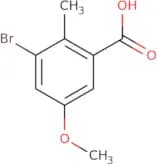
CAS:Versatile small molecule scaffoldFormula:C11H9NO4Purezza:Min. 95%Peso molecolare:219.19 g/mol3-bromo-5-methoxy-2-methylbenzoic acid
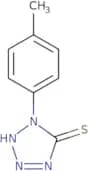
CAS:<p>Versatile small molecule scaffold</p>Formula:C9H9BrO3Purezza:Min. 95%Peso molecolare:245.07 g/mol1-(4-Methylphenyl)-1H-1,2,3,4-tetrazole-5-thiol
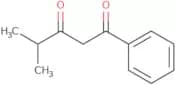
CAS:<p>Versatile small molecule scaffold</p>Formula:C8H8N4SPurezza:Min. 95%Peso molecolare:192.24 g/mol4-Methyl-1-phenylpentane-1,3-dione
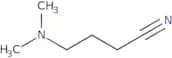
CAS:<p>4-Methyl-1-phenylpentane-1,3-dione is a small molecule that can be used as a vaccine adjuvant. It has been shown to increase the immune response to influenza vaccination in mice and also induces an antibody response against Streptococcus pneumoniae in mice. 4MPPD also inhibits the activity of matrix metalloproteinase (MMP)-9, which is involved in chronic airway inflammation and bronchiolitis obliterans syndrome (BOS). This compound is synthesized from methyl 4-(4-methylphenyl)pentanoate by hydrolysis with subtilisin. The reaction products are then incubated with various fatty acids to produce the final product.</p>Formula:C12H14O2Purezza:Min. 95%Peso molecolare:190.24 g/mol4-(Dimethylamino)butyronitrile
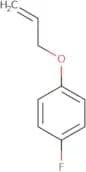
CAS:<p>Dimethylaminobutyronitrile (DMAbN) is a quaternary ammonium compound that is used in the synthesis of pharmaceuticals and agrochemicals. It is an inhibitor of aggrecan, which is a glycoprotein found in cartilage. DMAbN has been shown to inhibit the expression of receptors in osteoarthritic joints.</p>Formula:C6H12N2Purezza:Min. 95%Peso molecolare:112.17 g/mol1-Fluoro-4-(prop-2-en-1-yloxy)benzene
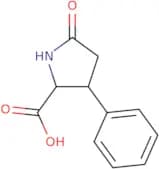
CAS:<p>Versatile small molecule scaffold</p>Formula:C9H9FOPurezza:Min. 95%Peso molecolare:152.16 g/molrac-(2R,3S)-5-Oxo-3-phenylpyrrolidine-2-carboxylic acid
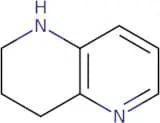
CAS:<p>Versatile small molecule scaffold</p>Formula:C11H11NO3Purezza:Min. 95%Peso molecolare:205.21 g/mol1,2,3,4-Tetrahydro-1,5-naphthyridine
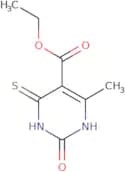
CAS:<p>1,2,3,4-Tetrahydro-1,5-naphthyridine is a mitotic inhibitor that binds to the protein cyclin. It is present in two forms: pyrrolidino and aryloxy. The pyrrolidino form is an anticancer agent that inhibits mitosis by binding to the active site of the enzyme DNA polymerase. The second form has been shown to have antitumor properties and inhibit protein synthesis in tumor cells. Tetrahydro-1,5-naphthyridine also has an anticancer effect on leukemia cells and other types of cancer cells. It has been shown to inhibit the growth of tumor cells by inhibiting protein synthesis through inhibition of enzymes such as cyclopentyl and protein inhibitor. This drug also has a tautomeric form that is an inhibitor of cyclohexane ring formation during metabolism in animals. Tetrahydro-1,5-naph</p>Formula:C8H10N2Purezza:Min. 95%Peso molecolare:134.18 g/mol6-Methyl-2-oxo-4-thioxo-1,2,3,4-tetrahydro-pyrimidine-5-carboxylic acid ethyl ester
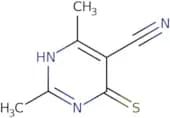
CAS:Versatile small molecule scaffoldFormula:C8H10N2O3SPurezza:Min. 95%Peso molecolare:214.24 g/mol2,4-Dimethyl-6-sulfanylidene-1,6-dihydropyrimidine-5-carbonitrile
CAS:<p>Versatile small molecule scaffold</p>Formula:C7H7N3SPurezza:Min. 95%Peso molecolare:165.22 g/mol6-Amino-1-[(4-methylphenyl)methyl]-1,2,3,4-tetrahydropyrimidine-2,4-dione
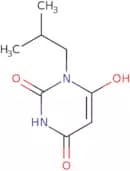
CAS:<p>Versatile small molecule scaffold</p>Formula:C12H13N3O2Purezza:Min. 95%Peso molecolare:231.25 g/mol1-(2-Methylpropyl)-1,3-diazinane-2,4,6-trione
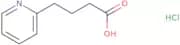
CAS:Versatile small molecule scaffoldFormula:C8H12N2O3Purezza:Min. 95%Peso molecolare:184.19 g/mol4-(Pyridin-2-yl)butanoic acid hydrochloride
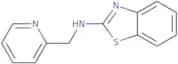
CAS:4-(Pyridin-2-yl)butanoic acid hydrochloride (4-APB) is a potent inhibitor of ion channels, including the nicotinic acetylcholine receptor and the NMDA receptor. 4-APB is a ligand for the GABA receptors and benzodiazepine sites on GABA A receptors. It has been shown to inhibit the activity of protein kinase C and protein tyrosine kinase, which are enzymes that regulate cell growth. 4-APB has also been shown to inhibit the production of tumor necrosis factor-α (TNF-α) by inhibiting the activation of NFκβ in mouse macrophages.Formula:C9H12ClNO2Purezza:Min. 95%Peso molecolare:201.65 g/molN-(Pyridin-2-ylmethyl)-1,3-benzothiazol-2-amine
CAS:<p>Versatile small molecule scaffold</p>Formula:C13H11N3SPurezza:Min. 95%Peso molecolare:241.31 g/mol3-Bromo-6-chloroimidazo[1,5-a]pyridine
CAS:<p>Versatile small molecule scaffold</p>Formula:C7H4BrClN2Purezza:Min. 95%Peso molecolare:231.48 g/molMethyl 5-(hydroxymethyl)-4-methylpyridine-2-carboxylate
CAS:<p>Versatile small molecule scaffold</p>Formula:C9H11NO3Purezza:Min. 95%Peso molecolare:181.2 g/mol3-Bromoimidazo[1,5-a]pyridine
CAS:<p>3-Bromoimidazo[1,5-a]pyridine is a chemical compound that is used in the production of organic semiconductors. It has an emission wavelength of 550 nm and a quantum yield of 0.2%. 3-Bromoimidazo[1,5-a]pyridine can be produced by reacting benzene with bromine to produce the product. The reaction has a yield of about 85% as measured by weight.</p>Formula:C7H5N2BrPurezza:Min. 95%Peso molecolare:197.03 g/mol3,7-Dibromoimidazo[1,5-a]pyridine
CAS:<p>Versatile small molecule scaffold</p>Formula:C7H4Br2N2Purezza:Min. 95%Peso molecolare:275.93 g/molEthyl 6-chloroimidazo[1,5-a]pyridine-1-carboxylate
CAS:Versatile small molecule scaffoldFormula:C10H9ClN2O2Purezza:Min. 95%Peso molecolare:224.64 g/mol3-bromo-5-methylpyrazolo[1,5-a]pyrimidine
CAS:Versatile small molecule scaffoldFormula:C7H6BrN3Purezza:Min. 95%Peso molecolare:212.05 g/molMethyl 5-chloropyrazolo[1,5-a]pyrimidine-2-carboxylate
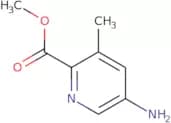
CAS:Versatile small molecule scaffoldFormula:C8H6ClN3O2Purezza:Min. 95%Peso molecolare:211.6 g/molMethyl 5-amino-3-methylpyridine-2-carboxylate
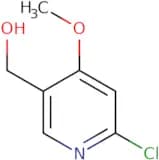
CAS:Versatile small molecule scaffoldFormula:C8H10N2O2Purezza:Min. 95%Peso molecolare:166.18 g/mol2-Chloro-5-(hydroxymethyl)-4-methoxypyridine
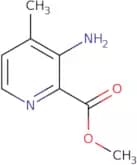
CAS:Versatile small molecule scaffoldFormula:C7H8ClNO2Purezza:Min. 95%Peso molecolare:173.6 g/molMethyl 3-amino-4-methylpyridine-2-carboxylate
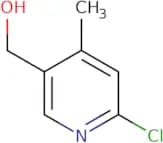
CAS:Versatile small molecule scaffoldFormula:C8H10N2O2Purezza:Min. 95%Peso molecolare:166.18 g/mol(6-Chloro-4-methylpyridin-3-yl)methanol
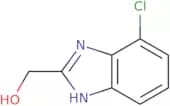
CAS:<p>Versatile small molecule scaffold</p>Formula:C7H8ClNOPurezza:Min. 95%Peso molecolare:157.6 g/mol(7-Chloro-1H-1,3-benzodiazol-2-yl)methanol
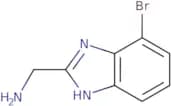
CAS:Versatile small molecule scaffoldFormula:C8H7ClN2OPurezza:Min. 95%Peso molecolare:182.61 g/mol(4-Bromo-1H-1,3-benzodiazol-2-yl)methanamine
CAS:<p>Versatile small molecule scaffold</p>Formula:C8H8BrN3Purezza:Min. 95%Peso molecolare:226.07 g/mol6-bromopyrazolo[1,5-a]pyrimidine-3-carbaldehyde
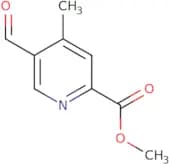
CAS:Versatile small molecule scaffoldFormula:C7H4BrN3OPurezza:Min. 95%Peso molecolare:226 g/molMethyl 5-formyl-4-methylpyridine-2-carboxylate
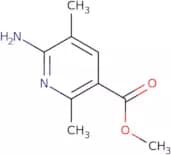
CAS:<p>Versatile small molecule scaffold</p>Formula:C9H9NO3Purezza:Min. 95%Peso molecolare:179.17 g/molMethyl 6-amino-2,5-dimethylpyridine-3-carboxylate
CAS:<p>Versatile small molecule scaffold</p>Formula:C9H12N2O2Purezza:Min. 95%Peso molecolare:180.2 g/mol3-Bromo-7-methylimidazo[1,5-a]pyridine
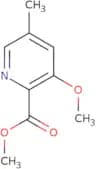
CAS:<p>Versatile small molecule scaffold</p>Formula:C8H7BrN2Purezza:Min. 95%Peso molecolare:211.06 g/molMethyl 3-methoxy-5-methylpicolinate
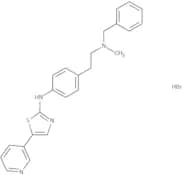
CAS:Versatile small molecule scaffoldFormula:C9H11NO3Purezza:Min. 95%Peso molecolare:181.19 g/molGSK 205
CAS:<p>GSK 205 is a histamine receptor agonist that has been shown to have analgesic properties in animal models of pain. It binds to the TRPV4 ion channel and activates it, which results in an increase in the intracellular concentration of cations and an influx of calcium. This response has been shown to be mediated by calmodulin binding and GSK 205 also stimulates pancreatic enzyme secretion by activating the cytosolic Ca2+ response element-binding protein (CREB) pathway. The CREB pathway is involved in cell proliferation and differentiation, as well as memory formation. GSK 205 has been shown to have no adverse effects on skin cells when used at physiological levels.</p>Formula:C24H25BrN4SPurezza:Min. 95%Peso molecolare:481.5 g/molEthyl 1H,4H,6H,7H-pyrano[4,3-b]pyrrole-2-carboxylate
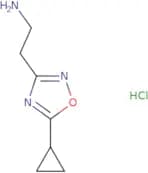
CAS:<p>Versatile small molecule scaffold</p>Formula:C10H13NO3Purezza:Min. 95%Peso molecolare:195.21 g/mol2-(5-Cyclopropyl-1,2,4-oxadiazol-3-yl)ethan-1-amine hydrochloride
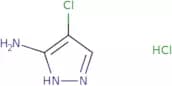
CAS:<p>Versatile small molecule scaffold</p>Formula:C7H12ClN3OPurezza:Min. 95%Peso molecolare:189.64 g/mol4-Chloro-1H -pyrazol-3-ylamine hydrochloride
CAS:Versatile small molecule scaffoldFormula:C3H5Cl2N3Purezza:Min. 95%Peso molecolare:153.99 g/mol{[5-(3-Methoxyphenyl)-3-isoxazolyl]methyl}amine hydrochloride
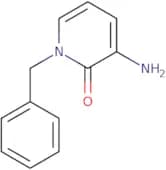
CAS:<p>Versatile small molecule scaffold</p>Formula:C11H13ClN2O2Purezza:Min. 95%Peso molecolare:240.68 g/mol3-Amino-1-benzyl-1,2-dihydropyridin-2-one
CAS:<p>Versatile small molecule scaffold</p>Formula:C12H12N2OPurezza:Min. 95%Peso molecolare:200.24 g/mol1,1-difluoro-6-azaspiro[2.5]octane hcl
CAS:<p>Versatile small molecule scaffold</p>Formula:C7H12ClF2NPurezza:Min. 95%Peso molecolare:183.63 g/mol1-[4-(2-Methylpropyl)phenyl]ethane-1,2-diol
CAS:<p>Versatile small molecule scaffold</p>Formula:C12H18O2Purezza:Min. 95%Peso molecolare:194.27 g/moltert-Butyl 3-amino-1-oxa-7-azaspiro[4.5]decane-7-carboxylate
CAS:<p>Versatile small molecule scaffold</p>Formula:C13H24N2O3Purezza:Min. 95%Peso molecolare:256.34 g/mol1-(Difluoromethyl)-2-oxo-1,2-dihydropyridine-3-carbaldehyde
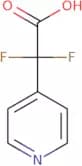
CAS:<p>Versatile small molecule scaffold</p>Formula:C7H5F2NO2Purezza:Min. 95%Peso molecolare:173.12 g/mol2,2-Difluoro-2-(pyridin-4-yl)acetic acid
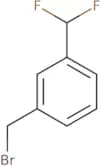
CAS:Versatile small molecule scaffoldFormula:C7H5F2NO2Purezza:Min. 95%Peso molecolare:173.12 g/mol3-(Difluoromethyl)benzyl bromide
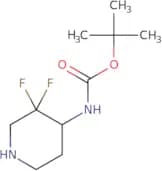
CAS:<p>Versatile small molecule scaffold</p>Formula:C8H7BrF2Purezza:Min. 95%Peso molecolare:221.04 g/moltert-Butyl 3,3-difluoropiperidin-4-ylcarbamate
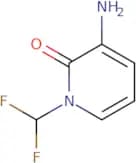
CAS:<p>Versatile small molecule scaffold</p>Formula:C10H18F2N2O2Purezza:Min. 95%Peso molecolare:236.3 g/mol3-Amino-1-(difluoromethyl)-1,2-dihydropyridin-2-one
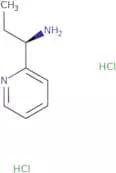
CAS:<p>Versatile small molecule scaffold</p>Formula:C6H6F2N2OPurezza:Min. 95%Peso molecolare:160.12 g/mol(R)-1-(Pyridin-2-yl)propan-1-amine dihydrochloride
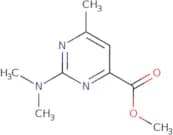
CAS:<p>Versatile small molecule scaffold</p>Formula:C8H12N2HClPurezza:Min. 95%Peso molecolare:209.11 g/molMethyl 2-(dimethylamino)-6-methylpyrimidine-4-carboxylate
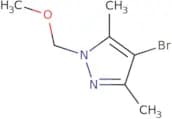
CAS:<p>Methyl 2-(dimethylamino)-6-methylpyrimidine-4-carboxylate (MDMP) is a natural compound that has been shown to have biological properties. It has a locomotor activity in mice and inhibits the growth of methicillin-resistant Staphylococcus aureus and Mycobacterium tuberculosis. MDMP is an inhibitor molecule that blocks the enzyme DNA polymerase, thereby inhibiting DNA synthesis. This drug also inhibits the production of phosphatidylcholine, which is important for maintaining cell membrane integrity.</p>Formula:C9H13N3O2Purezza:Min. 95%Peso molecolare:195.22 g/mol4-Bromo-1-(methoxymethyl)-3,5-dimethyl-1H-pyrazole
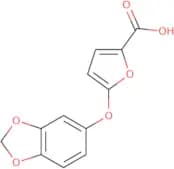
CAS:<p>Versatile small molecule scaffold</p>Formula:C7H11BrN2OPurezza:Min. 95%Peso molecolare:219.08 g/mol5-(1,3-Dioxaindan-5-yloxy)furan-2-carboxylic acid
CAS:<p>Versatile small molecule scaffold</p>Formula:C12H8O6Purezza:Min. 95%Peso molecolare:248.19 g/mol

![6,6-dimethylbicyclo[3.1.0]hexan-3-one](/_next/image/?url=https%3A%2Fstatic.cymitquimica.com%2Fproducts%2F3D%2Fthumb-webp%2FNAA85529.webp&w=3840&q=75)
![1',2'-dihydrospiro[cyclopropane-1,3'-indol]-2'-one](/_next/image/?url=https%3A%2Fstatic.cymitquimica.com%2Fproducts%2F3D%2Fthumb-webp%2FNAA86175.webp&w=3840&q=75)

![1H-Pyrazolo[4,3-d]pyrimidin-7-amine](/_next/image/?url=https%3A%2Fstatic.cymitquimica.com%2Fproducts%2F3D%2Fthumb-webp%2FNAA87756.webp&w=3840&q=75)
![1H,2H,3H,4H-Benzo[G]quinazoline-2,4-dione](/_next/image/?url=https%3A%2Fstatic.cymitquimica.com%2Fproducts%2F3D%2Fthumb-webp%2FNAA89860.webp&w=3840&q=75)
![3,5-Dihydroxy-[1,2,4]triazine-6-carboxylic acid](/_next/image/?url=https%3A%2Fstatic.cymitquimica.com%2Fproducts%2F3D%2Fthumb-webp%2FNAA92415.webp&w=3840&q=75)
![1,4-Dioxaspiro[4.6]undecan-8-amine](/_next/image/?url=https%3A%2Fstatic.cymitquimica.com%2Fproducts%2F3D%2Fthumb-webp%2FNAA94208.webp&w=3840&q=75)
![Ethyl 2-oxobicyclo[4.1.0]heptane-7-carboxylate](/_next/image/?url=https%3A%2Fstatic.cymitquimica.com%2Fproducts%2F3D%2Fthumb-webp%2FNAA94998.webp&w=3840&q=75)
![6-Amino-1-[(4-methylphenyl)methyl]-1,2,3,4-tetrahydropyrimidine-2,4-dione](/_next/image/?url=https%3A%2Fstatic.cymitquimica.com%2Fproducts%2F3D%2Fthumb-webp%2FNAB13705.webp&w=3840&q=75)
![3-Bromo-6-chloroimidazo[1,5-a]pyridine](/_next/image/?url=https%3A%2Fstatic.cymitquimica.com%2Fproducts%2F3D%2Fthumb-webp%2FNAC05714.webp&w=3840&q=75)
![3-Bromoimidazo[1,5-a]pyridine](/_next/image/?url=https%3A%2Fstatic.cymitquimica.com%2Fproducts%2F3D%2Fthumb-webp%2FNAC05786.webp&w=3840&q=75)
![3,7-Dibromoimidazo[1,5-a]pyridine](/_next/image/?url=https%3A%2Fstatic.cymitquimica.com%2Fproducts%2F3D%2Fthumb-webp%2FNAC05855.webp&w=3840&q=75)
![Ethyl 6-chloroimidazo[1,5-a]pyridine-1-carboxylate](/_next/image/?url=https%3A%2Fstatic.cymitquimica.com%2Fproducts%2F3D%2Fthumb-webp%2FNAC05883.webp&w=3840&q=75)
![3-bromo-5-methylpyrazolo[1,5-a]pyrimidine](/_next/image/?url=https%3A%2Fstatic.cymitquimica.com%2Fproducts%2F3D%2Fthumb-webp%2FNAC05915.webp&w=3840&q=75)
![Methyl 5-chloropyrazolo[1,5-a]pyrimidine-2-carboxylate](/_next/image/?url=https%3A%2Fstatic.cymitquimica.com%2Fproducts%2F3D%2Fthumb-webp%2FNAC05926.webp&w=3840&q=75)
![6-bromopyrazolo[1,5-a]pyrimidine-3-carbaldehyde](/_next/image/?url=https%3A%2Fstatic.cymitquimica.com%2Fproducts%2F3D%2Fthumb-webp%2FNAC06072.webp&w=3840&q=75)
![3-Bromo-7-methylimidazo[1,5-a]pyridine](/_next/image/?url=https%3A%2Fstatic.cymitquimica.com%2Fproducts%2F3D%2Fthumb-webp%2FNAC06183.webp&w=3840&q=75)
![Ethyl 1H,4H,6H,7H-pyrano[4,3-b]pyrrole-2-carboxylate](/_next/image/?url=https%3A%2Fstatic.cymitquimica.com%2Fproducts%2F3D%2Fthumb-webp%2FNAC08301.webp&w=3840&q=75)
![{[5-(3-Methoxyphenyl)-3-isoxazolyl]methyl}amine hydrochloride](/_next/image/?url=https%3A%2Fstatic.cymitquimica.com%2Fproducts%2F3D%2Fthumb-webp%2FNAC09448.webp&w=3840&q=75)
![1,1-difluoro-6-azaspiro[2.5]octane hcl](/_next/image/?url=https%3A%2Fstatic.cymitquimica.com%2Fproducts%2F3D%2Fthumb-webp%2FNAC13231.webp&w=3840&q=75)
![1-[4-(2-Methylpropyl)phenyl]ethane-1,2-diol](/_next/image/?url=https%3A%2Fstatic.cymitquimica.com%2Fproducts%2F3D%2Fthumb-webp%2FNAC16232.webp&w=3840&q=75)
![tert-Butyl 3-amino-1-oxa-7-azaspiro[4.5]decane-7-carboxylate](/_next/image/?url=https%3A%2Fstatic.cymitquimica.com%2Fproducts%2F3D%2Fthumb-webp%2FNAC17713.webp&w=3840&q=75)