Building Blocks
Questa sezione contiene prodotti fondamentali per la sintesi di composti organici e biologici. Building blocks sono i materiali di partenza essenziali utilizzati per costruire molecole complesse attraverso varie reazioni chimiche. Svolgono un ruolo critico nella scoperta di farmaci, nella scienza dei materiali e nella ricerca chimica. Presso CymitQuimica, offriamo una gamma diversificata di building blocks di alta qualità per supportare le tue ricerche innovative e progetti industriali, assicurandoti di avere i componenti essenziali per una sintesi di successo.
Sottocategorie di "Building Blocks"
- Acidi boronici e derivati dell'acido boronico(5.756 prodotti)
- Building Blocks Chirali(1.242 prodotti)
- Building Blocks Idrocarburici(6.095 prodotti)
- Building Blocks organici(61.055 prodotti)
Trovati 199650 prodotti di "Building Blocks"
Ordinare per
Purezza (%)
0
100
|
0
|
50
|
90
|
95
|
100
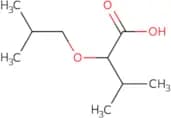
3-Methyl-2-(2-methylpropoxy)butanoic acid
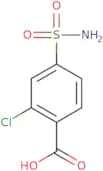
CAS:Versatile small molecule scaffoldFormula:C9H18O3Purezza:Min. 95%Peso molecolare:174.24 g/mol2-Chloro-4-sulfamoylbenzoic acid
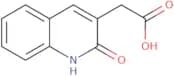
CAS:<p>Versatile small molecule scaffold</p>Formula:C7H6ClNO4SPurezza:Min. 95%Peso molecolare:235.65 g/mol2-(2-Oxo-1,2-dihydroquinolin-3-yl)acetic acid
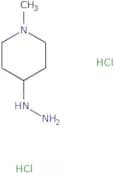
CAS:<p>Versatile small molecule scaffold</p>Formula:C11H9NO3Purezza:Min. 95%Peso molecolare:203.19 g/mol4-Hydrazino-1-methylpiperidine dihydrochloride
CAS:<p>Versatile small molecule scaffold</p>Formula:C6H15N3·2HClPurezza:Min. 95%Peso molecolare:202.13 g/mol2-Chloro-5-pyrrol-1-yl-benzoic acid
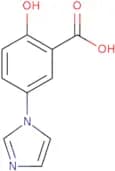
CAS:<p>2-Chloro-5-pyrrol-1-yl-benzoic acid is a molecule that has been shown to cross-couple with methyl groups. It is also hydrophobic and can be used as an active compound for medicinal purposes. This molecule interacts with the pyrrole group of other molecules, which disrupts their function. Molecular docking analysis has shown that 2-chloro-5-pyrrol-1-ylbenzoic acid binds to the cysteine residues in human SOD2 and inhibits its activity, suggesting it could be a potential therapeutic agent for conditions such as amyotrophic lateral sclerosis (ALS).</p>Formula:C11H8ClNO2Purezza:Min. 95%Peso molecolare:221.64 g/mol2-Hydroxy-5-(1H-imidazol-1-yl)benzoic acid
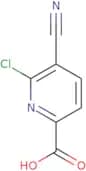
CAS:<p>Versatile small molecule scaffold</p>Formula:C10H8N2O3Purezza:Min. 95%Peso molecolare:204.18 g/mol6-chloro-5-cyanopyridine-2-carboxylic acid
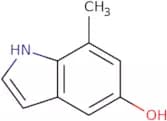
CAS:<p>6-Chloro-5-cyanopyridine-2-carboxylic acid is an antitumor agent that inhibits tumor cell proliferation and induces cell death. It has been shown to be a selective inhibitor of the enzyme hepg2, which is involved in the conversion of cholesterol to bile acids. 6-Chloro-5-cyanopyridine-2-carboxylic acid has also been shown to inhibit the growth of tumor cells by binding to pyrimidine derivatives and acylating them. This reaction leads to the formation of reactive nitrogen species that cause DNA damage and lead to apoptotic cell death. The compound can be synthesized efficiently through an acylation reaction with benzoyl chloride.</p>Formula:C7H3ClN2O2Purezza:Min. 95%Peso molecolare:182.6 g/mol7-Methyl-1H-indol-5-ol
CAS:Versatile small molecule scaffoldFormula:C9H9NOPurezza:Min. 95%Peso molecolare:147.17 g/mol2-[(Tetrahydro-2H-pyran-2-yl)oxy]-cyclopentanemethanol
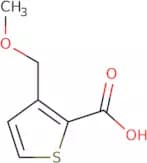
CAS:<p>Versatile small molecule scaffold</p>Formula:C11H20O3Purezza:Min. 95%Peso molecolare:200.27 g/mol3-(Methoxymethyl)thiophene-2-carboxylic acid
CAS:<p>Versatile small molecule scaffold</p>Formula:C7H8O3SPurezza:Min. 95%Peso molecolare:172.2 g/mol(Prop-2-yn-1-yl)(propyl)amine hydrochloride
CAS:<p>Versatile small molecule scaffold</p>Formula:C6H12ClNPurezza:Min. 95%Peso molecolare:133.62 g/molN-Ethylpropargylamine hydrochloride
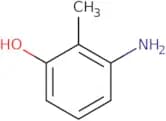
CAS:<p>Versatile small molecule scaffold</p>Formula:C5H10ClNPurezza:Min. 95%Peso molecolare:119.59 g/mol3-Amino-2-methylphenol
CAS:<p>3-Amino-2-methylphenol is a trypsin inhibitor that can be used for cancer therapy. It has been shown to inhibit the activity of proteases, such as trypsin, chymotrypsin and elastase. 3-Amino-2-methylphenol is also an inhibitor of polyclonal antibodies and has been shown to have anti-inflammatory properties. This compound has been found to be stable in a nutrient solution at pH 6 and 7.3, with a half life of more than 16 hours at pH 7.3 and more than 8 hours at pH 6. 3-Amino-2-methylphenol is not soluble in water or saline, but it dissolves well in ethanol, methanol and dimethylsulfoxide (DMSO).</p>Formula:C7H9NOPurezza:Min. 95%Peso molecolare:123.15 g/mol1-bromo-4-chloronaphthalene
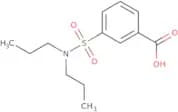
CAS:<p>1-Bromo-4-chloronaphthalene is a chemical compound that has an aromatic ring and a chlorinated ring. It is paramagnetic, with magnetic susceptibility of 2.2x10⁻⁶ m3/kg, and can be found in nature. The frequency of the 1-bromo-4-chloronaphthalene molecule is 6.0x10¹⁵ Hz and it emits at 631 nm. There are about 7.2 billion people on Earth, with a population profile of 50% male and 50% female. The transfer rate for this molecule is mediated by resonance energy transfer from the excited state to the ground state, which is accomplished through collisions or dipole interactions between molecules.</p>Formula:C10H6BrClPurezza:Min. 95%Peso molecolare:241.51 g/mol3-(Dipropylsulfamoyl)benzoic acid
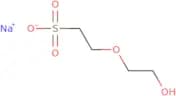
CAS:<p>Versatile small molecule scaffold</p>Formula:C13H19NO4SPurezza:Min. 95%Peso molecolare:285.36 g/molSodium 2-(2-hydroxyethoxy)ethane-1-sulfonate
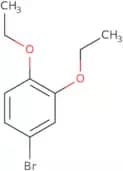
CAS:<p>Versatile small molecule scaffold</p>Formula:C4H9NaO5SPurezza:Min. 95%Peso molecolare:192.2 g/mol4-Bromo-1,2-diethoxybenzene
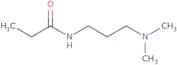
CAS:<p>Versatile small molecule scaffold</p>Formula:C10H13BrO2Purezza:Min. 95%Peso molecolare:245.11 g/molN-(3-(Dimethylamino)propyl)propionamide
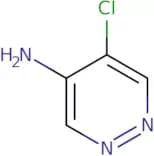
CAS:<p>Versatile small molecule scaffold</p>Formula:C8H18N2OPurezza:Min. 95%Peso molecolare:158.24 g/mol5-Chloropyridazin-4-amine
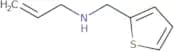
CAS:<p>5-Chloropyridazin-4-amine is a medicinal compound. It contains an aromatic ring and a heterocyclic amine group, which are connected by a nitrogen atom. 5-Chloropyridazin-4-amine has been used for the production of other compounds such as aminopyridazines, quinones, and betaines. 5-Chloropyridazin-4-amine can be used in research on the synthesis of cinnolines, azides, and pyridazines. This compound is also used to study the chemistry of sulfur.</p>Formula:C4H4ClN3Purezza:Min. 95%Peso molecolare:129.55 g/mol(Prop-2-en-1-yl)(thiophen-2-ylmethyl)amine
CAS:<p>Versatile small molecule scaffold</p>Formula:C8H11NSPurezza:Min. 95%Peso molecolare:153.25 g/molThieno[2,3-b]pyridine-2-carbaldehyde
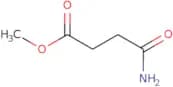
CAS:<p>Thieno[2,3-b]pyridine-2-carbaldehyde is a chemical compound that is structurally related to nicotine. It has been shown to be an inhibitor of CYP2A6 and coumarin 7-hydroxylase, the enzymes that catalyze the hydroxylation of coumarin to form 7-hydroxycoumarin. Thieno[2,3-b]pyridine-2-carbaldehyde has also shown inhibitory effects on the metabolism of formyl lead molecules. The IC50 values for thieno[2,3-b]pyridine-2-carbaldehyde are 0.01 μM for CYP2A6 and 0.1 μM for coumarin 7-hydroxylase.</p>Formula:C8H5NOSPurezza:Min. 95%Peso molecolare:163.2 g/molMethyl Succinamate
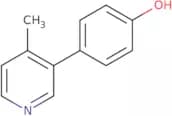
CAS:<p>Methyl succinate is a heterocyclic compound that has been shown to be effective in the treatment of autoimmune diseases. It has also been shown to inhibit cancer cells, as well as infectious diseases. Methyl Succinamate is an amide and intramolecular hydrogen bond donor. This chemical ionization technique can be used for the specific determination of this compound in biological fluids such as blood plasma or serum. The NMR spectra of methyl succinate are consistent with its structure, which consists of an amide group and three methyl groups. Methyl succinate binds to the bradykinin B2 receptor and inhibits its activity by blocking the binding site.</p>Formula:C5H9NO3Purezza:Min. 95%Peso molecolare:131.13 g/mol4-(4-Methylpyridin-3-yl)phenol
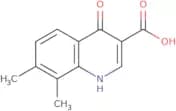
CAS:<p>Versatile small molecule scaffold</p>Formula:C12H11NOPurezza:Min. 95%Peso molecolare:185.22 g/mol7,8-Dimethyl-4-hydroxyquinoline-3-carboxylic acid
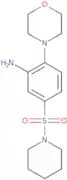
CAS:<p>Versatile small molecule scaffold</p>Formula:C12H11NO3Purezza:Min. 95%Peso molecolare:217.22 g/mol2-(Morpholin-4-yl)-5-(piperidine-1-sulfonyl)aniline
CAS:<p>Versatile small molecule scaffold</p>Formula:C15H23N3O3SPurezza:Min. 95%Peso molecolare:325.4 g/mol5-Acetyl-2-amino-1,3-thiazole
CAS:<p>5-Acetyl-2-amino-1,3-thiazole is a radiolabeled inhibitor of γ-secretase that binds to the active site of the enzyme. It has an IC50 value of 4.4 μM for γ-secretase with little or no inhibitory effect on other proteases such as trypsin and chymotrypsin.</p>Formula:C5H6N2OSPurezza:Min. 95%Peso molecolare:142.18 g/molN,N-Dimethyl-3-(morpholin-4-yl)propanamide
CAS:<p>Versatile small molecule scaffold</p>Formula:C9H18N2O2Purezza:Min. 95%Peso molecolare:186.25 g/mol(But-2-yn-1-yl)(prop-2-yn-1-yl)amine hydrochloride
CAS:<p>Versatile small molecule scaffold</p>Formula:C7H10ClNPurezza:Min. 95%Peso molecolare:143.61 g/mol3-Bromo-N,N-diethylaniline
CAS:<p>Versatile small molecule scaffold</p>Formula:C10H14BrNPurezza:Min. 95%Peso molecolare:228.13 g/mol2,4-Dimethylthiazole-5-carboxylic Acid
CAS:<p>2,4-Dimethylthiazole-5-carboxylic Acid is a class of organic compounds that are used as a building block for the synthesis of polymers. The surface analysis of this compound reveals that it is a supramolecular polymer with an irregular crystal structure. This compound can be synthesized from 2,4-dimethylthiazol and 5-carboxylic acid in two steps. The X-ray diffraction analysis shows that the crystalline form is single and belongs to the orthorhombic system with space group Pbnm. Hydrogen bonds between the aromatic rings and carboxylate esters are present. This polymer has been shown to be active against graminis sclerotiorum and Sclerotinia graminicola.</p>Formula:C6H7NO2SPurezza:Min. 95%Peso molecolare:157.19 g/mol3-Isopropoxyprop-1-yne
CAS:<p>Versatile small molecule scaffold</p>Formula:C6H10OPurezza:Min. 95%Peso molecolare:98.14 g/mol3,3-Dimethylpentane-1,5-diol
CAS:<p>3,3-Dimethylpentane-1,5-diol is an active molecule that is synthesized in vivo. It has been shown to inhibit the growth of cancer cells. This cytostatic effect is most likely due to its ability to activate β-catenin and inhibit its degradation by the proteasome. 3,3-Dimethylpentane-1,5-diol also inhibits hemolytic activity in rat liver microsomes and has a low degree of cytotoxicity against L1210 cells. The molecule's cytostatic effects have been studied in vitro and in vivo and found to be mediated through inhibition of cyclopentanoid biosynthesis.</p>Formula:C7H16O2Purezza:Min. 95%Peso molecolare:132.2 g/mol2,4-Dibromo-3-methylthiophene
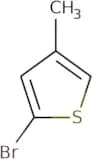
CAS:<p>Versatile small molecule scaffold</p>Formula:C5H4Br2SPurezza:Min. 95%Peso molecolare:255.96 g/mol2-Bromo-4-methylthiophene
CAS:<p>2-Bromo-4-methylthiophene is a monomer used in optical polymerization. It has been shown to have high yields, good optical properties and low cost. 2-Bromo-4-methylthiophene polymerizes in the presence of benzyl groups to form polymers with hexamer sequences. This monomer can also be synthesized through electrochemical polymerization techniques, yielding polymers with decamer sequences. The conformation of 2-bromo-4-methylthiophene can be determined by techniques such as nuclear magnetic resonance spectroscopy or infrared spectroscopy. It is also possible to use cross-coupling reactions to synthesize this compound.</p>Formula:C5H5BrSPurezza:Min. 95%Peso molecolare:177.06 g/mol2,5-Dibromo-3-ethylthiophene
CAS:<p>Versatile small molecule scaffold</p>Formula:C6H6Br2SPurezza:Min. 95%Peso molecolare:269.99 g/mol1-(Hydrazinecarbonyl)-N-(pyridin-2-yl)formamide
CAS:<p>Versatile small molecule scaffold</p>Formula:C7H8N4O2Purezza:Min. 95%Peso molecolare:180.16 g/mol2-[(Pyridin-2-yl)methyl]aniline
CAS:<p>Versatile small molecule scaffold</p>Formula:C12H12N2Purezza:Min. 95%Peso molecolare:184.24 g/mol(5-Amino-2,2-dimethyl-1,3-dioxan-5-yl)methanol
CAS:<p>Versatile small molecule scaffold</p>Formula:C7H15NO3Purezza:Min. 95%Peso molecolare:161.2 g/mol3-Bromo-N,N,4-trimethylaniline
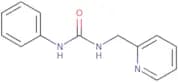
CAS:<p>Versatile small molecule scaffold</p>Formula:C9H12BrNPurezza:Min. 95%Peso molecolare:214.1 g/molN-Phenyl((2-pyridylmethyl)amino)formamide
CAS:<p>Versatile small molecule scaffold</p>Formula:C13H13N3OPurezza:Min. 95%Peso molecolare:227.26 g/mol5-Chloro-N,N-dimethylpentanamide
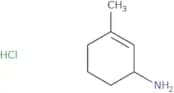
CAS:<p>Versatile small molecule scaffold</p>Formula:C7H14ClNOPurezza:Min. 95%Peso molecolare:163.64 g/mol3-Methylcyclohex-2-en-1-amine hydrochloride
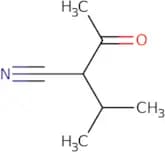
CAS:<p>Versatile small molecule scaffold</p>Formula:C7H14ClNPurezza:Min. 95%Peso molecolare:147.6 g/mol2-Acetyl-3-methylbutanenitrile
CAS:<p>Versatile small molecule scaffold</p>Formula:C7H11NOPurezza:Min. 95%Peso molecolare:125.2 g/mol5-Methoxy-1,3-dimethyl-1H-pyrazole
CAS:<p>Versatile small molecule scaffold</p>Formula:C6H10N2OPurezza:Min. 95%Peso molecolare:126.16 g/molEthyl 3-[4-(benzyloxy)phenyl]-3-oxopropanoate
CAS:<p>Versatile small molecule scaffold</p>Formula:C18H18O4Purezza:Min. 95%Peso molecolare:298.3 g/mol2-(4-bromophenyl)propanoic acid
CAS:<p>Versatile small molecule scaffold</p>Formula:C9H9BrO2Purezza:Min. 95%Peso molecolare:229.1 g/mol3-[4-(propan-2-yl)phenyl]butanoic Acid
CAS:<p>Versatile small molecule scaffold</p>Formula:C13H18O2Purezza:Min. 95%Peso molecolare:206.28 g/mol3-(4-Ethylphenyl)butanoic acid
CAS:<p>Versatile small molecule scaffold</p>Formula:C12H16O2Purezza:Min. 95%Peso molecolare:192.25 g/mol3-(4-Bromophenyl)butanoic acid
CAS:Versatile small molecule scaffoldFormula:C10H11BrO2Purezza:Min. 95%Peso molecolare:243.1 g/mol3-(3-Bromophenyl)butanoic acid
CAS:<p>Versatile small molecule scaffold</p>Formula:C10H11BrO2Purezza:Min. 95%Peso molecolare:243.1 g/mol3-[3-(Trifluoromethyl)phenyl]butanoic acid
CAS:<p>Versatile small molecule scaffold</p>Formula:C11H11F3O2Purezza:Min. 95%Peso molecolare:232.2 g/mol6-Chloro-3-methyl-[1,2,4]triazolo[4,3-b]pyridazin-8-amine
CAS:Versatile small molecule scaffoldFormula:C6H6ClN5Purezza:Min. 95%Peso molecolare:183.6 g/molEthyl 2-Hydrazinyl-2-iminoacetate
CAS:<p>Versatile small molecule scaffold</p>Formula:C4H9N3O2Purezza:Min. 95%Peso molecolare:131.13 g/mol4-Methoxy-3-methylbenzonitrile
CAS:<p>Versatile small molecule scaffold</p>Formula:C9H9NOPurezza:Min. 95%Peso molecolare:147.18 g/mol4-(3,4-Dimethoxyphenethyl)-3-thiosemicarbazide
CAS:<p>Versatile small molecule scaffold</p>Formula:C11H17N3O2SPurezza:Min. 95%Peso molecolare:255.34 g/mol(2-Chloroethoxy)cyclohexane
CAS:<p>Versatile small molecule scaffold</p>Formula:C8H15ClOPurezza:Min. 95%Peso molecolare:162.66 g/mol2-Bromo-2-methanesulfonyl-1-phenylethan-1-one
CAS:<p>Versatile small molecule scaffold</p>Formula:C9H9BrO3SPurezza:Min. 95%Peso molecolare:277.14 g/mol3-(2-Chloroethyl)-5,5-dimethylimidazolidine-2,4-dione
CAS:<p>Versatile small molecule scaffold</p>Formula:C7H11ClN2O2Purezza:Min. 95%Peso molecolare:190.63 g/molMethyl 5-methyl-2-oxo-2,3-dihydro-1H-imidazole-4-carboxylate
CAS:<p>Versatile small molecule scaffold</p>Formula:C6H8N2O3Purezza:Min. 95%Peso molecolare:156.14 g/mol(Dimethyl-1,2-thiazol-4-yl)methanol
CAS:<p>Versatile small molecule scaffold</p>Formula:C6H9NOSPurezza:Min. 95%Peso molecolare:143.21 g/mol(1,3-Thiazol-2-yl)methanethiol
CAS:<p>Versatile small molecule scaffold</p>Formula:C4H5NS2Purezza:Min. 95%Peso molecolare:131.2 g/mol(1,3,3-Trimethylcyclohexyl)methanamine
CAS:<p>Versatile small molecule scaffold</p>Formula:C10H21NPurezza:Min. 95%Peso molecolare:155.28 g/mol(3-Methoxy-2-nitrophenyl)methanol
CAS:<p>Versatile small molecule scaffold</p>Formula:C8H9NO4Purezza:Min. 95%Peso molecolare:183.16 g/mol5,6-Dihydro-4H-cyclopentathiazol-2-ylamine
CAS:<p>Versatile small molecule scaffold</p>Formula:C6H8N2SPurezza:Min. 95%Peso molecolare:140.2 g/mol(2-Anilinophenyl)methanol
CAS:<p>Versatile small molecule scaffold</p>Formula:C13H13NOPurezza:Min. 95%Peso molecolare:199.25 g/mol4-Isocyanatooxane
CAS:<p>Versatile small molecule scaffold</p>Formula:C6H9NO2Purezza:Min. 95%Peso molecolare:127.14 g/mol4-[(Dimethylamino)methyl]benzene-1-carboximidamide
CAS:<p>Versatile small molecule scaffold</p>Formula:C10H15N3Purezza:Min. 95%Peso molecolare:177.25 g/mol2-(1,3,4-Thiadiazol-2-ylsulfanyl)acetic acid
CAS:<p>Versatile small molecule scaffold</p>Formula:C4H4N2O2S2Purezza:Min. 95%Peso molecolare:176.2 g/molEthyl 2-(chloromethyl)furan-3-carboxylate
CAS:Versatile small molecule scaffoldFormula:C8H9ClO3Purezza:Min. 95%Peso molecolare:188.61 g/molMethyl 2-(bromomethyl)-3-furoate
CAS:<p>Methyl 2-(bromomethyl)-3-furoate is a muscarinic acetylcholine receptor agonist. It has been shown to bind to the M1 and M3 subtypes of the muscarinic acetylcholine receptors, but is not active against the M2 subtype. This drug has been shown to be an allosteric modulator of the acetylcholine receptors and will decrease the rate at which they are desensitized after binding to acetylcholine. Methyl 2-(bromomethyl)-3-furoate binds to a different site on the receptor than other agonists, such as carbachol and bethanechol, and offers advantages in terms of selectivity and optimization for both chemotypes and profiles.</p>Formula:C7H7BrO3Purezza:Min. 95%Peso molecolare:219.03 g/molMethyl 2-(chloromethyl)furan-3-carboxylate
CAS:<p>Methyl 2-(chloromethyl)furan-3-carboxylate is a heterocyclic compound that can be synthesized by cyclization of methyl 2-chlorobenzoylacetate with nitroethane and formaldehyde. It is a heterocyclic system with a six-membered ring containing two double bonds.</p>Formula:C7H7ClO3Purezza:Min. 95%Peso molecolare:174.58 g/mol(3-Methylcyclohexyl)methanol
CAS:<p>Methylcyclohexanol is an esterification product that can be used in the production of isophthalate and hydrogenated products. It is produced through the reaction of methanol with isophthalic acid, which is a monomer in the production of polyester. The esterification reaction produces methylcyclohexyl methanoate, which reacts with hydrogen gas to form methylcyclohexylmethanol. This process also produces water as a by-product.</p>Formula:C8H16OPurezza:Min. 95%Peso molecolare:128.21 g/mol2-(1,2,3,4-Tetrahydroisoquinolin-1-yl)acetic acid hydrochloride
CAS:Versatile small molecule scaffoldFormula:C11H14ClNO2Purezza:Min. 95%Peso molecolare:227.69 g/mol3-(Bromomethyl)-1,2,5-thiadiazole
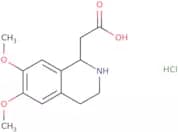
CAS:<p>Versatile small molecule scaffold</p>Formula:C3H3BrN2SPurezza:Min. 95%Peso molecolare:179.04 g/mol2-(6,7-Dimethoxy-1,2,3,4-tetrahydroisoquinolin-1-yl)acetic acid hydrochloride
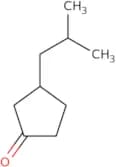
CAS:<p>Versatile small molecule scaffold</p>Formula:C13H18ClNO4Purezza:Min. 95%Peso molecolare:287.74 g/mol3-(2-Methylpropyl)cyclopentan-1-one
CAS:<p>Versatile small molecule scaffold</p>Formula:C9H16OPurezza:Min. 95%Peso molecolare:140.22 g/mol3-(3-Methylbutyl)cyclopentan-1-one
CAS:<p>Versatile small molecule scaffold</p>Formula:C10H18OPurezza:Min. 95%Peso molecolare:154.25 g/mol1-Oxo-1,2-dihydroisoquinoline-4-carbonitrile
CAS:Versatile small molecule scaffoldFormula:C10H6N2OPurezza:Min. 95%Peso molecolare:170.17 g/molrac-(3aR,6aS)-Hexahydro-1H-5λ6-thieno[3,4-b]pyrrole-2,5,5-trione
CAS:Versatile small molecule scaffoldFormula:C6H9NO3SPurezza:Min. 95%Peso molecolare:175.2 g/molrac-Methyl 2-[(1R,2R)-2-{[(tert-butoxy)carbonyl]amino}cyclohexyl]acetate
CAS:<p>Versatile small molecule scaffold</p>Formula:C14H25NO4Purezza:Min. 95%Peso molecolare:271.4 g/moltert-Butyl N-[(3S,4S)-rel-3-(hydroxymethyl)-4-piperidyl]carbamate
CAS:<p>Versatile small molecule scaffold</p>Formula:C11H22N2O3Purezza:Min. 95%Peso molecolare:230.31 g/mol2-(4-Chlorobenzenesulfinyl)acetic acid
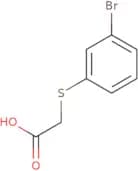
CAS:<p>Versatile small molecule scaffold</p>Formula:C8H7ClO3SPurezza:Min. 95%Peso molecolare:218.66 g/mol3-Bromo-phenylthioacetic acid
CAS:<p>Versatile small molecule scaffold</p>Formula:C8H7BrO2SPurezza:Min. 95%Peso molecolare:247.11 g/mol2-[(3-Chlorophenyl)sulfanyl]acetic acid
CAS:<p>Versatile small molecule scaffold</p>Formula:C8H7ClO2SPurezza:Min. 95%Peso molecolare:202.66 g/mol3-Methoxy-phenylthioacetic acid
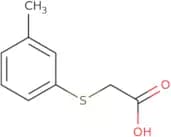
CAS:<p>Versatile small molecule scaffold</p>Formula:C9H10O3SPurezza:Min. 95%Peso molecolare:198.24 g/molM-Tolylsulfanyl-acetic acid
CAS:<p>Versatile small molecule scaffold</p>Formula:C9H10O2SPurezza:Min. 95%Peso molecolare:182.24 g/mol4-Methyl phenyl thioacetic acid
CAS:<p>4-Methyl phenyl thioacetic acid is an organic compound that has been shown to be a competitive inhibitor of the enzyme cinnamate 4-hydroxylase. This enzyme is involved in the production of cinnamic acid derivatives, which are important for the synthesis of many biologically active molecules including peptide hormones and sulfinyl and sulfoxides. 4-Methyl phenyl thioacetic acid binds to the enzyme's active site and prevents it from catalyzing its chemical reaction.</p>Formula:C9H10O2SPurezza:Min. 95%Peso molecolare:182.24 g/mol1-Methyl-4-nitro-1H-pyrazole
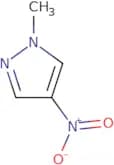
CAS:<p>1-Methyl-4-nitro-1H-pyrazole is a molecule with the chemical formula CH3N2O. It has been used as an activator for the polymerization of acrylonitrile, and as a precursor to pharmaceuticals such as nitroglycerin. 1-Methyl-4-nitro-1H-pyrazole has been shown to be highly reactive toward nucleophiles and bases, but only slightly reactive with oxidizing agents. The compound crystallizes spontaneously from acetonitrile solution at −5 °C. Solubility data shows that 1-methyl-4-nitro-1H pyrazole is soluble in methanol, ethanol, acetone and ethyl acetate. Thermodynamic properties show that the compound exists in equilibrium with its own dimer (CH3N2O2) at 298 K.<br>END></p>Formula:C4H5N3O2Purezza:Min. 95%Peso molecolare:127.1 g/mol4-Nitro-1H-pyrazol-1-amine
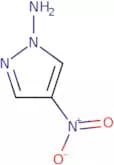
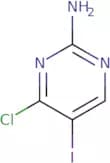
CAS:<p>Versatile small molecule scaffold</p>Formula:C3H4N4O2Purezza:Min. 95%Peso molecolare:128.09 g/mol4-chloro-5-iodopyrimidin-2-amine
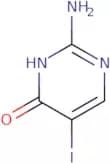
CAS:<p>Versatile small molecule scaffold</p>Formula:C4H3ClIN3Purezza:Min. 95%Peso molecolare:255.4 g/mol2-Amino-5-iodopyrimidin-4(1H)-one
CAS:<p>Versatile small molecule scaffold</p>Formula:C4H4IN3OPurezza:Min. 95%Peso molecolare:237 g/mol6-Methoxynaphthalen-2-amine hydrochloride
CAS:<p>Versatile small molecule scaffold</p>Formula:C11H12ClNOPurezza:Min. 95%Peso molecolare:209.67 g/molChroman-2-ylmethanamine
CAS:<p>Chroman-2-ylmethanamine is an indole alkaloid that has been shown to have high affinity for the 5-HT1A receptor. It also has neuroprotective properties and prevents apoptotic cell death in a dose-dependent manner. This drug has also been shown to reduce extracellular glutamate levels in brain tissue and inhibit dopamine release. Chroman-2-ylmethanamine is an agonist at the 5-HT1A receptor, which causes it to inhibit extracellular acidification by hydrochloric acid. It also inhibits glutamate release by binding to the AMPA receptor, which leads to its anti-ischemic effects.</p>Formula:C10H13NOPurezza:Min. 95%Peso molecolare:163.22 g/mol2-Cinnamoylthiophene
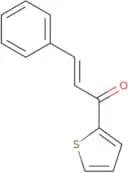
CAS:<p>2-Cinnamoylthiophene is a synthetic compound that has been shown to have an apoptotic effect on cancer cells in culture. It is produced by the reaction of 2-aminothiophenol with acetic anhydride and cinnamic acid. The molecular structure of 2-cinnamoylthiophene has been determined using nuclear magnetic resonance (NMR) spectroscopy and quantum chemical calculations. This molecule is oxidized by hydrogen peroxide to generate reactive intermediates, which then react with DNA bases to form DNA adducts. These adducts are detected by the tetrazolium dye MTT, which is used as a cell viability assay. 2-Cinnamoylthiophene also contains functional groups that can be used for further study.</p>Formula:C13H10OSPurezza:Min. 95%Peso molecolare:214.28 g/molDiethyl (3-oxopropyl)phosphonate
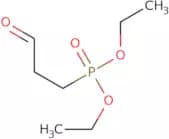
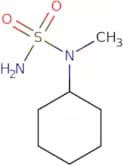
CAS:<p>Diethyl (3-oxopropyl)phosphonate is a synthetic compound that is used as an intermediate in the synthesis of pharmaceuticals. The asymmetric synthesis of diethyl (3-oxopropyl)phosphonate was catalyzed by amide and fluorine. Crystallographic data for this molecule were obtained using n-oxide, which focuses on tuberculosis. This drug is an anti-tuberculosis drug.</p>Formula:C7H15O4PPurezza:Min. 95%Peso molecolare:194.17 g/molN-Cyclohexyl-N-methylaminosulfonamide
CAS:<p>Versatile small molecule scaffold</p>Formula:C7H16N2O2SPurezza:Min. 95%Peso molecolare:192.28 g/mol1-[(2-Bromoethyl)sulfanyl]-3-chlorobenzene
CAS:<p>Versatile small molecule scaffold</p>Formula:C8H8BrClSPurezza:Min. 95%Peso molecolare:251.57 g/mol1-[(2-Bromoethyl)sulfanyl]-3-methylbenzene
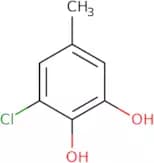
CAS:<p>Versatile small molecule scaffold</p>Formula:C9H11BrSPurezza:Min. 95%Peso molecolare:231.15 g/mol3-Chloro-5-methylbenzene-1,2-diol
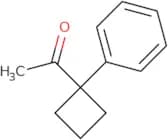
CAS:<p>3-Chloro-5-methylbenzene-1,2-diol is an organic compound that is used as a substrate in assays to measure the activity of enzymes that oxidize it. This compound has been shown to be mineralized by a number of bacterial strains, and its formation rate has been shown to be dependent on the presence of oxygen. 3-Chloro-5-methylbenzene-1,2-diol can also be dechlorinated by a number of bacterial strains and its gene product (3CMB) has been identified in Bacillus subtilis. Magnetic resonance analysis revealed that 3CMB is produced from 3CMB by a dehydrogenase enzyme in the active site. The enzyme is homologous to the dehydrogenases found in Escherichia coli and Pseudomonas aeruginosa.</p>Formula:C7H7ClO2Purezza:Min. 95%Peso molecolare:158.58 g/mol1-(1-Phenylcyclobutyl)ethanone
CAS:<p>Versatile small molecule scaffold</p>Formula:C12H14OPurezza:Min. 95%Peso molecolare:174.24 g/mol


![2-[(Tetrahydro-2H-pyran-2-yl)oxy]-cyclopentanemethanol](/_next/image/?url=https%3A%2Fstatic.cymitquimica.com%2Fproducts%2F3D%2Fthumb-webp%2FDCA22974.webp&w=3840&q=75)



![Thieno[2,3-b]pyridine-2-carbaldehyde](/_next/image/?url=https%3A%2Fstatic.cymitquimica.com%2Fproducts%2F3D%2Fthumb-webp%2FDCA17498.webp&w=3840&q=75)




![2-[(Pyridin-2-yl)methyl]aniline](/_next/image/?url=https%3A%2Fstatic.cymitquimica.com%2Fproducts%2F3D%2Fthumb-webp%2FDCA11400.webp&w=3840&q=75)




![Ethyl 3-[4-(benzyloxy)phenyl]-3-oxopropanoate](/_next/image/?url=https%3A%2Fstatic.cymitquimica.com%2Fproducts%2F3D%2Fthumb-webp%2FDCA09045.webp&w=3840&q=75)

![3-[4-(propan-2-yl)phenyl]butanoic Acid](/_next/image/?url=https%3A%2Fstatic.cymitquimica.com%2Fproducts%2F3D%2Fthumb-webp%2FDCA08650.webp&w=3840&q=75)


![3-[3-(Trifluoromethyl)phenyl]butanoic acid](/_next/image/?url=https%3A%2Fstatic.cymitquimica.com%2Fproducts%2F3D%2Fthumb-webp%2FDCA08644.webp&w=3840&q=75)
![6-Chloro-3-methyl-[1,2,4]triazolo[4,3-b]pyridazin-8-amine](/_next/image/?url=https%3A%2Fstatic.cymitquimica.com%2Fproducts%2F3D%2Fthumb-webp%2FDCA08552.webp&w=3840&q=75)


![4-[(Dimethylamino)methyl]benzene-1-carboximidamide](/_next/image/?url=https%3A%2Fstatic.cymitquimica.com%2Fproducts%2F3D%2Fthumb-webp%2FDCA03293.webp&w=3840&q=75)




![rac-(3aR,6aS)-Hexahydro-1H-5λ6-thieno[3,4-b]pyrrole-2,5,5-trione](/_next/image/?url=https%3A%2Fstatic.cymitquimica.com%2Fproducts%2F3D%2Fthumb-webp%2FDBD87285.webp&w=3840&q=75)
![rac-Methyl 2-[(1R,2R)-2-{[(tert-butoxy)carbonyl]amino}cyclohexyl]acetate](/_next/image/?url=https%3A%2Fstatic.cymitquimica.com%2Fproducts%2F3D%2Fthumb-webp%2FDBD85721.webp&w=3840&q=75)
![tert-Butyl N-[(3S,4S)-rel-3-(hydroxymethyl)-4-piperidyl]carbamate](/_next/image/?url=https%3A%2Fstatic.cymitquimica.com%2Fproducts%2F3D%2Fthumb-webp%2FDBD84004.webp&w=3840&q=75)

![2-[(3-Chlorophenyl)sulfanyl]acetic acid](/_next/image/?url=https%3A%2Fstatic.cymitquimica.com%2Fproducts%2F3D%2Fthumb-webp%2FDAA99638.webp&w=3840&q=75)



![1-[(2-Bromoethyl)sulfanyl]-3-chlorobenzene](/_next/image/?url=https%3A%2Fstatic.cymitquimica.com%2Fproducts%2F3D%2Fthumb-webp%2FDAA98371.webp&w=3840&q=75)
![1-[(2-Bromoethyl)sulfanyl]-3-methylbenzene](/_next/image/?url=https%3A%2Fstatic.cymitquimica.com%2Fproducts%2F3D%2Fthumb-webp%2FDAA98369.webp&w=3840&q=75)