Building Blocks
Questa sezione contiene prodotti fondamentali per la sintesi di composti organici e biologici. Building blocks sono i materiali di partenza essenziali utilizzati per costruire molecole complesse attraverso varie reazioni chimiche. Svolgono un ruolo critico nella scoperta di farmaci, nella scienza dei materiali e nella ricerca chimica. Presso CymitQuimica, offriamo una gamma diversificata di building blocks di alta qualità per supportare le tue ricerche innovative e progetti industriali, assicurandoti di avere i componenti essenziali per una sintesi di successo.
Sottocategorie di "Building Blocks"
- Acidi boronici e derivati dell'acido boronico(5.756 prodotti)
- Building Blocks Chirali(1.242 prodotti)
- Building Blocks Idrocarburici(6.093 prodotti)
- Building Blocks organici(60.532 prodotti)
Trovati 195533 prodotti di "Building Blocks"
Ordinare per
Purezza (%)
0
100
|
0
|
50
|
90
|
95
|
100
3,6-Dichlorobenzene-1,2-diol
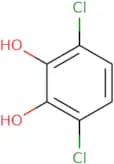
CAS:<p>3,6-Dichlorobenzene-1,2-diol is a conjugate acid of benzene. It has two dimensions in the plane of the molecule and three dimensions in space. The molecule is composed of six carbon atoms, six hydrogen atoms, and one chlorine atom. 3,6-Dichlorobenzene-1,2-diol has a centroid at the center of the molecule that is surrounded by a ring of four hydrogen atoms. The hydrogen-bonded molecules stack on top of each other to form a hexagonal shape. 3,6-Dichlorobenzene-1,2-diol forms hydrogen bonds with other molecules through its lone pairs of electrons on both oxygen atoms as well as through its pi electron system.</p>Formula:C6H4Cl2O2Purezza:Min. 95%Peso molecolare:179 g/mol1,9-Nonanediol
CAS:<p>1,9-Nonanediol is a chemical substance that has been synthesized with the use of a constant pressure process. It is an asymmetric synthesis with light exposure. The molecule has been characterized by chromatographic methods and has the molecular formula CH3(CH2)9O. 1,9-Nonanediol is a dodecanedioic acid and an aliphatic hydrocarbon. It exists in two forms: one hydroxyl group and one hydrogen bond, which are both involved in the dehydration process. This substance does not have any chloride or magnetic resonance spectroscopy properties because it does not contain any chlorine atoms or hydrogen atoms.</p>Formula:C9H20O2Purezza:Min. 95%Peso molecolare:160.25 g/molThiodiglycolic Anhydride
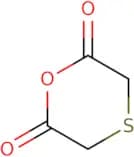
CAS:<p>Thiodiglycolic anhydride is a synthetic reagent that is used in the synthesis of erdosteine. It also has been used in the synthesis of other products, such as magnetic particles for imaging and therapeutic uses. Thiodiglycolic anhydride can be used to synthesize erdosteine, which is a substrate for the enzyme hydroxylase and contains a hydroxy group in its structure. The hydroxyl group on erdosteine reacts with thiodiglycolic anhydride to form acrylonitrile, which then reacts with benzyl groups to form benzylthio-esters. These benzylthio-esters are then converted into acid transporters.</p>Formula:C4H4O3SPurezza:Min. 95%Peso molecolare:132.14 g/mol2-(2-Ethoxyphenoxy)acetic acid
CAS:<p>Versatile small molecule scaffold</p>Formula:C10H12O4Purezza:Min. 95%Peso molecolare:196.2 g/mol4-hydroxy-5-methoxy-2-nitrobenzaldehyde
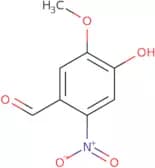
CAS:<p>4-Hydroxy-5-methoxy-2-nitrobenzaldehyde (4HMN) is a proton donor that can be used as a crosslinking agent. It is an acidic compound that binds to the substrate, usually via hydrogen bonds. 4HMN has been shown to have good binding affinity for tumour cell lines and can be used as a crosslinking agent in bioconjugation reactions. It is also a reversible chemical reaction, which means it can be hydrolyzed under certain conditions. 4HMN has been shown to be capable of enhancing the rate of enzymatic reactions by acting as a cofactor or coenzyme, such as degradable enzymes and enzymes with low turnover rates. The kinetic process of these reactions are measured by fluorescence techniques and gel permeation chromatography.</p>Formula:C8H7NO5Purezza:Min. 95%Colore e forma:PowderPeso molecolare:197.1 g/mol2-Oxohexanoic acid
CAS:<p>2-Oxohexanoic acid (2-OHBA) is a fatty acid that is synthesized from the amino acids lysine and methionine. It is involved in mitochondrial metabolism and has been found to be necessary for spermatozoa motility. 2-OHBA has been shown to inhibit the activity of glutamate dehydrogenase, an enzyme that catalyzes the conversion of glutamate to α-ketoglutarate, which is required for energy production. This inhibition leads to a decrease in ATP levels, which may cause a variety of symptoms, including fatigue and weight loss. Furthermore, 2-OHBA inhibits protein synthesis by blocking the incorporation of amino acids into proteins. The inhibition of this process can lead to high ammonia levels in the blood and accumulation of other nitrogenous wastes in tissues such as liver or muscle tissue. Analysis of urine samples has shown that 2-OHBA is excreted unchanged in urine.</p>Formula:C6H10O3Purezza:Min. 95%Peso molecolare:130.14 g/mol4-{[(tert-butoxy)carbonyl]amino}-4-methylpentanoic acid
CAS:<p>Versatile small molecule scaffold</p>Formula:C11H21NO4Purezza:Min. 95%Peso molecolare:231.3 g/mol2-Fluoro-N-methylpyridine-4-carboxamide
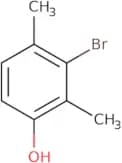
CAS:<p>Versatile small molecule scaffold</p>Formula:C7H7FN2OPurezza:Min. 95%Peso molecolare:154.14 g/mol3-bromo-2,4-dimethylphenol
CAS:<p>Versatile small molecule scaffold</p>Formula:C8H9BrOPurezza:Min. 95%Peso molecolare:201.06 g/moltert-Butyl 4-hydroxy-1-oxa-7-azaspiro[4.4]nonane-7-carboxylate
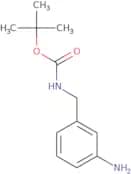
CAS:<p>Versatile small molecule scaffold</p>Formula:C12H21NO4Purezza:Min. 95%Peso molecolare:243.3 g/mol(3-Aminobenzyl)carbamic acid tert-butyl ester
CAS:<p>Versatile small molecule scaffold</p>Formula:C12H18N2O2Purezza:Min. 95%Peso molecolare:222.28 g/molBromo-PEG3-azide
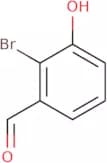
CAS:<p>Bromo-PEG3-azide is a PEG compound with two different functional groups (also known as heterobifunctional). Unlike homobifunctional PEG compounds (same functional group on both ends), this type of compounds are more versatile as have two different anchor points. Bromo-PEG3-azide is used as a linker and spacer to add a PEG moiety, via pegylation (a bioconjugation technique) to proteins, peptides, oligonucleotides, small molecules and nanoparticles.</p>Formula:C8H16BrN3O3Purezza:Min. 95%Colore e forma:Clear LiquidPeso molecolare:282.14 g/mol2-Bromo-3-hydroxy-benzaldehyde
CAS:<p>2-Bromo-3-hydroxy-benzaldehyde is a nitrate that has been shown to have anti-cancer properties. It inhibits the growth of cancer cells by binding to bromodomains in their DNA, thereby preventing transcription and replication. 2-Bromo-3-hydroxy-benzaldehyde also inhibits the production of nitric oxide, which may lead to an inhibitory effect on tumour angiogenesis. The stereoisomers of this compound are used as precursors for the synthesis of ammonium nitrate, which is used as a fertilizer and explosive. 2-Bromo-3-hydroxy-benzaldehyde is also used in organic synthesis as a precursor for acetylation or halide reactions with palladium complexes or halides.</p>Formula:C7H5BrO2Purezza:Min. 95%Peso molecolare:201.02 g/mol3-(3-Bromopropyl)thiophene
CAS:<p>Versatile small molecule scaffold</p>Formula:C7H9BrSPurezza:Min. 95%Peso molecolare:205.12 g/mol4-bromo-3-fluoro-1h-pyrazole
CAS:<p>Versatile small molecule scaffold</p>Formula:C3H2BrFN2Purezza:Min. 95%Peso molecolare:164.97 g/mol2-Imidazolidone-4-carboxylic acid
CAS:<p>2-Imidazolidone-4-carboxylic acid is a potent inhibitor of matrix metalloproteinases, which are enzymes that break down proteins in the extracellular matrix. 2-Imidazolidone-4-carboxylic acid inhibits the activity of both serine protease and matrix metalloproteinase, two enzymes involved in the inflammation process. 2-Imidazolidone-4-carboxylic acid has been shown to inhibit the transport of amino acids, leading to decreased protein synthesis and cell growth. It also inhibits cancer cells by disrupting their ability to grow new blood vessels and invade other tissues.</p>Formula:C4H6N2O3Purezza:Min. 95%Peso molecolare:130.1 g/molPiperidine-3-sulfonamide hydrochloride
CAS:<p>Versatile small molecule scaffold</p>Formula:C5H13ClN2O2SPurezza:Min. 95%Peso molecolare:200.69 g/molMethyl 3-formyl-4-methoxybenzoate
CAS:<p>Versatile small molecule scaffold</p>Formula:C10H10O4Purezza:Min. 95%Peso molecolare:194.19 g/mol(4R)-5,7-Difluoro-3,4-dihydro-2H-1-benzopyran-4-ol
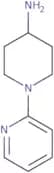
CAS:<p>Versatile small molecule scaffold</p>Formula:C9H8F2O2Purezza:Min. 95%Peso molecolare:186.15 g/mol(1-Pyridin-2-yl)piperidin-4-amine
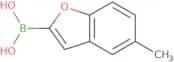
CAS:<p>(1-Pyridin-2-yl)piperidin-4-amine is a drug that acts as an anorexiant. It binds to the serotonin 5HT3 receptor, which is involved in the regulation of appetite and mood. It also blocks the action of serotonin at the 5HT4 receptor, which is involved in mediating intestinal motility. This agent has been shown to have a potent antagonist effect on the 1-4c alkyl group of serotonin receptors. The phenoxy group and methyl group are also responsible for binding with serotonin receptors and blocking their activity.</p>Formula:C10H15N3Purezza:Min. 95%Peso molecolare:177.25 g/mol(5-methylbenzofuran-2-yl)boronic acid
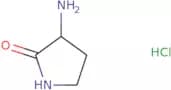
CAS:<p>Versatile small molecule scaffold</p>Formula:C9H9BO3Purezza:Min. 95%Peso molecolare:175.98 g/mol3-aminopyrrolidin-2-one hcl
CAS:<p>3-Aminopyrrolidin-2-one hcl is an antibiotic that is used to treat tuberculosis. It inhibits the enzyme transacylase, which catalyses the conversion of L-lysine into L-pipecolic acid in bacteria. This antibiotic has been shown to be effective against Mycobacterium tuberculosis and Mycobacterium avium complex. 3-Aminopyrrolidin-2-one hcl has a broad spectrum of activity against gram positive and gram negative bacteria, but it is not active against acid-fast bacteria.</p>Formula:C4H9ClN2OPurezza:Min. 95%Peso molecolare:136.58 g/mol2,7-Naphthyridin-1(2H)-one
CAS:<p>Cabozantinib is a small molecule that is the first to target VEGFR-2, which is a receptor tyrosine kinase involved in the development of fibrosis. Cabozantinib inhibits the activity of VEGFR-2 by binding to its ATP-binding site and blocking the phosphorylation of downstream signaling pathways. Cabozantinib has been shown to have antifibrotic properties in both preclinical and clinical models. The drug candidate has been shown to reduce kidney fibrosis in animal models. The standard dose for cabozantinib was found to be 5 mg/kg, with a maximum tolerated dose of 20 mg/kg. In vitro studies have indicated that cabozantinib binds with high affinity to the ATP-binding pocket of VEGFR-2, exhibiting competitive inhibition against other kinases such as PDGFR-beta and cKit, as well as diaryliodonium (a specific inhibitor). Caboz</p>Formula:C8H6N2OPurezza:Min. 95%Peso molecolare:146.14 g/mol6-Bromo-3-methyl-2,3-dihydro-1,3-benzoxazol-2-one
CAS:<p>Versatile small molecule scaffold</p>Formula:C8H6BrNO2Purezza:Min. 95%Peso molecolare:228.04 g/mol(3-Aminopropyl)(3-phenylpropyl)amine
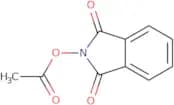
CAS:<p>Versatile small molecule scaffold</p>Formula:C12H20N2Purezza:Min. 95%Peso molecolare:192.3 g/mol1,3-Dioxo-2,3-dihydro-1H-isoindol-2-yl acetate
CAS:<p>1,3-Dioxo-2,3-dihydro-1H-isoindol-2-yl acetate is a reactive intermediate that can be used as a starting material for the synthesis of other organic compounds. It is synthesized by the reaction of an acid with an aldehyde or ketone in the presence of a base. The rate of this reaction depends on the functional groups present in both reactants and their relative concentrations. This intermediate can be converted to another chemical compound through various reactions, including hydroxymethylation, decarboxylation and oxidation. This chemical has been used as a cocatalyst for the production of 5-hydroxymethylfurfural (HMF).</p>Formula:C10H7NO4Purezza:Min. 95%Peso molecolare:205.17 g/mol6-Chloro-2-methyl-4-pyrimidinol
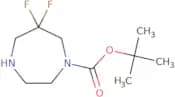
CAS:<p>6-Chloro-2-methyl-4-pyrimidinol is an aldehyde that reacts with hydrazine to form a monoxide, which reacts with carbon monoxide to form a hydrazide.</p>Formula:C5H5ClN2OPurezza:Min. 95%Peso molecolare:144.56 g/moltert-butyl 6,6-difluoro-1,4-diazepane-1-carboxylate
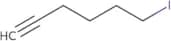
CAS:<p>Versatile small molecule scaffold</p>Formula:C10H18F2N2O2Purezza:Min. 95%Peso molecolare:236.3 g/mol6-Iodo-1-hexyne
CAS:<p>Versatile small molecule scaffold</p>Formula:C6H9IPurezza:Min. 95%Peso molecolare:208.04 g/mol5-bromo-3-methoxy-1h-pyrazole
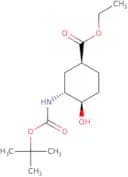
CAS:<p>Versatile small molecule scaffold</p>Formula:C4H5BrN2OPurezza:Min. 95%Peso molecolare:177 g/mol(1S,3R,4R)-3-(Boc-amino)-4-hydroxy-cyclohexanecarboxylic acid ethyl ester
CAS:<p>Versatile small molecule scaffold</p>Formula:C14H25NO5Purezza:Min. 95%Peso molecolare:287.35 g/mol2-[(6-Chloro-3,4-dihydro-3-methyl-2,4-dioxo-1(2H)-pyrimidinyl)methyl]-benzonitrile
CAS:<p>2-[(6-Chloro-3,4-dihydro-3-methyl-2,4-dioxo-1(2H)-pyrimidinyl)methyl]-benzonitrile is an antibacterial agent that belongs to the group of nitro compounds. It inhibits bacterial growth by blocking the synthesis of proteins and DNA. 2-[(6-Chloro-3,4-dihydro-3-methyl-2,4-dioxo-1(2H)-pyrimidinyl)methyl]-benzonitrile has been shown to be active against a wide range of bacteria including Gram positive and Gram negative organisms. This compound also exhibits metal ion chelating properties and can be used for the removal of heavy metals from water. The square planar geometry of 2-[(6-Chloro-3,4-(dihydro)-3-(methyl)-2,4-(dioxo)-1</p>Formula:C13H10ClN3O2Purezza:Min. 95%Peso molecolare:275.69 g/mol3-(4-Hydroxyphenyl)hex-4-ynoic acid
CAS:<p>Versatile small molecule scaffold</p>Formula:C12H12O3Purezza:Min. 95%Peso molecolare:204.22 g/molN-Carbethoxy-4-hydroxypiperidine
CAS:<p>N-Carbethoxy-4-hydroxypiperidine is a drug substance that is a h1 receptor antagonist. It is used as an antihistamine to treat the symptoms of hay fever and other allergic reactions. N-Carbethoxy-4-hydroxypiperidine is available in two enantiomers, or mirror images, which are labelled S and R. The R enantiomer is more potent than the S enantiomer for inhibiting histamine h1 receptors. This drug has been shown to inhibit the growth of tuberculosis bacteria in cell culture and animal models, but not against Mycobacterium avium complex. N-Carbethoxy-4-hydroxypiperidine has also been shown to have significant antibacterial activity against Clostridium perfringens with minimal toxicity in mice.</p>Formula:C8H15NO3Purezza:Min. 95%Peso molecolare:173.21 g/mol2-(2,4-dimethoxyphenyl)ethan-1-amine
CAS:Prodotto controllato<p>Versatile small molecule scaffold</p>Formula:C10H15NO2Purezza:Min. 95%Peso molecolare:181.24 g/mol5-Chloro-2-ethoxy-phenylamine
CAS:<p>5-Chloro-2-ethoxy-phenylamine is an enzyme inhibitor that binds to the active site of glucocerebrosidase, the enzyme that catalyzes the hydrolysis of glucocerebroside to glucose and ceramide. This compound has been shown to be a selective inhibitor against this enzyme and not affect other hydrolases or chaperones. It was also found that 5-chloro-2-ethoxy-phenylamine can act as a chemical chaperone by stabilizing protein folding in vitro. 5-Chloro-2-ethoxy phenylamine is a new analogue of 3-(3,4,-dichlorophenyl)-1-[(1R,2S)-2-(5,6,-dichloropyridin-3 yl)ethenyl]-1H-pyrazole. It is an inhibitor of Gaucher disease caused by glu</p>Formula:C8H10ClNOPurezza:Min. 95%Peso molecolare:171.63 g/mol2,4-Dichloro-6-(propan-2-yl)pyrimidine
CAS:<p>Versatile small molecule scaffold</p>Formula:C7H8Cl2N2Purezza:Min. 95%Peso molecolare:191.05 g/molMethyl Pyridin-3-ylacetate
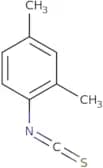
CAS:<p>Methyl Pyridin-3-ylacetate is an organic compound that is the methyl ester of pyridine-3-carboxylic acid. It has a melting point of 197°C, with an ionization potential of 1.78 eV and a lactam. Methyl Pyridin-3-ylacetate has been shown to react with hydrochloric acid to form picric acid and methyl 3-(hydroxymethyl)pyridine-2,5-dicarboxylate. Methyl Pyridin-3-ylacetate can be used in the preparation of picrates, which are used in the synthesis of dyes and explosives such as picric acid and TNT. Methyl Pyridin-3-ylacetate can also be demethylated by heating with sodium methoxide to give methyl pyridine carboxylate.</p>Formula:C8H9NO2Purezza:Min. 95%Peso molecolare:151.16 g/mol2,4-Dimethylphenyl isothiocyanate
CAS:<p>2,4-Dimethylphenyl isothiocyanate (DMIT) is a dipole molecule that has been used as a preservative and antimicrobial agent. DMIT has been shown to be an effective anti-microbial agent against Gram-positive bacteria such as Staphylococcus aureus, Enterococcus faecalis, and Streptococcus pyogenes. It also inhibits the growth of Gram-negative bacteria such as Escherichia coli, Pseudomonas aeruginosa, and Klebsiella pneumoniae. DMIT has been shown to be non-toxic to animals at high concentrations. It is also safe for use in food products because it does not react with polyunsaturated compounds.</p>Formula:C9H9NSPurezza:Min. 95%Peso molecolare:163.24 g/mol5-amino-2-chloropyridin-4-ol
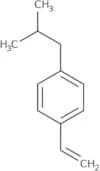
CAS:<p>Versatile small molecule scaffold</p>Formula:C5H5ClN2OPurezza:Min. 95%Peso molecolare:144.56 g/molp-Isobutylstyrene-d7
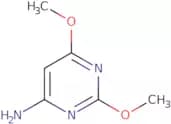
CAS:<p>p-Isobutylstyrene-d7 is a solid catalyst that can be used in the synthesis of organic compounds. It has been shown to have good activity for the transfer of acid chloride groups to aromatic ring systems and for the synthesis of thiadiazoles. p-Isobutylstyrene-d7 has been shown to be an excellent catalyst for the conversion of hydrochloric acid into hydrogen chloride, which can then be recycled. The toxicity studies on this compound have shown that it is not toxic to bacterial strains, which may make it a good candidate for use as a catalyst in bioremediation or a growth substrate. This catalyst has also been shown to have photocatalytic activity and may be used in the purification of water contaminated with heavy metals.</p>Formula:C12H9D7Purezza:Min. 95%Peso molecolare:167.3 g/mol4-Amino-2,6-dimethoxypyrimidine
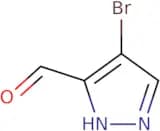
CAS:<p>4-Amino-2,6-dimethoxypyrimidine is an organic compound that has been shown to be a methylating agent. It reacts with the hydrogen chloride present in seawater to form methyl chloride and hydrochloric acid. 4-Amino-2,6-dimethoxypyrimidine also interacts with hydrogen bonds and forms hydrogen bonds with other molecules. The molecular modeling study revealed that this compound is soluble in mineral acids such as sulfuric acid and hydrochloric acid. The solubility data also showed that 4-amino-2,6-dimethoxypyrimidine is soluble in water but not in chlorinated water. This drug has shown significant antifungal activity against Cryptococcus neoformans and Gram-negative organisms such as Escherichia coli, Salmonella typhi, Pseudomonas aeruginosa, Klebsiella pneumoniae, Proteus mirabilis, Enterobacter</p>Formula:C6H9N3O2Purezza:Min. 95%Peso molecolare:155.15 g/mol4-bromo-1H-pyrazole-5-carbaldehyde
CAS:<p>Versatile small molecule scaffold</p>Formula:C4H3BrN2OPurezza:Min. 95%Peso molecolare:175 g/molMethyl 1-methyl-4-oxocyclohexanecarboxylate
CAS:<p>Versatile small molecule scaffold</p>Formula:C9H14O3Purezza:Min. 95%Peso molecolare:170.21 g/molTimonacic
CAS:<p>Timonacic is an analog of nicotinamide that has been shown to be an effective inhibitor of energy metabolism in the mitochondria. It has antioxidative properties and can protect against the development of heart disease by inhibiting the production of reactive oxygen species. Timonacic's anti-inflammatory properties may be due to its ability to inhibit prostaglandin synthesis. It also has a high affinity for fatty acids, which may contribute to its inhibitory effects on lipid peroxidation. This drug has a carboxy terminal and is used as a sodium salt, which may play a role in its enzyme inhibition activity. Timonacic inhibits the activities of enzymes such as carnitine acetyltransferase and pyruvate dehydrogenase kinase, which are involved in the biosynthesis of fatty acids. The intramolecular hydrogen bonds formed with timonacic may contribute to its inhibitory effect on these enzymes.</p>Formula:C4H7NO2SPurezza:Min. 95%Peso molecolare:133.17 g/moltert-Butyl 3,9-diazaspiro[5.5]undecane-3-carboxylate hydrochloride
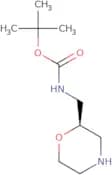
CAS:<p>Versatile small molecule scaffold</p>Formula:C14H27ClN2O2Purezza:Min. 95%Peso molecolare:290.83 g/mol(R)-2-(N-Boc-aminomethyl)morpholine
CAS:<p>Versatile small molecule scaffold</p>Formula:C10H20N2O3Purezza:Min. 95%Peso molecolare:216.28 g/mol2-(tert-Butyl)-5-chloroisothiazol-3(2H)-one
CAS:<p>Versatile small molecule scaffold</p>Formula:C7H10ClNOSPurezza:Min. 95%Peso molecolare:191.68 g/mol2-(Bromomethyl)-6-nitro-benzoic acid methyl ester
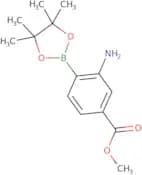
CAS:<p>Versatile small molecule scaffold</p>Formula:C9H8BrNO4Purezza:Min. 95%Peso molecolare:274.07 g/molMethyl 3-amino-4-(tetramethyl-1,3,2-dioxaborolan-2-yl)benzoate
CAS:<p>Versatile small molecule scaffold</p>Formula:C14H20BNO4Purezza:Min. 95%Peso molecolare:277.13 g/mol[(Trimethylsilyl)ethynyl]boronic acid, pinacol ester
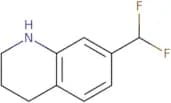
CAS:<p>Versatile small molecule scaffold</p>Formula:C11H21BO2SiPurezza:Min. 95%Peso molecolare:224.2 g/mol7-(Difluoromethyl)-1,2,3,4-tetrahydroquinoline
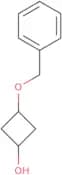
CAS:<p>Versatile small molecule scaffold</p>Formula:C10H11F2NPurezza:Min. 95%Peso molecolare:183.2 g/moltrans-3-(Benzyloxy)cyclobutanol
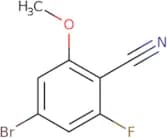
CAS:<p>Trans-3-(Benzyloxy)cyclobutanol is a radiolabeled compound that is used as a model system for understanding the metabolism of drugs in humans. It has been shown to be metabolized by the liver to produce metabolites that are excreted in urine. Trans-3-(Benzyloxy)cyclobutanol has also been shown to have tumor cell line stability, which may be due to its ability to inhibit DNA synthesis and protein synthesis in vitro and reduce tumor cells in vivo. Trans-3-(Benzyloxy)cyclobutanol has been shown to have no effect on normal rat plasma and lung carcinoma cells, but does affect prosthetic group activity.</p>Formula:C11H14O2Purezza:Min. 95%Peso molecolare:178.23 g/mol4-Bromo-2-fluoro-6-methoxybenzonitrile
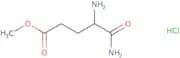
CAS:<p>Versatile small molecule scaffold</p>Formula:C8H5NOFBrPurezza:Min. 95%Peso molecolare:230.03 g/molH-Glu(OMe)-NHdihydrochloride
CAS:<p>Versatile small molecule scaffold</p>Formula:C6H13ClN2O3Purezza:Min. 95%Peso molecolare:196.63 g/mol6,7-dihydro-5h-pyrrolo[3,4-d]pyrimidin-2-amine 2hcl
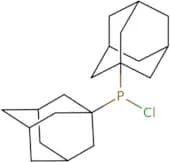
CAS:<p>Versatile small molecule scaffold</p>Formula:C6H10Cl2N4Purezza:Min. 95%Peso molecolare:209.07 g/molDi(1-adamantyl)chlorophosphine
CAS:<p>Di(1-adamantyl)chlorophosphine is a bifunctional ligand that can be used for the palladium-catalyzed coupling of aryl chlorides and amines. Di(1-adamantyl)chlorophosphine is synthesized from adamantane, phosphorous pentachloride, and anhydrous ammonia in the presence of catalytic amounts of palladium. Di(1-adamantyl)chlorophosphine is immobilized on silica gel to prevent hydrolysis. This ligand reacts with primary amines to form iminophosphoranes, which can then be reacted with aryl chlorides to form aryl chloroamines.</p>Formula:C20H30ClPPurezza:Min. 95%Peso molecolare:336.88 g/mol1-(4-(4,4,5,5-Tetramethyl-1,3,2-dioxaborolan-2-yl)phenyl)cyclopropanecarbonitrile
CAS:<p>Versatile small molecule scaffold</p>Formula:C16H20BNO2Purezza:Min. 95%Peso molecolare:269.15 g/mol1-Methanesulfonyl-1H-pyrazol-4-amine
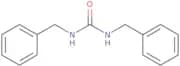
CAS:<p>Versatile small molecule scaffold</p>Formula:C4H7N3O2SPurezza:Min. 95%Peso molecolare:161.19 g/mol1,3-Dibenzylurea
CAS:<p>1,3-Dibenzylurea is an organic molecule that has been used as a model system for the study of chemical reactions. This compound has been shown to have inhibitory properties against pain in animal studies and has been used to treat bowel disease. 1,3-Dibenzylurea can inhibit the inflammatory response by preventing the oxidative carbonylation of proteins. It also inhibits the production of inflammatory cytokines and chemokines in vitro. Nucleophilic attack by amines on the carbonyl group is a possible reaction pathway for this molecule.</p>Formula:C15H16N2OPurezza:Min. 95%Peso molecolare:240.3 g/moltert-Butyl 4-[(piperazin-1-yl)methyl]piperidine-1-carboxylate
CAS:<p>Versatile small molecule scaffold</p>Formula:C15H29N3O2Purezza:Min. 95%Peso molecolare:283.41 g/molN-(4-Bromophenyl)-N-phenylacrylamide
CAS:<p>Versatile small molecule scaffold</p>Formula:C15H12BrNOPurezza:Min. 95%Colore e forma:PowderPeso molecolare:302.16 g/mol1-[4-(Propan-2-yl)phenyl]ethan-1-ol
CAS:<p>Versatile small molecule scaffold</p>Formula:C11H16OPurezza:Min. 95%Peso molecolare:164.24 g/molTriglycol dichloride
CAS:<p>Triglycol dichloride is a synthetic, water-soluble solid that is prepared by the reaction of 3-chloroperoxybenzoic acid with a hydroxide solution. It has been used in a variety of applications such as the preparation of hemicyanine, the synthesis of polymers, and the degradation of chlorinated hydrocarbons. Triglycol dichloride also has synergistic effects with other photocatalysts, increasing their activity and reducing their cost. Triglycol dichloride can be used to synthesize polymer films or coatings that are biodegradable, have low environmental impact, and are structurally stable. This compound is also unaffected by water or neutral pH and can be used in the production of semiconductors.</p>Formula:C6H12Cl2O2Purezza:Min. 95%Colore e forma:Clear LiquidPeso molecolare:187.06 g/molTert-butyl N-(8-bromooctyl)carbamate
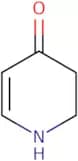
CAS:<p>Please enquire for more information about Tert-butyl N-(8-bromooctyl)carbamate including the price, delivery time and more detailed product information at the technical inquiry form on this page</p>Formula:C13H26BrNO2Purezza:Min. 95%Peso molecolare:308.26 g/mol1,2,3,4-Tetrahydropyridin-4-one
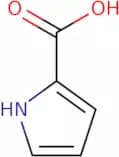
CAS:<p>1,2,3,4-Tetrahydropyridin-4-one is an organic compound that can be synthesized by a cross-coupling reaction between a pyridine and chloroformate. The reaction mechanism involves nucleophilic addition of the amine to the electrophile followed by reductive elimination. This process leads to the formation of a tetrahydroquinoline skeleton with stereoselectivity. Tetrahydropyridin-4-one can also be synthesized from an iminium ion or an activated pyridinium salt. The resulting product will have a different skeleton because it was synthesized through different mechanisms.</p>Formula:C5H7NOPurezza:Min. 95%Peso molecolare:97.12 g/molPyrrole-2-carboxylic acid
CAS:<p>Pyrrole-2-carboxylic acid is a polycyclic aromatic compound that can be found in coal tar. It has been shown to have anti-inflammatory, antiallergic, and antifungal properties. Pyrrole-2-carboxylic acid is produced by the human body as an intermediate in the metabolism of tryptophan. This compound can also be synthesized and used to treat chronic bronchitis, which is caused by excessive mucus production and inflammation of the airways. The reaction mechanism for pyrrole-2-carboxylic acid is similar to that of other drugs that are used in respiratory therapy, such as aminophylline or acetylcysteine.</p>Formula:C5H5NO2Purezza:Min. 95%Peso molecolare:111.1 g/mol(R)-1-Propylpiperidin-3-amine
CAS:<p>Please enquire for more information about (R)-1-Propylpiperidin-3-amine including the price, delivery time and more detailed product information at the technical inquiry form on this page</p>Formula:C8H18N2Purezza:Min. 95%Peso molecolare:142.24 g/molPolycarbosilane
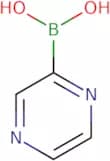
CAS:<p>Polycarbosilane is a cross-linking agent that can be used to modify the surface properties of polymers. It reacts with the hydroxyl groups on the polymer to form carbosilane bonds, which lead to a change in the viscosity and other physical properties of the material. Polycarbosilane is insoluble in water and has an absorption peak at 350 nm. When reacted with argon gas, polycarbosilane reacts with oxygen or nitrogen to produce carbonyls or amines, respectively. Polycarbosilane can react with x-rays or magnetic resonance spectroscopy to produce elemental analysis data for a variety of elements. This chemical also has optical properties that make it useful as an organic solution for optical devices such as lenses and mirrors. Polycarbosilane is stable under most conditions and can be used as an efficient method for environmental pollution control by removing heavy metals from wastewater streams.</p>Formula:(C2H6Si)nPurezza:Min. 95%Colore e forma:PowderPyrazin-2-ylboronic acid
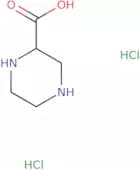
CAS:<p>Pyrazin-2-ylboronic acid is a white crystalline solid that is soluble in water. It is an efficient and economical selenium source for use in the synthesis of selenides and other selenium compounds. Pyrazin-2-ylboronic acid can be produced by the reaction of aniline with borohydride, or by the reaction of pyrazine with borane. This synthetic process also provides a convenient way to produce diaryl compounds.</p>Formula:C4H5BN2O2Purezza:Min. 95%Peso molecolare:123.91 g/molPiperazine-2-carboxylic acid dihydrochloride
CAS:<p>Piperazine-2-carboxylic acid dihydrochloride (PZC) is an aminopyrimidine antibiotic that binds to the amine groups of plasma proteins and hydroxyapatite. It has been shown to have a specific interaction with Gram-negative bacteria, such as Escherichia coli and Salmonella typhimurium, as well as cancer cells. PZC can be used as a modifier in the treatment of staphylococcal infections and has been shown to inhibit protein synthesis in mammalian cells. PZC interacts with histidine residues on the surface of bacterial cells and inhibits their growth by binding to sites on DNA called triplexes. This drug also specifically binds to primary amines and reacts with other molecules containing amines such as polyamines, amides, or thiols.</p>Formula:C5H12Cl2N2O2Purezza:Min. 95%Colore e forma:PowderPeso molecolare:203.07 g/molPyridoxal-5-phosphate monohydrate
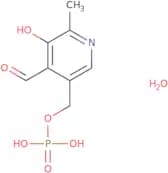
CAS:<p>Bioavailable form of vitamin B6; coenzyme; food supplement</p>Formula:C8H10NO6P·H2OPurezza:Min. 98.5 Area-%Colore e forma:Off-White Slightly Yellow PowderPeso molecolare:265.16 g/mol2,2-Paracyclophane
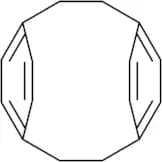
CAS:<p>2,2-Paracyclophane is a high-sensitivity c-reactive protein (hsCRP) that has been isolated from the fungus Cryptococcus neoformans. This compound has shown to have anti-cancer properties in animal studies. 2,2-Paracyclophane binds to fatty acids and is soluble in water, which may be due to its hydrogen bonding with the hydroxyl group at C1. The crystal structure of this compound reveals that it has a cyclohexane ring and two fatty acids. The thermal expansion coefficient of this molecule is also high, which suggests that it may be suitable for use as a solid lubricant.</p>Formula:C16H16Purezza:Min. 98.5 Area-%Colore e forma:White PowderPeso molecolare:208.3 g/molPyridine-2-aldehyde
CAS:<p>Pyridine-2-aldehyde is a stable complex that can be synthesized using the asymmetric synthesis of ethylene diamine and picolinic acid. The solid catalyst is the copper chloride, which coordinates to two nitrogen atoms in the pyridine ring. The coordination geometry is octahedral. Pyridine-2-aldehyde has been shown to react with copper complexes to form stable complexes, as well as undergoing kinetic reactions with metal carbonyls. Pyridine-2-aldehyde has also demonstrated analytical chemistry properties by reacting with picolinic acid to form a picolinic acid derivative.</p>Purezza:Min. 95%Pyridine-2-aldoxime
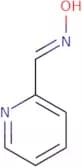
CAS:<p>Pyridine-2-aldoxime is a chemical compound that is used as a pesticide. It is an inhibitor of acetylcholinesterase, and it can be toxic at low doses. Pyridine-2-aldoxime binds to the active site of acetylcholinesterase and prevents the breakdown of acetylcholine by this enzyme, leading to paralysis of the respiratory muscles. Pyridine-2-aldoxime has been shown to be effective against chronic oral exposure to sarin gas, with lethal dose (LD) values ranging from 0.5–1 mg/kg in rats.</p>Formula:C6H6N2OPurezza:Min. 95%Colore e forma:White PowderPeso molecolare:122.12 g/mol(Oc-6-21)-(4-Bromophenyl)Pentafluoro-Sulfur
CAS:<p>(Oc-6-21)-(4-Bromophenyl)Pentafluoro-Sulfur is the chemical compound with the formula BrSbF5. It is a yellow solid that is soluble in organic solvents. The molecule consists of a pentafluorothiophenium cation and a bromine anion. It has two regioisomers, one with the sulfur atom in the 4 position and one with it in the 6 position. The compound has been studied as a precursor to polythiophene, which can be synthesized by heating BrSbF5 with sulfur dichloride.</p>Formula:C6H4BrF5SPurezza:Min. 95%Peso molecolare:283.06 g/mol2-Mercapto-N-methylbenzamide
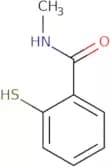
CAS:<p>2-Mercapto-N-methylbenzamide is a synthetic compound that has been shown to have inhibitory activities against activated brain cells and cell lines. This drug has been used in the synthesis of axitinib, a cancer drug that inhibits cellular growth. 2-Mercapto-N-methylbenzamide is also used as a preservative in cosmetics and can be found in carbonated drinks and foods. It has been shown to inhibit the production of serotonin in microbicidal reactions by inhibiting the enzyme hydroxymethyl transferase, which catalyzes the conversion of 5-hydroxytryptophan to serotonin. It also prevents the reaction products from being formed by reacting with hypoxanthine, xanthine, and phosphoribosyl pyrophosphate (PRPP). 2-Mercapto-N-methylbenzamide also reacts with plasma samples to form ethylmercaptoacetate, which is then oxidized to merc</p>Formula:C8H9NOSPurezza:Min. 95%Colore e forma:White PowderPeso molecolare:167.23 g/mol1-Methyl-1,2,4-triazole
CAS:<p>1-Methyl-1,2,4-triazole is a molecule containing nitrogen atoms. It can be used as a monomer in the preparation of polymers or materials. 1-Methyl-1,2,4-triazole has been shown to be effective for the equilibration of mixtures of organic compounds in analytical methods and matrix effect studies. The reaction vessel must be unsymmetrical to prevent the polymer from sticking to it and causing potential problems with the separation process.</p>Formula:C3H5N3Purezza:Min. 98%Colore e forma:Clear LiquidPeso molecolare:83.09 g/molMethanesulfonato(diadamantyl-n-butylphosphino)-2'-amino-1,1'-biphenyl-2-yl)palladium(II) dichloromethane adduct
CAS:<p>Please enquire for more information about Methanesulfonato(diadamantyl-n-butylphosphino)-2'-amino-1,1'-biphenyl-2-yl)palladium(II) dichloromethane adduct including the price, delivery time and more detailed product information at the technical inquiry form on this page</p>Formula:C37H52NO3PPdSPurezza:Min. 95%Peso molecolare:728.27 g/molLeu-Leu-Leu-OH
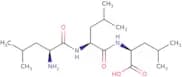
CAS:<p>Leu-Leu-Leu-OH is a pentapeptide that is used in cancer treatment to inhibit the growth of cancer cells. It prevents the production of proteins and, as a result, cell division. Leu-Leu-Leu-OH has been shown to be effective against tumor cells with an antibody that binds to the surface of cells. The monoclonal antibody is taken up by the cancer cells through receptor mediated endocytosis, which leads to inhibition of protein synthesis and cell death.</p>Formula:C18H35N3O4Purezza:Min. 95%Colore e forma:White PowderPeso molecolare:357.49 g/molN-α-Z-L-lysine methyl ester hydrochloride
CAS:<p>N-alpha-Z-L-lysine methyl ester hydrochloride is a preparation that is used as a methyl ester. It is an ester of lysine and methyl chloride. This product has a molecular weight of 170.16 g/mol and the chemical formula CH3CONHCH2CH(NH)CO2CH3. The structural data has not been confirmed by X-ray crystallography, but it can be assumed to be in the form of a zwitterion. N-alpha-Z-L-lysine methyl ester hydrochloride can be used for the synthesis of peptides, which are building blocks for proteins and enzymes. N-alpha-Z-L-lysine methyl ester hydrochloride is also used in the production of certain kinds of drugs and organic acids such as acetylsalicylic acid (aspirin).</p>Formula:C15H22N2O4·HClPurezza:Min. 95%Peso molecolare:330.81 g/molIsocytosine
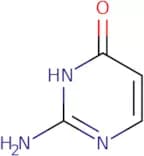
CAS:<p>Isocytosine is a prodrug that has been synthesized with the intramolecular hydrogen on the nitrogen atoms, which makes it more chemically stable. Isocytosine is a reactive molecule, and can react with tautomers to form isocytosine derivatives. Isocytosine contains three hydrogen atoms that are transferable through reactions to other molecules. The chemical stability of isocytosine allows for its use in wastewater treatment. It also has metabolic effects, such as the inhibition of colorectal adenocarcinoma and metabolic disorders. Isocytosine can be used as a model system for studying transfer reactions and reaction mechanisms.</p>Formula:C4H5N3OPurezza:Min. 95%Colore e forma:PowderPeso molecolare:111.1 g/mol2-Iodobenzoic acid
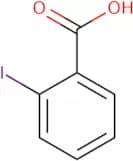
CAS:<p>2-Iodobenzoic acid is a synthetic compound that is used in the treatment of wastewater. It is produced by the reaction of benzoate and nitrite in the presence of sodium hydroxide. The intramolecular hydrogen atom transfer from the 2-iodobenzoic acid to benzoate is a reversible reaction. This process can be catalyzed by palladium, which has been shown to be effective in coupling 2-iodobenzoic acid with other compounds to produce cyclic peptides. The use of 2-iodobenzoic acid as a contraceptive has been investigated for its ability to inhibit acetylcholinesterase activity, which may lead to increased levels of acetylcholine and inhibition of muscle contractions.</p>Formula:C7H5IO2Purezza:Min. 98 Area-%Colore e forma:PowderPeso molecolare:248.02 g/mol2-Iodobenzoic acid methyl ester
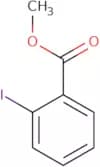
CAS:<p>2-Iodobenzoic acid methyl ester is a palladium complex that can be used as a catalyst for the hydrolysis of ketoesters, imines, and halides. The reaction mechanism involves the coordination of the metal center to the carboxylate or amine group on the substrate, followed by a nucleophilic attack at the benzoate or chloride group. The resulting product is an alkyl halide. 2-Iodobenzoic acid methyl ester has been shown to catalyze the cross-coupling of diphenyl ethers with various amines in water and in organic solvents.</p>Formula:C8H7IO2Purezza:Min. 95%Colore e forma:Clear LiquidPeso molecolare:262.04 g/molPotassium (1-(tert-butoxycarbonyl)piperidin-4-yl)trifluoroborate
CAS:<p>Versatile small molecule scaffold</p>Formula:C10H18BF3KNO2Purezza:Min. 95%Peso molecolare:291.16 g/mol1-Boc-2-methyl (2R,3S)-3-hydroxypyrrolidine-2-carboxylate
CAS:<p>Please enquire for more information about 1-Boc-2-methyl (2R,3S)-3-hydroxypyrrolidine-2-carboxylate including the price, delivery time and more detailed product information at the technical inquiry form on this page</p>Formula:C11H19NO5Purezza:Min. 95%Peso molecolare:245.27 g/mol3-(boc-amino)-cyclobutanemethanol
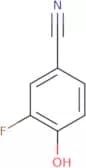
CAS:<p>Versatile small molecule scaffold</p>Formula:C10H19NO3Purezza:Min. 95%Peso molecolare:201.27 g/mol3-Fluoro-4-hydroxybenzonitrile
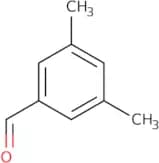
CAS:<p>3-Fluoro-4-hydroxybenzonitrile is a compound with an acidic ph and a strain that is dispersive, desorptive, and polyacrylamide gel. It is a colorless liquid at room temperature. 3-Fluoro-4-hydroxybenzonitrile has been shown to react with dodecyl inorganic base and hydrochloric acid to produce 3-fluoroaniline. The localization of the reaction yield is on hydrotalcite activated by fluorine. This chemical has been shown to react at temperatures between 0°C and 140°C.</p>Formula:C7H4FNOPurezza:Min. 95%Colore e forma:White PowderPeso molecolare:137.11 g/mol3,5-Dimethylbenzaldehyde
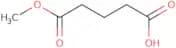
CAS:<p>3,5-Dimethylbenzaldehyde is an organic compound that is a colorless liquid. It has a chemical formula of C9H12O2 and is classified as an aldehyde. 3,5-Dimethylbenzaldehyde can be synthesized by the reaction of isopropyl palmitate with xylene in the presence of carbon as a source. The reaction time required for this synthesis is approximately one day. The major products of this reaction are 3,5-dimethylbenzaldehyde and 2-methylbutanal. This reaction mechanism can also be used to determine the concentration of urinary metabolites in human urine samples. Analysis of these samples requires an organic solvent such as hexane or dichloromethane. Kinetic data was collected from the rate at which zinc powder reacts with 3,5-dimethylbenzaldehyde over time at different concentrations. A kinetic experiment was conducted using c–h bond activation to produce 3,5-dimethoxy</p>Formula:C9H10OPurezza:Min. 95%Colore e forma:Colorless Clear LiquidPeso molecolare:134.18 g/molMonomethyl Glutarate
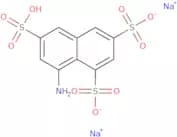
CAS:<p>Monomethyl glutarate is a monomer for the synthesis of polymers. It has been used in the past as a precursor for the production of polyacrylic acid and its copolymers. Monomethyl glutarate is synthesized by the reaction of hydrochloric acid, high salt, and an expression plasmid containing glutarate dehydrogenase. This compound is also used as a reagent in kinetic studies of fatty acids and glutaric acid. Monomethyl glutarate is an acidic compound with a pKa value of 3.5 at 25°C. It is rapidly hydrolyzed in water to form monomethyl glutarate acid, which has a pKa value of 2.4 at 25°C. Monomethyl glutarate can be ingested orally or applied topically due to its low energy requirements for hydrolysis in water.</p>Formula:C6H10O4Purezza:Min. 95%Peso molecolare:146.14 g/molDisodium 8-amino-1,3,6-naphthalenetrisulfonate
CAS:<p>Disodium 8-amino-1,3,6-naphthalenetrisulfonate is a fluorescent sensor that can detect albumin in human serum. Disodium 8-amino-1,3,6-naphthalenetrisulfonate selectively detects the molecule albumin in blood with a sensitivity of approximately 1.5 nmol/L and a selectivity of nearly 100%. The fluorescent sensor consists of an immobilized nanometer sized molecule of 8-aminonaphthalene trisulfonic acid on hydrotalcite. The sensor has been shown to be selective for albumin and does not react with other serum proteins such as immunoglobulins or fibrinogen.</p>Formula:C10H9NO9S3•Na2Purezza:Min. 98 Area-%Colore e forma:White PowderPeso molecolare:429.36 g/mol1H,1H,7H-Dodecafluoroheptanol
CAS:<p>1H,1H,7H-Dodecafluoroheptanol is a perfluorinated compound. It has been shown to be an efficient scavenger of reactive oxygen species (ROS) and to have a protective effect on collagen. The reaction mechanism of 1H,1H,7H-dodecafluoroheptanol is not fully understood. However, it has been shown that the chloride ion plays a key role in the formation of this product from 1H,1H,7F-dodecafluoroheptane. The reaction vessel used in this synthesis is critical because it must be anhydrous to prevent the formation of 1HF3OCl. Magnetic resonance spectroscopy has been used to study the chemical structures of this compound.</p>Formula:C7H4F12OPurezza:Min. 95%Colore e forma:Colorless PowderPeso molecolare:332.09 g/mol1-[3-(Dimethylamino)propyl]-1-(4-fluorophenyl)-1,3-dihydro-3-oxo-5-isobenzofurancarbonitrile
CAS:<p>Please enquire for more information about 1-[3-(Dimethylamino)propyl]-1-(4-fluorophenyl)-1,3-dihydro-3-oxo-5-isobenzofurancarbonitrile including the price, delivery time and more detailed product information at the technical inquiry form on this page</p>Formula:C20H19FN2O2Purezza:Min. 95%Peso molecolare:338.38 g/molDepropyl rotigotine hydrochloride
CAS:<p>Please enquire for more information about Depropyl rotigotine hydrochloride including the price, delivery time and more detailed product information at the technical inquiry form on this page</p>Formula:C16H19NOS•(HCl)xPurezza:Min. 95%2,5-Diazabicyclo[2.2.2]octane dihydrochloride
CAS:<p>Versatile small molecule scaffold</p>Formula:C6H12N2·2HClPurezza:Min. 95%Peso molecolare:185.1 g/molChlorpheniramine N-oxide
CAS:<p>Please enquire for more information about Chlorpheniramine N-oxide including the price, delivery time and more detailed product information at the technical inquiry form on this page</p>Formula:C16H19ClN2OPurezza:Min. 95%Peso molecolare:290.79 g/molR-(-)-3-Chloro-1,2-propanediol
CAS:<p>R-(-)-3-Chloro-1,2-propanediol is a chiral epoxide that is used in the synthesis of other chemicals. It has been shown to be active against bacterial strains such as corynebacterium and coryneform bacteria. This chemical can be synthesized from hydrochloric acid and chlorinated propane with an asymmetric synthesis. The R-(-)-3-Chloro-1,2-propanediol can also be synthesized through electrochemical methods using chloride ion as the reducing agent. This compound is soluble in water and shows kinetic activity with carbon sources when used as an antibiotic.</p>Formula:C3H7ClO2Purezza:Min. 95%Colore e forma:Colorless Clear LiquidPeso molecolare:110.54 g/mol(3S)-3- [4- [(2-Chlorophenyl) methyl] phenoxy] tetrahydrofuran
CAS:<p>Please enquire for more information about (3S)-3- [4- [(2-Chlorophenyl) methyl] phenoxy] tetrahydrofuran including the price, delivery time and more detailed product information at the technical inquiry form on this page</p>Purezza:Min. 95%2-Bromo-1-(4-chloro-3-fluorophenyl)ethanone
CAS:<p>Please enquire for more information about 2-Bromo-1-(4-chloro-3-fluorophenyl)ethanone including the price, delivery time and more detailed product information at the technical inquiry form on this page</p>Formula:C8H5BrCIFOPurezza:Min. 95%Peso molecolare:354.94 g/molChloroiodomethane, stabilised with copper
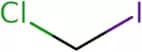
CAS:<p>Chloroiodomethane is a chemical that is used as an intermediate in the production of other chemicals. It is a colourless liquid with a strong odour. 3-Bromopropylamine hydrobromide reacts with chloroiodomethane to form 3-bromopropyl bromide, which can be reacted with hydrogen chloride to form the corresponding acid chloride. This reaction product can then be reacted with β-amino acids to form amides or esters. The reaction mechanism of this process involves nucleophilic substitution of chloroiodomethane by the amino group of the β-amino acid to produce an intermediate α,β-unsaturated carbonyl chloride, which undergoes elimination to give the final product. Chloroiodomethane also reacts rapidly with fatty acids and hydroxyl groups in biological systems, leading to inflammatory diseases such as HIV infection.</p>Formula:CH2ClIPurezza:Min. 95%Colore e forma:Colorless Clear LiquidPeso molecolare:176.38 g/mol




![4-{[(tert-butoxy)carbonyl]amino}-4-methylpentanoic acid](/_next/image/?url=https%3A%2Fstatic.cymitquimica.com%2Fproducts%2F3D%2Fthumb-webp%2FZZB37240.webp&w=3840&q=75)
![tert-Butyl 4-hydroxy-1-oxa-7-azaspiro[4.4]nonane-7-carboxylate](/_next/image/?url=https%3A%2Fstatic.cymitquimica.com%2Fproducts%2F3D%2Fthumb-webp%2FXXC50503.webp&w=3840&q=75)







![2-[(6-Chloro-3,4-dihydro-3-methyl-2,4-dioxo-1(2H)-pyrimidinyl)methyl]-benzonitrile](/_next/image/?url=https%3A%2Fstatic.cymitquimica.com%2Fproducts%2F3D%2Fthumb-webp%2FQJB75896.webp&w=3840&q=75)





![tert-Butyl 3,9-diazaspiro[5.5]undecane-3-carboxylate hydrochloride](/_next/image/?url=https%3A%2Fstatic.cymitquimica.com%2Fproducts%2F3D%2Fthumb-webp%2FLJA40647.webp&w=3840&q=75)


![[(Trimethylsilyl)ethynyl]boronic acid, pinacol ester](/_next/image/?url=https%3A%2Fstatic.cymitquimica.com%2Fproducts%2F3D%2Fthumb-webp%2FJGA08746.webp&w=3840&q=75)
![6,7-dihydro-5h-pyrrolo[3,4-d]pyrimidin-2-amine 2hcl](/_next/image/?url=https%3A%2Fstatic.cymitquimica.com%2Fproducts%2F3D%2Fthumb-webp%2FHGA32752.webp&w=3840&q=75)


![tert-Butyl 4-[(piperazin-1-yl)methyl]piperidine-1-carboxylate](/_next/image/?url=https%3A%2Fstatic.cymitquimica.com%2Fproducts%2F3D%2Fthumb-webp%2FGQA72248.webp&w=3840&q=75)

![1-[4-(Propan-2-yl)phenyl]ethan-1-ol](/_next/image/?url=https%3A%2Fstatic.cymitquimica.com%2Fproducts%2F3D%2Fthumb-webp%2FBAA47510.webp&w=3840&q=75)











![1-[3-(Dimethylamino)propyl]-1-(4-fluorophenyl)-1,3-dihydro-3-oxo-5-isobenzofurancarbonitrile](/_next/image/?url=https%3A%2Fstatic.cymitquimica.com%2Fproducts%2F3D%2Fthumb-webp%2FFD184085.webp&w=3840&q=75)
![2,5-Diazabicyclo[2.2.2]octane dihydrochloride](/_next/image/?url=https%3A%2Fstatic.cymitquimica.com%2Fproducts%2F3D%2Fthumb-webp%2FBAA19292.webp&w=3840&q=75)


![(3S)-3- [4- [(2-Chlorophenyl) methyl] phenoxy] tetrahydrofuran](/_next/image/?url=https%3A%2Fstatic.cymitquimica.com%2Fproducts%2F3D%2Fthumb-webp%2FFC181171.webp&w=3840&q=75)