Building Blocks
Questa sezione contiene prodotti fondamentali per la sintesi di composti organici e biologici. Building blocks sono i materiali di partenza essenziali utilizzati per costruire molecole complesse attraverso varie reazioni chimiche. Svolgono un ruolo critico nella scoperta di farmaci, nella scienza dei materiali e nella ricerca chimica. Presso CymitQuimica, offriamo una gamma diversificata di building blocks di alta qualità per supportare le tue ricerche innovative e progetti industriali, assicurandoti di avere i componenti essenziali per una sintesi di successo.
Sottocategorie di "Building Blocks"
- Acidi boronici e derivati dell'acido boronico(5.756 prodotti)
- Building Blocks Chirali(1.242 prodotti)
- Building Blocks Idrocarburici(6.093 prodotti)
- Building Blocks organici(60.519 prodotti)
Trovati 195533 prodotti di "Building Blocks"
Ordinare per
Purezza (%)
0
100
|
0
|
50
|
90
|
95
|
100
(2S)-3-(3,4-dihydroxyphenyl)-2-{[(9H-fluoren-9-ylmethoxy)carbonyl]amino}propanoic acid
CAS:<p>3,4-Dihydroxyphenylalanine (3,4-DOPA) is a non-protein amino acid that is an intermediate in the synthesis of dopamine and norepinephrine. 3,4-DOPA is metabolized by the enzyme dopa decarboxylase to dopamine and then by catechol-O-methyl transferase to norepinephrine. 3,4-DOPA has antioxidant properties and has been shown to have anticancer effects in animals. It also has been shown to interact with other biomolecules such as proteins and nucleic acids. 3,4-DOPA binds strongly to metal ions through its carboxylic acid group and can chelate metals such as copper or iron. This property may be used for coatings on metal surfaces or for interacting with other molecules.br>br> 3,4-Dopa contains a chiral center due to the presence of two stereogenic carbons on the phen</p>Formula:C24H21NO6Purezza:Min. 95%Peso molecolare:419.4 g/molSpiro[3.3]heptane-2,6-dicarboxylic acid, 2,6-dimethyl ester
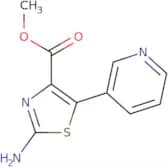
CAS:<p>Versatile small molecule scaffold</p>Formula:C11H16O4Purezza:Min. 95%Peso molecolare:212.25 g/molMethyl 2-amino-5-pyridin-3-yl-1,3-thiazole-4-carboxylate
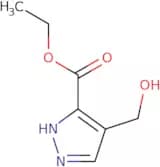
CAS:<p>Versatile small molecule scaffold</p>Formula:C10H9N3O2SPurezza:Min. 95%Peso molecolare:235.26 g/molEthyl 4-(hydroxymethyl)-1H-pyrazole-3-carboxylate
CAS:<p>Versatile small molecule scaffold</p>Formula:C7H10N2O3Purezza:Min. 95%Peso molecolare:170.17 g/mol2-(Bromomethyl)-6-fluorobenzonitrile
CAS:<p>Versatile small molecule scaffold</p>Formula:C8H5BrFNPurezza:Min. 95%Peso molecolare:214.04 g/mol3-chloro-4-cyanobenzoic acid
CAS:<p>Versatile small molecule scaffold</p>Formula:C8H4ClNO2Purezza:Min. 95%Peso molecolare:181.58 g/mol1-Boc-pyrrolidine-3-ethanol
CAS:<p>Versatile small molecule scaffold</p>Formula:C11H21NO3Purezza:Min. 95%Peso molecolare:215.29 g/molMethyl 3-oxoisoindoline-5-carboxylate
CAS:<p>Versatile small molecule scaffold</p>Formula:C10H9NO3Purezza:Min. 95%Peso molecolare:191.18 g/mol4-bromo-1H-imidazole-2-carbaldehyde
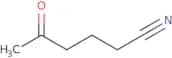
CAS:<p>Versatile small molecule scaffold</p>Formula:C4H3BrN2OPurezza:Min. 95%Peso molecolare:175 g/mol5-Ketohexanenitrile
CAS:<p>5-Ketohexanenitrile is a liquid that is used in the production of medicine. The compound has been shown to be an effective inhibitor of the enzyme, dehydrogenase, which catalyzes the conversion of 5-ketohexanoic acid to hexadecanoic acid. This reaction is important for the oxidation of fatty acids and can be found in all living organisms. 5-Ketohexanenitrile has also been shown to inhibit the enzyme, hydrogen peroxide oxidase, which catalyzes the conversion of hydrogen peroxide to water and oxygen gas. 5-Ketohexanenitrile is also an intermediate in acrylonitrile production. It can be produced by vaporizing hexadecanoic acid with a catalyst such as trimethylpyridine or acetic acid. 5-Ketohexanenitrile can exist as two isomers: cis and trans. It is a primary amine that reacts with alkali metals such as</p>Formula:C6H9NOPurezza:Min. 95%Peso molecolare:111.14 g/mol3-Hydroxy-5-methylpyridine
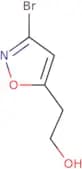
CAS:<p>3-Hydroxy-5-methylpyridine (3HMP) is a chemical substance that has been classified as an amine. It is a product of the metabolism of purines, which are nitrogenous bases found in DNA and RNA. 3HMP is produced by aerogenic bacteria (such as Enterobacter), and can be used to estimate the number of these bacteria present in water samples. 3HMP has been shown to have antiviral properties against influenza virus, and can be used as a biomarker for the presence of other viruses in animals. 3HMP also has mineralization properties, which have been studied extensively, particularly with regards to pancreatic disease.</p>Formula:C6H7NOPurezza:Min. 95%Colore e forma:PowderPeso molecolare:109.13 g/mol3-Bromo-5-(2-hydroxyethyl)isoxazole
CAS:<p>Versatile small molecule scaffold</p>Formula:C5H6BrNO2Purezza:Min. 95%Peso molecolare:192.02 g/mol2-Cyclopropylphenol
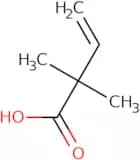
CAS:<p>2-Cyclopropylphenol is a hydrogen chloride derivative of 2-cyclohexen-1-one. It has been shown to have high affinity for the α receptor, which is a functional group in the integrin receptor that mediates cell adhesion. 2-Cyclopropylphenol has been shown to be effective for the treatment of hepatitis. 2-Cyclopropylphenol also forms an organometallic complex with platinum, which can be used as an anticancer agent and shows good antiviral activity against hepatitis C virus (HCV). The molecular modeling of this compound was done by using quantum chemical calculations and NMR spectra. The synthesis of this compound was developed from benzene and ethynylbenzene. The photochemical properties of this compound were investigated by methane monooxygenase reconstitution studies.</p>Formula:C9H10OPurezza:Min. 95%Peso molecolare:134.18 g/mol2,2-Dimethylbut-3-enoic acid
CAS:<p>2,2-Dimethylbut-3-enoic acid is a bioactive compound that is used to synthesize other compounds. It has been shown to have a number of functions, such as being an electrolyte and having an electron deficient group in its structure. 2,2-Dimethylbut-3-enoic acid reacts with electrophilic functional groups at high temperatures to form allylation products. This reaction is called cheletropic and has been shown to be reversible.</p>Formula:C6H10O2Purezza:Min. 95%Peso molecolare:114.14 g/mol8-Chloroisoquinolin-5-amine
CAS:<p>Versatile small molecule scaffold</p>Formula:C9H7ClN2Purezza:Min. 95%Peso molecolare:178.62 g/mol[(Trimethylsilyl)ethynyl]boronic acid, pinacol ester
CAS:<p>Versatile small molecule scaffold</p>Formula:C11H21BO2SiPurezza:Min. 95%Peso molecolare:224.2 g/mol8-chloro-3H,4H-pyrido[3,4-d]pyrimidin-4-one
CAS:<p>Versatile small molecule scaffold</p>Formula:C7H4N3OClPurezza:Min. 95%Peso molecolare:181.57 g/mol3-Methoxy-benzenesulfonic acid
CAS:<p>Versatile small molecule scaffold</p>Formula:C7H8O4SPurezza:Min. 95%Peso molecolare:188.2 g/mol2-Methoxy-benzenesulfonic acid
CAS:<p>2-Methoxy-benzenesulfonic acid is a synthetic chemical compound that is used in the production of polymers and other ester compounds. It can be produced by reacting benzenesulfonyl chloride with methanol in the presence of a strong acid catalyst. 2-Methoxy-benzenesulfonic acid reacts with radiation to produce reactive oxygen species that are capable of damaging cellular structures. The molecule contains an intramolecular hydrogen bond, which stabilizes the structure and helps to form hydrogen bonds with other molecules. 2-Methoxy-benzenesulfonic acid also has a hydroxyl group, which allows it to function as an acidic compound that can react with water and cause inflammation. This functional group also makes it soluble in water, allowing it to penetrate tissue structures.</p>Formula:C7H8O4SPurezza:Min. 95%Peso molecolare:188.2 g/mol2-Bromo-1-(4-chloro-3-fluorophenyl)ethanone
CAS:<p>Please enquire for more information about 2-Bromo-1-(4-chloro-3-fluorophenyl)ethanone including the price, delivery time and more detailed product information at the technical inquiry form on this page</p>Formula:C8H5BrCIFOPurezza:Min. 95%Peso molecolare:354.94 g/moltert-Butyl 3-(4-aminophenyl)pyrrolidine-1-carboxylate
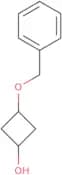
CAS:<p>Versatile small molecule scaffold</p>Formula:C15H22N2O2Purezza:Min. 95%Peso molecolare:262.35 g/moltrans-3-(Benzyloxy)cyclobutanol
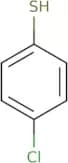
CAS:<p>Trans-3-(Benzyloxy)cyclobutanol is a radiolabeled compound that is used as a model system for understanding the metabolism of drugs in humans. It has been shown to be metabolized by the liver to produce metabolites that are excreted in urine. Trans-3-(Benzyloxy)cyclobutanol has also been shown to have tumor cell line stability, which may be due to its ability to inhibit DNA synthesis and protein synthesis in vitro and reduce tumor cells in vivo. Trans-3-(Benzyloxy)cyclobutanol has been shown to have no effect on normal rat plasma and lung carcinoma cells, but does affect prosthetic group activity.</p>Formula:C11H14O2Purezza:Min. 95%Peso molecolare:178.23 g/mol4-Chlorobenzenethiol
CAS:<p>4-Chlorobenzenethiol is a chemical compound that contains a fatty acid. It is an intramolecular hydrogen donor with the ability to form a disulfide bond. The compound also has high stability and can be used in organic synthesis reactions involving reactive sulfur groups. 4-Chlorobenzenethiol reacts with sodium carbonate to produce sodium thiocarbonate and chloroform, which are then reacted with phosphorus pentoxide for oxidation. The reaction mechanism is similar to that of the Diels-Alder reaction and the model system involves dinucleotide phosphate. 4-Chlorobenzenethiol can be reacted with hydrochloric acid or trifluoroacetic acid as an oxidizing agent.</p>Formula:C6H5ClSPurezza:Min. 95%Colore e forma:White PowderPeso molecolare:144.62 g/molTimonacic
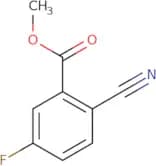
CAS:<p>Timonacic is an analog of nicotinamide that has been shown to be an effective inhibitor of energy metabolism in the mitochondria. It has antioxidative properties and can protect against the development of heart disease by inhibiting the production of reactive oxygen species. Timonacic's anti-inflammatory properties may be due to its ability to inhibit prostaglandin synthesis. It also has a high affinity for fatty acids, which may contribute to its inhibitory effects on lipid peroxidation. This drug has a carboxy terminal and is used as a sodium salt, which may play a role in its enzyme inhibition activity. Timonacic inhibits the activities of enzymes such as carnitine acetyltransferase and pyruvate dehydrogenase kinase, which are involved in the biosynthesis of fatty acids. The intramolecular hydrogen bonds formed with timonacic may contribute to its inhibitory effect on these enzymes.</p>Formula:C4H7NO2SPurezza:Min. 95%Peso molecolare:133.17 g/molMethyl 2-cyano-5-fluorobenzoate
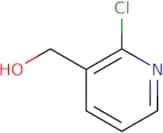
CAS:<p>Versatile small molecule scaffold</p>Formula:C9H6FNO2Purezza:Min. 95%Peso molecolare:179.15 g/mol2-Chloro-3-(hydroxymethyl)pyridine
CAS:<p>2-Chloro-3-(hydroxymethyl)pyridine is an organic compound that is used as a building block for the synthesis of other heterocycles. This compound can be synthesized from 2-chloronicotinic acid, which is obtained by oxidation of nicotine with sodium hypochlorite in the presence of potassium ion. The reaction proceeds via a cleavage of the C-Cl bond and formation of a pyridine ring. The catalytic process can be performed at room temperature and at atmospheric pressure in a variety of solvents, including water.<br>2-Chloro-3-(hydroxymethyl)pyridine has been shown to have high yields for the preparation of compounds such as 2,4-dichloropyridine and 4,5-dichloropyrimidine. It also has been used in the preparation of pharmaceuticals such as atrial natriuretic factor (ANF).</p>Formula:C6H6ClNOPurezza:Min. 98 Area-%Colore e forma:PowderPeso molecolare:143.57 g/molN-(4-Bromophenyl)-N-phenylacrylamide
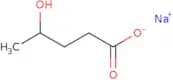
CAS:<p>Versatile small molecule scaffold</p>Formula:C15H12BrNOPurezza:Min. 95%Colore e forma:PowderPeso molecolare:302.16 g/mol4-Hydroxyvaleric Acid Sodium Salt
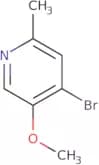
CAS:Prodotto controllato<p>4-Hydroxyvaleric acid sodium salt is a hydrophilic, thermally sensitive substance that is used as an analytical reagent in toxicology. It is typically used as a screening agent for the detection of acetaldehyde and other aldehydes. 4-Hydoxyvaleric acid sodium salt reacts with acetone to form a clear solution and can be injected into a gas chromatograph using an injection method. The reaction between 4-hydroxyvaleric acid sodium salt and acetone produces an efficient method for the analysis of acetaldehyde. This chemical is often used by toxicologists and chemists to screen for the presence of acetaldehyde in blood or urine samples.</p>Formula:C5H9NaO3Purezza:Min. 95%Peso molecolare:140.11 g/mol4-Bromo-5-methoxy-2-methylpyridine
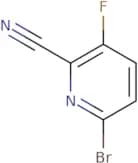
CAS:<p>Versatile small molecule scaffold</p>Formula:C7H8BrNOPurezza:Min. 95%Peso molecolare:202.05 g/mol6-Bromo-3-fluoropyridine-2-carbonitrile
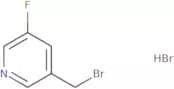
CAS:<p>Versatile small molecule scaffold</p>Formula:C6H2N2FBrPurezza:Min. 95%Peso molecolare:200.99 g/mol3-(bromomethyl)-5-fluoropyridine hbr
CAS:<p>Versatile small molecule scaffold</p>Formula:C6H6Br2FNPurezza:Min. 95%Peso molecolare:270.93 g/molMethyl 3-chloropropionate
CAS:<p>Methyl 3-chloropropionate is an alkyl ether that has been used in clinical studies as a liquid phase ion-pair extraction solvent. It was developed to replace the use of hexane, which is not environmentally friendly and can also cause irritation. Methyl 3-chloropropionate has been shown to have a higher viscosity than hexane at room temperature and is less likely to evaporate than hexane. Methyl 3-chloropropionate has also been used as a synthetic process solvent, with the reaction time being shorter than that of hexane. This compound can be used for chromatography without any effect on the solute or the stationary phase. Methyl 3-chloropropionate has also been shown to be effective in lipase and agarose gel assays, as well as chloride ion extraction from water samples.</p>Formula:C4H7ClO2Purezza:Min. 95%Colore e forma:Clear LiquidPeso molecolare:122.55 g/molMethyl trans-4-bromo-2-butenoate
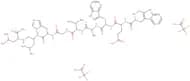
CAS:<p>Methyl trans-4-bromo-2-butenoate is a synthetic compound that contains a hydroxyl group and two bromine atoms. It is synthesized by the reaction of diethyl succinate, hydrogen, and piperazine in an aqueous solution. Methyl trans-4-bromo-2-butenoate has been shown to have antineoplastic activity in combination with epidermal growth factor (EGF) and carbohydrate conjugates. It also binds to cell surface receptors on the epidermal cells, inhibiting their growth. The structural formula of methyl trans-4-bromo-2-butenoate can be seen below: [[File:Methyltrans4bromobutanoate.png|thumb|300px|left|The structural formula of methyl trans-[4] -[bromo]-[2] -butenoate.]]</p>Formula:C5H7BrO2Purezza:Min. 95%Colore e forma:Clear LiquidPeso molecolare:179.01 g/molRC-3095 trifluoroacetate
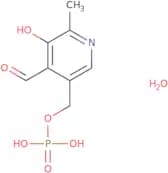
CAS:<p>Please enquire for more information about RC-3095 trifluoroacetate including the price, delivery time and more detailed product information at the technical inquiry form on this page</p>Formula:C56H79N15O9•C2HF3O2Purezza:Min. 95%Peso molecolare:1,220.35 g/molPyridoxal-5-phosphate monohydrate
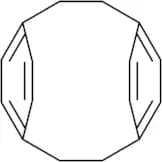
CAS:<p>Bioavailable form of vitamin B6; coenzyme; food supplement</p>Formula:C8H10NO6P·H2OPurezza:Min. 98.5 Area-%Colore e forma:Off-White Slightly Yellow PowderPeso molecolare:265.16 g/mol2,2-Paracyclophane
CAS:<p>2,2-Paracyclophane is a high-sensitivity c-reactive protein (hsCRP) that has been isolated from the fungus Cryptococcus neoformans. This compound has shown to have anti-cancer properties in animal studies. 2,2-Paracyclophane binds to fatty acids and is soluble in water, which may be due to its hydrogen bonding with the hydroxyl group at C1. The crystal structure of this compound reveals that it has a cyclohexane ring and two fatty acids. The thermal expansion coefficient of this molecule is also high, which suggests that it may be suitable for use as a solid lubricant.</p>Formula:C16H16Purezza:Min. 98.5 Area-%Colore e forma:White PowderPeso molecolare:208.3 g/molPyridine-2-aldehyde
CAS:<p>Pyridine-2-aldehyde is a stable complex that can be synthesized using the asymmetric synthesis of ethylene diamine and picolinic acid. The solid catalyst is the copper chloride, which coordinates to two nitrogen atoms in the pyridine ring. The coordination geometry is octahedral. Pyridine-2-aldehyde has been shown to react with copper complexes to form stable complexes, as well as undergoing kinetic reactions with metal carbonyls. Pyridine-2-aldehyde has also demonstrated analytical chemistry properties by reacting with picolinic acid to form a picolinic acid derivative.</p>Purezza:Min. 95%Pyridine-2-aldoxime
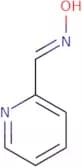
CAS:<p>Pyridine-2-aldoxime is a chemical compound that is used as a pesticide. It is an inhibitor of acetylcholinesterase, and it can be toxic at low doses. Pyridine-2-aldoxime binds to the active site of acetylcholinesterase and prevents the breakdown of acetylcholine by this enzyme, leading to paralysis of the respiratory muscles. Pyridine-2-aldoxime has been shown to be effective against chronic oral exposure to sarin gas, with lethal dose (LD) values ranging from 0.5–1 mg/kg in rats.</p>Formula:C6H6N2OPurezza:Min. 95%Colore e forma:White PowderPeso molecolare:122.12 g/mol(Oc-6-21)-(4-Bromophenyl)Pentafluoro-Sulfur
CAS:<p>(Oc-6-21)-(4-Bromophenyl)Pentafluoro-Sulfur is the chemical compound with the formula BrSbF5. It is a yellow solid that is soluble in organic solvents. The molecule consists of a pentafluorothiophenium cation and a bromine anion. It has two regioisomers, one with the sulfur atom in the 4 position and one with it in the 6 position. The compound has been studied as a precursor to polythiophene, which can be synthesized by heating BrSbF5 with sulfur dichloride.</p>Formula:C6H4BrF5SPurezza:Min. 95%Peso molecolare:283.06 g/mol3,3,5-Trimethylcyclohexanone
CAS:<p>3,3,5-Trimethylcyclohexanone is an intermediate in the synthesis of polymers and polyesters. This compound is a reactive hydrogenation product which can be used to produce polymers with desired properties. The unsaturated side chain of 3,3,5-trimethylcyclohexanone reacts with borohydride to form a ketal. After being converted to the corresponding acid chloride, the 3,3,5-trimethylcyclohexanone can be used for the synthesis of polyesters. This compound has also been shown to be an effective catalyst for producing β-unsaturated ketones from aldehydes and dienes.</p>Formula:C9H16OPurezza:Min. 95%Colore e forma:Clear LiquidPeso molecolare:140.23 g/molN-Nitroso hydrochlorothiazide
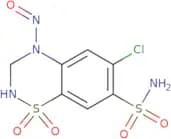
CAS:<p>Please enquire for more information about N-Nitroso hydrochlorothiazide including the price, delivery time and more detailed product information at the technical inquiry form on this page</p>Formula:C7H7ClN4O5S2Purezza:Min. 95%Peso molecolare:326.74 g/molN-Nitroso ramipril
<p>Please enquire for more information about N-Nitroso ramipril including the price, delivery time and more detailed product information at the technical inquiry form on this page</p>Formula:C23H31N3O6Purezza:Min. 95%Colore e forma:PowderPeso molecolare:445.51 g/moltert-Butyl 6-amino-3-azabicyclo[3.1.0]hexane-3-carboxylate
CAS:<p>Please enquire for more information about tert-Butyl 6-amino-3-azabicyclo[3.1.0]hexane-3-carboxylate including the price, delivery time and more detailed product information at the technical inquiry form on this page</p>Formula:C10H18N2O2Purezza:Min. 95%Peso molecolare:198.26 g/mol1,4-Dicyanobenzene
CAS:<p>1,4-Dicyanobenzene is an organic compound that is used as a reactant in the production of other chemicals. It has been shown to be reactive with nucleophiles such as amines and alcohols. 1,4-Dicyanobenzene has shown good transport properties and can be used in industrial preparation of polymers such as polyurethane. The reaction mechanism for 1,4-dicyanobenzene is nucleophilic attack by a nucleophile on the carbonyl carbon of the double bond. This reaction yields two products: an amide or an aliphatic hydrocarbon. 1,4-Dicyanobenzene can also undergo reactions involving hydrogen bonds with other molecules in order to form new compounds.</p>Formula:C8H4N2Purezza:Min. 98 Area-%Colore e forma:Off-White PowderPeso molecolare:128.13 g/molCASIN
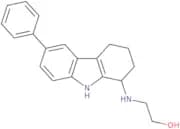
CAS:<p>CASIN is a lysine-derived antimicrobial agent that inhibits the growth of bacteria by binding to the peptide chains of collagen, which are found in skin and mucous membranes. CASIN has been shown to inhibit the growth of many bacterial species, including those that are resistant to other antibiotics. CASIN can be used for the treatment of infectious diseases caused by bacteria, such as bacterial vaginosis or chlamydia. CASIN has also been shown to reduce body mass index in animal models. The mechanism of action is not known but may involve interference with an enzyme that controls the biosynthesis of fatty acids. The use of CASIN in humans is limited due to its toxicity on human cells and potential safety concerns.</p>Formula:C20H22N2OPurezza:Min. 95%Peso molecolare:306.4 g/mol5-Methyl-3-oxo-hexanoic acid methyl ester
CAS:<p>Versatile small molecule scaffold</p>Formula:C8H14O3Purezza:Min. 95%Peso molecolare:158.2 g/moltert-Butyl 3-(piperidin-3-yl)azetidine-1-carboxylate
CAS:<p>Versatile small molecule scaffold</p>Formula:C13H24N2O2Purezza:Min. 95%Peso molecolare:240.35 g/mol(1R,4R)-2-Oxa-5-azabicyclo[2.2.1]heptane hydrochloride
CAS:<p>Versatile small molecule scaffold</p>Formula:C5H9NO·HClPurezza:Min. 95%Peso molecolare:135.59 g/mol6-Bromo-1-methyl-2,3-dihydro-1H-indazol-3-one
CAS:<p>Versatile small molecule scaffold</p>Formula:C8H7BrN2OPurezza:Min. 95%Peso molecolare:227.06 g/mol4-Methoxy-3-(methoxymethyl)butan-1-ol
CAS:<p>Versatile small molecule scaffold</p>Formula:C7H16O3Purezza:Min. 95%Peso molecolare:148.2 g/mol3-(iodomethyl)oxetane
CAS:<p>Versatile small molecule scaffold</p>Formula:C4H7IOPurezza:Min. 95%Peso molecolare:198 g/mol2-Bromo-5-methylpyridin-3-ol
CAS:<p>Versatile small molecule scaffold</p>Formula:C6H6BrNOPurezza:Min. 95%Peso molecolare:188.02 g/mol6-Amino-2-propylhexanoic acid hydrochloride
CAS:<p>Versatile small molecule scaffold</p>Formula:C9H19NO2•HClPurezza:Min. 95%Peso molecolare:209.71 g/mol4-(2,6-Difluorophenyl)piperidin-4-ol hydrochloride
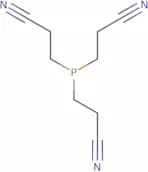
CAS:<p>Versatile small molecule scaffold</p>Formula:C11H14ClF2NOPurezza:Min. 95%Peso molecolare:249.68 g/molTris(2-cyanoethyl)phosphine
CAS:<p>Tris(2-cyanoethyl)phosphine (TCEP) is a metal carbonyl compound that has been used as a reagent in organic chemistry. TCEP is an amphoteric molecule that can react with both acids and bases, and is stable in the pH range of 5 to 9. It has been shown to have anti-inflammatory properties by inhibiting neutrophil migration. TCEP also has biological properties, such as its ability to inhibit the growth of Cryptococcus neoformans. TCEP binds to the mitochondrial membrane potential, which prevents proton leakage through the membrane and inhibits oxidative phosphorylation. TCEP binds strongly to minerals such as sodium salts, which can be used to isolate this molecule from reaction solutions. TCEP can be obtained by laser ablation or X-ray crystallography techniques.</p>Formula:C9H12N3PPurezza:Min. 95 Area-%Peso molecolare:193.19 g/mol(2,3-Dihydrobenzo[b][1,4]dioxin-5-yl)boronic acid
CAS:<p>Versatile small molecule scaffold</p>Formula:C8H9BO4Purezza:Min. 95%Peso molecolare:179.97 g/mol7-Chloro-5-nitro-1H-indazole
CAS:<p>Versatile small molecule scaffold</p>Formula:C7H4ClN3O2Purezza:Min. 95%Peso molecolare:197.58 g/molDoxazosin
CAS:<p>Doxazosin is a research chemical that has shown potential in various fields. It is a water-soluble compound that has been studied for its effects on microcystins, cytidine, and vitamins. Doxazosin has also been found to have aldehyde and particulate properties, making it a versatile compound for different applications. In the field of medicine, Doxazosin has been researched for its potential in treating certain conditions. Studies have shown that Doxazosin can interact with 1-hydroxy-2-naphthoic acid and glutamate, which are important molecules involved in various biological processes. Additionally, Doxazosin has shown promising results in inhibiting the growth of e. cloacae bacteria, making it a potential candidate for antibacterial treatments. Furthermore, Doxazosin has been studied in the field of chemistry due to its unique properties. It can undergo derivatization reactions with fatty acids and z</p>Formula:C23H25N5O5Purezza:Min. 95%Peso molecolare:451.48 g/mol2-(4-Amino-1h-pyrazol-1-yl)ethanol
CAS:<p>Versatile small molecule scaffold</p>Formula:C5H9N3OPurezza:Min. 95%Peso molecolare:127.15 g/molFG-2216
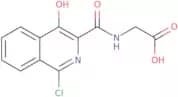
CAS:<p>FG-2216 is a peptide that activates the G protein-coupled receptor, leading to increased intracellular calcium. FG-2216 is a potent agonist of the GPRC6A receptor and has been shown to inhibit pain perception in animal models. FG-2216 has been shown to have no effect on ion channels and does not affect cellular proliferation or migration. FG-2216 may be useful as a research tool for studying the function of the GPRC6A receptor in animal models.</p>Formula:C12H9ClN2O4Purezza:Min. 95%Peso molecolare:280.66 g/mol2-(Prop-2-ynyloxy)acetic acid
CAS:<p>Versatile small molecule scaffold</p>Formula:C5H6O3Purezza:Min. 95%Peso molecolare:114.1 g/moltert-Butyl 4-hydroxy-1-oxa-7-azaspiro[4.4]nonane-7-carboxylate
CAS:<p>Versatile small molecule scaffold</p>Formula:C12H21NO4Purezza:Min. 95%Peso molecolare:243.3 g/moltert-Butyl 5-(4,4,5,5-tetramethyl-1,3,2-dioxaborolan-2-yl)-3,4-dihydropyridine-1(2h)-carboxylate
CAS:<p>Versatile small molecule scaffold</p>Formula:C16H28BNO4Purezza:Min. 95%Peso molecolare:309.21 g/mol(4R)-5,7-Difluoro-3,4-dihydro-2H-1-benzopyran-4-ol
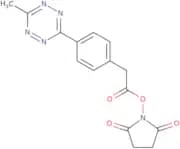
CAS:<p>Versatile small molecule scaffold</p>Formula:C9H8F2O2Purezza:Min. 95%Peso molecolare:186.15 g/molMethyltetrazine-NHS ester
CAS:<p>Versatile small molecule scaffold</p>Formula:C15H13N5O4Purezza:Min. 95%Peso molecolare:327.29 g/mol1-tert-butyl 2-methyl (2R,4S)-4-aminopyrrolidine-1,2-dicarboxylate hydrochloride
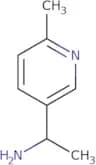
CAS:<p>Versatile small molecule scaffold</p>Formula:C11H21ClN2O4Purezza:Min. 95%Peso molecolare:280.7 g/mol1-(6-Methylpyridin-3-yl)ethanamine
CAS:<p>Versatile small molecule scaffold</p>Formula:C8H12N2Purezza:Min. 95%Peso molecolare:136.19 g/molThiophen-3-ylmethanamine hydrochloride
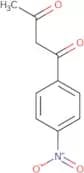
CAS:<p>Versatile small molecule scaffold</p>Formula:C5H8ClNSPurezza:Min. 95%Peso molecolare:149.64 g/mol1-(4-Nitrophenyl)butane-1,3-dione
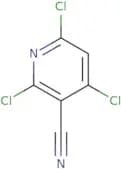
CAS:<p>1-(4-Nitrophenyl)butane-1,3-dione is a tautomer of 1,4-naphthoquinone. This compound has been reported to have an optical rotation of [alpha]D=+14.2° (C=1 in methanol). The triflate and carbonyl groups are involved in hydrogen bonding with each other. The hydrogen bond is a weak interaction that only occurs between polar molecules. This compound also has an x-ray crystal structure, which can be determined by diffraction studies. It is possible to synthesize this molecule from 1,4-naphthoquinone and butane-1,3-dione or by photolysis of 1-(4-nitrophenyl)-2,5-dioxopentanoic acid. In addition to its optical properties, the intramolecular hydrogen bonds give this molecule interesting optical properties.</p>Formula:C10H9NO4Purezza:Min. 95%Peso molecolare:207.18 g/mol2,4,6-trichloropyridine-3-carbonitrile
CAS:<p>Versatile small molecule scaffold</p>Formula:C6HCl3N2Purezza:Min. 95%Peso molecolare:207.4 g/molcis-6-Boc-octahydropyrrolo[3,4-b]morpholine
CAS:<p>Versatile small molecule scaffold</p>Formula:C11H20N2O3Purezza:Min. 95%Peso molecolare:228.29 g/mol4-(Aminomethyl)pyridine-2-carbonitrile hydrochloride
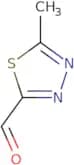
CAS:<p>Versatile small molecule scaffold</p>Formula:C7H8ClN3Purezza:Min. 95%Peso molecolare:169.61 g/mol5-Methyl-1,3,4-thiadiazole-2-carbaldehyde
CAS:<p>Versatile small molecule scaffold</p>Formula:C4H4N2OSPurezza:Min. 95%Peso molecolare:128.16 g/molethyl 6-benzyl-2-oxa-6-azaspiro[3.4]octane-8-carboxylate
CAS:<p>Versatile small molecule scaffold</p>Formula:C16H21NO3Purezza:Min. 95%Peso molecolare:275.35 g/mol(e)-(2-(1-(tert-butoxycarbonyl)piperidin-4-yl)vinyl)boronic acid pinacol ester
CAS:<p>Versatile small molecule scaffold</p>Formula:C18H32BNO4Purezza:Min. 95%Peso molecolare:337.27 g/molAdamantane
CAS:<p>Adamantane is a potent antiviral drug for the treatment of influenza. It is an oxidation catalyst that also has biological properties, such as a potent antitumor activity and potent antiviral resistance. Adamantane has been used to treat many human pathogens, including viruses, fungi and bacteria. Adamantane is a skeleton-like structure with four carbons and six hydrogen atoms that can be oxidized to adamantane oxide or reduced to adamantane alcohol. The adamantane molecule binds to the viral protein at a site called the toll-like receptor. This binding prevents viral replication by inhibiting mRNA synthesis in the virus.</p>Formula:C10H16Purezza:Min. 95%Colore e forma:White Off-White PowderPeso molecolare:136.23 g/mol1-(4-Chloro-2,6-dimethylphenyl)ethanone
CAS:<p>Versatile small molecule scaffold</p>Formula:C10H11ClOPurezza:Min. 95%Peso molecolare:182.64 g/mol1H-[1,2,3]Triazolo[4,5-d]pyrimidin-5-amine
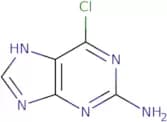
CAS:<p>1H-[1,2,3]Triazolo[4,5-d]pyrimidin-5-amine is a nitro compound that binds to the receptor binding sites of certain inflammatory bowel disease and cancer cells. It also inhibits the production of adenosine in these cells. 1H-[1,2,3]Triazolo[4,5-d]pyrimidin-5-amine has been shown to be effective against bowel disease and cancer by inhibiting cyclic AMP (cAMP) degradation. This drug has also been shown to be an irreversible inhibitor of ischemia reperfusion injury in animal models. 1H-[1,2,3]Triazolo[4,5-d]pyrimidin-5-amine is a nitro compound that binds to the receptor binding sites of certain inflammatory bowel disease and cancer cells. It also inhibits the production of adenosine in these cells. 1H</p>Formula:C4H4N6Purezza:Min. 95%Peso molecolare:136.12 g/mol2-Amino-6-chloropurine
CAS:<p>2-Amino-6-chloropurine is a nucleophilic substituent that is used in the synthesis of 2-amino-6-chloropurine. It reacts with hydroxyl groups to form a palladium-catalyzed coupling reaction solution, which is then treated with hydrochloric acid and trifluoroacetic acid. The product is purified by crystallization and recrystallization. This compound has potent antitumor activity against carcinoma cell lines, but it has not been shown to have any effect against Mycobacterium tuberculosis.</p>Formula:C5H4ClN5Purezza:Min. 95%Colore e forma:Off-White PowderPeso molecolare:169.57 g/mol2-Aminoimidazole sulfate
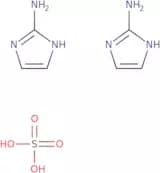
CAS:<p>2-Aminoimidazole sulfate is a chemical compound that is used as a transfection reagent. It has been shown to have high transfection efficiency with low cytotoxicity. The diameter of the molecule is in the range of 2 - 3 nm, which allows it to be taken up by cells and thus be active in them. This chemical can be dehydrogenated to form imidazole-2-sulfonic acid, which may interact with other molecules. There have been many advances in this area, including modifications and gaseous forms of the molecule. Research into the interactions of this compound with other chemicals and their effects on cellular uptake are ongoing.</p>Formula:C3H5N3•(H2O4S)0Purezza:Min. 95%Colore e forma:Off-White PowderPeso molecolare:264.26 g/mol8-Bromo-1-chloroisoquinoline
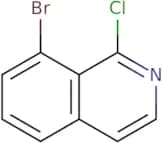
CAS:<p>Versatile small molecule scaffold</p>Formula:C9H5BrClNPurezza:Min. 95%Peso molecolare:242.5 g/mol4-Amino-5-hydroxy-2,7-naphthalenedisulfonic acid
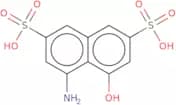
CAS:<p>4-Amino-5-hydroxy-2,7-naphthalenedisulfonic acid (4-AHNDS) is a hydroxyl group and nitrogen containing molecule. It is a reactive compound that can be used to extract anions from water. 4-AHNDS has been shown to react with sodium ions in the presence of water, forming a salt that is soluble in water. This chemical also reacts with organic molecules and forms stable complexes. The reaction mechanism of 4-AHNDS has been studied by kinetic analysis and surface methodology measurements.</p>Formula:C10H9NO7S2Purezza:Min. 95%Colore e forma:PowderPeso molecolare:319.31 g/mol1-Boc 3-(2-bromoethyl)pyrrolidine
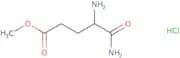
CAS:<p>Versatile small molecule scaffold</p>Formula:C11H20BrNO2Purezza:Min. 95%Peso molecolare:278.19 g/molH-Glu(OMe)-NHdihydrochloride
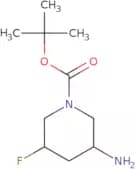
CAS:<p>Versatile small molecule scaffold</p>Formula:C6H13ClN2O3Purezza:Min. 95%Peso molecolare:196.63 g/moltert-Butyl (3S,5S)-3-amino-5-fluoropiperidine-1-carboxylate
CAS:<p>Versatile small molecule scaffold</p>Formula:C10H19FN2O2Purezza:Min. 95%Peso molecolare:218.27 g/mol1-Hydroxycyclopentane-1-carbonitrile
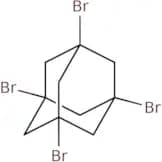
CAS:<p>1-Hydroxycyclopentane-1-carbonitrile is a monomer that is hydrolyzed to form benzoin and cyanohydrins. It can be used in the production of scifinder as a monomer or dimerizer.</p>Formula:C6H9NOPurezza:Min. 95%Peso molecolare:111.14 g/mol1,3,5,7-Tetrabromoadamantane
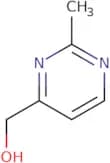
CAS:<p>1,3,5,7-Tetrabromoadamantane is a molecule that has been synthesized and introduced as a mediator to introduce oxidants. The introduction of the oxidant is mediated by 1,3,5,7-tetrabromoadamantane. This molecule has been shown to be synthesized in two steps from hexamethylenetetramine (HMT) and iodomethane. The synthesis of this molecule can also be achieved by reacting synthons such as tetraphenylmethane with hydrochloric acid. 1,3,5,7-Tetrabromoadamantane is an equivalence mediator because it can mediate a redox reaction in which the oxidizing agent is reduced and the reducing agent is oxidized.</p>Formula:C10H12Br4Purezza:Min. 95%Peso molecolare:451.82 g/mol(2-Methyl-4-pyrimidinyl)methanol
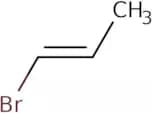
CAS:<p>Versatile small molecule scaffold</p>Formula:C6H8N2OPurezza:Min. 95%Peso molecolare:124.14 g/moltrans-1-Bromo-1-propene - stablised with Copper
CAS:<p>Trans-1-bromo-1-propene is a compound that has been stabilized by copper. It is used in the synthesis of quinoline derivatives and alkanoic acids. Trans-1-bromo-1-propene is an antimicrobial agent, which kills bacteria by interfering with the fatty acid synthesis. This substance also has antioxidant properties.</p>Formula:C3H5BrPurezza:95%NmrColore e forma:Clear LiquidPeso molecolare:120.98 g/mol2-Pyridineboronic acid
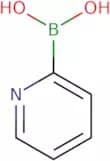
CAS:<p>2-Pyridineboronic acid is a chemical compound that belongs to the group of quinoline derivatives. It is used in pharmaceutical preparations, including as an intermediate for the synthesis of other compounds. 2-Pyridineboronic acid has been shown to have antiproliferative effects on cancer cells and has been found to be active against nicotinic acetylcholine receptors (NAR). The compound also inhibits lipid kinase activity, which is involved in the production of phosphatidylcholine and phosphatidylethanolamine from phosphatidylserine. 2-Pyridineboronic acid can react with hydrochloric acid and electrochemical impedance spectroscopy to produce a solution that has a detection time of about 10 minutes.</p>Formula:C5H6BNO2Purezza:Min. 95%Peso molecolare:122.92 g/molPiperazine-2-carboxylic acid dihydrochloride
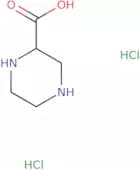
CAS:<p>Piperazine-2-carboxylic acid dihydrochloride (PZC) is an aminopyrimidine antibiotic that binds to the amine groups of plasma proteins and hydroxyapatite. It has been shown to have a specific interaction with Gram-negative bacteria, such as Escherichia coli and Salmonella typhimurium, as well as cancer cells. PZC can be used as a modifier in the treatment of staphylococcal infections and has been shown to inhibit protein synthesis in mammalian cells. PZC interacts with histidine residues on the surface of bacterial cells and inhibits their growth by binding to sites on DNA called triplexes. This drug also specifically binds to primary amines and reacts with other molecules containing amines such as polyamines, amides, or thiols.</p>Formula:C5H12Cl2N2O2Purezza:Min. 95%Colore e forma:PowderPeso molecolare:203.07 g/molMethyl 3-bromobenzoate
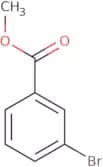
CAS:<p>Methyl 3-bromobenzoate is a cross-coupled compound with three functional groups: a methyl group, an acid bromo group, and a carboxylic acid benzoic ester. It is used in the synthesis of antigens that are chemically reactive to trifluoroacetic acid gas. The clinical studies have shown that the efficiency of this study is low because it has been found to be difficult to synthesize methyl 3-bromobenzoate in large quantities. This molecule can be prepared by the reaction of vinylene with an electrophile in non-polar solvents or by catalytic mechanisms.</p>Formula:C8H7BrO2Purezza:Min. 95%Colore e forma:White PowderPeso molecolare:215.04 g/mol6-Maleimidocaproic acid N-hydroxysuccinimide ester
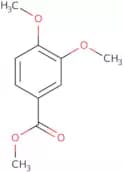
CAS:<p>6-Maleimidocaproic acid N-hydroxysuccinimide ester (6MCA-NHS) is a fluorescent probe that reacts with the hydroxyl group of fatty acids in human serum and other biological samples. 6MCA-NHS binds to the carboxylic acid group at the end of a fatty acid molecule, forming a covalent bond. This process generates light emission that can be detected by a fluorescence probe to measure changes in pH or other chemical properties within the solution. 6MCA-NHS has been used as a tumor treatment, where laser ablation is used to break up tumor cells and release 6MCA-NHS into the cytoplasm. The drug can then bind to DNA molecules and inhibit protein synthesis, which results in cell death.</p>Formula:C14H16N2O6Purezza:Min. 95%Colore e forma:White Off-White PowderPeso molecolare:308.29 g/molMethyl 3,4-dimethoxybenzoate
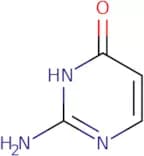
CAS:<p>Methyl 3,4-dimethoxybenzoate is an acetate extract that has been shown to inhibit tyrosinase activity. This compound also has a potent inhibitory effect on the production of p-hydroxybenzoic acid. Methyl 3,4-dimethoxybenzoate can be synthesized from protocatechuic acid and methoxy groups. It is a chemical reaction involving three steps: condensation, dehydration, and reduction. Tyrosinase is an enzyme in the melanin biosynthetic pathway that catalyzes the conversion of tyrosine to dopaquinone. Tyrosinase activity can be inhibited by methyl 3,4-dimethoxybenzoate through competitive inhibition or by its ability to reduce the availability of substrate for this enzyme.</p>Formula:C10H12O4Purezza:Min. 95%Colore e forma:PowderPeso molecolare:196.2 g/molIsocytosine
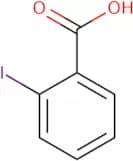
CAS:<p>Isocytosine is a prodrug that has been synthesized with the intramolecular hydrogen on the nitrogen atoms, which makes it more chemically stable. Isocytosine is a reactive molecule, and can react with tautomers to form isocytosine derivatives. Isocytosine contains three hydrogen atoms that are transferable through reactions to other molecules. The chemical stability of isocytosine allows for its use in wastewater treatment. It also has metabolic effects, such as the inhibition of colorectal adenocarcinoma and metabolic disorders. Isocytosine can be used as a model system for studying transfer reactions and reaction mechanisms.</p>Formula:C4H5N3OPurezza:Min. 95%Colore e forma:PowderPeso molecolare:111.1 g/mol2-Iodobenzoic acid
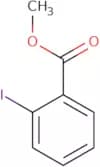
CAS:<p>2-Iodobenzoic acid is a synthetic compound that is used in the treatment of wastewater. It is produced by the reaction of benzoate and nitrite in the presence of sodium hydroxide. The intramolecular hydrogen atom transfer from the 2-iodobenzoic acid to benzoate is a reversible reaction. This process can be catalyzed by palladium, which has been shown to be effective in coupling 2-iodobenzoic acid with other compounds to produce cyclic peptides. The use of 2-iodobenzoic acid as a contraceptive has been investigated for its ability to inhibit acetylcholinesterase activity, which may lead to increased levels of acetylcholine and inhibition of muscle contractions.</p>Formula:C7H5IO2Purezza:Min. 98 Area-%Colore e forma:PowderPeso molecolare:248.02 g/mol2-Iodobenzoic acid methyl ester
CAS:<p>2-Iodobenzoic acid methyl ester is a palladium complex that can be used as a catalyst for the hydrolysis of ketoesters, imines, and halides. The reaction mechanism involves the coordination of the metal center to the carboxylate or amine group on the substrate, followed by a nucleophilic attack at the benzoate or chloride group. The resulting product is an alkyl halide. 2-Iodobenzoic acid methyl ester has been shown to catalyze the cross-coupling of diphenyl ethers with various amines in water and in organic solvents.</p>Formula:C8H7IO2Purezza:Min. 95%Colore e forma:Clear LiquidPeso molecolare:262.04 g/molDiethyl Acetylphosphonate
CAS:<p>Diethyl Acetylphosphonate is a synthetic chemical that is used in the production of ethyl esters, which are used as intermediates for the production of epoxides. It has shown to be a bidentate ligand and reacts with primary amines. Diethyl Acetylphosphonate can be made by reacting phosphorus pentachloride with ethyl acetate and hydrochloric acid. The reaction mechanism is similar to that of other organophosphorus compounds, in which a phosphine oxide intermediate reacts with an organic halide. Diethyl Acetylphosphonate has shown to be effective in detergent compositions and triethyl orthoformate, as well as alkanoic acid.</p>Formula:C6H13O4PPurezza:Min. 95%Peso molecolare:180.14 g/molPotassium (1-(tert-butoxycarbonyl)piperidin-4-yl)trifluoroborate
CAS:<p>Versatile small molecule scaffold</p>Formula:C10H18BF3KNO2Purezza:Min. 95%Peso molecolare:291.16 g/mol3-Amino-2,2-difluoropropan-1-ol
CAS:<p>Versatile small molecule scaffold</p>Formula:C3H7F2NOPurezza:Min. 95%Peso molecolare:111.09 g/mol
![(2S)-3-(3,4-dihydroxyphenyl)-2-{[(9H-fluoren-9-ylmethoxy)carbonyl]amino}propanoic acid](/_next/image/?url=https%3A%2Fstatic.cymitquimica.com%2Fproducts%2F3D%2Fthumb-webp%2FMFA01893.webp&w=3840&q=75)

![Spiro[3.3]heptane-2,6-dicarboxylic acid, 2,6-dimethyl ester](/_next/image/?url=https%3A%2Fstatic.cymitquimica.com%2Fproducts%2F3D%2Fthumb-webp%2FMBA94279.webp&w=3840&q=75)





![[(Trimethylsilyl)ethynyl]boronic acid, pinacol ester](/_next/image/?url=https%3A%2Fstatic.cymitquimica.com%2Fproducts%2F3D%2Fthumb-webp%2FJGA08746.webp&w=3840&q=75)
![8-chloro-3H,4H-pyrido[3,4-d]pyrimidin-4-one](/_next/image/?url=https%3A%2Fstatic.cymitquimica.com%2Fproducts%2F3D%2Fthumb-webp%2FJDA34113.webp&w=3840&q=75)










![tert-Butyl 6-amino-3-azabicyclo[3.1.0]hexane-3-carboxylate](/_next/image/?url=https%3A%2Fstatic.cymitquimica.com%2Fproducts%2F3D%2Fthumb-webp%2FFM161190.webp&w=3840&q=75)


![(1R,4R)-2-Oxa-5-azabicyclo[2.2.1]heptane hydrochloride](/_next/image/?url=https%3A%2Fstatic.cymitquimica.com%2Fproducts%2F3D%2Fthumb-webp%2FBZA51579.webp&w=3840&q=75)


![(2,3-Dihydrobenzo[b][1,4]dioxin-5-yl)boronic acid](/_next/image/?url=https%3A%2Fstatic.cymitquimica.com%2Fproducts%2F3D%2Fthumb-webp%2FZUA76988.webp&w=3840&q=75)


![tert-Butyl 4-hydroxy-1-oxa-7-azaspiro[4.4]nonane-7-carboxylate](/_next/image/?url=https%3A%2Fstatic.cymitquimica.com%2Fproducts%2F3D%2Fthumb-webp%2FXXC50503.webp&w=3840&q=75)




![cis-6-Boc-octahydropyrrolo[3,4-b]morpholine](/_next/image/?url=https%3A%2Fstatic.cymitquimica.com%2Fproducts%2F3D%2Fthumb-webp%2FNFA02702.webp&w=3840&q=75)

![ethyl 6-benzyl-2-oxa-6-azaspiro[3.4]octane-8-carboxylate](/_next/image/?url=https%3A%2Fstatic.cymitquimica.com%2Fproducts%2F3D%2Fthumb-webp%2FLBC69289.webp&w=3840&q=75)


![1H-[1,2,3]Triazolo[4,5-d]pyrimidin-5-amine](/_next/image/?url=https%3A%2Fstatic.cymitquimica.com%2Fproducts%2F3D%2Fthumb-webp%2FKAA17984.webp&w=3840&q=75)