Building Blocks
Questa sezione contiene prodotti fondamentali per la sintesi di composti organici e biologici. Building blocks sono i materiali di partenza essenziali utilizzati per costruire molecole complesse attraverso varie reazioni chimiche. Svolgono un ruolo critico nella scoperta di farmaci, nella scienza dei materiali e nella ricerca chimica. Presso CymitQuimica, offriamo una gamma diversificata di building blocks di alta qualità per supportare le tue ricerche innovative e progetti industriali, assicurandoti di avere i componenti essenziali per una sintesi di successo.
Sottocategorie di "Building Blocks"
- Acidi boronici e derivati dell'acido boronico(5.778 prodotti)
- Building Blocks Chirali(1.243 prodotti)
- Building Blocks Idrocarburici(6.098 prodotti)
- Building Blocks organici(61.057 prodotti)
Trovati 200710 prodotti di "Building Blocks"
Ordinare per
Purezza (%)
0
100
|
0
|
50
|
90
|
95
|
100
tert-Butyl 3-amino-5-methyl-1H-pyrazole-1-carboxylate
CAS:Versatile small molecule scaffoldFormula:C9H15N3O2Purezza:Min. 95%Peso molecolare:197.23 g/mol1-Methanesulfonyl-1H-pyrazol-4-amine
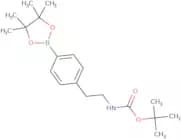
CAS:<p>Versatile small molecule scaffold</p>Formula:C4H7N3O2SPurezza:Min. 95%Peso molecolare:161.19 g/moltert-butyl 4-(4,4,5,5-tetramethyl-1,3,2-dioxaborolan-2-yl)phenethylcarbamate
CAS:<p>Versatile small molecule scaffold</p>Formula:C19H30BNO4Purezza:Min. 95%Peso molecolare:347.26 g/mol(e)-(2-(1-(tert-butoxycarbonyl)piperidin-4-yl)vinyl)boronic acid pinacol ester
CAS:<p>Versatile small molecule scaffold</p>Formula:C18H32BNO4Purezza:Min. 95%Peso molecolare:337.27 g/mol2,4,6-Trichloronicotinaldehyde
CAS:<p>Versatile small molecule scaffold</p>Formula:C6H2Cl3NOPurezza:Min. 95%Peso molecolare:210.45 g/mol6-fluoroquinoline-8-carboxylicacid
CAS:<p>Versatile small molecule scaffold</p>Formula:C10H6FNO2Purezza:Min. 95%Peso molecolare:191.16 g/mol5-Bromo-1-methyl-1H-pyrazole-4-carboxylic acid
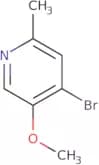
CAS:Versatile small molecule scaffoldFormula:C5H5BrN2O2Purezza:Min. 95%Peso molecolare:205.01 g/mol4-Bromo-5-methoxy-2-methylpyridine
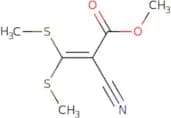
CAS:Versatile small molecule scaffoldFormula:C7H8BrNOPurezza:Min. 95%Peso molecolare:202.05 g/molMethyl 3,3-bis(methylthio)-2-cyanoacrylate
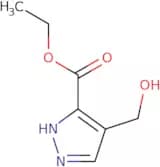
CAS:Methyl 3,3-bis(methylthio)-2-cyanoacrylate is a diphenyl ether that is used as a bactericide. It has been shown to be effective against both Gram-positive and Gram-negative bacteria. Methyl 3,3-bis(methylthio)-2-cyanoacrylate is synthesized by the reaction of malonate with dimethylamine chloride in the presence of hydrochloric acid salt in order to produce chloride ions. The reaction is then heated, which causes the methyl 3,3-bis(methylthio)-2-cyanoacrylate to form. This compound is soluble in organic solvents such as formic acid and can be purified by recrystallization or by distillation.Formula:C7H9NO2S2Purezza:Min. 95%Peso molecolare:203.28 g/molEthyl 4-(hydroxymethyl)-1H-pyrazole-3-carboxylate
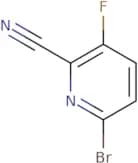
CAS:Versatile small molecule scaffoldFormula:C7H10N2O3Purezza:Min. 95%Peso molecolare:170.17 g/mol6-Bromo-3-fluoropyridine-2-carbonitrile
CAS:<p>Versatile small molecule scaffold</p>Formula:C6H2N2FBrPurezza:Min. 95%Peso molecolare:200.99 g/mol2-Bromo-4-(4-fluorophenyl)-1,3-thiazole
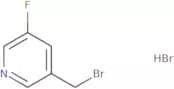
CAS:Versatile small molecule scaffoldFormula:C9H5NFSBrPurezza:Min. 95%Peso molecolare:258.11 g/mol3-(bromomethyl)-5-fluoropyridine hbr
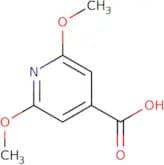
CAS:<p>Versatile small molecule scaffold</p>Formula:C6H6Br2FNPurezza:Min. 95%Peso molecolare:270.93 g/mol2,6-Dimethoxyisonicotinic acid
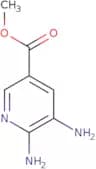
CAS:<p>2,6-Dimethoxyisonicotinic acid is a cytotoxic agent that is structurally related to colchicine and combretastatin A-4. It has been shown to induce apoptosis in cancer cells by inhibiting the polymerization of tubulin. This drug also inhibits the proliferation of cancer cells by binding to DNA and disrupting the synthesis of proteins necessary for cell division. The inhibitory effect on protein synthesis may be due to its ability to inhibit the activity of RNA polymerase II and III, which are essential for transcription. 2,6-Dimethoxyisonicotinic acid also induces an anticancer effect through its ability to bind to phenolic moieties and inhibit the growth of cancer cells.</p>Formula:C8H9NO4Purezza:Min. 95%Peso molecolare:183.16 g/molMethyl 5,6-diaminopyridine-3-carboxylate
CAS:Versatile small molecule scaffoldFormula:C7H9N3O2Purezza:Min. 95%Peso molecolare:167.17 g/mol3-(3'-Trifluoromethylphenyl)propanol
CAS:3-(3'-Trifluoromethylphenyl)propanol is a trifluoroacetic acid derivative that is used in acylation reactions to form esters. It can be obtained by the reaction of aluminium chloride, isopropyl alcohol, and phosphine with 3-trifluoromethylaniline. Impurities may include chloride and zirconium. The trifluoromethyl group on this molecule can react with the carbonyl group of an organic acid to form a trifluoroacetate ester.Purezza:Min. 95%1,1',1''-(1,3,5-Triazinane-1,3,5-triyl)tris(2-bromoethan-1-one)
CAS:<p>Please enquire for more information about 1,1',1''-(1,3,5-Triazinane-1,3,5-triyl)tris(2-bromoethan-1-one) including the price, delivery time and more detailed product information at the technical inquiry form on this page</p>Formula:C9H12Br3N3O3Purezza:Min. 95%Colore e forma:PowderPeso molecolare:449.82 g/mol1-Boc-3-Oxo-1,4-diazepane
CAS:<p>Versatile small molecule scaffold</p>Formula:C10H18N2O3Purezza:Min. 95%Peso molecolare:214.27 g/molDL-Tropic acid
CAS:Please enquire for more information about DL-Tropic acid including the price, delivery time and more detailed product information at the technical inquiry form on this pageFormula:C9H10O3Purezza:Min. 95%Peso molecolare:166.17 g/mol2-{[2-(2,6-Dioxopiperidin-3-yl)-1-oxo-2,3-dihydro-1H-isoindol-4-yl]oxy}acetic acid
CAS:<p>Versatile small molecule scaffold</p>Formula:C15H14N2O6Purezza:Min. 95%Peso molecolare:318.28 g/molAdamantane
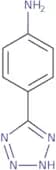
CAS:<p>Adamantane is a potent antiviral drug for the treatment of influenza. It is an oxidation catalyst that also has biological properties, such as a potent antitumor activity and potent antiviral resistance. Adamantane has been used to treat many human pathogens, including viruses, fungi and bacteria. Adamantane is a skeleton-like structure with four carbons and six hydrogen atoms that can be oxidized to adamantane oxide or reduced to adamantane alcohol. The adamantane molecule binds to the viral protein at a site called the toll-like receptor. This binding prevents viral replication by inhibiting mRNA synthesis in the virus.</p>Formula:C10H16Purezza:Min. 95%Colore e forma:White Off-White PowderPeso molecolare:136.23 g/mol4-(1H-Tetrazol-5-yl)aniline
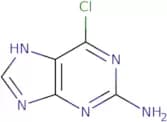
CAS:<p>Please enquire for more information about 4-(1H-Tetrazol-5-yl)aniline including the price, delivery time and more detailed product information at the technical inquiry form on this page</p>Formula:C7H7N5Purezza:Min. 95%Peso molecolare:161.16 g/mol2-Amino-6-chloropurine
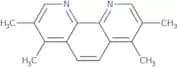
CAS:<p>2-Amino-6-chloropurine is a nucleophilic substituent that is used in the synthesis of 2-amino-6-chloropurine. It reacts with hydroxyl groups to form a palladium-catalyzed coupling reaction solution, which is then treated with hydrochloric acid and trifluoroacetic acid. The product is purified by crystallization and recrystallization. This compound has potent antitumor activity against carcinoma cell lines, but it has not been shown to have any effect against Mycobacterium tuberculosis.</p>Formula:C5H4ClN5Purezza:Min. 95%Colore e forma:Off-White PowderPeso molecolare:169.57 g/mol3,4,7,8-Tetramethyl-1,10-phenanthroline
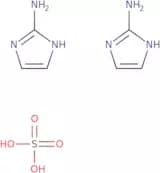
CAS:<p>Metal-chelating agent</p>Formula:C16H16N2Purezza:Min. 98 Area-%Colore e forma:White PowderPeso molecolare:236.31 g/mol2-Aminoimidazole sulfate
CAS:<p>2-Aminoimidazole sulfate is a chemical compound that is used as a transfection reagent. It has been shown to have high transfection efficiency with low cytotoxicity. The diameter of the molecule is in the range of 2 - 3 nm, which allows it to be taken up by cells and thus be active in them. This chemical can be dehydrogenated to form imidazole-2-sulfonic acid, which may interact with other molecules. There have been many advances in this area, including modifications and gaseous forms of the molecule. Research into the interactions of this compound with other chemicals and their effects on cellular uptake are ongoing.</p>Formula:C3H5N3•(H2O4S)0Purezza:Min. 95%Colore e forma:Off-White PowderPeso molecolare:264.26 g/mol8-Quinolinesulfonyl chloride
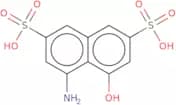
CAS:8-Quinolinesulfonyl chloride (8QSC) is a quinoline derivative that has been shown to have anticancer activity. 8QSC binds to the receptor site of cells and inhibits the production of amines, which are important for cell growth and proliferation. It also binds to hydrogen bonds, which may be involved in the cytotoxicity observed in pancreatic cancer cells. 8QSC shows significant cytotoxicity against Panc-1 cells, but not against NIH 3T3 cells. This may be due to its ability to form supramolecular aggregates with copper ions and quinoline derivatives.Purezza:Min. 95%4-Amino-5-hydroxy-2,7-naphthalenedisulfonic acid
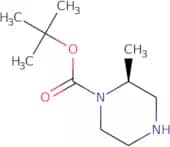
CAS:4-Amino-5-hydroxy-2,7-naphthalenedisulfonic acid (4-AHNDS) is a hydroxyl group and nitrogen containing molecule. It is a reactive compound that can be used to extract anions from water. 4-AHNDS has been shown to react with sodium ions in the presence of water, forming a salt that is soluble in water. This chemical also reacts with organic molecules and forms stable complexes. The reaction mechanism of 4-AHNDS has been studied by kinetic analysis and surface methodology measurements.Formula:C10H9NO7S2Purezza:Min. 95%Colore e forma:PowderPeso molecolare:319.31 g/mol(S)-1-N-Boc-2-methylpiperazine
CAS:(S)-1-N-Boc-2-methylpiperazine is a quinolone synthon that has been shown to have antibacterial activity against bacteria. The synthesis of this compound is done through the condensation of piperazine with an N-Boc protected 2,6-dichloroquinoline. This reaction proceeds in good yield and enantioselectivity. The antibacterial properties of (S)-1-N-Boc-2-methylpiperazine are not yet known.Formula:C10H20N2O2Purezza:Min. 95%Colore e forma:White PowderPeso molecolare:200.28 g/mol1-Methyl-1,2,4-triazole
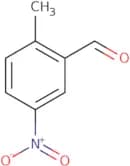
CAS:1-Methyl-1,2,4-triazole is a molecule containing nitrogen atoms. It can be used as a monomer in the preparation of polymers or materials. 1-Methyl-1,2,4-triazole has been shown to be effective for the equilibration of mixtures of organic compounds in analytical methods and matrix effect studies. The reaction vessel must be unsymmetrical to prevent the polymer from sticking to it and causing potential problems with the separation process.Formula:C3H5N3Purezza:Min. 98%Colore e forma:Clear LiquidPeso molecolare:83.09 g/mol2-Methyl-5-nitrobenzaldehyde
CAS:<p>2-Methyl-5-nitrobenzaldehyde is a nitro compound that is used in the synthesis of dobutamine. It has been shown to undergo rearrangements, with the formation of 2-methyl-5-nitrophenol. Kinetic studies have shown that chlorine can be substituted for hydrogen at the 2 position, and this substitution leads to an increase in reactivity. 2-methyl-5-nitrobenzaldehyde also reacts with dopamine to form a ketone. The hydroxy group on this molecule is nucleophilic and can attack electrophiles, making it useful as an active site for synthetic reactions. This compound is also pyrophoric, which means it will spontaneously ignite in air and burn until all its fuel is consumed.</p>Formula:C8H7NO3Purezza:Min. 95%Colore e forma:Off-White PowderPeso molecolare:165.15 g/molMethanesulfonato(diadamantyl-n-butylphosphino)-2'-amino-1,1'-biphenyl-2-yl)palladium(II) dichloromethane adduct
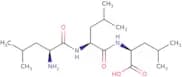
CAS:<p>Please enquire for more information about Methanesulfonato(diadamantyl-n-butylphosphino)-2'-amino-1,1'-biphenyl-2-yl)palladium(II) dichloromethane adduct including the price, delivery time and more detailed product information at the technical inquiry form on this page</p>Formula:C37H52NO3PPdSPurezza:Min. 95%Peso molecolare:728.27 g/molLeu-Leu-Leu-OH
CAS:<p>Leu-Leu-Leu-OH is a pentapeptide that is used in cancer treatment to inhibit the growth of cancer cells. It prevents the production of proteins and, as a result, cell division. Leu-Leu-Leu-OH has been shown to be effective against tumor cells with an antibody that binds to the surface of cells. The monoclonal antibody is taken up by the cancer cells through receptor mediated endocytosis, which leads to inhibition of protein synthesis and cell death.</p>Formula:C18H35N3O4Purezza:Min. 95%Colore e forma:White PowderPeso molecolare:357.49 g/molN-alpha-Z-L-lysine methyl ester hydrochloride
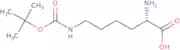
CAS:<p>N-alpha-Z-L-lysine methyl ester hydrochloride is a preparation that is used as a methyl ester. It is an ester of lysine and methyl chloride. This product has a molecular weight of 170.16 g/mol and the chemical formula CH3CONHCH2CH(NH)CO2CH3. The structural data has not been confirmed by X-ray crystallography, but it can be assumed to be in the form of a zwitterion. N-alpha-Z-L-lysine methyl ester hydrochloride can be used for the synthesis of peptides, which are building blocks for proteins and enzymes. N-alpha-Z-L-lysine methyl ester hydrochloride is also used in the production of certain kinds of drugs and organic acids such as acetylsalicylic acid (aspirin).</p>Formula:C15H22N2O4·HClPurezza:Min. 95%Peso molecolare:330.81 g/molH-Lys(Boc)-OH
CAS:H-Lys(Boc)-OH is an ε-amino-protected lysine that plays a pivotal role in solution phase peptide synthesis. Strategically protected at the ε-amino group, it allows controlled peptide assembly, and it serves as intermediate for synthesizing β-peptides. The bulky Boc (tert-butyloxycarbonyl) group shields its epsilon amine (NH2) group, acting as a protective measure to prevent unwanted side reactions.Formula:C11H22N2O4Colore e forma:White PowderPeso molecolare:246.3 g/mol2-(4-Methoxyphenyl)ethyl bromide
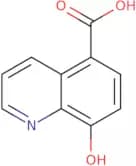
CAS:2-(4-Methoxyphenyl)ethyl bromide is an adenosine receptor antagonist that can be used in cancer treatment. It has been shown to inhibit the growth of cancer cells by blocking the binding of adenosine to its receptors and inhibiting phosphodiesterase, which is an enzyme that breaks down the key cellular messenger, cyclic AMP (cAMP). 2-(4-Methoxyphenyl)ethyl bromide also inhibits the production of aphanorphine, a morphine analogue that has been shown to stimulate endoplasmic reticulum stress and apoptosis in cancer cells. This compound has been synthesised and tested on animal models with promising results.Formula:C9H11BrOPurezza:Min. 95%Peso molecolare:215.09 g/molJMJD2 Inhibitor, 5-carboxy-8HQ
CAS:<p>JMJD2 is an enzyme that catalyzes the methylation of histone H3 at lysine 27. JMJD2 inhibitors are compounds that inhibit JMJD2 activity, which may be used to treat cancer. This class of drugs inhibits the activity of JMJD2 by binding to the active site and blocking the substrate from entering. The most potent compound in this class, 5-carboxy-8HQ, has been shown to have antibacterial efficacy in a squamous cell carcinoma model system and up-regulated expression in wild-type cells. Additionally, this compound has been shown to significantly inhibit tumor growth in a mouse model of atherosclerotic lesion.</p>Formula:C10H7NO3Purezza:Min. 95%Peso molecolare:189.17 g/mol(S)-Laudanosine
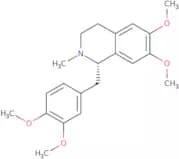
CAS:<p>Laudanosine is a gamma-aminobutyric acid (GABA) analog that is metabolized by the liver to form laudanosine. Laudanosine has been shown to be a competitive antagonist of benzodiazepine binding sites, including those of atracurium, mivacurium chloride, and diazepam. Laudanosine has also been shown to inhibit cyclic nucleotide phosphodiesterases in vitro, with clinical relevance for its use as an anti-epileptic drug.</p>Formula:C21H27NO4Purezza:Min. 95%Peso molecolare:357.44 g/mol2,3-Dihydro-1H-pyrrolo[3,2-c]pyridine hydrochloride
CAS:Versatile small molecule scaffoldFormula:C7H8N2·HClPurezza:Min. 95%Peso molecolare:156.62 g/mol2-Bromo-5-hydroxypyridine
CAS:2-Bromo-5-hydroxypyridine is an aromatic compound that is used in the synthesis of a variety of pharmaceuticals and other organic compounds. It can be synthesized by the Suzuki coupling reaction from 2-bromobenzaldehyde and 5-aminopyridine. 2-Bromo-5-hydroxypyridine has been shown to be a hepatotoxin in humans, with possible carcinogenic activity. It also has cholinergic properties, as well as being able to cause fluorescence when exposed to halogens. The carbon next to the hydroxyl group is a stereocenter, so there are two different configurations for this molecule. The configuration shown above (R) is the more stable form of this molecule due to its electron withdrawing power on the neighboring oxygen atom.Formula:C5H4BrNOPurezza:Min. 95%Colore e forma:White PowderPeso molecolare:174 g/molMethyl 6-oxospiro[3.3]heptane-2-carboxylate
CAS:Versatile small molecule scaffoldFormula:C9H12O3Purezza:Min. 95%Peso molecolare:168.19 g/mol6-Bromo-4-hydroxypyrazolo[1,5-a]pyridine-3-carbonitrile
CAS:<p>Please enquire for more information about 6-Bromo-4-hydroxypyrazolo[1,5-a]pyridine-3-carbonitrile including the price, delivery time and more detailed product information at the technical inquiry form on this page</p>Formula:C8H4BrN3OPurezza:Min. 95%Peso molecolare:238.04 g/mol3-Bromobenzaldehyde
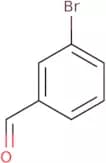
CAS:<p>3-Bromobenzaldehyde is an organic compound with the formula CHBrCHO. It is a colorless liquid that is soluble in many organic solvents. 3-Bromobenzaldehyde can be synthesized by the reaction of ethyl acetoacetate and anhydrous sodium in methanol, and can be purified by distillation or recrystallization from ethanol. This compound has been used as a solvent for analytical methods, such as GC-MS analysis, due to its high boiling point and low volatility. 3-Bromobenzaldehyde also reacts with hydrogen chloride to form benzoyl chloride, which can then be reacted with alcohols to produce esters. 3-Bromobenzaldehyde has been shown to react with chalcones to form optical active compounds, such as curcumin analogues. These reactions are typically carried out in solution using acetic acid or sulfuric acid as a catalyst.br>br></p>Formula:C7H5BrOPurezza:Min. 95%Peso molecolare:185.02 g/molIsocytosine
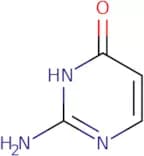
CAS:<p>Isocytosine is a prodrug that has been synthesized with the intramolecular hydrogen on the nitrogen atoms, which makes it more chemically stable. Isocytosine is a reactive molecule, and can react with tautomers to form isocytosine derivatives. Isocytosine contains three hydrogen atoms that are transferable through reactions to other molecules. The chemical stability of isocytosine allows for its use in wastewater treatment. It also has metabolic effects, such as the inhibition of colorectal adenocarcinoma and metabolic disorders. Isocytosine can be used as a model system for studying transfer reactions and reaction mechanisms.</p>Formula:C4H5N3OPurezza:Min. 95%Colore e forma:PowderPeso molecolare:111.1 g/mol8-Boc-3,8-diaza-bicyclo[3.2.1]octane
CAS:8-Boc-3,8-diaza-bicyclo[3.2.1]octane is a functional group that can be used in the preparation of pharmaceutical preparations. It is insoluble in water and soluble in organic solvents. This compound has been shown to be effective in the treatment of neurodegenerative diseases such as Alzheimer's disease and Parkinson's disease. 8-Boc-3,8-diaza-bicyclo[3.2.1]octane has also been shown to have protective effects against sae-cd induced cytotoxicity by upregulating the expression of antiapoptotic proteins Bcl2 and Bclxl, which are important for neuronal cell survival.Formula:C11H20N2O2Purezza:Min. 95%Peso molecolare:212.29 g/mol4-[1-(tert-Butoxy)-2-methyl-1-oxopropan-2-yl]benzoic acid
CAS:<p>Versatile small molecule scaffold</p>Formula:C15H20O4Purezza:Min. 95%Peso molecolare:264.32 g/molBoc-Tyr(tBu)-OH
CAS:Boc-Tyr(tBu)-OH is a chemical compound that is part of the class of lactams. It has been shown to have antitumor activity in vitro and in vivo, but it has not yet been tested for its cytotoxicity. This compound is synthesized by solid-phase synthesis and contains a disulfide bond, which may contribute to its cytotoxicity. Boc-Tyr(tBu)-OH has also been shown to have high affinity for the alpha 2A adrenergic receptor subtype and other receptors with an isosteric carbonyl group.Formula:C18H27NO5Purezza:Min. 95%Colore e forma:PowderPeso molecolare:337.41 g/mol2-Benzyloxyethanol
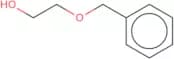
CAS:<p>Please enquire for more information about 2-Benzyloxyethanol including the price, delivery time and more detailed product information at the technical inquiry form on this page</p>Formula:C9H12O2Purezza:Min. 95%Colore e forma:Colorless Clear LiquidPeso molecolare:152.19 g/mol(1S,4S)-tert-Butyl 2,5-diazabicyclo[2.2.1]heptane-2-carboxylate
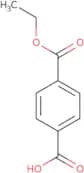
CAS:Please enquire for more information about (1S,4S)-tert-Butyl 2,5-diazabicyclo[2.2.1]heptane-2-carboxylate including the price, delivery time and more detailed product information at the technical inquiry form on this pagePurezza:Min. 95%1,4-Benzenedicarboxylic acid, monoethyl ester
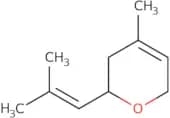
CAS:<p>1,4-Benzenedicarboxylic acid, monoethyl ester (1,4-BDE) is a monomer that is used in the manufacture of polycarbonates and other plastics. 1,4-BDE is also used as a solvent for xylene and butanol. It has been shown to be useful in the production of polyester fibers. The monomer can be synthesized by reacting ethylene with terephthalic acid or dimethyl terephthalate (DMT). This reaction produces 1,4-BDE and methanol as byproducts. The process is carried out at temperatures of 250 °C to 300 °C and under atmospheric pressure. The purified product can be isolated using distillation or extraction with organic solvents such as benzene or butanol. The reaction can be carried out in the presence of ruthenium, which acts as a catalyst.</p>Formula:C10H10O4Purezza:Min. 95%Colore e forma:White PowderPeso molecolare:194.18 g/molNerol oxide
CAS:<p>Nerol oxide is a natural compound and fragrance ingredient that has been shown to have anti-aging effects. Nerol oxide is an ester of citronellal, nerolic acid and ethyl decanoate. It is found naturally in orange blossoms and other citrus plants, as well as in lavender oil. Nerol oxide can be extracted from the plant material using solid phase microextraction. The chemical analyses of this extract reveal the presence of various fatty acids, including ethyl esters, fatty acids and their corresponding alcohols. These compounds are used to produce nerol oxide by polymerization with an initiator such as potassium hydroxide or sodium hydroxide at a neutral pH.</p>Formula:C10H16OPurezza:Min. 95%Peso molecolare:152.23 g/mol3-(p-tolyl)propiolic acid
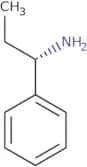
CAS:<p>3-(p-tolyl)propiolic acid is a functional group that is used in organic chemistry. It is an alkynoic acid with a terminal triple bond. The compound can be synthesized by the reaction of propiolic acid with an alkyne, followed by oxidation. The 3-(p-tolyl)propiolic acid can be used as a surrogate for other functional groups in organic synthesis, and it has been shown to react as an oxidant in biomolecular systems.</p>Formula:C10H8O2Purezza:Min. 95%Peso molecolare:160.17 g/mol(S)-(-)-1-Phenylpropylamine
CAS:<p>(S)-(-)-1-Phenylpropylamine is a compound that can be synthesized by the asymmetric synthesis of 1-phenylethylamine. It is an amine that is used in the production of other compounds and has been shown to be reactive with a number of different compounds. The chemical profile of (S)-(-)-1-Phenylpropylamine consists mainly of aldehydes, amides, amines, and alkylating agents. This chiral molecule can be used for the production of drugs or as a precursor for other chemicals.</p>Formula:C9H13NPurezza:Min. 95%Peso molecolare:135.21 g/mol1-(Oxan-2-yl)-3-phenyl-5-(tetramethyl-1,3,2-dioxaborolan-2-yl)-1H-pyrazole
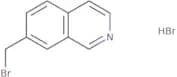
CAS:<p>Versatile small molecule scaffold</p>Formula:C20H27BN2O3Purezza:Min. 95%Peso molecolare:354.3 g/mol7-(Bromomethyl)isoquinoline hydrobromide
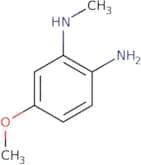
CAS:Versatile small molecule scaffoldFormula:C10H8BrN·HBrPurezza:Min. 95%Peso molecolare:303 g/mol5-Methoxy-N1-methylbenzene-1,2-diamine
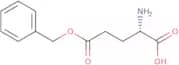
CAS:<p>Versatile small molecule scaffold</p>Formula:C8H12N2OPurezza:Min. 95%Peso molecolare:152.19 g/molL-Glutamic acid 5-benzyl ester
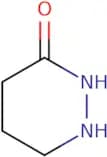
CAS:L-Glutamic acid 5-benzyl ester is an amino acid that has been synthesized to have a lysine residue. It is an ester hydrochloride and has been shown to have broad-spectrum antimicrobial properties. L-glutamic acid 5-benzyl ester's antimicrobial activity is thought to be due to its chemical structure which allows it to act as an antimicrobial peptide, binding to receptors on the surface of bacterial cells and inhibiting their growth. L-glutamic acid 5-benzyl ester also inhibits osteogenic genes in cervical cancer cells, but not in normal cells.Formula:C12H15NO4Purezza:Min. 95%Colore e forma:White Off-White PowderPeso molecolare:237.25 g/mol1,2-Diazinan-3-one
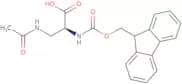
CAS:<p>Please enquire for more information about 1,2-Diazinan-3-one including the price, delivery time and more detailed product information at the technical inquiry form on this page</p>Formula:C4H8N2OPurezza:Min. 95%Peso molecolare:100.12 g/molFmoc-Dap(Ac)-OH
CAS:Fmoc-Dap(Ac)-OH is a fine chemical that is used as a building block in the synthesis of complex compounds. It reacts with various nucleophiles to form an amide bond, and has been shown to be useful for both research and industrial applications. Fmoc-Dap(Ac)-OH can also be used as a reagent to synthesize peptides, which are biologically active compounds that form the basis of many drugs. This versatile intermediate is also used as a scaffold in the construction of more complex molecules. Fmoc-Dap(Ac)-OH has CAS No. 181952-29-4 and is classified as a speciality chemical by the International Union of Pure and Applied Chemistry (IUPAC).Formula:C20H20N2O5Purezza:Min. 95%Colore e forma:PowderPeso molecolare:368.38 g/mol5-Bromo-1,3-oxazole hydrochloride
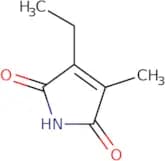
CAS:<p>Versatile small molecule scaffold</p>Formula:C3H3BrClNOPurezza:Min. 95%Peso molecolare:184.42 g/mol3-Ethyl-4-methyl-pyrrole-2,5-dione
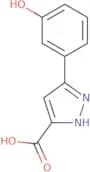
CAS:<p>3-Ethyl-4-methylpyrrole-2,5-dione is a chlorophyll analog. It has been found to be an electron donor in photosystem II of the chlorobium reaction center. The compound was prepared by evaporation of a solution of chlorobenzene and ethyl acetoacetate in carbon tetrachloride with the aid of a vacuum pump. 3-Ethyl-4-methylpyrrole-2,5-dione has also been used as a reagent for the preparation of phycocyanin from Spirulina platensis, which is an important component of blue algae. The compound reacts with phenoxy and furyl groups under acidic conditions to produce carboxylate and calcium carbonate, respectively. Oxidation products are formed in reactions with ethyl group and other organic compounds under alkaline conditions.</p>Formula:C7H9NO2Purezza:Min. 95%Peso molecolare:139.15 g/mol5-(3-Hydroxyphenyl)-1H-pyrazole-3-carboxylic acid
CAS:<p>Versatile small molecule scaffold</p>Formula:C10H8N2O3Purezza:Min. 95%Peso molecolare:204.18 g/mol(1R,5S,6r)-rel-3-Oxabicyclo[3.1.0]hexane-6-carboxylic acid
CAS:Versatile small molecule scaffoldFormula:C6H8O3Purezza:Min. 95%Peso molecolare:128.13 g/mol2-Imidazolidone-4-carboxylic acid
CAS:2-Imidazolidone-4-carboxylic acid is a potent inhibitor of matrix metalloproteinases, which are enzymes that break down proteins in the extracellular matrix. 2-Imidazolidone-4-carboxylic acid inhibits the activity of both serine protease and matrix metalloproteinase, two enzymes involved in the inflammation process. 2-Imidazolidone-4-carboxylic acid has been shown to inhibit the transport of amino acids, leading to decreased protein synthesis and cell growth. It also inhibits cancer cells by disrupting their ability to grow new blood vessels and invade other tissues.Formula:C4H6N2O3Purezza:Min. 95%Peso molecolare:130.1 g/mol3-(3-Bromopropyl)thiophene
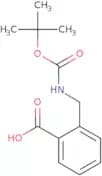
CAS:<p>Versatile small molecule scaffold</p>Formula:C7H9BrSPurezza:Min. 95%Peso molecolare:205.12 g/mol2-(Boc-aminomethyl)benzoic acid
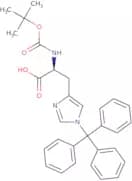
CAS:<p>2-(Boc-aminomethyl)benzoic acid is a versatile building block with a wide range of applications in the field of organic chemistry. It has been shown to be useful as a reagent in the synthesis of complex compounds and fine chemicals, as well as a reaction component for the preparation of pharmaceuticals. 2-(Boc-aminomethyl)benzoic acid can also be used as an intermediate in the synthesis of speciality chemicals such as herbicides, pesticides, and fungicides.</p>Formula:C13H17NO4Purezza:Min. 95%Colore e forma:PowderPeso molecolare:251.28 g/molBoc-His(Trt)-OH
CAS:<p>Boc-His(Trt)-OH is a chemical compound that has been used in the laboratory to study uptake and binding of compounds. It is stable in complex with albumin, which has led to its use as a model system for studying hepatic steatosis. This chemical can be synthesized by solid-phase synthesis with trifluoroacetic acid and polypeptide synthesis. FT-IR spectroscopy has been used to characterize Boc-His(Trt)-OH, revealing its chemical diversity.</p>Formula:C30H31N3O4Purezza:Min. 95%Colore e forma:PowderPeso molecolare:497.58 g/mol3-Bromo-6,7-dihydro-4H-pyrazolo[1,5-a]pyrazine-5-carboxylic acid tert-butyl ester
CAS:<p>Versatile small molecule scaffold</p>Formula:C11H16BrN3O2Purezza:Min. 95%Peso molecolare:302.17 g/mol3-Bromo-4-chloroaniline
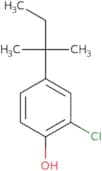
CAS:<p>3-Bromo-4-chloroaniline is a chloroaniline compound. It is synthesized by reacting hexamethylenetetramine with chlorine gas in the presence of formaldehyde and paraformaldehyde. 3-Bromo-4-chloroaniline has been used to produce other compounds, such as trimethylchlorosilane, which is used in the production of silicone rubber. Chloroanilines are toxic chemicals that can be found in the environment and react with formaldehyde to produce carcinogenic substances called halofuginones.</p>Formula:C6H5BrClNPurezza:Min. 95%Peso molecolare:206.47 g/mol2-Chloro-4-(tert-pentyl)phenol
CAS:2-Chloro-4-(tert-pentyl)phenol is an aromatic compound. It has a cyclic, unsaturated alkyl group with a biphenyl and 6-membered heterocycle. This compound also has a haloalkyl group that can be substituted by nitro or benzoxazine groups. 2-Chloro-4-(tert-pentyl)phenol is used as an intermediate in the production of pharmaceuticals, dyes, and pesticides.Formula:C11H15ClOPurezza:Min. 95%Peso molecolare:198.69 g/mol5-Methyl-4-[(pyrrolidin-1-yl)methyl]-1,2-oxazole-3-carboxylic acid hydrochloride
CAS:Versatile small molecule scaffoldFormula:C10H15ClN2O3Purezza:Min. 95%Peso molecolare:246.69 g/mol2-(Prop-2-ynyloxy)acetic acid
CAS:Versatile small molecule scaffoldFormula:C5H6O3Purezza:Min. 95%Peso molecolare:114.1 g/molMethyl 3-oxoisoindoline-5-carboxylate
CAS:Versatile small molecule scaffoldFormula:C10H9NO3Purezza:Min. 95%Peso molecolare:191.18 g/mol3,6-Dichloropicolinonitrile
CAS:<p>3,6-Dichloropicolinonitrile is a peroxide that is used in the synthesis of organic compounds. It is produced by the reaction of sodium carbonate and hydrochloric acid with nitric acid as a catalyst. 3,6-Dichloropicolinonitrile has been shown to be more selective than other oxidizing agents such as hydrogen peroxide and potassium permanganate. The product can then be purified by adding diacetate, which selectively reacts with the chlorine to form acetyl chloride and glycolic acid. The resulting mixture can then be distilled to produce 3,6-dichloropicolinonitrile in high purity. 3,6-Dichloropicolinonitrile can also be used in electrochemical methods for the synthesis of cyanides or biochemically for virulent products such as pesticides and organic solvents.</p>Formula:C6H2Cl2N2Purezza:Min. 95%Peso molecolare:173 g/molDimethyl pyridine-3,4-dicarboxylate
CAS:<p>Dimethyl pyridine-3,4-dicarboxylate is an organic compound that is used as a precursor to make other chemicals. It is a pyridinedicarboxylic acid and it can be synthesized from the reduction of pyridine with sodium borohydride in ethanol. Dimethyl pyridine-3,4-dicarboxylate is also used in the production of acetaldehyde by way of hydrosilylation with chloride and chloroform. This chemical has been found to be useful for the synthesis of various drugs such as antiepileptics, antihistamines, antipsychotics, and antidepressants.</p>Formula:C9H9NO4Purezza:Min. 95%Peso molecolare:195.17 g/mol5-amino-2-chloropyridin-4-ol
CAS:<p>Versatile small molecule scaffold</p>Formula:C5H5ClN2OPurezza:Min. 95%Peso molecolare:144.56 g/mol1,2,3,4-Tetrahydro-1,7-naphthyridine
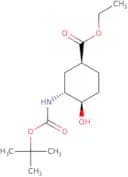
CAS:Versatile small molecule scaffoldFormula:C8H10N2Purezza:Min. 95%Colore e forma:Clear LiquidPeso molecolare:134.18 g/mol(1S,3R,4R)-3-(Boc-amino)-4-hydroxy-cyclohexanecarboxylic acid ethyl ester
CAS:<p>Versatile small molecule scaffold</p>Formula:C14H25NO5Purezza:Min. 95%Peso molecolare:287.35 g/mol5-bromo-3-methoxy-1h-pyrazole
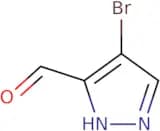
CAS:<p>Versatile small molecule scaffold</p>Formula:C4H5BrN2OPurezza:Min. 95%Peso molecolare:177 g/mol4-bromo-1H-pyrazole-5-carbaldehyde
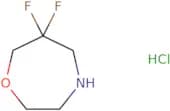
CAS:<p>Versatile small molecule scaffold</p>Formula:C4H3BrN2OPurezza:Min. 95%Peso molecolare:175 g/mol6,6-difluoro-1,4-oxazepane hydrochloride
CAS:Versatile small molecule scaffoldFormula:C5H10ClF2NOPurezza:Min. 95%Peso molecolare:173.6 g/molN-(4-Aminophenyl)-N-methyl-2-(4-methylpiperazin-1-yl)acetamide
CAS:N-(4-Aminophenyl)-N-methyl-2-(4-methylpiperazin-1-yl)acetamide is an environmental and industrial chemical that is used as a formate, benzoate, and methyl benzoate intermediate. It reacts with nitric acid to form N-(4-aminophenyl)-N-methyl-2-(4-nitrophenoxy)acetamide (NPA). NPA has been shown to have antiangiogenic properties. NPA inhibits the proliferation of endothelial cells by interfering with the cell cycle and inducing apoptosis.Formula:C14H22N4OPurezza:Min. 95%Peso molecolare:262.35 g/mol5-{2-Ethoxy-5-[(4-methylpiperazin-1-yl)sulfonyl]phenyl}-1-methyl-3-(2-methylpropyl)-1H,6H,7H-pyrazolo[4,3-d]pyrimidin-7-one
CAS:<p>Tadalafil is a synthetic drug that is used as a treatment for erectile dysfunction. It works by inhibiting the PDE5 enzyme, which is responsible for breaking down cGMP. Tadalafil has been shown to be effective in the treatment of male erectile dysfunction and pulmonary hypertension, with few side effects. This drug is taken orally, with a meal or without one, and can be administered with or without food. To improve absorption, tadalafil should be taken at least 30 minutes before sexual activity. The dosage of tadalafil ranges from 2.5 to 20 mg, and it should not exceed 40 mg per day.</p>Formula:C23H32N6O4SPurezza:Min. 95%Peso molecolare:488.6 g/mol4-(Oxazol-2-yl)aniline
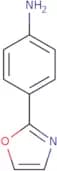
CAS:<p>Versatile small molecule scaffold</p>Formula:C9H8N2OPurezza:Min. 95%Peso molecolare:160.17 g/molMethyl 4-chloropyrimidine-2-carboxylate
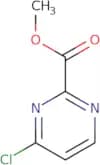
CAS:<p>Versatile small molecule scaffold</p>Formula:C6H5ClN2O2Purezza:Min. 95%Peso molecolare:172.57 g/mol2-Cyano-5-fluorophenol
CAS:<p>2-Cyano-5-fluorophenol is an organic compound that is used as a precursor to medicines and other chemicals. It reacts with calcium hydroxide in water to form 2-cyano-5-hydroxyfluorobenzene, which can be hydrolyzed to form 2-cyano-5-chlorofluorobenzene. This compound can also react with sodium hydroxide to produce sodium cyanate, which can be hydrolyzed to form sodium chloride and hydrogen cyanide gas. The alkali metal ions are needed for this reaction, which is why the product should not be exposed to water or moisture. 2-Cyano-5-fluorophenol has been shown to have liquid crystal properties and is used in the production of certain types of polymers. 2Cyano-5Fluorophenol crystals are also used in some medicines such as acetaminophen (paracetamol).</p>Formula:C7H4FNOPurezza:Min. 95%Peso molecolare:137.11 g/mol3,5-Bis(trifluoromethyl)-1H-pyrazole-4-carboxylic acid
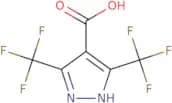
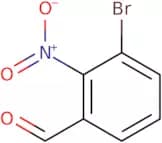
CAS:<p>3,5-Bis(trifluoromethyl)-1H-pyrazole-4-carboxylic acid is a chiral compound that has been shown to be an active building block for coordination frameworks. It is prepared from the reaction of 3,5-bis(trifluoromethyl)-1H-pyrazole with a carboxylic acid and can be used in the synthesis of metalloporphyrins. 3,5-Bis(trifluoromethyl)-1H-pyrazole-4-carboxylic acid has been shown to form stable coordination complexes with ligands such as bidentate or tridentate phosphoramidites and dimethylammonium chloride. This compound undergoes thermal treatment during the preparation process and reacts with various solvents and reagents.</p>Formula:C6H2F6N2O2Purezza:Min. 95%Peso molecolare:248.08 g/mol3-Bromo-2-nitrobenzaldehyde
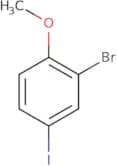
CAS:<p>3-Bromo-2-nitrobenzaldehyde is an organic chemical compound used in the synthesis of other chemical compounds. It is a colorless liquid that can be easily synthesized using potassium permanganate, tetrahydrofuran, acetone and hydrochloric acid. The chemical reaction is carried out by reacting potassium permanganate with hydrochloric acid to form potassium chloride and manganese dioxide. The manganese dioxide then reacts with acetone to produce 3-bromo-2-nitrobenzaldehyde. This synthetic method for producing 3-bromo-2-nitrobenzaldehyde uses less hazardous chemicals than the traditional method.</p>Formula:C7H4BrNO3Purezza:Min. 95%Peso molecolare:230.02 g/mol2-Bromo-4-iodoanisole
CAS:2-Bromo-4-iodoanisole is an electrophilic intermediate that can be synthetically prepared by regioselective halogenations of 4-iodoanisole. It is also a substrate for sequential halogenations with bromine or iodine. The 2-bromo-4-iodoanisole reacts with aluminum to form an aluminate, which can be used as a catalyst in organic synthesis. 2-Bromo-4-iodoanisole has been shown to react with aromatic rings by electrophilically attacking the ring and adding a second bromine atom to the ring, leading to quenching of the molecule and formation of structurally diverse products.Formula:C7H6BrIOPurezza:Min. 95%Peso molecolare:312.93 g/mol2-[3-Chloro-5-(trifluoromethyl)-2-pyridinyl]-acetonitrile
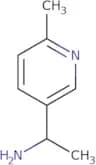
CAS:<p>Versatile small molecule scaffold</p>Formula:C8H4ClF3N2Purezza:Min. 95%Colore e forma:PowderPeso molecolare:220.58 g/mol1-(6-Methylpyridin-3-yl)ethanamine
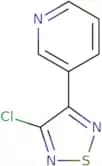
CAS:Versatile small molecule scaffoldFormula:C8H12N2Purezza:Min. 95%Peso molecolare:136.19 g/mol3-Chloro-4-(pyridin-3-yl)-1,2,5-thiadiazole
CAS:Versatile small molecule scaffoldFormula:C7H4ClN3SPurezza:Min. 95%Peso molecolare:197.64 g/mol(R)-2-[(9H-Fluoren-9-ylmethoxycarbonylamino)-methyl]-butyric acid
CAS:Versatile small molecule scaffoldFormula:C20H21NO4Purezza:Min. 95%Colore e forma:PowderPeso molecolare:339.4 g/mol1-(2,4-Difluoro-6-hydroxyphenyl)ethan-1-one
CAS:<p>Versatile small molecule scaffold</p>Formula:C8H6F2O2Purezza:Min. 95%Peso molecolare:172.13 g/mol2-boc-5-oxo-2-azabicyclo[2.2.2]octane
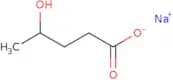
CAS:<p>Versatile small molecule scaffold</p>Formula:C12H19NO3Purezza:Min. 95%Peso molecolare:225.29 g/mol4-Hydroxyvaleric Acid Sodium Salt
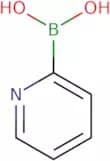
CAS:Prodotto controllato<p>4-Hydroxyvaleric acid sodium salt is a hydrophilic, thermally sensitive substance that is used as an analytical reagent in toxicology. It is typically used as a screening agent for the detection of acetaldehyde and other aldehydes. 4-Hydoxyvaleric acid sodium salt reacts with acetone to form a clear solution and can be injected into a gas chromatograph using an injection method. The reaction between 4-hydroxyvaleric acid sodium salt and acetone produces an efficient method for the analysis of acetaldehyde. This chemical is often used by toxicologists and chemists to screen for the presence of acetaldehyde in blood or urine samples.</p>Formula:C5H9NaO3Purezza:Min. 95%Peso molecolare:140.11 g/mol2-Pyridineboronic acid
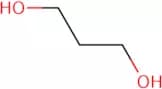
CAS:2-Pyridineboronic acid is a chemical compound that belongs to the group of quinoline derivatives. It is used in pharmaceutical preparations, including as an intermediate for the synthesis of other compounds. 2-Pyridineboronic acid has been shown to have antiproliferative effects on cancer cells and has been found to be active against nicotinic acetylcholine receptors (NAR). The compound also inhibits lipid kinase activity, which is involved in the production of phosphatidylcholine and phosphatidylethanolamine from phosphatidylserine. 2-Pyridineboronic acid can react with hydrochloric acid and electrochemical impedance spectroscopy to produce a solution that has a detection time of about 10 minutes.Formula:C5H6BNO2Purezza:Min. 95%Peso molecolare:122.92 g/mol1,3-Propanediol
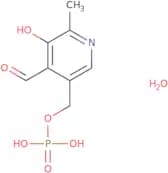
CAS:<p>aliphatic diol. It has been shown to have an inhibitory effect on bacterial growth</p>Formula:C3H8O2Purezza:Min. 95%Colore e forma:Colorless Clear LiquidPeso molecolare:76.09 g/molPyridoxal-5-phosphate monohydrate
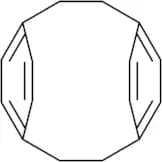
CAS:Bioavailable form of vitamin B6; coenzyme; food supplementFormula:C8H10NO6P·H2OPurezza:Min. 98.5 Area-%Colore e forma:Off-White Slightly Yellow PowderPeso molecolare:265.16 g/mol2,2-Paracyclophane
CAS:<p>2,2-Paracyclophane is a high-sensitivity c-reactive protein (hsCRP) that has been isolated from the fungus Cryptococcus neoformans. This compound has shown to have anti-cancer properties in animal studies. 2,2-Paracyclophane binds to fatty acids and is soluble in water, which may be due to its hydrogen bonding with the hydroxyl group at C1. The crystal structure of this compound reveals that it has a cyclohexane ring and two fatty acids. The thermal expansion coefficient of this molecule is also high, which suggests that it may be suitable for use as a solid lubricant.</p>Formula:C16H16Purezza:Min. 98.5 Area-%Colore e forma:White PowderPeso molecolare:208.3 g/molPyridine-2-aldehyde
CAS:Pyridine-2-aldehyde is a stable complex that can be synthesized using the asymmetric synthesis of ethylene diamine and picolinic acid. The solid catalyst is the copper chloride, which coordinates to two nitrogen atoms in the pyridine ring. The coordination geometry is octahedral. Pyridine-2-aldehyde has been shown to react with copper complexes to form stable complexes, as well as undergoing kinetic reactions with metal carbonyls. Pyridine-2-aldehyde has also demonstrated analytical chemistry properties by reacting with picolinic acid to form a picolinic acid derivative.Purezza:Min. 95%







![2-{[2-(2,6-Dioxopiperidin-3-yl)-1-oxo-2,3-dihydro-1H-isoindol-4-yl]oxy}acetic acid](/_next/image/?url=https%3A%2Fstatic.cymitquimica.com%2Fproducts%2F3D%2Fthumb-webp%2FEPD97616.webp&w=3840&q=75)






![2,3-Dihydro-1H-pyrrolo[3,2-c]pyridine hydrochloride](/_next/image/?url=https%3A%2Fstatic.cymitquimica.com%2Fproducts%2F3D%2Fthumb-webp%2FFAA91219.webp&w=3840&q=75)

![Methyl 6-oxospiro[3.3]heptane-2-carboxylate](/_next/image/?url=https%3A%2Fstatic.cymitquimica.com%2Fproducts%2F3D%2Fthumb-webp%2FNVB48098.webp&w=3840&q=75)
![6-Bromo-4-hydroxypyrazolo[1,5-a]pyridine-3-carbonitrile](/_next/image/?url=https%3A%2Fstatic.cymitquimica.com%2Fproducts%2F3D%2Fthumb-webp%2FFB182798.webp&w=3840&q=75)
![8-Boc-3,8-diaza-bicyclo[3.2.1]octane](/_next/image/?url=https%3A%2Fstatic.cymitquimica.com%2Fproducts%2F3D%2Fthumb-webp%2FFB29382.webp&w=3840&q=75)
![4-[1-(tert-Butoxy)-2-methyl-1-oxopropan-2-yl]benzoic acid](/_next/image/?url=https%3A%2Fstatic.cymitquimica.com%2Fproducts%2F3D%2Fthumb-webp%2FNKD15780.webp&w=3840&q=75)

![(1S,4S)-tert-Butyl 2,5-diazabicyclo[2.2.1]heptane-2-carboxylate](/_next/image/?url=https%3A%2Fstatic.cymitquimica.com%2Fproducts%2F3D%2Fthumb-webp%2FFB45380.webp&w=3840&q=75)



![(1R,5S,6r)-rel-3-Oxabicyclo[3.1.0]hexane-6-carboxylic acid](/_next/image/?url=https%3A%2Fstatic.cymitquimica.com%2Fproducts%2F3D%2Fthumb-webp%2FFCA78088.webp&w=3840&q=75)


![3-Bromo-6,7-dihydro-4H-pyrazolo[1,5-a]pyrazine-5-carboxylic acid tert-butyl ester](/_next/image/?url=https%3A%2Fstatic.cymitquimica.com%2Fproducts%2F3D%2Fthumb-webp%2FWXB15425.webp&w=3840&q=75)

![5-Methyl-4-[(pyrrolidin-1-yl)methyl]-1,2-oxazole-3-carboxylic acid hydrochloride](/_next/image/?url=https%3A%2Fstatic.cymitquimica.com%2Fproducts%2F3D%2Fthumb-webp%2FXWB84700.webp&w=3840&q=75)




![5-{2-Ethoxy-5-[(4-methylpiperazin-1-yl)sulfonyl]phenyl}-1-methyl-3-(2-methylpropyl)-1H,6H,7H-pyraz…](/_next/image/?url=https%3A%2Fstatic.cymitquimica.com%2Fproducts%2F3D%2Fthumb-webp%2FRFC05395.webp&w=3840&q=75)

![2-[3-Chloro-5-(trifluoromethyl)-2-pyridinyl]-acetonitrile](/_next/image/?url=https%3A%2Fstatic.cymitquimica.com%2Fproducts%2F3D%2Fthumb-webp%2FHGA76410.webp&w=3840&q=75)
![(R)-2-[(9H-Fluoren-9-ylmethoxycarbonylamino)-methyl]-butyric acid](/_next/image/?url=https%3A%2Fstatic.cymitquimica.com%2Fproducts%2F3D%2Fthumb-webp%2FSYB71157.webp&w=3840&q=75)

![2-boc-5-oxo-2-azabicyclo[2.2.2]octane](/_next/image/?url=https%3A%2Fstatic.cymitquimica.com%2Fproducts%2F3D%2Fthumb-webp%2FSZA71422.webp&w=3840&q=75)