Building Blocks
Sottocategorie di "Building Blocks"
- Acidi boronici e derivati dell'acido boronico(5.778 prodotti)
- Building Blocks Chirali(1.243 prodotti)
- Building Blocks Idrocarburici(6.099 prodotti)
- Building Blocks organici(61.038 prodotti)
Trovati 205376 prodotti di "Building Blocks"
[2-(Aminomethyl)benzyl]dimethylamine dihydrochloride
CAS:Versatile small molecule scaffold
Formula:C10H18Cl2N2Purezza:Min. 95%Peso molecolare:237.17 g/mol2-[(Dimethylamino)methyl]benzonitrile
CAS:Versatile small molecule scaffold
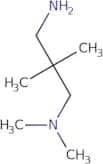
Formula:C10H12N2Purezza:Min. 95%Peso molecolare:160.22 g/molN,N,2,2-Tetramethyl-1,3-propanediamine
CAS:N,N,2,2-Tetramethyl-1,3-propanediamine is a disulfide compound. It crystallizes in the orthorhombic system and exhibits an axial ligand. It has been shown to be a good ligand for many metal ions such as copper and zinc. The crystal structure of N,N,2,2-Tetramethyl-1,3-propanediamine is most likely a perchlorate salt with polymeric chains. The topology of the N,N,2,2-Tetramethyl-1,3-propanediamine molecule is anions.Formula:C7H18N2Purezza:Min. 95%Peso molecolare:130.23 g/mol2,6-Dibromopyridine-3-carbonitrile
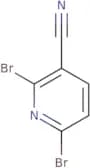
CAS:Versatile small molecule scaffold
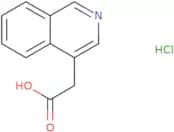
Formula:C6H2Br2N2Purezza:Min. 95%Peso molecolare:261.9 g/mol2-(Isoquinolin-4-yl)acetic acid hydrochloride
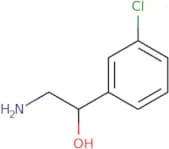
CAS:Versatile small molecule scaffoldFormula:C11H10ClNO2Purezza:Min. 95%Peso molecolare:223.65 g/mol2-amino-1-(3-chlorophenyl)ethan-1-ol
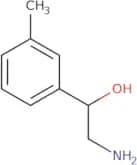
CAS:2-Amino-1-(3-chlorophenyl)ethan-1-ol is an iodide compound that has been shown to have insulin-like growth factor activity. It has been developed for clinical use in the treatment of cancer and other diseases. 2-Amino-1-(3-chlorophenyl)ethan-1-ol has been shown to reduce borohydride and peracid, which are compounds that are used in organic synthesis. The stereoisomers of this compound have also been characterized by X-ray crystallography. This iodide has been found to stimulate the growth of cells in vitro, as well as increase fatty acid production, thus making it a potential candidate for the treatment of obesity.Formula:C8H10ClNOPurezza:Min. 95%Peso molecolare:171.62 g/mol2-Amino-1-(3-methylphenyl)ethan-1-ol
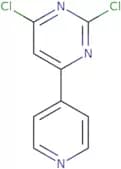
CAS:Versatile small molecule scaffoldFormula:C9H13NOPurezza:Min. 95%Peso molecolare:151.21 g/mol2,4-Dichloro-6-(pyridin-4-yl)pyrimidine
CAS:Versatile small molecule scaffold
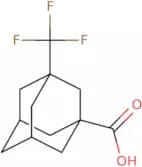
Formula:C9H5Cl2N3Purezza:Min. 95%Peso molecolare:226.06 g/mol3-(Trifluoromethyl)adamantane-1-carboxylic acid
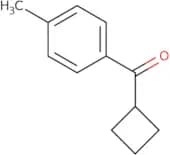
CAS:Versatile small molecule scaffoldFormula:C12H15F3O2Purezza:Min. 95%Peso molecolare:248.24 g/molCyclobutyl(4-methylphenyl)methanone
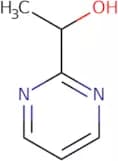
CAS:Versatile small molecule scaffoldFormula:C12H14OPurezza:Min. 95%Peso molecolare:174.24 g/mol-1(Pyrimidin-2-Yl)Ethan-1-Ol
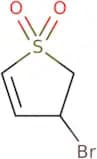
CAS:Versatile small molecule scaffoldFormula:C6H8N2OPurezza:Min. 95%Peso molecolare:124.14 g/mol3-Bromo-2,3-dihydrothiophene 1,1-dioxide
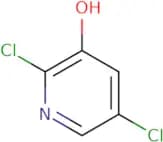
CAS:3-Bromo-2,3-dihydrothiophene 1,1-dioxide is a synthetic chemical that has been shown to react with magnesium in an ionic liquid to form 3-bromo-2,3-dihydrothiophene. This compound can be analyzed using elemental analysis and organic reactions. It has been studied extensively for its use as a catalyst in organic reactions such as alkylation and nucleophilic substitution. This compound also has a number of congener groups including the alizarin group, the naphthalene group, and the monocyclic group. 3-Bromo-2,3-dihydrothiophene 1,1-dioxide is also used for the synthesis of sodium salicylate.Formula:C4H5BrO2SPurezza:Min. 95%Peso molecolare:197.05 g/mol2,5-Dichloropyridin-3-ol
CAS:Versatile small molecule scaffoldFormula:C5H3Cl2NOPurezza:Min. 95%Peso molecolare:163.99 g/mol[(1-Methyl-1H-benzimidazol-2-yl)methyl]amine diHCl
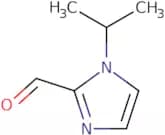
CAS:Prodotto controllatoVersatile small molecule scaffoldFormula:C9H13Cl2N3Purezza:Min. 95%Peso molecolare:234.13 g/mol1-Isopropyl-1H-imidazole-2-carbaldehyde
CAS:Versatile small molecule scaffoldFormula:C7H10N2OPurezza:Min. 95%Peso molecolare:138.17 g/mol5-(4-Iodophenyl)-2H-tetrazole
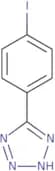
CAS:5-(4-Iodophenyl)-2H-tetrazole is a ligand that can be used for optical imaging. It has been modified with methyl groups and was found to have increased uptake by cells. The modification of 5-(4-iodophenyl)-2H-tetrazole with methyl groups on the phenyl ring increased the uptake by cells, while the modification of the tetrazole moiety had no effect on cellular uptake. 5-(4-iodophenyl)-2H-tetrazole has also been shown to bind to DNA, RNA, and proteins in a perinuclear pattern. This ligand is also luminescent and can be used for optical imaging.Formula:C7H5IN4Purezza:Min. 95%Peso molecolare:272.05 g/mol4-[(4-Methylphenyl)methoxy]aniline
CAS:Versatile small molecule scaffold
Formula:C14H15NOPurezza:Min. 95%Peso molecolare:213.27 g/mol6-Amino-3-methyl-1,4-diphenyl-1,4-dihydropyrano[2,3-c]pyrazole-5-carbonitrile
CAS:6-Amino-3-methyl-1,4-diphenyl-1,4-dihydropyrano[2,3-c]pyrazole-5-carbonitrile is a synthetic compound that has antioxidant properties and has been shown to induce apoptosis in cancer cells. It also shows antibacterial activity against Gram negative bacteria and has been shown to have antifungal properties. 6-Amino-3-methyl-1,4-diphenylpyrano [2,3 c] pyrazole 5 carbonitrile induces apoptotic cell death by inhibiting the phosphorylation of the protein kinase B (PKB) downstream of the insulin receptor substrate 1 (IRS1). This inhibition leads to an increased release of cytochrome C from mitochondria and activation of caspases. 6 aminopyrano[2,3 c]pyrazole 5 carbonitrile also inhibits the synthesis
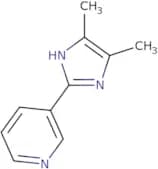
Formula:C20H16N4OPurezza:Min. 95%Peso molecolare:328.4 g/mol3-(4,5-Dimethyl-1H-imidazol-2-yl)-pyridine
CAS:Versatile small molecule scaffold
Formula:C10H11N3Purezza:Min. 95%Peso molecolare:173.21 g/mol4-(Dimethylphosphoryl)butan-2-one
CAS:Versatile small molecule scaffold
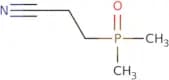
Formula:C6H13O2PPurezza:Min. 95%Peso molecolare:148.1 g/mol3-(Dimethylphosphoryl)propanenitrile
CAS:Versatile small molecule scaffold
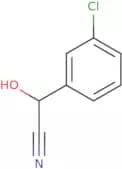
Formula:C5H10NOPPurezza:Min. 95%Peso molecolare:131.11 g/mol2-(3-Chlorophenyl)-2-hydroxyacetonitrile
CAS:Versatile small molecule scaffold
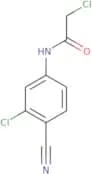
Formula:C8H6ClNOPurezza:Min. 95%Peso molecolare:167.59 g/mol2-Chloro-N-(3-chloro-4-cyanophenyl)acetamide
CAS:Versatile small molecule scaffoldFormula:C9H6Cl2N2OPurezza:Min. 95%Peso molecolare:229.06 g/molN-(3-Chloro-4-cyanophenyl)-2,2,2-trifluoroacetamide
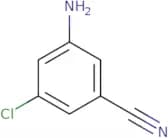
CAS:Versatile small molecule scaffoldFormula:C9H4ClF3N2OPurezza:Min. 95%Peso molecolare:248.59 g/mol3-Amino-5-chlorobenzonitrile
CAS:Versatile small molecule scaffold
Formula:C7H5ClN2Purezza:Min. 95%Peso molecolare:152.58 g/molMethyl 2-[4-(chlorosulfonyl)phenyl]acetate
CAS:Versatile small molecule scaffoldFormula:C9H9ClO4SPurezza:Min. 95%Peso molecolare:248.68 g/mol3-{3-Oxo-2H,3H-[1,2,4]triazolo[4,3-a]pyridin-2-yl}propanoic acid
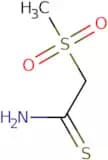
CAS:Versatile small molecule scaffoldFormula:C9H9N3O3Purezza:Min. 95%Peso molecolare:207.19 g/mol2-Methanesulfonylethanethioamide
CAS:Versatile small molecule scaffoldFormula:C3H7NO2S2Purezza:Min. 95%Peso molecolare:153.23 g/mol{2-[(Chlorocarbonyl)oxy]ethanesulfonyl}methane
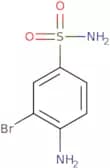
CAS:2-[(Chlorocarbonyl)oxy]ethanesulfonyl}methane (CESM) is an organic solvent that has been shown to initiate polymerization of vinyl monomers. It reacts with electrophiles such as hydroxyl groups and fluorine, and undergoes ligation reactions with reactive functional groups. CESM is also used as a reagent in chemical ligation reactions, which have been used for the synthesis of proteins with novel sequences. The use of CESM in these reactions has been shown to be more efficient than traditional methods, with the rate of reaction being increased by up to five times. This agent has also been shown to be effective against infectious diseases such as HIV-1 and other retroviruses. CESM deprotects nitro groups from peptides and proteins, enabling their cleavage by proteases or reduction by hydrogenation agents. The trifluoromethyl group on CESM can react with hydrocarbon groupsFormula:C4H7ClO4SPurezza:Min. 95%Peso molecolare:186.61 g/mol4-Amino-3-bromobenzene-1-sulfonamide
CAS:4-Amino-3-bromobenzene-1-sulfonamide is a sulfamate that has been shown to inhibit the growth of cancer cells in vitro. It may work by inhibiting an enzyme called carbonic anhydrase, which is involved in the hydration of carbon dioxide. 4-Amino-3-bromobenzene-1-sulfonamide has also been shown to have antibacterial activity against Mycobacterium tuberculosis and Mycobacterium avium complex. This compound is structurally related to coumarin derivatives, which are known inhibitors of an enzyme called anhydrase. Coumarin derivatives have also been shown to be potent anticancer agents.Formula:C6H7BrN2O2SPurezza:Min. 95%Peso molecolare:251.1 g/mol2-chloro-4-sulfamoylaniline
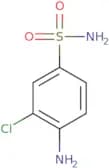
CAS:2-chloro-4-sulfamoylaniline is a sepharose, which is a type of porous polysaccharide that can be used as an affinity matrix in chromatography. It has been used to purify sulfanilamide from the reaction mixture and to separate ethoxzolamide from lactoperoxidase. The affinity of 2-chloro-4-sulfamoylaniline is determined by the proximity of the enzyme to the surface and its ability to bind with the substrate. 2-chloro-4-sulfamoylaniline has also been shown to deacetylate cyanogen, causing it to form cyanamide. This chemical has polluting effects on water and air due to its aliphatic nature.Formula:C6H7ClN2O2SPurezza:Min. 95%Peso molecolare:206.65 g/molBoc-(2RS)-2-amino-decanoic acid
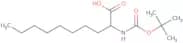
CAS:Boc-(2RS)-2-amino-decanoic acid is a molecule that prevents the growth of bacteria by binding to its ribosomes and interfering with protein synthesis. It is composed of the amino acid decanoic acid and ethylene. Decanoic acid is an antibiotic component that is hydrolyzed to form an ester bond with the amine group on the 2nd carbon in 2-amino-decanoic acid, forming a conjugate that can be cleaved by β-lactamase. The spacer between the two components is methylene. This molecule has antibacterial activity against Staphylococcus aureus, but not against other bacteria such as Streptococcus pneumoniae or Haemophilus influenzae. This molecule has been shown to inhibit the growth of MRSA, which has developed resistance to many antibiotics.
Formula:C15H29NO4Purezza:Min. 95%Peso molecolare:287.39 g/mol3-(3-Phenylpropyl)piperidine
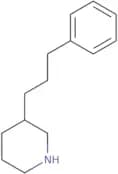
CAS:Versatile small molecule scaffold
Formula:C14H21NPurezza:Min. 95%Peso molecolare:203.32 g/mol2-(1-Methylpiperidin-3-yl)ethanamine
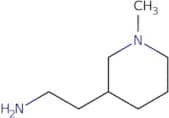
CAS:Versatile small molecule scaffold
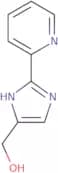
Formula:C8H18N2Purezza:Min. 95%Peso molecolare:142.24 g/mol4-Hydroxymethyl-2-pyridin-2-yl-3H-imidazole
CAS:Versatile small molecule scaffoldFormula:C9H9N3OPurezza:Min. 95%Peso molecolare:175.19 g/mol(1,1-Dioxo-tetrahydro-1lambda*6*-thiophen-3-yl)-methyl-amine hydrochloride
CAS:Versatile small molecule scaffold
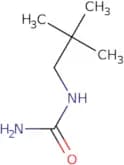
Formula:C5H12ClNO2SPurezza:Min. 95%Peso molecolare:185.67 g/mol(2,2-Dimethylpropyl)urea
CAS:Versatile small molecule scaffold
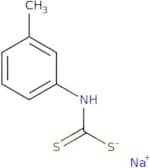
Formula:C6H14N2OPurezza:Min. 95%Peso molecolare:130.19 g/molSodium M-tolylcarbamodithioate
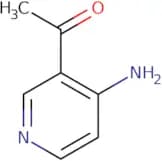
CAS:Versatile small molecule scaffoldFormula:C8H8NNaS2Purezza:Min. 95%Peso molecolare:205.3 g/mol1-(4-Aminopyridin-3-yl)ethan-1-one
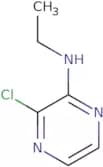
CAS:Versatile small molecule scaffoldFormula:C7H8N2OPurezza:Min. 95%Peso molecolare:136.15 g/mol3-Chloro-N-ethylpyrazin-2-amine
CAS:Versatile small molecule scaffold
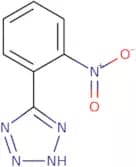
Formula:C6H8ClN3Purezza:Min. 95%Peso molecolare:157.6 g/mol-5(2-Nitrophenyl)-2H-Tetrazole
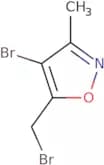
CAS:2-Nitrophenyl-5(2H)-tetrazole is a synthetic compound that has been shown to be an effective inhibitor of the enzyme urokinase-type plasminogen activator. This enzyme is responsible for activating plasminogen and converting it into the active form, plasmin, which breaks down fibrin clots in blood vessels. 2-Nitrophenyl-5(2H)-tetrazole binds to the active site of urokinase-type plasminogen activator, preventing it from activating plasminogen. The conjugates of this compound have been shown to be effective in inhibiting cancer cells and inducing apoptosis by binding to DNA.Formula:C7H5N5O2Purezza:Min. 95%Peso molecolare:191.15 g/mol4-Bromo-5-(bromomethyl)-3-methylisoxazole
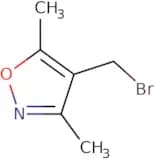
CAS:Versatile small molecule scaffoldFormula:C5H5Br2NOPurezza:Min. 95%Peso molecolare:254.91 g/mol4-(Bromomethyl)-3,5-dimethyl-1,2-oxazole
CAS:Versatile small molecule scaffoldFormula:C6H8BrNOPurezza:Min. 95%Peso molecolare:190.04 g/molN,N-Diethyl-3-oxo-2-azatricyclo[6.3.1.0,4,12]dodeca-1(12),4,6,8,10-pentaene-9-sulfonamide
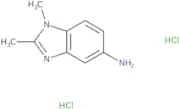
CAS:N,N-Diethyl-3-oxo-2-azatricyclo[6.3.1.0,4,12]dodeca-1(12),4,6,8,10-pentaene-9-sulfonamide is a sulfonic acid class of naphthalenes that contains a sulfonic acid moiety. The compound has shown potent activity against Mycobacterium tuberculosis and other mycobacteria, but not against Pseudomonas aeruginosa or Staphylococcus aureus. This compound has been shown to be more potent than other sulfonic acids in the same class.Formula:C15H16N2O3SPurezza:Min. 95%Peso molecolare:304.4 g/mol1,2-Dimethyl-1 H -benzoimidazol-5-ylamine dihydrochloride
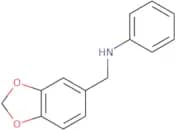
CAS:Versatile small molecule scaffoldFormula:C9H11N3Purezza:Min. 95%Peso molecolare:161.21 g/molN-(1,3-Dioxaindan-5-ylmethyl)aniline
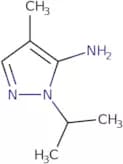
CAS:Versatile small molecule scaffoldFormula:C14H13NO2Purezza:Min. 95%Peso molecolare:227.26 g/mol2-Isopropyl-4-methyl-2H-pyrazol-3-ylamine
CAS:Versatile small molecule scaffold
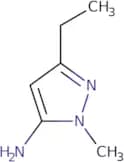
Formula:C7H13N3Purezza:Min. 95%Peso molecolare:139.2 g/mol3-Ethyl-1-methyl-1H-pyrazol-5-amine
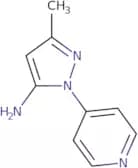
CAS:Versatile small molecule scaffoldFormula:C6H11N3Purezza:Min. 95%Peso molecolare:125.17 g/mol3-Methyl-1-(pyridin-4-yl)-1H-pyrazol-5-amine
CAS:Versatile small molecule scaffoldFormula:C9H10N4Purezza:Min. 95%Peso molecolare:174.2 g/mol5-Methyl-2-(1-methyl-piperidin-4-yl)-2H-pyrazol-3-ylamine
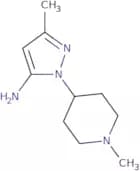
CAS:Versatile small molecule scaffold
Formula:C10H18N4Purezza:Min. 95%Peso molecolare:194.28 g/mol2-Pyridin-4-ylmethyl-2H-pyrazol-3-ylamine
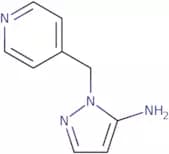
CAS:Versatile small molecule scaffoldFormula:C9H10N4Purezza:Min. 95%Peso molecolare:174.2 g/mol1-{[4-(Dimethylamino)phenyl]methyl}-1H-pyrazol-5-amine
CAS:Versatile small molecule scaffold
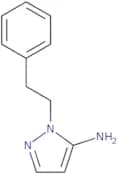
Formula:C12H16N4Purezza:Min. 95%Peso molecolare:216.28 g/mol1-(2-Phenylethyl)-1H-pyrazol-5-amine
CAS:Versatile small molecule scaffold
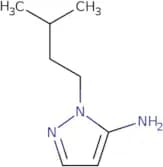
Formula:C11H13N3Purezza:Min. 95%Peso molecolare:187.24 g/mol1-(3-Methylbutyl)-1H-pyrazol-5-amine
CAS:Versatile small molecule scaffoldFormula:C8H15N3Purezza:Min. 95%Peso molecolare:153.22 g/mol1-Isobutyl-1H-pyrazol-5-amine
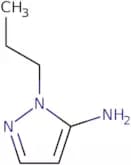
CAS:Versatile small molecule scaffoldFormula:C7H13N3Purezza:Min. 95%Peso molecolare:139.2 g/mol2-Propyl-2H-pyrazol-3-ylamine
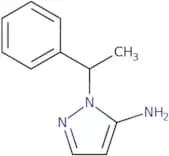
CAS:Versatile small molecule scaffoldFormula:C6H11N3Purezza:Min. 95%Peso molecolare:125.17 g/mol2-(1-Phenyl-ethyl)-2H-pyrazol-3-ylamine
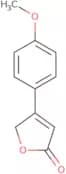
CAS:Versatile small molecule scaffoldFormula:C11H13N3Purezza:Min. 95%Peso molecolare:187.24 g/mol4-(4-Methoxyphenyl)furan-2(5H)-one
CAS:Versatile small molecule scaffoldFormula:C11H10O3Purezza:Min. 95%Peso molecolare:190.19 g/mol6,12-Dibromo-1,4-dioxaspiro[4.7]dodecane
CAS:Versatile small molecule scaffoldFormula:C10H16Br2O2Purezza:Min. 95%Peso molecolare:328.04 g/molMethyl[(1-methyl-1H-indol-2-yl)methyl]amine
CAS:Versatile small molecule scaffoldFormula:C11H14N2Purezza:Min. 95%Peso molecolare:174.24 g/mol2,4,6-Trifluoropyridine-3-carboxylic acid
CAS:Versatile small molecule scaffold
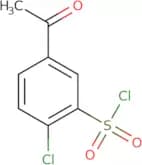
Formula:C6H2F3NO2Purezza:Min. 95%Peso molecolare:177.08 g/mol5-Acetyl-2-chlorobenzene-1-sulfonyl chloride
CAS:Versatile small molecule scaffoldFormula:C8H6Cl2O3SPurezza:Min. 95%Peso molecolare:253.1 g/molEthyl 2-Methyl-4-oxo-4,5-dihydro-3-furancarboxylate
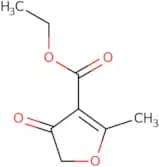
CAS:Versatile small molecule scaffold
Formula:C8H10O4Purezza:Min. 95%Peso molecolare:170.16 g/mol3-Methyl-2-phenylbutyric acid
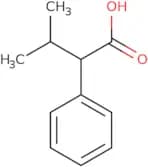
CAS:3-Methyl-2-phenylbutyric acid is a reactive chemical that has a basic group and an ionic character. It is synthesized by the reaction of acetone with methyl iodide in the presence of sodium hydroxide and potassium carbonate. The product can be racemized to its isomer, 2-phenylbutyric acid, by heating with hydrochloric acid or acetic acid. 3-Methyl-2-phenylbutyric acid has been used in chromatographic analysis for the separation of phenols, amino acids, and other compounds. 3-Methyl-2-phenylbutyric acid also reacts with nucleophiles such as water to form ion pairs.Formula:C11H14O2Purezza:Min. 95%Peso molecolare:178.23 g/mol2-Bromo-7-nitrobenzo[D]thiazole
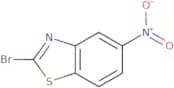
CAS:Versatile small molecule scaffoldFormula:C7H3BrN2O2SPurezza:Min. 95%Peso molecolare:259.08 g/mol2-Bromo-5-nitro-1,3-benzothiazole
CAS:Versatile small molecule scaffold
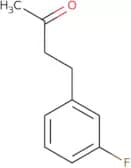
Formula:C7H3BrN2O2SPurezza:Min. 95%Peso molecolare:259.08 g/mol4-(3-Fluorophenyl)butan-2-one
CAS:Versatile small molecule scaffold
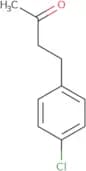
Formula:C10H11FOPurezza:Min. 95%Peso molecolare:166.19 g/mol4-(4-Chlorophenyl)butan-2-one
CAS:4-Chlorobenzenediazonium is a benzenediazonium salt that can be used to form arylating agents. It has been used in the synthesis of olefins and as a reagent for the synthesis of 4-chloro-3-(4-chlorophenyl)butan-2-one, which is an intermediate for the synthesis of dyes. 4-Chlorobenzenediazonium can also be used to synthesize cyano compounds from nitroarenes and chloroformates.
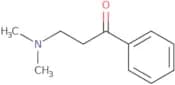
Formula:C10H11ClOPurezza:Min. 95%Peso molecolare:182.64 g/mol3-(Dimethylamino)-1-phenylpropan-1-one hydrochloride
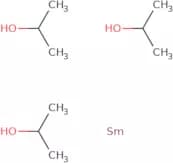
CAS:3-(Dimethylamino)-1-phenylpropan-1-one hydrochloride (3DAPOH) is a potent and selective inhibitor of the enzyme fatty acid synthase. 3DAPOH is used in tissue culture to inhibit the growth of cancer cells. This drug has been shown to inhibit the development of xeno-graft tumors in mice. 3DAPOH also inhibits the growth of Gram-positive bacteria and anthelmintic drugs, such as Fasciola hepatica, Trichostrongylus axei, and Ascaris suum. The mechanism by which this drug inhibits bacterial growth is not well understood; however, it may be due to its ability to induce apoptosis in certain types of cells.Formula:C11H15NOPurezza:Min. 95%Peso molecolare:177.24 g/molSamarium(III) isopropoxide
CAS:Samarium(III) isopropoxide (Sm(0)IPO) is a metal ion that has a slow reaction rate with hydrochloric acid in the presence of nitrogen atoms. It can be used to form chiral compounds. Sm(0)IPO, which has fluorescence properties, is used as an analytical reagent in organic chemistry and biochemistry. The reactions of Sm(0)IPO are initiated by the protonation of the hydroxyl group on the metal ion followed by nucleophilic attack by the amino acid serine protease. This reaction results in the formation of an acyl halide.
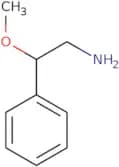
Formula:C9H21O3SmPurezza:Min. 95%Peso molecolare:327.62 g/mol2-Methoxy-2-phenylethan-1-amine
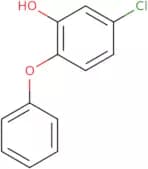
CAS:Prodotto controllato2-Methoxy-2-phenylethan-1-amine is a modification of an amino acid that can be used to synthesize drugs. It belongs to the chemotype phenethylamines, which are compounds that contain a benzene ring and an amine group. 2-Methoxy-2-phenylethan-1-amine has been shown to bind to dopamine D4 receptors in the brain, which may contribute to its psychoactive effects. This compound is also able to inhibit chemokine production, which may help with inflammatory conditions such as asthma.Formula:C9H13NOPurezza:Min. 95%Peso molecolare:151.21 g/mol5-Chloro-2-phenoxyphenol
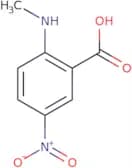
CAS:5-Chloro-2-phenoxyphenol (5CPP) is a phenolic compound that inhibits bacterial growth by binding to the diphenyl ether binding site on the enzyme fatty acid synthase. 5CPP is an inhibitor of bacterial fatty acid biosynthesis and has been shown to be effective against wild-type strains of staphylococcus aureus, including methicillin resistant strains. 5CPP binds to the active site of the enzyme and prevents it from functioning, thereby inhibiting production of fatty acids. It also has shown activity against Listeria monocytogenes and Bacillus subtilis.Formula:C12H9ClO2Purezza:Min. 95%Peso molecolare:220.65 g/mol2-(Methylamino)-5-nitrobenzoic acid
CAS:2-(Methylamino)-5-nitrobenzoic acid is a benzimidazole that contains a planar, aromatic ring and an amino group in the side chain. The compound is a hydrogen bond donor and acceptor. It undergoes oxidative cyclisations to form benzoic acids from anilines, which are generated through hydrogen atom abstraction. 2-(Methylamino)-5-nitrobenzoic acid also reacts with other aromatic compounds to form dimers or benzoic acids.
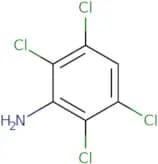
Formula:C8H8N2O4Purezza:Min. 95%Peso molecolare:196.16 g/mol2,3,5,6-Tetrachloroaniline
CAS:2,3,5,6-Tetrachloroaniline is a chlorinated aromatic compound that is used as an intermediate for the production of other chemicals. It undergoes a number of reactions to form various chemical compounds. 2,3,5,6-Tetrachloroaniline has been shown to be reactive with hydrogen chloride in a two-step process involving acid formation and molecule elimination. The rate of this reaction depends on the concentration of hydrogen chloride present in solution. 2,3,5,6-Tetrachloroaniline also reacts with water to produce hydrochloric acid and tetrachloroethane. This reaction is reversible and can be described by the following equation:
2CCl4 + 4H2O -> 4HCl + C2H4 + Cl2
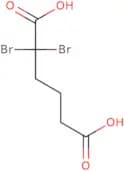
The reaction mechanism for this process is not well understood but it is likely that it involves protonation followed by nucleophilic substitution.Formula:C6H3Cl4NPurezza:Min. 95%Peso molecolare:230.9 g/mol2,5-Dibromoadipic acid
CAS:2,5-Dibromoadipic acid is an organic compound that can be synthesized by oxidation of 2,5-dibromohexanoic acid with sodium periodate in aqueous alcohol. It is used as a monomer for the production of polymers and plastics such as polyurethanes and polyesters. The product is obtained in high yield and has a stereoselectivity of 99%. It can be purified by recrystallization from water or from organic solvents. 2,5-Dibromoadipic acid reacts with nucleophiles such as alcohols to form an addition compound. The addition reaction can be followed by spectroscopic methods such as diffraction or NMR. This reaction type is called nucleophilic addition.Formula:C6H8Br2O4Purezza:Min. 95%Peso molecolare:303.94 g/mol2-[2-(Dimethylamino)ethyl]aniline
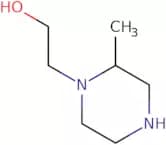
CAS:Versatile small molecule scaffoldFormula:C10H16N2Purezza:Min. 95%Peso molecolare:164.25 g/mol2-(2-Methylpiperazin-1-yl)ethan-1-ol
CAS:Versatile small molecule scaffold
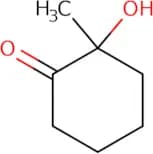
Formula:C7H16N2OPurezza:Min. 95%Peso molecolare:144.21 g/mol2-Hydroxy-2-methylcyclohexan-1-one
CAS:2-Hydroxy-2-methylcyclohexan-1-one is a tetroxide that is a ligand for osmium. It can be used as an oxidant to produce epoxides, which are important chemical intermediates. This substance has been used in the synthesis of cyclic epoxides and osmium complexes. The yields of this reaction depend on the ligand and the metal catalyst that is used. Epoxidation is catalyzed by metal ions such as vanadium, manganese, or iron, with ruthenium being one of the most effective. 2-Hydroxy-2-methylcyclohexan-1-one also forms epoxides with oxygenated substrates due to its ability to act as an oxidant.
Epoxidation reactions can be performed using 2-hydroxy-2-methylcyclohexan-1-one as a catalyst or ligand, or it may function solely as an oxidFormula:C7H12O2Purezza:Min. 95%Peso molecolare:128.17 g/mol4-Bromo-N-propylbenzenesulfonamide
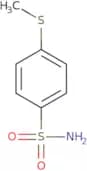
CAS:4-Bromo-N-propylbenzenesulfonamide is a tricyclic compound that has two skeletal carbons and three cyclic carbons. It is structurally similar to 4-bromobenzenesulfonyl chloride, but it lacks the sulfonyl group and instead has a sulfonamide group. The yields of this compound are high, with an average of 77% obtained from the reaction with 4-bromobenzoic acid. However, when there are substituents on the ring, such as in the case of 4-chloro-N-propylbenzenesulfonamide, the yield decreases significantly. This compound can be synthesized by reacting 4-bromoaniline with propylene oxide followed by reaction with bromosulfonic acid and sodium hydroxide.Formula:C9H12BrNO2SPurezza:Min. 95%Peso molecolare:278.17 g/mol4-(Methylsulfanyl)benzene-1-sulfonamide
CAS:Versatile small molecule scaffoldFormula:C7H9NO2S2Purezza:Min. 95%Peso molecolare:203.3 g/molMethyl 2-chloro-6-sulfamoylbenzoate
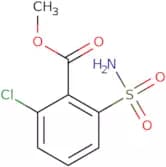
CAS:Versatile small molecule scaffold
Formula:C8H8ClNO4SPurezza:Min. 95%Peso molecolare:249.67 g/mol2-Amino-6,7,8,9-tetrahydro-5H-benzo[7]annulen-5-one
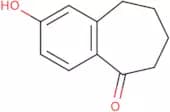
CAS:Versatile small molecule scaffoldFormula:C11H13NOPurezza:Min. 95%Peso molecolare:175.23 g/mol2-Hydroxy-6,7,8,9-tetrahydro-benzocyclohepten-5-one
CAS:Versatile small molecule scaffoldFormula:C11H12O2Purezza:Min. 95%Peso molecolare:176.21 g/mol5-Oxo-6,7,8,9-tetrahydro-5H-benzo[7]annulene-2-carboxylic acid
CAS:Versatile small molecule scaffoldFormula:C12H12O3Purezza:Min. 95%Peso molecolare:204.22 g/molEthyl 5-methoxy-1H-pyrrolo[2,3-c]pyridine-2-carboxylate
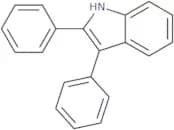
CAS:Versatile small molecule scaffoldFormula:C11H12N2O3Purezza:Min. 95%Peso molecolare:220.23 g/mol2,3-Diphenylindole
CAS:2,3-Diphenylindole is a benzyl-substituted indole with the chemical formula C14H10N2. It is an organic compound that was first synthesized in 1887 by German chemist Adolf von Baeyer. 2,3-Diphenylindole was one of the first aromatic compounds to be synthesized from benzene. The synthesis of 2,3-diphenylindole involves Friedel-Crafts reactions with amines and azides. Benzyl groups can be cleaved from the molecule under UV irradiation or by treatment with carboxylic acid. Reaction yields are increased when primary amines are used as the starting material, since they are more reactive than secondary amines or tertiary amines.
Formula:C20H15NPurezza:Min. 95%Peso molecolare:269.34 g/mol[(1H-Indol-4-yl)methyl](methyl)amine
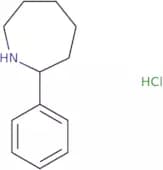
CAS:[(1H-Indol-4-yl)methyl](methyl)amine is a substituted isoquinoline. It has been shown to be an effective inhibitor of the enzyme allyl alcohol dehydrogenase, which catalyzes the conversion of allyl alcohol to acetaldehyde. The reduction of [(1H-indol-4-yl)methyl]-(methyl)amine can be accomplished with either a Grignard reagent or a reductive alkylation.Formula:C10H12N2Purezza:Min. 95%Peso molecolare:160.22 g/mol2-Phenylazepane hydrochloride
CAS:Versatile small molecule scaffold
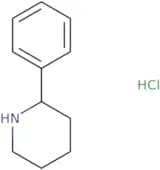
Formula:C12H18ClNPurezza:Min. 95%Peso molecolare:211.73 g/mol2-Phenylpiperidine hydrochloride
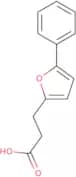
CAS:2-Phenylpiperidine hydrochloride is a diastereoselective, intramolecular reaction product of β-unsaturated ketones and piperidines. The synthesis of 2-phenylpiperidine hydrochloride involves a β-unsaturated ketone and two different piperidines. The reaction is intramolecular because the starting material is used in the same molecule as the reagent. This compound was shown to be a competitive inhibitor of serotonin transporter (SERT) with an IC 50 value of 0.8 μM. Synlett, 2008, 2987-2989Formula:C11H16ClNPurezza:Min. 95%Peso molecolare:197.7 g/mol3-(5-Phenyl-furan-2-yl)-propionic acid
CAS:Versatile small molecule scaffold
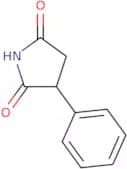
Formula:C13H12O3Purezza:Min. 95%Peso molecolare:216.24 g/mol3-Phenylpyrrolidine-2,5-dione
CAS:3-Phenylpyrrolidine-2,5-dione is an organic compound with a polymer film. It has been shown to have antireflection properties and can be used for optical applications. 3-Phenylpyrrolidine-2,5-dione can be made by the reaction of hydrochloric acid and an organic solvent. It is soluble in methyl ethyl ketone and hydroxyl group. The colorless compound has a melting point of 104 degrees Celsius and decomposes at around 250 degrees Celsius. 3-Phenylpyrrolidine-2,5-dione is soluble in aromatic hydrocarbons such as naphthalene and structural formula consists of a benzene ring fused to a pyrrole ring with a carbonyl group on each side. 3-Phenylpyrrolidine-2,5-dione has been shown to have good thermal expansion properties which are useful for patterning or moldFormula:C10H9NO2Purezza:Min. 95%Peso molecolare:175.18 g/mol1-Methyl-3-phenyl-1H-pyrazole
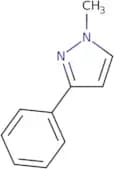
CAS:1-Methyl-3-phenyl-1H-pyrazole is an agriculturally useful compound that can be used as an intermediate in the synthesis of pesticides. 1-Methyl-3-phenyl-1H-pyrazole has two different orientations with respect to the pyrazole ring, which gives rise to two isomers. The cis form is a photoelectron acceptor and the trans form is a photoelectron donor. The molecular orbitals of 1-methyl-3-phenylpyrazole are energetically similar to those of other pyrazoles. The difference lies in the orientation of the nitrogen atom, which makes it unsymmetrical. It also has a sulfate group and a dihedral angle of 60°. 1,2,4,5,6-Pentafluoroalkyl and pyrazolyl groups have been found on this molecule.
Formula:C10H10N2Purezza:Min. 95%Peso molecolare:158.2 g/mol(4-Cyanophenyl)thiourea
CAS:Versatile small molecule scaffold
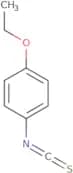
Formula:C8H7N3SPurezza:Min. 95%Peso molecolare:177.23 g/mol1-Ethoxy-4-isothiocyanato-benzene
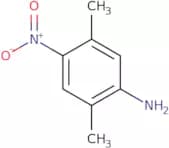
CAS:1-Ethoxy-4-isothiocyanato-benzene is a chemical compound that has shown antihypertensive activity, as well as antioxidant and anticancer potential. It reacts with the primary amino group of proteins to form an amine, which can then react with hydrochloric acid or other aldehydes to form pentane. The pentane is then oxidized by amines or thiosemicarbazide to form methyl anthranilate. This compound also has antibacterial properties, which may be due to its ability to inhibit bacterial growth by disrupting hydrogen bonds and sulphonates.Formula:C9H9NOSPurezza:Min. 95%Peso molecolare:179.24 g/mol2,5-Dimethyl-4-nitroaniline
CAS:2,5-Dimethyl-4-nitroaniline is an isomer of 2,5-dimethylaniline. The molecular electrostatic potential map reveals that the molecule has a high electron density at the 4 position of the aniline ring, which is characteristic of an aromatic system. This molecule displays a conformational change when it interacts with chloride ions, which can be seen in its vibrational spectrum. The nature of this molecule is interannular between aromatic and nonaromatic.
2,5-Dimethyl-4-nitroaniline's crystal system is orthorhombic. Its interactions with other molecules are determined by the electrostatic forces present on the surface of the crystal.Formula:C8H10N2O2Purezza:Min. 95%Colore e forma:PowderPeso molecolare:166.18 g/mol1,2,3-Tribromo-5-nitrobenzene
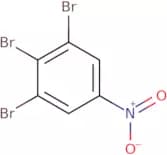
CAS:1,2,3-Tribromo-5-nitrobenzene (1,2,3-TBNB) is a chemical compound that is used as an electron acceptor in the Covid-19 pandemic. It has been shown to have a resonance of 3.8 ppm with a magnetic field strength of 5.0 T. 1,2,3-TBNB has been shown to be electronegative and can form halogen bonds with nitrobenzene. The molecule was synthesized by reacting bromine with nitric acid in ether solution.
Formula:C6H2Br3NO2Purezza:Min. 95%Peso molecolare:359.8 g/mol2-[(3-Hydroxypyridin-2-yl)formamido]acetic acid
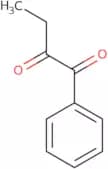
CAS:2-[(3-Hydroxypyridin-2-yl)formamido]acetic acid is a pharmaceutical preparation that belongs to the group of metal ion chelating agents. It is used as a conditioning agent in the production of didemnin, an anti-inflammatory agent. 2-[(3-Hydroxypyridin-2-yl)formamido]acetic acid can be used to inhibit the formation of reactive oxygen species by removing metal ions such as iron and copper from cells. This drug also has been shown to have an antioxidant effect and can reduce inflammation due to its ability to inhibit prostaglandin synthesis.Formula:C8H8N2O4Purezza:Min. 95%Peso molecolare:196.16 g/mol1-Phenylbutane-1,2-dione
CAS:Versatile small molecule scaffoldFormula:C10H10O2Purezza:Min. 95%Peso molecolare:162.18 g/mol2,3-Dioxo-2,3-dihydro-1H-indole-5-sulfonamide
CAS:2,3-Dioxo-2,3-dihydro-1H-indole-5-sulfonamide is a synthetic compound that has been shown to inhibit the growth of cancer cells. It is active against anhydrase and hCT116 cells but not against normal epidermal keratinocytes. 2,3-Dioxo-2,3-dihydro-1H-indole-5-sulfonamide binds to the epidermal growth factor receptor on the cell surface and inhibits its activity. This drug also inhibits the uptake of epidermal growth factor and carbonic anhydrase II in cancer cells. 2,3 Dioxo -2,3 dihydro -1H indole 5 sulfonamide has been used in some clinical trials as a potential anticancer agent for cancers such as non small cell lung cancer or colorectal cancer and may be used in combination with other drugs such as
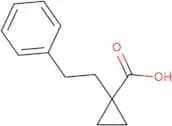
Formula:C8H6N2O4SPurezza:Min. 95%Peso molecolare:226.21 g/mol1-(2-Phenylethyl)cyclopropane-1-carboxylic acid
CAS:Versatile small molecule scaffoldFormula:C12H14O2Purezza:Min. 95%Peso molecolare:190.24 g/mol
![[2-(Aminomethyl)benzyl]dimethylamine dihydrochloride](/_next/image/?url=https%3A%2Fstatic.cymitquimica.com%2Fproducts%2F3D%2Fthumb-webp%2FDCA36978.webp&w=3840&q=75)

![2-[(Dimethylamino)methyl]benzonitrile](/_next/image/?url=https%3A%2Fstatic.cymitquimica.com%2Fproducts%2F3D%2Fthumb-webp%2FDCA36976.webp&w=3840&q=75)
![[(1-Methyl-1H-benzimidazol-2-yl)methyl]amine diHCl](/_next/image/?url=https%3A%2Fstatic.cymitquimica.com%2Fproducts%2F3D%2Fthumb-webp%2FDCA33279.webp&w=3840&q=75)
![4-[(4-Methylphenyl)methoxy]aniline](/_next/image/?url=https%3A%2Fstatic.cymitquimica.com%2Fproducts%2F3D%2Fthumb-webp%2FDCA32408.webp&w=3840&q=75)
![6-Amino-3-methyl-1,4-diphenyl-1,4-dihydropyrano[2,3-c]pyrazole-5-carbonitrile](/_next/image/?url=https%3A%2Fstatic.cymitquimica.com%2Fproducts%2F3D%2Fthumb-webp%2FDCA31657.webp&w=3840&q=75)
![Methyl 2-[4-(chlorosulfonyl)phenyl]acetate](/_next/image/?url=https%3A%2Fstatic.cymitquimica.com%2Fproducts%2F3D%2Fthumb-webp%2FDCA30512.webp&w=3840&q=75)
![3-{3-Oxo-2H,3H-[1,2,4]triazolo[4,3-a]pyridin-2-yl}propanoic acid](/_next/image/?url=https%3A%2Fstatic.cymitquimica.com%2Fproducts%2F3D%2Fthumb-webp%2FDCA30446.webp&w=3840&q=75)
![{2-[(Chlorocarbonyl)oxy]ethanesulfonyl}methane](/_next/image/?url=https%3A%2Fstatic.cymitquimica.com%2Fproducts%2F3D%2Fthumb-webp%2FDCA29829.webp&w=3840&q=75)

![N,N-Diethyl-3-oxo-2-azatricyclo[6.3.1.0,4,12]dodeca-1(12),4,6,8,10-pentaene-9-sulfonamide](/_next/image/?url=https%3A%2Fstatic.cymitquimica.com%2Fproducts%2F3D%2Fthumb-webp%2FDCA25702.webp&w=3840&q=75)
![1-{[4-(Dimethylamino)phenyl]methyl}-1H-pyrazol-5-amine](/_next/image/?url=https%3A%2Fstatic.cymitquimica.com%2Fproducts%2F3D%2Fthumb-webp%2FDAA52427.webp&w=3840&q=75)

![6,12-Dibromo-1,4-dioxaspiro[4.7]dodecane](/_next/image/?url=https%3A%2Fstatic.cymitquimica.com%2Fproducts%2F3D%2Fthumb-webp%2FDAA51474.webp&w=3840&q=75)
![Methyl[(1-methyl-1H-indol-2-yl)methyl]amine](/_next/image/?url=https%3A%2Fstatic.cymitquimica.com%2Fproducts%2F3D%2Fthumb-webp%2FDAA51415.webp&w=3840&q=75)
![2-Bromo-7-nitrobenzo[D]thiazole](/_next/image/?url=https%3A%2Fstatic.cymitquimica.com%2Fproducts%2F3D%2Fthumb-webp%2FDAA50749.webp&w=3840&q=75)
![2-[2-(Dimethylamino)ethyl]aniline](/_next/image/?url=https%3A%2Fstatic.cymitquimica.com%2Fproducts%2F3D%2Fthumb-webp%2FDAA47892.webp&w=3840&q=75)
![2-Amino-6,7,8,9-tetrahydro-5H-benzo[7]annulen-5-one](/_next/image/?url=https%3A%2Fstatic.cymitquimica.com%2Fproducts%2F3D%2Fthumb-webp%2FDAA47055.webp&w=3840&q=75)
![5-Oxo-6,7,8,9-tetrahydro-5H-benzo[7]annulene-2-carboxylic acid](/_next/image/?url=https%3A%2Fstatic.cymitquimica.com%2Fproducts%2F3D%2Fthumb-webp%2FDAA47047.webp&w=3840&q=75)
![Ethyl 5-methoxy-1H-pyrrolo[2,3-c]pyridine-2-carboxylate](/_next/image/?url=https%3A%2Fstatic.cymitquimica.com%2Fproducts%2F3D%2Fthumb-webp%2FDAA46963.webp&w=3840&q=75)
amine](/_next/image/?url=https%3A%2Fstatic.cymitquimica.com%2Fproducts%2F3D%2Fthumb-webp%2FDAA46822.webp&w=3840&q=75)

![2-[(3-Hydroxypyridin-2-yl)formamido]acetic acid](/_next/image/?url=https%3A%2Fstatic.cymitquimica.com%2Fproducts%2F3D%2Fthumb-webp%2FDAA45869.webp&w=3840&q=75)