Building Blocks
Sottocategorie di "Building Blocks"
- Acidi boronici e derivati dell'acido boronico(5.784 prodotti)
- Building Blocks Chirali(1.244 prodotti)
- Building Blocks Idrocarburici(6.105 prodotti)
- Building Blocks organici(61.070 prodotti)
Trovati 205437 prodotti di "Building Blocks"
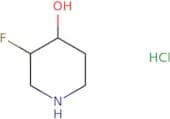
3-Fluoropiperidin-4-ol hydrochloride
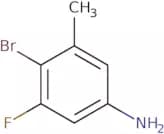
CAS:Versatile small molecule scaffoldFormula:C5H11ClFNOPurezza:Min. 95%Peso molecolare:155.6 g/mol4-bromo-3-fluoro-5-methylaniline
CAS:Versatile small molecule scaffold
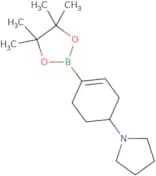
Formula:C7H7BrFNPurezza:Min. 95%Peso molecolare:204 g/mol1-(4-(4,4,5,5-Tetramethyl-1,3,2-dioxaborolan-2-yl)cyclohex-3-en-1-yl)pyrrolidine
CAS:Versatile small molecule scaffold
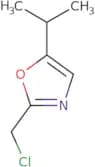
Formula:C16H28BNO2Purezza:Min. 95%Peso molecolare:277.21 g/mol2-(Chloromethyl)-5-(propan-2-yl)-1,3-oxazole
CAS:Versatile small molecule scaffoldFormula:C7H10ClNOPurezza:Min. 95%Peso molecolare:159.61 g/mol6-Oxo-1-(2,3,5,6-tetrafluorophenyl)-1,4,5,6-tetrahydropyridazine-3-carboxylic acid
CAS:Versatile small molecule scaffold
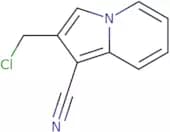
Formula:C11H6F4N2O3Purezza:Min. 95%Peso molecolare:290.17 g/mol2-(Chloromethyl)indolizine-1-carbonitrile
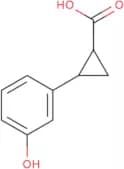
CAS:Versatile small molecule scaffoldFormula:C10H7ClN2Purezza:Min. 95%Peso molecolare:190.63 g/molrac-(1R,2R)-2-(3-Hydroxyphenyl)cyclopropane-1-carboxylic acid
CAS:Versatile small molecule scaffold
Formula:C10H10O3Purezza:Min. 95%Peso molecolare:178.18 g/mol4-Methyl-1,1,3-trioxothieno[3,2-d][1,2]thiazole-5-carboxylic acid
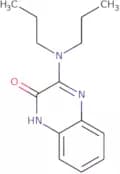
CAS:Versatile small molecule scaffoldFormula:C7H5NO5S2Purezza:Min. 95%Peso molecolare:247.3 g/mol3-(Dipropylamino)-1,2-dihydroquinoxalin-2-one
CAS:Versatile small molecule scaffold
Formula:C14H19N3OPurezza:Min. 95%Peso molecolare:245.32 g/mol2-{2-[(1-Methyl-1H-imidazol-2-yl)sulfanyl]acetamido}benzoic acid
CAS:Versatile small molecule scaffoldFormula:C13H13N3O3SPurezza:Min. 95%Peso molecolare:291.33 g/mol2-Chloro-N-[2-(4-fluorophenyl)ethyl]propanamide
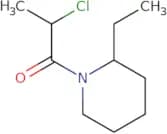
CAS:Versatile small molecule scaffoldFormula:C11H13ClFNOPurezza:Min. 95%Peso molecolare:229.68 g/mol2-Chloro-1-(2-ethylpiperidin-1-yl)propan-1-one
CAS:Versatile small molecule scaffold
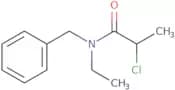
Formula:C10H18ClNOPurezza:Min. 95%Peso molecolare:203.71 g/molN-Benzyl-2-chloro-N-ethylpropanamide
CAS:Versatile small molecule scaffold
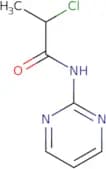
Formula:C12H16ClNOPurezza:Min. 95%Peso molecolare:225.71 g/mol2-Chloro-N-(pyrimidin-2-yl)propanamide
CAS:Versatile small molecule scaffoldFormula:C7H8ClN3OPurezza:Min. 95%Peso molecolare:185.61 g/mol1-[(4-Bromo-2-chlorophenyl)sulfonyl]piperazine
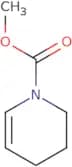
CAS:Versatile small molecule scaffoldFormula:C10H12BrClN2O2SPurezza:Min. 95%Peso molecolare:339.64 g/molMethyl 1,2,3,4-tetrahydropyridine-1-carboxylate
CAS:Versatile small molecule scaffold
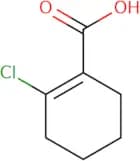
Formula:C7H11NO2Purezza:Min. 95%Peso molecolare:141.17 g/mol2-Chlorocyclohex-1-ene-1-carboxylic acid
CAS:2-Chlorocyclohex-1-ene-1-carboxylic acid is a synthetic compound that has been used as a reactant for the production of phthalic anhydride. The reaction mechanism begins with the formation of isocyanide, which reacts with benzoic acid to form an intermediate benzoyl isocyanide. This intermediate reacts with the acetic acid to produce 2-chlorocyclohexanecarboxylic acid, which in turn undergoes hydrolysis to give phthalic anhydride.Formula:C7H9ClO2Purezza:Min. 95%Peso molecolare:160.6 g/molFuro[3,2-b]pyridine-5-carboxylic acid
CAS:Versatile small molecule scaffold
Formula:C8H5NO3Purezza:Min. 95%Peso molecolare:163.13 g/mol8-chloroimidazo[1,5-a]pyrazine
CAS:8-Chloroimidazo[1,5-a]pyrazine is a potent insulin-like growth factor-I receptor (IGF-IR) inhibitor with potential therapeutic use for type II diabetes. It was found to inhibit IGF-I induced activation of the IR and downstream signaling pathways in a dose dependent manner. 8-Chloroimidazo[1,5-a]pyrazine inhibited IGF-I induced mitogenesis in human colon cancer cells and showed antiangiogenic activity in nude mice bearing xenografts of human colon cancer cells.
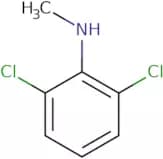
Formula:C6H4ClN3Purezza:Min. 95%Peso molecolare:153.57 g/mol2,6-Dichloro-N-methylaniline
CAS:Versatile small molecule scaffold
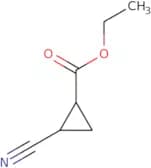
Formula:C7H7Cl2NPurezza:Min. 95%Peso molecolare:176.04 g/molethyl 2-cyanocyclopropane-1-carboxylate
CAS:Ethyl 2-cyanocyclopropane-1-carboxylate is a reactive chemical reagent that can be used to synthesize a variety of compounds. It is an aliphatic compound with a carbonyl group at the end of the molecule and belongs to a class of compounds called chlorohydrins. Ethyl 2-cyanocyclopropane-1-carboxylate has been used as an organoindium compound for the synthesis of stilbene derivatives. It can also be used to synthesize chlorinated alkenes, oxiranes, and other cyclopropanes. Ethyl 2-cyanocyclopropane-1-carboxylate can react with alcohols or phenols in presence of acid to form acetals or ketals, respectively.
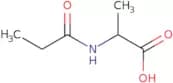
Formula:C7H9NO2Purezza:Min. 95%Peso molecolare:139.15 g/mol(2S)-2-Propanamidopropanoic acid
CAS:(2S)-2-Propanamidopropanoic acid is a non-protein amino acid that is used in the synthesis of peptides. It has an acidic side chain and can be reacted with amines to form a beta-amide linkage. These reactions are catalyzed by enzymes such as proteases and thiols. This compound has been shown to inhibit the activity of proteases, which may be due to its ability to compete for binding sites on the enzyme. The equilibrium constant for this reaction is 1.5 x 10^9 M^(-1).
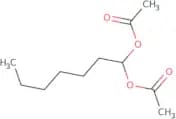
Formula:C6H11NO3Purezza:Min. 95%Peso molecolare:145.16 g/mol1-(Acetyloxy)heptyl acetate
CAS:1-(Acetyloxy)heptyl acetate is an organic compound that has the molecular formula CH3COOC7H15. It is a colorless liquid with boiling point of 174°C at 1 mmHg. This compound is used as a solvent, and it is also used in the synthesis of some pharmaceuticals. The melting point of 1-(acetyloxy)heptyl acetate varies depending on the temperature because this compound exists as two polymorphs. The compound can be activated by heating to temperatures above 145°C, which will cause it to form hydrogen bonds with water molecules. One of the major uses for 1-(acetyloxy)heptyl acetate is as an excipient in tablets and capsules. The most common use for this substance is in pharmaceuticals that are taken orally and require solvents or solubilizers to dissolve other components such as inactive ingredients, active ingredients, or colors.
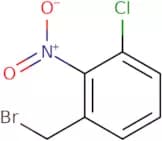
Formula:C11H20O4Purezza:Min. 95%Peso molecolare:216.27 g/mol3-Chloro-2-nitrobenzyl bromide
CAS:Versatile small molecule scaffold
Formula:C7H5BrClNO2Purezza:Min. 95%Peso molecolare:250.48 g/mol2-(Carbamoylmethoxy)benzoic acid
CAS:Versatile small molecule scaffold
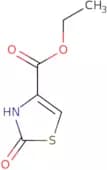
Formula:C9H9NO4Purezza:Min. 95%Peso molecolare:195.17 g/molEthyl 2-hydroxy-1,3-thiazole-4-carboxylate
CAS:Versatile small molecule scaffold
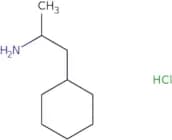
Formula:C6H7NO3SPurezza:Min. 95%Peso molecolare:173.19 g/mol(2S)-1-Cyclohexylpropan-2-amine hydrochloride
CAS:Versatile small molecule scaffoldFormula:C9H20ClNPurezza:Min. 95%Peso molecolare:177.71 g/mol2-[4-(6-Chloropyridazin-3-yl)piperazin-1-yl]ethan-1-ol
CAS:Versatile small molecule scaffold
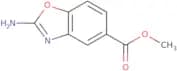
Formula:C10H15ClN4OPurezza:Min. 95%Peso molecolare:242.7 g/molMethyl 2-amino-1,3-benzoxazole-5-carboxylate
CAS:Versatile small molecule scaffold
Formula:C9H8N2O3Purezza:Min. 95%Peso molecolare:192.17 g/mol6-Chloro-3-(4-methylphenyl)-[1,2,4]triazolo[4,3-b]pyridazine
CAS:Versatile small molecule scaffold
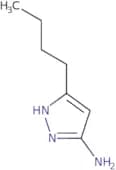
Formula:C12H9ClN4Purezza:Min. 95%Peso molecolare:244.68 g/mol3-Butyl-1H-pyrazol-5-amine
CAS:3-Butyl-1H-pyrazol-5-amine is a cytotoxic agent that has been shown to inhibit the proliferation of glioblastoma cells in vitro. The drug is an analog of pyrazolopyrimidinone, which is a prodrug that can be activated by cytochrome P450 enzymes. In this study, 3-butyl-1H-pyrazol-5-amine was found to be a potent and selective inhibitor of cancer cell proliferation. It also exhibits greater stability than pyrazolopyrimidinone, making it more suitable for clinical trials. This prodrug derivative has been synthesized and its prodrug derivatives have been generated with different activation chemistries to allow for the selective delivery of cytotoxic agents to cancer cells.
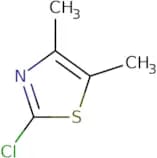
Formula:C7H13N3Purezza:Min. 95%Peso molecolare:139.2 g/mol2-Chloro-4,5-dimethyl-1,3-thiazole
CAS:Versatile small molecule scaffold
Formula:C5H6NSClPurezza:Min. 95%Peso molecolare:147.62 g/mol7-Benzyl-5,6-dimethyl-7H-pyrrolo[2,3-d]pyrimidin-4-amine
CAS:Versatile small molecule scaffold
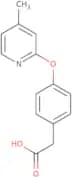
Formula:C15H16N4Purezza:Min. 95%Peso molecolare:252.31 g/mol2-(4-((4-Methylpyridin-2-yl)oxy)phenyl)acetic acid
CAS:Versatile small molecule scaffold
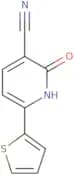
Formula:C14H13NO3Purezza:Min. 95%Peso molecolare:243.26 g/mol2-Oxo-6-(thiophen-2-yl)-1,2-dihydropyridine-3-carbonitrile
CAS:Versatile small molecule scaffold
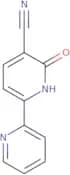
Formula:C10H6N2OSPurezza:Min. 95%Peso molecolare:202.23 g/mol2-Oxo-6-(2-pyridinyl)-1,2-dihydro-3-pyridinecarbonitrile
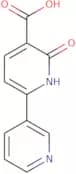
CAS:Versatile small molecule scaffoldFormula:C11H7N3OPurezza:Min. 95%Peso molecolare:197.19 g/mol2-Oxo-6-(pyridin-3-yl)-1,2-dihydropyridine-3-carboxylic acid
CAS:Versatile small molecule scaffold
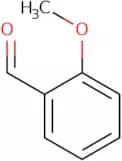
Formula:C11H8N2O3Purezza:Min. 95%Peso molecolare:216.19 g/mol2-Methoxybenzaldehyde-d3
CAS:Versatile small molecule scaffold
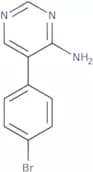
Formula:C8H8O2Purezza:Min. 95%Peso molecolare:139.17 g/mol5-(4-Bromophenyl)pyrimidin-4-amine
CAS:Versatile small molecule scaffold
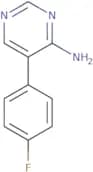
Formula:C10H8BrN3Purezza:Min. 95%Peso molecolare:250.09 g/mol5-(4-Fluorophenyl)pyrimidin-4-amine
CAS:Versatile small molecule scaffold
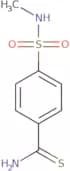
Formula:C10H8FN3Purezza:Min. 95%Peso molecolare:189.19 g/mol4-(Methylsulfamoyl)benzene-1-carbothioamide
CAS:Versatile small molecule scaffold
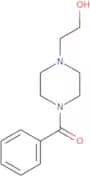
Formula:C8H10N2O2S2Purezza:Min. 95%Peso molecolare:230.3 g/mol2-(4-Benzoyl-1-piperazinyl)ethanol
CAS:Versatile small molecule scaffold
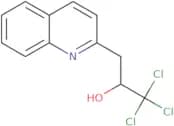
Formula:C13H18N2O2Purezza:Min. 95%Peso molecolare:234.3 g/mol1,1,1-Trichloro-3-(quinolin-2-yl)propan-2-ol
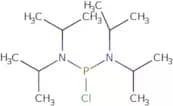
CAS:Versatile small molecule scaffoldFormula:C12H10Cl3NOPurezza:Min. 95%Peso molecolare:290.6 g/molBis(diisopropylamino)chlorophosphine
CAS:Bis(diisopropylamino)chlorophosphine is a phosphorylating agent that binds to the polymerase active site of the hepatitis C virus (HCV) NS5B protein. It is a promising anti-HCV drug candidate for the treatment of chronic hepatitis C infections. Bis(diisopropylamino)chlorophosphine has been shown to be effective in inhibiting HCV replication in vitro and in vivo, with no significant toxicity. Bis(diisopropylamino)chlorophosphine has also been shown to be an excellent probe for detecting HCV RNA in clinical samples by fluorescence microscopy. This compound has been successfully used in a phase I clinical trial and is currently undergoing phase II clinical development.
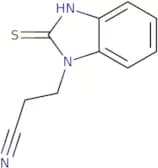
Formula:C12H28ClN2PPurezza:Min. 95%Peso molecolare:266.79 g/mol3-(2-Sulfanyl-1H-1,3-benzodiazol-1-yl)propanenitrile
CAS:Versatile small molecule scaffoldFormula:C10H9N3SPurezza:Min. 95%Peso molecolare:203.27 g/mol[1,3]Thiazolo[5,4-b]pyridine-6-carboxylic acid
CAS:Versatile small molecule scaffold
Formula:C7H4N2O2SPurezza:Min. 95%Peso molecolare:180.19 g/mol5-Chloro-3-methyl-1H-pyrrolo[2,3-b]pyridine
CAS:Versatile small molecule scaffoldFormula:C8H7N2ClPurezza:Min. 95%Peso molecolare:166.6 g/mol1H-Pyrazolo[4,3-c]pyridine-6-carboxylic acid
CAS:Versatile small molecule scaffold
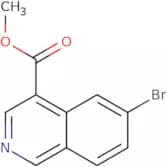
Formula:C7H5N3O2Purezza:Min. 95%Peso molecolare:163.14 g/molMethyl 6-bromoisoquinoline-4-carboxylate
CAS:Versatile small molecule scaffold
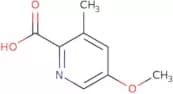
Formula:C11H8BrNO2Purezza:Min. 95%Peso molecolare:266.09 g/mol5-Methoxy-3-methylpicolinic acid
CAS:Versatile small molecule scaffold
Formula:C8H9NO3Purezza:Min. 95%Peso molecolare:167.16 g/mol5-fluoro-1H-pyrazolo[3,4-b]pyridine
CAS:5-fluoro-1H-pyrazolo[3,4-b]pyridine is a medicament for the treatment of cardiovascular diseases and cardiovascular disorders. It is in the form of a powder that is to be taken orally. 5-fluoro-1H-pyrazolo[3,4-b]pyridine has been shown to have an effect on inhibition of platelet aggregation and vasodilation.
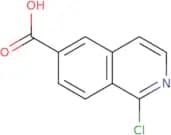
Formula:C6H4FN3Purezza:Min. 95%Peso molecolare:137.11 g/mol1-Chloroisoquinoline-6-carboxylic acid
CAS:Versatile small molecule scaffoldFormula:C10H6ClNO2Purezza:Min. 95%Peso molecolare:207.61 g/moltert-butyl 5-oxo-1,4,9-triazaspiro[5.5]undecane-9-carboxylate
CAS:Versatile small molecule scaffold
Formula:C13H23N3O3Purezza:Min. 95%Peso molecolare:269.3 g/mol3-[(4-Methylphenyl)sulfanyl]-2,5-dihydro-1,2,4-thiadiazol-5-imine
CAS:Versatile small molecule scaffold
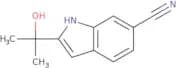
Formula:C9H9N3S2Purezza:Min. 95%Peso molecolare:223.3 g/mol2-(2-Hydroxypropan-2-yl)-1H-indole-6-carbonitrile
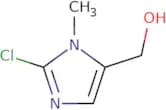
CAS:Versatile small molecule scaffoldFormula:C12H12N2OPurezza:Min. 95%Peso molecolare:200.24 g/mol(2-Chloro-1-methyl-1H-imidazol-5-yl)methanol
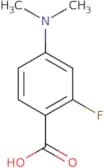
CAS:Versatile small molecule scaffoldFormula:C5H7ClN2OPurezza:Min. 95%Peso molecolare:146.57 g/mol4-(Dimethylamino)-2-fluorobenzoic acid
CAS:Versatile small molecule scaffold
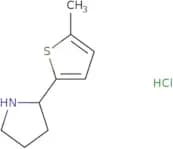
Formula:C9H10FNO2Purezza:Min. 95%Peso molecolare:183.18 g/mol2-(5-Methylthiophen-2-yl)pyrrolidine hydrochloride
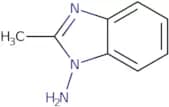
CAS:Versatile small molecule scaffoldFormula:C9H14ClNSPurezza:Min. 95%Peso molecolare:203.73 g/mol2-Methyl-1H-1,3-benzodiazol-1-amine
CAS:Versatile small molecule scaffold
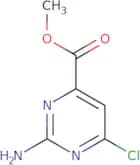
Formula:C8H9N3Purezza:Min. 95%Peso molecolare:147.18 g/molMethyl 2-amino-6-chloropyrimidine-4-carboxylate
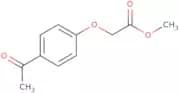
CAS:Versatile small molecule scaffoldFormula:C6H6ClN3O2Purezza:Min. 95%Peso molecolare:187.58 g/molMethyl 2-(4-acetylphenoxy)acetate
CAS:Versatile small molecule scaffold
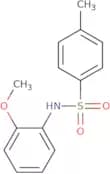
Formula:C11H12O4Purezza:Min. 95%Peso molecolare:208.21 g/molN-(2-Methoxyphenyl)-4-methylbenzene-1-sulfonamide
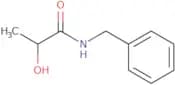
CAS:N-(2-Methoxyphenyl)-4-methylbenzene-1-sulfonamide is a drug that has been shown to be effective in treating nerve injury. It binds to extracellular nicotinic acetylcholine receptors and blocks the neurotransmitter acetylcholine from binding to its receptor, preventing it from stimulating the postsynaptic neuron. N-(2-Methoxyphenyl)-4-methylbenzene-1-sulfonamide also prevents the release of nitric oxide, which is a neurotransmitter that stimulates the postsynaptic neuron. The dihedral angles of this compound are close to those found in natural products such as nicotine, which possess similar effects on nerve injury. This drug has been shown to be successful in treating cerebral injuries, but not peripheral ones.END>Formula:C14H15NO3SPurezza:Min. 95%Peso molecolare:277.34 g/molN-Benzyl-2-hydroxypropanamide
CAS:N-Benzyl-2-hydroxypropanamide is an amide that is a carboxylic acid and an unsaturated compound. It has a chiral center, which can be either erythro or threo depending on the configuration of the substituents. N-Benzyl-2-hydroxypropanamide is a diastereomer of 2-(benzyloxy)propanoic acid and can be obtained by alkylation of 2-(benzyloxy)ethanol with chloroacetic acid followed by hydrolysis. This compound can exist in mixtures of enantiomers due to its stereochemistry.
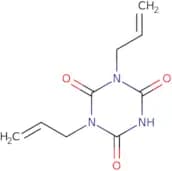
Formula:C10H13NO2Purezza:Min. 95%Peso molecolare:179.22 g/molDiallyl Isocyanurate
CAS:Diallyl Isocyanurate is an aliphatic hydrocarbon and a cross-linking agent. It reacts with amines to form amides, which are the backbone of many polymers and plastics. This chemical has strong hydrogen bonding properties, making it suitable for use as a sealant. Diallyl Isocyanurate also has hydroxyl groups that can react with other compounds to form adducts or polyclonal antibodies. It is chemically stable and has a high boiling point, making it useful in radiation as a sealant.
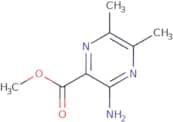
Formula:C9H11N3O3Purezza:Min. 95%Peso molecolare:209.21 g/molMethyl 3-amino-5,6-dimethylpyrazine-2-carboxylate
CAS:Versatile small molecule scaffold
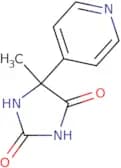
Formula:C8H11N3O2Purezza:Min. 95%Peso molecolare:181.19 g/mol5-Methyl-5-(pyridin-4-yl)imidazolidine-2,4-dione
CAS:5-Methyl-5-(pyridin-4-yl)imidazolidine-2,4-dione is a compound that is structurally related to cisplatin. It has antibacterial activity and has been found to inhibit the growth of Escherichia coli. 5-Methyl-5-(pyridin-4-yl)imidazolidine-2,4-dione has been shown to be effective against gram positive bacteria such as Staphylococcus aureus and Streptococcus pneumoniae, but not against gram negative bacteria such as Pseudomonas aeruginosa. The molecule is an inhibitor with a broad spectrum of action. It binds to the active site of bacterial DNA gyrase, which is an enzyme that maintains the integrity of bacterial DNA by preventing supercoiling. This binding prevents the formation of an antibiotic resistant complex with the enzyme cell wall synthesis that is required for cell wall biosynthesis
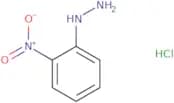
Formula:C9H9N3O2Purezza:Min. 95%Peso molecolare:191.19 g/mol2-Nitrophenylhydrazine Hydrochloride
CAS:2-Nitrophenylhydrazine hydrochloride is a low-dose group of nonsteroidal anti-inflammatory drugs (NSAIDs) that is used as a pharmaceutical preparation for the treatment of pain and inflammation. This drug may be used in conjunction with other NSAIDs such as ibuprofen, naproxen, or diclofenac to treat more severe pain. NSAIDs inhibit the cyclooxygenase enzyme that produces prostaglandins, which are mediators of pain and inflammation. NSAIDs can also inhibit the production of certain types of cells found in the stomach lining, which can lead to ulcers. 2-Nitrophenylhydrazine hydrochloride has been shown to inhibit the formation of acid when combined with hydrochloric acid and sodium salts. It also exhibits hydrogen bonding properties.
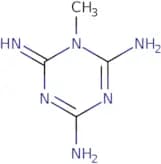
Formula:C6H7N3O2·HClPurezza:Min. 95%Peso molecolare:189.6 g/mol6-Imino-1-methyl-1,6-dihydro-1,3,5-triazine-2,4-diamine
CAS:Versatile small molecule scaffoldFormula:C4H8N6Purezza:Min. 95%Peso molecolare:140.15 g/mol4-Morpholin-4-yl-phenol
CAS:4-Morpholin-4-yl-phenol is a molecule that belongs to the class of organic compounds called morpholines. It is an intermediate in the formation of 4-morpholinoaniline. In this reaction, a nucleophilic oxygen atom (OH) reacts with an electrophilic nitrogen atom (N) and forms a tetrahedral intermediate. This intermediate then undergoes dimerization, which results in the loss of water molecules and produces a double bond between carbon atoms 3 and 4. The product of this reaction is 4-morpholin-4-yl phenol.
The kinetics of this reaction are first order with respect to both reactants. The rate constant for this reaction is 0.0029 mol/L/s at 25°C and can be calculated from the equation:
k = A[R]*[S]/(R*S)
where A is the concentration of R and S is the concentration of SFormula:C10H13NO2Purezza:Min. 95%Peso molecolare:179.22 g/mol1-(Methylamino)cyclohexanecarbonitrile
CAS:Versatile small molecule scaffold
Formula:C8H14N2Purezza:Min. 95%Peso molecolare:138.21 g/mol6-Chloro-1-phenyl-1H,4H,5H-pyrazolo[3,4-d]pyrimidin-4-one
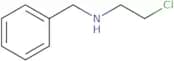
CAS:Versatile small molecule scaffoldFormula:C11H7ClN4OPurezza:Min. 95%Peso molecolare:246.65 g/molN-Benzyl-N-(2-chloroethyl)amine hydrochloride
CAS:N-Benzyl-N-(2-chloroethyl)amine hydrochloride is an aniline derivative that is catalytically converted to an isocyanate. It has been used as a chiral building block for the synthesis of analogues and can be used in high yield as a regiospecific sulfone formation. The chlorosulfonyl chloride is generated in situ from triethylamine and chlorosulfonyl isocyanate, which leads to cyclic sulfones.
Formula:C9H13Cl2NPurezza:Min. 95%Peso molecolare:206.11 g/molN-Methyl-1H-pyrazolo[3,4-d]pyrimidin-4-amine
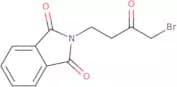
CAS:Versatile small molecule scaffoldFormula:C6H7N5Purezza:Min. 95%Peso molecolare:149.15 g/mol2-(3-Bromo-2-oxopropyl)isoindoline-1,3-dione
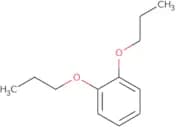
CAS:2-(3-Bromo-2-oxopropyl)isoindoline-1,3-dione is a methyl ester of 2-(3-bromo-2-oxopropyl)isoindoline. It is also known as 2-(2,6-dibromohexyl)-isoindoline. This compound has been used for the bromination of 1,4 dioxane and the synthesis of methyl 4-nitrobenzoate. The acid hydrochloride form has been used in the synthesis of 2-(3,5-dibromophenyl)isoindoline.Formula:C11H8BrNO3Purezza:Min. 95%Peso molecolare:282.09 g/mol1,2-Dipropoxybenzene
CAS:1,2-Dipropoxybenzene is a colorless liquid with a pleasant odor. It is soluble in water and insoluble in alcohol. The compound has been shown to inhibit the growth of bacteria such as Bacillus subtilis and Escherichia coli at low concentrations. This compound also has strong interactions with other compounds, such as its reaction with 1,4-dichlorobenzene to form 2,4-dichlorobenzophenone. 1,2-Dipropoxybenzene is biodegradable and has been shown to have a low toxicity for both aquatic organisms and mammals. This compound crystallizes from hot water or ethanol solution at room temperature.br>br>
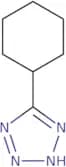
The structure of this molecule includes an aromatic ring that contains two benzene rings fused together with one oxygen atom between them. The three hydrogens on the benzene ring are not involved in any hydrogen bonding interactions; instead they are passively protonated byFormula:C12H18O2Purezza:Min. 95%Peso molecolare:194.27 g/mol5-Cyclohexyl-1H-1,2,3,4-tetrazole
CAS:Versatile small molecule scaffold
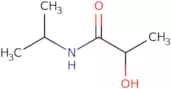
Formula:C7H12N4Purezza:Min. 95%Peso molecolare:152.2 g/mol2-Hydroxy-N-(propan-2-yl)propanamide
CAS:Versatile small molecule scaffold
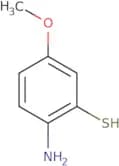
Formula:C6H13NO2Purezza:Min. 95%Peso molecolare:131.17 g/mol2-Amino-5-methoxythiophenol
CAS:2-Amino-5-methoxythiophenol is an organic compound that is used as a fluorescent probe for the measurement of mitochondrial membrane potential. The optimal reaction conditions are 3:1 methanol to water, with a reaction time of 10 minutes at room temperature. The demethylation of 2-amino-5-methoxythiophenol yields 3-mercaptopropionic acid, which can be used as a synthetic intermediate in other organic synthesis reactions. It has been found that the ring opening of 2-amino-5-methoxythiophenol occurs through oxidation and the formation of radicals. This reaction mechanism is supported by the photophysical properties observed in its fluorescence spectrum.
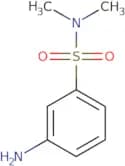
Formula:C7H9NOSPurezza:Min. 95%Peso molecolare:155.22 g/mol3-Amino-N,N-dimethyl-benzenesulfonamide
CAS:Versatile small molecule scaffold
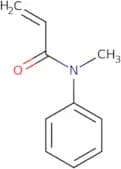
Formula:C8H12N2O2SPurezza:Min. 95%Peso molecolare:200.26 g/molN-Methyl-N-phenylprop-2-enamide
CAS:N-Methyl-N-phenylprop-2-enamide is a perfluorinated compound with acrylate functional groups. It is a monomer that can react with other compounds to form polymers. It has been shown to be useful in the production of polyacrylates, which are used in industrial and medical applications. NMPEA has a bond cleavage reaction when it reacts with triphosgene, which can lead to the formation of acrylonitrile and chlorobenzene. This type of reaction also exhibits hydrogen bonding interactions and can be activated by an amide or an alcohol.
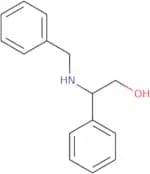
Formula:C10H11NOPurezza:Min. 95%Peso molecolare:161.2 g/mol2-(Benzylamino)-2-phenylethanol
CAS:Versatile small molecule scaffold
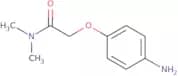
Formula:C15H17NOPurezza:Min. 95%Peso molecolare:227.3 g/mol2-(4-Aminophenoxy)-N,N-dimethylacetamide
CAS:Versatile small molecule scaffold
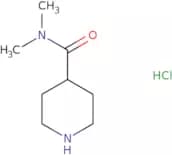
Formula:C10H14N2O2Purezza:Min. 95%Peso molecolare:194.23 g/molPiperidine-4-carboxylic acid dimethylamide HCl
CAS:Versatile small molecule scaffold
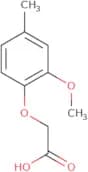
Formula:C8H16N2O·HClPurezza:Min. 95%Peso molecolare:192.69 g/mol(2-Methoxy-4-methyl-phenoxy)-acetic acid
CAS:Versatile small molecule scaffold
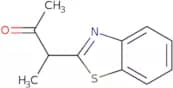
Formula:C10H12O4Purezza:Min. 95%Peso molecolare:196.2 g/mol3-(1,3-Benzothiazol-2-yl)butan-2-one
CAS:Versatile small molecule scaffold
Formula:C11H11NOSPurezza:Min. 95%Peso molecolare:205.28 g/mol2-[(Methoxycarbonyl)amino]benzoic acid
CAS:Versatile small molecule scaffold
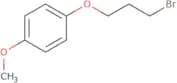
Formula:C9H9NO4Purezza:Min. 95%Peso molecolare:195.17 g/mol1-(3-Bromo-propoxy)-4-methoxy-benzene
CAS:Versatile small molecule scaffold
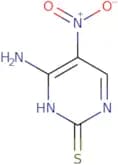
Formula:C10H13BrO2Purezza:Min. 95%Peso molecolare:245.12 g/mol4-Amino-5-nitropyrimidine-2-thiol
CAS:Versatile small molecule scaffold
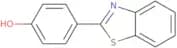
Formula:C4H4N4O2SPurezza:Min. 95%Peso molecolare:172.17 g/mol4-(1,3-Benzothiazol-2-yl)phenol
CAS:4-(1,3-Benzothiazol-2-yl)phenol is an antibacterial agent that contains a methoxy group. It has been shown to have potent cytotoxicity against cancer cells and may be used for the treatment of cancer. 4-(1,3-Benzothiazol-2-yl)phenol is an oxidant that is able to form covalent bonds with proteins and other molecules through hydrogen bonding. The oxidation products of 4-(1,3-Benzothiazol-2-yl)phenol are also potent cytotoxins and inhibitors of bacterial growth. The molecular modeling studies on this compound indicate that it binds to DNA by intermolecular hydrogen bonding. This drug targets the enzyme thymidylate synthase, which catalyzes the conversion of dUMP to dTMP in the de novo pathway of DNA synthesis. 4-(1,3-Benzothiazol-2-yl)phenol has been
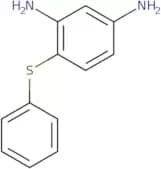
Formula:C13H9NOSPurezza:Min. 95%Peso molecolare:227.29 g/mol4-(Phenylsulfanyl)benzene-1,3-diamine
CAS:Versatile small molecule scaffold
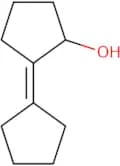
Formula:C12H12N2SPurezza:Min. 95%Peso molecolare:216.3 g/mol2-Cyclopentylidenecyclopentan-1-ol
CAS:2-Cyclopentylidenecyclopentan-1-ol is a cyclic ether with the chemical formula of C10H14O. It is a reactive, exploratory molecule that contains a hydrogenated, hydrochloric acid, and photolyzed dipole. This compound is a hydroxyl group with an epoxide that yields centrosymmetric molecules. 2-Cyclopentylidenecyclopentan-1-ol has been shown to have yields of 54%.
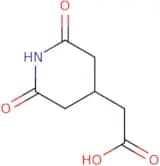
Formula:C10H16OPurezza:Min. 95%Peso molecolare:152.23 g/mol(2,6-Dioxo-piperidin-4-yl)-acetic acid
CAS:Versatile small molecule scaffold
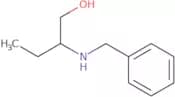
Formula:C7H9NO4Purezza:Min. 95%Peso molecolare:171.15 g/mol(2R)-2-(Benzylamino)butan-1-ol
CAS:Versatile small molecule scaffold
Formula:C11H17NOPurezza:Min. 95%Peso molecolare:179.26 g/mol10-Oxa-4-azatricyclo[5.2.1.0,2,6]dec-8-ene-3,5-dione
CAS:Versatile small molecule scaffold
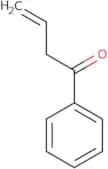
Formula:C8H7NO3Purezza:Min. 95%Peso molecolare:165.15 g/mol1-Phenylbut-3-en-1-one
CAS:1-Phenylbut-3-en-1-one is an alkylthio group that is a polymer film with a diameter of 2.5 μm and has been shown to be effective as a choroidal neovascularization inhibitor. It can inhibit the development of new blood vessels in the eye by cross-linking the collagen fibers and inhibiting their growth. 1-Phenylbut-3-en-1-one has also been shown to have an inhibitory effect on inflammatory diseases, such as arthritis, and can be used for treatment of these conditions. The hydroxy group and alkynyl groups in this molecule are responsible for its antiinflammatory properties.
Formula:C10H10OPurezza:Min. 95%Peso molecolare:146.19 g/mol1-Azabicyclo[2.2.2]octane-3-carboxylic acid hydrochloride
CAS:Versatile small molecule scaffold
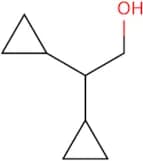
Formula:C8H14ClNO2Purezza:Min. 95%Peso molecolare:191.65 g/mol2,2-Dicyclopropylethan-1-ol
CAS:Versatile small molecule scaffold
Formula:C8H14OPurezza:Min. 95%Peso molecolare:126.2 g/molBicyclo[3.3.1]nonane-3-carboxylic acid
CAS:Versatile small molecule scaffold
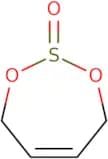
Formula:C10H16O2Purezza:Min. 95%Peso molecolare:168.23 g/mol4,7-Dihydro-1,3,2-dioxathiepine 2-oxide
CAS:Versatile small molecule scaffold
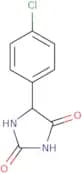
Formula:C4H6O3SPurezza:Min. 95%Peso molecolare:134.16 g/mol5-(4-Chlorophenyl)imidazolidine-2,4-dione
CAS:Versatile small molecule scaffold
Formula:C9H7ClN2O2Purezza:Min. 95%Peso molecolare:210.62 g/mol


![4-Methyl-1,1,3-trioxothieno[3,2-d][1,2]thiazole-5-carboxylic acid](/_next/image/?url=https%3A%2Fstatic.cymitquimica.com%2Fproducts%2F3D%2Fthumb-webp%2FGEB80217.webp&w=3840&q=75)
![2-{2-[(1-Methyl-1H-imidazol-2-yl)sulfanyl]acetamido}benzoic acid](/_next/image/?url=https%3A%2Fstatic.cymitquimica.com%2Fproducts%2F3D%2Fthumb-webp%2FGEB79332.webp&w=3840&q=75)
![2-Chloro-N-[2-(4-fluorophenyl)ethyl]propanamide](/_next/image/?url=https%3A%2Fstatic.cymitquimica.com%2Fproducts%2F3D%2Fthumb-webp%2FGEB01202.webp&w=3840&q=75)
![1-[(4-Bromo-2-chlorophenyl)sulfonyl]piperazine](/_next/image/?url=https%3A%2Fstatic.cymitquimica.com%2Fproducts%2F3D%2Fthumb-webp%2FGEB00383.webp&w=3840&q=75)
![Furo[3,2-b]pyridine-5-carboxylic acid](/_next/image/?url=https%3A%2Fstatic.cymitquimica.com%2Fproducts%2F3D%2Fthumb-webp%2FGCA47391.webp&w=3840&q=75)
![8-chloroimidazo[1,5-a]pyrazine](/_next/image/?url=https%3A%2Fstatic.cymitquimica.com%2Fproducts%2F3D%2Fthumb-webp%2FGCA46823.webp&w=3840&q=75)

![2-[4-(6-Chloropyridazin-3-yl)piperazin-1-yl]ethan-1-ol](/_next/image/?url=https%3A%2Fstatic.cymitquimica.com%2Fproducts%2F3D%2Fthumb-webp%2FGCA39287.webp&w=3840&q=75)
![6-Chloro-3-(4-methylphenyl)-[1,2,4]triazolo[4,3-b]pyridazine](/_next/image/?url=https%3A%2Fstatic.cymitquimica.com%2Fproducts%2F3D%2Fthumb-webp%2FGCA38342.webp&w=3840&q=75)
![7-Benzyl-5,6-dimethyl-7H-pyrrolo[2,3-d]pyrimidin-4-amine](/_next/image/?url=https%3A%2Fstatic.cymitquimica.com%2Fproducts%2F3D%2Fthumb-webp%2FGCA34453.webp&w=3840&q=75)
![[1,3]Thiazolo[5,4-b]pyridine-6-carboxylic acid](/_next/image/?url=https%3A%2Fstatic.cymitquimica.com%2Fproducts%2F3D%2Fthumb-webp%2FGAC80425.webp&w=3840&q=75)
![5-Chloro-3-methyl-1H-pyrrolo[2,3-b]pyridine](/_next/image/?url=https%3A%2Fstatic.cymitquimica.com%2Fproducts%2F3D%2Fthumb-webp%2FGAC80309.webp&w=3840&q=75)
![1H-Pyrazolo[4,3-c]pyridine-6-carboxylic acid](/_next/image/?url=https%3A%2Fstatic.cymitquimica.com%2Fproducts%2F3D%2Fthumb-webp%2FGAC80203.webp&w=3840&q=75)
![5-fluoro-1H-pyrazolo[3,4-b]pyridine](/_next/image/?url=https%3A%2Fstatic.cymitquimica.com%2Fproducts%2F3D%2Fthumb-webp%2FGAC78884.webp&w=3840&q=75)
![tert-butyl 5-oxo-1,4,9-triazaspiro[5.5]undecane-9-carboxylate](/_next/image/?url=https%3A%2Fstatic.cymitquimica.com%2Fproducts%2F3D%2Fthumb-webp%2FGAC64330.webp&w=3840&q=75)
![3-[(4-Methylphenyl)sulfanyl]-2,5-dihydro-1,2,4-thiadiazol-5-imine](/_next/image/?url=https%3A%2Fstatic.cymitquimica.com%2Fproducts%2F3D%2Fthumb-webp%2FGAC62794.webp&w=3840&q=75)
![6-Chloro-1-phenyl-1H,4H,5H-pyrazolo[3,4-d]pyrimidin-4-one](/_next/image/?url=https%3A%2Fstatic.cymitquimica.com%2Fproducts%2F3D%2Fthumb-webp%2FGAA28899.webp&w=3840&q=75)
![N-Methyl-1H-pyrazolo[3,4-d]pyrimidin-4-amine](/_next/image/?url=https%3A%2Fstatic.cymitquimica.com%2Fproducts%2F3D%2Fthumb-webp%2FGAA28474.webp&w=3840&q=75)
![2-[(Methoxycarbonyl)amino]benzoic acid](/_next/image/?url=https%3A%2Fstatic.cymitquimica.com%2Fproducts%2F3D%2Fthumb-webp%2FGAA26838.webp&w=3840&q=75)
![10-Oxa-4-azatricyclo[5.2.1.0,2,6]dec-8-ene-3,5-dione](/_next/image/?url=https%3A%2Fstatic.cymitquimica.com%2Fproducts%2F3D%2Fthumb-webp%2FGAA25328.webp&w=3840&q=75)
![1-Azabicyclo[2.2.2]octane-3-carboxylic acid hydrochloride](/_next/image/?url=https%3A%2Fstatic.cymitquimica.com%2Fproducts%2F3D%2Fthumb-webp%2FGAA23834.webp&w=3840&q=75)
![Bicyclo[3.3.1]nonane-3-carboxylic acid](/_next/image/?url=https%3A%2Fstatic.cymitquimica.com%2Fproducts%2F3D%2Fthumb-webp%2FGAA22162.webp&w=3840&q=75)