Building Blocks
Sottocategorie di "Building Blocks"
- Acidi boronici e derivati dell'acido boronico(5.778 prodotti)
- Building Blocks Chirali(1.243 prodotti)
- Building Blocks Idrocarburici(6.099 prodotti)
- Building Blocks organici(61.038 prodotti)
Trovati 205376 prodotti di "Building Blocks"
Amyl Acetate
CAS:Amyl acetate is a reactive, volatile organic compound that is used in the manufacture of plasticizers, resins, and synthetic rubber. It is also used as a solvent for dyes and pigments, as well as a flavoring agent in food processing. Amyl acetate has been shown to have antimicrobial properties against human pathogens such as methicillin-resistant Staphylococcus aureus (MRSA), Escherichia coli, and Salmonella enterica. The antimicrobial activity of this molecule may be due to its ability to react with cellular components such as proteins and lipids. Amyl acetate also inhibits the growth of microorganisms by inhibiting their synthesis of essential biomolecules like amino acids and nucleic acids.
Formula:C7H14O2Purezza:Min. 95%Peso molecolare:130.19 g/mol2-Phenyl-1,3,4-oxadiazole
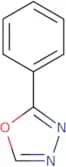
CAS:2-Phenyl-1,3,4-oxadiazole is a 2-phenyloxazole with an oxygen atom at the 1 position. It is a white crystalline solid that is soluble in water and has antibacterial properties. This chemical can be used as a catalyst for the synthesis of organic compounds. 2-Phenyl-1,3,4-oxadiazole reacts with nitro groups to form oxime derivatives and has been shown to inhibit the growth of fungi such as Candida albicans and Aspergillus niger. 2-Phenyl-1,3,4-oxadiazole can also be used as an antifungal agent against Trichophyton rubrum.
2-Phenyl-1,3,4-oxadiazole may be synthesized by reacting phenol with acetone in the presence of nitric acid or sulfuric acid. The structural formula for this compound isFormula:C8H6N2OPurezza:Min. 95%Peso molecolare:146.15 g/mol2,4-Dibromo-6-nitroaniline
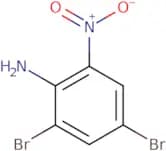
CAS:2,4-Dibromo-6-nitroaniline is a nitro compound that has been used in the production of dyes. It is also used as a component in the synthesis of other organic compounds. 2,4-Dibromo-6-nitroaniline can be produced by electrolysis of an acid solution containing radical cations and benzene. The radical cations are formed by proton transfer from the acid to the benzene, followed by electron transfer from benzene to the electrode. This process results in the formation of nitro groups on the benzene ring, which undergoes oxidation to form 2,4-dibromo-6-nitroaniline. The cyclic voltammetry shows that this process occurs via two pathways: one with a fast rate and one with a slow rate. The mechanism for this reaction is not yet known.
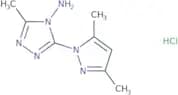
Formula:C6H4Br2N2O2Purezza:Min. 95%Peso molecolare:295.92 g/mol3-(3,5-Dimethyl-1H-pyrazol-1-yl)-5-methyl-4H-1,2,4-triazol-4-amine hydrochloride
CAS:Versatile small molecule scaffold
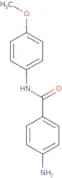
Formula:C8H13ClN6Purezza:Min. 95%Peso molecolare:228.68 g/mol4-Amino-n-(4-methoxyphenyl)benzamide
CAS:4-Amino-N-(4-methoxyphenyl)benzamide is a catalytic sulfamate that has been optimized for use in the synthesis of benzimidazole derivatives. 4-Amino-N-(4-methoxyphenyl)benzamide is used as a reagent for the preparation of aldehydes from sulfamic acid and various types of carboxylic acids. The reaction mechanism involves nucleophilic attack by the hydroxyl group from the sulfamate on the carbonyl carbon atom to form an intermediate, which then reacts with water to release hydrogen sulfate and form a new double bond.
Formula:C14H14N2O2Purezza:Min. 95%Peso molecolare:242.27 g/molN-[Carbamothioyl(phenyl)methyl]benzamide
CAS:Versatile small molecule scaffold
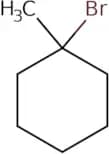
Formula:C15H14N2OSPurezza:Min. 95%Peso molecolare:270.3 g/mol1-Bromo-1-methylcyclohexane
CAS:1-Bromo-1-methylcyclohexane is a monomolecular gas that is used as an intermediate in organic synthesis. It reacts with halides to form cyclopentyl derivatives. This reaction has been shown to be faster than the corresponding reaction of 1-bromocyclohexane with chlorides or bromides. The rate of this reaction may be due to the polarizability and conformational changes of the molecule upon substitution by a methyl group. 1-Bromo-1-methylcyclohexane is also an ionizing reagent, which means it can cause electrophilic reactions to occur on other molecules. It has been found that the solvent effect on this product can affect its reactivity, with solvents such as water having more of an effect than solvents such as benzene. 1-Bromo-1-methylcyclohexane has been shown to interact with other compounds in both transfer and complex
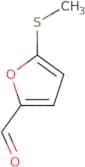
Formula:C7H13BrPurezza:Min. 95%Peso molecolare:177.08 g/mol5-(Methylsulfanyl)furan-2-carbaldehyde
CAS:Versatile small molecule scaffold
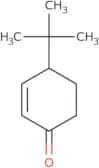
Formula:C6H6O2SPurezza:Min. 95%Peso molecolare:142.18 g/mol4-tert-Butylcyclohex-2-en-1-one
CAS:Versatile small molecule scaffold
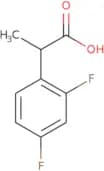
Formula:C10H16OPurezza:Min. 95%Peso molecolare:152.23 g/mol2-(2,4-Difluorophenyl)propanoic acid
CAS:Versatile small molecule scaffold
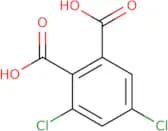
Formula:C9H8F2O2Purezza:Min. 95%Peso molecolare:186.15 g/mol3,5-Dichlorophthalic acid
CAS:3,5-Dichlorophthalic acid is a divalent organic acid that is used as an intermediate in the production of other chemicals. 3,5-Dichlorophthalic acid is used as a regulator of plant growth and development. It can also be used to make different n-substituted compounds, such as naphthalene, phthalic anhydride, and 2,6-dichloro-pyridine.
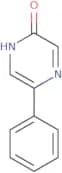
Formula:C8H4Cl2O4Purezza:Min. 95%Peso molecolare:235.02 g/mol5-Phenyl-1H-pyrazin-2-one
CAS:5-Phenyl-1H-pyrazin-2-one is a potent inhibitor of tyrosine kinase, which is an enzyme that regulates the activity of cells by transferring phosphate groups from ATP to tyrosine residues. This drug binds to the ATP binding site, resulting in inhibition of the enzyme's activity and reduced cell proliferation. 5-Phenyl-1H-pyrazin-2-one has been shown to be effective in treating rheumatoid arthritis and other autoimmune diseases, with no adverse effects on bone metabolism or blood pressure. It also has no effect on platelet aggregation or erythrocytes.
Formula:C10H8N2OPurezza:Min. 95%Peso molecolare:172.18 g/mol5-Methylquinoline
CAS:5-Methylquinoline is a quinoline derivative that is used in the synthesis of other quinoline derivatives. It can be synthesized from cinnamaldehyde, which can be obtained from cinnamic acid or benzaldehyde. 5-Methylquinoline has been shown to have antioxidant properties and inhibit colorectal carcinoma cells in vitro. The compound also inhibits the growth of caco-2 cells. One isomer of 5-methylquinoline, ethenyl, has been shown to cause a shift in the spectrum of light absorbed by caco-2 cells.
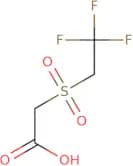
Formula:C10H9NPurezza:Min. 95%Peso molecolare:143.18 g/mol2-(2,2,2-Trifluoroethanesulfonyl)acetic acid
CAS:Trifloxacin is a broad-spectrum antibacterial drug that belongs to the class of formyloxy compounds and the cephalosporin family. It has been shown to be active against both Gram-positive and Gram-negative bacteria, with activity against strains resistant to penicillin, ampicillin, erythromycin, and chloramphenicol. Trifloxacin binds to the bacterial ribosome by displacement of a pyridyl group in the ribosomal RNA, inhibiting protein synthesis. This binding inhibits cell growth by preventing the production of proteins that are vital for cell division.
br>
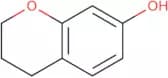
Trifloxacin has also been found to inhibit DNA gyrase and topoisomerase IV in vitro. Trifloxacin's mechanism of action is similar to that of other quinolones such as norfloxacin and ciprofloxacin.Formula:C4H5F3O4SPurezza:Min. 95%Peso molecolare:206.14 g/mol3,4-dihydro-2H-1-benzopyran-7-ol
CAS:3,4-Dihydro-2H-1-benzopyran-7-ol is a monomer that is used to synthesize medicines. It has the formula CH3COCH=CH(OH)CH3 and belongs to the group of flavonoids. 3,4-Dihydro-2H-1-benzopyran-7-ol has acidic properties, which are due to its isoflavones. It can be used as an acid catalyst in organic synthesis reactions and is a reaction product of chloropropane. 3,4-Dihydro-2H-1-benzopyran-7-ol also has high yield and can act as a bioisostere for other compounds such as chromene.
Formula:C9H10O2Purezza:Min. 95%Peso molecolare:150.18 g/mol2-(Methylsulfonyl)-1H-benzo[d]imidazole
CAS:2-(Methylsulfonyl)-1H-benzo[d]imidazole (MSBI) is a relatively new class of catalysts that can be used to promote the oxidation of alcohols. The catalytic system consists of copper, iodides, and MSBI. The first step in the catalytic cycle is the formation of a complex between MSBI and copper. This complex reacts with an alcohol to give a more reactive species, which then oxidizes iodide to iodine. The iodide is reduced back to iodide by hydrogen peroxide generated from the reaction with water. The spectrum of MSBI shows peaks at 1706 cm-1 and 1684 cm-1 due to its methyl groups, while the peak at 1202 cm-1 corresponds to the stretching vibration in the imidazole ring. Experimental results show that MSBI has a low density and high theoretical activity.
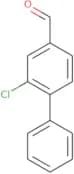
Formula:C8H8N2O2SPurezza:Min. 95%Peso molecolare:196.22 g/mol3-Chloro-4-phenylbenzaldehyde
CAS:Versatile small molecule scaffold
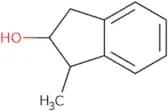
Formula:C13H9ClOPurezza:Min. 95%Peso molecolare:216.66 g/mol1-Methyl-2,3-dihydro-1H-inden-2-ol
CAS:Versatile small molecule scaffold
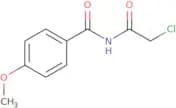
Formula:C10H12OPurezza:Min. 95%Peso molecolare:148.2 g/molN-(2-Chloroacetyl)-4-methoxybenzamide
CAS:Versatile small molecule scaffold
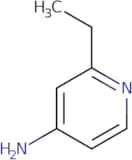
Formula:C10H10ClNO3Purezza:Min. 95%Peso molecolare:227.64 g/mol2-Ethylpyridin-4-amine
CAS:2-Ethylpyridin-4-amine is a pyridine that can be synthesized from the amination of 4-nitrophenol. It can also be synthesized by acylation of 2-ethylpyridine with ethyl chloroformate followed by cyclization. This compound has shown to have high yields in reactions involving pyridines and it is often used as a precursor for other compounds.
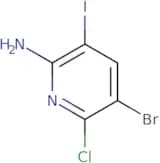
Formula:C7H10N2Purezza:Min. 95%Peso molecolare:122.17 g/mol5-Bromo-6-chloro-3-iodopyridin-2-amine
CAS:Versatile small molecule scaffold
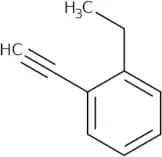
Formula:C5H3BrClIN2Purezza:Min. 95%Peso molecolare:333.35 g/mol1-Ethyl-2-ethynylbenzene
CAS:1-Ethyl-2-ethynylbenzene is an indene that can be synthesized by the reaction of 1-ethylbenzene with ethynylmagnesium bromide and trifluoroacetyl chloride. 1-Ethyl-2-ethynylbenzene reacts as a nucleophile with electrophiles, such as phenylsulfonyl and acetylene compounds, to form sulfones and acetylenes. It can also react with tetrafluoroborates to form indenes.
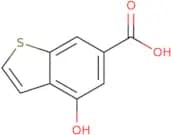
Formula:C10H10Purezza:Min. 95%Peso molecolare:130.19 g/mol4-Hydroxy-1-benzothiophene-6-carboxylic acid
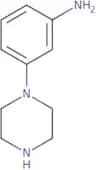
CAS:Versatile small molecule scaffoldFormula:C9H6O3SPurezza:Min. 95%Peso molecolare:194.21 g/mol3-(Piperazin-1-yl)aniline
CAS:Versatile small molecule scaffold
Formula:C10H15N3Purezza:Min. 95%Peso molecolare:177.25 g/mol1-[3-(Hydroxymethyl)phenyl]ethan-1-one
CAS:Versatile small molecule scaffold
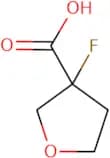
Formula:C9H10O2Purezza:Min. 95%Peso molecolare:150.17 g/mol3-Fluorooxolane-3-carboxylic acid
CAS:Versatile small molecule scaffold
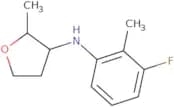
Formula:C5H7FO3Purezza:Min. 95%Peso molecolare:134.11 g/molN-(3-Fluoro-2-methylphenyl)-2-methyloxolan-3-amine
CAS:Versatile small molecule scaffold
Formula:C12H16FNOPurezza:Min. 95%Peso molecolare:209.26 g/mol2,2,2-Trifluoro-1-[1-(4-methylcyclohexyl)-1H-pyrazol-4-yl]ethan-1-one
CAS:Versatile small molecule scaffoldFormula:C12H15F3N2OPurezza:Min. 95%Peso molecolare:260.26 g/mol1-[3-(1-Aminoethyl)phenyl]imidazolidin-2-one
CAS:Versatile small molecule scaffold
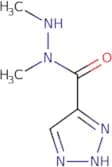
Formula:C11H15N3OPurezza:Min. 95%Peso molecolare:205.26 g/molDimethyl-1H-1,2,3-triazole-4-carbohydrazide
CAS:Versatile small molecule scaffold
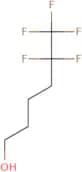
Formula:C5H9N5OPurezza:Min. 95%Peso molecolare:155.16 g/mol5,5,6,6,6-Pentafluorohexan-1-ol
CAS:Versatile small molecule scaffold
Formula:C6H9F5OPurezza:Min. 95%Peso molecolare:192.13 g/mol2-[(4-Aminophenyl)sulfanyl]-5-chlorobenzonitrile
CAS:Versatile small molecule scaffold
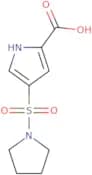
Formula:C13H9ClN2SPurezza:Min. 95%Peso molecolare:260.74 g/mol4-(Pyrrolidine-1-sulfonyl)-1H-pyrrole-2-carboxylic acid
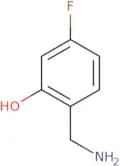
CAS:Versatile small molecule scaffoldFormula:C9H12N2O4SPurezza:Min. 95%Peso molecolare:244.27 g/mol2-(Aminomethyl)-5-fluorophenol
CAS:Versatile small molecule scaffold
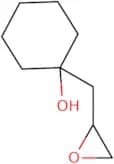
Formula:C7H8FNOPurezza:Min. 95%Peso molecolare:141.14 g/mol1-(Oxiran-2-ylmethyl)cyclohexan-1-ol
CAS:Versatile small molecule scaffold
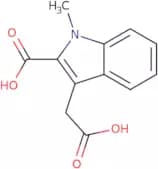
Formula:C9H16O2Purezza:Min. 95%Peso molecolare:156.22 g/mol3-(carboxymethyl)-1-methyl-1H-indole-2-carboxylic acid
CAS:Versatile small molecule scaffold
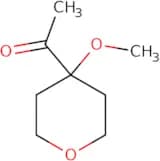
Formula:C12H11NO4Purezza:Min. 95%Peso molecolare:233.22 g/mol1-(4-Methoxyoxan-4-yl)ethan-1-one
CAS:Versatile small molecule scaffold
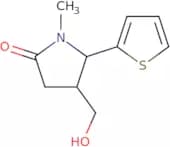
Formula:C8H14O3Purezza:Min. 95%Peso molecolare:158.19 g/mol4-(Hydroxymethyl)-1-methyl-5-(thiophen-2-yl)pyrrolidin-2-one
CAS:Versatile small molecule scaffold
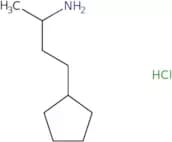
Formula:C10H13NO2SPurezza:Min. 95%Peso molecolare:211.28 g/mol4-Cyclopentylbutan-2-amine hydrochloride
CAS:Versatile small molecule scaffoldFormula:C9H20ClNPurezza:Min. 95%Peso molecolare:177.71 g/mol4,5-Dibromo-3-methoxythiophene-2-carboxylic acid
CAS:Versatile small molecule scaffoldFormula:C6H4Br2O3SPurezza:Min. 95%Peso molecolare:315.97 g/moltert-Butyl N-({8-oxa-2-azaspiro[4.5]decan-4-yl}methyl)carbamate
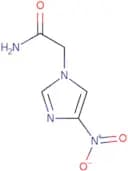
CAS:Versatile small molecule scaffoldFormula:C14H26N2O3Purezza:Min. 95%Peso molecolare:270.37 g/mol2-(4-Nitro-1H-imidazol-1-yl)acetamide
CAS:Versatile small molecule scaffold
Formula:C5H6N4O3Purezza:Min. 95%Peso molecolare:170.13 g/mol2-[2-(Furan-3-yl)-1,3-thiazol-4-yl]acetic acid
CAS:Versatile small molecule scaffold
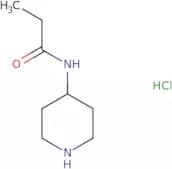
Formula:C9H7NO3SPurezza:Min. 95%Peso molecolare:209.22 g/molN-(Piperidin-4-yl)propanamide hydrochloride
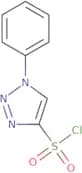
CAS:Versatile small molecule scaffoldFormula:C8H17ClN2OPurezza:Min. 95%Peso molecolare:192.68 g/mol1-Phenyl-1H-1,2,3-triazole-4-sulfonyl chloride
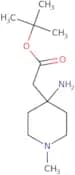
CAS:Versatile small molecule scaffoldFormula:C8H6ClN3O2SPurezza:Min. 95%Peso molecolare:243.67 g/moltert-Butyl 2-(4-amino-1-methylpiperidin-4-yl)acetate
CAS:Versatile small molecule scaffold
Formula:C12H24N2O2Purezza:Min. 95%Peso molecolare:228.33 g/mol5-Bromo-N-phenylpyridine-2-carboxamide
CAS:Versatile small molecule scaffold
Formula:C12H9BrN2OPurezza:Min. 95%Peso molecolare:277.12 g/mol2-[4-Cyclopropyl-2,5-dioxo-4-(thiophen-2-yl)imidazolidin-1-yl]acetic acid
CAS:Versatile small molecule scaffold
Formula:C12H12N2O4SPurezza:Min. 95%Peso molecolare:280.3 g/mol3-Amino-1-[2-(difluoromethoxy)phenyl]pyrrolidin-2-one
CAS:Versatile small molecule scaffold
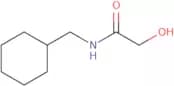
Formula:C11H12F2N2O2Purezza:Min. 95%Peso molecolare:242.22 g/molN-(Cyclohexylmethyl)-2-hydroxyacetamide
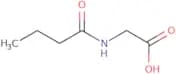
CAS:Versatile small molecule scaffoldFormula:C9H17NO2Purezza:Min. 95%Peso molecolare:171.24 g/moln-Butyrylglycine
CAS:n-Butyrylglycine is a compound that was first identified in human urine as a metabolite of the amino acid glycine. It is an intermediate in the conversion of glycine to succinic acid, which is required for the production of energy in mitochondria. Deficiency of this enzyme causes mitochondrial dysfunction and leads to various metabolic disorders including fatty acid oxidation disorders and homocysteine metabolism defects. n-Butyrylglycine can be detected by gas chromatography or liquid chromatography with mass spectrometry detection.
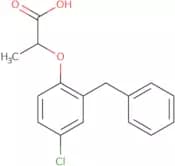
Formula:C6H11NO3Purezza:Min. 95%Peso molecolare:145.16 g/mol2-(2-Benzyl-4-chlorophenoxy)propanoic acid
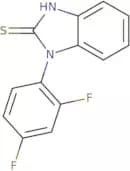
CAS:Versatile small molecule scaffoldFormula:C16H15ClO3Purezza:Min. 95%Peso molecolare:290.74 g/mol1-(2,4-Difluorophenyl)-1H-1,3-benzodiazole-2-thiol
CAS:Versatile small molecule scaffoldFormula:C13H8F2N2SPurezza:Min. 95%Peso molecolare:262.28 g/mol6-Chloro-1H-pyrrolo[2,3-b]pyridine-3-carboxylic acid
CAS:Versatile small molecule scaffold
Formula:C8H5ClN2O2Purezza:Min. 95%Peso molecolare:196.59 g/mol2-Cyclopropylbenzaldehyde
CAS:Versatile small molecule scaffold
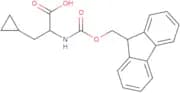
Formula:C10H10OPurezza:Min. 95%Peso molecolare:146.19 g/molN-FMOC-Cyclopropyl alanine
CAS:Versatile small molecule scaffold
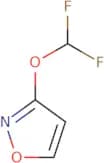
Formula:C21H21NO4Purezza:Min. 95%Peso molecolare:351.4 g/mol3-(Difluoromethoxy)-1,2-oxazole
CAS:Versatile small molecule scaffold
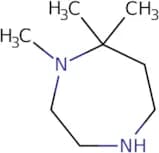
Formula:C4H3F2NO2Purezza:Min. 95%Peso molecolare:135.07 g/mol1,7,7-Trimethyl-1,4-diazepane
CAS:Versatile small molecule scaffold
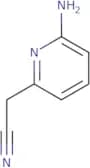
Formula:C8H18N2Purezza:Min. 95%Peso molecolare:142.24 g/mol2-(6-Aminopyridin-2-yl)acetonitrile
CAS:Versatile small molecule scaffold
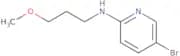
Formula:C7H7N3Purezza:Min. 95%Peso molecolare:133.15 g/mol5-Bromo-N-(3-methoxypropyl)pyridin-2-amine
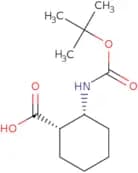
CAS:Versatile small molecule scaffoldFormula:C9H13BrN2OPurezza:Min. 95%Peso molecolare:245.12 g/mol(1S,2R)-Boc-2-aminocyclohexane carboxylic acid
CAS:Versatile small molecule scaffoldFormula:C12H21NO4Purezza:Min. 95%Peso molecolare:243.3 g/mol(1-Cyclopropylethyl)(cyclopropylmethyl)amine
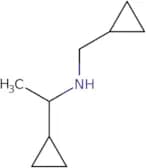
CAS:Versatile small molecule scaffold
Formula:C9H17NPurezza:Min. 95%Peso molecolare:139.24 g/mol2-(tert-Butylsulfanyl)-5-nitrobenzoic acid
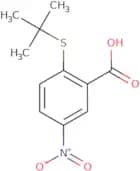
CAS:Versatile small molecule scaffold
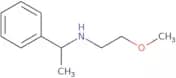
Formula:C11H13NO4SPurezza:Min. 95%Peso molecolare:255.29 g/mol(2-Methoxyethyl)(1-phenylethyl)amine
CAS:Versatile small molecule scaffold
Formula:C11H17NOPurezza:Min. 95%Peso molecolare:179.26 g/mol4-(5-{[(3-Phenyl-1,2,4-oxadiazol-5-yl)methyl]sulfanyl}-1,3,4-oxadiazol-2-yl)pyridine
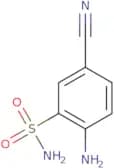
CAS:Versatile small molecule scaffoldFormula:C16H11N5O2SPurezza:Min. 95%Peso molecolare:337.4 g/mol2-Amino-5-cyanobenzene-1-sulfonamide
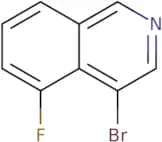
CAS:Versatile small molecule scaffoldFormula:C7H7N3O2SPurezza:Min. 95%Peso molecolare:197.22 g/mol4-Bromo-5-fluoro-isoquinoline
CAS:Versatile small molecule scaffold
Formula:C9H5BrFNPurezza:Min. 95%Peso molecolare:226.04 g/mol8-Bromo-2-methylimidazo[1,2-a]pyridine
CAS:Versatile small molecule scaffold
Formula:C8H7N2BrPurezza:Min. 95%Peso molecolare:211.05 g/mol4-Chloro-2-hydroxy-6-methylphenylboronic acid
CAS:Versatile small molecule scaffoldFormula:C7H8BClO3Purezza:Min. 95%Peso molecolare:186.4 g/mol2-Bromo-3,3,3-trifluoro-1-propene
CAS:Prodotto controllato2-Bromo-3,3,3-trifluoro-1-propene is a chemical compound that has been synthesized in an asymmetric reaction. The reactant is bromopropane and the product is 2,2,2-trifluoropropene. The methylene group on the propene molecule is activated by the nucleophilic attack of a fluoride ion from hydrogen fluoride to form a cavity with a highly strained bond. The kinetic study of this reaction revealed that the activation energy for the reaction is 42 kJ/mol. Palladium-catalyzed coupling reactions are catalyzed by palladium and require nonpolar solvents such as toluene or dichloromethane. This type of reaction has been shown to be exothermic with an isolated yield of 1%.
Formula:C3H2BrF3Purezza:Min. 95%Colore e forma:Colorless PowderPeso molecolare:174.95 g/mol1-Hydroxycyclopentane-1-carbonitrile
CAS:1-Hydroxycyclopentane-1-carbonitrile is a monomer that is hydrolyzed to form benzoin and cyanohydrins. It can be used in the production of scifinder as a monomer or dimerizer.
Formula:C6H9NOPurezza:Min. 95%Peso molecolare:111.14 g/mol4,5-Dihydro-1H-imidazol-2-amine hydrochloride
CAS:Please enquire for more information about 4,5-Dihydro-1H-imidazol-2-amine hydrochloride including the price, delivery time and more detailed product information at the technical inquiry form on this page
Formula:C3H7N3•HClPurezza:Min. 95%Peso molecolare:121.57 g/mol3-Hydroxy-5-methylpyridine
CAS:3-Hydroxy-5-methylpyridine (3HMP) is a chemical substance that has been classified as an amine. It is a product of the metabolism of purines, which are nitrogenous bases found in DNA and RNA. 3HMP is produced by aerogenic bacteria (such as Enterobacter), and can be used to estimate the number of these bacteria present in water samples. 3HMP has been shown to have antiviral properties against influenza virus, and can be used as a biomarker for the presence of other viruses in animals. 3HMP also has mineralization properties, which have been studied extensively, particularly with regards to pancreatic disease.
Formula:C6H7NOPurezza:Min. 95%Colore e forma:PowderPeso molecolare:109.13 g/molRef: 3D-FH16174
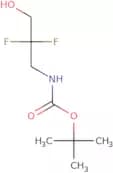
Prodotto fuori produzionetert-Butyl (2,2-difluoro-3-hydroxypropyl)carbamate
CAS:Versatile small molecule scaffoldFormula:C10H13NO4Purezza:Min. 95%Peso molecolare:211.21 g/mol4,5-Dihydroxy-2,3-Pentanedione
CAS:4,5-Dihydroxy-2,3-pentanedione is a carbonyl compound that is the product of the oxidation of ascorbic acid. It is used in wastewater treatment and has antimicrobial properties against infectious diseases. This compound has been shown to inhibit protein synthesis by binding to the ribosome and preventing the formation of peptide bonds between amino acids. 4,5-Dihydroxy-2,3-pentanedione has also been shown to bind to plasma proteins, which may be due to its acyl chain structure. 4,5-Dihydroxy-2,3-pentanedione can be synthesized in a catalytic mechanism that involves dehydroascorbic acid and molecular oxygen.
Formula:C5H8O4Purezza:Min. 95%Colore e forma:PowderPeso molecolare:132.11 g/molRef: 3D-FD180770
Prodotto fuori produzionePiperyline
CAS:Piperyline is an alkanoic acid that has shown to be effective against skin cancer. It also has antimicrobial properties, which may be due to its ability to bind metal ions and form polymeric compounds. Piperyline inhibits microbial growth by inhibiting the synthesis of proteins and nucleic acids. The antimicrobial activity is related to its cationic polymerization with hydroxyl groups, which forms a structure that can inhibit microbial enzymes and disrupt microbial cell membranes. This compound also interacts with the skin's natural lipids, making it difficult for microorganisms to attach and grow on the skin. Piperyline is synthesized in organic chemistry laboratories as an amide precursor of other pharmaceuticals such as penicillin.
Formula:C16H17NO3Purezza:Min. 95%Peso molecolare:271.31 g/mol


![N-[Carbamothioyl(phenyl)methyl]benzamide](/_next/image/?url=https%3A%2Fstatic.cymitquimica.com%2Fproducts%2F3D%2Fthumb-webp%2FAAA89278.webp&w=3840&q=75)

![2-(Methylsulfonyl)-1H-benzo[d]imidazole](/_next/image/?url=https%3A%2Fstatic.cymitquimica.com%2Fproducts%2F3D%2Fthumb-webp%2FHCA15981.webp&w=3840&q=75)
![1-[3-(Hydroxymethyl)phenyl]ethan-1-one](/_next/image/?url=https%3A%2Fstatic.cymitquimica.com%2Fproducts%2F3D%2Fthumb-webp%2FAFA60406.webp&w=3840&q=75)
![2,2,2-Trifluoro-1-[1-(4-methylcyclohexyl)-1H-pyrazol-4-yl]ethan-1-one](/_next/image/?url=https%3A%2Fstatic.cymitquimica.com%2Fproducts%2F3D%2Fthumb-webp%2FVJC71138.webp&w=3840&q=75)
![1-[3-(1-Aminoethyl)phenyl]imidazolidin-2-one](/_next/image/?url=https%3A%2Fstatic.cymitquimica.com%2Fproducts%2F3D%2Fthumb-webp%2FVJC67923.webp&w=3840&q=75)
![2-[(4-Aminophenyl)sulfanyl]-5-chlorobenzonitrile](/_next/image/?url=https%3A%2Fstatic.cymitquimica.com%2Fproducts%2F3D%2Fthumb-webp%2FVJC36571.webp&w=3840&q=75)

![tert-Butyl N-({8-oxa-2-azaspiro[4.5]decan-4-yl}methyl)carbamate](/_next/image/?url=https%3A%2Fstatic.cymitquimica.com%2Fproducts%2F3D%2Fthumb-webp%2FPZC05858.webp&w=3840&q=75)
![2-[2-(Furan-3-yl)-1,3-thiazol-4-yl]acetic acid](/_next/image/?url=https%3A%2Fstatic.cymitquimica.com%2Fproducts%2F3D%2Fthumb-webp%2FIDC97860.webp&w=3840&q=75)

![2-[4-Cyclopropyl-2,5-dioxo-4-(thiophen-2-yl)imidazolidin-1-yl]acetic acid](/_next/image/?url=https%3A%2Fstatic.cymitquimica.com%2Fproducts%2F3D%2Fthumb-webp%2FVAC85079.webp&w=3840&q=75)
![3-Amino-1-[2-(difluoromethoxy)phenyl]pyrrolidin-2-one](/_next/image/?url=https%3A%2Fstatic.cymitquimica.com%2Fproducts%2F3D%2Fthumb-webp%2FVAC67600.webp&w=3840&q=75)
![6-Chloro-1H-pyrrolo[2,3-b]pyridine-3-carboxylic acid](/_next/image/?url=https%3A%2Fstatic.cymitquimica.com%2Fproducts%2F3D%2Fthumb-webp%2FQLB14096.webp&w=3840&q=75)

![4-(5-{[(3-Phenyl-1,2,4-oxadiazol-5-yl)methyl]sulfanyl}-1,3,4-oxadiazol-2-yl)pyridine](/_next/image/?url=https%3A%2Fstatic.cymitquimica.com%2Fproducts%2F3D%2Fthumb-webp%2FULB93670.webp&w=3840&q=75)
![8-Bromo-2-methylimidazo[1,2-a]pyridine](/_next/image/?url=https%3A%2Fstatic.cymitquimica.com%2Fproducts%2F3D%2Fthumb-webp%2FUXB37475.webp&w=3840&q=75)