Building Blocks
Sottocategorie di "Building Blocks"
- Acidi boronici e derivati dell'acido boronico(5.778 prodotti)
- Building Blocks Chirali(1.243 prodotti)
- Building Blocks Idrocarburici(6.098 prodotti)
- Building Blocks organici(61.042 prodotti)
Trovati 204339 prodotti di "Building Blocks"
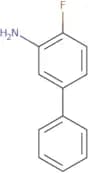
2-Fluoro-5-phenylaniline
CAS:Versatile small molecule scaffold
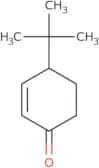
Formula:C12H10FNPurezza:Min. 95%Peso molecolare:187.21 g/mol4-tert-Butylcyclohex-2-en-1-one
CAS:Versatile small molecule scaffold
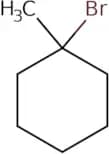
Formula:C10H16OPurezza:Min. 95%Peso molecolare:152.23 g/mol1-Bromo-1-methylcyclohexane
CAS:1-Bromo-1-methylcyclohexane is a monomolecular gas that is used as an intermediate in organic synthesis. It reacts with halides to form cyclopentyl derivatives. This reaction has been shown to be faster than the corresponding reaction of 1-bromocyclohexane with chlorides or bromides. The rate of this reaction may be due to the polarizability and conformational changes of the molecule upon substitution by a methyl group. 1-Bromo-1-methylcyclohexane is also an ionizing reagent, which means it can cause electrophilic reactions to occur on other molecules. It has been found that the solvent effect on this product can affect its reactivity, with solvents such as water having more of an effect than solvents such as benzene. 1-Bromo-1-methylcyclohexane has been shown to interact with other compounds in both transfer and complex
Formula:C7H13BrPurezza:Min. 95%Peso molecolare:177.08 g/molMethyl 4-chloro-1-ethyl-1H-pyrazole-5-carboxylate
CAS:Versatile small molecule scaffold
Formula:C7H9ClN2O2Purezza:Min. 95%Peso molecolare:188.61 g/mol4-{4-[3-(Trifluoromethyl)phenyl]piperazin-1-yl}butan-1-ol hydrochloride
CAS:Versatile small molecule scaffold
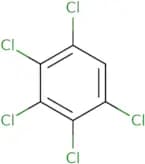
Formula:C15H22ClF3N2OPurezza:Min. 95%Peso molecolare:338.79 g/mol1,2,3,4,5-Pentachlorobenzene
CAS:1,2,3,4,5-Pentachlorobenzene is a chlorinated hydrocarbon that is used in the production of pesticides and herbicides. It is an ingredient in the manufacturing of pentachlorophenol and pentachloronitrobenzene. 1,2,3,4,5-Pentachlorobenzene has been used as a chemical intermediate or solvent for the production of other chemicals. The emissions from this chemical can be harmful to humans and animals because it has been shown to affect enzyme activities at sublethal doses. It also affects rat liver microsomes and causes DNA damage that can lead to cancer.
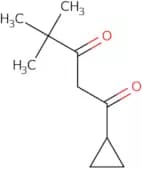
Formula:C6HCl5Purezza:Min. 95%Peso molecolare:250.34 g/mol1-Cyclopropyl-4,4-dimethylpentane-1,3-dione
CAS:Versatile small molecule scaffold
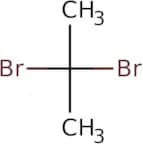
Formula:C10H16O2Purezza:Min. 95%Peso molecolare:168.23 g/mol2,2-Dibromopropane
CAS:2,2-Dibromopropane is a synthetic chemical that has been used as a precursor in the production of nylon. It is an activator that can be used to form covalent bonds with reactive groups on other molecules. The activation energy for the reaction with piperazine is between 104 and 106 kJ/mol. 2,2-Dibromopropane undergoes acylation reactions under certain conditions, forming reaction products such as 2,2-dibromoethyl acetate and 2,2-dibromoethanol. The molecular weight of 2,2-dibromopropane is 192.19 g/mol and its structural formula is CHBrCHBrCHBrCHBrC≡C≡C≡C≡C≡C≡CC(O)OH.
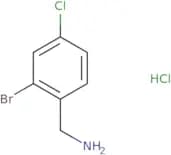
Formula:C3H6Br2Purezza:Min. 95%Peso molecolare:201.89 g/mol(2-Bromo-4-chlorophenyl)methanamine hydrochloride
CAS:Versatile small molecule scaffold
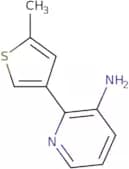
Formula:C7H8BrCl2NPurezza:Min. 95%Peso molecolare:256.95 g/mol2-(5-Methylthiophen-3-yl)pyridin-3-amine
CAS:Versatile small molecule scaffold
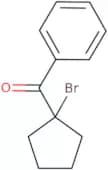
Formula:C10H10N2SPurezza:Min. 95%Peso molecolare:190.27 g/mol(1-Bromocyclopentyl)(phenyl)methanone
CAS:Versatile small molecule scaffold
Formula:C12H13BrOPurezza:Min. 95%Peso molecolare:253.13 g/mol1-[(4-Bromophenyl)methyl]-3-(2-methylpropyl)-1,4-diazepane
CAS:Versatile small molecule scaffold
Formula:C16H25BrN2Purezza:Min. 95%Peso molecolare:325.29 g/mol4-(4-Bromophenyl)-2,6-dichloropyrimidine
CAS:Versatile small molecule scaffold
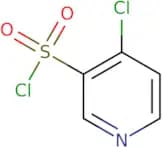
Formula:C10H5BrCl2N2Purezza:Min. 95%Peso molecolare:303.97 g/mol4-chloropyridine-3-sulfonyl chloride
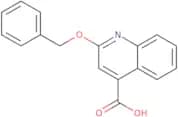
CAS:4-Chloropyridine-3-sulfonyl chloride is a thrombin inhibitor that has been discovered through the use of in vitro screening methods. It is a small molecule with lipophilic properties and oral bioavailability. This compound inhibits thrombin by binding to the active site of the enzyme, which prevents the formation of an enzyme-thrombin complex. The discovery was made using a pharmacophore-based approach and further modifications were made to improve its potency and increase its lipophilicity. This compound also exhibits an acceptable level of bioavailability in vivo, which may be due to its high solubility in water.Formula:C5H3Cl2NO2SPurezza:Min. 95%Peso molecolare:212.1 g/mol2-(Benzyloxy)quinoline-4-carboxylic acid
CAS:Versatile small molecule scaffold
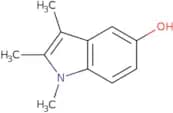
Formula:C17H13NO3Purezza:Min. 95%Peso molecolare:279.3 g/mol1,2,3-Trimethyl-1H-indol-5-ol
CAS:Versatile small molecule scaffold
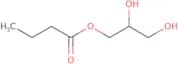
Formula:C11H13NOPurezza:Min. 95%Peso molecolare:175.23 g/mol1-Monotetranoin
CAS:1-Monotetranoin is a fatty ester that is involved in the process of lipolysis, which is the breakdown of fat cells. Lipolysis occurs when an enzyme called lipase hydrolyzes triglycerides into glycerol and three fatty acids. 1-Monotetranoin has been shown to be a potent stimulator of growth factor production and cell proliferation in vivo models. It has also been shown to be effective at inhibiting angiogenic processes in vitro, including the release of growth factors from fat cells. The neutral pH optimum for 1-monotetranoin is between 7 and 8, which may be due to its hydrophobic nature.
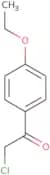
Formula:C7H14O4Purezza:Min. 95%Peso molecolare:162.18 g/mol2-Chloro-1-(4-ethoxyphenyl)ethan-1-one
CAS:2-Chloro-1-(4-ethoxyphenyl)ethan-1-one is a hydrocarbon radical that is used as a vitamin and in the synthesis of other molecules. This molecule has a covalent bond between the two chlorine atoms and one carbon atom. The hydrocarbon radical is also present in many hydrocarbons.
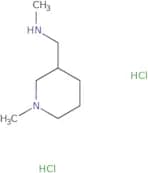
Formula:C10H11ClO2Purezza:Min. 95%Peso molecolare:198.64 g/molN-Methyl-1-(1-methylpiperidin-3-yl)methanamine
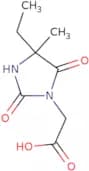
CAS:Versatile small molecule scaffoldFormula:C8H18N2Purezza:Min. 95%Peso molecolare:142.25 g/mol(4-Ethyl-4-methyl-2,5-dioxo-imidazolidin-1-yl)-acetic acid
CAS:Versatile small molecule scaffold
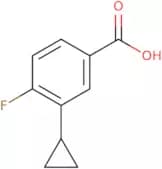
Formula:C8H12N2O4Purezza:Min. 95%Peso molecolare:200.2 g/mol3-cyclopropyl-4-fluorobenzoic acid
CAS:Versatile small molecule scaffold
Formula:C10H9FO2Purezza:Min. 95%Peso molecolare:180.18 g/mol3-(3-Amino-1H-pyrazol-1-yl)pyrrolidin-2-one
CAS:Versatile small molecule scaffold
Formula:C7H10N4OPurezza:Min. 95%Peso molecolare:166.18 g/mol2-Methylsulfonylthiophene
CAS:2-Methylsulfonylthiophene is a modulating agent that can inhibit the activity of carbonic anhydrase, adenosine receptors and 5-membered heteroaryl. It has been shown to have affinity for CB1 receptor antagonists and is used to treat cardiovascular diseases. 2-Methylsulfonylthiophene also inhibits the enzymatic activity of anhydrase in the eye, which leads to suppression of intraocular pressure (IOP). The drug also has anti-glaucoma effects by reducing the production of aqueous humour. 2-Methylsulfonylthiophene is used as a dyestuff intermediate and as an organic solvent.
Formula:C5H6O2S2Purezza:Min. 95%Peso molecolare:162.23 g/molCyclopropyl(3,4-dimethylphenyl)methanone
CAS:Cyclopropyl(3,4-dimethylphenyl)methanone (CPM) is a synthetic cannabinoid that has been shown to have similar effects to the natural cannabinoids found in cannabis. CPM binds to and activates the CB2 receptor, which is found on cells of the immune system, brain, and other organs. It has been studied for its ability to reduce glioma tumor growth in mice by inhibiting glutamate release. The molecular modeling study showed that CPM binds to the receptor with a geometry similar to other CB2 agonists like JWH-133. In addition, CPM inhibits locomotor activity in rats and has been shown to produce some symptoms of anxiety in mice. A receptor knockout study with mice showed that CPM can bind to CB2 receptors without activating them. X-ray diffraction data indicated that CPM is an achiral molecule with an idealized molecular geometry of "s".
Formula:C12H14OPurezza:Min. 95%Peso molecolare:174.24 g/molN-[3-(Dimethylamino)propyl]-2-hydroxybenzamide
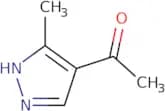
CAS:Versatile small molecule scaffoldFormula:C12H18N2O2Purezza:Min. 95%Peso molecolare:222.28 g/mol1-(5-Methyl-1H-Pyrazol-4-Yl)Ethanone
CAS:Phenylhydrazine is a white crystalline solid with a molecular weight of 150.25, and the molecular formula C6H5NHN. It is soluble in water, alcohol, ether and chloroform. Phenylhydrazine can react with an acid chloride to form a hydrazone; this reaction is used in the synthesis of some pharmaceuticals. The most common use of phenylhydrazine is as a precursor to various pharmaceuticals, such as antipyretics and anti-inflammatory agents. Phenylhydrazine reacts with zinc chloride to form 1-(5-methyl-1H-pyrazol-4-yl)ethanone.
Formula:C6H8N2OPurezza:Min. 95%Peso molecolare:124.14 g/mol1-Phenyl-2-(trifluoromethoxy)ethan-1-ol
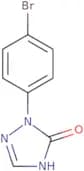
CAS:Versatile small molecule scaffoldFormula:C9H9F3O2Purezza:Min. 95%Peso molecolare:206.16 g/mol1-(4-Bromophenyl)-4,5-dihydro-1H-1,2,4-triazol-5-one
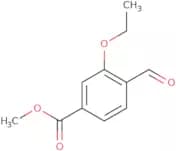
CAS:Versatile small molecule scaffoldFormula:C8H6BrN3OPurezza:Min. 95%Peso molecolare:240.06 g/mol3-ethoxy-4-formyl-benzoic acid methyl ester
CAS:Versatile small molecule scaffoldFormula:C11H12O4Purezza:Min. 95%Peso molecolare:208.21 g/mol5-[(2,4-Difluorophenyl)methyl]-4-methyl-1,3-thiazol-2-amine hydrobromide
CAS:Versatile small molecule scaffold
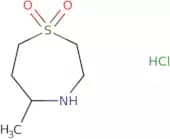
Formula:C11H11BrF2N2SPurezza:Min. 95%Peso molecolare:321.19 g/mol5-Methyl-1,4-thiazepane-1,1-dione hydrochloride
CAS:Versatile small molecule scaffold
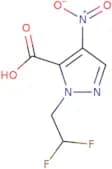
Formula:C6H14ClNO2SPurezza:Min. 95%Peso molecolare:199.7 g/mol1-(2,2-Difluoroethyl)-4-nitro-1H-pyrazole-5-carboxylic acid
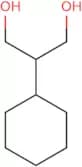
CAS:Versatile small molecule scaffoldFormula:C6H5F2N3O4Purezza:Min. 95%Peso molecolare:221.12 g/mol2-Cyclohexylpropane-1,3-diol
CAS:2-Cyclohexylpropane-1,3-diol is a substrate for porcine pancreatic lipase. It is hydrolyzed by this enzyme, which is stereoselective and enantioselective. 2-Cyclohexylpropane-1,3-diol also has properties that are similar to angiotensin, a peptide that is secreted by the human body. This substance can be used as a solvent for other organic compounds in chemical reactions.
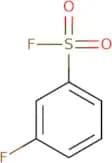
Formula:C9H18O2Purezza:Min. 95%Peso molecolare:158.24 g/mol3-Fluorobenzene-1-sulfonyl fluoride
CAS:3-Fluorobenzene-1-sulfonyl fluoride is a chemical compound that can be used as a catalyst to synthesize organic compounds. It is a colorless liquid, which is soluble in water and organic solvents. This catalyst has been shown to be more efficient than the traditional catalysts, such as tetraphenylphosphonium chloride, potassium fluoride or sodium borohydride. 3-Fluorobenzene-1-sulfonyl fluoride also reacts with nitro groups to produce dinitro compounds, which are valuable synthetic intermediates for the production of dyes and pharmaceuticals. The synthesis of this compound can be carried out in high yields with stoichiometric amounts of reactants.
Formula:C6H4F2O2SPurezza:Min. 95%Peso molecolare:178.16 g/mol4-Chloro-5H,6H,7H-pyrimido[4,5-b][1,4]oxazin-6-one
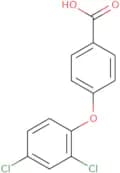
CAS:Versatile small molecule scaffoldFormula:C6H4ClN3O2Purezza:Min. 95%Peso molecolare:185.57 g/mol4-(2,4-Dichlorophenoxy)benzoic acid
CAS:Versatile small molecule scaffold
Formula:C13H8Cl2O3Purezza:Min. 95%Peso molecolare:283.1 g/mol3-Amino-N,N-dimethyl-4-nitroaniline
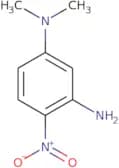
CAS:Versatile small molecule scaffold
Formula:C8H11N3O2Purezza:Min. 95%Peso molecolare:181.19 g/mol2-Bromo-3,3,3-trifluoro-1-propene
CAS:Prodotto controllato2-Bromo-3,3,3-trifluoro-1-propene is a chemical compound that has been synthesized in an asymmetric reaction. The reactant is bromopropane and the product is 2,2,2-trifluoropropene. The methylene group on the propene molecule is activated by the nucleophilic attack of a fluoride ion from hydrogen fluoride to form a cavity with a highly strained bond. The kinetic study of this reaction revealed that the activation energy for the reaction is 42 kJ/mol. Palladium-catalyzed coupling reactions are catalyzed by palladium and require nonpolar solvents such as toluene or dichloromethane. This type of reaction has been shown to be exothermic with an isolated yield of 1%.
Formula:C3H2BrF3Purezza:Min. 95%Colore e forma:Colorless PowderPeso molecolare:174.95 g/molPiperyline
CAS:Piperyline is an alkanoic acid that has shown to be effective against skin cancer. It also has antimicrobial properties, which may be due to its ability to bind metal ions and form polymeric compounds. Piperyline inhibits microbial growth by inhibiting the synthesis of proteins and nucleic acids. The antimicrobial activity is related to its cationic polymerization with hydroxyl groups, which forms a structure that can inhibit microbial enzymes and disrupt microbial cell membranes. This compound also interacts with the skin's natural lipids, making it difficult for microorganisms to attach and grow on the skin. Piperyline is synthesized in organic chemistry laboratories as an amide precursor of other pharmaceuticals such as penicillin.
Formula:C16H17NO3Purezza:Min. 95%Peso molecolare:271.31 g/mol


![4-{4-[3-(Trifluoromethyl)phenyl]piperazin-1-yl}butan-1-ol hydrochloride](/_next/image/?url=https%3A%2Fstatic.cymitquimica.com%2Fproducts%2F3D%2Fthumb-webp%2FYGC73137.webp&w=3840&q=75)
![1-[(4-Bromophenyl)methyl]-3-(2-methylpropyl)-1,4-diazepane](/_next/image/?url=https%3A%2Fstatic.cymitquimica.com%2Fproducts%2F3D%2Fthumb-webp%2FQJC93175.webp&w=3840&q=75)



![N-[3-(Dimethylamino)propyl]-2-hydroxybenzamide](/_next/image/?url=https%3A%2Fstatic.cymitquimica.com%2Fproducts%2F3D%2Fthumb-webp%2FNBA39443.webp&w=3840&q=75)

![5-[(2,4-Difluorophenyl)methyl]-4-methyl-1,3-thiazol-2-amine hydrobromide](/_next/image/?url=https%3A%2Fstatic.cymitquimica.com%2Fproducts%2F3D%2Fthumb-webp%2FVWC49324.webp&w=3840&q=75)
![4-Chloro-5H,6H,7H-pyrimido[4,5-b][1,4]oxazin-6-one](/_next/image/?url=https%3A%2Fstatic.cymitquimica.com%2Fproducts%2F3D%2Fthumb-webp%2FLYB52467.webp&w=3840&q=75)