


Building Blocks
Sottocategorie di "Building Blocks"
- Acidi boronici e derivati dell'acido boronico(5.778 prodotti)
- Building Blocks Chirali(1.243 prodotti)
- Building Blocks Idrocarburici(6.099 prodotti)
- Building Blocks organici(61.038 prodotti)
Trovati 205376 prodotti di "Building Blocks"
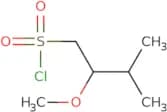
2-Methoxy-3-methylbutane-1-sulfonyl chloride
CAS:Versatile small molecule scaffold
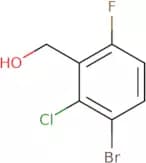
Formula:C6H13ClO3SPurezza:Min. 95%Peso molecolare:200.68 g/mol3-Bromo-2-chloro-6-fluorobenzyl alcohol
CAS:Versatile small molecule scaffold
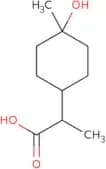
Formula:C7H5BrClFOPurezza:Min. 95%Peso molecolare:239.47 g/mol2-(4-Hydroxy-4-methylcyclohexyl)propanoic acid
CAS:Versatile small molecule scaffold
Formula:C10H18O3Purezza:Min. 95%Peso molecolare:186.25 g/mol1-(Propan-2-yl)-N-[1-(propan-2-yl)-4,5,6,7-tetrahydro-1H-indazol-5-yl]-4,5,6,7-tetrahydro-1H-indazol-5-amine
CAS:Versatile small molecule scaffold
Formula:C20H31N5Purezza:Min. 95%Peso molecolare:341.5 g/mol9-{[(tert-Butoxy)carbonyl]amino}bicyclo[3.3.1]nonane-3-carboxylic acid
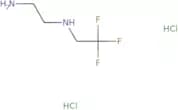
CAS:Versatile small molecule scaffoldFormula:C15H25NO4Purezza:Min. 95%Peso molecolare:283.36 g/mol(2-Aminoethyl)(2,2,2-trifluoroethyl)amine dihydrochloride
CAS:Versatile small molecule scaffold
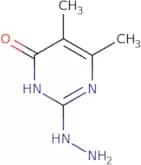
Formula:C4H11Cl2F3N2Purezza:Min. 95%Peso molecolare:215.04 g/mol2-Hydrazinyl-5,6-dimethyl-3,4-dihydropyrimidin-4-one
CAS:Versatile small molecule scaffold
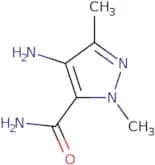
Formula:C6H10N4OPurezza:Min. 95%Peso molecolare:154.17 g/mol4-Amino-1,3-dimethyl-1H-pyrazole-5-carboxamide
CAS:Versatile small molecule scaffold
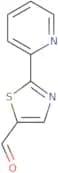
Formula:C6H10N4OPurezza:Min. 95%Peso molecolare:154.17 g/mol2-(Pyridin-2-yl)-1,3-thiazole-5-carbaldehyde
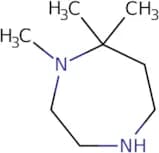
CAS:Versatile small molecule scaffoldFormula:C9H6N2OSPurezza:Min. 95%Peso molecolare:190.22 g/mol1,7,7-Trimethyl-1,4-diazepane
CAS:Versatile small molecule scaffold
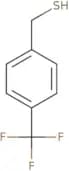
Formula:C8H18N2Purezza:Min. 95%Peso molecolare:142.24 g/mol4-(Trifluoromethyl)benzyl mercaptan
CAS:4-(Trifluoromethyl)benzyl mercaptan is a chemical that has been used as an additive to organic solar cells. It has been shown to improve the performance of these devices by reducing interfacial recombination and increasing electron mobility. This chemical also has semiconducting properties, which have been demonstrated by its ability to be translated in an electron microscope. In addition, 4-(Trifluoromethyl)benzyl mercaptan interacts with many solvents, such as chloroform and dichloromethane, leading to changes in their properties.
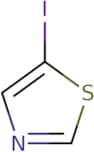
Formula:C8H7F3SPurezza:Min. 95%Peso molecolare:192.2 g/mol5-Iodo-1,3-thiazole
CAS:Versatile small molecule scaffold
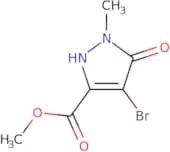
Formula:C3H2INSPurezza:Min. 95%Peso molecolare:211.03 g/molMethyl 4-bromo-5-hydroxy-1-methyl-1H-pyrazole-3-carboxylate
CAS:Versatile small molecule scaffold
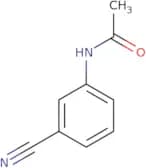
Formula:C6H7BrN2O3Purezza:Min. 95%Peso molecolare:235.04 g/molN-(3-Cyanophenyl)acetamide
CAS:N-(3-Cyanophenyl)acetamide is a hydrogen-bonding molecule that has been detected in the gas phase. It has also been observed to interact with water, forming hydrogen bonding interactions and solvatochromism. The equilibrium of N-(3-cyanophenyl)acetamide can be shifted by changing the solvent conditions and pH. This molecule has three conformations when it is in the gaseous phase, including a planar conformation. In addition, N-(3-cyanophenyl)acetamide can be used as a probe for determining hydrogen bonding interactions and conformations due to its ability to form hydrogen bonds with other molecules.
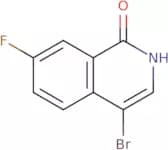
Formula:C9H8N2OPurezza:Min. 95%Peso molecolare:160.18 g/mol4-Bromo-7-fluoroisoquinolin-1-ol
CAS:Versatile small molecule scaffold
Formula:C9H5BrFNOPurezza:Min. 95%Peso molecolare:242.04 g/mol7-Bromo-3H-imidazo[4,5-b]pyridine
CAS:Versatile small molecule scaffold
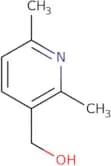
Formula:C6H4BrN3Purezza:Min. 95%Peso molecolare:198.02 g/mol(2,6-Dimethylpyridin-3-yl)methanol
CAS:Versatile small molecule scaffold
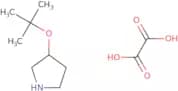
Formula:C8H11NOPurezza:Min. 95%Peso molecolare:137.18 g/mol(3S)-3-(tert-Butoxy)pyrrolidine, oxalic acid
CAS:Versatile small molecule scaffold
Formula:C10H19NO5Purezza:Min. 95%Peso molecolare:233.26 g/mol(7S,8aS)-7-Fluoro-octahydropyrrolo[1,2-a]pyrazine dihydrochloride
CAS:Versatile small molecule scaffold
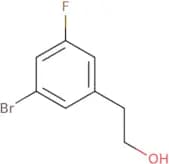
Formula:C7H15Cl2FN2Purezza:Min. 95%Peso molecolare:217.11 g/mol2-(3-Bromo-5-fluorophenyl)ethanol
CAS:Versatile small molecule scaffold
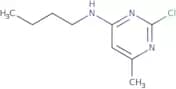
Formula:C8H8BrFOPurezza:Min. 95%Peso molecolare:219.05 g/molN-Butyl-2-chloro-6-methylpyrimidin-4-amine
CAS:Versatile small molecule scaffold
Formula:C9H14ClN3Purezza:Min. 95%Peso molecolare:199.68 g/mol4-Chloro-2,6-dimethyl-5-phenylthieno[2,3-d]pyrimidine
CAS:Versatile small molecule scaffold
Formula:C14H11ClN2SPurezza:Min. 95%Peso molecolare:274.8 g/mol3'-Methyl-[1,1'-biphenyl]-2-carboxylic acid
CAS:Versatile small molecule scaffold
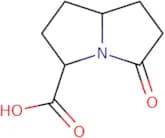
Formula:C14H12O2Purezza:Min. 95%Peso molecolare:212.24 g/mol5-Oxo-hexahydro-1H-pyrrolizine-3-carboxylic acid
CAS:Versatile small molecule scaffold
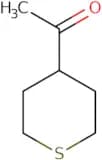
Formula:C8H11NO3Purezza:Min. 95%Peso molecolare:169.18 g/mol1-(Thian-4-yl)ethan-1-one
CAS:Versatile small molecule scaffold
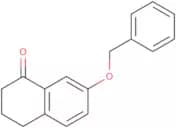
Formula:C7H12OSPurezza:Min. 95%Peso molecolare:144.24 g/mol7-(Benzyloxy)-3,4-dihydronaphthalen-1(2H)-one
CAS:7-(Benzyloxy)-3,4-dihydronaphthalen-1(2H)-one is a tricyclic carboxamide that belongs to the carboxylic acid group. It has a constant boiling point and an acidic pH. 7-(Benzyloxy)-3,4-dihydronaphthalen-1(2H)-one is soluble in water and dilute acids. It has been shown that the melting point of 7-(Benzyloxy)-3,4-dihydronaphthalen-1(2H)-one is not affected by dilution or experiments. The chemical compounds are made up of benzoic acid and carboxylic acid groups that form a six-membered ring with two heterocycles on either side of the molecule.Formula:C17H16O2Purezza:Min. 95%Peso molecolare:252.31 g/mol6-Chloro-2,3,4,9-tetrahydro-1H-carbazol-3-ol
CAS:Versatile small molecule scaffold
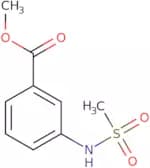
Formula:C12H12ClNOPurezza:Min. 95%Peso molecolare:221.68 g/molMethyl 3-methanesulfonamidobenzoate
CAS:Methyl 3-methanesulfonamidobenzoate is an organic compound that is used as a reagent in organic synthesis. It has the chemical formula CH3O2C(CH2)2SO2CH=NOH. Methyl 3-methanesulfonamidobenzoate is a methyl ester of benzoic acid, which is also known as methyl benzoate. This compound has been shown to react with DNA, forming adducts with guanine and cytosine bases.
Formula:C9H11NO4SPurezza:Min. 95%Peso molecolare:229.26 g/mol4-[2-(3-Nitrophenyl)diazen-1-yl]phenol
CAS:Versatile small molecule scaffoldFormula:C12H9N3O3Purezza:Min. 95%Peso molecolare:243.22 g/mol[4-(Thien-2-yl)phenyl]methanol
CAS:Versatile small molecule scaffold
Formula:C11H10OSPurezza:Min. 95%Peso molecolare:190.26 g/mol2-(4-Cyanophenyl)-2-hydroxyacetic acid
CAS:Versatile small molecule scaffold
Formula:C9H7NO3Purezza:Min. 95%Peso molecolare:177.16 g/mol[1-(2-Methoxyethyl)-3,5-dimethyl-1H-pyrazol-4-yl]methanamine
CAS:Versatile small molecule scaffold
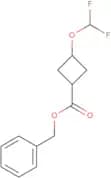
Formula:C9H17N3OPurezza:Min. 95%Peso molecolare:183.25 g/molBenzyl 3-(difluoromethoxy)cyclobutane-1-carboxylate
CAS:Versatile small molecule scaffold
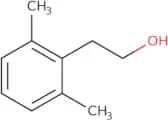
Formula:C13H14F2O3Purezza:Min. 95%Peso molecolare:256.24 g/mol2-(2,6-Dimethylphenyl)ethan-1-ol
CAS:2-(2,6-Dimethylphenyl)ethan-1-ol is a racemic mixture of two compounds with the same molecular formula. The two enantiomers have different chemical properties and can be separated by specific techniques such as chromatography. 2-(2,6-Dimethylphenyl)ethan-1-ol is an ether that is made from methylmalonic acid and ethylene oxide. It is hydrolysed to release methylmalonyl chloride or demethylated to produce methyl ether acetate. This compound has been used in the synthesis of various esters and sesquiterpenoids.
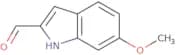
Formula:C10H14OPurezza:Min. 95%Peso molecolare:150.22 g/mol6-Methoxy-1H-indole-2-carbaldehyde
CAS:Versatile small molecule scaffold
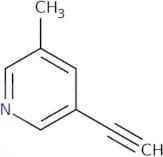
Formula:C10H9NO2Purezza:Min. 95%Peso molecolare:175.18 g/mol3-Ethynyl-5-methylpyridine
CAS:Versatile small molecule scaffold
Formula:C8H7NPurezza:Min. 95%Peso molecolare:117.15 g/mol2-(1,3-Benzothiazol-2-yl)-3-[(2,5-dimethylphenyl)amino]-3-sulfanylprop-2-enenitrile
CAS:Versatile small molecule scaffold
Formula:C18H15N3S2Purezza:Min. 95%Peso molecolare:337.5 g/mol4-({3-Oxo-2-azatricyclo[6.3.1.0,4,12]dodeca-1(11),4(12),5,7,9-pentaen-2-yl}methyl)benzohydrazide
CAS:Versatile small molecule scaffoldFormula:C19H15N3O2Purezza:Min. 95%Peso molecolare:317.3 g/mol2-{[4-({[(9H-Fluoren-9-yl)methoxy]carbonyl}amino)phenyl]methyl}butanoic acid
CAS:Versatile small molecule scaffold
Formula:C26H25NO4Purezza:Min. 95%Peso molecolare:415.5 g/mol1-(1H-1,2,3,4-Tetrazol-5-yl)propan-2-ol
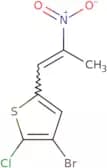
CAS:Versatile small molecule scaffoldFormula:C4H8N4OPurezza:Min. 95%Peso molecolare:128.1 g/mol3-Bromo-2-chloro-5-(2-nitroprop-1-en-1-yl)thiophene
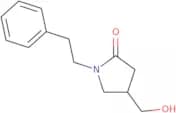
CAS:Versatile small molecule scaffoldFormula:C7H5BrClNO2SPurezza:Min. 95%Peso molecolare:282.54 g/mol4-(Hydroxymethyl)-1-(2-phenylethyl)pyrrolidin-2-one
CAS:Versatile small molecule scaffold
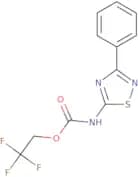
Formula:C13H17NO2Purezza:Min. 95%Peso molecolare:219.28 g/mol2,2,2-Trifluoroethyl N-(3-phenyl-1,2,4-thiadiazol-5-yl)carbamate
CAS:Versatile small molecule scaffold
Formula:C11H8F3N3O2SPurezza:Min. 95%Peso molecolare:303.26 g/mol3-[4-(1,3-Dioxolan-2-yl)oxan-4-yl]propan-1-amine
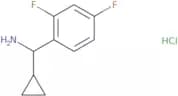
CAS:Versatile small molecule scaffoldFormula:C11H21NO3Purezza:Min. 95%Peso molecolare:215.29 g/molCyclopropyl(2,4-difluorophenyl)methanamine hydrochloride
CAS:Versatile small molecule scaffold
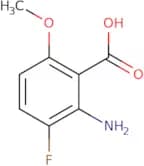
Formula:C10H12ClF2NPurezza:Min. 95%Peso molecolare:219.66 g/mol2-Amino-3-fluoro-6-methoxybenzoic acid
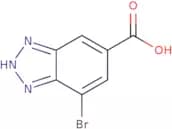
CAS:Versatile small molecule scaffoldFormula:C8H8FNO3Purezza:Min. 95%Peso molecolare:185.15 g/mol7-Bromo-1H-1,2,3-benzotriazole-5-carboxylic acid
CAS:Versatile small molecule scaffoldFormula:C7H4BrN3O2Purezza:Min. 95%Peso molecolare:242.03 g/mol4-(3-Aminophenyl)-1-methyl-1H-pyrazolo[3,4-b]pyridine-3-carboxylic acid
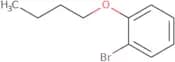
CAS:Versatile small molecule scaffoldFormula:C14H12N4O2Purezza:Min. 95%Peso molecolare:268.27 g/mol1-Bromo-2-butoxybenzene
CAS:1-Bromo-2-butoxybenzene is a chemical compound that is used in the manufacture of zinc oxide. It is also used as an electrolyte in dye-sensitized solar cells. In these cells, 1-bromo-2-butoxybenzene acts as an electron donor, which provides electrons to the redox dye on the surface of the semiconductor. This process leads to recombination, where electrons and holes recombine to produce electricity. The introduction of alkoxy groups into 1-bromo-2-butoxybenzene molecules allows for increased stability and efficiency in dye-sensitized solar cells.
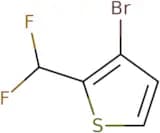
Formula:C10H13BrOPurezza:Min. 95%Peso molecolare:229.11 g/mol3-Bromo-2-(difluoromethyl)thiophene
CAS:Versatile small molecule scaffold
Formula:C5H3BrF2SPurezza:Min. 95%Peso molecolare:213.04 g/molrac-(1S,3R)-3-Butylcyclobutan-1-ol
CAS:Versatile small molecule scaffold
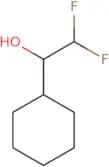
Formula:C8H16OPurezza:Min. 95%Peso molecolare:128.2 g/mol1-Cyclohexyl-2,2-difluoroethan-1-ol
CAS:Versatile small molecule scaffold
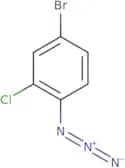
Formula:C8H14F2OPurezza:Min. 95%Peso molecolare:164.19 g/mol1-Azido-4-bromo-2-chlorobenzene
CAS:Versatile small molecule scaffold
Formula:C6H3BrClN3Purezza:Min. 95%Peso molecolare:232.46 g/mol3-Chloro-N-[2-(4-methyl-1,3-thiazol-5-yl)-2-oxoethyl]propanamide
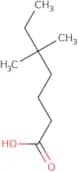
CAS:Versatile small molecule scaffoldFormula:C9H11ClN2O2SPurezza:Min. 95%Peso molecolare:246.71 g/mol5,5-Dimethylheptanoic acid
CAS:Versatile small molecule scaffold
Formula:C9H18O2Purezza:Min. 95%Peso molecolare:158.24 g/mol4-Acetylmorpholine
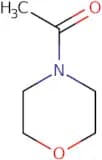
CAS:4-Acetylmorpholine is a recycled amide that is synthesized from an alkanolamine and an acylation reaction. It has been used in the dehydrating of organic compounds, such as reaction solution, and for the preparation of acrylamide. 4-Acetylmorpholine is also used as a viscosity control agent in the extraction of aromatic hydrocarbons. Its chemical structure consists of a carbonyl group and an aromatic hydrocarbon. 4-Acetylmorpholine can be synthesized by reacting acetaldehyde with ammonia or thiourea with methyl chloride or ethylene oxide.
Formula:C6H3D8NO2Purezza:Min. 95%Peso molecolare:137.21 g/molDec-9-ynoic acid
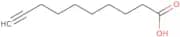
CAS:Dec-9-ynoic acid is a synthetic fatty acid that is a precursor to several biologically important substances. It is labile and easily oxidized by air, light, or heat. Dec-9-ynoic acid has been shown to be a central metabolic intermediate for the biosynthesis of polyunsaturated fatty acids. It can also be converted into linolenic acid, which is an essential fatty acid that cannot be synthesized by humans. Dec-9-ynoic acid exists in two geometric isomers: cis and trans. The cis form exhibits kinetic properties that are different from the trans form. Dec-9-ynoic acid has been studied as a potential treatment for human diseases such as diabetes mellitus type 2, Parkinson's disease, Alzheimer's disease, schizophrenia, and depression.
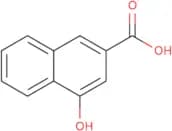
Formula:C10H16O2Purezza:Min. 95%Peso molecolare:168.23 g/mol4-Hydroxy-2-naphthoic acid
CAS:4-Hydroxy-2-naphthoic acid is a hydrocarbon with a carboxylic acid group. It can act as an antagonist to the hydrocarbon receptor (HCR). 4-Hydroxy-2-naphthoic acid has been shown to be effective in treating colon cancer cells in vitro, and has been shown to inhibit the growth of cancer cells in vivo. This compound is also effective at inhibiting the proliferation of human colon cancer cells (Caco2) that have been exposed to benzo(a)pyrene, an aromatic hydrocarbon found in cigarette smoke. The mechanism by which this drug inhibits cell proliferation is not fully understood but may involve inhibition of cytochrome P450 1A1 (CYP1A1), which metabolizes benzo(a)pyrene into carcinogenic intermediates. 4-Hydroxy-2-naphthoic acid has also been shown to be anisotropic and microreactor, meaning
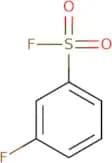
Formula:C11H8O3Purezza:Min. 95%Peso molecolare:188.17 g/mol3-Fluorobenzene-1-sulfonyl fluoride
CAS:3-Fluorobenzene-1-sulfonyl fluoride is a chemical compound that can be used as a catalyst to synthesize organic compounds. It is a colorless liquid, which is soluble in water and organic solvents. This catalyst has been shown to be more efficient than the traditional catalysts, such as tetraphenylphosphonium chloride, potassium fluoride or sodium borohydride. 3-Fluorobenzene-1-sulfonyl fluoride also reacts with nitro groups to produce dinitro compounds, which are valuable synthetic intermediates for the production of dyes and pharmaceuticals. The synthesis of this compound can be carried out in high yields with stoichiometric amounts of reactants.
Formula:C6H4F2O2SPurezza:Min. 95%Peso molecolare:178.16 g/mol4-[2-(4-Iodophenyl)ethyl]morpholine
CAS:Versatile small molecule scaffold
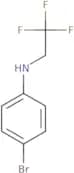
Formula:C12H16INOPurezza:Min. 95%Peso molecolare:317.17 g/mol4-bromo-N-(2,2,2-trifluoroethyl)aniline
CAS:Versatile small molecule scaffold
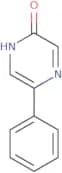
Formula:C8H7BrF3NPurezza:Min. 95%Peso molecolare:254 g/mol5-Phenyl-1H-pyrazin-2-one
CAS:5-Phenyl-1H-pyrazin-2-one is a potent inhibitor of tyrosine kinase, which is an enzyme that regulates the activity of cells by transferring phosphate groups from ATP to tyrosine residues. This drug binds to the ATP binding site, resulting in inhibition of the enzyme's activity and reduced cell proliferation. 5-Phenyl-1H-pyrazin-2-one has been shown to be effective in treating rheumatoid arthritis and other autoimmune diseases, with no adverse effects on bone metabolism or blood pressure. It also has no effect on platelet aggregation or erythrocytes.
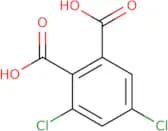
Formula:C10H8N2OPurezza:Min. 95%Peso molecolare:172.18 g/mol3,5-Dichlorophthalic acid
CAS:3,5-Dichlorophthalic acid is a divalent organic acid that is used as an intermediate in the production of other chemicals. 3,5-Dichlorophthalic acid is used as a regulator of plant growth and development. It can also be used to make different n-substituted compounds, such as naphthalene, phthalic anhydride, and 2,6-dichloro-pyridine.
Formula:C8H4Cl2O4Purezza:Min. 95%Peso molecolare:235.02 g/mol1,3-Diazaspiro[4.4]nonane-2,4-dione
CAS:1,3-Diazaspiro[4.4]nonane-2,4-dione (1) is a new fungicide that was shown to have fungicidal activity in vitro against the grapevine pathogens Plasmopara viticola and Plasmopara obducens. This compound has been isolated from the plant Express erythroxylum coca (Erythroxylum coca). The compound belongs to the class of diaza spiro compounds and is a member of a family of diaza spiro compounds with antifungal activity. One possible mode of action for 1 is that it inhibits the synthesis of DNA by binding to bacterial DNA gyrase.
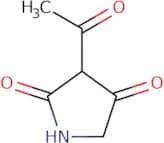
Formula:C7H10N2O2Purezza:Min. 95%Peso molecolare:154.17 g/mol3-Acetylpyrrolidine-2,4-dione
CAS:3-Acetylpyrrolidine-2,4-dione is an experimental drug that belongs to the class of metal hydroxides. It has been shown to have anti-tumor activity in vitro and in vivo against a variety of malignant tumors. 3-Acetylpyrrolidine-2,4-dione also inhibits the growth of pigweed and other plants by inhibiting the production of tenuazonic acid. This compound is a tautomeric form of tenuazonic acid, which is also known as 2,4-pentanedione. The carboxylate group on this molecule may be responsible for its herbicidal activity.
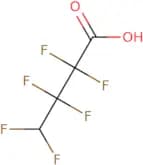
Formula:C6H7NO3Purezza:Min. 95%Peso molecolare:141.12 g/mol2,2,3,3,4,4-Hexafluorobutyric acid
CAS:2,2,3,3,4,4-Hexafluorobutyric acid is a hydroxylated organic compound. It has been shown to be more chemically stable than other quaternary ammonium compounds. 2,2,3,3,4,4-Hexafluorobutyric acid is used as a polymerization initiator for the preparation of cationic polymers. This chemical can also be used to fragment proteins and nucleic acids in order to prepare samples for analysis by mass spectrometry. 2HFBA is reactive and can cause irritation on contact with the skin or eyes. It has been shown that this chemical may have an effect on body mass index and can bind to calcium ions.
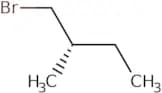
Formula:C4H2F6O2Purezza:Min. 95%Peso molecolare:196.05 g/mol(S)-(+)-1-Bromo-2-methylbutane
CAS:(S)-(+)-1-Bromo-2-methylbutane is a chiral molecule with two stereoisomers, the cis and trans forms. The cis form has been observed to be the more stable of the two. It is a functional theory that these two forms are not mirror images of each other because they have different conformations. (S)-(+)-1-Bromo-2-methylbutane has been used in the synthesis of a number of important molecules. The stereoisomers can be distinguished by conformational analysis and optical microscopy. (S)-(+)-1-Bromo-2-methylbutane also has an application in biotechnology for use as a precursor for hydrazones, which are important in organic chemistry and molecular biology, such as DNA sequencing.
Formula:C5H11BrPurezza:Min. 95%Peso molecolare:151.04 g/mol1-Hydroxycyclopentane-1-carbonitrile
CAS:1-Hydroxycyclopentane-1-carbonitrile is a monomer that is hydrolyzed to form benzoin and cyanohydrins. It can be used in the production of scifinder as a monomer or dimerizer.
Formula:C6H9NOPurezza:Min. 95%Peso molecolare:111.14 g/mol2-Bromo-3,3,3-trifluoro-1-propene
CAS:Prodotto controllato2-Bromo-3,3,3-trifluoro-1-propene is a chemical compound that has been synthesized in an asymmetric reaction. The reactant is bromopropane and the product is 2,2,2-trifluoropropene. The methylene group on the propene molecule is activated by the nucleophilic attack of a fluoride ion from hydrogen fluoride to form a cavity with a highly strained bond. The kinetic study of this reaction revealed that the activation energy for the reaction is 42 kJ/mol. Palladium-catalyzed coupling reactions are catalyzed by palladium and require nonpolar solvents such as toluene or dichloromethane. This type of reaction has been shown to be exothermic with an isolated yield of 1%.
Formula:C3H2BrF3Purezza:Min. 95%Colore e forma:Colorless PowderPeso molecolare:174.95 g/mol8-Bromo-2-methylimidazo[1,2-a]pyridine
CAS:Versatile small molecule scaffold
Formula:C8H7N2BrPurezza:Min. 95%Peso molecolare:211.05 g/mol3-Hydroxy-5-methylpyridine
CAS:3-Hydroxy-5-methylpyridine (3HMP) is a chemical substance that has been classified as an amine. It is a product of the metabolism of purines, which are nitrogenous bases found in DNA and RNA. 3HMP is produced by aerogenic bacteria (such as Enterobacter), and can be used to estimate the number of these bacteria present in water samples. 3HMP has been shown to have antiviral properties against influenza virus, and can be used as a biomarker for the presence of other viruses in animals. 3HMP also has mineralization properties, which have been studied extensively, particularly with regards to pancreatic disease.
Formula:C6H7NOPurezza:Min. 95%Colore e forma:PowderPeso molecolare:109.13 g/molRef: 3D-FH16174
Prodotto fuori produzionetert-Butyl (2,2-difluoro-3-hydroxypropyl)carbamate
CAS:Versatile small molecule scaffoldFormula:C10H13NO4Purezza:Min. 95%Peso molecolare:211.21 g/mol4-Chloro-2-hydroxy-6-methylphenylboronic acid
CAS:Versatile small molecule scaffoldFormula:C7H8BClO3Purezza:Min. 95%Peso molecolare:186.4 g/mol4,5-Dihydro-1H-imidazol-2-amine hydrochloride
CAS:Please enquire for more information about 4,5-Dihydro-1H-imidazol-2-amine hydrochloride including the price, delivery time and more detailed product information at the technical inquiry form on this page
Formula:C3H7N3•HClPurezza:Min. 95%Peso molecolare:121.57 g/mol4,5-Dihydroxy-2,3-Pentanedione
CAS:4,5-Dihydroxy-2,3-pentanedione is a carbonyl compound that is the product of the oxidation of ascorbic acid. It is used in wastewater treatment and has antimicrobial properties against infectious diseases. This compound has been shown to inhibit protein synthesis by binding to the ribosome and preventing the formation of peptide bonds between amino acids. 4,5-Dihydroxy-2,3-pentanedione has also been shown to bind to plasma proteins, which may be due to its acyl chain structure. 4,5-Dihydroxy-2,3-pentanedione can be synthesized in a catalytic mechanism that involves dehydroascorbic acid and molecular oxygen.
Formula:C5H8O4Purezza:Min. 95%Colore e forma:PowderPeso molecolare:132.11 g/molRef: 3D-FD180770
Prodotto fuori produzionePiperyline
CAS:Piperyline is an alkanoic acid that has shown to be effective against skin cancer. It also has antimicrobial properties, which may be due to its ability to bind metal ions and form polymeric compounds. Piperyline inhibits microbial growth by inhibiting the synthesis of proteins and nucleic acids. The antimicrobial activity is related to its cationic polymerization with hydroxyl groups, which forms a structure that can inhibit microbial enzymes and disrupt microbial cell membranes. This compound also interacts with the skin's natural lipids, making it difficult for microorganisms to attach and grow on the skin. Piperyline is synthesized in organic chemistry laboratories as an amide precursor of other pharmaceuticals such as penicillin.
Formula:C16H17NO3Purezza:Min. 95%Peso molecolare:271.31 g/mol

![1-(Propan-2-yl)-N-[1-(propan-2-yl)-4,5,6,7-tetrahydro-1H-indazol-5-yl]-4,5,6,7-tetrahydro-1H-indaz…](/_next/image/?url=https%3A%2Fstatic.cymitquimica.com%2Fproducts%2F3D%2Fthumb-webp%2FJDC14931.webp&w=3840&q=75)
![9-{[(tert-Butoxy)carbonyl]amino}bicyclo[3.3.1]nonane-3-carboxylic acid](/_next/image/?url=https%3A%2Fstatic.cymitquimica.com%2Fproducts%2F3D%2Fthumb-webp%2FJDC14847.webp&w=3840&q=75)
![7-Bromo-3H-imidazo[4,5-b]pyridine](/_next/image/?url=https%3A%2Fstatic.cymitquimica.com%2Fproducts%2F3D%2Fthumb-webp%2FHYB17485.webp&w=3840&q=75)
![(7S,8aS)-7-Fluoro-octahydropyrrolo[1,2-a]pyrazine dihydrochloride](/_next/image/?url=https%3A%2Fstatic.cymitquimica.com%2Fproducts%2F3D%2Fthumb-webp%2FHXC93968.webp&w=3840&q=75)
![4-Chloro-2,6-dimethyl-5-phenylthieno[2,3-d]pyrimidine](/_next/image/?url=https%3A%2Fstatic.cymitquimica.com%2Fproducts%2F3D%2Fthumb-webp%2FHFB22158.webp&w=3840&q=75)
![3'-Methyl-[1,1'-biphenyl]-2-carboxylic acid](/_next/image/?url=https%3A%2Fstatic.cymitquimica.com%2Fproducts%2F3D%2Fthumb-webp%2FHEA41271.webp&w=3840&q=75)

![4-[2-(3-Nitrophenyl)diazen-1-yl]phenol](/_next/image/?url=https%3A%2Fstatic.cymitquimica.com%2Fproducts%2F3D%2Fthumb-webp%2FGTB83534.webp&w=3840&q=75)
![[4-(Thien-2-yl)phenyl]methanol](/_next/image/?url=https%3A%2Fstatic.cymitquimica.com%2Fproducts%2F3D%2Fthumb-webp%2FGDA44344.webp&w=3840&q=75)

![[1-(2-Methoxyethyl)-3,5-dimethyl-1H-pyrazol-4-yl]methanamine](/_next/image/?url=https%3A%2Fstatic.cymitquimica.com%2Fproducts%2F3D%2Fthumb-webp%2FFWB59580.webp&w=3840&q=75)
![2-(1,3-Benzothiazol-2-yl)-3-[(2,5-dimethylphenyl)amino]-3-sulfanylprop-2-enenitrile](/_next/image/?url=https%3A%2Fstatic.cymitquimica.com%2Fproducts%2F3D%2Fthumb-webp%2FEQA25562.webp&w=3840&q=75)
![4-({3-Oxo-2-azatricyclo[6.3.1.0,4,12]dodeca-1(11),4(12),5,7,9-pentaen-2-yl}methyl)benzohydrazide](/_next/image/?url=https%3A%2Fstatic.cymitquimica.com%2Fproducts%2F3D%2Fthumb-webp%2FEQA25451.webp&w=3840&q=75)
![2-{[4-({[(9H-Fluoren-9-yl)methoxy]carbonyl}amino)phenyl]methyl}butanoic acid](/_next/image/?url=https%3A%2Fstatic.cymitquimica.com%2Fproducts%2F3D%2Fthumb-webp%2FEPD45030.webp&w=3840&q=75)
![3-[4-(1,3-Dioxolan-2-yl)oxan-4-yl]propan-1-amine](/_next/image/?url=https%3A%2Fstatic.cymitquimica.com%2Fproducts%2F3D%2Fthumb-webp%2FEEC95155.webp&w=3840&q=75)
![4-(3-Aminophenyl)-1-methyl-1H-pyrazolo[3,4-b]pyridine-3-carboxylic acid](/_next/image/?url=https%3A%2Fstatic.cymitquimica.com%2Fproducts%2F3D%2Fthumb-webp%2FEEC70625.webp&w=3840&q=75)
![3-Chloro-N-[2-(4-methyl-1,3-thiazol-5-yl)-2-oxoethyl]propanamide](/_next/image/?url=https%3A%2Fstatic.cymitquimica.com%2Fproducts%2F3D%2Fthumb-webp%2FCHC38015.webp&w=3840&q=75)
![4-[2-(4-Iodophenyl)ethyl]morpholine](/_next/image/?url=https%3A%2Fstatic.cymitquimica.com%2Fproducts%2F3D%2Fthumb-webp%2FAEA83946.webp&w=3840&q=75)
![1,3-Diazaspiro[4.4]nonane-2,4-dione](/_next/image/?url=https%3A%2Fstatic.cymitquimica.com%2Fproducts%2F3D%2Fthumb-webp%2FAAA69951.webp&w=3840&q=75)


![8-Bromo-2-methylimidazo[1,2-a]pyridine](/_next/image/?url=https%3A%2Fstatic.cymitquimica.com%2Fproducts%2F3D%2Fthumb-webp%2FUXB37475.webp&w=3840&q=75)





