Building Blocks
Sottocategorie di "Building Blocks"
- Acidi boronici e derivati dell'acido boronico(5.784 prodotti)
- Building Blocks Chirali(1.244 prodotti)
- Building Blocks Idrocarburici(6.105 prodotti)
- Building Blocks organici(61.070 prodotti)
Trovati 205437 prodotti di "Building Blocks"
4-Bromo-2,6-dimethoxybenzaldehyde
CAS:Versatile small molecule scaffold
Formula:C9H9BrO3Purezza:Min. 95%Peso molecolare:245.07 g/mol2-Amino-6-chloropurine
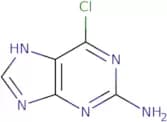
CAS:2-Amino-6-chloropurine is a nucleophilic substituent that is used in the synthesis of 2-amino-6-chloropurine. It reacts with hydroxyl groups to form a palladium-catalyzed coupling reaction solution, which is then treated with hydrochloric acid and trifluoroacetic acid. The product is purified by crystallization and recrystallization. This compound has potent antitumor activity against carcinoma cell lines, but it has not been shown to have any effect against Mycobacterium tuberculosis.
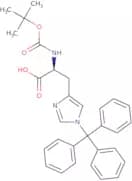
Formula:C5H4ClN5Purezza:Min. 95%Colore e forma:Off-White PowderPeso molecolare:169.57 g/molBoc-His(Trt)-OH
CAS:Boc-His(Trt)-OH is a chemical compound that has been used in the laboratory to study uptake and binding of compounds. It is stable in complex with albumin, which has led to its use as a model system for studying hepatic steatosis. This chemical can be synthesized by solid-phase synthesis with trifluoroacetic acid and polypeptide synthesis. FT-IR spectroscopy has been used to characterize Boc-His(Trt)-OH, revealing its chemical diversity.
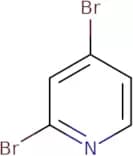
Formula:C30H31N3O4Purezza:Min. 95%Colore e forma:PowderPeso molecolare:497.58 g/mol2,4-Dibromopyridine
CAS:2,4-Dibromopyridine is a brominated derivative of pyridine. It is synthesized through the substitution of two bromine atoms for two hydrogens on the pyridine ring. This synthesis can be achieved by disubstitution or cross-coupling reactions. The reaction products are nucleophilic and react with electrophiles to produce substitution products. The reaction mechanism is thought to involve a six-membered transition state, which has been observed using X-ray absorption spectroscopy.
Formula:C5H3Br2NPurezza:Min. 95%Colore e forma:White To Off-White SolidPeso molecolare:236.89 g/mol1H,1H,7H-Dodecafluoroheptanol
CAS:1H,1H,7H-Dodecafluoroheptanol is a perfluorinated compound. It has been shown to be an efficient scavenger of reactive oxygen species (ROS) and to have a protective effect on collagen. The reaction mechanism of 1H,1H,7H-dodecafluoroheptanol is not fully understood. However, it has been shown that the chloride ion plays a key role in the formation of this product from 1H,1H,7F-dodecafluoroheptane. The reaction vessel used in this synthesis is critical because it must be anhydrous to prevent the formation of 1HF3OCl. Magnetic resonance spectroscopy has been used to study the chemical structures of this compound.
Formula:C7H4F12OPurezza:Min. 95%Colore e forma:Colorless PowderPeso molecolare:332.09 g/molRef: 3D-FD37544
Prodotto fuori produzione2-Hydroxyethyl octacosanoate
CAS:Please enquire for more information about 2-Hydroxyethyl octacosanoate including the price, delivery time and more detailed product information at the technical inquiry form on this page
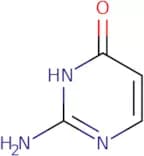
Purezza:Min. 95%Isocytosine
CAS:Isocytosine is a prodrug that has been synthesized with the intramolecular hydrogen on the nitrogen atoms, which makes it more chemically stable. Isocytosine is a reactive molecule, and can react with tautomers to form isocytosine derivatives. Isocytosine contains three hydrogen atoms that are transferable through reactions to other molecules. The chemical stability of isocytosine allows for its use in wastewater treatment. It also has metabolic effects, such as the inhibition of colorectal adenocarcinoma and metabolic disorders. Isocytosine can be used as a model system for studying transfer reactions and reaction mechanisms.
Formula:C4H5N3OPurezza:Min. 95%Colore e forma:PowderPeso molecolare:111.1 g/molRef: 3D-FI07235
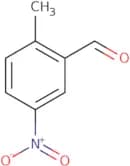
Prodotto fuori produzione2-Methyl-5-nitrobenzaldehyde
CAS:2-Methyl-5-nitrobenzaldehyde is a nitro compound that is used in the synthesis of dobutamine. It has been shown to undergo rearrangements, with the formation of 2-methyl-5-nitrophenol. Kinetic studies have shown that chlorine can be substituted for hydrogen at the 2 position, and this substitution leads to an increase in reactivity. 2-methyl-5-nitrobenzaldehyde also reacts with dopamine to form a ketone. The hydroxy group on this molecule is nucleophilic and can attack electrophiles, making it useful as an active site for synthetic reactions. This compound is also pyrophoric, which means it will spontaneously ignite in air and burn until all its fuel is consumed.
Formula:C8H7NO3Purezza:Min. 95%Colore e forma:Off-White PowderPeso molecolare:165.15 g/molRef: 3D-FM16343
Prodotto fuori produzioneDiethyl Acetylphosphonate
CAS:Diethyl Acetylphosphonate is a synthetic chemical that is used in the production of ethyl esters, which are used as intermediates for the production of epoxides. It has shown to be a bidentate ligand and reacts with primary amines. Diethyl Acetylphosphonate can be made by reacting phosphorus pentachloride with ethyl acetate and hydrochloric acid. The reaction mechanism is similar to that of other organophosphorus compounds, in which a phosphine oxide intermediate reacts with an organic halide. Diethyl Acetylphosphonate has shown to be effective in detergent compositions and triethyl orthoformate, as well as alkanoic acid.
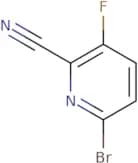
Formula:C6H13O4PPurezza:Min. 95%Peso molecolare:180.14 g/mol6-Bromo-3-fluoropyridine-2-carbonitrile
CAS:Versatile small molecule scaffoldFormula:C6H2N2FBrPurezza:Min. 95%Peso molecolare:200.99 g/mol4,5-Dihydroxy-2,3-Pentanedione
CAS:4,5-Dihydroxy-2,3-pentanedione is a carbonyl compound that is the product of the oxidation of ascorbic acid. It is used in wastewater treatment and has antimicrobial properties against infectious diseases. This compound has been shown to inhibit protein synthesis by binding to the ribosome and preventing the formation of peptide bonds between amino acids. 4,5-Dihydroxy-2,3-pentanedione has also been shown to bind to plasma proteins, which may be due to its acyl chain structure. 4,5-Dihydroxy-2,3-pentanedione can be synthesized in a catalytic mechanism that involves dehydroascorbic acid and molecular oxygen.
Formula:C5H8O4Purezza:Min. 95%Colore e forma:PowderPeso molecolare:132.11 g/molRef: 3D-FD180770
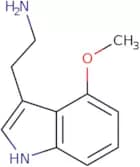
Prodotto fuori produzione2-(4-Methoxy-1H-indol-3-yl)ethan-1-amine
CAS:Prodotto controllato2-(4-Methoxy-1H-indol-3-yl)ethan-1-amine is a synthetic compound that belongs to the class of organocatalysts. It is a serotonin receptor agonist, and has been shown to act as an antagonist at the 5HT2AR. This drug has been shown to have stereoselective effects in vitro, with high affinity for the S form of 5HT2AR. 2-(4-Methoxy-1H-indol-3-yl)ethan-1-amine also has some activity against dopamine receptors, but not as much as other compounds in its class. !--[if !supportLists]-->· !--[endif]-->This drug binds to speciogynine and alstovenine receptors, which are part of the opioid system.!--[if !supportLists]-->· !--[endif]-->Modelling studies suggest that 2-(4-M
Formula:C11H14N2OPurezza:Min. 95%Colore e forma:PowderPeso molecolare:190.24 g/molTripropylphosphine
CAS:Tripropylphosphine is a fatty acid that can be synthesized by reacting tripropyl alcohol with phosphorus trichloride. Tripropylphosphine is soluble in organic solvents, and has an optical rotation of +58°. It has been shown to have cancer-inhibiting properties, as well as the ability to inhibit tumor growth and induce apoptosis in cancer cells. This compound may also be used as a growth regulator, since it inhibits the synthesis of certain proteins and enzymes.
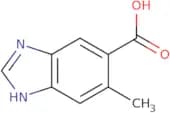
Formula:C9H21PPurezza:Min. 95%Peso molecolare:160.24 g/mol6-Methylbenzimidazole-5-carboxylic acid
CAS:Versatile small molecule scaffold
Formula:C9H8N2O2Purezza:Min. 95%Peso molecolare:176.17 g/mol1-(4-Ethylphenyl)-2,2,2-trifluoroethan-1-ol
CAS:Versatile small molecule scaffold
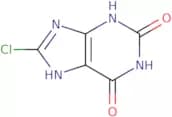
Formula:C10H11F3OPurezza:Min. 95%Peso molecolare:204.19 g/mol8-Chloro-3,7-dihydro-1H-purine-2,6-dione
CAS:8-Chloro-3,7-dihydro-1H-purine-2,6-dione is a reactive molecule that binds to the active site of bacterial cyclic nucleotide phosphodiesterases and inhibits their activity. This inhibition prevents the breakdown of cAMP and cGMP, which are important second messengers in eukaryotic cells. 8-Chloro-3,7-dihydro-1H-purine-2,6-dione is also a potent inhibitor of protein synthesis and has been used in research studies on wheat leaves.
Formula:C5H3N4O2ClPurezza:Min. 95%Colore e forma:PowderPeso molecolare:186.56 g/molRef: 3D-FC09024
Prodotto fuori produzionePoly(dioxanone)
CAS:Poly(dioxanone) is a biocompatible polymer that has been shown to promote bone growth in animal models. It is a cross-linking agent and can be used as an alternative to copper chromite, which is the most common cross-linking agent used in tissue engineering. Poly(dioxanone) has been shown to promote bone growth by stimulating the production of growth factors and increasing the activity of osteoblasts, cells that produce new bone. The material also promotes matrix deposition and remodeling, leading to increased bone density.
Formula:(C4H6O3)nPurezza:Min. 95%Colore e forma:Powder5-Chloro-3-methylpyridazine hydrochloride
CAS:Versatile small molecule scaffoldFormula:C5H6Cl2N2Purezza:Min. 95%Peso molecolare:165 g/molH-Ala-Ala-Pro-OH trifluoroacetate
CAS:Please enquire for more information about H-Ala-Ala-Pro-OH trifluoroacetate including the price, delivery time and more detailed product information at the technical inquiry form on this page
Formula:C11H19N3O4•C2HF3O2Purezza:Min. 95%Peso molecolare:371.31 g/molRef: 3D-FA183453
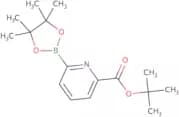
Prodotto fuori produzionetert-Butyl 6-(4,4,5,5-tetramethyl-1,3,2-dioxaborolan-2-yl)picolinate
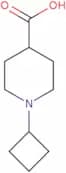
CAS:Versatile small molecule scaffoldFormula:C16H24BNO4Purezza:Min. 95%Peso molecolare:305.2 g/mol1-Cyclobutylpiperidine-4-carboxylic acid
CAS:Versatile small molecule scaffold
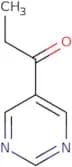
Formula:C10H17NO2Purezza:Min. 95%Peso molecolare:183.25 g/mol1-(Pyrimidin-5-yl)propan-1-one
CAS:Versatile small molecule scaffold
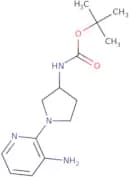
Formula:C7H8N2OPurezza:Min. 95%Peso molecolare:136.15 g/mol(R)-tert-Butyl 1-(3-aminopyridin-2-yl)pyrrolidin-3-ylcarbamate
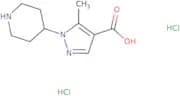
CAS:Versatile small molecule scaffoldFormula:C14H22N4O2Purezza:Min. 95%Peso molecolare:278.35 g/mol5-Methyl-1-(piperidin-4-yl)-1H-pyrazole-4-carboxylic acid dihydrochloride
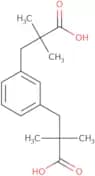
CAS:Versatile small molecule scaffoldFormula:C10H17Cl2N3O2Purezza:Min. 95%Peso molecolare:282.16 g/mol±,±,±²,±²-Tetramethyl-1,3-benzenedipropionic acid
CAS:Versatile small molecule scaffold
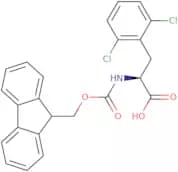
Formula:C16H22O4Purezza:Min. 95%Peso molecolare:278.34 g/molFmoc-2,6-dichloro-L-phenylalanine
CAS:Please enquire for more information about Fmoc-2,6-dichloro-L-phenylalanine including the price, delivery time and more detailed product information at the technical inquiry form on this page
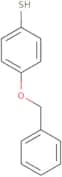
Formula:C24H19Cl2NO4Purezza:Min. 95%Peso molecolare:456.32 g/mol4-(Benzyloxy)thiophenol
CAS:Versatile small molecule scaffold
Formula:C13H12OSPurezza:Min. 95%Peso molecolare:216.3 g/molPiperyline
CAS:Piperyline is an alkanoic acid that has shown to be effective against skin cancer. It also has antimicrobial properties, which may be due to its ability to bind metal ions and form polymeric compounds. Piperyline inhibits microbial growth by inhibiting the synthesis of proteins and nucleic acids. The antimicrobial activity is related to its cationic polymerization with hydroxyl groups, which forms a structure that can inhibit microbial enzymes and disrupt microbial cell membranes. This compound also interacts with the skin's natural lipids, making it difficult for microorganisms to attach and grow on the skin. Piperyline is synthesized in organic chemistry laboratories as an amide precursor of other pharmaceuticals such as penicillin.
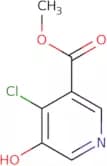
Formula:C16H17NO3Purezza:Min. 95%Peso molecolare:271.31 g/molMethyl 4-chloro-5-hydroxy-3-pyridinecarboxylate
CAS:Versatile small molecule scaffold
Formula:C7H6ClNO3Purezza:Min. 95%Peso molecolare:187.58 g/molN-(2-Methyl-6-benzoxazolyl)-2-propenamide
CAS:Please enquire for more information about N-(2-Methyl-6-benzoxazolyl)-2-propenamide including the price, delivery time and more detailed product information at the technical inquiry form on this page
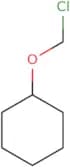
Formula:C11H10N2O2Purezza:Min. 95%Peso molecolare:202.21 g/molChloromethyl cyclohexyl ether
CAS:Chloromethyl cyclohexyl ether is a light-sensitive cross-linking agent that can be activated by light. It has two functional groups, a hydroxyl group and a chlorine atom. The skeleton of chloromethyl cyclohexyl ether is composed of an alicyclic hydrocarbon with six carbons and the molecule contains two divalent hydrocarbons, one of which is a trifluoromethyl group. Chloromethyl cyclohexyl ether has been used as a solid catalyst in the synthesis of amides and is also used in hyperproliferative diseases such as cancer.
Formula:C7H13ClOPurezza:Min. 95%Peso molecolare:148.63 g/mol1-(3-Amino-1H-pyrazol-1-yl)-2-methylpropan-2-ol
CAS:Versatile small molecule scaffold
Formula:C7H13N3OPurezza:Min. 95%Peso molecolare:155.2 g/mol2-[(tert-Butoxy)carbonyl]-2-azabicyclo[3.1.0]hexane-5-carboxylic acid
CAS:Versatile small molecule scaffold
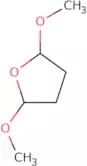
Formula:C11H17NO4Purezza:Min. 95%Peso molecolare:227.26 g/mol2,5-Dimethoxytetrahydrofuran
CAS:2,5-Dimethoxytetrahydrofuran is an organic compound that can be synthesized from 2,5-dimethoxybenzaldehyde and tetrahydrofuran. The asymmetric synthesis of this compound was first reported in 1968. The nmr spectrum of 2,5-dimethoxytetrahydrofuran shows two signals at δ 5.89 and δ 7.03 ppm. This compound is soluble in water and organic solvents such as dichloromethane, benzene, toluene, chloroform, and methanol. 2,5-Dimethoxytetrahydrofuran has been shown to have pain-relieving effects using the formalin test in mice and rats. It also has antineoplastic properties when used with other quinoline derivatives.br>br> 2,5-Dimethoxytetrahydrofuran is a white solid
Formula:C6H12O3Purezza:Min. 95%Colore e forma:PowderPeso molecolare:132.16 g/molMacaridine
CAS:Please enquire for more information about Macaridine including the price, delivery time and more detailed product information at the technical inquiry form on this page
Formula:C13H13NO2Purezza:Min. 95%Peso molecolare:215.25 g/molRef: 3D-FM183770
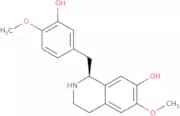
Prodotto fuori produzioneNor reticuline
CAS:Norreticuline is a virus-induced gene that is primarily found in the opium poppy, Papaver somniferum. Norreticuline has been shown to be biosynthesized from reticuline by a series of enzymatic reactions. It is also involved in the metabolic pathway of papaverine, which is an alkaloid that has been used as a vasodilator and anti-hypertensive drug. The optimum pH for norreticuline production is between 6 and 7. Norreticuline has demonstrated anticancer activity against various tumor cells, such as breast cancer cells and colon cancer cells. Norreticuline may also have antiviral properties due to its ability to inhibit viral DNA replication and synthesis of viral proteins.
Formula:C18H21NO4Purezza:Min. 95%Peso molecolare:315.36 g/mol4-Bromothiophene-2-acetic acid
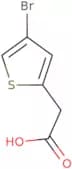
CAS:Versatile small molecule scaffold
Formula:C6H5BrO2SPurezza:Min. 95%Peso molecolare:221.07 g/mol













![2-[(tert-Butoxy)carbonyl]-2-azabicyclo[3.1.0]hexane-5-carboxylic acid](/_next/image/?url=https%3A%2Fstatic.cymitquimica.com%2Fproducts%2F3D%2Fthumb-webp%2FBAC00454.webp&w=3840&q=75)