Building Blocks
Questa sezione contiene prodotti fondamentali per la sintesi di composti organici e biologici. Building blocks sono i materiali di partenza essenziali utilizzati per costruire molecole complesse attraverso varie reazioni chimiche. Svolgono un ruolo critico nella scoperta di farmaci, nella scienza dei materiali e nella ricerca chimica. Presso CymitQuimica, offriamo una gamma diversificata di building blocks di alta qualità per supportare le tue ricerche innovative e progetti industriali, assicurandoti di avere i componenti essenziali per una sintesi di successo.
Sottocategorie di "Building Blocks"
- Acidi boronici e derivati dell'acido boronico(5.756 prodotti)
- Building Blocks Chirali(1.242 prodotti)
- Building Blocks Idrocarburici(6.095 prodotti)
- Building Blocks organici(61.037 prodotti)
Trovati 196139 prodotti di "Building Blocks"
Ordinare per
Purezza (%)
0
100
|
0
|
50
|
90
|
95
|
100
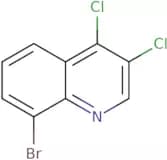
8-Bromo-3,4-dichloroquinoline
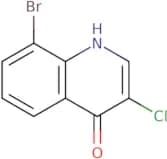
CAS:<p>Versatile small molecule scaffold</p>Formula:C9H4BrCl2NPurezza:Min. 95%Peso molecolare:276.94 g/mol3-Chloro-8-bromo-4-hydroxyquinoline
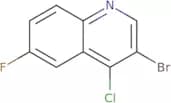
CAS:<p>Versatile small molecule scaffold</p>Formula:C9H5BrClNOPurezza:Min. 95%Peso molecolare:258.5 g/mol3-Bromo-4-chloro-6-fluoroquinoline
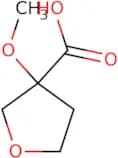
CAS:<p>Versatile small molecule scaffold</p>Formula:C9H4BrClFNPurezza:Min. 95%Peso molecolare:260.49 g/mol3-Methoxyoxolane-3-carboxylic acid
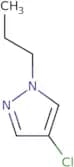
CAS:<p>Versatile small molecule scaffold</p>Formula:C6H10O4Purezza:Min. 95%Peso molecolare:146.14 g/mol4-Chloro-1-propyl-1H-pyrazole
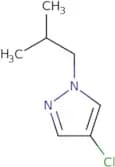
CAS:<p>Versatile small molecule scaffold</p>Formula:C6H9ClN2Purezza:Min. 95%Peso molecolare:144.6 g/mol4-Chloro-1-isobutyl-1H-pyrazole
CAS:<p>Versatile small molecule scaffold</p>Formula:C7H11ClN2Purezza:Min. 95%Peso molecolare:158.63 g/mol3-Methyl-N-(piperidin-4-yl)benzamide hydrochloride
CAS:<p>Versatile small molecule scaffold</p>Formula:C13H19ClN2OPurezza:Min. 95%Peso molecolare:254.75 g/molYQ128
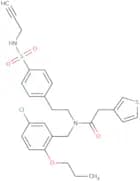
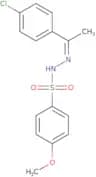
CAS:Prodotto controllato<p>YQ128 is an anticancer drug that targets kinases, enzymes that play a critical role in regulating cell growth and division. This inhibitor has been shown to be effective against various types of cancer cells, including those found in the urine of Chinese patients with cancer. YQ128 works by inducing apoptosis, or programmed cell death, and inhibiting the cell cycle, which prevents cancer cells from dividing and spreading. This medicinal compound is a potent protein kinase inhibitor that has shown promising results in preclinical studies as a potential treatment for tumors. Its ability to target multiple kinases makes it a promising candidate for further development as an anticancer therapy.</p>Formula:C27H29ClN2O4S2Purezza:Min. 95%Peso molecolare:545.1 g/mol2-fluoro-4-formylbenzoic acid
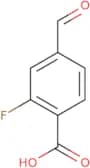
CAS:<p>Versatile small molecule scaffold</p>Formula:C8H5FO3Purezza:Min. 95%Peso molecolare:168.1 g/mol4-Formyl-3-nitrobenzoic acid
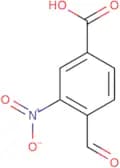
CAS:<p>Versatile small molecule scaffold</p>Formula:C8H5NO5Purezza:Min. 95%Peso molecolare:195.13 g/mol6-Methoxy-2,3,4,5-tetrahydro-1H-1-benzazepine
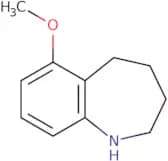
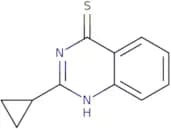
CAS:<p>Versatile small molecule scaffold</p>Formula:C11H15NOPurezza:Min. 95%Peso molecolare:177.24 g/mol2-Cyclopropylquinazoline-4-thiol
CAS:<p>Versatile small molecule scaffold</p>Formula:C11H10N2SPurezza:Min. 95%Peso molecolare:202.28 g/mol1-Ethyl-2-(tributylstannyl)-1H-pyrrole
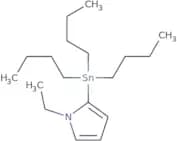
CAS:Prodotto controllato<p>Versatile small molecule scaffold</p>Formula:C18H35NSnPurezza:Min. 95%Peso molecolare:384.2 g/mol2-[(Cyclobutylcarbonyl)amino]acetic acid
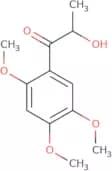
CAS:<p>Versatile small molecule scaffold</p>Formula:C7H11NO3Purezza:Min. 95%Peso molecolare:157.17 g/mol(2R)-2-Hydroxy-1-(2,4,5-trimethoxyphenyl)propan-1-one
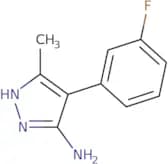
CAS:<p>(2R)-2-Hydroxy-1-(2,4,5-trimethoxyphenyl)propan-1-one is an efficient method for the synthesis of adenosine. This method is based on a cyclic reaction with trimethoxybenzene and yields 2 moles of adenosine per mole of trimethoxybenzene. The reaction time is short and the yield is high. This synthetic route has been used to produce large quantities of adenosine for use in pharmacological studies. (2R)-2-Hydroxy-1-(2,4,5-trimethoxyphenyl)propan-1-one can be used as an enantiomer for the synthesis of other compounds. It was also shown that nitrite mediates this reaction</p>Formula:C12H16O5Purezza:Min. 95%Peso molecolare:240.25 g/mol4-(3-Fluorophenyl)-3-methyl-1H-pyrazol-5-amine
CAS:<p>Versatile small molecule scaffold</p>Formula:C10H10FN3Purezza:Min. 95%Peso molecolare:191.2 g/molrac-2-[(1R,2R)-2-Aminocyclohexyl]ethan-1-ol
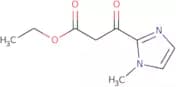
CAS:<p>Versatile small molecule scaffold</p>Formula:C8H17NOPurezza:Min. 95%Peso molecolare:143.2 g/molEthyl 3-(1-methyl-1H-imidazol-2-yl)-3-oxopropanoate
CAS:<p>Versatile small molecule scaffold</p>Formula:C9H12N2O3Purezza:Min. 95%Peso molecolare:196.2 g/moltert-Butyl (4aS,7aS)-octahydro-1H-pyrrolo[3,4-b]pyridine-6-carboxylate
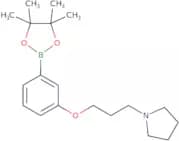
CAS:<p>Versatile small molecule scaffold</p>Formula:C12H22N2O2Purezza:Min. 95%Peso molecolare:226.32 g/mol1-(3-(3-(4,4,5,5-Tetramethyl-1,3,2-dioxaborolan-2-yl)phenoxy)propyl)pyrrolidine
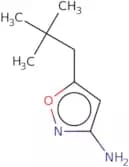
CAS:<p>Versatile small molecule scaffold</p>Formula:C19H30BNO3Purezza:Min. 95%Peso molecolare:331.3 g/mol5-(2,2-Dimethylpropyl)-1,2-oxazol-3-amine
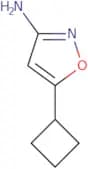
CAS:<p>Versatile small molecule scaffold</p>Formula:C8H14N2OPurezza:Min. 95%Peso molecolare:154.2 g/mol5-Cyclobutyl-1,2-oxazol-3-amine
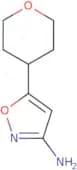
CAS:<p>Versatile small molecule scaffold</p>Formula:C7H10N2OPurezza:Min. 95%Peso molecolare:138.17 g/mol5-(Oxan-4-yl)-1,2-oxazol-3-amine
CAS:<p>Versatile small molecule scaffold</p>Formula:C8H12N2O2Purezza:Min. 95%Peso molecolare:168.19 g/moltert-Butyl 4-[4-(aminomethyl)-1H-1,2,3-triazol-1-yl]piperidine-1-carboxylate
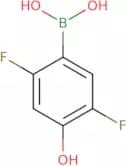
CAS:<p>Versatile small molecule scaffold</p>Formula:C13H23N5O2Purezza:Min. 95%Peso molecolare:281.35 g/mol(2,5-Difluoro-4-hydroxyphenyl)boronic acid
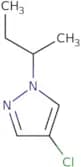
CAS:<p>Versatile small molecule scaffold</p>Formula:C6H5BF2O3Purezza:Min. 95%Peso molecolare:173.91 g/mol1-Sec-butyl-4-chloro-1H-pyrazole
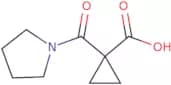
CAS:<p>Versatile small molecule scaffold</p>Formula:C7H11ClN2Purezza:Min. 95%Peso molecolare:158.63 g/mol1-(Pyrrolidine-1-carbonyl)cyclopropane-1-carboxylic acid
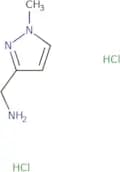
CAS:<p>Versatile small molecule scaffold</p>Formula:C9H13NO3Purezza:Min. 95%Peso molecolare:183.2 g/mol(1-Methyl-1H-pyrazol-3-yl)methanamine dihydrochloride
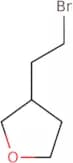
CAS:<p>Versatile small molecule scaffold</p>Formula:C5H11Cl2N3Purezza:Min. 95%Peso molecolare:184.07 g/mol3-(2-Bromoethyl)tetrahydrofuran
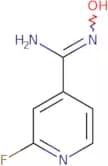
CAS:<p>Versatile small molecule scaffold</p>Formula:C6H11BrOPurezza:Min. 95%Colore e forma:Clear LiquidPeso molecolare:179.06 g/mol2-Fluoro-N'-hydroxypyridine-4-carboximidamide
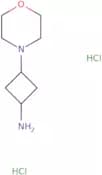
CAS:<p>Versatile small molecule scaffold</p>Formula:C6H6FN3OPurezza:Min. 95%Peso molecolare:155.13 g/mol3-(Morpholin-4-yl)cyclobutan-1-amine dihydrochloride
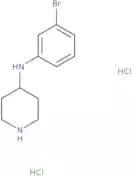
CAS:<p>Versatile small molecule scaffold</p>Formula:C8H18Cl2N2OPurezza:Min. 95%Peso molecolare:229.14 g/molN-(3-Bromophenyl)piperidin-4-amine dihydrochloride
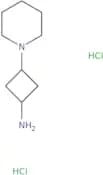
CAS:Prodotto controllato<p>Versatile small molecule scaffold</p>Formula:C11H17BrCl2N2Purezza:Min. 95%Peso molecolare:328.07 g/mol3-(Piperidin-1-yl)cyclobutan-1-amine dihydrochloride
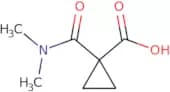
CAS:<p>Versatile small molecule scaffold</p>Formula:C9H20Cl2N2Purezza:Min. 95%Peso molecolare:227.17 g/mol1-(Dimethylcarbamoyl)cyclopropane-1-carboxylic acid
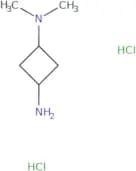
CAS:<p>Versatile small molecule scaffold</p>Formula:C7H11NO3Purezza:Min. 95%Peso molecolare:157.17 g/molN1,N1-Dimethylcyclobutane-1,3-diamine dihydrochloride
CAS:<p>Versatile small molecule scaffold</p>Formula:C6H16Cl2N2Purezza:Min. 95%Peso molecolare:187.11 g/mol[4-(Methoxymethyl)thiophen-2-yl]methanol
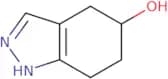
CAS:<p>Versatile small molecule scaffold</p>Formula:C7H10O2SPurezza:Min. 95%Peso molecolare:158.22 g/mol4,5,6,7-Tetrahydro-1H-indazol-5-ol
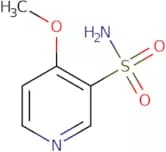
CAS:<p>Versatile small molecule scaffold</p>Formula:C7H10N2OPurezza:Min. 95%Peso molecolare:138.17 g/mol4-Methoxypyridine-3-sulfonamide
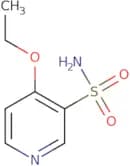
CAS:<p>4-Methoxypyridine-3-sulfonamide is a potent inhibitor of carbonic anhydrase. It is used in the treatment of chronic glaucoma and other diseases that result from increased intraocular pressure, such as iritis, keratitis, or optic neuritis. 4-Methoxypyridine-3-sulfonamide inhibits the activity of all isoforms of human carbonic anhydrase. The inhibition constants for this drug are higher for cytosolic isoforms than for transmembrane isoforms. This drug has a high selectivity for carbonic anhydrase over other enzymes and can be used to distinguish between different types of isoforms.</p>Formula:C6H8N2O3SPurezza:Min. 95%Peso molecolare:188.21 g/mol4-Ethoxypyridine-3-sulfonamide
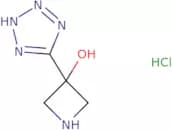
CAS:<p>Versatile small molecule scaffold</p>Formula:C7H10N2O3SPurezza:Min. 95%Peso molecolare:202.23 g/mol3-(1H-1,2,3,4-Tetrazol-5-yl)azetidin-3-ol hydrochloride
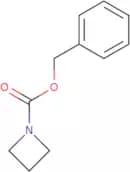
CAS:<p>Versatile small molecule scaffold</p>Formula:C4H8ClN5OPurezza:Min. 95%Peso molecolare:177.59 g/molBenzyl azetidine-1-carboxylate
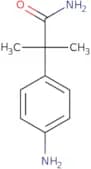
CAS:<p>Versatile small molecule scaffold</p>Formula:C11H13NO2Purezza:Min. 95%Peso molecolare:191.23 g/mol2-(4-Aminophenyl)-2-methylpropanamide
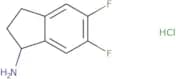
CAS:<p>Versatile small molecule scaffold</p>Formula:C10H14N2OPurezza:Min. 95%Peso molecolare:178.23 g/mol5,6-Difluoro-2,3-dihydro-1H-inden-1-amine hydrochloride
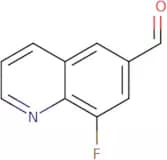
CAS:Prodotto controllato<p>Versatile small molecule scaffold</p>Formula:C9H10ClF2NPurezza:Min. 95%Peso molecolare:205.63 g/mol8-Fluoroquinoline-6-carbaldehyde
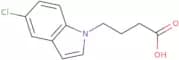
CAS:<p>Versatile small molecule scaffold</p>Formula:C10H6FNOPurezza:Min. 95%Peso molecolare:175.16 g/mol4-(5-Chloro-1H-indol-1-yl)butanoic acid
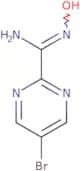
CAS:<p>Versatile small molecule scaffold</p>Formula:C12H12ClNO2Purezza:Min. 95%Peso molecolare:237.68 g/mol(Z)-5-Bromo-N-hydroxypyrimidine-2-carboximidamide
CAS:<p>Versatile small molecule scaffold</p>Formula:C5H5BrN4OPurezza:Min. 95%Peso molecolare:217.02 g/mol5-[Benzyl(cyclopropyl)amino]pentan-2-one
CAS:<p>Versatile small molecule scaffold</p>Formula:C15H21NOPurezza:Min. 95%Peso molecolare:231.3 g/moltert-Butyl N-[(1,4-oxazepan-2-yl)methyl]carbamate
CAS:<p>Versatile small molecule scaffold</p>Formula:C11H22N2O3Purezza:Min. 95%Peso molecolare:230.3 g/moltert-Butyl N-{2-[(2-aminoethyl)amino]ethyl}-N-methylcarbamate
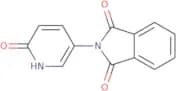
CAS:<p>Versatile small molecule scaffold</p>Formula:C10H23N3O2Purezza:Min. 95%Peso molecolare:217.31 g/mol2-(6-Hydroxypyridin-3-yl)isoindole-1,3-dione
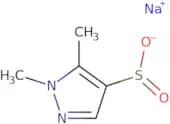
CAS:<p>Versatile small molecule scaffold</p>Formula:C13H8N2O3Purezza:Min. 95%Peso molecolare:240.21 g/molSodium 1,5-dimethyl-1H-pyrazole-4-sulfinate
CAS:<p>Versatile small molecule scaffold</p>Formula:C5H7N2NaO2SPurezza:Min. 95%Peso molecolare:182.18 g/mol1-{[(9H-Fluoren-9-yl)methoxy]carbonyl}-4-hydroxypiperidine-4-carboxylic acid
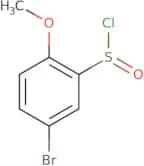
CAS:<p>Versatile small molecule scaffold</p>Formula:C21H21NO5Purezza:Min. 95%Peso molecolare:367.4 g/mol5-Bromo-2-methoxybenzene-1-sulfinyl chloride
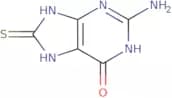
CAS:<p>Versatile small molecule scaffold</p>Formula:C7H6BrClO2SPurezza:Min. 95%Peso molecolare:269.54 g/mol2-Amino-6-hydroxy-8-mercaptopurine
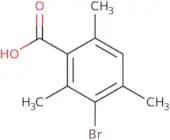
CAS:<p>2-Amino-6-hydroxy-8-mercaptopurine is an antimicrobial agent that inhibits the growth of bacteria by binding to their ribosomes. It has been shown to have a cytotoxic effect in vivo on cancer cells and intestinal parasites, as well as a protective effect against infectious diseases. 2-Amino-6-hydroxy-8-mercaptopurine has also been shown to inhibit the synthesis of proteins in vitro, which may be due to its ability to bind to the ribosomal subunit and inhibit protein synthesis. 2-Amino-6-hydroxy-8-mercaptopurine inhibits bacterial growth by binding to DNA dependent RNA polymerase, thereby preventing transcription and replication. The high frequency of human activity has been shown using a patch clamp technique on human erythrocytes. This active form is metabolized through a number of metabolic transformations, including hydrolysis by esterases or gluc</p>Formula:C5H5N5OSPurezza:Min. 95%Colore e forma:PowderPeso molecolare:183.19 g/mol3-Bromo-2,4,6-trimethylbenzoic acid
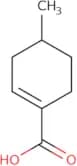
CAS:<p>Versatile small molecule scaffold</p>Formula:C10H11BrO2Purezza:Min. 95%Peso molecolare:243.1 g/mol4-Methylcyclohex-1-ene-1-carboxylic acid
CAS:<p>Versatile small molecule scaffold</p>Formula:C8H12O2Purezza:Min. 95%Peso molecolare:140.18 g/mol4-(3,4-dimethoxyphenyl)-4-oxobutanoic acid
CAS:<p>4-(3,4-dimethoxyphenyl)-4-oxobutanoic acid is an acylation reaction product. It can be made by the acylation of succinic anhydride with nitrobenzene. Optimizing the parameters for this reaction will yield the most desirable product. The optimum conditions for this reaction are 30 minutes at 60 degrees Celsius in a solvent of propionic acid. 4-(3,4-dimethoxyphenyl)-4-oxobutanoic acid can also be made by the Friedel-Crafts acylation reaction between veratrole and succinic anhydride. This reaction takes place over a period of 20 hours at room temperature in a solvent of ethylene glycol dimethyl ether.</p>Formula:C12H14O5Purezza:Min. 95%Peso molecolare:238.24 g/mol6-Chloro-1-methyl-1H-pyrazolo[3,4-d]pyrimidin-4(7H)-one
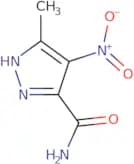
CAS:<p>Versatile small molecule scaffold</p>Formula:C6H5ClN4OPurezza:Min. 95%Peso molecolare:184.58 g/mol5-Methyl-4-nitro-1H-pyrazole-3-carboxamide
CAS:<p>Versatile small molecule scaffold</p>Formula:C5H6N4O3Purezza:Min. 95%Peso molecolare:170.13 g/molN,1-Dimethyl-1H-pyrazolo[3,4-d]pyrimidin-4-amine
CAS:<p>N,1-Dimethyl-1H-pyrazolo[3,4-d]pyrimidin-4-amine is an isomer of pyrazolopyrimidine. It has been shown to be a strong inhibitor of uracil incorporation in DNA and RNA syntheses. The autoassociation kinetics of this compound are dependent on the concentration of its methyl derivatives. The equilibrium constants for the N,1-dimethyl derivative are different from those for the N,2-dimethyl derivative. The parameters and constants used in the simulation were obtained from thermodynamic calculations and from experimental data for other molecules with similar properties. The equilibrium constant for tautomeric interaction was determined by calculating the ratio of concentrations at equilibrium for two competing tautomers.</p>Formula:C7H9N5Purezza:Min. 95%Peso molecolare:163.18 g/mol1-Methyl-1H-pyrazolo[3,4-d]pyrimidin-4(7H)-one
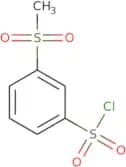
CAS:<p>Versatile small molecule scaffold</p>Formula:C6H6N4OPurezza:Min. 95%Peso molecolare:150.14 g/mol3-(Methylsulfonyl)benzenesulfonyl Chloride
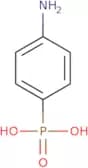
CAS:<p>Versatile small molecule scaffold</p>Formula:C7H7ClO4S2Purezza:Min. 95%Peso molecolare:254.71 g/mol(4-Aminophenyl)phosphonic Acid
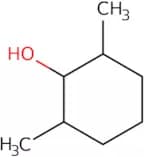
CAS:<p>4-Aminophenylphosphonic acid (4AP) is an organic compound that is used as a building block for the synthesis of other chemicals. It reacts optimally with chlorhexidine, a human receptor binding agent, to form 4-aminophenylchlorohexidinium chloride. 4AP has been shown to have antimicrobial properties and is used in topical applications. It also has an inhibitory effect on the growth of bacteria such as Pseudomonas aeruginosa, which can cause serious infections in humans. 4AP inhibits bacterial growth by interfering with the synthesis of proteins and nucleic acids. This inhibition occurs because 4AP binds to phosphatases and hydrolyzes them into phosphate and amine groups. The amine group will bind to the DNA or RNA molecule and inhibit its function.</p>Formula:C6H8NO3PPurezza:Min. 95%Peso molecolare:173.11 g/mol2,6-Dimethylcyclohexanol (mixture of isomers)
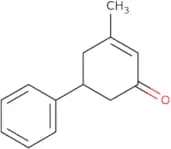
CAS:<p>2,6-Dimethylcyclohexanol is a mixture of isomers that has been shown to enhance the activity of cationic surfactants in a cell culture model. The isomers are 2,6-dimethylcyclohexane carboxylic acid and 2,6-dimethylcyclohexanol. This compound has been used in mice to determine if it can reverse the infertility caused by exposure to monoterpene hydrocarbons. It also inhibits the activity of recombinant human epidermal growth factor receptor (EGFR) and can be used as an anticancer drug for EGFR-overexpressing tumors. The solubility data indicate that this molecule has low solubility in water and organic solvents such as chloroform or methanol. The molecular modeling shows that this molecule contains a hydroxyl group at C2 and two methyl groups at C6. The nmr spectra show a signal at δ =</p>Formula:C8H16OPurezza:Min. 95%Peso molecolare:128.22 g/mol3-Methyl-5-phenylcyclohex-2-en-1-one
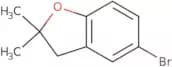
CAS:<p>3-Methyl-5-phenylcyclohex-2-en-1-one is an organic compound that belongs to the class of cyano compounds. This agent is a colorless, oily liquid with a peculiar odor. 3-Methyl-5-phenylcyclohex-2-en-1-one has been used as a solvent for acetoacetate and solvents. The use of this agent in the synthesis of ethyl benzoylacetate has been reported. The axial orientation of the methyl group and the orientations of the phenyl ring have been optimized in order to achieve a conformation that does not lead to steric hindrance during the reaction. A sodium ethoxide solution was used as an additive to promote nucleophilic attack on the carbonyl group in order to obtain ethyl acetoacetate.</p>Formula:C13H14OPurezza:Min. 95%Peso molecolare:186.25 g/mol5-Bromo-2,2-dimethyl-2,3-dihydro-1-benzofuran
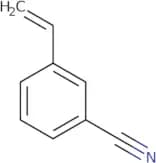
CAS:<p>Versatile small molecule scaffold</p>Formula:C10H11BrOPurezza:Min. 95%Peso molecolare:227.1 g/mol3-Ethenylbenzonitrile
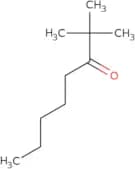
CAS:<p>3-Ethenylbenzonitrile is an organic compound that can be prepared by photolysis of 2-bromobenzonitrile in the presence of a nonpolar solvent. It is also synthesized by laser induced exciplex reaction between benzene and ethylene. 3-Ethenylbenzonitrile has a conformation that is dependent on the polarity of the solvent. In polar solvents, it adopts a bent structure while in nonpolar solvents, it adopts a linear structure. The molecule undergoes cyclobutane formation and then reacts with electron acceptors such as cations to form intermediates. These intermediates react with other molecules to form products.</p>Formula:C9H7NPurezza:Min. 95%Peso molecolare:129.16 g/mol2,2-Dimethyloctan-3-one
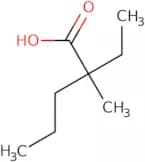
CAS:<p>Versatile small molecule scaffold</p>Formula:C10H20OPurezza:Min. 95%Peso molecolare:156.26 g/mol(2RS)-2-Ethyl-2-methylpentanoic acid
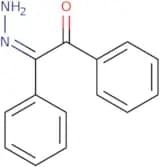
CAS:<p>(2RS)-2-Ethyl-2-methylpentanoic acid is an organic compound that is used to synthesize the drug 2-ethylhexanoic acid. This compound can be obtained by asymmetric synthesis and it has cytosolic activity. It inhibits the growth of tumor cells by inducing necrotic cell death and hemolysis in erythrocytes. The pH of this substance is acidic and it can be used for the uptake of drugs. In addition, (2RS)-2-Ethyl-2-methylpentanoic acid has significant cytotoxicity as well as fusogenic properties. It also has endosomal excipients and can be used as a neutral or acidic buffer solution for intravenous injections.</p>Formula:C8H16O2Purezza:Min. 95%Peso molecolare:144.21 g/mol(2E)-2-hydrazinylidene-1,2-diphenylethan-1-one
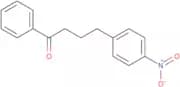
CAS:<p>Versatile small molecule scaffold</p>Formula:C14H12N2OPurezza:Min. 95%Peso molecolare:224.26 g/mol4-(4-Nitrophenyl)-1-phenylbutan-1-one
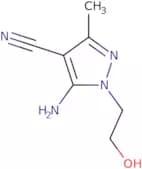
CAS:<p>Versatile small molecule scaffold</p>Formula:C16H15NO3Purezza:Min. 95%Peso molecolare:269.29 g/mol5-Amino-1-(2-hydroxyethyl)-3-methyl-1H-pyrazole-4-carbonitrile
CAS:<p>Versatile small molecule scaffold</p>Formula:C7H10N4OPurezza:Min. 95%Peso molecolare:166.18 g/mol2-([1,1'-Biphenyl]-2-yloxy)acetic acid
CAS:<p>2-([1,1'-Biphenyl]-2-yloxy)acetic acid is a white solid that has a melting point of 9 °C and a boiling point of 244 °C. It is soluble in water, ethanol, and acetone. This compound can be used as an organic solvent and is used to synthesize sodium carbonate. 2-([1,1'-Biphenyl]-2-yloxy)acetic acid is also used as a recrystallizing agent for industrial purposes. The synthesis method for this compound includes the use of catalysts such as carbonates and trifluoroacetic anhydride. The substance has been shown to cause pollution in the environment due to its high reactivity with oxygen.</p>Formula:C14H12O3Purezza:Min. 95%Peso molecolare:228.25 g/mol2-Bromobenzo[b]thiophene 1,1-dioxide
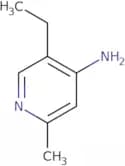
CAS:<p>Versatile small molecule scaffold</p>Formula:C8H5BrO2SPurezza:Min. 95%Peso molecolare:245.09 g/mol5-Ethyl-2-methylpyridin-4-amine
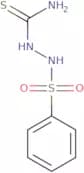
CAS:<p>Versatile small molecule scaffold</p>Formula:C8H12N2Purezza:Min. 95%Peso molecolare:136.19 g/molBenzenesulfonamidothiourea
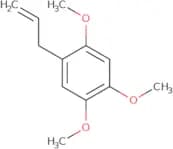
CAS:<p>Benzenesulfonamidothiourea is a biocompatible polymer that has been shown to inhibit the proliferation of tumor cells. The polymer is injected into tumor tissues and binds to boron, which prevents the formation of new blood vessels. This inhibits the growth of tumors and induces cell death. Benzenesulfonamidothiourea is an in vitro method with intracellular targets. It has been shown to be effective against tumors that have been irradiated or exposed to neutron radiation. This polymer also has analytical properties that allow it to be used for biochemical studies such as determining DNA sequencing and structure analysis.</p>Formula:C7H9N3O2S2Purezza:Min. 95%Peso molecolare:231.3 g/mol1,2,4-Trimethoxy-5-(prop-2-en-1-yl)benzene
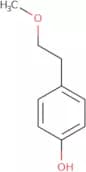
CAS:<p>1,2,4-Trimethoxy-5-(prop-2-en-1-yl)benzene is a pharmaceutical drug that belongs to the class of compounds known as alpha-asarone or asarone. It has been shown to have hemolytic activity and is used in food composition. The compound has not been tested for carcinogenic, mutagenic, or reproductive toxicity. 1,2,4-Trimethoxy-5-(prop-2-en-1-yl)benzene can be injected intravenously in a 10% solution with sodium carbonate as a buffer and diluted with water for injection. This drug is also available in an oral formulation that is administered in tablet form. The bioavailability of 1,2,4-trimethoxy 5-(prop - 2 - en - 1 - yl)benzene is low due to its high affinity for proteins and low solubility in water.</p>Formula:C12H16O3Purezza:Min. 95%Peso molecolare:208.25 g/mol4-(Methoxymethyl)phenol
CAS:<p>4-(Methoxymethyl)phenol is a chemical compound which has been shown to inhibit the growth of bacteria. It is a photochemical that has a low sub-effective dose and high photochemical properties. 4-(Methoxymethyl)phenol is found in many plants and vegetables, such as parsley and celery, and can be used as an antimicrobial agent. Stenotrophomonas maltophilia, which causes pneumonia in cystic fibrosis patients, was one of the bacterial strains inhibited by this compound. The mechanism for inhibition of this compound is unknown but it does not seem to involve the production of reactive oxygen species. Furthermore, 4-(Methoxymethyl)phenol has been shown to have potent inhibitory activity against RNA polymerase II, which is important for protein synthesis.</p>Formula:C8H10O2Purezza:Min. 95%Peso molecolare:138.16 g/molGMQ hydrochloride
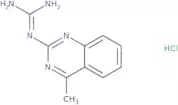
CAS:<p>GMQ hydrochloride is a blocker with sensitivity and blocking effects. It blocks the neurogenic inflammation induced by proton influx, which may be due to its antagonistic effect on 5-hydroxytryptamine (5-HT) receptors. GMQ hydrochloride has been shown to block the neurogenic inflammation induced by injecting substances into the skin or muscle of mice. GMQ hydrochloride also blocks the neurogenic inflammation that arises from chronic migraine, which is related to 5-HT3 receptors.</p>Formula:C10H11N5·HClPurezza:Min. 95%Peso molecolare:237.69 g/mol4-Sulfobenzaldehyde Hydrate
CAS:<p>4-Sulfobenzaldehyde hydrate is a chemical intermediate that is used for the production of detergents and other products. This compound can be prepared by reacting phenol with sulfur dioxide in the presence of a chlorinating agent. 4-Sulfobenzaldehyde hydrate can also be obtained by reacting aniline or phenol with sodium hypochlorite in the presence of a catalyst. The biphenyl molecule contains two benzene rings joined by a single carbon atom, and this compound can be oxidized to form biphenyldicarboxylic acid, which has fluorescent properties. 4-Sulfobenzaldehyde hydrate is an acid and cleaves in water to form hydrochloric acid and benzoic acid.</p>Formula:C7H6O4S·xH2OPurezza:Min. 95%Peso molecolare:186.19 g/mol2-(1,3-Dioxo-2,3-dihydro-1H-isoindol-2-yl)propanoyl chloride
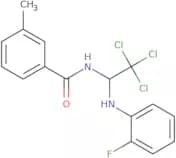
CAS:<p>Versatile small molecule scaffold</p>Formula:C16H14Cl3FN2OPurezza:Min. 95%Peso molecolare:375.6 g/mol2,2-Dichlorocyclopropane-1-carboxylic acid
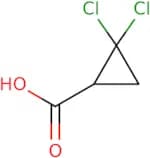
CAS:<p>2,2-Dichlorocyclopropane-1-carboxylic acid is a chemical substance that belongs to the group of fungicides. It is used as an acceptor in organic synthesis and as a dehydrative agent. 2,2-Dichlorocyclopropane-1-carboxylic acid has bactericidal effects on some bacteria species and is active against fungi. The compound can be prepared by reacting chloroacetic acid with cyclopropanecarboxylic acid or by the reaction of 2,2,2-trichloroethanol with cyclopropanecarboxylic acid. 2,2-Dichlorocyclopropane-1-carboxylic acid can be used as an enantiomer to synthesize other compounds. This compound has two resonance forms which are related to its carboxylic group and its optically active form.</p>Formula:C4H4Cl2O2Purezza:Min. 95%Peso molecolare:154.98 g/mol2,2-Dibromocyclopropane-1-carboxylic acid
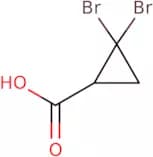
CAS:<p>Versatile small molecule scaffold</p>Formula:C4H4Br2O2Purezza:Min. 95%Peso molecolare:243.88 g/mol2-(2,2-Dichlorocyclopropyl)acetonitrile
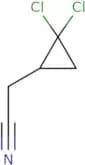
CAS:<p>2-(2,2-Dichlorocyclopropyl)acetonitrile is a polyatomic molecule that is often used in the synthesis of other compounds. It has been shown to react with sodium cyanide to form a compound called covid-19, which is then reacted with piperidine and thiophenol to form polyatomic molecules. Covid-19 is also the active ingredient in a vaccine that was developed as a response to the pandemic of H1N1 influenza. This drug has been shown to be effective against influenza A strains and other flu viruses, including avian flu.</p>Formula:C5H5Cl2NPurezza:Min. 95%Peso molecolare:150 g/mol2-(2,2-Dichlorocyclopropyl)acetic acid
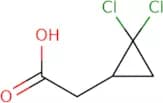
CAS:<p>Versatile small molecule scaffold</p>Formula:C5H6Cl2O2Purezza:Min. 95%Peso molecolare:169 g/mol1,8-Dioxo-1,3,4,8-tetrahydro-2H-pyrido[1,2-a]pyrazine-6-carboxylic acid
CAS:<p>Versatile small molecule scaffold</p>Formula:C9H8N2O4Purezza:Min. 95%Peso molecolare:208.17 g/mol3-Cyclohexylaniline
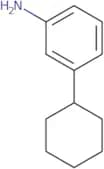
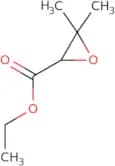
CAS:<p>Versatile small molecule scaffold</p>Formula:C12H17NPurezza:Min. 95%Peso molecolare:175.27 g/molEthyl 3,3-dimethyloxirane-2-carboxylate
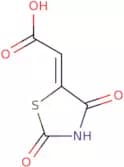
CAS:<p>Versatile small molecule scaffold</p>Formula:C7H12O3Purezza:Min. 95%Peso molecolare:144.17 g/mol(2Z)-(2,4-Dioxo-1,3-thiazolidin-5-ylidene)acetic acid
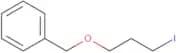
CAS:<p>Versatile small molecule scaffold</p>Formula:C5H3NO4SPurezza:Min. 95%Peso molecolare:173.15 g/mol1-Benzyloxy-3-iodopropane
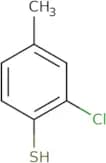
CAS:<p>1-Benzyloxy-3-iodopropane is an enantiopure prenyl alcohol, which can be used in the alkylation of unsaturated fatty acids. It has been used to synthesize pseudoephedrine with yields of up to 97% and chirality that is stereospecific and enantiopure. In addition, it can be used as a reagent for biomolecular studies.</p>Formula:C10H13IOPurezza:Min. 95%Peso molecolare:276.11 g/mol2-Chloro-4-methylbenzenethiol
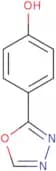
CAS:<p>Versatile small molecule scaffold</p>Formula:C7H7ClSPurezza:Min. 95%Peso molecolare:158.65 g/mol4-(1,3,4-Oxadiazol-2-yl)phenol
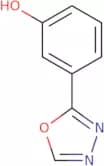
CAS:<p>4-(1,3,4-Oxadiazol-2-yl)phenol (ODOP) is a potent and selective apoptosis inducer that causes the death of cancer cells by generating reactive oxygen species. ODOP activates polyphosphoric acid in the mitochondria to form reactive oxygen species. The cytotoxicity of ODOP is dose-dependent and can be reconfirmed by nucleophilic attack on DNA. ODOP has been shown to have pharmacokinetic properties that are similar to those of other drugs in the same class, such as acylhydrazides. These drugs are rapidly metabolized by esterases or glucuronidases in vivo and are excreted mainly through urine.</p>Formula:C8H6N2O2Purezza:Min. 95%Peso molecolare:162.15 g/mol3-(1,3,4-Oxadiazol-2-yl)phenol
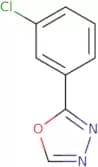
CAS:<p>Versatile small molecule scaffold</p>Formula:C8H6N2O2Purezza:Min. 95%Peso molecolare:162.15 g/mol2-(3-Chlorophenyl)-1,3,4-oxadiazole
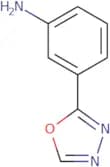
CAS:<p>Versatile small molecule scaffold</p>Formula:C8H5ClN2OPurezza:Min. 95%Peso molecolare:180.59 g/mol3-(1,3,4-Oxadiazol-2-yl)aniline
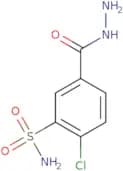
CAS:<p>Versatile small molecule scaffold</p>Formula:C8H7N3OPurezza:Min. 95%Peso molecolare:161.16 g/mol2-Chloro-5-(hydrazinecarbonyl)benzene-1-sulfonamide
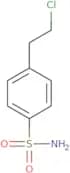
CAS:<p>2-Chloro-5-(hydrazidecarbonyl)benzene-1-sulfonamide is an aliphatic aldehyde that is used to synthesize other chemicals. It can be synthesized from the condensation of 2-chloroacetaldehyde with hydrazine and formaldehyde in the presence of a base. This compound has been shown to have diuretic and saluretic properties, which are due to its ability to increase urine flow by inhibiting reabsorption of sodium ions in the kidney tubules. 2-Chloro-5-(hydrazidecarbonyl)benzene-1-sulfonamide is soluble in alcohols and dioxane, but insoluble in water. This compound hydrolyzes in acidic conditions, so it cannot be stored for long periods without protection from moisture.</p>Formula:C7H8ClN3O3SPurezza:Min. 95%Peso molecolare:249.68 g/mol4-(2-Chloroethyl)benzene-1-sulfonamide
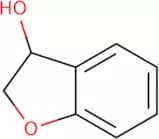
CAS:<p>Versatile small molecule scaffold</p>Formula:C8H10ClNO2SPurezza:Min. 95%Peso molecolare:219.69 g/mol2,3-Dihydro-1-benzofuran-3-ol
CAS:<p>Versatile small molecule scaffold</p>Formula:C8H8O2Purezza:Min. 95%Peso molecolare:136.15 g/mol3-(Hydroxymethyl)benzo[b]thiophene
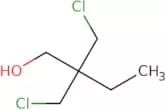
CAS:<p>3-(Hydroxymethyl)benzo[b]thiophene is a potential anticancer agent that inhibits the PI3K/Akt pathway. It has been shown to have cytotoxic effects on colorectal adenocarcinoma cells, as well as other cancer cells. 3-(Hydroxymethyl)benzo[b]thiophene also binds to DNA and alters the structure of the double helix, leading to inhibition of DNA synthesis, which may lead to cell death. The compound has been tested in vitro and found to be effective against leukemia and colon cancer cells. It has also shown anticancer activity in vivo in mice, with no observable side effects or toxicity.</p>Formula:C9H8OSPurezza:Min. 95%Peso molecolare:164.22 g/mol2,2-Bis(chloromethyl)butan-1-ol
CAS:<p>Versatile small molecule scaffold</p>Formula:C6H12Cl2OPurezza:Min. 95%Peso molecolare:171.06 g/mol

![2-[(Cyclobutylcarbonyl)amino]acetic acid](/_next/image/?url=https%3A%2Fstatic.cymitquimica.com%2Fproducts%2F3D%2Fthumb-webp%2FEZA79072.webp&w=3840&q=75)
![rac-2-[(1R,2R)-2-Aminocyclohexyl]ethan-1-ol](/_next/image/?url=https%3A%2Fstatic.cymitquimica.com%2Fproducts%2F3D%2Fthumb-webp%2FEZB03941.webp&w=3840&q=75)
![tert-Butyl (4aS,7aS)-octahydro-1H-pyrrolo[3,4-b]pyridine-6-carboxylate](/_next/image/?url=https%3A%2Fstatic.cymitquimica.com%2Fproducts%2F3D%2Fthumb-webp%2FEZB42851.webp&w=3840&q=75)
![tert-Butyl 4-[4-(aminomethyl)-1H-1,2,3-triazol-1-yl]piperidine-1-carboxylate](/_next/image/?url=https%3A%2Fstatic.cymitquimica.com%2Fproducts%2F3D%2Fthumb-webp%2FEZB51672.webp&w=3840&q=75)
![[4-(Methoxymethyl)thiophen-2-yl]methanol](/_next/image/?url=https%3A%2Fstatic.cymitquimica.com%2Fproducts%2F3D%2Fthumb-webp%2FEZB62707.webp&w=3840&q=75)
![5-[Benzyl(cyclopropyl)amino]pentan-2-one](/_next/image/?url=https%3A%2Fstatic.cymitquimica.com%2Fproducts%2F3D%2Fthumb-webp%2FEZC29824.webp&w=3840&q=75)
![tert-Butyl N-[(1,4-oxazepan-2-yl)methyl]carbamate](/_next/image/?url=https%3A%2Fstatic.cymitquimica.com%2Fproducts%2F3D%2Fthumb-webp%2FEZC33236.webp&w=3840&q=75)
![tert-Butyl N-{2-[(2-aminoethyl)amino]ethyl}-N-methylcarbamate](/_next/image/?url=https%3A%2Fstatic.cymitquimica.com%2Fproducts%2F3D%2Fthumb-webp%2FEZC65337.webp&w=3840&q=75)
![1-{[(9H-Fluoren-9-yl)methoxy]carbonyl}-4-hydroxypiperidine-4-carboxylic acid](/_next/image/?url=https%3A%2Fstatic.cymitquimica.com%2Fproducts%2F3D%2Fthumb-webp%2FEZC92685.webp&w=3840&q=75)
![6-Chloro-1-methyl-1H-pyrazolo[3,4-d]pyrimidin-4(7H)-one](/_next/image/?url=https%3A%2Fstatic.cymitquimica.com%2Fproducts%2F3D%2Fthumb-webp%2FFAA33435.webp&w=3840&q=75)
![N,1-Dimethyl-1H-pyrazolo[3,4-d]pyrimidin-4-amine](/_next/image/?url=https%3A%2Fstatic.cymitquimica.com%2Fproducts%2F3D%2Fthumb-webp%2FFAA33449.webp&w=3840&q=75)
![1-Methyl-1H-pyrazolo[3,4-d]pyrimidin-4(7H)-one](/_next/image/?url=https%3A%2Fstatic.cymitquimica.com%2Fproducts%2F3D%2Fthumb-webp%2FFAA33456.webp&w=3840&q=75)
![2-([1,1'-Biphenyl]-2-yloxy)acetic acid](/_next/image/?url=https%3A%2Fstatic.cymitquimica.com%2Fproducts%2F3D%2Fthumb-webp%2FFAA34875.webp&w=3840&q=75)
![2-Bromobenzo[b]thiophene 1,1-dioxide](/_next/image/?url=https%3A%2Fstatic.cymitquimica.com%2Fproducts%2F3D%2Fthumb-webp%2FFAA35005.webp&w=3840&q=75)

![1,8-Dioxo-1,3,4,8-tetrahydro-2H-pyrido[1,2-a]pyrazine-6-carboxylic acid](/_next/image/?url=https%3A%2Fstatic.cymitquimica.com%2Fproducts%2F3D%2Fthumb-webp%2FFAA36842.webp&w=3840&q=75)
![3-(Hydroxymethyl)benzo[b]thiophene](/_next/image/?url=https%3A%2Fstatic.cymitquimica.com%2Fproducts%2F3D%2Fthumb-webp%2FFAA38124.webp&w=3840&q=75)