Building Blocks
Questa sezione contiene prodotti fondamentali per la sintesi di composti organici e biologici. Building blocks sono i materiali di partenza essenziali utilizzati per costruire molecole complesse attraverso varie reazioni chimiche. Svolgono un ruolo critico nella scoperta di farmaci, nella scienza dei materiali e nella ricerca chimica. Presso CymitQuimica, offriamo una gamma diversificata di building blocks di alta qualità per supportare le tue ricerche innovative e progetti industriali, assicurandoti di avere i componenti essenziali per una sintesi di successo.
Sottocategorie di "Building Blocks"
- Acidi boronici e derivati dell'acido boronico(5.756 prodotti)
- Building Blocks Chirali(1.242 prodotti)
- Building Blocks Idrocarburici(6.093 prodotti)
- Building Blocks organici(60.533 prodotti)
Trovati 195534 prodotti di "Building Blocks"
Ordinare per
Purezza (%)
0
100
|
0
|
50
|
90
|
95
|
100
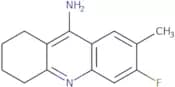
6-Fluoro-7-methyl-1,2,3,4-tetrahydroacridin-9-amine
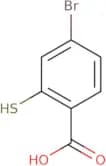
CAS:<p>Versatile small molecule scaffold</p>Formula:C14H15FN2Purezza:Min. 95%Peso molecolare:230.28 g/mol4-Bromo-2-sulfanylbenzoic acid
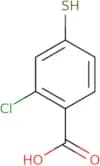
CAS:<p>Versatile small molecule scaffold</p>Formula:C7H5BrO2SPurezza:Min. 95%Peso molecolare:233.08 g/mol2-Chloro-4-sulfanylbenzoic acid
CAS:<p>Versatile small molecule scaffold</p>Formula:C7H5ClO2SPurezza:Min. 95%Peso molecolare:188.63 g/mol1,6-Dihydro-6-methyl-7H-pyrrolo[2,3-c]pyridin-7-one
CAS:<p>Versatile small molecule scaffold</p>Formula:C8H8N2OPurezza:Min. 95%Peso molecolare:148.16 g/mol2-Benzyl-2-azabicyclo[2.2.1]heptane
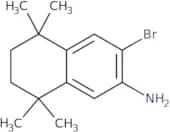
CAS:<p>Versatile small molecule scaffold</p>Formula:C13H17NPurezza:Min. 95%Peso molecolare:187.3 g/mol3-Bromo-5,5,8,8-tetramethyl-5,6,7,8-tetrahydronaphthalen-2-amine
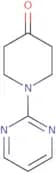
CAS:<p>Versatile small molecule scaffold</p>Formula:C14H20BrNPurezza:Min. 95%Peso molecolare:282.22 g/mol1-Pyrimidin-2-yl-piperidin-4-one
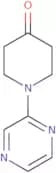
CAS:<p>Versatile small molecule scaffold</p>Formula:C9H11N3OPurezza:Min. 95%Peso molecolare:177.2 g/mol1-(Pyrazin-2-yl)piperidin-4-one
CAS:<p>Versatile small molecule scaffold</p>Formula:C9H11N3OPurezza:Min. 95%Peso molecolare:177.2 g/mol7-Bromo-1H,2H,3H-pyrazolo[1,5-a]imidazole
CAS:<p>Versatile small molecule scaffold</p>Formula:C5H6BrN3Purezza:Min. 95%Peso molecolare:188.03 g/mol4-[(Dimethylamino)methyl]-1,3-thiazol-2-amine
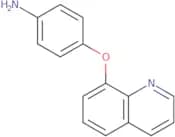
CAS:<p>4-[(Dimethylamino)methyl]-1,3-thiazol-2-amine is a modulating agent that is used for the treatment of heart disease. This drug has been shown to inhibit the uptake of cholesterol in macrophages by blocking the cholesterol transport protein. The drug also increases membrane permeability and reduces the production of inflammatory mediators, such as prostaglandins and leukotrienes. 4-[(Dimethylamino)methyl]-1,3-thiazol-2-amine has been shown to reduce cardiovascular risk factors, including high blood pressure, obesity, diabetes mellitus type II, and hyperlipidemia. 4-[(Dimethylamino)methyl]-1,3-thiazol-2-amine can be used to treat infectious diseases by inhibiting bacterial growth and decreasing inflammation. It also prevents fatty acid oxidation and modulates lipid metabolism in animals with environmental pollution or excessive levels of fatty acids.</p>Formula:C6H11N3SPurezza:Min. 95%Peso molecolare:157.24 g/mol4-(Quinolin-8-yloxy)aniline
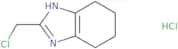
CAS:<p>Versatile small molecule scaffold</p>Formula:C15H12N2OPurezza:Min. 95%Peso molecolare:236.27 g/mol2-(Chloromethyl)-4,5,6,7-tetrahydro-1H-1,3-benzodiazole hydrochloride
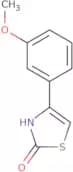
CAS:<p>Versatile small molecule scaffold</p>Formula:C8H12Cl2N2Purezza:Min. 95%Peso molecolare:207.1 g/mol4-(3-Methoxyphenyl)-2,3-dihydro-1,3-thiazol-2-one
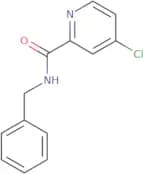
CAS:<p>Versatile small molecule scaffold</p>Formula:C10H9NO2SPurezza:Min. 95%Peso molecolare:207.25 g/molN-Benzyl-4-chloropyridine-2-carboxamide
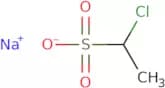
CAS:<p>Versatile small molecule scaffold</p>Formula:C13H11ClN2OPurezza:Min. 95%Peso molecolare:246.69 g/molSodium 1-chloroethane-1-sulfonate
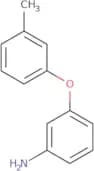
CAS:<p>Sodium 1-chloroethane-1-sulfonate is a sulfamate that has a hydroxy group. It is an inorganic compound that has been used in the form of its sodium salt as a clinical treatment for hyperkalemia. It reacts with hydroxyl groups to form vinyl alcohol and can be aminated to form piperazine. The acidic pH of the environment also promotes amination reactions. This chemical is reactive and cationic, which makes it useful as a surfactant or detergent.</p>Formula:C2H4ClNaO3SPurezza:Min. 95%Peso molecolare:166.56 g/mol3-(3-Methylphenoxy)aniline
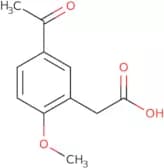
CAS:<p>Versatile small molecule scaffold</p>Formula:C13H13NOPurezza:Min. 95%Peso molecolare:199.25 g/mol2-(5-Acetyl-2-methoxyphenyl)acetic acid
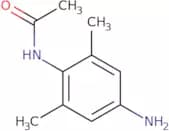
CAS:<p>Versatile small molecule scaffold</p>Formula:C11H12O4Purezza:Min. 95%Peso molecolare:208.21 g/molN-(4-Amino-2,6-dimethylphenyl)acetamide
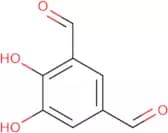
CAS:<p>Versatile small molecule scaffold</p>Formula:C10H14N2OPurezza:Min. 95%Peso molecolare:178.23 g/mol1,2-Dihydroxy-3,5-diformylbenzene
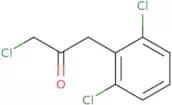
CAS:<p>Versatile small molecule scaffold</p>Formula:C8H6O4Purezza:Min. 95%Peso molecolare:166.13 g/mol1-Chloro-3-(2,6-dichlorophenyl)propan-2-one
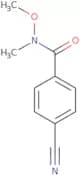
CAS:<p>Versatile small molecule scaffold</p>Formula:C9H7Cl3OPurezza:Min. 95%Peso molecolare:237.5 g/mol4-Cyano-N-methoxy-N-methylbenzenecarboxamide
CAS:<p>4-Cyano-N-methoxy-N-methylbenzenecarboxamide is a genotoxic agent that can be detected in wastewater samples. It can cause genotoxic effects in human cells and animal experiments, but the toxicity of 4-cyano-N-methoxy-N-methylbenzenecarboxamide to humans has not been studied. The compound may be present as an environmental pollutant in wastewater treatment plants and may have a toxic potential for the intestinal microflora and for healthy controls. The compound has been analysed in congenital cases with no significant association found.</p>Formula:C10H10N2O2Purezza:Min. 95%Peso molecolare:190.2 g/molEthyl 2-[(dimethylamino)methylidene]-4-methyl-3-oxopentanoate
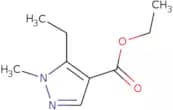
CAS:<p>Versatile small molecule scaffold</p>Formula:C11H19NO3Purezza:Min. 95%Peso molecolare:213.27 g/molEthyl 5-ethyl-1-methyl-1H-pyrazole-4-carboxylate
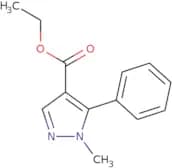
CAS:<p>Versatile small molecule scaffold</p>Formula:C9H14N2O2Purezza:Min. 95%Peso molecolare:182.22 g/molEthyl 1-methyl-5-phenyl-1H-pyrazole-4-carboxylate
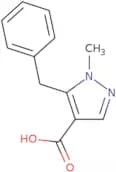
CAS:<p>Versatile small molecule scaffold</p>Formula:C13H14N2O2Purezza:Min. 95%Peso molecolare:230.26 g/mol5-Benzyl-1-methyl-1H-pyrazole-4-carboxylic acid
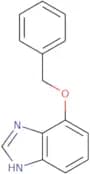
CAS:<p>Versatile small molecule scaffold</p>Formula:C12H12N2O2Purezza:Min. 95%Peso molecolare:216.24 g/mol4-(Benzyloxy)-1H-1,3-benzodiazole
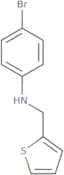
CAS:<p>Versatile small molecule scaffold</p>Formula:C14H12N2OPurezza:Min. 95%Peso molecolare:224.26 g/mol4-Bromo-N-(thiophen-2-ylmethyl)aniline
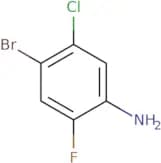
CAS:<p>Versatile small molecule scaffold</p>Formula:C11H10BrNSPurezza:Min. 95%Peso molecolare:268.17 g/mol4-Bromo-5-chloro-2-fluoroaniline
CAS:<p>Versatile small molecule scaffold</p>Formula:C6H4BrClFNPurezza:Min. 95%Peso molecolare:224.46 g/molN-Benzyl(cyclopropyl)methanamine
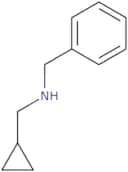
CAS:<p>N-Benzyl(cyclopropyl)methanamine is a phenanthrene derivative that is synthesized by the reaction of benzylic methylene with methanol. This compound can be hydrolyzed to benzoic acid and cyclopropanol. N-Benzyl(cyclopropyl)methanamine has been used as an electrode material for organic electrochemical cells as it has high electron transfer and overpotential, making this compound more suitable than other materials such as benzylic or alkyl groups. The synthesis of esters from N-benzyl(cyclopropyl)methanamine can be achieved through the use of acetals.</p>Formula:C11H15NPurezza:Min. 95%Peso molecolare:161.24 g/molMethyl 3-chloropyridine-2-carboxylate
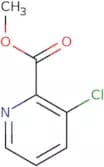
CAS:<p>Methyl 3-chloropyridine-2-carboxylate is a synthetic, orally active analog of picolinic acid. It is used in the synthesis of pharmaceuticals and agrochemicals. Methyl 3-chloropyridine-2-carboxylate is a bactericidal drug that inhibits bacterial growth by inhibiting protein synthesis, which leads to cell death. This compound has been shown to be effective against cancer cells, with low toxicity to normal tissues.</p>Formula:C7H6ClNO2Purezza:Min. 95%Peso molecolare:171.58 g/molMethyl 5-iodo-2-oxo-1,2-dihydropyridine-3-carboxylate
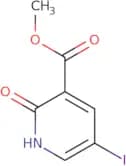
CAS:<p>Versatile small molecule scaffold</p>Formula:C7H6INO3Purezza:Min. 95%Peso molecolare:279.03 g/mol2-Fluoro-4-isothiocyanato-1-methylbenzene
CAS:<p>2-Fluoro-4-isothiocyanato-1-methylbenzene is an industrial chemical that belongs to the class of triethylene diamines. The 2-Fluoro-4-isothiocyanato-1-methylbenzene molecule has a carbon disulfide group in its structure. It is used as a raw material for the production of carbon tetrachloride, hexamethylenetetramine, and other organic compounds. 2-Fluoro-4-isothiocyanato-1-methylbenzene is also used in the synthesis of 2,2'-dithiodiethanol, which is a useful precursor in organic chemistry.</p>Formula:C8H6FNSPurezza:Min. 95%Peso molecolare:167.21 g/mol1-[(4-Bromophenyl)methyl]-5-oxopyrrolidine-2-carboxylic acid
CAS:Prodotto controllato<p>1-[(4-Bromophenyl)methyl]-5-oxopyrrolidine-2-carboxylic acid is a peptide that belongs to a class of inhibitors. It has been shown to inhibit the activity of ion channels and is used as a research tool in cell biology and pharmacology. 1-[(4-Bromophenyl)methyl]-5-oxopyrrolidine-2-carboxylic acid interacts with specific receptors and ligands, which may contribute to its ability to inhibit the activity of ion channels.</p>Formula:C12H12BrNO3Purezza:Min. 95%Peso molecolare:298.13 g/mol-3(2,3,4-trimethoxyphenyl)acrylic acid
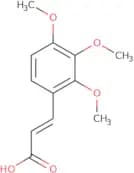
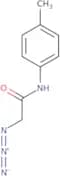
CAS:<p>-3(2,3,4-trimethoxyphenyl)acrylic acid is a versatile compound that has various applications in different fields. It is used as a hydrogen atom donor in chemical reactions and as a precursor for the synthesis of eszopiclone, an FDA-approved medication for insomnia. Additionally, it is utilized in the production of herbicides and research chemicals.</p>Formula:C12H14O5Purezza:Min. 95%Peso molecolare:238.24 g/mol2-Azido-N-(4-methylphenyl)acetamide
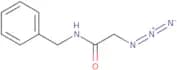
CAS:<p>Versatile small molecule scaffold</p>Formula:C9H10N4OPurezza:Min. 95%Peso molecolare:190.2 g/mol2-Azido-N-benzylacetamide
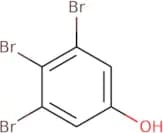
CAS:<p>2-Azido-N-benzylacetamide (2ABA) is a strain that can be used in biochemistry, specifically for the study of amides. It has been shown to be chemically stable and has a number of strategies that can be employed. 2ABA is an amide with phenyl substituents that have functional groups such as azides and traceless. The hydrogen bond in 2ABA forms through the bond cleavage reaction rate and ligation, which are triggered by triggerable bonds.</p>Formula:C9H10N4OPurezza:Min. 95%Peso molecolare:190.2 g/mol3,4,5-Tribromophenol
CAS:<p>Versatile small molecule scaffold</p>Formula:C6H3Br3OPurezza:Min. 95%Peso molecolare:330.8 g/mol3-ethoxy-4-nitroaniline
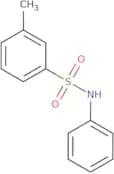
CAS:<p>Versatile small molecule scaffold</p>Formula:C8H10N2O3Purezza:Min. 95%Peso molecolare:182.18 g/mol3-Methyl-N-phenylbenzene-1-sulfonamide
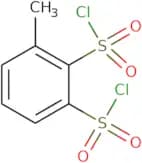
CAS:<p>Versatile small molecule scaffold</p>Formula:C13H13NO2SPurezza:Min. 95%Peso molecolare:247.31 g/mol3-Methylbenzene-1,2-disulfonyl dichloride
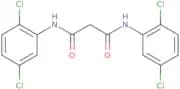
CAS:<p>Versatile small molecule scaffold</p>Formula:C7H6Cl2O4S2Purezza:Min. 95%Peso molecolare:289.2 g/molN,N'-Bis(2,5-dichlorophenyl)propanediamide
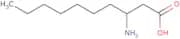
CAS:<p>Versatile small molecule scaffold</p>Formula:C15H10Cl4N2O2Purezza:Min. 95%Peso molecolare:392.1 g/mol3-Aminodecanoic acid
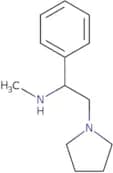
CAS:<p>3-Aminodecanoic acid is a residue that is synthesized by the nonribosomal peptide synthetase. The enzyme has been sequenced and found to be homologous to other enzymes such as 3-hydroxyisobutyric acid and 3-aminohexanoic acid. The biosynthesis of 3-aminodecanoic acid is thought to be an evolutionary adaptation of cyanobacteria, which are photosynthetic bacteria. Experimental evidence suggests that the antifungal activity of this compound may be due to its ability to inhibit lipid synthesis in yeast cells.</p>Formula:C10H21NO2Purezza:Min. 95%Peso molecolare:187.28 g/mol(1S)-N-Methyl-1-phenyl-2-(pyrrolidin-1-yl)ethanamine
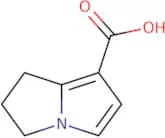
CAS:<p>Versatile small molecule scaffold</p>Formula:C13H20N2Purezza:Min. 95%Peso molecolare:204.31 g/mol2,3-Dihydro-1H-pyrrolizine-7-carboxylic acid
CAS:<p>Versatile small molecule scaffold</p>Formula:C8H9NO2Purezza:Min. 95%Peso molecolare:151.16 g/mol5-[(3-Chloro-2-methylphenyl)amino]-1,3,4-thiadiazole-2-thiol
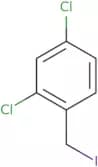
CAS:<p>Versatile small molecule scaffold</p>Formula:C9H8ClN3S2Purezza:Min. 95%Peso molecolare:257.8 g/mol2,4-Dichloro-1-(iodomethyl)benzene
CAS:<p>Versatile small molecule scaffold</p>Formula:C7H5Cl2IPurezza:Min. 95%Peso molecolare:286.92 g/mol2,4-Diiodo-6-nitroaniline
CAS:<p>Versatile small molecule scaffold</p>Formula:C6H4I2N2O2Purezza:Min. 95%Peso molecolare:389.92 g/mol3-Bromo-2-nitrobenzoic acid
CAS:<p>3-Bromo-2-nitrobenzoic acid is a synthetic organic solvent that is used in the synthesis of other organic compounds. The chemical synthesis of 3-Bromo-2-nitrobenzoic acid starts with the reaction of acetone and potassium permanganate. The reactants are mixed together and heated to produce a hydrochloric acid solution, which is then cooled to room temperature. This process produces a white solid, which is filtered and washed with water and dried. The chemical synthesis method for 3-Bromo-2-nitrobenzoic acid yields a high yield.</p>Formula:C7H4BrNO4Purezza:Min. 95%Peso molecolare:246.01 g/mol4-iodo-2-nitrobenzoic acid
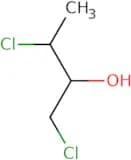
CAS:<p>Versatile small molecule scaffold</p>Formula:C7H4INO4Purezza:Min. 95%Peso molecolare:293 g/mol1,3-Dichlorobutan-2-ol
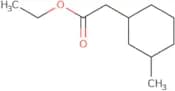
CAS:<p>Versatile small molecule scaffold</p>Formula:C4H8Cl2OPurezza:Min. 95%Peso molecolare:143.01 g/molEthyl 2-(3-methylcyclohexyl)acetate
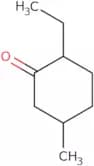
CAS:<p>Versatile small molecule scaffold</p>Formula:C11H20O2Purezza:Min. 95%Peso molecolare:184.3 g/mol2-Ethyl-5-methylcyclohexan-1-one
CAS:<p>Versatile small molecule scaffold</p>Formula:C9H16OPurezza:Min. 95%Peso molecolare:140.22 g/molThieno[3,2-b]pyridine-6-carbonitrile
CAS:<p>Thiophene-2-carboxylic acid is a heterocyclic compound containing a thiophene ring and carboxylic acid functional groups. Thiophene-2-carboxylic acid is used in the synthesis of β-unsaturated ketones, butyronitrile, acetonitrile, aldehydes, and amines. It also has shown to be an inhibitor of kidney disease, neuropathic pain, and xylene toxicity. The compound is used as an intermediate in the synthesis of polycystic kidney disease drugs. Thiophene-2-carboxylic acid also has anti-cancer properties that are due to its ability to inhibit the growth of cancer cells by inhibiting protein synthesis and inducing apoptosis.</p>Formula:C8H4N2SPurezza:Min. 95%Peso molecolare:160.19 g/mol3-Chloro-1aH,6H,6aH-indeno[1,2-b]oxirene
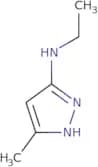
CAS:<p>Versatile small molecule scaffold</p>Formula:C9H7ClOPurezza:Min. 95%Peso molecolare:166.6 g/molN-Ethyl-5-methyl-1H-pyrazol-3-amine
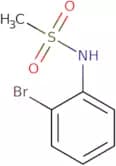
CAS:<p>Versatile small molecule scaffold</p>Formula:C6H11N3Purezza:Min. 95%Peso molecolare:125.17 g/molN-(2-Bromophenyl)methanesulfonamide
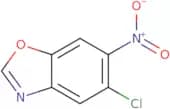
CAS:<p>Versatile small molecule scaffold</p>Formula:C7H8BrNO2SPurezza:Min. 95%Peso molecolare:250.12 g/mol5-Chloro-6-nitro-1,3-benzoxazole
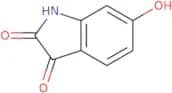
CAS:<p>Versatile small molecule scaffold</p>Formula:C7H3ClN2O3Purezza:Min. 95%Peso molecolare:198.57 g/mol6-Hydroxy-2,3-dihydro-1h-indole-2,3-dione
CAS:<p>6-Hydroxy-2,3-dihydro-1H-indole-2,3-dione is a compound that inhibits the growth of Streptomyces and other bacteria. It has been shown to inhibit the growth of anthranilic acid producing bacteria such as Streptomycetes. 6-Hydroxy-2,3-dihydro-1H-indole-2,3-dione also attenuates the development of experimental anthranilic acid induced arthritis in rats. The compound is an inhibitor of prostaglandin E2 (PGE2) production in various types of cells. In particular it inhibits the production of PGE2 by isolated rat brain cells and by mycobacteria. 6-Hydroxyindole 2,3 dihydrodione also has been found to be an isomeric mixture of two compounds with identical molecular weight but different chemical structures: p -hydroxybenzoic acid and ty</p>Formula:C8H5NO3Purezza:Min. 95%Peso molecolare:163.13 g/mol5-Hydroxy-2,3-dihydro-1H-indole-2,3-dione
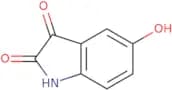
CAS:<p>5-Hydroxy-2,3-dihydro-1H-indole-2,3-dione is a growth factor that has been shown to have an inhibitory effect on the production of indirubin and oxindole. It has been found to be effective against infectious diseases such as malaria, leishmaniasis and toxoplasmosis. This molecule also has an inhibitory effect on oxidases, which are enzymes that catalyze the oxidation of various substrates. 5-Hydroxy-2,3-dihydro-1H-indole-2,3-dione can be modified by enzymes to form a variety of derivatives with different biological activities. 5HIDD binds to cell membrane receptors and inhibits insulin like growth factor binding protein 3 (IGFBP3) and insulin receptor substrate 1 (IRS1).</p>Formula:C8H5NO3Purezza:Min. 95%Peso molecolare:163.13 g/mol2-[(tert-Butyldimethylsilyl)oxy]benzaldehyde
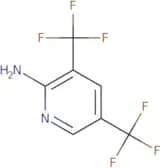
CAS:<p>2-[(tert-Butyldimethylsilyl)oxy]benzaldehyde (BBSA) is a traceless synthetic reagent that is used for the termination of peptide synthesis. It can also be used in the synthesis of benzofurans, carbonyl compounds, and thioacetals. The high yield and chemoselectivity makes BBSA a competitive reagent for these types of reactions. BBSA can be prepared from hydrogen peroxide, esters, enol ethers, or peroxides. These latter reactants are more selective than hydrogen peroxide and do not lead to oxidation of substrates or side products. This product is also useful for the synthesis of thioketals.</p>Formula:C13H20O2SiPurezza:Min. 95%Peso molecolare:236.38 g/mol3,5-Bis(trifluoromethyl)pyridin-2-amine
CAS:<p>Versatile small molecule scaffold</p>Formula:C7H4F6N2Purezza:Min. 95%Peso molecolare:230.11 g/mol(6,7,8,9-Tetrahydro-5h-[1,2,4]triazolo[4,3-a]azepin-3-yl)-acetonitrile
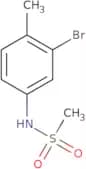
CAS:<p>Acetanilide is a chemical compound with the formula CHC(O)NH. It is an organic compound that reacts with Cl- to form the corresponding acetyl chloride. Acetanilide is a white crystalline solid that can be obtained by reacting phenol with acetic anhydride in the presence of a base. It has a melting point of about 155°C and has no odor or taste. Acetanilide is used as a starting material for other chemicals, such as para-acetamidobenzene and sulfonamides.</p>Formula:C9H12N4Purezza:Min. 95%Peso molecolare:176.22 g/molN-(3-Bromo-4-methylphenyl)methanesulfonamide
CAS:<p>Versatile small molecule scaffold</p>Formula:C8H10BrNO2SPurezza:Min. 95%Peso molecolare:264.14 g/mol4-[(Methylamino)methyl]benzene-1-sulfonamide hydrochloride
CAS:<p>Versatile small molecule scaffold</p>Formula:C8H13ClN2O2SPurezza:Min. 95%Peso molecolare:236.72 g/mol6-Chloronaphthalene-1-carbaldehyde
CAS:<p>Versatile small molecule scaffold</p>Formula:C11H7ClOPurezza:Min. 95%Peso molecolare:190.62 g/mol1-[1-(Difluoromethoxy)naphthalen-2-yl]ethan-1-one
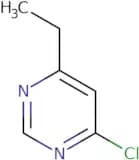
CAS:<p>Versatile small molecule scaffold</p>Formula:C13H10F2O2Purezza:Min. 95%Peso molecolare:236.21 g/mol4-Chloro-6-ethylpyrimidine
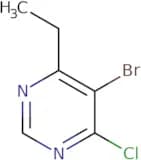
CAS:<p>4-Chloro-6-ethylpyrimidine is an inhibitor of pyrimidine synthesis and a reactive kinase template. It can be eliminated by the kidneys and liver. 4-Chloro-6-ethylpyrimidine inhibits the synthesis of pyrimidines, which are necessary for DNA replication, repair, and transcription. The drug has been shown to have potent inhibitory effects on both protein kinase C and tyrosine kinases (focal adhesion protein).</p>Formula:C6H7ClN2Purezza:Min. 95%Peso molecolare:142.59 g/mol5-Bromo-4-chloro-6-ethylpyrimidine
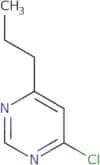
CAS:<p>Versatile small molecule scaffold</p>Formula:C6H6BrClN2Purezza:Min. 95%Peso molecolare:221.48 g/mol4-Chloro-6-propylpyrimidine
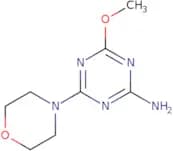
CAS:<p>Versatile small molecule scaffold</p>Formula:C7H9ClN2Purezza:Min. 95%Peso molecolare:156.61 g/mol4-Methoxy-6-(morpholin-4-yl)-1,3,5-triazin-2-amine
CAS:<p>Versatile small molecule scaffold</p>Formula:C8H13N5O2Purezza:Min. 95%Peso molecolare:211.22 g/mol5-Methyl-3-phenyl-2-sulfanylidene-2H,3H,6H,7H-[1,3]thiazolo[4,5-d]pyrimidin-7-one
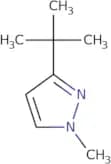
CAS:<p>Versatile small molecule scaffold</p>Formula:C12H9N3OS2Purezza:Min. 95%Peso molecolare:275.4 g/mol3-tert-Butyl-1-methyl-1H-pyrazole
CAS:<p>Versatile small molecule scaffold</p>Formula:C8H14N2Purezza:Min. 95%Peso molecolare:138.21 g/mol4-[2-(Morpholin-4-yl)ethoxy]phenol
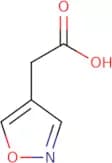
CAS:<p>Versatile small molecule scaffold</p>Formula:C12H17NO3Purezza:Min. 95%Peso molecolare:223.27 g/mol2-(1,2-Oxazol-4-yl)acetic acid
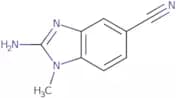
CAS:<p>Versatile small molecule scaffold</p>Formula:C5H5NO3Purezza:Min. 95%Peso molecolare:127.1 g/mol2-Amino-1-methyl-1H-1,3-benzodiazole-5-carbonitrile
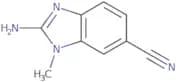
CAS:<p>Versatile small molecule scaffold</p>Formula:C9H8N4Purezza:Min. 95%Peso molecolare:172.19 g/mol2-Amino-1-methyl-1H-1,3-benzodiazole-6-carbonitrile
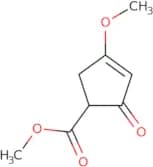
CAS:<p>Versatile small molecule scaffold</p>Formula:C9H8N4Purezza:Min. 95%Peso molecolare:172.19 g/molMethyl 4-methoxy-2-oxocyclopent-3-ene-1-carboxylate
CAS:<p>Versatile small molecule scaffold</p>Formula:C8H10O4Purezza:Min. 95%Peso molecolare:170.16 g/moltert-Butyl 3-((methylsulfonyloxy)methyl)pyrrolidine-1-carboxylate
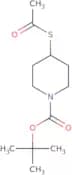
CAS:<p>Versatile small molecule scaffold</p>Formula:C11H21NO5SPurezza:Min. 95%Peso molecolare:279.35 g/moltert-Butyl 4-(acetylsulfanyl)piperidine-1-carboxylate
CAS:<p>Versatile small molecule scaffold</p>Formula:C12H21NO3SPurezza:Min. 95%Peso molecolare:259.37 g/mol3-[(Phenylsulfanyl)methyl]pyrrolidine
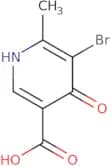
CAS:<p>Versatile small molecule scaffold</p>Formula:C11H15NSPurezza:Min. 95%Peso molecolare:193.31 g/mol5-Bromo-4-hydroxy-6-methylpyridine-3-carboxylic acid
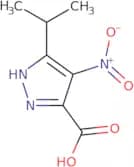
CAS:<p>Versatile small molecule scaffold</p>Formula:C7H6BrNO3Purezza:Min. 95%Peso molecolare:232.03 g/mol4-nitro-5-(propan-2-yl)-1H-pyrazole-3-carboxylic acid
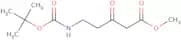
CAS:<p>Versatile small molecule scaffold</p>Formula:C7H9N3O4Purezza:Min. 95%Peso molecolare:199.2 g/mol5-(Boc-amino)-3-oxo-pentanoic acid methyl ester
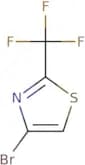
CAS:<p>Versatile small molecule scaffold</p>Formula:C11H19NO5Purezza:Min. 95%Peso molecolare:245.27 g/mol4-bromo-2-(trifluoromethyl)-1,3-thiazole
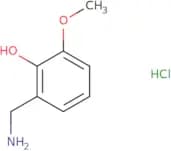
CAS:<p>Versatile small molecule scaffold</p>Formula:C4HBrF3NSPurezza:Min. 95%Peso molecolare:232 g/mol2-(Aminomethyl)-6-methoxyphenol hydrochloride
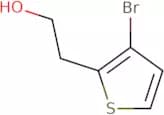
CAS:<p>Versatile small molecule scaffold</p>Formula:C8H12ClNO2Purezza:Min. 95%Peso molecolare:189.64 g/mol2-(3-Bromothiophen-2-yl)ethan-1-ol
CAS:<p>Versatile small molecule scaffold</p>Formula:C6H7BrOSPurezza:Min. 95%Peso molecolare:207.09 g/mol{4-[(Pyridin-4-yl)methyl]morpholin-2-yl}methanamine
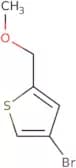
CAS:<p>Versatile small molecule scaffold</p>Formula:C11H17N3OPurezza:Min. 95%Peso molecolare:207.27 g/mol4-Bromo-2-(methoxymethyl)thiophene
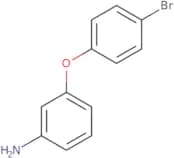
CAS:<p>Versatile small molecule scaffold</p>Formula:C6H7BrOSPurezza:Min. 95%Peso molecolare:207.09 g/mol3-(4-Bromophenoxy)aniline
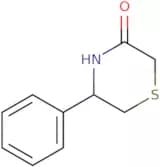
CAS:<p>Versatile small molecule scaffold</p>Formula:C12H10BrNOPurezza:Min. 95%Peso molecolare:264.12 g/mol5-Phenylthiomorpholin-3-one
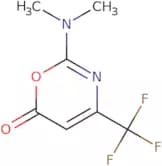
CAS:<p>Versatile small molecule scaffold</p>Formula:C10H11NOSPurezza:Min. 95%Peso molecolare:193.27 g/mol2-(Dimethylamino)-4-(trifluoromethyl)-6H-1,3-oxazin-6-one
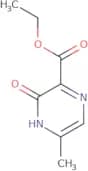
CAS:<p>Versatile small molecule scaffold</p>Formula:C7H7F3N2O2Purezza:Min. 95%Peso molecolare:208.14 g/molEthyl 5-methyl-3-oxo-3,4-dihydropyrazine-2-carboxylate
CAS:<p>Versatile small molecule scaffold</p>Formula:C8H10N2O3Purezza:Min. 95%Peso molecolare:182.18 g/mol3,3-Dimethyl-1-methylsulfonylpiperazine
CAS:<p>Versatile small molecule scaffold</p>Formula:C7H16N2O2SPurezza:Min. 95%Peso molecolare:192.27 g/mol5-(Dimethylamino)-2-fluorobenzoic acid
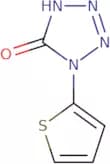
CAS:<p>Versatile small molecule scaffold</p>Formula:C9H10FNO2Purezza:Min. 95%Peso molecolare:183.18 g/mol1-(Thiophen-2-yl)-4,5-dihydro-1H-1,2,3,4-tetrazol-5-one
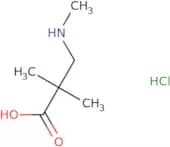
CAS:<p>Versatile small molecule scaffold</p>Formula:C5H4N4OSPurezza:Min. 95%Peso molecolare:168.18 g/mol2,2-Dimethyl-3-(methylamino)propanoic acid hydrochloride
CAS:<p>Versatile small molecule scaffold</p>Formula:C6H14ClNO2Purezza:Min. 95%Peso molecolare:167.63 g/molMethyl 5-(chlorosulfonyl)naphthalene-1-carboxylate
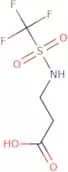
CAS:<p>Versatile small molecule scaffold</p>Formula:C12H9ClO4SPurezza:Min. 95%Peso molecolare:284.72 g/mol3-(Trifluoromethanesulfonamido)propanoic acid
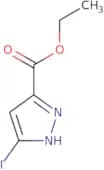
CAS:<p>Versatile small molecule scaffold</p>Formula:C4H6F3NO4SPurezza:Min. 95%Peso molecolare:221.16 g/molethyl5-iodo-1h-pyrazole-3-carboxylate
CAS:<p>Versatile small molecule scaffold</p>Formula:C6H7IN2O2Purezza:Min. 95%Peso molecolare:266.04 g/mol

![1,6-Dihydro-6-methyl-7H-pyrrolo[2,3-c]pyridin-7-one](/_next/image/?url=https%3A%2Fstatic.cymitquimica.com%2Fproducts%2F3D%2Fthumb-webp%2FREA21246.webp&w=3840&q=75)
![2-Benzyl-2-azabicyclo[2.2.1]heptane](/_next/image/?url=https%3A%2Fstatic.cymitquimica.com%2Fproducts%2F3D%2Fthumb-webp%2FREA23022.webp&w=3840&q=75)
![7-Bromo-1H,2H,3H-pyrazolo[1,5-a]imidazole](/_next/image/?url=https%3A%2Fstatic.cymitquimica.com%2Fproducts%2F3D%2Fthumb-webp%2FREA24833.webp&w=3840&q=75)
![4-[(Dimethylamino)methyl]-1,3-thiazol-2-amine](/_next/image/?url=https%3A%2Fstatic.cymitquimica.com%2Fproducts%2F3D%2Fthumb-webp%2FREA25253.webp&w=3840&q=75)
![Ethyl 2-[(dimethylamino)methylidene]-4-methyl-3-oxopentanoate](/_next/image/?url=https%3A%2Fstatic.cymitquimica.com%2Fproducts%2F3D%2Fthumb-webp%2FREA34409.webp&w=3840&q=75)

![1-[(4-Bromophenyl)methyl]-5-oxopyrrolidine-2-carboxylic acid](/_next/image/?url=https%3A%2Fstatic.cymitquimica.com%2Fproducts%2F3D%2Fthumb-webp%2FREA40423.webp&w=3840&q=75)

![5-[(3-Chloro-2-methylphenyl)amino]-1,3,4-thiadiazole-2-thiol](/_next/image/?url=https%3A%2Fstatic.cymitquimica.com%2Fproducts%2F3D%2Fthumb-webp%2FREA52923.webp&w=3840&q=75)


![Thieno[3,2-b]pyridine-6-carbonitrile](/_next/image/?url=https%3A%2Fstatic.cymitquimica.com%2Fproducts%2F3D%2Fthumb-webp%2FREA53895.webp&w=3840&q=75)
![3-Chloro-1aH,6H,6aH-indeno[1,2-b]oxirene](/_next/image/?url=https%3A%2Fstatic.cymitquimica.com%2Fproducts%2F3D%2Fthumb-webp%2FREA54088.webp&w=3840&q=75)
![2-[(tert-Butyldimethylsilyl)oxy]benzaldehyde](/_next/image/?url=https%3A%2Fstatic.cymitquimica.com%2Fproducts%2F3D%2Fthumb-webp%2FREA58512.webp&w=3840&q=75)
![(6,7,8,9-Tetrahydro-5h-[1,2,4]triazolo[4,3-a]azepin-3-yl)-acetonitrile](/_next/image/?url=https%3A%2Fstatic.cymitquimica.com%2Fproducts%2F3D%2Fthumb-webp%2FREA59869.webp&w=3840&q=75)
![4-[(Methylamino)methyl]benzene-1-sulfonamide hydrochloride](/_next/image/?url=https%3A%2Fstatic.cymitquimica.com%2Fproducts%2F3D%2Fthumb-webp%2FREA59933.webp&w=3840&q=75)

![1-[1-(Difluoromethoxy)naphthalen-2-yl]ethan-1-one](/_next/image/?url=https%3A%2Fstatic.cymitquimica.com%2Fproducts%2F3D%2Fthumb-webp%2FRFA60220.webp&w=3840&q=75)
![5-Methyl-3-phenyl-2-sulfanylidene-2H,3H,6H,7H-[1,3]thiazolo[4,5-d]pyrimidin-7-one](/_next/image/?url=https%3A%2Fstatic.cymitquimica.com%2Fproducts%2F3D%2Fthumb-webp%2FRFA62232.webp&w=3840&q=75)
![4-[2-(Morpholin-4-yl)ethoxy]phenol](/_next/image/?url=https%3A%2Fstatic.cymitquimica.com%2Fproducts%2F3D%2Fthumb-webp%2FRFA67325.webp&w=3840&q=75)

![3-[(Phenylsulfanyl)methyl]pyrrolidine](/_next/image/?url=https%3A%2Fstatic.cymitquimica.com%2Fproducts%2F3D%2Fthumb-webp%2FRFA69976.webp&w=3840&q=75)
![{4-[(Pyridin-4-yl)methyl]morpholin-2-yl}methanamine](/_next/image/?url=https%3A%2Fstatic.cymitquimica.com%2Fproducts%2F3D%2Fthumb-webp%2FRFA81544.webp&w=3840&q=75)