Building Blocks
Questa sezione contiene prodotti fondamentali per la sintesi di composti organici e biologici. Building blocks sono i materiali di partenza essenziali utilizzati per costruire molecole complesse attraverso varie reazioni chimiche. Svolgono un ruolo critico nella scoperta di farmaci, nella scienza dei materiali e nella ricerca chimica. Presso CymitQuimica, offriamo una gamma diversificata di building blocks di alta qualità per supportare le tue ricerche innovative e progetti industriali, assicurandoti di avere i componenti essenziali per una sintesi di successo.
Sottocategorie di "Building Blocks"
- Acidi boronici e derivati dell'acido boronico(5.756 prodotti)
- Building Blocks Chirali(1.242 prodotti)
- Building Blocks Idrocarburici(6.093 prodotti)
- Building Blocks organici(60.529 prodotti)
Trovati 195534 prodotti di "Building Blocks"
Ordinare per
Purezza (%)
0
100
|
0
|
50
|
90
|
95
|
100
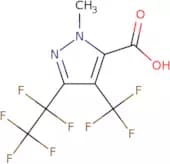
1-Methyl-3-(pentafluoroethyl)-4-(trifluoromethyl)-1H-pyrazole-5-carboxylic acid
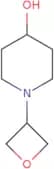
CAS:<p>Versatile small molecule scaffold</p>Formula:C8H4F8N2O2Purezza:Min. 95%Peso molecolare:312.12 g/mol1-(Oxetan-3-yl)piperidin-4-ol
CAS:<p>Versatile small molecule scaffold</p>Formula:C8H15NO2Purezza:Min. 95%Peso molecolare:157.21 g/mol2-Methyl-1-(4-methylphenyl)prop-2-en-1-ol
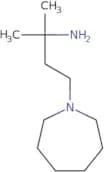
CAS:<p>Versatile small molecule scaffold</p>Formula:C11H14OPurezza:Min. 95%Peso molecolare:162.23 g/mol4-(Azepan-1-yl)-2-methylbutan-2-amine
CAS:<p>Versatile small molecule scaffold</p>Formula:C11H24N2Purezza:Min. 95%Peso molecolare:184.32 g/mol4-{[4-(Chloromethyl)phenyl]methyl}morpholine hydrochloride
CAS:<p>Versatile small molecule scaffold</p>Formula:C12H17Cl2NOPurezza:Min. 95%Peso molecolare:262.17 g/mol1,8-Dioxa-4-azaspiro[5.5]undecane
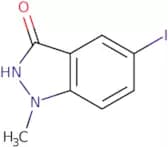
CAS:<p>Versatile small molecule scaffold</p>Formula:C8H15NO2Purezza:Min. 95%Peso molecolare:157.21 g/mol5-Iodo-1-methyl-1H-indazol-3-ol
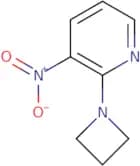
CAS:<p>Versatile small molecule scaffold</p>Formula:C8H7IN2OPurezza:Min. 95%Peso molecolare:274.06 g/mol2-(Azetidin-1-yl)-3-nitropyridine
CAS:<p>Versatile small molecule scaffold</p>Formula:C8H9N3O2Purezza:Min. 95%Peso molecolare:179.18 g/mol3-(Propan-2-yl)-2-azaspiro[3.6]decan-1-one
CAS:<p>Versatile small molecule scaffold</p>Formula:C12H21NOPurezza:Min. 95%Peso molecolare:195.3 g/mol8-(But-3-yn-1-yl)-5-oxa-8-azaspiro[2.6]nonane
CAS:<p>Versatile small molecule scaffold</p>Formula:C11H17NOPurezza:Min. 95%Peso molecolare:179.3 g/mol(6-Chloro-1-benzofuran-2-yl)boronic acid
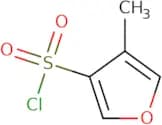
CAS:<p>Versatile small molecule scaffold</p>Formula:C8H6BClO3Purezza:Min. 95%Peso molecolare:196.4 g/mol4-Methylfuran-3-sulfonyl chloride
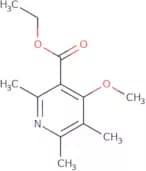
CAS:<p>Versatile small molecule scaffold</p>Formula:C5H5ClO3SPurezza:Min. 95%Peso molecolare:180.61 g/molEthyl 4-methoxy-2,5,6-trimethylpyridine-3-carboxylate
CAS:<p>Versatile small molecule scaffold</p>Formula:C12H17NO3Purezza:Min. 95%Peso molecolare:223.27 g/mol3-[2-(3-Hydroxypropoxy)ethoxy]propanoic acid
CAS:<p>Versatile small molecule scaffold</p>Formula:C8H16O5Purezza:Min. 95%Peso molecolare:192.2 g/mol2-(Bromomethyl)-1,8-dioxaspiro[4.5]decane
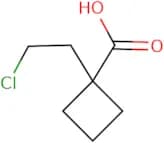
CAS:<p>Versatile small molecule scaffold</p>Formula:C9H15BrO2Purezza:Min. 95%Peso molecolare:235.12 g/mol1-(2-Chloroethyl)cyclobutane-1-carboxylic acid
CAS:<p>Versatile small molecule scaffold</p>Formula:C7H11ClO2Purezza:Min. 95%Peso molecolare:162.61 g/mol2-(Methylamino)-2-[1-(methylsulfanyl)cyclopropyl]acetonitrile
CAS:<p>Versatile small molecule scaffold</p>Formula:C7H12N2SPurezza:Min. 95%Peso molecolare:156.25 g/mol6-Oxospiro[3.3]heptane-2-carboxamide
CAS:<p>Versatile small molecule scaffold</p>Formula:C8H11NO2Purezza:Min. 95%Peso molecolare:153.2 g/mol1-(Furan-2-yl)-2-azaspiro[3.4]octane
CAS:<p>Versatile small molecule scaffold</p>Formula:C11H15NOPurezza:Min. 95%Peso molecolare:177.24 g/mol2-Chloro-7,7-dimethyl-5H,7H-furo[3,4-b]pyridine-3-carbonitrile
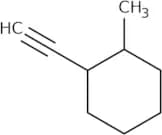
CAS:<p>Versatile small molecule scaffold</p>Formula:C10H9ClN2OPurezza:Min. 95%Peso molecolare:208.64 g/mol1-Ethynyl-2-methylcyclohexane
CAS:<p>Versatile small molecule scaffold</p>Formula:C9H14Purezza:Min. 95%Peso molecolare:122.21 g/mol3,5-Dimethylpyridine-2-sulfonamide
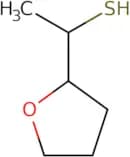
CAS:<p>Versatile small molecule scaffold</p>Formula:C7H10N2O2SPurezza:Min. 95%Peso molecolare:186.2 g/mol1-(Oxolan-2-yl)ethane-1-thiols
CAS:<p>Versatile small molecule scaffold</p>Formula:C6H12OSPurezza:Min. 95%Peso molecolare:132.2 g/mol4-Benzylpiperidine-2,6-dione
CAS:<p>Versatile small molecule scaffold</p>Formula:C12H13NO2Purezza:Min. 95%Peso molecolare:203.2 g/mol2-Amino-N-[(4-methoxyphenyl)methyl]acetamide hydrochloride
CAS:<p>Versatile small molecule scaffold</p>Formula:C10H15ClN2O2Purezza:Min. 95%Peso molecolare:230.69 g/mol3-[Methyl(propan-2-yl)amino]propan-1-ol
CAS:<p>Versatile small molecule scaffold</p>Formula:C7H17NOPurezza:Min. 95%Peso molecolare:131.2 g/mol(2S)-2-Amino-N-(2-hydroxyethyl)-4-methylpentanamide hydrochloride
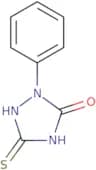
CAS:<p>Versatile small molecule scaffold</p>Formula:C8H19ClN2O2Purezza:Min. 95%Peso molecolare:210.7 g/mol1-Phenyl-3-sulfanyl-4,5-dihydro-1H-1,2,4-triazol-5-one
CAS:<p>Versatile small molecule scaffold</p>Formula:C8H7N3OSPurezza:Min. 95%Peso molecolare:193.23 g/mol1-(bis(4-chlorophenyl)methyl)piperazine
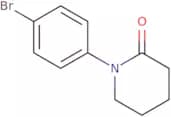
CAS:Prodotto controllato<p>1-(Bis(4-chlorophenyl)methyl)piperazine is a CB1 receptor antagonist that has been shown to bind with high affinity to the CB1 receptor. It has been shown to inhibit the binding of agonists, such as anandamide and CP55,940, to the cannabinoid receptors. 1-(Bis(4-chlorophenyl)methyl)piperazine has also been shown to have a higher affinity for the CB1 receptor than SR141716A, which is a selective CB1 receptor antagonist. The affinity of this drug for the cannabinoid receptor has been optimized in order to reduce its potential for side effects.<br>Cannabinoid receptors are found in many parts of the body including the brain and immune system. They are known to play a role in pain sensation, mood, memory and appetite control.</p>Formula:C17H18Cl2N2Purezza:Min. 95%Peso molecolare:321.25 g/mol1-(4-Bromophenyl)piperidin-2-one
CAS:<p>Versatile small molecule scaffold</p>Formula:C11H12BrNOPurezza:Min. 95%Peso molecolare:254.13 g/mol3-[(2-Methoxyphenyl)amino]propanenitrile
CAS:<p>Versatile small molecule scaffold</p>Formula:C10H12N2OPurezza:Min. 95%Peso molecolare:176.21 g/mol4-(Chloromethyl)-1,2-diethoxybenzene
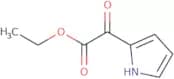
CAS:<p>Versatile small molecule scaffold</p>Formula:C11H15ClO2Purezza:Min. 95%Peso molecolare:214.69 g/molEthyl 2-oxo-2-(1H-pyrrol-2-yl)acetate
CAS:<p>Versatile small molecule scaffold</p>Formula:C8H9NO3Purezza:Min. 95%Peso molecolare:167.16 g/mol1',3'-Dihydrospiro[imidazolidine-4,2'-indene]-2,5-dione
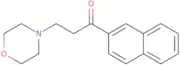
CAS:<p>Versatile small molecule scaffold</p>Formula:C11H10N2O2Purezza:Min. 95%Peso molecolare:202.21 g/mol3-(Morpholin-4-yl)-1-(naphthalen-2-yl)propan-1-one
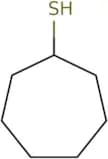
CAS:<p>Versatile small molecule scaffold</p>Formula:C17H19NO2Purezza:Min. 95%Peso molecolare:269.34 g/molCycloheptanethiol
CAS:<p>Versatile small molecule scaffold</p>Formula:C7H14SPurezza:Min. 95%Peso molecolare:130.25 g/mol2-(2-Nitrobenzenesulfonyl)acetic acid
CAS:<p>Versatile small molecule scaffold</p>Formula:C8H7NO6SPurezza:Min. 95%Peso molecolare:245.21 g/molTributyl(methoxymethyl)stannane
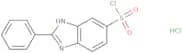
CAS:Prodotto controllato<p>Tributyl(methoxymethyl)stannane is a synthetic organo-tin compound that has antifungal, antiviral, and antibacterial properties. It is also used in the treatment of idiopathic pulmonary fibrosis, hepatitis, cirrhosis, heart disease, and scleroderma. Tributyl(methoxymethyl)stannane inhibits the synthesis of proteins by binding to the 30S ribosomal subunit through a number of mechanisms. It has been shown to inhibit the growth of many fungi including those that cause athlete's foot and ringworm. Tributyl(methoxymethyl)stannane also shows some promise as an anti-inflammatory agent.</p>Formula:C14H32OSnPurezza:Min. 95%Peso molecolare:335.1 g/mol2-Phenyl-1H-1,3-benzodiazole-5-sulfonyl chloride hydrochloride
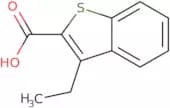
CAS:<p>Versatile small molecule scaffold</p>Formula:C13H10Cl2N2O2SPurezza:Min. 95%Peso molecolare:329.2 g/mol3-Ethyl-1-benzothiophene-2-carboxylic acid
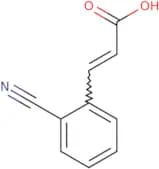
CAS:<p>Versatile small molecule scaffold</p>Formula:C11H10O2SPurezza:Min. 95%Peso molecolare:206.26 g/mol(2Z)-3-(2-Cyanophenyl)prop-2-enoic acid
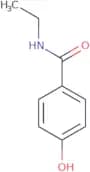
CAS:<p>(2Z)-3-(2-Cyanophenyl)prop-2-enoic acid is an organic compound that is used as a reagent in the analysis of amino acids. It can be prepared by reacting 2-cyanobenzaldehyde with propionic acid in the presence of a base. This reaction can be carried out on a preparative scale, or on a small scale for laboratory use. The compound can be analyzed by spectrometry and chromatography to determine its purity and sequence. This compound has been shown to have different stereoisomers that are distinguished by their mass spectra.</p>Formula:C10H7NO2Purezza:Min. 95%Peso molecolare:173.17 g/molN-Ethyl-4-hydroxybenzamide
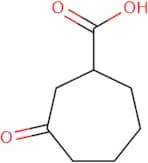
CAS:<p>Versatile small molecule scaffold</p>Formula:C9H11NO2Purezza:Min. 95%Peso molecolare:165.19 g/mol3-Oxocycloheptane-1-carboxylic acid
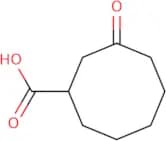
CAS:<p>Versatile small molecule scaffold</p>Formula:C8H12O3Purezza:Min. 95%Peso molecolare:156.18 g/mol3-Oxocyclooctane-1-carboxylic acid
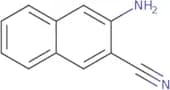
CAS:<p>Versatile small molecule scaffold</p>Formula:C9H14O3Purezza:Min. 95%Peso molecolare:170.21 g/mol3-Aminonaphthalene-2-carbonitrile
CAS:<p>Versatile small molecule scaffold</p>Formula:C11H8N2Purezza:Min. 95%Peso molecolare:168.19 g/mol1,7,7-Trimethyl-2-methylidenebicyclo[2.2.1]heptane
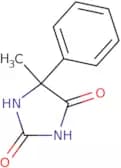
CAS:<p>1,7,7-Trimethyl-2-methylidenebicyclo[2.2.1]heptane is a cyclic terpene that is found in the essential oils of plants such as camphor and turpentine. In bacteria, 1,7,7-trimethyl-2-methylenebicyclo[2.2.1]heptane binds to the divalent metal ions and prevents them from being used by the enzymes responsible for phosphodiester bond formation during DNA replication or transcription. This results in an inhibition of bacterial growth. 1,7,7-trimethyl-2-methylenebicyclo[2.2.1]heptane is a synthetic compound that has been sequenced and synthesized with gram negative bacterium olivasterospora as a model organism. The kinetic parameters of 1,7,7-trimethyl-2-methylenebicyclo</p>Formula:C11H18Purezza:Min. 95%Peso molecolare:150.26 g/mol(5S)-5-Methyl-5-phenylimidazolidine-2,4-dione
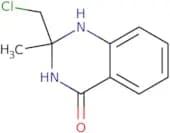
CAS:<p>Versatile small molecule scaffold</p>Formula:C10H10N2O2Purezza:Min. 95%Peso molecolare:190.2 g/mol2-(Chloromethyl)-2-methyl-1,2,3,4-tetrahydroquinazolin-4-one
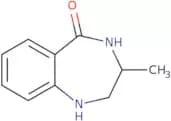
CAS:<p>Versatile small molecule scaffold</p>Formula:C10H11ClN2OPurezza:Min. 95%Peso molecolare:210.66 g/mol3-Methyl-2,3,4,5-tetrahydro-1H-1,4-benzodiazepin-5-one
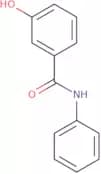
CAS:<p>Versatile small molecule scaffold</p>Formula:C10H12N2OPurezza:Min. 95%Peso molecolare:176.21 g/mol3-Hydroxy-N-phenylbenzamide
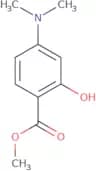
CAS:<p>Versatile small molecule scaffold</p>Formula:C13H11NO2Purezza:Min. 95%Peso molecolare:213.23 g/molMethyl 4-(dimethylamino)-2-hydroxybenzoate
CAS:<p>Methyl 4-(dimethylamino)-2-hydroxybenzoate (DMAHB) is an organic compound that is used to detect the presence of aldehydes in air. It can be used as a shift reagent for the analysis of anthracene and other aromatic hydrocarbons. The fluorescence emission spectrum of DMAHB shifts from 380 nm to 430 nm when it interacts with aldehydes, which provides an easy way to identify the presence of these substances. DMAHB is also sensitive to amines, chlorides, and amide groups. An interesting property of this molecule is that it has two chromophores, which makes it useful for monitoring solvents during chemical reactions.</p>Formula:C10H13NO3Purezza:Min. 95%Peso molecolare:195.21 g/mol2,2-Dimethyl-1-(2-methylphenyl)propan-1-amine
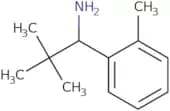
CAS:<p>Versatile small molecule scaffold</p>Formula:C12H19NPurezza:Min. 95%Peso molecolare:177.29 g/mol1-bromo-2-(bromomethyl)-4-methylbenzene
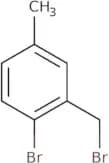
CAS:<p>Versatile small molecule scaffold</p>Formula:C8H8Br2Purezza:Min. 95%Peso molecolare:263.96 g/mol1-Bromo-4-(bromomethyl)-2-methylbenzene
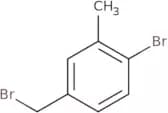
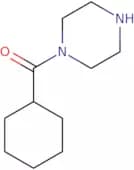
CAS:<p>Versatile small molecule scaffold</p>Formula:C8H8Br2Purezza:Min. 95%Peso molecolare:263.96 g/mol1-(Cyclohexylcarbonyl)piperazine
CAS:<p>Versatile small molecule scaffold</p>Formula:C11H20N2OPurezza:Min. 95%Peso molecolare:196.29 g/molTricyclo[4.3.1.0,3,8]decan-4-one
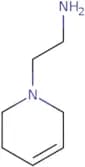
CAS:<p>Tricyclo[4.3.1.0,3,8]decan-4-one is a heterocyclic compound that has been used as an intermediate in pharmaceutical formulations. It is synthesized by the reaction of cyclopentadiene with oxirane and reacts with trimethylsilyl chloride to produce the corresponding sulfonium salt. Tricyclo[4.3.1.0,3,8]decan-4-one is also a synthetic precursor to hypoxia-targeted prodrugs that act via c1-4 alkyl and 1-4 alkyl intermediates to inhibit the growth of cancer cells.</p>Formula:C10H14OPurezza:Min. 95%Peso molecolare:150.22 g/mol2-(1,2,3,6-Tetrahydropyridin-1-yl)ethan-1-amine
CAS:<p>Versatile small molecule scaffold</p>Formula:C7H14N2Purezza:Min. 95%Peso molecolare:126.2 g/mol4-Cyano-4,4-dimethylbutanoic acid
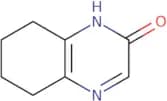
CAS:<p>Versatile small molecule scaffold</p>Formula:C7H11NO2Purezza:Min. 95%Peso molecolare:141.17 g/mol1,2,5,6,7,8-Hexahydroquinoxalin-2-one
CAS:<p>1,2,5,6,7,8-Hexahydroquinoxalin-2-one is a stimulant that has been shown to be effective for the prophylaxis and/or treatment of diabetes. It is also a prophylactic agent for the prevention of pyrazinone. This drug has been shown to stimulate insulin secretion from pancreatic beta cells in vitro. 1,2,5,6,7,8-Hexahydroquinoxalin-2-one stimulates the release of insulin by stimulating exocytosis and inhibiting vesicle fusion in response to glucose. It can also inhibit or stimulate the release of insulin in response to other stimuli such as amino acids and fatty acids.</p>Formula:C8H10N2OPurezza:Min. 95%Peso molecolare:150.18 g/mol7-Methyl-1H-imidazo[4,5-b]pyridine
CAS:<p>7-Methyl-1H-imidazo[4,5-b]pyridine is an optimised molecule for the treatment of various cancers. It has a hydrophobic nature and can be used to prevent the spread of cancer cells through the body by blocking their ability to attach to other cells. The 7-Methyl-1H-imidazo[4,5-b]pyridine molecule is composed of a pyridine ring with a hydrogen atom at the 4th position and is capable of forming hydrogen bonding interactions with complementary molecules. This chemical also blocks DNA polymerase enzymes that are responsible for copying genetic information from DNA to RNA, which prevents cell division.</p>Formula:C7H7N3Purezza:Min. 95%Peso molecolare:133.15 g/mol5-methyl-1H-imidazo[4,5-b]pyridine
CAS:<p>Versatile small molecule scaffold</p>Formula:C7H6N3Purezza:Min. 95%Peso molecolare:132.14 g/mol[5-(4-Chlorophenyl)-2H-tetrazol-2-yl]acetic acid
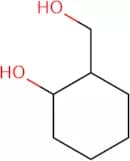
CAS:<p>Versatile small molecule scaffold</p>Formula:C9H7ClN4O2Purezza:Min. 95%Peso molecolare:238.63 g/mol2-(Hydroxymethyl)cyclohexan-1-ol
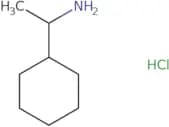
CAS:<p>2-(Hydroxymethyl)cyclohexan-1-ol is a potassium salt that is used as an intermediate for the synthesis of other chemicals. It has been shown to be a strong inhibitor of the enzyme acetylcholinesterase in vitro, which leads to increased levels of acetylcholine and neurotransmission. The compound has also been shown to inhibit the growth of bacteria by inhibiting protein synthesis through an unknown mechanism. 2-(Hydroxymethyl)cyclohexan-1-ol is isolated from a variety of sources, including wood tar, coal tar, and petroleum.<br> 2-(Hydroxymethyl)cyclohexan-1-ol can be synthesized by solvolysis with potassium hydroxide or tetrafluoroborate followed by acetolysis with acetic anhydride.<br> Potassium acetate can also be used to synthesize 2-(hydroxymethyl)-cyclohexan-1-</p>Formula:C7H14O2Purezza:Min. 95%Peso molecolare:130.18 g/mol(1-Cyclohexylethyl)amine hydrochloride
CAS:<p>Versatile small molecule scaffold</p>Formula:C8H18ClNPurezza:Min. 95%Peso molecolare:163.69 g/mol4-Bromo-1,2,5-thiadiazol-3-amine
CAS:<p>Versatile small molecule scaffold</p>Formula:C2H2BrN3SPurezza:Min. 95%Peso molecolare:180.03 g/molTricyclo[7.3.1.0,2,7]trideca-2,4,6-trien-13-one
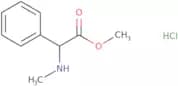
CAS:<p>Versatile small molecule scaffold</p>Formula:C13H14OPurezza:Min. 95%Peso molecolare:186.25 g/molMethyl 2-(methylamino)-2-phenylacetate hydrochloride
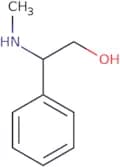
CAS:<p>Versatile small molecule scaffold</p>Formula:C10H14ClNO2Purezza:Min. 95%Peso molecolare:215.67 g/mol2-(Methylamino)-2-phenylethan-1-ol
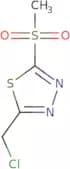
CAS:<p>Versatile small molecule scaffold</p>Formula:C9H13NOPurezza:Min. 95%Peso molecolare:151.21 g/mol2-(Chloromethyl)-5-methanesulfonyl-1,3,4-thiadiazole
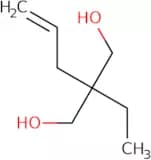
CAS:<p>Versatile small molecule scaffold</p>Formula:C4H5ClN2O2S2Purezza:Min. 95%Peso molecolare:212.7 g/mol2-Ethyl-2-(prop-2-en-1-yl)propane-1,3-diol
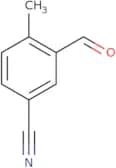
CAS:<p>Versatile small molecule scaffold</p>Formula:C8H16O2Purezza:Min. 95%Peso molecolare:144.21 g/mol4-Formyl-3-methylbenzonitrile
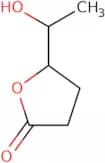
CAS:<p>4-Formyl-3-methylbenzonitrile is a glutamate antagonist that binds to metabotropic glutamate receptors, which inhibit the release of glutamate. It has been shown to be a potent and selective antagonist at mGluR1, with an IC50 of 3.3 μM. The potency of this drug was found to be 10 times lower than that of LY354740, another mGluR1 antagonist. Substituents on the 4-formyl group have been shown to affect the binding affinity and potency of this compound.</p>Formula:C9H7NOPurezza:Min. 95%Peso molecolare:145.16 g/mol5-(1-Hydroxyethyl)oxolan-2-one
CAS:<p>5-(1-Hydroxyethyl)oxolan-2-one (5-HEOL) is a chiral compound. It is a potential new drug for the treatment of fungal infections. 5-HEOL has been shown to inhibit growth in vitro, and it also shows good efficacy in an animal model that mimics human infection with Candida albicans. This compound has been found to be safe and effective when administered orally to mice. The effect of 5-HEOL is stereoselective; it inhibits the growth of C. albicans yeast cells by blocking fatty acid synthesis at the level of transcription, while not affecting the production of fatty acids by mammalian cells.</p>Formula:C6H10O3Purezza:Min. 95%Peso molecolare:130.14 g/mol2-(Propan-2-yl)hexanoic acid
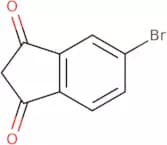
CAS:<p>2-(Propan-2-yl)hexanoic acid is a fatty acid with the chemical formula CH3CH(CO2H)CH2COOH. It is used as an emulsifier and plasticizer in food. 2-(Propan-2-yl)hexanoic acid is also used in cosmetics, pharmaceuticals, and textiles.</p>Formula:C9H18O2Purezza:Min. 95%Peso molecolare:158.24 g/mol5-bromo-2,3-dihydro-1H-indene-1,3-dione
CAS:<p>Versatile small molecule scaffold</p>Formula:C9H5BrO2Purezza:Min. 95%Peso molecolare:225.04 g/mol3-Formyl-2-methylbenzonitrile
CAS:<p>Versatile small molecule scaffold</p>Formula:C9H7NOPurezza:Min. 95%Peso molecolare:145.16 g/mol4-Formyl-2-methylbenzonitrile
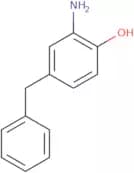
CAS:<p>Versatile small molecule scaffold</p>Formula:C9H7NOPurezza:Min. 95%Peso molecolare:145.16 g/mol2-Amino-4-benzylphenol
CAS:<p>Versatile small molecule scaffold</p>Formula:C13H13NOPurezza:Min. 95%Peso molecolare:199.25 g/mol6-(4-Methylphenyl)-3-thioxo-3,4-dihydro-1,2,4-triazin-5(2H)-one
CAS:<p>Versatile small molecule scaffold</p>Formula:C10H9N3OSPurezza:Min. 95%Peso molecolare:219.27 g/mol6-(4-Methoxyphenyl)-3-thioxo-3,4-dihydro-1,2,4-triazin-5(2H)-one
CAS:<p>Versatile small molecule scaffold</p>Formula:C10H9N3O2SPurezza:Min. 95%Peso molecolare:235.26 g/mol4-Hydroxy-N-methylbenzamide
CAS:<p>4-Hydroxy-N-methylbenzamide (4HMB) is an organic compound that consists of a benzene ring with a methyl group attached to the 4 position. It has been found to have amide, chloride and hydrogen bonding interactions with other molecules. The filtrate was collected by passing the reaction liquid through a filter paper. This stepwise process allowed for the isolation of 4HMB from the mixture of compounds called benzenes.</p>Formula:C8H9NO2Purezza:Min. 95%Peso molecolare:151.16 g/mol1-(1,2,3-Thiadiazol-4-yl)ethan-1-one
CAS:<p>Versatile small molecule scaffold</p>Formula:C4H4N2OSPurezza:Min. 95%Peso molecolare:128.15 g/mol2-(Adamantan-1-yl)-1-phenylethan-1-one
CAS:<p>Adamantane derivatives are a class of organic molecules that are stable in the solid state but undergo rapid decomposition in solution. Adamantane derivatives with labile functional groups, such as 2-(Adamantan-1-yl)-1-phenylethan-1-one, can be used to study the interaction of radicals and metal salts. The photocyclization reaction of 2-(Adamantan-1-yl)-1-phenylethan-1-one has also been studied by irradiation. A number of synthetic methods exist for the preparation of this compound, including its synthesis from phenacyl bromide and an amine.<br>2-(Adamantan-1-yl)-1-phenylethan-1-one is insoluble in water and has a low solubility in other solvents. It is chiral, which means that it will have two nonidentical mirror images (enantiomers).</p>Formula:C18H22OPurezza:Min. 95%Peso molecolare:254.4 g/mol3-Phenyl-1H-pyrrole
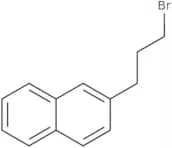
CAS:<p>3-Phenyl-1H-pyrrole is a haloalkyl that is used in the form of a reaction solution for electrochemical polymerization. The 3-phenyl-1H-pyrrole reacts with chlorine gas to form a chloride, which is then dehydrogenated to produce formamide. This process can be used as an alternative to microbicidal treatment. 3-Phenyl-1H-pyrrole has been shown to improve prostatic hypertrophy and bladder conditions when administrated in the form of an organic solvent.</p>Formula:C10H9NPurezza:Min. 95%Peso molecolare:143.18 g/mol2-(3-Bromopropyl)naphthalene
CAS:<p>Versatile small molecule scaffold</p>Formula:C13H13BrPurezza:Min. 95%Peso molecolare:249.15 g/mol1-(3-Bromopropyl)naphthalene
CAS:<p>Versatile small molecule scaffold</p>Formula:C13H13BrPurezza:Min. 95%Peso molecolare:249.15 g/mol(2-Methoxyphenyl)(pyridin-2-yl)methanol
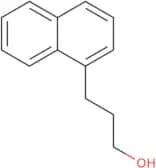
CAS:<p>Versatile small molecule scaffold</p>Formula:C13H13NO2Purezza:Min. 95%Peso molecolare:215.25 g/mol3-(Naphthalen-1-yl)propan-1-ol
CAS:<p>3-(Naphthalen-1-yl)propan-1-ol is a tannin isolated from the bark of the naphthalene tree. It has been shown to have hepatoprotective effects, normalizing hepatic enzyme activity and protecting against environmental pollution. 3-(Naphthalen-1-yl)propan-1-ol also has antidiabetic properties, and may act as an acetate extract by inhibiting the absorption of glucose in the gut. The laxative effect of 3-(Naphthalen-1-yl)propan-1-ol may be due to its ability to stimulate intestinal peristalsis.</p>Formula:C13H14OPurezza:Min. 95%Peso molecolare:186.25 g/molrac-(1R,6R)-Bicyclo[4.2.0]octan-7-one
CAS:<p>Versatile small molecule scaffold</p>Formula:C8H12OPurezza:Min. 95%Peso molecolare:124.2 g/molMethyl 4-isocyanatobutanoate
CAS:<p>Versatile small molecule scaffold</p>Formula:C6H9NO3Purezza:Min. 95%Peso molecolare:143.14 g/molThieno[3,2-c]pyridin-4-ol
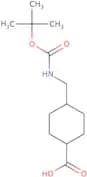
CAS:<p>Thieno[3,2-c]pyridin-4-ol is a thienopyridone that is an inhibitor of the bromodomain. It has been shown to inhibit the bromodomain, which is a protein domain that also binds acetylated histones. The inhibition of this domain leads to chromatin condensation and DNA compaction, inhibiting transcription and replication. Thieno[3,2-c]pyridin-4-ol has been shown to have anti-inflammatory effects in vivo and in vitro.</p>Formula:C7H5NOSPurezza:Min. 95%Peso molecolare:151.19 g/molBOC-Tranexamic acid
CAS:<p>Tranexamic acid is a small molecule inhibitor of the enzyme plasmin. It binds to the active site and blocks the binding of plasminogen, preventing its activation. Tranexamic acid has been shown to inhibit the activity of urokinase in rat experiments. Tranexamic acid also interacts with picolyl groups on proteins, which may be an important factor in its selectivity for plasmin. The tert-butyl group is a good leaving group, allowing for a high level of selectivity for plasmin.</p>Formula:C13H23NO4Purezza:Min. 95%Peso molecolare:257.33 g/mol2-[(3-Methoxyphenyl)amino]benzoic acid
CAS:<p>Versatile small molecule scaffold</p>Formula:C14H13NO3Purezza:Min. 95%Peso molecolare:243.26 g/mol2-Amino-3-chloro-4-methylbenzoic acid
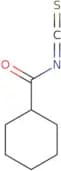
CAS:<p>Versatile small molecule scaffold</p>Formula:C8H8ClNO2Purezza:Min. 95%Peso molecolare:185.61 g/molCyclohexanecarbonyl isothiocyanate
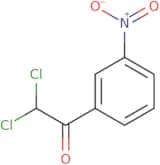
CAS:<p>Cyclohexanecarbonyl isothiocyanate (CHITC) is a reactive thiocyanation agent that can be used to modify proteins. CHITC reacts with amines in the presence of an organocatalyst to form a new molecule, N-isothiocyanato-L-cysteine. This reaction produces reactive intermediates that react with other amine groups on the same protein or with other proteins present in solution. This process has been shown to lead to the selective modification of proteins without affecting the biological activity of these proteins.</p>Formula:C8H11NOSPurezza:Min. 95%Peso molecolare:169.25 g/mol2,2-Dichloro-1-(3-nitrophenyl)ethan-1-one
CAS:<p>Versatile small molecule scaffold</p>Formula:C8H5Cl2NO3Purezza:Min. 95%Peso molecolare:234.03 g/molMethyl 2-bromo-3-methoxypropionate
CAS:<p>Methyl 2-bromo-3-methoxypropionate is a nucleophilic alcohol. It has been used as a reagent in the preparation of an ether, diethyl ether, and hexane. Methyl 2-bromo-3-methoxypropionate is stable in the presence of light and heat, but reacts very quickly with water. The reaction time can be decreased by using dicarbonate or acetonitrile instead of water. This chemical is also used to study tumour growth and tumor development in animals.</p>Formula:C5H9BrO3Purezza:Min. 95%Peso molecolare:197.03 g/molN-Methyl-N-[2-(methylamino)ethyl]acetamide
CAS:<p>Versatile small molecule scaffold</p>Formula:C6H14N2OPurezza:Min. 95%Peso molecolare:130.19 g/molEthyl cyclobutylideneacetate
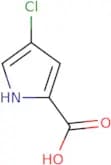
CAS:<p>Ethyl cyclobutylideneacetate is a compound that is used as an intermediate in the synthesis of pyrimidine compounds. It has autophagy-inducing activity and can stimulate the growth of epidermal cells. This compound has not been shown to have any direct effects on kinases, but it is known to act as a modulator for factors such as epidermal growth factor, which can regulate cell proliferation. Ethyl cyclobutylideneacetate is active in the presence of solvates and regulators. The tautomers of this compound are stereoisomers that are also homologues, with some polymorphs possible depending on the solvent conditions.</p>Formula:C8H12O2Purezza:Min. 95%Peso molecolare:140.18 g/mol4-Chloro-1H-pyrrole-2-carboxylic acid
CAS:<p>4-Chloro-1H-pyrrole-2-carboxylic acid is an intermediate in the synthesis of pyrroles. It can be demethylated with formaldehyde and hydrochloric acid to 4-chloropyridine, or chlorinated with phosphorus pentachloride to 4-chloroquinoline.</p>Formula:C5H4ClNO2Purezza:Min. 95%Peso molecolare:145.54 g/mol


![4-{[4-(Chloromethyl)phenyl]methyl}morpholine hydrochloride](/_next/image/?url=https%3A%2Fstatic.cymitquimica.com%2Fproducts%2F3D%2Fthumb-webp%2FBZB91712.webp&w=3840&q=75)
![1,8-Dioxa-4-azaspiro[5.5]undecane](/_next/image/?url=https%3A%2Fstatic.cymitquimica.com%2Fproducts%2F3D%2Fthumb-webp%2FBZB97576.webp&w=3840&q=75)
![3-(Propan-2-yl)-2-azaspiro[3.6]decan-1-one](/_next/image/?url=https%3A%2Fstatic.cymitquimica.com%2Fproducts%2F3D%2Fthumb-webp%2FBZC10262.webp&w=3840&q=75)
![8-(But-3-yn-1-yl)-5-oxa-8-azaspiro[2.6]nonane](/_next/image/?url=https%3A%2Fstatic.cymitquimica.com%2Fproducts%2F3D%2Fthumb-webp%2FBZC14313.webp&w=3840&q=75)

![3-[2-(3-Hydroxypropoxy)ethoxy]propanoic acid](/_next/image/?url=https%3A%2Fstatic.cymitquimica.com%2Fproducts%2F3D%2Fthumb-webp%2FBZC43576.webp&w=3840&q=75)
![2-(Bromomethyl)-1,8-dioxaspiro[4.5]decane](/_next/image/?url=https%3A%2Fstatic.cymitquimica.com%2Fproducts%2F3D%2Fthumb-webp%2FBZC52723.webp&w=3840&q=75)
![2-(Methylamino)-2-[1-(methylsulfanyl)cyclopropyl]acetonitrile](/_next/image/?url=https%3A%2Fstatic.cymitquimica.com%2Fproducts%2F3D%2Fthumb-webp%2FBZC61920.webp&w=3840&q=75)
![6-Oxospiro[3.3]heptane-2-carboxamide](/_next/image/?url=https%3A%2Fstatic.cymitquimica.com%2Fproducts%2F3D%2Fthumb-webp%2FBZC62037.webp&w=3840&q=75)
![1-(Furan-2-yl)-2-azaspiro[3.4]octane](/_next/image/?url=https%3A%2Fstatic.cymitquimica.com%2Fproducts%2F3D%2Fthumb-webp%2FBZC64605.webp&w=3840&q=75)
![2-Chloro-7,7-dimethyl-5H,7H-furo[3,4-b]pyridine-3-carbonitrile](/_next/image/?url=https%3A%2Fstatic.cymitquimica.com%2Fproducts%2F3D%2Fthumb-webp%2FBZC91212.webp&w=3840&q=75)

![2-Amino-N-[(4-methoxyphenyl)methyl]acetamide hydrochloride](/_next/image/?url=https%3A%2Fstatic.cymitquimica.com%2Fproducts%2F3D%2Fthumb-webp%2FCBA44935.webp&w=3840&q=75)
![3-[Methyl(propan-2-yl)amino]propan-1-ol](/_next/image/?url=https%3A%2Fstatic.cymitquimica.com%2Fproducts%2F3D%2Fthumb-webp%2FCBA45341.webp&w=3840&q=75)


![3-[(2-Methoxyphenyl)amino]propanenitrile](/_next/image/?url=https%3A%2Fstatic.cymitquimica.com%2Fproducts%2F3D%2Fthumb-webp%2FCBA47215.webp&w=3840&q=75)

![1',3'-Dihydrospiro[imidazolidine-4,2'-indene]-2,5-dione](/_next/image/?url=https%3A%2Fstatic.cymitquimica.com%2Fproducts%2F3D%2Fthumb-webp%2FCBA47361.webp&w=3840&q=75)


![1,7,7-Trimethyl-2-methylidenebicyclo[2.2.1]heptane](/_next/image/?url=https%3A%2Fstatic.cymitquimica.com%2Fproducts%2F3D%2Fthumb-webp%2FCBA53847.webp&w=3840&q=75)

![Tricyclo[4.3.1.0,3,8]decan-4-one](/_next/image/?url=https%3A%2Fstatic.cymitquimica.com%2Fproducts%2F3D%2Fthumb-webp%2FCBA56785.webp&w=3840&q=75)

![7-Methyl-1H-imidazo[4,5-b]pyridine](/_next/image/?url=https%3A%2Fstatic.cymitquimica.com%2Fproducts%2F3D%2Fthumb-webp%2FCBA58220.webp&w=3840&q=75)
![5-methyl-1H-imidazo[4,5-b]pyridine](/_next/image/?url=https%3A%2Fstatic.cymitquimica.com%2Fproducts%2F3D%2Fthumb-webp%2FCBA58224.webp&w=3840&q=75)
![[5-(4-Chlorophenyl)-2H-tetrazol-2-yl]acetic acid](/_next/image/?url=https%3A%2Fstatic.cymitquimica.com%2Fproducts%2F3D%2Fthumb-webp%2FCBA58237.webp&w=3840&q=75)

![Tricyclo[7.3.1.0,2,7]trideca-2,4,6-trien-13-one](/_next/image/?url=https%3A%2Fstatic.cymitquimica.com%2Fproducts%2F3D%2Fthumb-webp%2FCBA59118.webp&w=3840&q=75)







![rac-(1R,6R)-Bicyclo[4.2.0]octan-7-one](/_next/image/?url=https%3A%2Fstatic.cymitquimica.com%2Fproducts%2F3D%2Fthumb-webp%2FCBA65570.webp&w=3840&q=75)

![Thieno[3,2-c]pyridin-4-ol](/_next/image/?url=https%3A%2Fstatic.cymitquimica.com%2Fproducts%2F3D%2Fthumb-webp%2FCBA68592.webp&w=3840&q=75)
![2-[(3-Methoxyphenyl)amino]benzoic acid](/_next/image/?url=https%3A%2Fstatic.cymitquimica.com%2Fproducts%2F3D%2Fthumb-webp%2FCBA69373.webp&w=3840&q=75)


![N-Methyl-N-[2-(methylamino)ethyl]acetamide](/_next/image/?url=https%3A%2Fstatic.cymitquimica.com%2Fproducts%2F3D%2Fthumb-webp%2FCBA72541.webp&w=3840&q=75)