


Building Blocks
Sottocategorie di "Building Blocks"
- Acidi boronici e derivati dell'acido boronico(5.778 prodotti)
- Building Blocks Chirali(1.243 prodotti)
- Building Blocks Idrocarburici(6.099 prodotti)
- Building Blocks organici(61.038 prodotti)
Trovati 205376 prodotti di "Building Blocks"
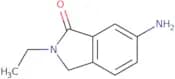
6-amino-2-ethyl-2,3-dihydro-1H-isoindol-1-one
CAS:Versatile small molecule scaffold
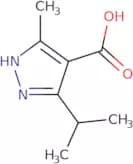
Formula:C10H12N2OPurezza:Min. 95%Peso molecolare:176.22 g/mol3-Methyl-5-(propan-2-yl)-1H-pyrazole-4-carboxylic acid
CAS:Versatile small molecule scaffold
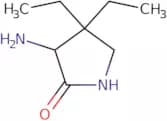
Formula:C8H12N2O2Purezza:Min. 95%Peso molecolare:168.19 g/mol3-Amino-4,4-diethylpyrrolidin-2-one
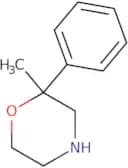
CAS:Versatile small molecule scaffoldFormula:C8H16N2OPurezza:Min. 95%Peso molecolare:156.23 g/mol2-Methyl-2-phenylmorpholine
CAS:2-Methyl-2-phenylmorpholine is an industrial chemical that has a c1-c4 alkyl group. It can be used in the production of antidepressants, such as Tofranil, and other drugs. 2-Methyl-2-phenylmorpholine is also used in the industrial production of polymers.
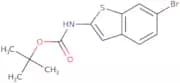
Formula:C11H15NOPurezza:Min. 95%Peso molecolare:177.24 g/moltert-Butyl N-(6-bromo-1-benzothiophen-2-yl)carbamate
CAS:Versatile small molecule scaffold
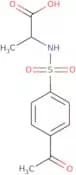
Formula:C13H14BrNO2SPurezza:Min. 95%Peso molecolare:328.23 g/mol2-(4-Acetylbenzenesulfonamido)propanoic acid
CAS:Versatile small molecule scaffoldFormula:C11H13NO5SPurezza:Min. 95%Peso molecolare:271.29 g/mol1-[(3-Phenyl-1,2-oxazol-5-yl)methyl]piperazine dihydrochloride
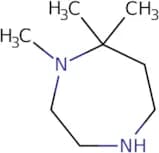
CAS:Versatile small molecule scaffoldFormula:C14H19Cl2N3OPurezza:Min. 95%Peso molecolare:316.2 g/mol1,7,7-Trimethyl-1,4-diazepane
CAS:Versatile small molecule scaffold
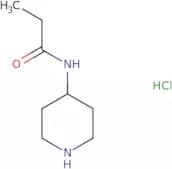
Formula:C8H18N2Purezza:Min. 95%Peso molecolare:142.24 g/molN-(Piperidin-4-yl)propanamide hydrochloride
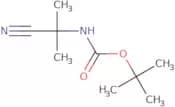
CAS:Versatile small molecule scaffoldFormula:C8H17ClN2OPurezza:Min. 95%Peso molecolare:192.68 g/moltert-Butyl N-(1-cyano-1-methylethyl)carbamate
CAS:Versatile small molecule scaffold
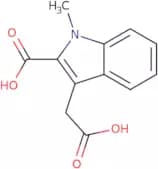
Formula:C9H16N2O2Purezza:Min. 95%Peso molecolare:184.24 g/mol3-(carboxymethyl)-1-methyl-1H-indole-2-carboxylic acid
CAS:Versatile small molecule scaffold
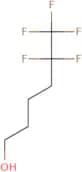
Formula:C12H11NO4Purezza:Min. 95%Peso molecolare:233.22 g/mol5,5,6,6,6-Pentafluorohexan-1-ol
CAS:Versatile small molecule scaffold
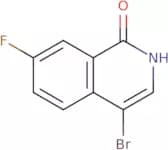
Formula:C6H9F5OPurezza:Min. 95%Peso molecolare:192.13 g/mol4-Bromo-7-fluoroisoquinolin-1-ol
CAS:Versatile small molecule scaffold
Formula:C9H5BrFNOPurezza:Min. 95%Peso molecolare:242.04 g/mol7-Bromo-3H-imidazo[4,5-b]pyridine
CAS:Versatile small molecule scaffold
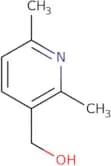
Formula:C6H4BrN3Purezza:Min. 95%Peso molecolare:198.02 g/mol(2,6-Dimethylpyridin-3-yl)methanol
CAS:Versatile small molecule scaffold
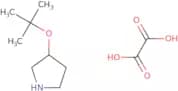
Formula:C8H11NOPurezza:Min. 95%Peso molecolare:137.18 g/mol(3S)-3-(tert-Butoxy)pyrrolidine, oxalic acid
CAS:Versatile small molecule scaffold
Formula:C10H19NO5Purezza:Min. 95%Peso molecolare:233.26 g/mol(7S,8aS)-7-Fluoro-octahydropyrrolo[1,2-a]pyrazine dihydrochloride
CAS:Versatile small molecule scaffold
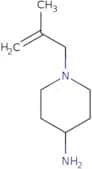
Formula:C7H15Cl2FN2Purezza:Min. 95%Peso molecolare:217.11 g/mol1-(2-Methylprop-2-en-1-yl)piperidin-4-amine
CAS:1-(2-Methylprop-2-en-1-yl)piperidin-4-amine is an inhibitor that blocks the activity of ion channels. It is a competitive antagonist at the NMDA receptor and has been shown to inhibit the binding of glutamate, which is a neurotransmitter involved in synaptic transmission. 1-(2-Methylprop-2-en-1-yl)piperidin-4-amine also inhibits β 2 -adrenergic receptors and has been shown to be a potent activator of G protein coupled receptors. This chemical may also be used as a research tool for studying the effects of ligands on cell biology, peptides, pharmacology, or life science. It has high purity and CAS No. 1082454-34-9.
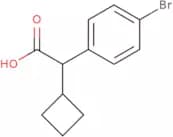
Formula:C9H18N2Purezza:Min. 95%Peso molecolare:154.25 g/mol(4-Bromo-phenyl)-cyclobutyl-acetic acid
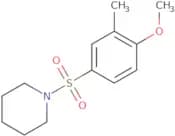
CAS:Versatile small molecule scaffoldFormula:C12H13BrO2Purezza:Min. 95%Peso molecolare:269.13 g/molOpn4 Antagonist
CAS:The Opn4 antagonist is a chemical that blocks the activity of the protein melanopsin, which is involved in regulating circadian rhythms. It has been shown to inhibit melatonin synthesis and muscle fiber contraction when applied intravitreally. These effects may be mediated by membrane channels that are activated by chloride ions. The effect of the Opn4 antagonist on photoreceptor cells is not yet known.
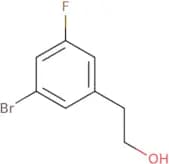
Formula:C13H19NO3SPurezza:Min. 95%Peso molecolare:269.36 g/mol2-(3-Bromo-5-fluorophenyl)ethanol
CAS:Versatile small molecule scaffold
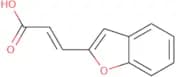
Formula:C8H8BrFOPurezza:Min. 95%Peso molecolare:219.05 g/mol(2E)-3-(1-benzofuran-2-yl)prop-2-enoic acid
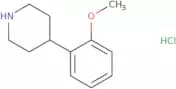
CAS:(2E)-3-(1-benzofuran-2-yl)prop-2-enoic acid is a white solid that has the chemical formula CHClO. It is soluble in chloroform, ether, and benzene. When heated to 105°C in the presence of air, it decomposes to release oxygen and carbon dioxide. (2E)-3-(1-benzofuran-2-yl)prop-2-enoic acid is used as an intermediate for organic synthesis reactions such as alkylation reactions and Friedel - Crafts reactions. Thermal analysis of this compound indicates that it has a high thermal stability with respect to thermal decomposition. (2E)-3-(1-benzofuran-2-yl)prop-2-enoic acid can be reacted with azide or diphenyl ether to form a coordination complex. This compound also reacts with potassium or phosphorus oxychloride to form oxychlorides.Formula:C11H8O3Purezza:Min. 95%Peso molecolare:188.18 g/mol4-(2-Methoxyphenyl)piperidine hydrochloride
CAS:Versatile small molecule scaffold
Formula:C12H18ClNOPurezza:Min. 95%Peso molecolare:227.74 g/molrac-(1R,5S)-4-Oxaspiro[bicyclo[3.2.0]heptane-6,1'-cyclopentane]-7-one, cis
CAS:Versatile small molecule scaffold
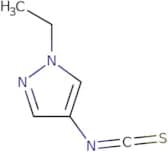
Formula:C10H14O2Purezza:Min. 95%Peso molecolare:166.2 g/mol1-Ethyl-4-isothiocyanato-1H-pyrazole
CAS:Versatile small molecule scaffold
Formula:C6H7N3SPurezza:Min. 95%Peso molecolare:153.21 g/mol3-Fluoro-4-[3-(trifluoromethyl)-1H-pyrazol-1-yl]aniline
CAS:Versatile small molecule scaffold
Formula:C10H7F4N3Purezza:Min. 95%Peso molecolare:245.18 g/mol3-Chloro-4-[3-(trifluoromethyl)-1H-pyrazol-1-yl]aniline
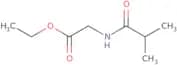
CAS:Versatile small molecule scaffoldFormula:C10H7ClF3N3Purezza:Min. 95%Peso molecolare:261.63 g/molEthyl 2-(2-methylpropanamido)acetate
CAS:Versatile small molecule scaffold
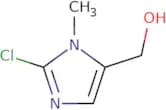
Formula:C8H15NO3Purezza:Min. 95%Peso molecolare:173.21 g/mol(2-Chloro-1-methyl-1H-imidazol-5-yl)methanol
CAS:Versatile small molecule scaffoldFormula:C5H7ClN2OPurezza:Min. 95%Peso molecolare:146.57 g/mol[1-(2-Methoxyethyl)-3,5-dimethyl-1H-pyrazol-4-yl]methanamine
CAS:Versatile small molecule scaffold
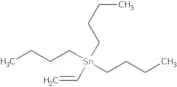
Formula:C9H17N3OPurezza:Min. 95%Peso molecolare:183.25 g/molVinyltributyltin
CAS:Prodotto controllatoVinyltributyltin is a dibutyltin oxide (DBTO) enantiomer that has been shown to inhibit the HIV-1 protease. Vinyltributyltin has also been shown to reduce inflammation in bowel disease, as well as to have synergistic effects with other drugs in the treatment of cancer and inflammatory bowel disease. The mechanism of action of vinyltributyltin is not yet known, but it may be related to its ability to inhibit the quinazolone-dependent formation of reactive oxygen species. Vinyltributyltin also inhibits the NS3 protease, which is an enzyme involved in hepatitis C virus replication.
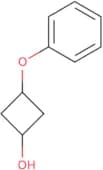
Formula:C14H30SnPurezza:Min. 95%Colore e forma:Colorless Clear LiquidPeso molecolare:317.1 g/mol(1R,3R)-3-Phenoxycyclobutan-1-ol
CAS:Versatile small molecule scaffold
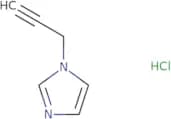
Formula:C10H12O2Purezza:Min. 95%Peso molecolare:164.2 g/mol1-(Prop-2-yn-1-yl)-1H-imidazole hydrochloride
CAS:Versatile small molecule scaffoldFormula:C6H7ClN2Purezza:Min. 95%Peso molecolare:142.58 g/mol2-(1,3-Benzothiazol-2-yl)-3-[(2,5-dimethylphenyl)amino]-3-sulfanylprop-2-enenitrile
CAS:Versatile small molecule scaffold
Formula:C18H15N3S2Purezza:Min. 95%Peso molecolare:337.5 g/mol4-({3-Oxo-2-azatricyclo[6.3.1.0,4,12]dodeca-1(11),4(12),5,7,9-pentaen-2-yl}methyl)benzohydrazide
CAS:Versatile small molecule scaffoldFormula:C19H15N3O2Purezza:Min. 95%Peso molecolare:317.3 g/mol2-{[4-({[(9H-Fluoren-9-yl)methoxy]carbonyl}amino)phenyl]methyl}butanoic acid
CAS:Versatile small molecule scaffold
Formula:C26H25NO4Purezza:Min. 95%Peso molecolare:415.5 g/mol1-(1H-1,2,3,4-Tetrazol-5-yl)propan-2-ol
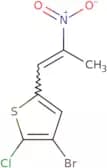
CAS:Versatile small molecule scaffoldFormula:C4H8N4OPurezza:Min. 95%Peso molecolare:128.1 g/mol3-Bromo-2-chloro-5-(2-nitroprop-1-en-1-yl)thiophene
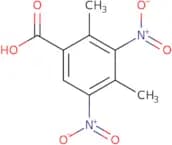
CAS:Versatile small molecule scaffoldFormula:C7H5BrClNO2SPurezza:Min. 95%Peso molecolare:282.54 g/mol2,4-Dimethyl-3,5-dinitrobenzoic acid
CAS:Versatile small molecule scaffold
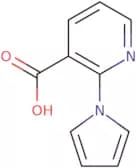
Formula:C9H8N2O6Purezza:Min. 95%Peso molecolare:240.17 g/mol2-(1H-Pyrrol-1-yl)pyridine-3-carboxylic acid
CAS:Versatile small molecule scaffold
Formula:C10H8N2O2Purezza:Min. 95%Peso molecolare:188.18 g/mol4-[(4-Methoxyphenyl)methyl]azetidin-2-one
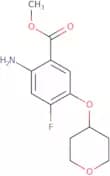
CAS:Versatile small molecule scaffoldFormula:C11H13NO2Purezza:Min. 95%Peso molecolare:191.23 g/molMethyl 2-amino-4-fluoro-5-(oxan-4-yloxy)benzoate
CAS:Versatile small molecule scaffold
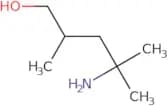
Formula:C13H16FNO4Purezza:Min. 95%Peso molecolare:269.27 g/mol4-Amino-2,4-dimethylpentan-1-ol
CAS:Versatile small molecule scaffold
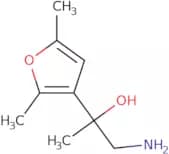
Formula:C7H17NOPurezza:Min. 95%Peso molecolare:131.22 g/mol1-Amino-2-(2,5-dimethylfuran-3-yl)propan-2-ol
CAS:Versatile small molecule scaffold
Formula:C9H15NO2Purezza:Min. 95%Peso molecolare:169.22 g/mol6-bromoimidazo[1,2-a]pyrazin-2-amine
CAS:Versatile small molecule scaffold
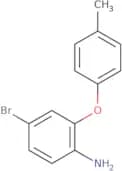
Formula:C6H5BrN4Purezza:Min. 95%Peso molecolare:213 g/mol4-Bromo-2-(4-methylphenoxy)aniline
CAS:Versatile small molecule scaffold
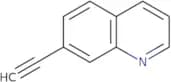
Formula:C13H12BrNOPurezza:Min. 95%Peso molecolare:278.14 g/mol7-Ethynylquinoline
CAS:Versatile small molecule scaffold
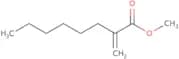
Formula:C11H7NPurezza:Min. 95%Peso molecolare:153.18 g/molMethyl 2-methylideneoctanoate
CAS:Versatile small molecule scaffold
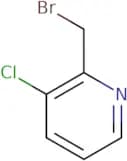
Formula:C10H18O2Purezza:Min. 95%Peso molecolare:170.25 g/mol2-(bromomethyl)-3-chloropyridine
CAS:Versatile small molecule scaffold
Formula:C6H5BrClNPurezza:Min. 95%Peso molecolare:206.47 g/mol3-Chloro-N-[2-(4-methyl-1,3-thiazol-5-yl)-2-oxoethyl]propanamide
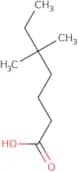
CAS:Versatile small molecule scaffoldFormula:C9H11ClN2O2SPurezza:Min. 95%Peso molecolare:246.71 g/mol5,5-Dimethylheptanoic acid
CAS:Versatile small molecule scaffold
Formula:C9H18O2Purezza:Min. 95%Peso molecolare:158.24 g/mol2-[Ethyl(propan-2-yl)amino]ethan-1-ol
CAS:Prodotto controllatoVersatile small molecule scaffold
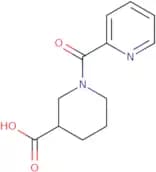
Formula:C7H17NOPurezza:Min. 95%Peso molecolare:131.22 g/mol1-(Pyridine-2-carbonyl)piperidine-3-carboxylic acid
CAS:Versatile small molecule scaffold
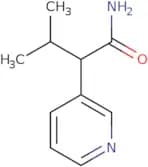
Formula:C12H14N2O3Purezza:Min. 95%Peso molecolare:234.25 g/mol3-Methyl-2-(pyridin-3-yl)butanamide
CAS:Versatile small molecule scaffold
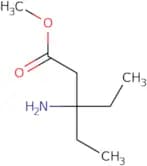
Formula:C10H14N2OPurezza:Min. 95%Peso molecolare:178.23 g/molMethyl 3-amino-3-ethylpentanoate
CAS:Versatile small molecule scaffold
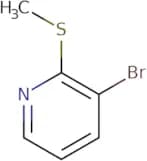
Formula:C8H17NO2Purezza:Min. 95%Peso molecolare:159.23 g/mol3-Bromo-2-(methylthio)pyridine
CAS:Versatile small molecule scaffold
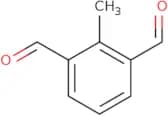
Formula:C6H6BrNSPurezza:Min. 95%Peso molecolare:204.09 g/mol2-Methylbenzene-1,3-dicarbaldehyde
CAS:2-Methylbenzene-1,3-dicarbaldehyde is a divalent hydrocarbon that has an oxidation catalyst. This compound is used as an intermediate in the production of drugs and pharmaceuticals. It has been shown to have cardiovascular disorders, such as vasodilatation and hypotension. The mechanism of action is not fully understood but may be related to its ability to act as a nitrovasodilator by increasing nitric oxide (NO) release. 2-Methylbenzene-1,3-dicarbaldehyde also produces psychotic disorders when long term exposure occurs. This compound has been shown to have neurotoxic effects in animal models with long term exposure.
Formula:C9H8O2Purezza:Min. 95%Peso molecolare:148.16 g/mol4-(Dimethyl-1,2-oxazol-4-yl)phenol
CAS:Versatile small molecule scaffold
Formula:C11H11NO2Purezza:Min. 95%Peso molecolare:189.21 g/mol1-[3-(Hydroxymethyl)phenyl]ethan-1-one
CAS:Versatile small molecule scaffold
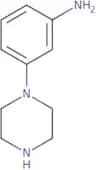
Formula:C9H10O2Purezza:Min. 95%Peso molecolare:150.17 g/mol3-(Piperazin-1-yl)aniline
CAS:Versatile small molecule scaffold
Formula:C10H15N3Purezza:Min. 95%Peso molecolare:177.25 g/mol6-Bromoimidazo[2,1-b][1,3]thiazole
CAS:Versatile small molecule scaffold
Formula:C5H3BrN2SPurezza:Min. 95%Peso molecolare:203.06 g/molAmyl Acetate
CAS:Amyl acetate is a reactive, volatile organic compound that is used in the manufacture of plasticizers, resins, and synthetic rubber. It is also used as a solvent for dyes and pigments, as well as a flavoring agent in food processing. Amyl acetate has been shown to have antimicrobial properties against human pathogens such as methicillin-resistant Staphylococcus aureus (MRSA), Escherichia coli, and Salmonella enterica. The antimicrobial activity of this molecule may be due to its ability to react with cellular components such as proteins and lipids. Amyl acetate also inhibits the growth of microorganisms by inhibiting their synthesis of essential biomolecules like amino acids and nucleic acids.
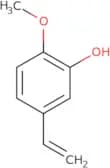
Formula:C7H14O2Purezza:Min. 95%Peso molecolare:130.19 g/mol5-Ethenyl-2-methoxyphenol
CAS:5-Ethenyl-2-methoxyphenol is a volatile compound that has been isolated from the bark of the cinnamon tree. It has shown anticancer activities "in vitro" and "in vivo". 5-Ethenyl-2-methoxyphenol has been shown to be demethylated by cytochrome P450 enzymes, which may result in its antitumor activity. This active compound can also be detected in postharvested fruit and vegetables as well as processed foods such as apple juice, tomato sauce, and dried fruits. 5-Ethenyl-2-methoxyphenol is responsible for the characteristic flavor of cinnamon, so it is often used as a flavoring agent in food processing.
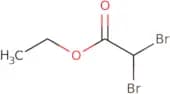
Formula:C9H10O2Purezza:Min. 95%Colore e forma:PowderPeso molecolare:150.17 g/molAcetic acid, dibromo-, ethyl ester
CAS:Acetic acid, dibromo-, ethyl ester is a reactive molecule that can be used as a nucleophilic substituent. It has hydroxyl group and ruthenium complex. It is a particle that can be used in the production of monoclonal antibodies. Acetic acid, dibromo-, ethyl ester also has viscosity and polycarboxylic acid. This chemical reacts with β-unsaturated ketones to form polymerization initiator. Acetic acid, dibromo-, ethyl ester also has carbonyl group and monoclonal antibodies. Acetic acid, dibromo-, ethyl ester can be conjugated with ethyl bromoacetate to produce conjugates.
Formula:C4H6Br2O2Purezza:Min. 95%Peso molecolare:245.9 g/mol2-[(3-Nitrophenyl)formamido]acetic acid
CAS:2-[(3-Nitrophenyl)formamido]acetic acid (2NPA) is a modifying agent that has been used in the modification of carboxyl groups. It can react with nucleophiles to form adducts and with carbodiimides to form ureas. 2NPA reacts with amino acids, peptides, and other nitrogenous compounds at their carboxyl groups to form ester or amide bonds. The nature of the residues after modification varies depending on the nature of the carboxyl group that was modified.
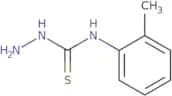
Formula:C9H8N2O5Purezza:Min. 95%Peso molecolare:224.17 g/mol4-(2-Methylphenyl)-3-thiosemicarbazide
CAS:4-(2-Methylphenyl)-3-thiosemicarbazide is a crystalline solid that belongs to the group of benzoic acid derivatives. It has an orthorhombic crystal structure, with a yellow color. The crystals are measured at room temperature, and it has an atomic weight of 197.11 g/mol. 4-(2-Methylphenyl)-3-thiosemicarbazide is stable in air and in solution, but decomposes at temperatures above 250°C. This compound has been studied by using X-ray diffraction measurements and Bruker parameters. Its isotropic radiation is recorded at the following wavelength: 1.5418 Å (1).
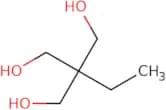
Formula:C8H11N3SPurezza:Min. 95%Peso molecolare:181.26 g/mol1,1,1-Tris(hydroxymethyl)propane
CAS:Tris(hydroxymethyl)propane is a diphenyl ether that has been shown to have an electrochemical impedance spectroscopy (EIS) spectrum in the human serum that is similar to those of other known antioxidants. Tris(hydroxymethyl)propane has been shown to protect against light-induced damage in human skin cells, and it also has radiation protective effects. Tris(hydroxymethyl)propane has also been shown to interact with trimethylolpropane, which is another antioxidant, and this interaction may affect the effectiveness of each agent. Tris(hydroxymethyl)propane inhibits lipid peroxidation by inhibiting the oxidation of fatty acids and hydroxyl groups on proteins.
Formula:C6H14O3Purezza:Min. 95%Peso molecolare:134.17 g/mol1-Hydroxycyclopentane-1-carbonitrile
CAS:1-Hydroxycyclopentane-1-carbonitrile is a monomer that is hydrolyzed to form benzoin and cyanohydrins. It can be used in the production of scifinder as a monomer or dimerizer.
Formula:C6H9NOPurezza:Min. 95%Peso molecolare:111.14 g/mol4,5-Dihydro-1H-imidazol-2-amine hydrochloride
CAS:Please enquire for more information about 4,5-Dihydro-1H-imidazol-2-amine hydrochloride including the price, delivery time and more detailed product information at the technical inquiry form on this page
Formula:C3H7N3•HClPurezza:Min. 95%Peso molecolare:121.57 g/mol4-Chloro-2-hydroxy-6-methylphenylboronic acid
CAS:Versatile small molecule scaffoldFormula:C7H8BClO3Purezza:Min. 95%Peso molecolare:186.4 g/moltert-Butyl (2,2-difluoro-3-hydroxypropyl)carbamate
CAS:Versatile small molecule scaffoldFormula:C10H13NO4Purezza:Min. 95%Peso molecolare:211.21 g/mol8-Bromo-2-methylimidazo[1,2-a]pyridine
CAS:Versatile small molecule scaffold
Formula:C8H7N2BrPurezza:Min. 95%Peso molecolare:211.05 g/mol3-Hydroxy-5-methylpyridine
CAS:3-Hydroxy-5-methylpyridine (3HMP) is a chemical substance that has been classified as an amine. It is a product of the metabolism of purines, which are nitrogenous bases found in DNA and RNA. 3HMP is produced by aerogenic bacteria (such as Enterobacter), and can be used to estimate the number of these bacteria present in water samples. 3HMP has been shown to have antiviral properties against influenza virus, and can be used as a biomarker for the presence of other viruses in animals. 3HMP also has mineralization properties, which have been studied extensively, particularly with regards to pancreatic disease.
Formula:C6H7NOPurezza:Min. 95%Colore e forma:PowderPeso molecolare:109.13 g/molRef: 3D-FH16174
Prodotto fuori produzione2-Bromo-3,3,3-trifluoro-1-propene
CAS:Prodotto controllato2-Bromo-3,3,3-trifluoro-1-propene is a chemical compound that has been synthesized in an asymmetric reaction. The reactant is bromopropane and the product is 2,2,2-trifluoropropene. The methylene group on the propene molecule is activated by the nucleophilic attack of a fluoride ion from hydrogen fluoride to form a cavity with a highly strained bond. The kinetic study of this reaction revealed that the activation energy for the reaction is 42 kJ/mol. Palladium-catalyzed coupling reactions are catalyzed by palladium and require nonpolar solvents such as toluene or dichloromethane. This type of reaction has been shown to be exothermic with an isolated yield of 1%.
Formula:C3H2BrF3Purezza:Min. 95%Colore e forma:Colorless PowderPeso molecolare:174.95 g/mol4,5-Dihydroxy-2,3-Pentanedione
CAS:4,5-Dihydroxy-2,3-pentanedione is a carbonyl compound that is the product of the oxidation of ascorbic acid. It is used in wastewater treatment and has antimicrobial properties against infectious diseases. This compound has been shown to inhibit protein synthesis by binding to the ribosome and preventing the formation of peptide bonds between amino acids. 4,5-Dihydroxy-2,3-pentanedione has also been shown to bind to plasma proteins, which may be due to its acyl chain structure. 4,5-Dihydroxy-2,3-pentanedione can be synthesized in a catalytic mechanism that involves dehydroascorbic acid and molecular oxygen.
Formula:C5H8O4Purezza:Min. 95%Colore e forma:PowderPeso molecolare:132.11 g/molRef: 3D-FD180770
Prodotto fuori produzionePiperyline
CAS:Piperyline is an alkanoic acid that has shown to be effective against skin cancer. It also has antimicrobial properties, which may be due to its ability to bind metal ions and form polymeric compounds. Piperyline inhibits microbial growth by inhibiting the synthesis of proteins and nucleic acids. The antimicrobial activity is related to its cationic polymerization with hydroxyl groups, which forms a structure that can inhibit microbial enzymes and disrupt microbial cell membranes. This compound also interacts with the skin's natural lipids, making it difficult for microorganisms to attach and grow on the skin. Piperyline is synthesized in organic chemistry laboratories as an amide precursor of other pharmaceuticals such as penicillin.
Formula:C16H17NO3Purezza:Min. 95%Peso molecolare:271.31 g/mol

![1-[(3-Phenyl-1,2-oxazol-5-yl)methyl]piperazine dihydrochloride](/_next/image/?url=https%3A%2Fstatic.cymitquimica.com%2Fproducts%2F3D%2Fthumb-webp%2FIQB77463.webp&w=3840&q=75)
![7-Bromo-3H-imidazo[4,5-b]pyridine](/_next/image/?url=https%3A%2Fstatic.cymitquimica.com%2Fproducts%2F3D%2Fthumb-webp%2FHYB17485.webp&w=3840&q=75)
![(7S,8aS)-7-Fluoro-octahydropyrrolo[1,2-a]pyrazine dihydrochloride](/_next/image/?url=https%3A%2Fstatic.cymitquimica.com%2Fproducts%2F3D%2Fthumb-webp%2FHXC93968.webp&w=3840&q=75)
![rac-(1R,5S)-4-Oxaspiro[bicyclo[3.2.0]heptane-6,1'-cyclopentane]-7-one, cis](/_next/image/?url=https%3A%2Fstatic.cymitquimica.com%2Fproducts%2F3D%2Fthumb-webp%2FHCD80674.webp&w=3840&q=75)
![3-Fluoro-4-[3-(trifluoromethyl)-1H-pyrazol-1-yl]aniline](/_next/image/?url=https%3A%2Fstatic.cymitquimica.com%2Fproducts%2F3D%2Fthumb-webp%2FGQB46865.webp&w=3840&q=75)
![3-Chloro-4-[3-(trifluoromethyl)-1H-pyrazol-1-yl]aniline](/_next/image/?url=https%3A%2Fstatic.cymitquimica.com%2Fproducts%2F3D%2Fthumb-webp%2FGQB46761.webp&w=3840&q=75)
![[1-(2-Methoxyethyl)-3,5-dimethyl-1H-pyrazol-4-yl]methanamine](/_next/image/?url=https%3A%2Fstatic.cymitquimica.com%2Fproducts%2F3D%2Fthumb-webp%2FFWB59580.webp&w=3840&q=75)
![2-(1,3-Benzothiazol-2-yl)-3-[(2,5-dimethylphenyl)amino]-3-sulfanylprop-2-enenitrile](/_next/image/?url=https%3A%2Fstatic.cymitquimica.com%2Fproducts%2F3D%2Fthumb-webp%2FEQA25562.webp&w=3840&q=75)
![4-({3-Oxo-2-azatricyclo[6.3.1.0,4,12]dodeca-1(11),4(12),5,7,9-pentaen-2-yl}methyl)benzohydrazide](/_next/image/?url=https%3A%2Fstatic.cymitquimica.com%2Fproducts%2F3D%2Fthumb-webp%2FEQA25451.webp&w=3840&q=75)
![2-{[4-({[(9H-Fluoren-9-yl)methoxy]carbonyl}amino)phenyl]methyl}butanoic acid](/_next/image/?url=https%3A%2Fstatic.cymitquimica.com%2Fproducts%2F3D%2Fthumb-webp%2FEPD45030.webp&w=3840&q=75)
![4-[(4-Methoxyphenyl)methyl]azetidin-2-one](/_next/image/?url=https%3A%2Fstatic.cymitquimica.com%2Fproducts%2F3D%2Fthumb-webp%2FEFC81230.webp&w=3840&q=75)
![6-bromoimidazo[1,2-a]pyrazin-2-amine](/_next/image/?url=https%3A%2Fstatic.cymitquimica.com%2Fproducts%2F3D%2Fthumb-webp%2FDUB86138.webp&w=3840&q=75)
![3-Chloro-N-[2-(4-methyl-1,3-thiazol-5-yl)-2-oxoethyl]propanamide](/_next/image/?url=https%3A%2Fstatic.cymitquimica.com%2Fproducts%2F3D%2Fthumb-webp%2FCHC38015.webp&w=3840&q=75)
![2-[Ethyl(propan-2-yl)amino]ethan-1-ol](/_next/image/?url=https%3A%2Fstatic.cymitquimica.com%2Fproducts%2F3D%2Fthumb-webp%2FCAA89361.webp&w=3840&q=75)

![1-[3-(Hydroxymethyl)phenyl]ethan-1-one](/_next/image/?url=https%3A%2Fstatic.cymitquimica.com%2Fproducts%2F3D%2Fthumb-webp%2FAFA60406.webp&w=3840&q=75)
![6-Bromoimidazo[2,1-b][1,3]thiazole](/_next/image/?url=https%3A%2Fstatic.cymitquimica.com%2Fproducts%2F3D%2Fthumb-webp%2FADA00130.webp&w=3840&q=75)

![2-[(3-Nitrophenyl)formamido]acetic acid](/_next/image/?url=https%3A%2Fstatic.cymitquimica.com%2Fproducts%2F3D%2Fthumb-webp%2FAAA61710.webp&w=3840&q=75)




![8-Bromo-2-methylimidazo[1,2-a]pyridine](/_next/image/?url=https%3A%2Fstatic.cymitquimica.com%2Fproducts%2F3D%2Fthumb-webp%2FUXB37475.webp&w=3840&q=75)



