


Building Blocks
Questa sezione contiene prodotti fondamentali per la sintesi di composti organici e biologici. Building blocks sono i materiali di partenza essenziali utilizzati per costruire molecole complesse attraverso varie reazioni chimiche. Svolgono un ruolo critico nella scoperta di farmaci, nella scienza dei materiali e nella ricerca chimica. Presso CymitQuimica, offriamo una gamma diversificata di building blocks di alta qualità per supportare le tue ricerche innovative e progetti industriali, assicurandoti di avere i componenti essenziali per una sintesi di successo.
Sottocategorie di "Building Blocks"
- Acidi boronici e derivati dell'acido boronico(5.756 prodotti)
- Building Blocks Chirali(1.242 prodotti)
- Building Blocks Idrocarburici(6.095 prodotti)
- Building Blocks organici(61.055 prodotti)
Trovati 199650 prodotti di "Building Blocks"
Ordinare per
Purezza (%)
0
100
|
0
|
50
|
90
|
95
|
100
2,6-Dichloro-N'-hydroxybenzene-1-carboximidamide
CAS:<p>Versatile small molecule scaffold</p>Formula:C7H6Cl2N2OPurezza:Min. 95%Peso molecolare:205.04 g/molN-Cyclopropyl-N-methylaminosulfonamide
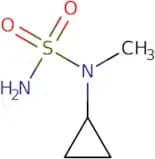
CAS:<p>Versatile small molecule scaffold</p>Formula:C4H10N2O2SPurezza:Min. 95%Peso molecolare:150.2 g/molMethyl 2-amino-3,3-dimethylbutanoate hydrochloride
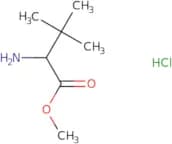
CAS:<p>Versatile small molecule scaffold</p>Formula:C7H16ClNO2Purezza:Min. 95%Peso molecolare:181.66 g/molMethyl 4-(4-bromo-2-fluorophenoxy)butanoate
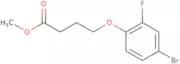
CAS:Prodotto controllato<p>Versatile small molecule scaffold</p>Formula:C11H12BrFO3Purezza:Min. 95%Peso molecolare:291.11 g/mol4-[(tert-Butoxy)methyl]aniline
CAS:<p>Versatile small molecule scaffold</p>Formula:C11H17NOPurezza:Min. 95%Peso molecolare:179.26 g/mol(2R,5R)-5-Phenylpyrrolidine-2-carboxamide hydrochloride
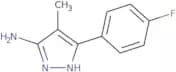
CAS:<p>Versatile small molecule scaffold</p>Formula:C11H15ClN2OPurezza:Min. 95%Peso molecolare:226.7 g/mol5-(4-Fluoro-phenyl)-4-methyl-2H-pyrazol-3-ylamine
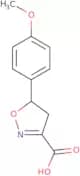
CAS:<p>Versatile small molecule scaffold</p>Formula:C10H10FN3Purezza:Min. 95%Peso molecolare:191.2 g/mol5-(4-Methoxyphenyl)-4,5-dihydro-1,2-oxazole-3-carboxylic acid
CAS:<p>Versatile small molecule scaffold</p>Formula:C11H11NO4Purezza:Min. 95%Peso molecolare:221.21 g/mol5-(Iodomethyl)-6-azaspiro[3.4]octan-7-one
CAS:Versatile small molecule scaffoldFormula:C8H12INOPurezza:Min. 95%Peso molecolare:265.1 g/mol2-(N-Boc-amino)-5-(tributylstannyl)thiazole
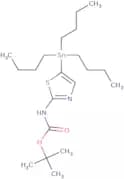
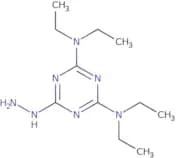
CAS:Prodotto controllato<p>Versatile small molecule scaffold</p>Formula:C20H38N2O2SSnPurezza:Min. 95%Peso molecolare:489.3 g/molN2,N2,N4,N4-Tetraethyl-6-hydrazinylidene-3,6-dihydro-1,3,5-triazine-2,4-diamine
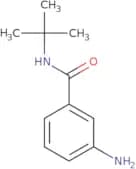
CAS:<p>Tetrodotoxin is a potent neurotoxin that blocks the transfer of nerve impulses. It is used as a pharmacological treatment for diseases of the urinary tract such as bladder and urethral spasms, bladder dysfunction, and urinary retention. Tetrodotoxin can also be used for the treatment of other conditions that affect the target tissue such as stenosis or cavity. This drug has been shown to be beneficial in autoimmune diseases, inflammatory diseases, and infections. Tetrodotoxin is implanted into the body through devices such as catheters or balloons to treat these conditions. The drug has anticholinergic properties which may cause side effects like dry mouth, blurred vision, difficulty urinating, and dizziness.</p>Formula:C11H23N7Purezza:Min. 95%Peso molecolare:253.35 g/mol3-Amino-N-(tert-butyl)benzamide
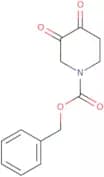
CAS:<p>Versatile small molecule scaffold</p>Formula:C11H16N2OPurezza:Min. 95%Peso molecolare:192.26 g/molBenzyl 3,4-dioxopiperidine-1-carboxylate
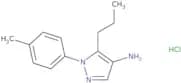
CAS:<p>Versatile small molecule scaffold</p>Formula:C13H13NO4Purezza:Min. 95%Peso molecolare:247.25 g/mol1-(4-Methylphenyl)-5-propyl-1H-pyrazol-4-amine hydrochloride
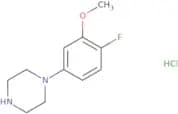
CAS:<p>Versatile small molecule scaffold</p>Formula:C13H18ClN3Purezza:Min. 95%Peso molecolare:251.75 g/mol1-(4-Fluoro-3-methoxyphenyl)piperazine hydrochloride
CAS:Prodotto controllato<p>Versatile small molecule scaffold</p>Formula:C11H16ClFN2OPurezza:Min. 95%Peso molecolare:246.71 g/mol2-{8-Oxa-3-azabicyclo[3.2.1]octan-3-yl}ethan-1-ol hydrochloride
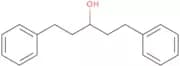
CAS:<p>Versatile small molecule scaffold</p>Formula:C8H16ClNO2Purezza:Min. 95%Peso molecolare:193.7 g/mol1,5-Diphenylpentan-3-ol
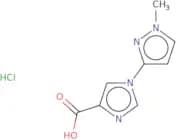
CAS:<p>Flindersia laevicarpa is a small tree native to Australia. The leaves of the tree are used for medicinal purposes and contain 1,5-diphenylpentan-3-ol. Flindersia laevicarpa has been shown to have anti-inflammatory and antioxidant properties, as well as an ability to inhibit platelet aggregation.</p>Formula:C17H20OPurezza:Min. 95%Peso molecolare:240.34 g/mol1-(1-Methyl-1H-pyrazol-3-yl)-1H-imidazole-4-carboxylic acid hydrochloride
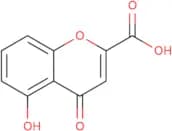
CAS:<p>Versatile small molecule scaffold</p>Formula:C8H9ClN4O2Purezza:Min. 95%Peso molecolare:228.6 g/mol5-Hydroxy-4-oxo-4H-chromene-2-carboxylic acid
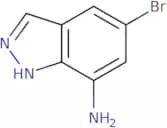
CAS:<p>Versatile small molecule scaffold</p>Formula:C10H6O5Purezza:Min. 95%Peso molecolare:206.15 g/mol7-Amino-5-bromo-1H-indazole
CAS:<p>Versatile small molecule scaffold</p>Formula:C7H6N3BrPurezza:Min. 95%Peso molecolare:212.04 g/mol[(1-Amino-2-methylpropan-2-yl)oxy]benzene hydrochloride
CAS:<p>Versatile small molecule scaffold</p>Formula:C10H16ClNOPurezza:Min. 95%Peso molecolare:201.69 g/mol3-Chloro-1,2,4-benzotriazine
CAS:<p>3-Chloro-1,2,4-benzotriazine is an organic compound that is used as an anti-cancer agent. It is a cytotoxin that inhibits the growth of cells by binding to DNA. The Suzuki reaction was used to synthesize this compound in high yields. 3-Chloro-1,2,4-benzotriazine has potential anti-cancer activity and can be used in conjunction with other cytotoxic agents to treat cancer. This drug has been shown to have cytotoxic effects on tumor cells by inhibiting DNA synthesis and cell division.</p>Formula:C7H4ClN3Purezza:Min. 95%Peso molecolare:165.58 g/mol1-(2,4-Dimethylphenyl)-1H,4H,5H,6H-cyclopenta[C]pyrazole-3-carboxylic acid
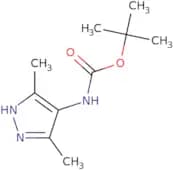
CAS:<p>Versatile small molecule scaffold</p>Formula:C15H16N2O2Purezza:Min. 95%Peso molecolare:256.3 g/moltert-Butyl N-(3,5-dimethyl-1H-pyrazol-4-yl)carbamate
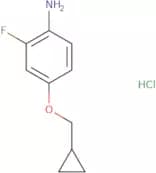
CAS:<p>Versatile small molecule scaffold</p>Formula:C10H17N3O2Purezza:Min. 95%Peso molecolare:211.26 g/mol4-(Cyclopropylmethoxy)-2-fluoroaniline hydrochloride
CAS:<p>Versatile small molecule scaffold</p>Formula:C10H13ClFNOPurezza:Min. 95%Peso molecolare:217.67 g/mol(2-Bromo-5-chlorophenyl)methanesulfonyl chloride
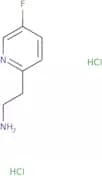
CAS:<p>Versatile small molecule scaffold</p>Formula:C7H5BrCl2O2SPurezza:Min. 95%Peso molecolare:303.99 g/mol2-(5-Fluoropyridin-2-yl)ethan-1-amine dihydrochloride
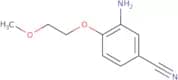
CAS:<p>Versatile small molecule scaffold</p>Formula:C7H11Cl2FN2Purezza:Min. 95%Peso molecolare:213.08 g/mol3-Amino-4-(2-methoxyethoxy)benzonitrile
CAS:<p>Versatile small molecule scaffold</p>Formula:C10H12N2O2Purezza:Min. 95%Peso molecolare:192.21 g/molMethyl 2-formyl-4,5-dimethoxybenzoate
CAS:<p>Versatile small molecule scaffold</p>Formula:C11H12O5Purezza:Min. 95%Peso molecolare:224.21 g/molrac-(1R,5S,6R)-3-Benzyl-3-azabicyclo[3.1.0]hexan-6-amine dihydrochloride
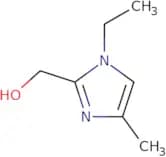
CAS:<p>Versatile small molecule scaffold</p>Formula:C12H18Cl2N2Purezza:Min. 95%Peso molecolare:261.19 g/mol(1-Ethyl-4-methyl-1H-imidazol-2-yl)-methanol
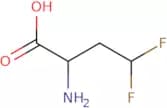
CAS:<p>Versatile small molecule scaffold</p>Formula:C7H12N2OPurezza:Min. 95%Peso molecolare:140.18 g/mol(2R)-2-Amino-4,4-difluorobutanoic acid
CAS:<p>Versatile small molecule scaffold</p>Formula:C4H7F2NO2Purezza:Min. 95%Peso molecolare:139.1 g/mol3,8-Dioxa-11-azaspiro[5.6]dodecane
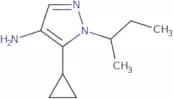
CAS:<p>Versatile small molecule scaffold</p>Formula:C9H17NO2Purezza:Min. 95%Peso molecolare:171.24 g/mol1-(Butan-2-yl)-5-cyclopropyl-1H-pyrazol-4-amine
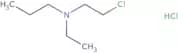
CAS:<p>Versatile small molecule scaffold</p>Formula:C10H17N3Purezza:Min. 95%Peso molecolare:179.26 g/molN-(2-Chloroethyl)-N-ethylpropan-1-amine hydrochloride
CAS:Prodotto controllato<p>Versatile small molecule scaffold</p>Formula:C7H17Cl2NPurezza:Min. 95%Peso molecolare:186.12 g/mol3-Methoxyazetidine-3-carboxamide hydrochloride
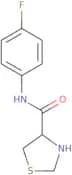
CAS:Versatile small molecule scaffoldFormula:C5H11ClN2O2Purezza:Min. 95%Peso molecolare:166.6 g/molN-(4-Fluorophenyl)-1,3-thiazolidine-4-carboxamide
CAS:<p>Versatile small molecule scaffold</p>Formula:C10H11FN2OSPurezza:Min. 95%Peso molecolare:226.27 g/mol3-Amino-1,1-diethoxypropan-2-ol
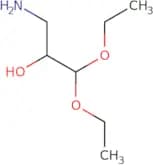
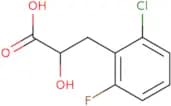
CAS:<p>Versatile small molecule scaffold</p>Formula:C7H17NO3Purezza:Min. 95%Peso molecolare:163.21 g/mol3-(2-Chloro-6-fluorophenyl)-2-hydroxypropanoic acid
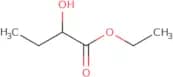
CAS:<p>Versatile small molecule scaffold</p>Formula:C9H8ClFO3Purezza:Min. 95%Peso molecolare:218.61 g/mol(R)-Ethyl 2-hydroxybutanoate
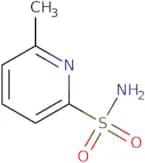
CAS:<p>Versatile small molecule scaffold</p>Formula:C6H12O3Purezza:Min. 95%Peso molecolare:132.16 g/mol6-Methylpyridine-2-sulfonamide
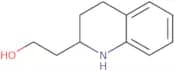
CAS:<p>Versatile small molecule scaffold</p>Formula:C6H8N2O2SPurezza:Min. 95%Peso molecolare:172.21 g/mol2-(1,2,3,4-Tetrahydroquinolin-2-yl)ethan-1-ol
CAS:<p>Versatile small molecule scaffold</p>Formula:C11H15NOPurezza:Min. 95%Peso molecolare:177.24 g/mol7-Hydroxy-3,4-dimethyl-2,3-dihydro-1H-inden-1-one
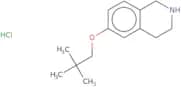
CAS:<p>Versatile small molecule scaffold</p>Formula:C11H12O2Purezza:Min. 95%Peso molecolare:176.21 g/mol6-(2,2-Dimethylpropoxy)-1,2,3,4-tetrahydroisoquinoline hydrochloride
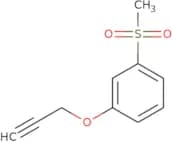
CAS:<p>Versatile small molecule scaffold</p>Formula:C14H22ClNOPurezza:Min. 95%Peso molecolare:255.8 g/mol1-Methanesulfonyl-3-(prop-2-yn-1-yloxy)benzene
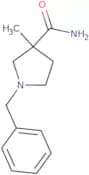
CAS:<p>Versatile small molecule scaffold</p>Formula:C10H10O3SPurezza:Min. 95%Peso molecolare:210.25 g/mol1-Benzyl-3-methylpyrrolidine-3-carboxamide
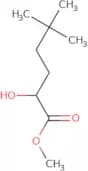
CAS:<p>Versatile small molecule scaffold</p>Formula:C13H18N2OPurezza:Min. 95%Peso molecolare:218.29 g/molMethyl 2-hydroxy-5,5-dimethylhexanoate
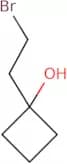
CAS:<p>Versatile small molecule scaffold</p>Formula:C9H18O3Purezza:Min. 95%Peso molecolare:174.24 g/mol1-(2-Bromoethyl)cyclobutan-1-ol
CAS:<p>Versatile small molecule scaffold</p>Formula:C6H11BrOPurezza:Min. 95%Peso molecolare:179.05 g/mol3-Boc-3-azabicyclo[3.2.1]octan-8-amine
CAS:<p>Versatile small molecule scaffold</p>Formula:C12H22N2O2Purezza:Min. 95%Peso molecolare:226.32 g/mol2-Bromo-3,3,3-trifluoro-1-propene
CAS:Prodotto controllato<p>2-Bromo-3,3,3-trifluoro-1-propene is a chemical compound that has been synthesized in an asymmetric reaction. The reactant is bromopropane and the product is 2,2,2-trifluoropropene. The methylene group on the propene molecule is activated by the nucleophilic attack of a fluoride ion from hydrogen fluoride to form a cavity with a highly strained bond. The kinetic study of this reaction revealed that the activation energy for the reaction is 42 kJ/mol. Palladium-catalyzed coupling reactions are catalyzed by palladium and require nonpolar solvents such as toluene or dichloromethane. This type of reaction has been shown to be exothermic with an isolated yield of 1%.</p>Formula:C3H2BrF3Purezza:Min. 95%Colore e forma:Colorless PowderPeso molecolare:174.95 g/mol

![4-[(tert-Butoxy)methyl]aniline](/_next/image/?url=https%3A%2Fstatic.cymitquimica.com%2Fproducts%2F3D%2Fthumb-webp%2FPRB31145.webp&w=3840&q=75)
![5-(Iodomethyl)-6-azaspiro[3.4]octan-7-one](/_next/image/?url=https%3A%2Fstatic.cymitquimica.com%2Fproducts%2F3D%2Fthumb-webp%2FTLD44509.webp&w=3840&q=75)
![2-{8-Oxa-3-azabicyclo[3.2.1]octan-3-yl}ethan-1-ol hydrochloride](/_next/image/?url=https%3A%2Fstatic.cymitquimica.com%2Fproducts%2F3D%2Fthumb-webp%2FDPD67782.webp&w=3840&q=75)
![[(1-Amino-2-methylpropan-2-yl)oxy]benzene hydrochloride](/_next/image/?url=https%3A%2Fstatic.cymitquimica.com%2Fproducts%2F3D%2Fthumb-webp%2FLCC31526.webp&w=3840&q=75)

![1-(2,4-Dimethylphenyl)-1H,4H,5H,6H-cyclopenta[C]pyrazole-3-carboxylic acid](/_next/image/?url=https%3A%2Fstatic.cymitquimica.com%2Fproducts%2F3D%2Fthumb-webp%2FCWB53585.webp&w=3840&q=75)


![rac-(1R,5S,6R)-3-Benzyl-3-azabicyclo[3.1.0]hexan-6-amine dihydrochloride](/_next/image/?url=https%3A%2Fstatic.cymitquimica.com%2Fproducts%2F3D%2Fthumb-webp%2FDJD39547.webp&w=3840&q=75)
![3,8-Dioxa-11-azaspiro[5.6]dodecane](/_next/image/?url=https%3A%2Fstatic.cymitquimica.com%2Fproducts%2F3D%2Fthumb-webp%2FWQC17744.webp&w=3840&q=75)

![3-Boc-3-azabicyclo[3.2.1]octan-8-amine](/_next/image/?url=https%3A%2Fstatic.cymitquimica.com%2Fproducts%2F3D%2Fthumb-webp%2FFDC76351.webp&w=3840&q=75)
