Building Blocks
Sottocategorie di "Building Blocks"
- Acidi boronici e derivati dell'acido boronico(5.778 prodotti)
- Building Blocks Chirali(1.243 prodotti)
- Building Blocks Idrocarburici(6.098 prodotti)
- Building Blocks organici(61.036 prodotti)
Trovati 205240 prodotti di "Building Blocks"
4-(5-{[(3-Phenyl-1,2,4-oxadiazol-5-yl)methyl]sulfanyl}-1,3,4-oxadiazol-2-yl)pyridine
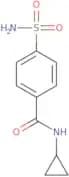
CAS:Versatile small molecule scaffoldFormula:C16H11N5O2SPurezza:Min. 95%Peso molecolare:337.4 g/molN-Cyclopropyl-4-sulfamoylbenzamide
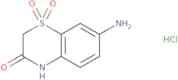
CAS:N-Cyclopropyl-4-sulfamoylbenzamide is a sulfonamide antibiotic that inhibits the growth of bacteria by blocking the synthesis of folic acid. It has been shown to be effective against Escherichia coli, Salmonella enterica, and Staphylococcus aureus. N-Cyclopropyl-4-sulfamoylbenzamide is metabolized in the liver by cytochrome P450 enzymes and excreted in the urine. The rate of metabolism is determined by mutant enzyme activity. This drug has been shown to inhibit detoxification enzymes such as Triticum aestivum desmethylase and acetolactate synthase, which may be responsible for its toxic effects on plants.Formula:C10H12N2O3SPurezza:Min. 95%Peso molecolare:240.28 g/mol7-amino-2H-1,4-benzothiazin-3(4H)-one 1,1-dioxide hydrochloride
CAS:Versatile small molecule scaffold
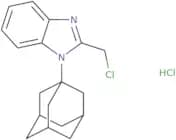
Formula:C8H9ClN2O3SPurezza:Min. 95%Peso molecolare:248.69 g/mol1-(Adamantan-1-yl)-2-(chloromethyl)-1H-1,3-benzodiazole hydrochloride
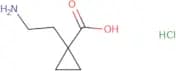
CAS:Versatile small molecule scaffoldFormula:C18H22Cl2N2Purezza:Min. 95%Peso molecolare:337.3 g/mol1-(2-aminoethyl)cyclopropane-1-carboxylic acid hydrochloride
CAS:Versatile small molecule scaffold
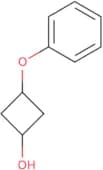
Formula:C6H12ClNO2Purezza:Min. 95%Peso molecolare:165.62 g/mol(1R,3R)-3-Phenoxycyclobutan-1-ol
CAS:Versatile small molecule scaffold
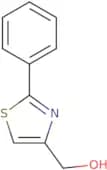
Formula:C10H12O2Purezza:Min. 95%Peso molecolare:164.2 g/mol4-(Hydroxymethyl)-2-phenyl-1,3-thiazole
CAS:4-(Hydroxymethyl)-2-phenyl-1,3-thiazole is a versatile compound that has various applications in research and chemical synthesis. It is commonly used as a building block for the synthesis of organic compounds, including antibodies and research chemicals. This compound has been found to exhibit potent antiangiogenic properties, making it valuable in the field of cancer research. Additionally, 4-(Hydroxymethyl)-2-phenyl-1,3-thiazole can be used as a precursor in the synthesis of important pharmaceuticals such as cephalosporins and taxol. Its unique structure allows for diverse chemical reactions, making it an essential tool for chemists and researchers alike. Whether you're working on developing new drugs or exploring novel chemical reactions, 4-(Hydroxymethyl)-2-phenyl-1,3-thiazole is an indispensable compound that will help drive your scientific endeavors forward.
Formula:C10H9NOSPurezza:Min. 95%Peso molecolare:191.25 g/mol4-Acetyl-5-methyl-3-(propan-2-yl)-1H-pyrrole-2-carboxylic acid
CAS:Versatile small molecule scaffold
Formula:C11H15NO3Purezza:Min. 95%Peso molecolare:209.24 g/mol3-[(Pyridin-4-yl)methyl]-1,2,4-oxadiazol-5-amine
CAS:Versatile small molecule scaffold
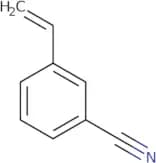
Formula:C8H8N4OPurezza:Min. 95%Peso molecolare:176.18 g/mol3-Ethenylbenzonitrile
CAS:3-Ethenylbenzonitrile is an organic compound that can be prepared by photolysis of 2-bromobenzonitrile in the presence of a nonpolar solvent. It is also synthesized by laser induced exciplex reaction between benzene and ethylene. 3-Ethenylbenzonitrile has a conformation that is dependent on the polarity of the solvent. In polar solvents, it adopts a bent structure while in nonpolar solvents, it adopts a linear structure. The molecule undergoes cyclobutane formation and then reacts with electron acceptors such as cations to form intermediates. These intermediates react with other molecules to form products.
Formula:C9H7NPurezza:Min. 95%Peso molecolare:129.16 g/mol5-Benzo[1,3]dioxol-5-yl-2H-pyrazole-3-carboxylic acid methyl ester
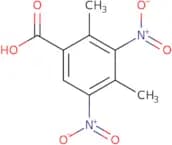
CAS:Versatile small molecule scaffoldFormula:C12H10N2O4Purezza:Min. 95%Peso molecolare:246.22 g/mol2,4-Dimethyl-3,5-dinitrobenzoic acid
CAS:Versatile small molecule scaffold
Formula:C9H8N2O6Purezza:Min. 95%Peso molecolare:240.17 g/mol4-[(4-Methoxyphenyl)methyl]azetidin-2-one
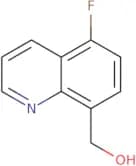
CAS:Versatile small molecule scaffoldFormula:C11H13NO2Purezza:Min. 95%Peso molecolare:191.23 g/mol(5-Fluoroquinolin-8-yl)methanol
CAS:Versatile small molecule scaffold
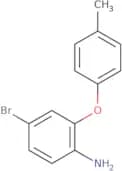
Formula:C10H8FNOPurezza:Min. 95%Peso molecolare:177.17 g/mol4-Bromo-2-(4-methylphenoxy)aniline
CAS:Versatile small molecule scaffold
Formula:C13H12BrNOPurezza:Min. 95%Peso molecolare:278.14 g/mol2-(5-Methyl-1H-pyrazol-1-yl)aniline
CAS:Versatile small molecule scaffold
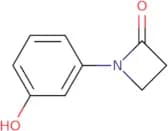
Formula:C10H11N3Purezza:Min. 95%Peso molecolare:173.21 g/mol1-(3-Hydroxyphenyl)azetidin-2-one
CAS:Versatile small molecule scaffold
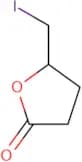
Formula:C9H9NO2Purezza:Min. 95%Peso molecolare:163.17 g/mol5-(Iodomethyl)oxolan-2-one
CAS:Versatile small molecule scaffold
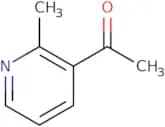
Formula:C5H7IO2Purezza:Min. 95%Peso molecolare:226.01 g/mol1-(2-Methylpyridin-3-yl)ethanone
CAS:1-(2-Methylpyridin-3-yl)ethanone is a ketone that can be synthesized using the reaction of methyl sulfone, benzyl sulfone, and sulphone. It has been shown to have anti-inflammatory properties by inhibiting prostaglandin synthesis and has been used as a nonsteroidal anti-inflammatory drug (NSAID). 1-(2-Methylpyridin-3-yl)ethanone has also been shown to have analgesic effects in mice. This synthetic compound may be useful in treating inflammation, pain, and fever.
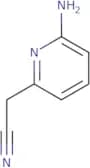
Formula:C8H9NOPurezza:Min. 95%Peso molecolare:135.16 g/mol2-(6-Aminopyridin-2-yl)acetonitrile
CAS:Versatile small molecule scaffold
Formula:C7H7N3Purezza:Min. 95%Peso molecolare:133.15 g/mol4-(Dimethyl-1,2-oxazol-4-yl)phenol
CAS:Versatile small molecule scaffold
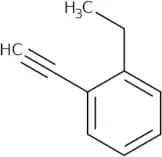
Formula:C11H11NO2Purezza:Min. 95%Peso molecolare:189.21 g/mol1-Ethyl-2-ethynylbenzene
CAS:1-Ethyl-2-ethynylbenzene is an indene that can be synthesized by the reaction of 1-ethylbenzene with ethynylmagnesium bromide and trifluoroacetyl chloride. 1-Ethyl-2-ethynylbenzene reacts as a nucleophile with electrophiles, such as phenylsulfonyl and acetylene compounds, to form sulfones and acetylenes. It can also react with tetrafluoroborates to form indenes.
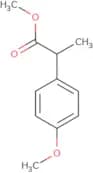
Formula:C10H10Purezza:Min. 95%Peso molecolare:130.19 g/molMethyl 2-(4-methoxyphenyl)propanoate
CAS:Versatile small molecule scaffold
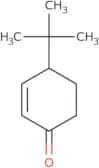
Formula:C11H14O3Purezza:Min. 95%Peso molecolare:194.23 g/mol4-tert-Butylcyclohex-2-en-1-one
CAS:Versatile small molecule scaffold
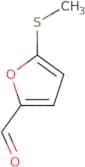
Formula:C10H16OPurezza:Min. 95%Peso molecolare:152.23 g/mol5-(Methylsulfanyl)furan-2-carbaldehyde
CAS:Versatile small molecule scaffold
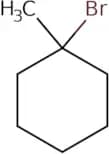
Formula:C6H6O2SPurezza:Min. 95%Peso molecolare:142.18 g/mol1-Bromo-1-methylcyclohexane
CAS:1-Bromo-1-methylcyclohexane is a monomolecular gas that is used as an intermediate in organic synthesis. It reacts with halides to form cyclopentyl derivatives. This reaction has been shown to be faster than the corresponding reaction of 1-bromocyclohexane with chlorides or bromides. The rate of this reaction may be due to the polarizability and conformational changes of the molecule upon substitution by a methyl group. 1-Bromo-1-methylcyclohexane is also an ionizing reagent, which means it can cause electrophilic reactions to occur on other molecules. It has been found that the solvent effect on this product can affect its reactivity, with solvents such as water having more of an effect than solvents such as benzene. 1-Bromo-1-methylcyclohexane has been shown to interact with other compounds in both transfer and complex
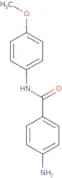
Formula:C7H13BrPurezza:Min. 95%Peso molecolare:177.08 g/mol4-Amino-n-(4-methoxyphenyl)benzamide
CAS:4-Amino-N-(4-methoxyphenyl)benzamide is a catalytic sulfamate that has been optimized for use in the synthesis of benzimidazole derivatives. 4-Amino-N-(4-methoxyphenyl)benzamide is used as a reagent for the preparation of aldehydes from sulfamic acid and various types of carboxylic acids. The reaction mechanism involves nucleophilic attack by the hydroxyl group from the sulfamate on the carbonyl carbon atom to form an intermediate, which then reacts with water to release hydrogen sulfate and form a new double bond.
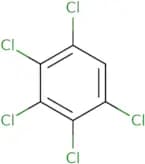
Formula:C14H14N2O2Purezza:Min. 95%Peso molecolare:242.27 g/mol1,2,3,4,5-Pentachlorobenzene
CAS:1,2,3,4,5-Pentachlorobenzene is a chlorinated hydrocarbon that is used in the production of pesticides and herbicides. It is an ingredient in the manufacturing of pentachlorophenol and pentachloronitrobenzene. 1,2,3,4,5-Pentachlorobenzene has been used as a chemical intermediate or solvent for the production of other chemicals. The emissions from this chemical can be harmful to humans and animals because it has been shown to affect enzyme activities at sublethal doses. It also affects rat liver microsomes and causes DNA damage that can lead to cancer.
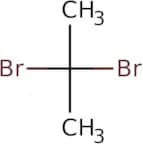
Formula:C6HCl5Purezza:Min. 95%Peso molecolare:250.34 g/mol2,2-Dibromopropane
CAS:2,2-Dibromopropane is a synthetic chemical that has been used as a precursor in the production of nylon. It is an activator that can be used to form covalent bonds with reactive groups on other molecules. The activation energy for the reaction with piperazine is between 104 and 106 kJ/mol. 2,2-Dibromopropane undergoes acylation reactions under certain conditions, forming reaction products such as 2,2-dibromoethyl acetate and 2,2-dibromoethanol. The molecular weight of 2,2-dibromopropane is 192.19 g/mol and its structural formula is CHBrCHBrCHBrCHBrC≡C≡C≡C≡C≡C≡CC(O)OH.
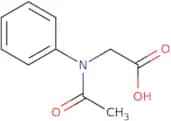
Formula:C3H6Br2Purezza:Min. 95%Peso molecolare:201.89 g/mol2-(N-Phenylacetamido)acetic acid
CAS:2-(N-Phenylacetamido)acetic acid is an alkyl ester that is synthesized by the reaction of acetyl chloride with toluene. This compound can be used as a pharmaceutical intermediate and a synthetic sweetener. The hydrogenation of 2-(N-phenylacetamido)acetic acid produces 2-(N-phenylacetamido)ethanoic acid, which has been shown to have antihypertensive effects. The p-toluenesulfonic acid is an acid catalyst that facilitates this reaction.
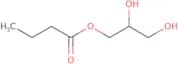
The acetylation of 2-(N-phenylacetamido)acetic acid produces 2-(N-phenylacetamido)propionic acid, which has been used in the synthesis of rhodium. The reaction also results in a number of diastereoisomeric salts; these are stereoisomers that differ from each other because they are not mirror images of one another.Formula:C10H11NO3Purezza:Min. 95%Peso molecolare:193.2 g/mol1-Monotetranoin
CAS:1-Monotetranoin is a fatty ester that is involved in the process of lipolysis, which is the breakdown of fat cells. Lipolysis occurs when an enzyme called lipase hydrolyzes triglycerides into glycerol and three fatty acids. 1-Monotetranoin has been shown to be a potent stimulator of growth factor production and cell proliferation in vivo models. It has also been shown to be effective at inhibiting angiogenic processes in vitro, including the release of growth factors from fat cells. The neutral pH optimum for 1-monotetranoin is between 7 and 8, which may be due to its hydrophobic nature.
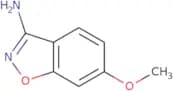
Formula:C7H14O4Purezza:Min. 95%Peso molecolare:162.18 g/mol6-Methoxy-1,2-benzoxazol-3-amine
CAS:Versatile small molecule scaffold
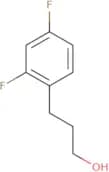
Formula:C8H8N2O2Purezza:Min. 95%Peso molecolare:164.16 g/mol3-(2,4-Difluorophenyl)propan-1-ol
CAS:Versatile small molecule scaffold
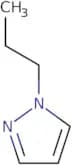
Formula:C9H10F2OPurezza:Min. 95%Peso molecolare:172.17 g/mol1-Propylpyrazole
CAS:1-Propylpyrazole is a non-classical inhibitor of aldehyde oxidase that has been shown to have an inhibitory effect on pentane. 1-Propylpyrazole has peroxidase-like activity, which means it can bind to lipid hydroperoxides in the presence of hydrogen peroxide or peroxidase. It has also been shown to be an effective inhibitor of dehydrogenase, which is an enzyme that catalyzes the oxidation of aldehydes and ketones to carboxylic acids. This drug is not active against classical aldehyde oxidases such as alcohol dehydrogenase, but it does inhibit polyunsaturated fatty acid synthesis by binding with cytochrome P450 enzymes.
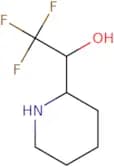
Formula:C6H10N2Purezza:Min. 95%Peso molecolare:110.16 g/mol2,2,2-Trifluoro-1-(piperidin-2-yl)ethan-1-ol
CAS:Versatile small molecule scaffoldFormula:C7H12F3NOPurezza:Min. 95%Peso molecolare:183.17 g/mol4-Chloro-2-hydroxy-6-methylphenylboronic acid
CAS:Versatile small molecule scaffoldFormula:C7H8BClO3Purezza:Min. 95%Peso molecolare:186.4 g/mol3-Hydroxy-5-methylpyridine
CAS:3-Hydroxy-5-methylpyridine (3HMP) is a chemical substance that has been classified as an amine. It is a product of the metabolism of purines, which are nitrogenous bases found in DNA and RNA. 3HMP is produced by aerogenic bacteria (such as Enterobacter), and can be used to estimate the number of these bacteria present in water samples. 3HMP has been shown to have antiviral properties against influenza virus, and can be used as a biomarker for the presence of other viruses in animals. 3HMP also has mineralization properties, which have been studied extensively, particularly with regards to pancreatic disease.
Formula:C6H7NOPurezza:Min. 95%Colore e forma:PowderPeso molecolare:109.13 g/molRef: 3D-FH16174
Prodotto fuori produzione2-Bromo-3,3,3-trifluoro-1-propene
CAS:Prodotto controllato2-Bromo-3,3,3-trifluoro-1-propene is a chemical compound that has been synthesized in an asymmetric reaction. The reactant is bromopropane and the product is 2,2,2-trifluoropropene. The methylene group on the propene molecule is activated by the nucleophilic attack of a fluoride ion from hydrogen fluoride to form a cavity with a highly strained bond. The kinetic study of this reaction revealed that the activation energy for the reaction is 42 kJ/mol. Palladium-catalyzed coupling reactions are catalyzed by palladium and require nonpolar solvents such as toluene or dichloromethane. This type of reaction has been shown to be exothermic with an isolated yield of 1%.
Formula:C3H2BrF3Purezza:Min. 95%Colore e forma:Colorless PowderPeso molecolare:174.95 g/mol4,5-Dihydroxy-2,3-Pentanedione
CAS:4,5-Dihydroxy-2,3-pentanedione is a carbonyl compound that is the product of the oxidation of ascorbic acid. It is used in wastewater treatment and has antimicrobial properties against infectious diseases. This compound has been shown to inhibit protein synthesis by binding to the ribosome and preventing the formation of peptide bonds between amino acids. 4,5-Dihydroxy-2,3-pentanedione has also been shown to bind to plasma proteins, which may be due to its acyl chain structure. 4,5-Dihydroxy-2,3-pentanedione can be synthesized in a catalytic mechanism that involves dehydroascorbic acid and molecular oxygen.
Formula:C5H8O4Purezza:Min. 95%Colore e forma:PowderPeso molecolare:132.11 g/molRef: 3D-FD180770
Prodotto fuori produzionePiperyline
CAS:Piperyline is an alkanoic acid that has shown to be effective against skin cancer. It also has antimicrobial properties, which may be due to its ability to bind metal ions and form polymeric compounds. Piperyline inhibits microbial growth by inhibiting the synthesis of proteins and nucleic acids. The antimicrobial activity is related to its cationic polymerization with hydroxyl groups, which forms a structure that can inhibit microbial enzymes and disrupt microbial cell membranes. This compound also interacts with the skin's natural lipids, making it difficult for microorganisms to attach and grow on the skin. Piperyline is synthesized in organic chemistry laboratories as an amide precursor of other pharmaceuticals such as penicillin.
Formula:C16H17NO3Purezza:Min. 95%Peso molecolare:271.31 g/mol
![4-(5-{[(3-Phenyl-1,2,4-oxadiazol-5-yl)methyl]sulfanyl}-1,3,4-oxadiazol-2-yl)pyridine](/_next/image/?url=https%3A%2Fstatic.cymitquimica.com%2Fproducts%2F3D%2Fthumb-webp%2FULB93670.webp&w=3840&q=75)


![3-[(Pyridin-4-yl)methyl]-1,2,4-oxadiazol-5-amine](/_next/image/?url=https%3A%2Fstatic.cymitquimica.com%2Fproducts%2F3D%2Fthumb-webp%2FYZB21426.webp&w=3840&q=75)
![5-Benzo[1,3]dioxol-5-yl-2H-pyrazole-3-carboxylic acid methyl ester](/_next/image/?url=https%3A%2Fstatic.cymitquimica.com%2Fproducts%2F3D%2Fthumb-webp%2FERB10454.webp&w=3840&q=75)
![4-[(4-Methoxyphenyl)methyl]azetidin-2-one](/_next/image/?url=https%3A%2Fstatic.cymitquimica.com%2Fproducts%2F3D%2Fthumb-webp%2FEFC81230.webp&w=3840&q=75)