Building Blocks
Questa sezione contiene prodotti fondamentali per la sintesi di composti organici e biologici. Building blocks sono i materiali di partenza essenziali utilizzati per costruire molecole complesse attraverso varie reazioni chimiche. Svolgono un ruolo critico nella scoperta di farmaci, nella scienza dei materiali e nella ricerca chimica. Presso CymitQuimica, offriamo una gamma diversificata di building blocks di alta qualità per supportare le tue ricerche innovative e progetti industriali, assicurandoti di avere i componenti essenziali per una sintesi di successo.
Sottocategorie di "Building Blocks"
- Acidi boronici e derivati dell'acido boronico(5.756 prodotti)
- Building Blocks Chirali(1.242 prodotti)
- Building Blocks Idrocarburici(6.093 prodotti)
- Building Blocks organici(60.519 prodotti)
Trovati 195533 prodotti di "Building Blocks"
Ordinare per
Purezza (%)
0
100
|
0
|
50
|
90
|
95
|
100
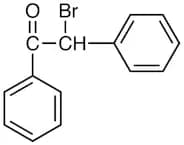
2-Bromo-2-phenylacetophenone
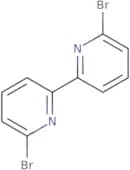
CAS:Formula:C14H11BrOPurezza:>95.0%(GC)Colore e forma:White to Light yellow to Light orange powder to crystalPeso molecolare:275.156,6'-Dibromo-2,2'-bipyridine
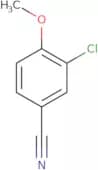
CAS:<p>6,6'-Dibromo-2,2'-bipyridine is a synthetic molecule that is used to produce amines. It can be synthesized in a cross-coupling reaction involving the reaction of an amine with bromine and a palladium catalyst. 6,6'-Dibromo-2,2'-bipyridine reacts with formaldehyde to form 2,4-diaminobiphenyls. This reaction is catalyzed by acid or base. 6,6'-Dibromo-2,2'-bipyridine has been shown to be reactive and photoexcited. Its photophysical properties make it a useful synthetic intermediate for the production of amines.</p>Formula:C10H6Br2N2Purezza:Min. 95%Colore e forma:PowderPeso molecolare:313.98 g/mol3-Chloro-4-methoxybenzonitrile
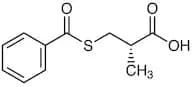
CAS:<p>3-Chloro-4-methoxybenzonitrile is a chemical compound that can be used as a reactant, reagent, or building block in the synthesis of other chemicals. It is an important intermediate for the production of pharmaceuticals, pesticides and dyes. 3-Chloro-4-methoxybenzonitrile is also being investigated for use in the manufacture of photoresists for semiconductor device fabrication. This chemical is listed on the Chemical Abstracts Service registry with CAS number 102151-33-7.</p>Formula:C8H6ClNOPurezza:Min. 95%Colore e forma:SolidPeso molecolare:167.59 g/mol(S)-3-(Benzoylthio)-2-methylpropionic Acid
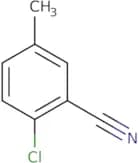
CAS:Formula:C11H12O3SPurezza:>98.0%(GC)(T)Colore e forma:White to Almost white powder to crystalPeso molecolare:224.272-Chloro-5-methylbenzonitrile
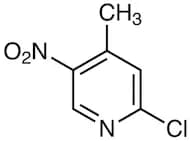
CAS:<p>2-Chloro-5-methylbenzonitrile (2C5MB) is a versatile building block that is used in the production of fine chemicals, specialty chemicals, and pharmaceuticals. It is also used as a reagent for organic synthesis and as a speciality chemical. 2C5MB can be used in the synthesis of various complex compounds and research chemicals. The compound has been shown to have high reactivity and has been used as a reaction component or scaffold for the synthesis of other products.</p>Formula:C8H6ClNPurezza:Min. 95%Colore e forma:PowderPeso molecolare:151.59 g/mol2-Chloro-4-methyl-5-nitropyridine
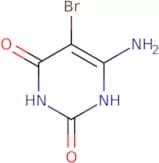
CAS:Formula:C6H5ClN2O2Purezza:>98.0%(GC)Colore e forma:White or Colorless to Light yellow to Green powder to lump to clear liquidPeso molecolare:172.576-Amino-5-bromopyrimidine-2,4(1H,3H)-dione
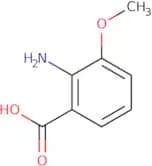
CAS:<p>6-Amino-5-bromopyrimidine-2,4(1H,3H)-dione (6ABPD) is a purine derivative that functions as an inhibitor of phosphorylase kinase. It has been shown to inhibit tumor growth in vivo and in vitro and is used as a therapeutic agent for the treatment of cancer. 6ABPD inhibits the production of phosphorylase kinase by binding to the enzyme's active site with noncompetitive inhibition. Inhibition of phosphorylase kinase leads to a decrease in the levels of ATP and thus decreases the availability of substrates for tumor cell growth and proliferation. 6ABPD also binds to thymidine kinase and inhibits its activity, which may account for some of its antitumor effects.</p>Formula:C4H4BrN3O2Purezza:Min. 95%Colore e forma:PowderPeso molecolare:206 g/mol2-Amino-3-methoxybenzoic acid
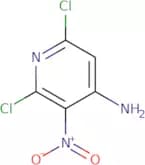
CAS:<p>2-Amino-3-methoxybenzoic acid is a chemical compound that is found in humans. It has antioxidative activity, and it inhibits the conversion of picolinic acid to kynurenine in vitro. 2-Amino-3-methoxybenzoic acid also significantly inhibits the formation of 3-hydroxyanthranilic acid and xanthurenic acid from anthranilic acid. This inhibition may be due to its ability to form hydrogen bonds with the substrate or competitive inhibition of enzymes such as quinoline reductase.<br>2-Amino-3-methoxybenzoic acid has been shown to have significant inhibitory effects on thermodynamic parameters for hydroxy group addition reactions involving quinoline derivatives, which may be due to its ability to bind covalently with these substrates.</p>Formula:C8H9NO3Purezza:Min. 95%Colore e forma:PowderPeso molecolare:167.16 g/mol4-Amino-2,6-dichloro-3-nitropyridine
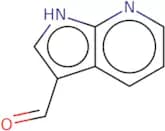
CAS:<p>4-Amino-2,6-dichloro-3-nitropyridine is a synthetic compound that inhibits tyrosine kinases. It is an isomer of 2,6-Dichloropyridine and has been shown to inhibit the growth of lymphoma cells in vitro. 4-Amino-2,6-dichloro-3-nitropyridine has three substitutions on the pyridine ring as compared to 2,6-Dichloropyridine. The substitutions are thought to be responsible for the increased hydrophilic properties of this compound. This may lead to increased cellular uptake and better bioavailability.</p>Formula:C5H3Cl2N3O2Purezza:Min. 95%Colore e forma:Slightly Yellow PowderPeso molecolare:208 g/mol7-Azaindole-3-carboxaldehyde
CAS:<p>7-Azaindole-3-carboxaldehyde is a molecule that belongs to the class of indoles. It has been shown to have cytotoxic activity in vitro against cancer cells and isomers have been identified. 7-Azaindole-3-carboxaldehyde has been investigated for its ability to bind to CB2 receptors, which are located on the surface of immune cells, and may be used as a lead compound for the development of novel anti-cancer drugs. 7-Azaindole-3-carboxaldehyde also binds to chloride ions, which may be important in understanding how it interacts with other compounds or proteins.</p>Formula:C8H6N2OPurezza:Min. 95%Colore e forma:PowderPeso molecolare:146.15 g/mol4-(2-Aminoanilino)pyridine
CAS:<p>4-(2-Aminoanilino)pyridine is a pyridine that has been shown to be an impurity in the acid salt of 4-(2-aminophenyl)pyridine. It is an acidified impurity that can form when the pyridine reacts with hydrochloric acid or sulfuric acid.</p>Formula:C11H11N3Purezza:Min. 95%Colore e forma:PowderPeso molecolare:185.23 g/mol7-Chloroquinoline-3-carboxylicacid
CAS:<p>7-Chloroquinoline-3-carboxylicacid (7CQCA) is a synthetic compound that has been shown to have regulatory, immunomodulatory, and anticancer properties. It is a potent inhibitor of mammalian DNA polymerase beta and it has been shown to induce apoptosis in human prostate cancer cells by inhibiting the production of cAMP. 7CQCA also inhibits the proliferation of mouse CD1 leukemia cells in vitro and induces apoptosis in these cells. The compound was found to be more effective when used with other agents such as triticum aestivum extract, which may be due to its synergistic interaction with these compounds.</p>Formula:C10H6ClNO2Purezza:Min. 95%Colore e forma:Off-White PowderPeso molecolare:207.61 g/mol2-Cyano-6-methoxy benzothiazole
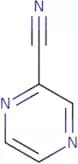
CAS:<p>2-Cyano-6-methoxy benzothiazole is a bioluminescent molecule that emits light when reacted with an enzyme from the firefly luciferase family. This molecule has been used in assays for detecting gram-negative bacteria and in vitro assays for measuring the enzyme activities of cytochrome P450, β-lactamases, and DNA gyrase. 2-Cyano-6-methoxy benzothiazole has also been used to measure human serum concentrations of drugs such as acetaminophen and phenytoin. The luminescence intensity is proportional to the concentration of these drugs in the serum. 2-Cyano-6-methoxy benzothiazole is synthesized by reacting a hydroxyl group with an inorganic acid.</p>Formula:C9H6N2OSPurezza:Min. 95%Colore e forma:White PowderPeso molecolare:190.22 g/mol2-Cyanopyrazine
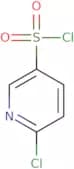
CAS:<p>2-Cyanopyrazine is a molecule that belongs to the group of nitrogen-containing heterocyclic compounds. It has been shown to exhibit antiinflammatory activity in skin cancer cells and bacterial strain, group P2. This compound inhibits the growth of bacteria by binding to their pyrazinoic acid, which is an electron acceptor. 2-Cyanopyrazine also exhibits tuberculostatic activity against M. tuberculosis and M. avium complex by inhibiting the synthesis of mycolic acids and cell wall lipids, respectively. The redox cycle of this compound is coordinated with a hydrogen bond between the hydroxyl group and the carbonyl carbon atom. 2-Cyanopyrazine is oxidized from its initial state through a reaction mechanism involving molecular oxygen or hydrogen peroxide as an oxidant and water as a reductant. The oxidation products can be reduced back to 2-cyanoapyrazine using ascorbate or NADH as</p>Formula:C5H3N3Purezza:Min. 95%Colore e forma:Off-White To Light (Or Pale) Yellow Solid Or Liquid (May Vary)Peso molecolare:105.1 g/mol6-Chloropyridine-3-sulfonyl chloride
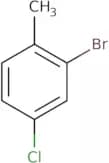
CAS:<p>6-Chloropyridine-3-sulfonyl chloride is a synthetic compound that has been shown to be an inhibitor of the enzyme anhydrase, which is involved in the production of carbonic acid. This inhibition leads to a decrease in the pH of tissues and may inhibit the proliferation of malignant cancer cells. 6-Chloropyridine-3-sulfonyl chloride has also been shown to have anticancer activity against eukaryotes.</p>Formula:C5H3Cl2NO2SPurezza:Min. 95%Colore e forma:PowderPeso molecolare:212.05 g/mol2-Bromo-4-chlorotoluene
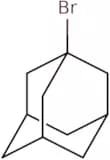
CAS:<p>2-Bromo-4-chlorotoluene is a chemical compound with the molecular formula C6H4BrClO. It is an aromatic peroxide that has a chlorine atom attached to one of the benzene rings. 2-Bromo-4-chlorotoluene is produced by the reaction of bromine with chlorotoluene in the presence of hydrogen peroxide and sodium periodate. The reaction takes place at room temperature, producing a colourless liquid with a pungent odour. This chemical can be identified by its infrared frequencies, which are observed as vibrations between 1650 and 1700 cm−1. The molecule has a dipole moment of 0.5 D, which means it can transfer electrons to other molecules or atoms in order to form bonds. 2-Bromo-4-chlorotoluene is used as an intermediate for organic compounds such as glycol dimethyl ethers.<br>2-Bromo</p>Formula:C7H6BrClPurezza:Min. 95%Colore e forma:PowderPeso molecolare:205.48 g/mol1-Bromoadamantane - 99%min
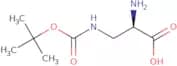
CAS:<p>1-Bromoadamantane is a quinoline derivative that is used as a pharmaceutical preparation. It was first synthesized in the 1950s, and has been used to treat inflammatory bowel disease. The synthesis of 1-Bromoadamantane is accomplished by the palladium-catalyzed coupling of trifluoromethanesulfonic acid with an organic solution containing the bromide salt of the quinoline. The chemical structure of 1-Bromoadamantane can be seen below:</p>Formula:C10H15BrPurezza:Min. 98.5%Colore e forma:PowderPeso molecolare:215.13 g/molN-b-Boc-D-2,3-diaminopropionic acid
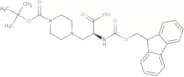
CAS:<p>N-b-Boc-D-2,3-diaminopropionic acid is a chemical compound that belongs to the group of polypeptides. It has been shown to act as a receptor activator in cell-based assays and is capable of binding to taste receptors. N-b-Boc-D-2,3-diaminopropionic acid has also been found to be an effective inhibitor of alpha amylase, which is an enzyme that breaks down starch into maltose and dextrin. This chemical compound could serve as a potential therapeutic agent for type 2 diabetes, obesity, and other metabolic disorders. NBDAPA has also been found in fossilized invertebrates such as squid and urchins.</p>Formula:C8H16N2O4Purezza:Min. 95%Colore e forma:White to off-white solid.Peso molecolare:204.22 g/mol(S)-3-(4-Boc-piperazin-1-yl)-2-(Fmoc-amino)propionic acid
CAS:<p>(S)-3-(4-Boc-piperazin-1-yl)-2-(Fmoc-amino)propionic acid is a high quality reagent which has been synthesized in our lab. It is used as a reaction component and can be used as a speciality chemical, versatile building block, or useful intermediate. This compound has been shown to have complex properties and can be used as a fine chemical.</p>Formula:C27H33N3O6Purezza:Min. 95%Colore e forma:White PowderPeso molecolare:495.57 g/mol6-Bromo-2-(4-bromophenyl)-indole
CAS:<p>6-Bromo-2-(4-bromophenyl)-indole is a fine chemical with CAS No. 28718-96-9 that can be used as a versatile building block for the synthesis of complex compounds, useful scaffold for research chemicals, and reaction component for speciality chemicals. This compound has high quality and is a reagent in the synthesis of other compounds.</p>Formula:C14H9Br2NPurezza:Min. 95%Colore e forma:Off white to pale yellow powder.Peso molecolare:351.04 g/mol