Building Blocks
Questa sezione contiene prodotti fondamentali per la sintesi di composti organici e biologici. Building blocks sono i materiali di partenza essenziali utilizzati per costruire molecole complesse attraverso varie reazioni chimiche. Svolgono un ruolo critico nella scoperta di farmaci, nella scienza dei materiali e nella ricerca chimica. Presso CymitQuimica, offriamo una gamma diversificata di building blocks di alta qualità per supportare le tue ricerche innovative e progetti industriali, assicurandoti di avere i componenti essenziali per una sintesi di successo.
Sottocategorie di "Building Blocks"
- Acidi boronici e derivati dell'acido boronico(5.756 prodotti)
- Building Blocks Chirali(1.242 prodotti)
- Building Blocks Idrocarburici(6.093 prodotti)
- Building Blocks organici(60.529 prodotti)
Trovati 195534 prodotti di "Building Blocks"
Ordinare per
Purezza (%)
0
100
|
0
|
50
|
90
|
95
|
100
2-Aminomethyl-3-chloropyrazine
CAS:<p>2-Aminomethyl-3-chloropyrazine is a potent inhibitor of the tyrosine kinase, which is an enzyme that controls the transmission of signals from outside the cell to inside. It inhibits collagen production by cells, thereby preventing cancer formation. 2-Aminomethyl-3-chloropyrazine has been shown to inhibit tumor growth in mice and rats. This drug also inhibits the activity of certain enzymes, including piperidine oxidase and xanthine oxidase, which are involved in the production of reactive oxygen species that can cause cancer. The drug's selectivity for tumor cells makes it a potential candidate for treating cancer.</p>Formula:C5H5ClN3Purezza:Min. 95%Peso molecolare:143.58 g/mol4-Phenyl-2-butanol
CAS:<p>4-Phenyl-2-butanol is a monoclonal antibody that is used in the treatment of human immunodeficiency virus (HIV). It is an aromatic hydrocarbon that binds to amines and reacts with malonic acid, which has monophenolase activity. The resulting product, dimethyl malonate, reacts with unsaturated ketones to form diphenols. The reaction solution also contains chloride yields, which are generated by the conversion of amines to their corresponding chlorides. 4-Phenyl-2-butanol has been shown to have enantiopure properties for the synthesis of fatty acids and other compounds containing unsaturated ketones.</p>Formula:C10H14OPurezza:Min. 95%Colore e forma:Clear Colourless LiquidPeso molecolare:150.22 g/mol4-Nitropyridine-2-carboxylic acid
CAS:<p>4-Nitropyridine-2-carboxylic acid (4NPCA) is a nitro compound that can form both an n-oxide and a deuterium isotope effect. 4NPCA has been shown to react with picolinic acid, forming a stable chelate ligand that is stabilized by the electron withdrawal of the nitro group. 4NPCA also reacts with acetonitrile to form isotopomers, which are molecules that differ only in the number of atoms of hydrogen or deuterium present. The formation of these isotopomers occurs through an intramolecular hydrogen transfer from the hydroxyl group on one molecule to the nitro group on another.</p>Formula:C6H4N2O4Purezza:Min. 95%Colore e forma:Pale yellow solid.Peso molecolare:168.11 g/mol2,3-Dicyanopyrazine
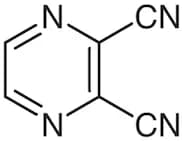
CAS:Formula:C6H2N4Purezza:>99.0%(GC)Colore e forma:White to Light yellow to Light orange powder to crystalPeso molecolare:130.114-Bromo-3-chlorobenzoic acid
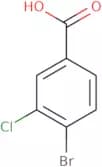
CAS:<p>4-Bromo-3-chlorobenzoic acid is a molecule that belongs to the class of antimicrobial compounds and is used for the treatment of gram-negative pathogens. It inhibits the growth of these bacteria by blocking their ability to synthesize DNA, RNA, and proteins. 4-Bromo-3-chlorobenzoic acid has been shown to be effective against bacteria in mammalian cells and also has activity against multidrug resistant strains. This compound is biosynthesized in plant cells from carbon sources like glucose, and it can be found in plants like carrot tissue. The resistance of bacteria to this compound has been observed globally, with outbreaks occurring in Japan and India.</p>Formula:C7H4BrClO2Purezza:Min. 95%Colore e forma:White PowderPeso molecolare:235.46 g/molAdamantane-2-carboxylic acid
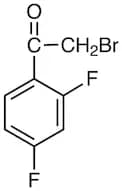
CAS:<p>Adamantane-2-carboxylic acid is a synthetic polymer that is used as a matrix in molecular electrostatic potential flow chromatography. Adamantane-2-carboxylic acid has been shown to form a polymeric matrix with trifluoromethyl groups and carbon tetrachloride, which can be used to separate neurotensin receptor agonists from dopamine antagonists. This compound also has the ability to cross the blood-brain barrier and bind to dopamine receptors, which may be useful for controlling diabetes. Adamantane-2-carboxylic acid is also an organic solvent and can be used as an alternative to chlorinated solvents such as carbon tetrachloride for environmental pollution control.</p>Formula:C11H16O2Purezza:Min. 95%Colore e forma:White PowderPeso molecolare:180.24 g/mol2-Bromo-2',4'-difluoroacetophenone
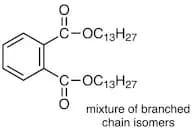
CAS:Formula:C8H5BrF2OPurezza:>98.0%(GC)Colore e forma:White or Colorless to Light yellow to Light orange powder to lump to clear liquidPeso molecolare:235.03Ditridecyl Phthalate (mixture of branched chain isomers)
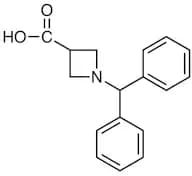
CAS:Formula:C34H58O4Purezza:multi component mixture(GC)Colore e forma:Colorless to Almost colorless clear liquidPeso molecolare:530.831-Benzhydrylazetidine-3-carboxylic Acid
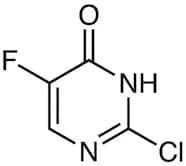
CAS:Formula:C17H17NO2Purezza:>98.0%(T)(HPLC)Colore e forma:White to Light yellow to Light orange powder to crystalPeso molecolare:267.332-Chloro-5-fluoro-4-pyrimidinone
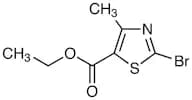
CAS:Formula:C4H2ClFN2OPurezza:>98.0%(T)Colore e forma:White to Light yellow powder to crystalPeso molecolare:148.52Ethyl 2-Bromo-4-methylthiazole-5-carboxylate
CAS:Formula:C7H8BrNO2SPurezza:>97.0%(GC)Colore e forma:Light yellow to Brown powder to crystalPeso molecolare:250.112-(4-Methoxyphenyl)ethanol
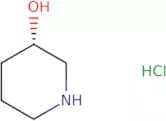
CAS:<p>2-(4-Methoxyphenyl)ethanol is a chemical compound that can be synthesized in an efficient method. It is a by-product of the reaction of fatty acids with hydroxyl compounds and has been shown to have synergistic effects when combined with chloride. 2-(4-Methoxyphenyl)ethanol is used as a synthetic intermediate for the production of methyl anthranilate, which is an important industrial chemical that is used as a flavor and fragrance additive. 2-(4-Methoxyphenyl)ethanol also has eugenol as one of its cleavage products, which can be found in plants such as clove oil, cinnamon bark, and nutmeg.</p>Formula:C9H12O2Purezza:Min. 98%Colore e forma:White PowderPeso molecolare:152.19 g/mol(S)-3-Hydroxypiperidine hydrochloride
CAS:<p>3-Hydroxypiperidine hydrochloride is an industrial chemical that is used in the synthesis of medicines. It is a nucleophile, and will react with electrophiles in a nucleophilic substitution reaction. 3-Hydroxypiperidine hydrochloride can be used for the synthesis of sulfinates, which are often used as medicine reagents. 3-Hydroxypiperidine hydrochloride has also been shown to be useful in the synthesis of five-membered heterocycles, such as diazepinones, from 2-aminoethanethiols.</p>Formula:C5H12ClNOPurezza:Min. 95%Colore e forma:White PowderPeso molecolare:137.61 g/molOctadecylcyclohexane
CAS:Formula:C24H48Purezza:>98.0%(GC)Colore e forma:White to Almost white powder to crystalPeso molecolare:336.652,4,6-Tribromo-3-nitroaniline
CAS:<p>2,4,6-Tribromo-3-nitroaniline is a brominating agent that can produce hydrogen peroxide. It is prepared by the reaction of hydrochloric acid with 2,4,6-tribromoaniline. The bromination of 2,4,6-tribromo-3-nitroaniline produces 4 equivalents of hydrogen peroxide.</p>Formula:C6H3Br3N2O2Purezza:Min. 95%Colore e forma:Beige To Brown SolidPeso molecolare:374.81 g/mol3-Aminoquinuclidine dihydrochloride
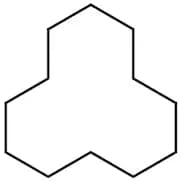
CAS:<p>3-Aminoquinuclidine dihydrochloride (3-AQDH) is a chiral quinuclidine derivative that is an acetylcholine receptor agonist. It has been shown to bind to the α7 nicotinic acetylcholine receptor with high affinity and selectivity. 3-AQDH has also been shown to crosslink the cholinergic receptor, which may lead to increased sensitivity of the receptor. The binding constants between 3-AQDH and the α7 nicotinic acetylcholine receptors are very high and it has been shown to be enantiopure in its synthesis. 3-AQDH also has a hydrophilic interaction chromatography profile, which separates it from other compounds. This agent may have potential use as a drug for treating Alzheimer's disease and Parkinson's disease due to its ability to inhibit acetylcholinesterase activity.</p>Purezza:Min. 95%Colore e forma:PowderPeso molecolare:199.12 g/molCyclododecane
CAS:Formula:C12H24Purezza:>99.0%(GC)Colore e forma:White to Almost white powder to crystalPeso molecolare:168.324-Chloro-7-(p-toluenesulfonyl)-7H-pyrrolo[2,3-d]pyrimidine
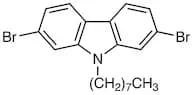
CAS:Formula:C13H10ClN3O2SPurezza:>96.0%(HPLC)(N)Colore e forma:White to Orange to Green powder to crystalPeso molecolare:307.752,7-Dibromo-9-n-octylcarbazole
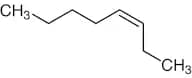
CAS:Formula:C20H23Br2NPurezza:>98.0%(GC)Colore e forma:Light yellow to Yellow to Orange powder to crystalPeso molecolare:437.22cis-3-Octene
CAS:Formula:C8H16Purezza:>98.0%(GC)Colore e forma:Colorless to Almost colorless clear liquidPeso molecolare:112.22







![4-Chloro-7-(p-toluenesulfonyl)-7H-pyrrolo[2,3-d]pyrimidine](/_next/image/?url=https%3A%2Fstatic.cymitquimica.com%2Fproducts%2F3B%2Fthumb-webp%2FC3036.webp&w=3840&q=75)