Building Blocks
Questa sezione contiene prodotti fondamentali per la sintesi di composti organici e biologici. Building blocks sono i materiali di partenza essenziali utilizzati per costruire molecole complesse attraverso varie reazioni chimiche. Svolgono un ruolo critico nella scoperta di farmaci, nella scienza dei materiali e nella ricerca chimica. Presso CymitQuimica, offriamo una gamma diversificata di building blocks di alta qualità per supportare le tue ricerche innovative e progetti industriali, assicurandoti di avere i componenti essenziali per una sintesi di successo.
Sottocategorie di "Building Blocks"
- Acidi boronici e derivati dell'acido boronico(5.756 prodotti)
- Building Blocks Chirali(1.242 prodotti)
- Building Blocks Idrocarburici(6.093 prodotti)
- Building Blocks organici(60.519 prodotti)
Trovati 195533 prodotti di "Building Blocks"
Ordinare per
Purezza (%)
0
100
|
0
|
50
|
90
|
95
|
100
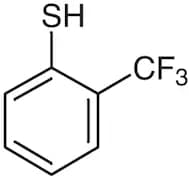
2-(Trifluoromethyl)benzenethiol
CAS:Formula:C7H5F3SPurezza:>97.0%(GC)(T)Colore e forma:Colorless to Light yellow to Light orange clear liquidPeso molecolare:178.172-Amino-5-(trifluoromethyl)benzoic acid methyl ester
CAS:<p>2-Amino-5-(trifluoromethyl)benzoic acid methyl ester is a fine chemical that can be used in research and development. It is an intermediate for the synthesis of other compounds, such as pharmaceuticals and pesticides. This compound has a wide range of uses in various chemical reactions, including as a building block or reaction component.</p>Formula:C9H8F3NO2Purezza:Min. 95%Colore e forma:PowderPeso molecolare:219.16 g/mol2-Cyano-6-methoxy benzothiazole
CAS:<p>2-Cyano-6-methoxy benzothiazole is a bioluminescent molecule that emits light when reacted with an enzyme from the firefly luciferase family. This molecule has been used in assays for detecting gram-negative bacteria and in vitro assays for measuring the enzyme activities of cytochrome P450, β-lactamases, and DNA gyrase. 2-Cyano-6-methoxy benzothiazole has also been used to measure human serum concentrations of drugs such as acetaminophen and phenytoin. The luminescence intensity is proportional to the concentration of these drugs in the serum. 2-Cyano-6-methoxy benzothiazole is synthesized by reacting a hydroxyl group with an inorganic acid.</p>Formula:C9H6N2OSPurezza:Min. 95%Colore e forma:White PowderPeso molecolare:190.22 g/molL-Norvaline ethyl ester hydrochloride
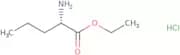
CAS:<p>L-Norvaline ethyl ester hydrochloride is an angiotensin-converting enzyme inhibitor. It has been shown to reduce the levels of angiotensin I and II, which are hormones that constrict blood vessels, resulting in a decrease in blood pressure. L-Norvaline ethyl ester hydrochloride also inhibits the production of aldosterone, a hormone involved in water retention. This drug is used as a supplement for people with congestive heart failure or those who have experienced a myocardial infarction. L-Norvaline ethyl ester hydrochloride is purified by elution from a column and then processed to remove impurities. The flow rate of the process is determined by measuring the height of the liquid in millimeters at various points on the column.</p>Formula:C7H15NO2·HClPurezza:Min. 95%Colore e forma:PowderPeso molecolare:181.66 g/mol3,4-Dihydro-2H-pyran-2-methanol
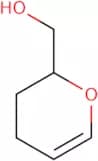
CAS:<p>3,4-Dihydro-2H-pyran-2-methanol is a tetrahydropyran alcohol that has been shown to be able to form cationic polymers in the presence of a ring-opening metathesis polymerization catalyst. The chloride anion is also capable of initiating the polymerization reaction. This compound has potential applications as a drug delivery agent or biomaterials scaffold due to its ability to act as a linker for the synthesis of biocompatible polymers. 3,4-Dihydro-2H-pyran-2-methanol can also be used in molecular modelling studies to explore the reactivity between hydroxy groups and nucleophiles.</p>Formula:C6H10O2Purezza:Min. 95%Colore e forma:Colorless PowderPeso molecolare:114.14 g/mol2-(Chloromethyl)-1,3-thiazole
CAS:<p>2-(Chloromethyl)-1,3-thiazole is an aromatic hydrocarbon that is used as a pesticide. It is also a metabolic intermediate in the metabolism of chlorinating agents and has been shown to be carcinogenic. This compound degrades by reacting with hydrochloric acid, nitric acid, sodium hydroxide solution, or hydrogen chloride to form 2-chloro-1,3-thiazole or 2-chloromethyltetrahydrothiophene. The pharmacokinetic properties of this compound are unknown.</p>Formula:C4H4ClNSPurezza:Min. 95%Colore e forma:PowderPeso molecolare:133.6 g/molcis-3-Octene
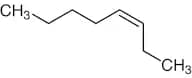
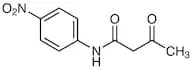
CAS:Formula:C8H16Purezza:>98.0%(GC)Colore e forma:Colorless to Almost colorless clear liquidPeso molecolare:112.22N-(4-Nitrophenyl)-3-oxobutyramide
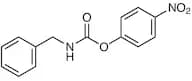
CAS:Formula:C10H10N2O4Purezza:>98.0%(T)(HPLC)Colore e forma:White to Amber powder to crystalPeso molecolare:222.204-Nitrophenyl N-Benzylcarbamate
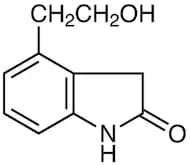
CAS:Formula:C14H12N2O4Purezza:>98.0%(N)Colore e forma:White to Light yellow to Green powder to crystalPeso molecolare:272.264-(2-Hydroxyethyl)oxindole
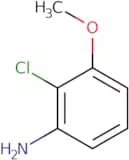
CAS:Formula:C10H11NO2Purezza:>98.0%(GC)Colore e forma:White to Orange to Green powder to crystalPeso molecolare:177.202-Chloro-3-methoxyaniline
CAS:<p>2-Chloro-3-methoxyaniline is a high quality chemical. It is an intermediate in the synthesis of other complex compounds and has been used as a reagent for organic synthesis. It is also useful as a building block for the preparation of speciality chemicals, research chemicals, and versatile building blocks. 2-Chloro-3-methoxyaniline reacts with other chemicals to form new compounds that are useful for pharmaceuticals and agrochemicals.</p>Formula:C7H8ClNOPurezza:Min. 95%Colore e forma:Brown PowderPeso molecolare:157.6 g/mol5,6,7,8-Tetrahydro-1-naphthol
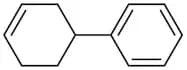
CAS:<p>5,6,7,8-Tetrahydro-1-naphthol is a natural compound that belongs to the group of diazonium compounds. It reacts with an alkanoic acid and a hydrochloric acid in the presence of a diazo compound to form an alkylating product. This product can be used as a precursor for the synthesis of other organic compounds. The reaction mechanism has been studied using rat liver microsomes. 5,6,7,8-Tetrahydro-1-naphthol can react with dopamine in human liver samples to form 1-hydroxyindole and phenylhydroxyl radicals (a reactive oxygen species). 5,6,7,8-Tetrahydro-1-naphthol also reacts with soybean lipoxygenase to produce an alkyl radical intermediate that can react with molecular oxygen to form peroxides.</p>Formula:C10H12OPurezza:Min. 98 Area-%Colore e forma:PowderPeso molecolare:148.2 g/mol4-Phenyl-1-cyclohexene
CAS:Formula:C12H14Purezza:>96.0%(GC)Colore e forma:Colorless to Light yellow to Light orange clear liquidPeso molecolare:158.242-Thiophenemethanol
CAS:<p>2-Thiophenemethanol is a colorless liquid that has a strong, disagreeable odor and is soluble in water. It can be prepared by the reaction of 2-methylpropanal with trifluoroacetic acid. This compound reacts with methapyrilene to form polymers, which have a cationic character. The chemical structure of the molecule was determined by a combination of experimental techniques such as proton nuclear magnetic resonance spectroscopy, infrared spectroscopy, and mass spectrometry. Hydrogen bonding plays an important role in the structure of 2-thiophenemethanol as it forms intermolecular hydrogen bonds with neighboring molecules. The chemical formula for this compound is CH3C6H4SO2H. Hydrochloric acid can be used to break down this compound into methylmercaptan and sulfur dioxide.</p>Formula:C5H6OSPurezza:Min. 98%Colore e forma:Clear LiquidPeso molecolare:114.17 g/mol2-Toluenesulfonyl isocyanate
CAS:<p>2-Toluenesulfonyl isocyanate (2TSIC) is a reactive compound that belongs to the group of polyols. It has high resistance to water and other solvents, which makes it an excellent sealant. 2TSIC reacts with hydroxy groups on polymers and monomers to form hydrogen bonds. This reaction can be used in radiation curing of sealants. 2TSIC also interacts with m1 receptors, which are proteins found in the brain and spinal cord that regulate neurotransmitter release.</p>Formula:C8H7NO3SPurezza:Min. 95%Colore e forma:Colourless liquid.Peso molecolare:197.21 g/mol2-Isopropylnaphthalene
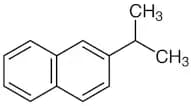
CAS:Formula:C13H14Purezza:>95.0%(GC)Colore e forma:Colorless to Light yellow clear liquidPeso molecolare:170.262-Oxa-6-azaspiro[3.4]octane
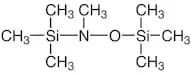
CAS:<p>2-Oxa-6-azaspiro[3.4]octane is an epidermal growth factor (EGF) inhibitor that has shown inhibitory activities against a number of different EGFR-related cell lines, including parental and mutant cell lines. This drug has been shown to inhibit the proliferation of cancer cells in vitro by binding to the epidermal growth receptor (EGFR). 2-Oxa-6-azaspiro[3.4]octane also inhibits the activity of tyrosine kinases and factor receptors, which are involved in the development of cancer cells. It is a potent inhibitor of TK1 and TK2 tyrosine kinases, and is more potent than piperazine or morpholine, which are other EGF inhibitors.</p>Formula:C6H11NOPurezza:Min. 95%Colore e forma:White PowderPeso molecolare:113.16 g/molN-Methyl-N,O-bis(trimethylsilyl)hydroxylamine
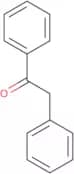
CAS:Formula:C7H21NOSi2Purezza:>98.0%(T)Colore e forma:Colorless to Light yellow to Light orange clear liquidPeso molecolare:191.422-Phenylacetophenone
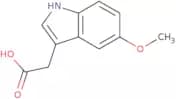
CAS:<p>2-Phenylacetophenone is a synthetic compound that has been shown to be cytotoxic and significantly inhibit the growth of bacteria. 2-Phenylacetophenone binds to fatty acids in the cell membrane and forms covalent linkages with them, leading to the permeabilization of the cell membrane. This leads to bacterial death because without a functional cell membrane, cells cannot maintain homeostasis. The mechanism for this is not fully understood but it is believed that 2-phenylacetophenone binds to toll-like receptor 4 (TLR4) on macrophages, which triggers an inflammatory response. 2-Phenylacetophenone also reacts with hydroxyl groups on DNA and may interfere with DNA repair mechanisms.</p>Formula:C14H12OPurezza:Min. 95%Colore e forma:Red PowderPeso molecolare:196.24 g/mol5-Methoxyindole-3-acetic acid
CAS:<p>5-Methoxyindole-3-acetic acid (5MI) is an endogenous indole and metabolite of melatonin that is found in high concentrations in the human serum. 5MI has been shown to inhibit the activity of cyclase enzymes and may be a specific inhibitor of the type I form of estrone sulfate, which is involved in estrogen production. This agent also inhibits matrix metalloproteinases and aminotransferases, which are enzymes that play a role in oxidative injury. 5MI also has a fluorescent derivative that can be used as a probe for biological samples or to study the target enzyme.</p>Formula:C11H11NO3Purezza:Min. 97.5 Area-%Colore e forma:PowderPeso molecolare:205.21 g/mol







![2-Oxa-6-azaspiro[3.4]octane](/_next/image/?url=https%3A%2Fstatic.cymitquimica.com%2Fproducts%2F3D%2Fthumb-webp%2FFO11439.webp&w=3840&q=75)