Building Blocks
Questa sezione contiene prodotti fondamentali per la sintesi di composti organici e biologici. Building blocks sono i materiali di partenza essenziali utilizzati per costruire molecole complesse attraverso varie reazioni chimiche. Svolgono un ruolo critico nella scoperta di farmaci, nella scienza dei materiali e nella ricerca chimica. Presso CymitQuimica, offriamo una gamma diversificata di building blocks di alta qualità per supportare le tue ricerche innovative e progetti industriali, assicurandoti di avere i componenti essenziali per una sintesi di successo.
Sottocategorie di "Building Blocks"
- Acidi boronici e derivati dell'acido boronico(5.756 prodotti)
- Building Blocks Chirali(1.242 prodotti)
- Building Blocks Idrocarburici(6.095 prodotti)
- Building Blocks organici(61.036 prodotti)
Trovati 195887 prodotti di "Building Blocks"
Ordinare per
Purezza (%)
0
100
|
0
|
50
|
90
|
95
|
100
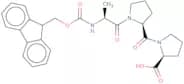
Fmoc-Ala-Pro-Pro-OH
CAS:<p>Fmoc-Ala-Pro-Pro-OH is an amino acid that belongs to the class of speciality chemicals. It is a versatile building block for organic synthesis, with applications in pharmaceuticals, agrochemicals, and other chemical industries. The CAS number for Fmoc-Ala-Pro-Pro-OH is 386768-25-8.</p>Formula:C28H31N3O6Purezza:Min. 95%Colore e forma:PowderPeso molecolare:505.56 g/mol2-Chloro-5-(4,4,5,5-tetramethyl-1,3,2-dioxaborolan-2-yl)pyridine
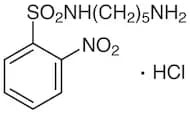
CAS:Formula:C11H15BClNO2Purezza:>98.0%(GC)(T)Colore e forma:White to Almost white powder to crystalPeso molecolare:239.51N-(5-Aminopentyl)-2-nitrobenzenesulfonamide Hydrochloride
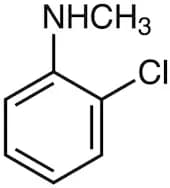
CAS:Formula:C11H17N3O4S·HClPurezza:>98.0%(T)Colore e forma:Light orange to Yellow to Green powder to crystalPeso molecolare:323.792-Chloro-N-methylaniline
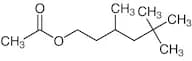
CAS:Formula:C7H8ClNPurezza:>98.0%(GC)(T)Colore e forma:Colorless to Red to Green clear liquidPeso molecolare:141.603,5,5-Trimethylhexyl Acetate
CAS:Formula:C11H22O2Purezza:>93.0%(GC)Colore e forma:Colorless to Almost colorless clear liquidPeso molecolare:186.302-Amino-3-fluorobenzoic acid methyl ester
CAS:<p>2-Amino-3-fluorobenzoic acid methyl ester (2AFBME) is an antibacterial agent that inhibits bacterial protein synthesis by binding to ribosomes and inhibiting the release of amino acids during translation. 2AFBME has been shown to have antibacterial activity against aureus, streptococcus, and staphylococcus strains in laboratory tests. The clinical development of 2AFBME has not yet been completed.</p>Formula:C8H8FNO2Purezza:Min. 95%Colore e forma:Yellow PowderPeso molecolare:169.15 g/mol8-Bromo-1-octene
CAS:<p>8-Bromo-1-octene is a biologically active molecule that is an aliphatic hydrocarbon with a hydroxyl group. It is used in the study of growth factors and viruses, and has been shown to inhibit the growth of cells in tissue cultures. 8-Bromo-1-octene has also been shown to inhibit RNA synthesis and protein synthesis in vitro, as well as the growth of recombinant virus. 8-Bromo-1-octene can be synthesized by reacting 6-bromo-1-hexene with hydrogen bromide, or can be obtained from commercially available sources.</p>Formula:C8H15BrPurezza:Min. 95%Colore e forma:Colorless Slightly Yellow Clear LiquidPeso molecolare:191.11 g/mol2-Bromo-4-chloropyridine
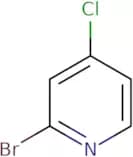
CAS:<p>2-Bromo-4-chloropyridine is a 4-chloropyridine derivative with the chemical structure of a heterocyclic amine. It has been synthesised as an analog of 2,4,6-trimethylaniline to explore its pharmacological effect. 2-Bromo-4-chloropyridine has been shown to have a bladder carcinogenic effect in animals. The compound was evaluated for its potential to cause bladder cancer in humans by determining the concentration of the compound in human urine following oral administration and by measuring the frequency of bladder tumors in rats. It has also been found that 2-bromo-4-chloropyridine inhibits serotonin receptors (5HT2C) and dopamine receptors (D2).</p>Formula:C5H3BrCINPurezza:Min. 95%Colore e forma:Off-White To Yellow Solid Or Liquid (May Vary)Peso molecolare:192.44 g/mol3,4-Dichloro-2-methylpyridine
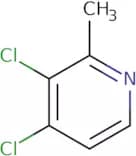
CAS:<p>3,4-Dichloro-2-methylpyridine is a novel sulfur analogue that has been shown to have significant antitumor activity in breast cancer xenografts. 3,4-Dichloro-2-methylpyridine inhibits the growth of tumor cells by binding to their DNA and inhibiting RNA synthesis. It also inhibits the production of reactive oxygen species and stabilizes cell membranes. 3,4-Dichloro-2-methylpyridine has been found to be active against human tumors in vivo and is a potential anticancer drug for human use.</p>Formula:C6H5Cl2NPurezza:Min. 95%Colore e forma:PowderPeso molecolare:162.02 g/mol1-Ethyl-1,2-dihydro-2,2,4-trimethyl-7-quinolinol hydrochloride
CAS:<p>Please enquire for more information about 1-Ethyl-1,2-dihydro-2,2,4-trimethyl-7-quinolinol hydrochloride including the price, delivery time and more detailed product information at the technical inquiry form on this page</p>Formula:C14H19NO•HClPurezza:Min. 95%Colore e forma:PowderPeso molecolare:253.77 g/mol(S)-(-)-2-Acetoxypropionic Acid
CAS:Formula:C5H8O4Purezza:>98.0%(T)Colore e forma:Colorless to Almost colorless clear liquidPeso molecolare:132.122-Iodo-2-methylpropane (stabilized with Copper chip)
CAS:Formula:C4H9IPurezza:>97.0%(GC)Colore e forma:Colorless to Yellow clear liquid to cloudy liquidPeso molecolare:184.02L-Lysine diisocyanate ethyl ester
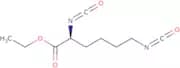
CAS:<p>L-Lysine diisocyanate ethyl ester (LDIEE) is a fluorescence probe that can be used to detect the presence of disulfide bonds. This compound reacts with thiols, such as cysteine, glutathione, and metallothioneins. LDIEE has been shown to bind to human serum proteins and has been used in biological studies for the detection of hydrogen bonding interactions. The biological properties of this compound have not been studied but it is hypothesized that LDIE may have anti-cancer activities due to its ability to react with coumarin derivatives.</p>Formula:C10H14N2O4Purezza:Min. 95 Area-%Colore e forma:Clear LiquidPeso molecolare:226.23 g/mol3-Methoxycinnamic acid
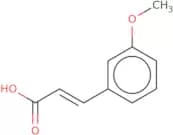
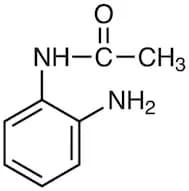
CAS:<p>3-Methoxycinnamic acid is a hydroxycinnamic acid that has been shown to inhibit the migration of polymorphonuclear cells and leukocytes. It also inhibits chemotaxis by blocking the production of intracellular cyclic AMP (cAMP) in these cells. 3-Methoxycinnamic acid has been shown to have an inhibitory effect on the production of cAMP in leukocytes and polymorphonuclear cells, as well as inhibiting chemotaxis. The compound is also known to be a potent antioxidant due to its ability to scavenge reactive oxygen species (ROS).</p>Formula:C10H10O3Purezza:Min. 95%Colore e forma:PowderPeso molecolare:178.18 g/mol2'-Aminoacetanilide
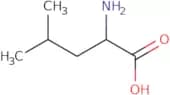
CAS:Formula:C8H10N2OPurezza:>98.0%(T)Colore e forma:Light orange to Light red powder to crystallinePeso molecolare:150.18DL-Leucine
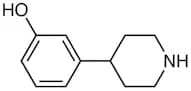
CAS:<p>DL-Leucine is an amino acid that is needed for the formation of proteins. It is also able to inhibit the activity of enzymes by hydrolyzing them. DL-Leucine has been shown to be a potent inhibitor of lysine hydrolases and can be used as an additive in the manufacture of animal feed. DL-Leucine has been shown to be stable in many environments, including those containing chlorine, hydrochloric acid, n-dimethyl formamide, and x-ray crystallography. The enantiomers of DL-leucine have different chemical stability; one form is more stable than the other in acidic environments.</p>Formula:C6H13NO2Purezza:Min. 95%Colore e forma:PowderPeso molecolare:131.17 g/mol4-(3-Hydroxyphenyl)piperidine
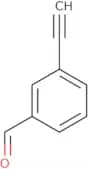
CAS:Formula:C11H15NOPurezza:>98.0%(GC)(T)Colore e forma:White to Orange to Green powder to crystalPeso molecolare:177.253-Ethynylbenzaldehyde
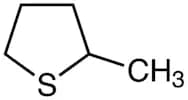
CAS:<p>3-Ethynylbenzaldehyde is a tryptic, nitro compound that contains terminal alkynes and has functional groups. The functional theory of this compound suggests that it may be used as a chemosensor for the detection of acidic compounds. 3-Ethynylbenzaldehyde reacts with sodium trifluoroacetate to form an aldehyde, which is then oxidized to an acid by the addition of water. This acid can be detected using NMR spectroscopy. 3-Ethynylbenzaldehyde has been shown to react with sodium trifluoroacetate in solid form at room temperature and above. The resulting product is a yellow crystalline solid that can be identified by its UV spectrum.</p>Formula:C9H6OPurezza:Min. 95%Colore e forma:PowderPeso molecolare:130.14 g/mol2-Methyltetrahydrothiophene
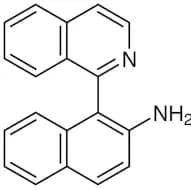
CAS:Formula:C5H10SPurezza:>98.0%(GC)Colore e forma:Colorless to Light yellow to Light orange clear liquidPeso molecolare:102.201-(2-Amino-1-naphthyl)isoquinoline
CAS:Formula:C19H14N2Purezza:>98.0%(T)Colore e forma:White to Orange to Green powder to crystalPeso molecolare:270.34