Building Blocks
Questa sezione contiene prodotti fondamentali per la sintesi di composti organici e biologici. Building blocks sono i materiali di partenza essenziali utilizzati per costruire molecole complesse attraverso varie reazioni chimiche. Svolgono un ruolo critico nella scoperta di farmaci, nella scienza dei materiali e nella ricerca chimica. Presso CymitQuimica, offriamo una gamma diversificata di building blocks di alta qualità per supportare le tue ricerche innovative e progetti industriali, assicurandoti di avere i componenti essenziali per una sintesi di successo.
Sottocategorie di "Building Blocks"
- Acidi boronici e derivati dell'acido boronico(5.756 prodotti)
- Building Blocks Chirali(1.242 prodotti)
- Building Blocks Idrocarburici(6.095 prodotti)
- Building Blocks organici(61.038 prodotti)
Trovati 196817 prodotti di "Building Blocks"
Ordinare per
Purezza (%)
0
100
|
0
|
50
|
90
|
95
|
100
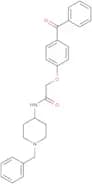
AdipoRon
CAS:<p>AdipoRon is a high-quality, versatile building block that can be used in the synthesis of complex molecules. It is a reagent and speciality chemical with applications in research and development. AdipoRon reacts with other chemicals to form new compounds, which are useful as scaffolds for the synthesis of pharmaceuticals or fine chemicals.</p>Formula:C27H28N2O3Purezza:Min. 95%Colore e forma:PowderPeso molecolare:428.53 g/mol2-Bromo-4-tert-butyl-1-methyl-benzene
CAS:<p>2-Bromo-4-tert-butyl-1-methyl-benzene (2BTMB) is a congener of polychlorinated biphenyls (PCBs). It is an oily liquid that is insoluble in water. 2BTMB is metabolized by the liver, and has been found in the blood, adipose tissue, and eggs of salmonids. 2BTMB has shown to have physicochemical properties that are similar to other PCB congeners. The toxicity of 2BTMB is largely unknown because it has not been extensively studied. 2BTMB can magnify up the food chain through bioaccumulation and biomagnification.</p>Formula:C11H15BrPurezza:Min. 95%Colore e forma:PowderPeso molecolare:227.14 g/mol2-[4-(Trifluoromethyl)phenyl]propanal
CAS:<p>Versatile small molecule scaffold</p>Formula:C10H9F3OPurezza:Min. 95%Colore e forma:Clear LiquidPeso molecolare:202.17 g/molPropionamide
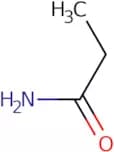
CAS:<p>Propionamide is an amide that inhibits bacterial growth by binding to the DNA-dependent RNA polymerase and preventing transcription. It is used in treatment trials for bacterial infections. Propionamide has been shown to inhibit the growth of bacteria in vitro and in vivo, as well as to have an inhibitory effect on experimental solubility data. The chemical properties of propionamide are consistent with a potential use as a drug for treating metabolic disorders, such as diabetes mellitus and obesity.</p>Formula:C3H7NOPurezza:Min. 95%Colore e forma:White PowderPeso molecolare:73.09 g/molPentachlorocyclopropane
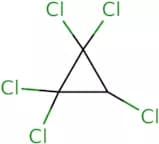
CAS:<p>Pentachlorocyclopropane is a chemical compound that belongs to the class of cyclic chlorinated hydrocarbons. It is a colorless liquid with a strong odor and a boiling point of 176 °C. Pentachlorocyclopropane has been used as an intermediate for the production of other chemicals, such as alkyl chlorides, amines, and polymers. Pentachlorocyclopropane can be synthesized from hydrogen chloride and 1-chloro-2-propanone in the presence of aluminum chloride or zinc chloride. The Friedel-Crafts reaction can also be used to produce pentachlorocyclopropane from benzene and chlorine gas. The chemical stability of pentachlorocyclopropane is due to its intramolecular hydrogen bonds. This allows it to be stored at room temperature without undergoing any reactions or decomposing. Pentachlorocyclopropane is not</p>Formula:C3HCl5Purezza:Min. 95%Colore e forma:Colorless Clear LiquidPeso molecolare:214.3 g/molBenzenesulfonyl fluoride
CAS:<p>Benzenesulfonyl fluoride (BSF) is a potent antimicrobial agent that inhibits the growth of bacteria by binding to their ribosomes and preventing protein synthesis. BSF has been shown to be toxic to mouse cells, which may be due to its ability to trigger an inflammatory response mediated by toll-like receptors. This drug has also been shown to have significant cytotoxicity in a variety of cell lines, including fetal bovine lung cells. BSF also has strong antimicrobial activity against Gram-positive bacteria, such as Clostridium difficile and Staphylococcus aureus, and Gram-negative bacteria, including Escherichia coli. It also has moderate activity against Mycobacterium tuberculosis and Mycobacterium avium complex.</p>Formula:C6H5FO2SPurezza:Min. 95%Colore e forma:Clear LiquidPeso molecolare:160.16 g/mol4,4,5,5-Tetramethyl-2-[4-(pentafluorosulfanyl)phenyl]-1,3,2-dioxaborolane
CAS:<p>Versatile small molecule scaffold</p>Formula:C12H16BF5O2SPurezza:Min. 80%Peso molecolare:330.13 g/mol2-Chloro-N-(3-methoxyphenyl)-7H-purin-6-amine
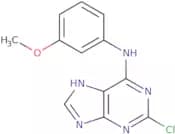
CAS:<p>2-Chloro-N-(3-methoxyphenyl)-7H-purin-6-amine is a plant growth regulator that inhibits the growth of plants by inhibiting the activity of enzymes involved in the synthesis of dinucleotide phosphates. This product has been shown to inhibit the development of leaf chlorophyll and photosynthetic pigments, as well as other physiological effects. 2-Chloro-N-(3-methoxyphenyl)-7H-purin-6-amine also inhibits the antioxidant system and can be used to study plant cell life cycles. The compound has been found to be effective on wheat leaves and triticum aestivum, but not on alfalfa or corn leaves.</p>Formula:C12H10ClN5OPurezza:Min. 95%Peso molecolare:275.69 g/mol2-Aminoethyl Acetate Hydrochloride
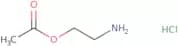
CAS:<p>Versatile small molecule scaffold</p>Formula:C4H9NO2·HClPurezza:Min. 95%Colore e forma:PowderPeso molecolare:139.58 g/mol5-Azetidin-3-yl-3-methyl-[1,2,4]oxadiazole hydrochloride
CAS:<p>5-Azetidin-3-yl-3-methyl-[1,2,4]oxadiazole hydrochloride is a solid that is used as a reagent in the preparation of other chemicals. This chemical has been shown to be useful in the synthesis of complex compounds, such as pharmaceuticals and pesticides.</p>Formula:C6H9N3O•HClPurezza:Min. 95%Colore e forma:PowderPeso molecolare:175.62 g/mol2,3-Pyrazinedicarboxylic acid
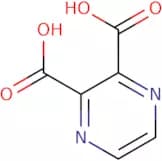
CAS:<p>2,3-Pyrazinedicarboxylic acid is a molecule that can be found in bacteria and is the product of an intramolecular hydrogen reaction. It has been shown to have antibacterial activity against a strain of Bacillus subtilis. 2,3-Pyrazinedicarboxylic acid has been shown to react with hydrochloric acid to form an acid complex. The intramolecular hydrogen bond of 2,3-pyrazinedicarboxylic acid makes it hydrophilic and therefore it is soluble in water. This molecule also has the ability to form hydrogen bonding interactions with other molecules.<br>2,3-Pyrazinedicarboxylic acid has been shown to have anti-inflammatory properties because it inhibits prostaglandin synthesis by inhibiting cyclooxygenase and lipoxygenase enzymes.</p>Formula:C6H4N2O4Purezza:Min. 95%Colore e forma:White PowderPeso molecolare:168.11 g/mol2-Chloro-6-fluorobenzaldehyde
CAS:<p>2-Chloro-6-fluorobenzaldehyde is an impurity that can be found in wastewater. It has been shown to be a reactive intermediate for the synthesis of streptochlorin, which is a natural product with potential antibiotic activity. 2-Chloro-6-fluorobenzaldehyde is produced by the reaction of chlorine and anhydrous sodium, with acid as catalyst. The molecule has two fluorine atoms and one chloride atom. This compound can also be used in the treatment of waste water due to its ability to react with hydroxyl ions and chloride ions in the presence of hydrogen chloride or hydrochloric acid. The pain model was evaluated using nmr spectra and optical properties.</p>Formula:C7H4ClFOPurezza:Min. 95%Colore e forma:White PowderPeso molecolare:158.56 g/mol2-Chloro-4-trifluoromethylbenzoic acid
CAS:<p>2-Chloro-4-trifluoromethylbenzoic acid is a chemical compound with the formula CHClFO. It can be obtained by deprotonation of 2,4,6-trichlorobenzoic acid with butyllithium and subsequent reaction with chlorotrifluoromethane. The product has two regioisomers, one in which the chlorine atom is attached to the para position on the benzene ring and the other in which it is attached to the ortho position. Substituents such as alkyl groups or lithium reagents can affect both reactivity and selectivity. The halogen substituent can also be replaced by other functional groups to make derivatives of this compound.</p>Formula:C8H4ClF3O2Purezza:Min. 95%Colore e forma:PowderPeso molecolare:224.56 g/mol5-Bromo-2,3-dihydroxybenzaldehyde
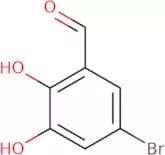
CAS:<p>5-Bromo-2,3-dihydroxybenzaldehyde is a chemical compound that is used as a reaction component. It has been used in the synthesis of high quality research chemicals and speciality chemicals. This chemical has also been used as a useful scaffold for complex compounds and as a reagent for the synthesis of fine chemicals. 5-Bromo-2,3-dihydroxybenzaldehyde is soluble in water and can be stored at room temperature.</p>Formula:C7H5BrO3Purezza:Min. 95%Colore e forma:PowderPeso molecolare:217.02 g/mol3-Carboxypropanesulfonamide
CAS:<p>3-Carboxypropanesulfonamide is a chemical compound that has been shown to have the ability to modulate cardiac cell function. This compound has been shown to be effective in a reaction monitoring technique, which monitors the functional groups and techniques of chemical reactions, in order to introduce this molecule into the cell membrane and alter its potential. 3-Carboxypropanesulfonamide is capable of changing the lipid composition of the membrane by introducing a linker group that can bind with other molecules such as cholesterol or phospholipids. This linker group alters the membrane potential of cells, leading to changes in ion flow and cellular response.</p>Formula:C4H9NO4SPurezza:Min. 95%Colore e forma:White PowderPeso molecolare:167.18 g/mol1-Cyano-2-hydroxy-3-butene
CAS:<p>1-Cyano-2-hydroxy-3-butene is a mitochondrial toxin that causes apoptosis in liver cells. It has been shown to cause liver lesions in CD1 mice. 1-Cyano-2-hydroxy-3-butene reduces the mitochondrial membrane potential, which leads to a decrease in ATP production and an increase in reactive oxygen species (ROS) production. This toxin also inhibits the transcriptional activity of nuclear receptors and induces the expression of cytochrome P450 2E1, leading to increased detoxification enzyme activity. 1-Cyano-2-hydroxy-3-butene is activated by mitochondria, which leads to its ability to cause apoptosis of liver cells.</p>Formula:C5H7NOPurezza:Min. 95%Colore e forma:Colorless PowderPeso molecolare:97.12 g/mol6-Chloro-5-fluoroindole
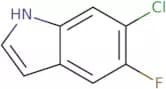
CAS:<p>6-Chloro-5-fluoroindole is a chemical compound that has been shown to be an effective inhibitor of 5-HT2C receptors. 6-Chloro-5-fluoroindole was synthesized in 1972 by the reaction of formamide with chloroacetyl chloride, and it was found to have anti-cancer effects in 1979. 6-Chloro-5-fluoroindole binds to 5HT2C receptors and prevents the activation of G proteins. This inhibition leads to cancer cell death because the receptor is involved in many important signalling pathways. 6CI5FI is used as a research tool for studying the function of this receptor.</p>Formula:C8H5ClFNPurezza:Min. 95%Colore e forma:PowderPeso molecolare:169.58 g/mol7-Cyanoindole
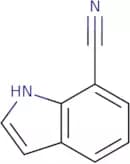
CAS:<p>7-Cyanoindole is a synthetic compound that can be synthesized from amino-acids. The synthesis of 7-cyanoindole starts with the hydration of cyanamide, which yields cyanogen chloride. This reaction is followed by the dehydration of this molecule to produce 7-cyanoindole. The fluorescence properties and lifetimes are dependent on the hydration and dehydrations states. Synthetically, 7-cyanoindole is used as a fluorescent probe for amino acids in solution. This probe has been shown to bind to amino acids at acidic pHs and fluoresce brightly at wavelengths around 400 nm. Industrialized methods for synthesis include reacting cyanoacetylene with ammonia or methylamine in the presence of silicane or silicon dioxide as a catalyst. Reaction yield is dependent on the method used and ranges from 10% to 100%.</p>Formula:C9H6N2Purezza:Min. 95%Colore e forma:Off-White PowderPeso molecolare:142.16 g/mol4-Bromo-3-methylbenzaldehyde
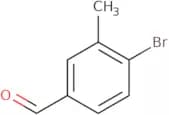
CAS:<p>4-Bromo-3-methylbenzaldehyde is a versatile building block that is used in the synthesis of many complex compounds. It can be used as a reactant, reagent, or speciality chemical. 4-Bromo-3-methylbenzaldehyde is an intermediate for the production of other chemicals and has been shown to be useful in the synthesis of various scaffolds. This product has been shown to have high purity and quality.</p>Formula:C8H7BrOPurezza:Min. 95%Colore e forma:Yellow PowderPeso molecolare:199.04 g/mol1-Bromo-2,4,6-trimethoxybenzene
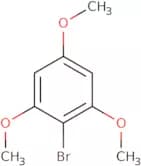
CAS:<p>1-Bromo-2,4,6-trimethoxybenzene is a reactive chemical that has shown to have toxic properties in model studies. It reacts with metals such as Iridium and can be used to remove halogens from solutions. It is also able to react with a variety of other molecules, including peroxides, chlorine gas and bromine gas. 1-Bromo-2,4,6-trimethoxybenzene can form free radicals when exposed to UV radiation and may be used as a ligand for metal ions. 1-Bromo-2,4,6-trimethoxybenzene is also soluble in n-dimethylformamide and carbon tetrachloride.</p>Formula:C9H11BrO3Purezza:Min. 95%Colore e forma:White PowderPeso molecolare:247.09 g/mol


![2-[4-(Trifluoromethyl)phenyl]propanal](/_next/image/?url=https%3A%2Fstatic.cymitquimica.com%2Fproducts%2F3D%2Fthumb-webp%2FDEA10804.webp&w=3840&q=75)

![4,4,5,5-Tetramethyl-2-[4-(pentafluorosulfanyl)phenyl]-1,3,2-dioxaborolane](/_next/image/?url=https%3A%2Fstatic.cymitquimica.com%2Fproducts%2F3D%2Fthumb-webp%2FLBC27834.webp&w=3840&q=75)
![5-Azetidin-3-yl-3-methyl-[1,2,4]oxadiazole hydrochloride](/_next/image/?url=https%3A%2Fstatic.cymitquimica.com%2Fproducts%2F3D%2Fthumb-webp%2FKXB30398.webp&w=3840&q=75)