Building Blocks
Questa sezione contiene prodotti fondamentali per la sintesi di composti organici e biologici. Building blocks sono i materiali di partenza essenziali utilizzati per costruire molecole complesse attraverso varie reazioni chimiche. Svolgono un ruolo critico nella scoperta di farmaci, nella scienza dei materiali e nella ricerca chimica. Presso CymitQuimica, offriamo una gamma diversificata di building blocks di alta qualità per supportare le tue ricerche innovative e progetti industriali, assicurandoti di avere i componenti essenziali per una sintesi di successo.
Sottocategorie di "Building Blocks"
- Acidi boronici e derivati dell'acido boronico(5.756 prodotti)
- Building Blocks Chirali(1.242 prodotti)
- Building Blocks Idrocarburici(6.095 prodotti)
- Building Blocks organici(61.038 prodotti)
Trovati 196817 prodotti di "Building Blocks"
Ordinare per
Purezza (%)
0
100
|
0
|
50
|
90
|
95
|
100
3-Hydroxy-4-iodobenzaldehyde
CAS:<p>3-Hydroxy-4-iodobenzaldehyde is a fluorophore that is used in the synthesis of amide compounds, as well as in the production of other synthetic molecules. 3-Hydroxy-4-iodobenzaldehyde has been shown to have pharmacokinetic properties that are similar to those of fluorescein, and can be used to study the distribution and metabolism of this compound. This compound also has an oxidation potential that is higher than that of fluorescein, which makes it more useful for studying drug metabolism. The labile nature of 3-hydroxy-4-iodobenzaldehyde means it will not remain intact for long periods of time.</p>Formula:C7H5IO2Purezza:Min. 95%Colore e forma:PowderPeso molecolare:248.02 g/mol4-(Hydroxymethyl)phenylacetic acid
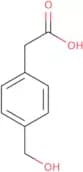
CAS:<p>4-(Hydroxymethyl)phenylacetic acid is an intermediate in the biosynthetic pathway of phenylpropanoids. It is a metabolite of several flavonoids and is found in plants, animals, and humans. 4-(Hydroxymethyl)phenylacetic acid has been shown to have a high concentration in human serum and plasma with low toxicity. This metabolite has been shown to be stable when complexed with collagen or other proteins, which may be due to its insolubility. 4-(Hydroxymethyl)phenylacetic acid can also be biotransformed by microflora into other metabolites such as 4-hydroxybenzoic acid, which is a precursor of salicylic acid.</p>Formula:C9H10O3Purezza:Min. 95%Colore e forma:White PowderPeso molecolare:166.17 g/mol3-(2-Hydroxyphenyl)propionic acid
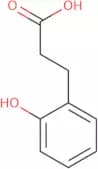
CAS:<p>3-(2-Hydroxyphenyl)propionic acid (HPPA) is an inorganic acid that is found in microbial metabolism. HPPA has been shown to inhibit the growth of bacteria by reacting with the hydroxyl group on the enzyme's active site, thus irreversibly inhibiting enzymatic activity. HPPA can be used as an alternative to other inorganic acids such as p-hydroxybenzoic acid and malonic acid due to its ability to scavenge anion radicals. This inhibition of enzyme activity can be used in wastewater treatment to remove organic compounds from industrial waste streams. It also has been shown to have anti-cancer properties against human breast cancer cells, which may be due to its ability to induce cell death through apoptosis and/or necrosis.</p>Formula:C9H10O3Purezza:Min. 95%Colore e forma:White PowderPeso molecolare:166.17 g/mol4-Hydroxybenzamide
CAS:<p>4-Hydroxybenzamide is a fatty acid with the hydroxyl group at the 4 position. It has been shown to inhibit the activity of human protein by interfering with hydrogen bonding and amide formation. The chemical structures of 4-hydroxybenzamide have been studied by electrochemical impedance spectroscopy (EIS) and found to be a competitive inhibitor of 1-hydroxy-2-naphthoic acid, an adenosine receptor antagonist, and p-hydroxybenzoic acid. This compound has also been shown to be acutely toxic in rats at high doses.</p>Formula:C7H7NO2Purezza:90%Colore e forma:PowderPeso molecolare:137.14 g/mol4'-Hydroxy-3'-methylacetophenone
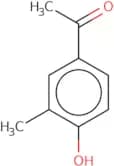
CAS:<p>4'-Hydroxy-3'-methylacetophenone is a chemical that has been shown to have antimycobacterial activity. This substance is an aldehyde with two hydroxyl groups and one methyl group. It has been shown to inhibit the growth of Mycobacterium tuberculosis in vitro by binding to κ-opioid receptors, which are proteins found on the outside of cells. 4'-Hydroxy-3'-methylacetophenone also inhibits mycobacteria through hydroxide solutions, chemical ionization, and vibrational spectroscopy.</p>Formula:C9H10O2Purezza:Min. 95%Colore e forma:White PowderPeso molecolare:150.17 g/mol5-Hydroxyoxindole
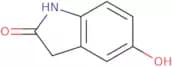
CAS:<p>5-Hydroxyoxindole (5HO) is a naturally occurring molecule that is found in oxindole and other indoles. It has been shown to have regulatory effects on inflammatory diseases, notably in the treatment of colitis. 5HO possesses significant cytotoxicity against carcinoma cells and also has radical scavenging activity. This compound can be synthesized using a solid-phase synthesis method. The presence of 5HO in skin cells has been correlated with the production of skin pigment called melanin. In addition, this molecule has been shown to bind to picolinic acid, which may contribute to its anti-inflammatory properties. 5HO is also present in neurologic disorders such as Alzheimer's disease, Parkinson's disease, and amyotrophic lateral sclerosis.</p>Formula:C8H7NO2Purezza:Min. 95%Colore e forma:Beige PowderPeso molecolare:149.15 g/mol3-Hydroxy-2,4,6-triiodobenzoic acid
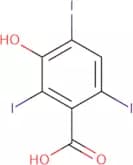
CAS:<p>3-Hydroxy-2,4,6-triiodobenzoic acid (3HITBA) is a molecule that is found in the urine of patients with chronic kidney disease. It is present in group P2 of the periodic table. 3HITBA has been demonstrated to have anti-inflammatory properties and may be useful for the treatment of inflammatory diseases. 3HITBA has been shown to inhibit cancer cell growth by inhibiting DNA synthesis and protein synthesis. This molecule also has fluorescence properties and can be used to detect biological fluids such as blood or urine. The structural analysis of this molecule reveals that it contains intramolecular hydrogen bonds, which are important for its stability and activity.</p>Formula:C7H3O3I3Colore e forma:PowderPeso molecolare:515.81 g/mol4-Hydroxybenzoic acid sodium salt
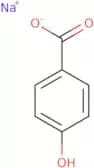
CAS:<p>4-Hydroxybenzoic acid sodium salt (4HBA) is a drug that is used in the treatment of bowel disease. It is an antimicrobial agent that has been shown to have activity against Gram-positive and Gram-negative bacteria, including Pseudomonas aeruginosa. 4HBA has also been shown to be effective in the treatment of ulcerative colitis and Crohn's disease by reducing the production of inflammatory cytokines. The mechanism of action for 4HBA is not fully understood, but it may be due to its ability to interfere with protein synthesis in bacteria, as well as inhibit antibody responses in humans. The structural biology studies on this compound have revealed that the α subunit can bind to the β subunit, which could affect its activity.</p>Formula:C7H5O3NaPurezza:Min. 98 Area-%Colore e forma:White PowderPeso molecolare:160.1 g/molcis-4-Hydroxy-L-proline
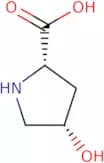
CAS:<p>Cis-4-Hydroxy-L-proline is a bound form of proline that is formed by the condensation of two molecules of glyoxylate. It is a basic structure and an intermediate in the synthesis of collagen, which is a protein found in connective tissue. Cis-4-Hydoxy-L-proline has been shown to be an active form of proline for the treatment of primary sclerosing cholangitis, as it can decrease bile acid levels. This compound has also been used as an analytical method for determining collagen content in biological samples. The polymerase chain reaction technique uses cis-4-Hydroxy-L-proline as a matrix effect to amplify DNA sequences. Cis-4-Hydroxy-L-proline has also been shown to have optimum concentrations at 3mM and 0.5mM in model systems.br></p>Formula:C5H9NO3Purezza:Min. 95%Colore e forma:White PowderPeso molecolare:131.13 g/mol4-Hydroxy-2-mercapto-6-methy1-pyrimidine
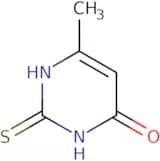
CAS:<p>4-Hydroxy-2-mercapto-6-methylpyrimidine is a structural analysis of the molecule. It is a pyrimidine compound that has been found to be effective against human bowel disease and congestive heart failure, as well as in a model system of infectious diseases. 4-Hydroxy-2-mercapto-6-methylpyrimidine inhibits the activity of cyclin D2 by binding to it and preventing its attachment to the G1/S phase checkpoint. This compound also inhibits the activity of c. glabrata polymerase chain reaction (PCR) and human leukemia cells HL60 cells. 4-Hydroxy-2-mercapto-6-methylpyrimidine is an analytical method for xray diffraction data, which has been shown to have antibacterial properties due to its ability to inhibit methylthiouracil from being converted into thyroxine in the body.</p>Formula:C5H6N2OSPurezza:Min. 95%Colore e forma:White Clear LiquidPeso molecolare:142.18 g/mol8-Hydroxyquinoline sulfate
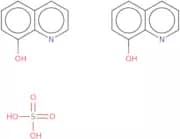
CAS:<p>8-Hydroxyquinoline sulfate is a drug that has been used to study the cancer tissue response to various drugs. The 8-hydroxyl group in the molecule interacts with metals and forms chelate complexes, which may be the reason for its cytotoxic effect. 8-Hydroxyquinoline sulfate also inhibits mitochondrial membrane potential and blocks the receptor activity of some cell types. It has been shown to be significantly cytotoxic to HL-60 cells, as well as other cell lines.</p>Formula:C18H14N2O2·H2SO4Purezza:Min. 95%Colore e forma:Yellow PowderPeso molecolare:388.4 g/mol1,1,1,3,3,3-Hexafluoro-2-propanol
CAS:<p>Hexafluoroisopropanol is a chemical compound that is used in the laboratory to study biological properties. It reacts with hydrogen fluoride, forming hydrogen hexafluoride gas and a fluorescent derivative. This reaction solution can be titrated using calorimetric techniques, which involves measuring the heat released by the reaction. Fluorescence probe studies can also be done to determine the conformational properties of hexafluoroisopropanol. Studying this molecule under different conditions can yield important thermodynamic data for its use in structural biology and fluorescence probe experiments.</p>Formula:C3H2F6OPurezza:Min. 98.5%Colore e forma:Clear LiquidPeso molecolare:168.04 g/mol4-Hydroxy-3-nitrobenzaldehyde
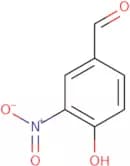
CAS:<p>4-Hydroxy-3-nitrobenzaldehyde (4NBA) is a chemical compound that belongs to the class of aromatic compounds. It is an intermediate in the synthesis of various pharmaceuticals, including benzocaine and nitroglycerin, and has been researched for its potential use in cancer diagnosis. 4NBA has shown optical properties that allow it to be used as a model system for studying the interactions between water and benzyl groups. It also possesses anti-inflammatory properties due to its ability to inhibit the production of inflammatory cytokines such as IL-1β, IL-6, and TNFα.</p>Formula:C7H5NO4Purezza:Min. 95%Colore e forma:PowderPeso molecolare:167.12 g/mol5-Hydroxymethyl-2-furancarboxylic acid
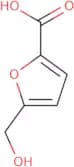
CAS:<p>5-Hydroxymethylfurfural (5-HMF) is a structural analysis of the high values obtained in the reaction solution. 5-HMF is a polymerase chain reaction product that is obtained from p-hydroxybenzoic acid and malonic acid during the enzymatic conversion of carbohydrates. It can be used as a biocompatible polymer. The reaction mechanism for this process has been proposed to be through the formation of pyrazinoic acid, followed by an elimination reaction with chlorogenic acids. This mechanism is supported by modeling studies, which show that pyrazinoic acid is a key intermediate in the conversion of glucose to 5-HMF.</p>Formula:C6H6O4Purezza:Min. 95%Colore e forma:White PowderPeso molecolare:142.11 g/mol2-Hydroxyisoquinoline-1,3(2H,4H)-dione
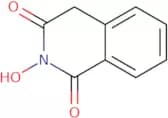
CAS:<p>2-Hydroxyisoquinoline-1,3(2H,4H)-dione (2HIQ) is a potent anti-viral agent that has been shown to inhibit the replication of viruses in cell cultures. 2HIQ inhibits viral replication by binding to the enzyme reverse transcriptase and inhibiting its ability to synthesize DNA from RNA. This drug also has inhibitory properties against human immunodeficiency virus type 1 (HIV-1) and hepatitis C virus (HCV). 2HIQ binds to the active site of the enzyme HIV reverse transcriptase, which is a key enzyme in viral replication. It also binds to HCV NS5B polymerase, which is an essential protein in HCV replication. These interactions lead to inhibition of viral replication and thus prevention of disease progression.</p>Formula:C9H7NO3Purezza:Min. 95%Colore e forma:Off-White To Brown SolidPeso molecolare:177.16 g/mol1-Hydroxyisoquinoline
CAS:<p>1-Hydroxyisoquinoline is a molecule with a carbonyl group and is found in heart tissue. It has been proposed as a treatment for herpes simplex virus, but no studies have been done to confirm this. 1-Hydroxyisoquinoline can be prepared by reacting hydrochloric acid with sodium salts. This molecule also has the ability to inhibit cancer cells and may have potential as an anticancer agent. It also has anti-inflammatory properties, which may be due to its inhibition of prostaglandin synthesis. The mechanism of action for 1-hydroxyisoquinoline is not yet fully understood, but it inhibits the replication of DNA and RNA in cancer cells.</p>Formula:C9H7NOPurezza:Min. 98 Area-%Colore e forma:White PowderPeso molecolare:145.16 g/mol7-Hydroxyindole
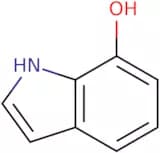
CAS:<p>7-Hydroxyindole is a biochemical that is produced by wild-type strains of Escherichia coli. It has been shown to inhibit the action of an efflux pump, which is a protein that pumps drugs and other foreign substances out of the cell. The alkoxy radical reacts with 7-hydroxyindole to form a hydroperoxide intermediate. This intermediate then reacts with molecular oxygen to form hydrogen peroxide, which may be responsible for the antimicrobial activity of 7-hydoxyindole. Studies have shown that this compound can also inhibit multidrug efflux pumps in Pseudomonas aeruginosa cells, which may lead to an increase in antibiotic uptake.</p>Formula:C8H7NOPurezza:Min. 98 Area-%Colore e forma:Off-White PowderPeso molecolare:133.15 g/molrac-(2R,4S)-2-(Aminomethyl)oxan-4-ol
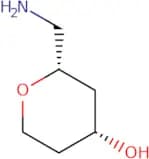
CAS:<p>rac-2R,4S)-2-(Aminomethyl)oxan-4-ol is a chemical building block that can be used as a reaction component in organic synthesis. It can also be used as a reagent to synthesize other compounds and as a starting material for the synthesis of pharmaceuticals. This chemical is an intermediate in the syntheses of many biologically active substances, such as the anti-epileptic drug carbamazepine and the analgesic drug pentazocine. Racemic 2-(aminomethyl)oxan-4-ol has been shown to exhibit antitumor activity against human colon adenocarcinoma cells. Racemic 2-(aminomethyl)oxan-4-ol is an excellent versatile building block for complex compounds with various applications in the chemical industry.</p>Formula:C6H13NO2Purezza:Min. 95%Colore e forma:PowderPeso molecolare:131.2 g/mol4-Hydroxyindole
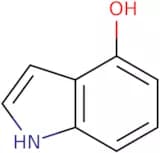
CAS:<p>4-Hydroxyindole is an inorganic acid that is produced by the oxidation of 4-hydroxyphenylacetic acid. It is a metabolite of the synthetic cannabinoids, JWH-018 and JWH-073. The production of 4-hydroxyindole has been shown to be dependent on the presence of a nucleophilic attack on the diazonium salt, which leads to protonation. The fluorescence properties of this molecule are dependent on its hydroxyl group, which allows for detection using magnetic resonance spectroscopy. Hydrochloric acid can be used as an alternate solvent to produce 4-hydroxyindole from 4-hydroxyphenylacetic acid. 4-Hydroxyindole has been shown to have pharmacokinetic properties that are similar to those of THC, but it does not bind well to cannabinoid receptors or activate them.br> br> The structure of this molecule can be seen below</p>Formula:C8H7NOColore e forma:White PowderPeso molecolare:133.15 g/mol3-(1-Hydroxyethyl)benzophenone
CAS:<p>Benzophenone is a chemical compound that is used as a photosensitizer. Benzophenone absorbs ultraviolet radiation and undergoes a photochemical reaction to produce reactive oxygen species, which can in turn damage cells. The production of these reactive oxygen species is the key to benzophenone's toxicity. Benzophenone has been shown to inhibit the growth of many different microorganisms, including those that are resistant to antibiotics. Benzophenone is also able to cause death in some organisms, such as algae and bacteria, by stimulating the production of hydrogen peroxide. <br>Benzophenone can be applied topically or taken orally for treatment of conditions such as psoriasis, vitiligo, atopic dermatitis, and other skin problems. It can also be used to treat infections caused by Gram-negative bacteria.</p>Formula:C15H14O2Purezza:Min. 95%Colore e forma:PowderPeso molecolare:226.27 g/mol