


Building Blocks
Questa sezione contiene prodotti fondamentali per la sintesi di composti organici e biologici. Building blocks sono i materiali di partenza essenziali utilizzati per costruire molecole complesse attraverso varie reazioni chimiche. Svolgono un ruolo critico nella scoperta di farmaci, nella scienza dei materiali e nella ricerca chimica. Presso CymitQuimica, offriamo una gamma diversificata di building blocks di alta qualità per supportare le tue ricerche innovative e progetti industriali, assicurandoti di avere i componenti essenziali per una sintesi di successo.
Sottocategorie di "Building Blocks"
- Acidi boronici e derivati dell'acido boronico(5.778 prodotti)
- Building Blocks Chirali(1.242 prodotti)
- Building Blocks Idrocarburici(6.098 prodotti)
- Building Blocks organici(61.034 prodotti)
Trovati 199601 prodotti di "Building Blocks"
Ordinare per
Purezza (%)
0
100
|
0
|
50
|
90
|
95
|
100
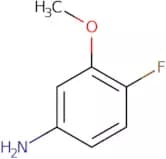
4-Fluoro-3-methoxyaniline
CAS:<p>4-Fluoro-3-methoxyaniline is a high quality reagent with a CAS number of 64465-53-8. It is an intermediate in the synthesis of other complex compounds, such as chroman derivatives. This compound can be used as a building block for the synthesis of organic compounds and also has many medicinal applications. 4-Fluoro-3-methoxyaniline is soluble in most solvents and can be stored at room temperature.</p>Formula:C7H8FNOPurezza:Min. 95%Colore e forma:Yellow PowderPeso molecolare:141.14 g/mol3,4-Furandimethanol
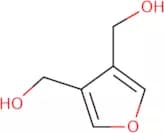
CAS:<p>3,4-Furandimethanol is an antimicrobial agent that is used to treat skin and soft tissue infections. It belongs to the group of compounds called halogens and has a number of natural sources. The fluorescence properties make it a useful tool for biocatalysis, especially in Friedel-Crafts reactions. 3,4-Furandimethanol can be produced from hydrogen chloride, sulfuric acid, and diphenyl ether. This compound is also acetylated by acetic anhydride to produce 3,4-dihydroxymethylfuran (DHMF). 3,4-Furandimethanol has been shown to react with hydrogen sulfate in a polymerization reaction.</p>Formula:C6H8O3Purezza:Min. 95%Colore e forma:Clear LiquidPeso molecolare:128.13 g/molMonomethyl triazeno imidazole carboxamide
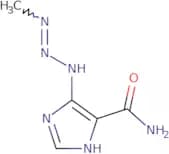
CAS:<p>Monomethyl triazeno imidazole carboxamide (MTIC) is a drug that is used to treat cancer. It has been shown to inhibit the proliferation of tumor cells and induce apoptosis by inhibiting the expression of proteins, such as Bcl-2, which are involved in regulating mitochondrial membrane potential. MTIC has also been shown to inhibit protein synthesis and cell signaling pathways, such as the PI3K/Akt pathway. The use of MTIC for diagnosis purposes can be achieved using electrochemical impedance spectroscopy. A concentration–time curve can be obtained by incubating a biological sample with MTIC and measuring cell response using an impedance spectrophotometer. The clinical properties of MTIC include its ability to be administered orally or intravenously, have low toxicity, and inhibit the growth of tumor cells in vivo and in vitro.</p>Formula:C5H8N6OPurezza:(¹H-Nmr) Min. 95 Area-%Colore e forma:White PowderPeso molecolare:168.16 g/molMethyl 4-formylbenzoate
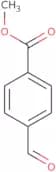
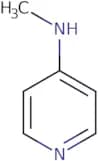
CAS:<p>Methyl 4-formylbenzoate is a trifluoroacetic acid derivative that inhibits the conversion of androgens to estrogens. It has been shown to inhibit aromatase activity in human serum and cell culture, as well as in vitro cultured rat hepatocytes. Methyl 4-formylbenzoate also binds to copper(II) by forming a complex with copper(II) ions, which prevents the formation of an enzyme-substrate complex. The binding of methyl 4-formylbenzoate to copper(II) prevents the production of malonic acid from acetoacetate, which inhibits fatty acid synthesis. This compound also acts as an analytical reagent for the detection of acylation reactions, such as those involving benzimidazole compounds.</p>Formula:C9H8O3Purezza:Min. 95%Colore e forma:PowderPeso molecolare:164.16 g/mol4-(Methylamino)pyridine
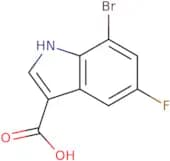
CAS:<p>4-(Methylamino)pyridine (4-MAP) is an anticancer drug that belongs to the class of aromatic heterocyclic compounds. It has been shown to have a broad spectrum of anticancer activity with no toxic effects on normal cells. 4-MAP is immobilized on the surface of nanotubes and has demonstrated a high degree of stability in acidic and alkaline solutions. 4-MAP can be used as a carrier for transfection experiments and for the immobilization of enzymes, proteins, or other biomolecules. The most significant limitation with this material is its relatively low solubility in water.</p>Formula:C6H8N2Purezza:Min. 95%Colore e forma:PowderPeso molecolare:108.14 g/mol7-Bromo-5-fluoro-1H-indole-3-carboxylic acid
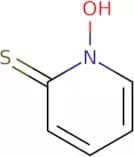
CAS:<p>Please enquire for more information about 7-Bromo-5-fluoro-1H-indole-3-carboxylic acid including the price, delivery time and more detailed product information at the technical inquiry form on this page</p>Formula:C9H5BrFNO2Purezza:Min. 95%Colore e forma:PowderPeso molecolare:258.04 g/mol2-Mercaptopyridine N-oxide
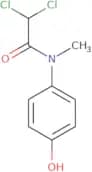
CAS:<p>2-Mercaptopyridine N-oxide is a radical that has been shown to have antifungal activity in vitro. It also inhibits the synthesis of peptide hormones by binding to copper ions, which are required for this process. 2-Mercaptopyridine N-oxide has been shown to chelate metal ions such as iron, which can lead to oxidative injury. This compound has been shown to be toxic in vivo, but it is not currently known if it is toxic in vitro.</p>Formula:C5H5NOSPurezza:Min 97%Colore e forma:Off-White PowderPeso molecolare:127.17 g/mol2,2-Dichloro-N-(4-hydroxyphenyl)-N-methylacetamide
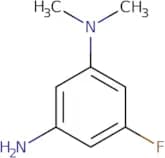
CAS:<p>2,2-Dichloro-N-(4-hydroxyphenyl)-N-methylacetamide (FUROATE) is a synthetic antimicrobial agent that is structurally related to the furoate class of antibiotics. FUROATE has been shown to be effective against urothelial carcinoma cells and minimal toxic in animals. It binds to the fatty acid component of bacterial cell membranes and causes rapid lysis. FUROATE is used as an analytical reagent for the determination of hydroxyl groups in organic solutes. The detection limit of this test is 0.1 ppm. Monoclonal antibodies can be generated against FUROATE for use as diagnostic or therapeutic agents for infectious diseases, such as HIV infection.</p>Formula:C9H9Cl2NO2Purezza:Min. 95%Colore e forma:PowderPeso molecolare:234.08 g/mol5-Fluoro-N1,N1-dimethylbenzene-1,3-diamine
CAS:<p>5-Fluoro-N1,N1-dimethylbenzene-1,3-diamine is a reaction component that can be used in the synthesis of compounds with a wide range of applications. It can be used as a reagent and has been shown to exhibit high quality in research. 5-Fluoro-N1,N1-dimethylbenzene-1,3-diamine is also known to be useful for the synthesis of pharmaceuticals, agrochemicals and other chemicals. The compound can be used as an intermediate or building block in the synthesis of more complex compounds. 5-Fluoro-N1,N1-dimethylbenzene-1,3-diamine is also versatile due to its ability to react with various types of functional groups including amines and thiols. This product is a fine chemical that exhibits a high degree of purity when synthesized.</p>Formula:C8H11FN2Purezza:Min. 95%Colore e forma:Clear LiquidPeso molecolare:154.18 g/mol3-Methoxy-2,4,5-trifluorobenzoic acid
CAS:<p>3-Methoxy-2,4,5-trifluorobenzoic acid (3MTBF) is a ligand that binds to the active site of bacterial dehydrogenases. It is used to inhibit the growth of bacteria in the environment and food products. 3MTBF inhibits the production of fluoroquinolones by methylating their chlorides with methoxy groups. This compound also has bifunctional properties, as it can act as both a methylating agent and an inhibitor of dehydrogenase enzymes. 3MTBF inhibits the production of cancer cells by inhibiting transcription and translation, preventing cell division and proliferation. 3MTBF is thermostable, meaning it does not break down in high temperatures or at pH extremes.</p>Formula:C8H5F3O3Purezza:Min. 95%Colore e forma:White to off-white solid.Peso molecolare:206.12 g/mol3-[(1H-1,2,3,4-Tetrazol-5-yl)methyl]-1H-indole
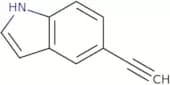
CAS:<p>Versatile small molecule scaffold</p>Formula:C10H9N5Purezza:Min. 95%Colore e forma:PowderPeso molecolare:199.21 g/mol5-Ethynyl-1H-indole
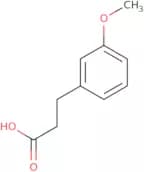
CAS:<p>5-Ethynyl-1H-indole is a synthetic compound that has been shown to inhibit the enzyme p450, which is involved in the metabolism of dopamine. Dopamine is a neurotransmitter and hormone that regulates many functions including movement, emotional response, motivation, and sexual desire. It also plays an important role in the development of Parkinson's disease. 5-Ethynyl-1H-indole has also been shown to bind to nicotinic acetylcholine receptors (nAChR) at α7 nicotinic acetylcholine receptors. 5-Ethynyl-1H-indole is being studied as a potential cancer drug due to its antitumour activity. The anti-cancer effect may be related to its ability to inhibit enzymatic reactions involving acetylcholine or its ability to block acetylcholine from binding with its receptor on muscle cells.</p>Formula:C10H7NPurezza:Min. 95%Peso molecolare:141.17 g/mol3-(3-Methoxyphenyl)propionic acid
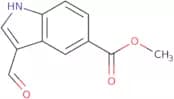
CAS:<p>3-(3-Methoxyphenyl)propionic acid is a phenylpropionic acid with the chemical formula C9H11O2. It is a competitive antagonist of the h3 receptors, and has been shown to inhibit acetylcholinesterase activity in vitro. 3-(3-Methoxyphenyl)propionic acid also has antioxidant properties, which may be due to its ability to inhibit lipase activity. This compound also has anti-inflammatory effects, which may be due to its ability to inhibit tryptophan metabolism. 3-(3-Methoxyphenyl)propionic acid has been shown to have therapeutic potential for Alzheimer's disease, as it can cross the blood brain barrier and inhibits amyloid beta (Aβ) aggregation.</p>Formula:C10H12O3Purezza:Min. 95%Colore e forma:PowderPeso molecolare:180.2 g/molMethyl-3-Formylindole-5-carboxylate
CAS:<p>Please enquire for more information about Methyl-3-Formylindole-5-carboxylate including the price, delivery time and more detailed product information at the technical inquiry form on this page</p>Formula:C11H9NO3Purezza:Min. 95%Peso molecolare:203.19 g/mol5,6,7,8-Tetrahydroimidazo[1,2-a]pyridine
CAS:<p>5,6,7,8-Tetrahydroimidazo[1,2-a]pyridine is a nucleophilic imidazole derivative that has antifungal activity. It is synthesized by reacting 2-chloro-5-nitropyridine with 2-chloroimidazole in the presence of a base. The compound was also found to be active against Candida glabrata and Candida krusei. 5,6,7,8-Tetrahydroimidazo[1,2-a]pyridine binds to the pyridine ring of DNA and inhibits the synthesis of RNA and protein. It also has photophysical properties that can be used in assays for chemical structures.</p>Formula:C7H10N2Purezza:Min. 95%Peso molecolare:122.17 g/molMethyl 3,4-diaminobenzoate
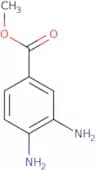
CAS:<p>Methyl 3,4-diaminobenzoate is a molecule that has been shown to inhibit nitrite reductase. It also binds to the receptor binding domain of the growth factor and to quinoxalines, which are antimicrobial peptides. In vitro assays have revealed that methyl 3,4-diaminobenzoate has antimicrobial properties against bacteria such as Enterococcus faecalis, Pseudomonas aeruginosa, Staphylococcus aureus, and Bacillus cereus. The mechanism of action for these activities is not well understood. Methyl 3,4-diaminobenzoate has been shown to be an inhibitor of tryptophan fluorescence in vitro and may act as a competitive inhibitor of the enzyme tryptophan fluorescence decarboxylase.</p>Formula:C8H10N2O2Purezza:Min. 95%Colore e forma:White PowderPeso molecolare:166.18 g/molN-Succinimidyl iodoacetate
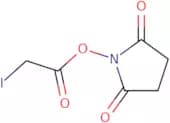
CAS:<p>Amine and sulfhydryl reactive crosslinker</p>Formula:C6H6INO4Purezza:Min. 95%Colore e forma:Off-White PowderPeso molecolare:283.02 g/mol4-Methyl-2,3-dihydro-1H-inden-1-amine hydrochloride
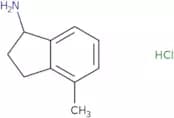
CAS:Prodotto controllato<p>Versatile small molecule scaffold</p>Formula:C10H13N•HClPurezza:Min. 95%Peso molecolare:183.68 g/molH-Imidazo[1,2-a]pyridin-2-amine
CAS:<p>H-Imidazo[1,2-a]pyridin-2-amine is a synthetic compound that has been shown to bind selectively to the catalytic subunit of protein kinase A (PKA). This binding inhibits PKA's ability to phosphorylate proteins, which plays a key role in regulating physiological functions such as cell growth and proliferation. H-Imidazo[1,2-a]pyridin-2-amine has been shown to inhibit tumor growth and symptoms in mouse models by targeting amine receptors. The compound also inhibits the proliferation of cancer cells by signaling through the kinase pathways that regulate mitosis. H-Imidazo[1,2-a]pyridin-2-amine is scalable and can be produced at high yields from inexpensive starting materials.</p>Formula:C7H7N3Purezza:Min. 95%Peso molecolare:133.15 g/mol4-Methoxybenzenediazonium tetrafluoroborate
CAS:<p>4-Methoxybenzenediazonium tetrafluoroborate is a reactive chemical that is used as a component of a number of reagents, including those used in organic chemistry. This compound has been used as an intermediate for the synthesis of other chemicals, such as 4-methoxybenzenediazonium chloride and 4-methoxybenzenediazonium bromide. 4-Methoxybenzenediazonium tetrafluoroborate is also an excellent building block for complex compounds and fine chemicals. The CAS No. for this chemical is 459-64-3.</p>Formula:C6H16N2Peso molecolare:116.2 g/mol


![3-[(1H-1,2,3,4-Tetrazol-5-yl)methyl]-1H-indole](/_next/image/?url=https%3A%2Fstatic.cymitquimica.com%2Fproducts%2F3D%2Fthumb-webp%2FQAA99212.webp&w=3840&q=75)
![5,6,7,8-Tetrahydroimidazo[1,2-a]pyridine](/_next/image/?url=https%3A%2Fstatic.cymitquimica.com%2Fproducts%2F3D%2Fthumb-webp%2FJBA16766.webp&w=3840&q=75)
![H-Imidazo[1,2-a]pyridin-2-amine](/_next/image/?url=https%3A%2Fstatic.cymitquimica.com%2Fproducts%2F3D%2Fthumb-webp%2FPBA58826.webp&w=3840&q=75)
