Building Blocks
Sottocategorie di "Building Blocks"
- Acidi boronici e derivati dell'acido boronico(5.783 prodotti)
- Building Blocks Chirali(1.242 prodotti)
- Building Blocks Idrocarburici(6.105 prodotti)
- Building Blocks organici(61.055 prodotti)
Trovati 205383 prodotti di "Building Blocks"
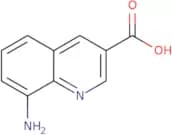
8-Aminoquinoline-3-carboxylic acid
CAS:8-Aminoquinoline-3-carboxylic acid is a small molecule that inhibits the activity of the enzyme, catechol-O-methyltransferase (COMT), which is responsible for the demethylation of dopamine. 8-Aminoquinoline-3-carboxylic acid has been shown to be potent and selective in inhibiting COMT and thereby preventing the degradation of dopamine. This compound has been used in screening assays to identify other small molecules that can act as COMT inhibitors. The role of COMT in neurodegenerative diseases such as Parkinson's disease and Alzheimer's disease has been investigated using this inhibitor as a model system. 8-Aminoquinoline-3-carboxylic acid also binds to methylated DNA, which may explain its effect on cellular growth factor signaling pathways.Formula:C10H8N2O2Purezza:Min. 95%Colore e forma:PowderPeso molecolare:188.19 g/molMethyl 2-[1-(3-hydroxyphenyl)-N-methylformamido]acetate
CAS:Versatile small molecule scaffoldFormula:C11H13NO4Purezza:Min. 95%Colore e forma:Clear LiquidPeso molecolare:223.22 g/mol6-Methyl-DL-tryptophan
CAS:6-Methyl-DL-tryptophan is a useful intermediate and building block for the synthesis of natural products, pharmaceuticals, and agrochemicals. It is also a versatile building block for organic synthesis as it can be used in the preparation of various types of compounds. 6-Methyl-DL-tryptophan has been shown to inhibit the production of nitric oxide by macrophages and microglia cells in response to proinflammatory cytokines. It is an inhibitor of protein biosynthesis, which may be due to its ability to inhibit tryptophan synthase.Formula:C12H14N2O2Peso molecolare:218.26 g/molRef: 3D-M-5050
1gPrezzo su richiesta5gPrezzo su richiesta10gPrezzo su richiesta25gPrezzo su richiesta500mgPrezzo su richiesta-Unit-ggPrezzo su richiesta2-Methyl-3-nitrobenzoic acid
CAS:Please enquire for more information about 2-Methyl-3-nitrobenzoic acid including the price, delivery time and more detailed product information at the technical inquiry form on this page
Formula:C8H7NO4Peso molecolare:181.15 g/molRef: 3D-M-4209
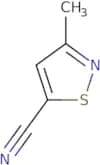
1kgPrezzo su richiesta5kgPrezzo su richiesta10kgPrezzo su richiesta25kgPrezzo su richiesta2500gPrezzo su richiesta-Unit-kgkgPrezzo su richiesta3-Methyl-1,2-thiazole-5-carbonitrile
CAS:Versatile small molecule scaffoldFormula:C5H4N2SPurezza:Min. 95%Peso molecolare:124.17 g/molBenzenesulfonyl fluoride
CAS:Benzenesulfonyl fluoride (BSF) is a potent antimicrobial agent that inhibits the growth of bacteria by binding to their ribosomes and preventing protein synthesis. BSF has been shown to be toxic to mouse cells, which may be due to its ability to trigger an inflammatory response mediated by toll-like receptors. This drug has also been shown to have significant cytotoxicity in a variety of cell lines, including fetal bovine lung cells. BSF also has strong antimicrobial activity against Gram-positive bacteria, such as Clostridium difficile and Staphylococcus aureus, and Gram-negative bacteria, including Escherichia coli. It also has moderate activity against Mycobacterium tuberculosis and Mycobacterium avium complex.Formula:C6H5FO2SPurezza:Min. 95%Colore e forma:Clear LiquidPeso molecolare:160.16 g/mol2-Methyl-3-morpholin-4-yl-propionic acid hydrochloride
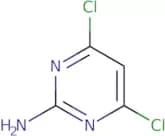
CAS:2-Methyl-3-morpholin-4-yl-propionic acid hydrochloride is a reagent that can be used in the synthesis of various compounds. It is also a building block for the preparation of complex compounds and fine chemicals. The CAS number for this chemical is 1052522-32-3.Formula:C8H16ClNO3Purezza:Min. 95%Colore e forma:PowderPeso molecolare:209.67 g/mol2-Amino-4,6-dichloropyrimidine
CAS:2-Amino-4,6-dichloropyrimidine is a chemical compound that can be used as an intermediate in the synthesis of other compounds. It is usually prepared by chlorinating 2-amino-pyrimidine with sodium hypochlorite. 2-Amino-4,6-dichloropyrimidine has been shown to inhibit the growth of herpes simplex virus and influenza virus when it is added to cell cultures. This compound also inhibits the replication of protonated nucleic acids by reacting with the amide group of nucleophilic amino acids in DNA or RNA. The reaction between 2-amino-4,6-dichloropyrimidine and amines gives pyridinium salts, which are useful intermediates in organic chemistry reactions.Formula:C4H3Cl2N3Purezza:90%Colore e forma:Off-White PowderPeso molecolare:163.99 g/mol(1-Bromo-2,2-difluoroethyl)benzene
CAS:(1-Bromo-2,2-difluoroethyl)benzene is a chemical compound that is used as a reaction component in the synthesis of other compounds. It can be used to synthesize high-quality research chemicals and speciality chemicals. It is also a versatile building block for the synthesis of complex compounds. This product has been assigned CAS No. 74492-20-9 and is considered a fine chemical.Formula:C8H7BrF2Purezza:Min. 95%Colore e forma:Clear LiquidPeso molecolare:221.04 g/molGuanosine
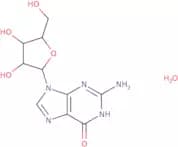
CAS:Guanosine is a nucleoside that is metabolized to uridine in the liver. It is a component of RNA and DNA, as well as an intermediate in the synthesis of adenosine triphosphate (ATP) by phosphorylation. Guanosine also has pharmacokinetic properties, including its ability to cross the blood-brain barrier, which make it a promising drug for neurological disorders. Guanosine is used in tissue culture to measure signal transduction pathways and membrane permeability. The tautomers of guanosine are shown in Figure 1 below: Figure 1: Tautomers of Guanosine (1) 5'-O-DMT-Guanosine (2) 5'-O-DMT-2'N3-Guanosine (3) 2'N3-5'-O-DMT-Guanosine (4) 2'N3-5'-Formula:C10H13N5O5Purezza:Min. 95%Colore e forma:PowderPeso molecolare:283.24 g/molGuanine
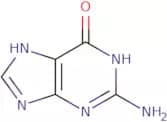
CAS:Guanine is a purine base that is found in the DNA and RNA of all living cells. It plays an important role as a component of the nucleic acid molecule, where it is paired with cytosine. Guanine is involved in many chemical reactions and biological processes, including protein synthesis and cell division. The lack of guanine can lead to deficiency symptoms such as hemolytic anemia or erythrocyte cytoplasmic inclusion bodies. Guanine has been shown to have chemiluminescent properties, which can be used to detect its presence in samples containing DNA or RNA. This reaction occurs when guanine reacts with hydrogen peroxide (H2O2) to form guanidine (HN=C(NH2)NH2). The reaction produces excited states that emit light at a wavelength of 395 nm when they return to their ground state. Guanidine also has electrochemical impedance spectroscopy properties, which can be used for analytical purposesFormula:C5H5N5OPurezza:Min. 97.5 Area-%Colore e forma:PowderPeso molecolare:151.13 g/molGlutamic acid
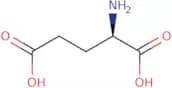
CAS:Glutamic acid is a non-essential amino acid that is present in all cells. It is one of the most abundant amino acids and plays an important role in the biochemical properties and biological properties of living organisms. Glutamic acid has been found to be an important neurotransmitter and is involved in neuronal activity, which can lead to death. It also has been shown to be a potent inhibitor of DNA polymerase, which may explain the structural analysis of glutamic acid as a divalent cation coordination-activator molecule. Glutamate can be used as a model system for studying glutamate receptor function and its optimum concentration is determined using vitro assays. The dinucleotide phosphate (NADPH) oxidase pathway may be involved in the toxicity of glutamic acid as it produces reactive oxygen species.
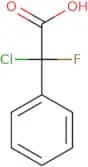
Formula:C5H9NO4Purezza:Min. 95%Colore e forma:White PowderPeso molecolare:147.13 g/mol2-Chloro-2-fluoro-2-phenylacetic acid
CAS:Versatile small molecule scaffoldFormula:C8H6ClFO2Purezza:90%MinColore e forma:PowderPeso molecolare:188.58 g/mol5-methyl-octahydro-1H-pyrrolo[3,4-c]pyridine Dihydrochloride
CAS:Versatile small molecule scaffold
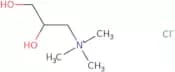
Formula:C8H16N2·2HClPurezza:Min. 95%Colore e forma:PowderPeso molecolare:213.14 g/mol2,3-Dihydroxy-N,N,N-trimethylpropan-1-aminium chloride
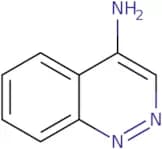
CAS:2,3-Dihydroxy-N,N,N-trimethylpropan-1-aminium chloride is a quaternary ammonium compound that has a high concentration of nitrogen. It is often used as an enhancer for the c1-c3 range of hair dyes. 2,3-Dihydroxy-N,N,N-trimethylpropan-1-aminium chloride can be used in cosmetics to reduce the appearance of fine lines and wrinkles. It is also used as an antiaging agent due to its ability to boost glycerin and polyols.Formula:C6H16ClNO2Purezza:Min. 95%Colore e forma:PowderPeso molecolare:169.65 g/molCinnolin-4-amine
CAS:Cinnolin-4-amine is a protonated cinnoline that has been shown to have tumor-localizing properties. Cinnolin-4-amine has been shown to be cytotoxic to human tumor xenografts in mice, and this activity was demonstrated to be mediated by its interaction with the receptor for the angiotensin II type 1 receptor. It also inhibits the growth of tumor cells in culture by inhibiting DNA synthesis and protein synthesis. Cinnolin-4-amine has been shown to produce antihypertensive effects in animals and humans, which may be due to its ability to decrease blood pressure via inhibition of the sympathetic nervous system.
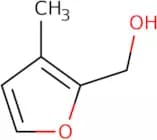
Formula:C8H7N3Purezza:Min. 95%Colore e forma:PowderPeso molecolare:145.16 g/mol2-(Hydroxymethyl)-3-methylfuran
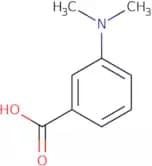
CAS:2-(Hydroxymethyl)-3-methylfuran is a ketone with a ring system that contains one hydroxymethyl group and two methyl groups. It is also an adduct, which means that it is the product of a reaction between two substances. This compound can be used as a binder in pyrotechnics and polymers. 2-(Hydroxymethyl)-3-methylfuran has been proven to be stable under normal conditions, making it an excellent model compound for studying other compounds with similar structures.Formula:C6H8O2Purezza:Min. 95 Area-%Colore e forma:Clear LiquidPeso molecolare:112.13 g/mol3-Dimethylaminobenzoic acid
CAS:3-Dimethylaminobenzoic acid is a bacterial enzyme that belongs to the group of p2 carboxylates. It is a non-specific esterase that has been shown to hydrolyze 3-ethylbenzthiazoline-6-sulfonic acid, which is an indicator of root formation. The enzyme activity of 3-dimethylaminobenzoic acid has been demonstrated in kinetic data and redox potential measurements. 3DMBB is found in plants and can be used for the determination of dry weight, as it can hydrolyze triticum aestivum urine samples or cholesterol esters. This enzyme also has catalase activity and can be used in the determination of catalase activity in biological fluids such as urine samples or blood serum.Formula:C9H11NO2Purezza:Min. 95%Colore e forma:Off-White PowderPeso molecolare:165.19 g/mol4-(N,N-Diethylamino)benzoic acid
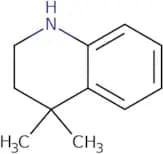
CAS:4-(N,N-Diethylamino)benzoic acid is a hydrogenated product of 4-hydroxybenzoic acid. It has been shown to be an effective chemopreventive agent against chemically induced cancer in rats. The analytical method for this compound is based on the fluorescence properties of the compound and its structural studies have been reported. This drug also has bioequivalence properties, which were shown by the spectrometry analyses of human serum samples. The dipole moment of 4-(N,N-diethylamino)benzoic acid is 1.8 D and it reacts with protocatechuic acid to form 4-hydroxybenzaldehyde and diethyl ether.Formula:C11H15NO2Purezza:Min. 95%Colore e forma:PowderPeso molecolare:193.24 g/mol4,4-Dimethyl-1,2,3,4-tetrahydroquinoline
CAS:4,4-Dimethyl-1,2,3,4-tetrahydroquinoline (DMTH) is a synthetic compound that has been shown to stimulate pancreatic β-cells. DMTH is a prodrug that is converted into 4,4'-dimethoxy-1,2,3, 4-tetrahydroquinoline (DMT) by esterases in the body. DMT binds to the insulin receptor and increases insulin secretion from pancreatic β-cells. DMTH has been shown to be effective in treating patients with type 2 diabetes mellitus who are resistant to insulin. DMTH also reduces blood glucose levels in animal models of diabetes by stimulating the pancreas to produce more insulin and increasing the number of β cells in the pancreas. This drug may also prevent or reverse tissue damage caused by diabetes by inhibiting inflammatory processes and reducing oxidative stress on tissues.Formula:C11H15NPurezza:Min. 95%Colore e forma:Clear LiquidPeso molecolare:161.25 g/mol

![Methyl 2-[1-(3-hydroxyphenyl)-N-methylformamido]acetate](/_next/image/?url=https%3A%2Fstatic.cymitquimica.com%2Fproducts%2F3D%2Fthumb-webp%2FVQB93340.webp&w=3840&q=75)




![5-methyl-octahydro-1H-pyrrolo[3,4-c]pyridine Dihydrochloride](/_next/image/?url=https%3A%2Fstatic.cymitquimica.com%2Fproducts%2F3D%2Fthumb-webp%2FDXC59804.webp&w=3840&q=75)