Building Blocks
Sottocategorie di "Building Blocks"
- Acidi boronici e derivati dell'acido boronico(5.784 prodotti)
- Building Blocks Chirali(1.242 prodotti)
- Building Blocks Idrocarburici(6.105 prodotti)
- Building Blocks organici(61.061 prodotti)
Trovati 205399 prodotti di "Building Blocks"
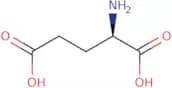
Glutamic acid
CAS:Glutamic acid is a non-essential amino acid that is present in all cells. It is one of the most abundant amino acids and plays an important role in the biochemical properties and biological properties of living organisms. Glutamic acid has been found to be an important neurotransmitter and is involved in neuronal activity, which can lead to death. It also has been shown to be a potent inhibitor of DNA polymerase, which may explain the structural analysis of glutamic acid as a divalent cation coordination-activator molecule. Glutamate can be used as a model system for studying glutamate receptor function and its optimum concentration is determined using vitro assays. The dinucleotide phosphate (NADPH) oxidase pathway may be involved in the toxicity of glutamic acid as it produces reactive oxygen species.
Formula:C5H9NO4Purezza:Min. 95%Colore e forma:White PowderPeso molecolare:147.13 g/molMethyltetrazine-acid
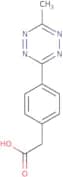
CAS:Versatile small molecule scaffoldFormula:C11H10N4O2Purezza:Min. 95%Colore e forma:PowderPeso molecolare:230.22 g/mol(2S,5R)-5-Methyl-2-prop-1-en-2-ylcyclohexan-1-one
CAS:(2S,5R)-5-Methyl-2-prop-1-en-2-ylcyclohexan-1-one is a natural product that is structurally similar to the antibiotic piperitone. It has significant antifungal activity and was found to have minimal inhibitory concentration values against bacterial enzymes. The compound has been shown to bind to dinucleotide phosphate and inhibit bacterial enzyme catalysis. This inhibition leads to an accumulation of substrates for the enzyme and a decrease in the production of ATP. (2S,5R)-5-Methyl-2-prop-1-en-2-ylcyclohexanone inhibits the growth of Candida albicans and Cryptococcus neoformans strains but not Trichophyton mentagrophytes. This may be due to its ability to bind with high affinity to rat liver microsomes, but not human microsomes. (2S,5R)-5Formula:C10H16OPurezza:Min. 95%Colore e forma:Clear LiquidPeso molecolare:152.23 g/mol(Aminomethyl)dimethylphenylsilane
CAS:Aminomethyl)dimethylphenylsilane is a polarizer that has shown growth inhibitory activity against pancreatic carcinoma cells. It has also been found to have pharmacological properties, including anti-cancer and anti-inflammatory effects. Aminomethyl)dimethylphenylsilane is non-selective and non-steroidal, meaning it can inhibit the synthesis of prostaglandins and other eicosanoids. This drug has been shown to be toxic in humans, with side effects such as cardiovascular disorders, alzheimer 's disease, and cancer cell growth.Formula:C9H15NSiPurezza:Min. 95%Peso molecolare:165.31 g/mol3-{2,8,9-Trioxa-5-aza-1-silabicyclo[3.3.3]undecan-1-yl}propan-1-amine
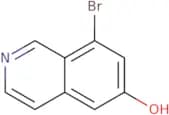
CAS:3-{2,8,9-Trioxa-5-aza-1-silabicyclo[3.3.3]undecan-1-yl}propan-1-amine (TPAP) is a reactive molecule. It has been immobilized on silicon and titanium surfaces and has shown photocatalytic activity in the presence of oxygen. TPAP is highly resistant to acidic environments and can be used as an immobilization agent for other molecules. TPAP is also labile to hydrolysis and will react with water, releasing ammonia gas, which can be a problem in some applications. TPAP is not active against bacteria or fungi but does have growth rate inhibiting effects on yeast cells.Formula:C9H20N2O3SiPurezza:Min. 95%Colore e forma:PowderPeso molecolare:232.35 g/mol8-Bromoisoquinolin-6-ol
CAS:Versatile small molecule scaffoldFormula:C9H6BrNOPurezza:Min. 95%Colore e forma:PowderPeso molecolare:224.05 g/molPamoic acid
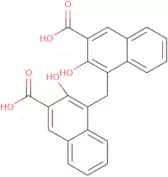
CAS:Pamoic acid is a natural compound that has been found to exhibit antimicrobial activity against a variety of microorganisms. Pamoic acid is also used in the treatment of infectious diseases, such as leprosy, tuberculosis, and AIDS. The biological properties of pamoic acid are due to its ability to bind with peptide hormones and act as a pharmacological agent. Pamoic acid is able to inhibit the synthesis of peptide hormones by binding to their receptors on the cell surface. This inhibition can lead to immunosuppression (e.g., autoimmune diseases) and mitochondrial membrane depolarization. Pamoic acid is also able to bind with benzalkonium chloride, which may account for some of its antimicrobial activity.
Pamoic acid is synthesized from pantothenic acid (vitamin B5) and caproic acid by means of an enzymatic process called transamination.Formula:C23H16O6Purezza:Min. 95%Colore e forma:Yellow PowderPeso molecolare:388.37 g/molGuanosine
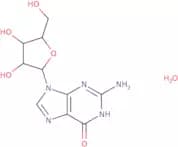
CAS:Guanosine is a nucleoside that is metabolized to uridine in the liver. It is a component of RNA and DNA, as well as an intermediate in the synthesis of adenosine triphosphate (ATP) by phosphorylation. Guanosine also has pharmacokinetic properties, including its ability to cross the blood-brain barrier, which make it a promising drug for neurological disorders. Guanosine is used in tissue culture to measure signal transduction pathways and membrane permeability. The tautomers of guanosine are shown in Figure 1 below: Figure 1: Tautomers of Guanosine (1) 5'-O-DMT-Guanosine (2) 5'-O-DMT-2'N3-Guanosine (3) 2'N3-5'-O-DMT-Guanosine (4) 2'N3-5'-Formula:C10H13N5O5Purezza:Min. 95%Colore e forma:PowderPeso molecolare:283.24 g/molPPACK hydrochloride
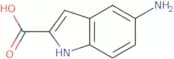
CAS:Please enquire for more information about PPACK hydrochloride including the price, delivery time and more detailed product information at the technical inquiry form on this pageFormula:C21H31ClN6O3•xHClPurezza:Min. 95%Colore e forma:PowderPeso molecolare:487.42 g/mol5-Amino-1H-indole-2-carboxylic acid
CAS:5-Amino-1H-indole-2-carboxylic acid is a chemical compound that belongs to the group of alcohols. It has been shown to have a viscosity increasing effect in industrial applications and can be used as an environmental pollutant. This compound is also a surface active agent, and it has been shown to be an effective antitumor agent. 5-Amino-1H-indole-2-carboxylic acid is a nonionic surfactant with urea derivative properties. It can be used for the treatment of skin conditions such as eczema and psoriasis, but should not be applied to open wounds.Formula:C9H8N2O2Purezza:Min. 95%Colore e forma:PowderPeso molecolare:176.17 g/mol3,4,5-Trihydroxytoluene
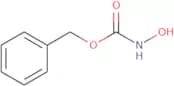
CAS:Substrate for peroxidaseFormula:C7H8O3Purezza:Min. 95%Colore e forma:PowderPeso molecolare:140.14 g/molN-Benzyloxycarbonylhydroxylamine
CAS:N-Benzyloxycarbonylhydroxylamine is a synthetic amino acid that is used in the synthesis of hydroxamic acids. It is prepared by the reaction of benzyl groups with sodium periodate and then irradiation with UV light. The resulting triazolopyrimidine can be oxidized to form an N-benzyloxycarbonylhydroxylamine. This product has been shown to be a potent inhibitor of bacterial enzymes, such as β-aminoacylase, which are involved in the synthesis of peptides and proteins. Hydroxamic acids have also been shown to have cationic surfactant properties and are used in synthesizing organocatalysts for organic reactions.Formula:C8H9NO3Purezza:Min. 95%Peso molecolare:167.16 g/mol3-Carboxypropanesulfonamide
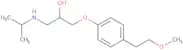
CAS:3-Carboxypropanesulfonamide is a chemical compound that has been shown to have the ability to modulate cardiac cell function. This compound has been shown to be effective in a reaction monitoring technique, which monitors the functional groups and techniques of chemical reactions, in order to introduce this molecule into the cell membrane and alter its potential. 3-Carboxypropanesulfonamide is capable of changing the lipid composition of the membrane by introducing a linker group that can bind with other molecules such as cholesterol or phospholipids. This linker group alters the membrane potential of cells, leading to changes in ion flow and cellular response.Formula:C4H9NO4SPurezza:Min. 95%Colore e forma:White PowderPeso molecolare:167.18 g/molMetoprolol
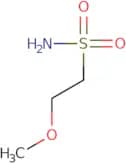
CAS:Prodotto controllatoMetoprolol is a drug that belongs to the group of beta-adrenergic blockers. It is used in the treatment of hypertension, angina pectoris, and heart attack. Metoprolol has been shown to be effective in treating congestive heart failure, high blood pressure and angina pectoris. Metoprolol slows down the heart rate by blocking beta-adrenergic receptors and also decreases the force with which the heart contracts. Metoprolol is not recommended for use in people with liver impairment or severe renal impairment because it can result in hypotension. This drug should not be taken by people who have asthma or suffer from chronic obstructive pulmonary disease (COPD) or who are allergic to metoprolol succinate.Formula:C15H25NO3Purezza:Min. 95%Peso molecolare:267.36 g/mol2-Methoxyethanesulfonamide
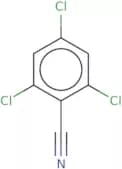
CAS:Versatile small molecule scaffoldFormula:C3H9NO3SPurezza:Min. 95%Colore e forma:Clear LiquidPeso molecolare:139.17 g/mol2,4,6-Trichlorobenzonitrile
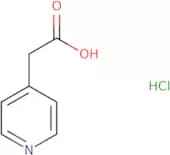
CAS:2,4,6-Trichlorobenzonitrile is a chlorine-containing chemical that has been used as a pesticide. It is a highly toxic substance and can be fatal if ingested. 2,4,6-Trichlorobenzonitrile is converted to chloride in soil and water by microbial action. This chemical can be activated by light or temperature changes and is used in the production of pesticides that are phytotoxic. It also has been shown to have thermodynamic properties that allow it to act as an environmental pollutant. 2,4,6-Trichlorobenzonitrile can react with sulfoxides to form chloromethylation products such as 2,3,5-trichloroethanol. These reactions are catalyzed by metal ions such as Fe(II) and Mn(II).Formula:C7H2Cl3NPurezza:Min. 95%Colore e forma:PowderPeso molecolare:206.46 g/molPyridine 4-acetic acid HCl
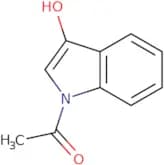
CAS:Pyridine 4-acetic acid HCl is a synthetic, fluorescent probe with reactive and luminescence properties. It is used for the detection of hydrogen bond formation in organic compounds. It is also used as a probe to study the molecular interactions between metal ions and β-unsaturated aldehydes. Pyridine 4-acetic acid HCl has been shown to be useful for transduction of light energy into chemical energy. The pyridine ring makes this compound an excellent candidate for molecular modeling studies due to its rigid structure.Formula:C7H8ClNO2Purezza:Min. 95%Colore e forma:PowderPeso molecolare:173.6 g/molN-Acetyl-3-hydroxyindole
CAS:N-Acetyl-3-hydroxyindole is a chemical compound that can be used as a building block for other organic compounds. It is an intermediate in the synthesis of 3-amino-2,4,6-trichloropyrimidine, which is used in the synthesis of some pharmaceuticals and pesticides. N-Acetyl-3-hydroxyindole has been shown to react with thiourea to yield 2-(3,4-dihydroxyphenyl)acetic acid. It also reacts with hydroxylamine to produce 2-(aminooxymethyl)pyrrolidinone. N-Acetyl-3-hydroxyindole has been shown to have antioxidant properties, which may be due to its ability to reduce lipid peroxidation and scavenge reactive oxygen species.Formula:C10H9NO2Purezza:Min. 98.0 Area-%Peso molecolare:175.19 g/molRef: 3D-A-1290
5gPrezzo su richiesta10gPrezzo su richiesta25gPrezzo su richiesta50gPrezzo su richiesta100gPrezzo su richiesta-Unit-ggPrezzo su richiestaAgaric acid
CAS:Agaric acid is a high-quality, versatile chemical that is used as an intermediate in many organic and biochemistry reactions. It is also used as a reagent for the isolation of metals such as silver and gold. As a complex compound, it has many uses, including being a useful building block in the synthesis of various drugs. Agaric acid can be used to produce other chemicals such as speciality chemicals or research chemicalsFormula:C22H40O7Peso molecolare:416.56 g/molRef: 3D-A-3920
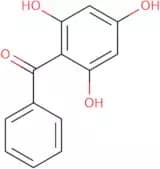
1gPrezzo su richiesta5gPrezzo su richiesta250mgPrezzo su richiesta500mgPrezzo su richiesta2500mgPrezzo su richiesta-Unit-ggPrezzo su richiesta2,4,6-Trihydroxybenzophenone
CAS:2,4,6-Trihydroxybenzophenone is a phenolic compound that has been shown to have significant inhibitory activities against the growth of bacteria in vitro. It can be used as a preservative for oils and fats. This product also inhibits the benzoate degradation pathway in E. coli and inhibits the synthesis of phenylpropanoids by inhibiting the activity of phenylalanine ammonia-lyase (PAL). 2,4,6-Trihydroxybenzophenone also has an inhibitory effect on cell proliferation and induces apoptosis in human leukemia cells. 2,4,6-Trihydroxybenzophenone belongs to the group of compounds called hypericins (hyperforin) that are produced by Hypericum perforatum plants. The biosynthesis of this molecule is thought to involve two consecutive hydroxylations at positions 4 and 6 on the aromatic ring.
Formula:C13H10O4Purezza:Min. 95%Colore e forma:Off-White PowderPeso molecolare:230.22 g/mol



![3-{2,8,9-Trioxa-5-aza-1-silabicyclo[3.3.3]undecan-1-yl}propan-1-amine](/_next/image/?url=https%3A%2Fstatic.cymitquimica.com%2Fproducts%2F3D%2Fthumb-webp%2FSAA86927.webp&w=3840&q=75)