Building Blocks
Sottocategorie di "Building Blocks"
- Acidi boronici e derivati dell'acido boronico(5.786 prodotti)
- Building Blocks Chirali(1.246 prodotti)
- Building Blocks Idrocarburici(6.107 prodotti)
- Building Blocks organici(61.079 prodotti)
Trovati 205461 prodotti di "Building Blocks"
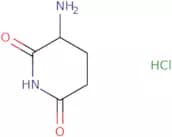
3-Aminopiperidine-2,6-dione hydrochloride salt
CAS:3-Aminopiperidine-2,6-dione hydrochloride salt (3AP) is a synthetic agent that has been shown to inhibit prostate cancer cell growth. 3AP inhibits the synthesis of DNA by inhibiting the enzyme benzoate and potently inhibits the enzyme pomalidomide synthetase. This drug also has antiangiogenic properties and has been shown to reduce expression of TNF-α in human myeloid leukemia cells. 3AP is not active against HL60 cells, which are a type of white blood cell. It can be used as an alternative treatment for cancer in patients who have failed to respond to other therapies or who cannot tolerate them.Formula:C5H8N2O2·HClPurezza:Min 97.0%Colore e forma:Off-White Slightly Yellow PowderPeso molecolare:164.59 g/mol2-(2,4-Difluorophenyl)pyrrolidine hydrochloride
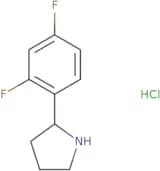
CAS:Versatile small molecule scaffoldFormula:C10H11NF2•HClPurezza:Min. 95%Colore e forma:PowderPeso molecolare:219.65 g/mol4-(4-Fluorophenoxy)benzylamine hydrochloride
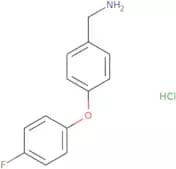
CAS:4-(4-Fluorophenoxy)benzylamine hydrochloride is a metabolic agent that inhibits the metabolism of phenylpropionic acid and butanoic acid. It is used industrially as an oxime to protect other organic compounds from damage by peroxides, such as in polymerization reactions. 4-(4-Fluorophenoxy)benzylamine hydrochloride has been shown to be effective in treating metabolic diseases, such as phenylketonuria and urea cycle disorders.Formula:C13H12FNO·HClPurezza:Min. 95%Colore e forma:PowderPeso molecolare:253.7 g/mol(2S)-2-(4-Chloro-2-methylphenoxy)propanoic acid
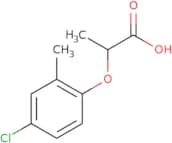
CAS:(2S)-2-(4-Chloro-2-methylphenoxy)propanoic acid (MCPP) is a phenoxy herbicide that is used in the control of annual and perennial broadleaf weeds. It is often found in wastewater treatment plants because it binds to iron ions and can be removed by coagulation, adsorption, or chemical precipitation. MCPP has been shown to produce genotoxic effects in model systems and high values for enzyme activities. The long-term efficacy of MCPP was studied using a bacterial strain with high levels of resistance to this compound. Structural analysis showed that MCPP contains a chlorophenoxy radical, which may contribute to its carcinogenic potential.Formula:C10H11ClO3Purezza:Min. 95%Colore e forma:PowderPeso molecolare:214.64 g/mol2-Acetamido-3-(6-fluoro-1H-indol-3-yl)propanoic acid
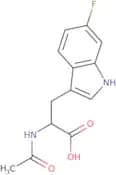
CAS:2-Acetamido-3-(6-fluoro-1H-indol-3-yl)propanoic acid is a fine chemical that can be used as a versatile building block in the synthesis of a wide range of compounds. It is also an intermediate in research and industrial processes, and is used as a reaction component for complex compound synthesis. 2-Acetamido-3-(6-fluoro-1H-indol-3-yl)propanoic acid has been shown to be useful as a building block in high quality synthesis.Formula:C13H13FN2O3Purezza:Min. 95%Peso molecolare:264.25 g/molAzomethine-H monosodium salt monohydrate
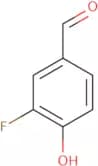
CAS:Azomethine-H is a research chemical that is used as a versatile building block for the synthesis of other compounds. It has been shown to be an intermediate in the synthesis of many complex compounds, and can also be used as a reagent or speciality chemical. Azomethine-H is soluble in water and organic solvents, which makes it useful for reactions involving deprotection, extraction, or alkylation. The CAS registry number for this compound is 304655-82-1.Formula:C17H12NNaO8S2·H2OPurezza:Min. 95.0 Area-%Colore e forma:Yellow PowderPeso molecolare:463.42 g/mol3-Fluoro-4-hydroxybenzaldehyde
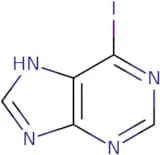
CAS:3-Fluoro-4-hydroxybenzaldehyde is a hydroxyl group with an activation energy of 87.7 kJ/mol. The molecule can be synthesized by the reaction of salicylaldehyde and 3,4-dihydroxybenzaldehyde in the presence of an organic solvent such as chloroform or methylene chloride. This compound has been shown to cause cell death in ht-29 cells and cancer cell lines, as well as human ovarian carcinoma cells. It causes apoptosis by inhibiting mitochondrial membrane potential, which leads to decreased intracellular ATP levels. 3-Fluoro-4-hydroxybenzaldehyde is most commonly used in molecular modeling studies to represent the hydroxyl group due to its simplicity in comparison to other hydroxyl groups like methanol or ethanol.Formula:C7H5FO2Purezza:90%Colore e forma:White PowderPeso molecolare:140.11 g/mol6-Iodopurine
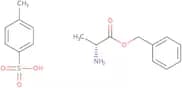
CAS:6-Iodopurine is a biologically active substance that belongs to the group of carbinols. It is biosynthesized from 6-chloropurine and an iridoid glucoside, and has been shown to have biochemical properties. 6-Iodopurine can be converted into 6-iodoindoxyl by oxidation with halogens or transfer mechanism with palladium-catalyzed cross-coupling. A high efficiency method for the synthesis of this substance has been developed using a strain of bacteria. The reaction requires an activation energy of 150 kJ/mol.br> 6-Iodopurine inhibits tumor growth by inhibiting DNA synthesis. It also possesses anti-inflammatory activity, which may be due to its inhibitory effects on prostaglandin synthesis.Formula:C5H3IN4Purezza:Min. 95%Colore e forma:White PowderPeso molecolare:246.01 g/molD-Alanine benzyl ester p-toluenesulfonate salt
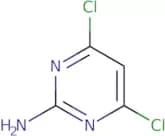
CAS:D-Alanine benzyl ester p-toluenesulfonate salt is a fine chemical that is used in research and development. It is a versatile building block that can be used as an intermediate or a reaction component. D-Alanine benzyl ester p-toluenesulfonate salt has been shown to have high quality, which makes it useful for the production of complex compounds. This compound can be used as a speciality chemical or as a reagent in research.Formula:C10H13NO2·C7H8O3SPurezza:Min. 95%Colore e forma:PowderPeso molecolare:351.42 g/mol2-Amino-4,6-dichloropyrimidine
CAS:2-Amino-4,6-dichloropyrimidine is a chemical compound that can be used as an intermediate in the synthesis of other compounds. It is usually prepared by chlorinating 2-amino-pyrimidine with sodium hypochlorite. 2-Amino-4,6-dichloropyrimidine has been shown to inhibit the growth of herpes simplex virus and influenza virus when it is added to cell cultures. This compound also inhibits the replication of protonated nucleic acids by reacting with the amide group of nucleophilic amino acids in DNA or RNA. The reaction between 2-amino-4,6-dichloropyrimidine and amines gives pyridinium salts, which are useful intermediates in organic chemistry reactions.Formula:C4H3Cl2N3Purezza:90%Colore e forma:Off-White PowderPeso molecolare:163.99 g/mol4-Anisylchlorodiphenylmethane
CAS:4-Anisylchlorodiphenylmethane is a trifluoroacetic acid derivative of diphenyl sulfoxide. It is activated by hydrochloric acid and hydrogen chloride to form the corresponding anisyl chlorodiphenylmethane chloride. This compound has a high resistance to nucleophilic attack, with a reaction solution that is resistant to nucleophiles such as water, amines, alcohols, and carboxylic acids. 4-Anisylchlorodiphenylmethane can be synthesized from uridine and acetic acid in the presence of diphenyl sulfoxide and a base. The reaction is then heated at reflux for 24 hours. 4-Anisylchlorodiphenylmethane binds to DNA as well as RNA templates in vitro and can be used for linear regression analysis of DNA sequences. It also has inhibitory effects on cell growth in culture.Formula:C20H17ClOPurezza:Min. 95%Colore e forma:White PowderPeso molecolare:308.8 g/mol2-Acetyl cyclohexanone
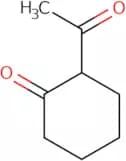
CAS:2-Acetylcyclohexanone is a chemical compound that belongs to the group of aryl halides. It is used as a raw material in the production of other chemicals, such as ethylene diamine and acetic anhydride. The reaction mechanism of 2-acetylcyclohexanone is mainly via nucleophilic substitution with hydrochloric acid or trifluoroacetic acid. The reaction with acetic anhydride or ethylene diamine has been shown to be through an acetylation reaction. 2-acetylcyclohexanone can be synthesized by reacting acetaldehyde with sodium cyclopentadienide in the presence of hydrochloric acid, followed by elimination of hydrogen chloride by heating. This compound has two tautomers: keto and enol.Formula:C8H12O2Purezza:Min. 95%Colore e forma:Colorless Clear LiquidPeso molecolare:140.18 g/mol2-Amino-5-bromopyrazine-3-carboxylic acid
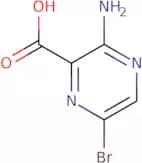
CAS:2-Amino-5-bromopyrazine-3-carboxylic acid is an organic compound that belongs to the group of boronic acids. It has a molecular weight of 138.14 and a melting point of 198°C. The compound has been characterized by x-ray crystallography, revealing its molecular structure. 2-Amino-5-bromopyrazine-3-carboxylic acid is soluble in water and can be isolated from the reaction mixture using conventional methods such as recrystallization. The compound reacts with alkyl halides through cross coupling reactions to form pyridyl compounds. This reagent is used for Suzuki, Miyaura, and other cross coupling reactions with high yield.Formula:C5H4BrN3O2Purezza:Min. 95%Colore e forma:Brown PowderPeso molecolare:218.01 g/mol4-Amino-2,6-dimethylpyrimidine
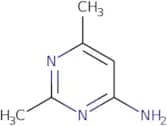
CAS:4-Amino-2,6-dimethylpyrimidine (4ADMP) is an organic solvent that inhibits the enzyme acetylcholinesterase. It has been shown to be a potent and selective inhibitor of human immunodeficiency virus type 1 (HIV-1) replication in vitro. 4ADMP is a prodrug that undergoes reduction to form a reactive intermediate that binds to the active site of acetylcholinesterase and inhibits its activity. The nitrogen atom in 4ADMP stabilizes the intermediate and prevents it from reacting with other proteins. This agent also has muscarinic M1 receptor agonist activity, which may be due to its ability to allosterically modulate the receptor and increase the affinity for acetylcholine.Formula:C6H9N3Purezza:Min. 95%Colore e forma:PowderPeso molecolare:123.16 g/mol6-Amino-2-pyridinecarboxylic acid
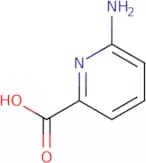
CAS:6-Amino-2-pyridinecarboxylic acid is a potentiating agent that belongs to the class of cyclic peptides. It has been shown to have anti-leukemic activity and can be used for the treatment of leukemia. The mechanism of action is not yet fully understood, but it may involve hydrogen bonding interactions with other molecules or cavities in proteins. 6-Amino-2-pyridinecarboxylic acid forms stable complexes with halides and intramolecular hydrogen bonds. This drug also has quantum theory effects, including a short lifetime in solution and an increase in fluorescence intensity when excited with light at low energies.Formula:C6H6N2O2Purezza:Min. 95%Colore e forma:PowderPeso molecolare:138.12 g/mol3,5-Dinitroaniline
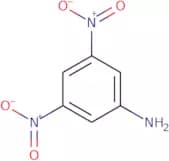
CAS:3,5-Dinitroaniline is a chemical compound that has been shown to inhibit the growth of Pseudomonas aeruginosa. 3,5-Dinitroaniline binds to the bacterial cytochrome oxidase enzyme, which prevents the formation of ATP and disrupts cellular respiration. It also inhibits the synthesis of fatty acids in bacteria by binding to their DNA and RNA. 3,5-Dinitroaniline has also been shown to have genotoxic activity in bacteria by causing DNA strand breaks.Formula:C6H5N3O4Purezza:Min. 95%Colore e forma:Slightly Yellow PowderPeso molecolare:183.12 g/moltert-Butyl N-[(2S)-1-(methylamino)propan-2-yl]carbamate
CAS:Versatile small molecule scaffold
Formula:C9H20N2O2Purezza:Min. 95%Colore e forma:PowderPeso molecolare:188.27 g/mol1,4-Diiodobenzene
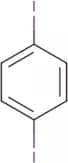
CAS:1,4-Diiodobenzene is an anti-retroviral drug that is used in the treatment of HIV infection. It has a molecular weight of 208.2 and a melting point of -68°C. 1,4-Diiodobenzene binds to intracellular targets, such as reverse transcriptase, proteases and integrase in HIV-1. This drug also has immunomodulatory effects on T cells and B cells. 1,4-Diiodobenzene has been shown to be effective against bacterial vaginosis and may have beneficial effects on body mass index and fatty acid metabolism.
Formula:C6H4I2Purezza:Min. 98 Area-%Colore e forma:White PowderPeso molecolare:329.9 g/mol7-Fluoro-2-methyl-1H-indole
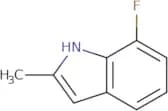
CAS:7-Fluoro-2-methyl-1H-indole is a chemical compound that can be used as a building block to synthesize other organic compounds. The compound is also useful as a reagent in reactions such as the conversion of nitrobenzene to aniline. 7-Fluoro-2-methyl-1H-indole is soluble in acetone, chloroform, and ether. It has CAS number 432025-24-6, which identifies it as a fine chemical with many uses.Formula:C9H8FNPurezza:Min. 95%Colore e forma:White PowderPeso molecolare:149.16 g/mol3',4'-Dihydroxyacetophenone
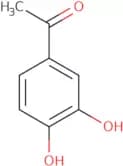
CAS:3',4'-Dihydroxyacetophenone is a transcription-polymerase chain inhibitor that is used in the laboratory to study the effects of the enzyme on gene expression. It has been shown to inhibit transcription by binding to the polymerase and inhibiting RNA synthesis. 3',4'-Dihydroxyacetophenone also inhibits acetate extract enzyme activities, such as collagenase, protease, and lipase. This chemical also induces toll-like receptor (TLR) signaling pathways, which are responsible for inflammation responses. 3',4'-Dihydroxyacetophenone has been shown to have synergistic effects with protocatechuic acid, an antioxidant found in plants that is believed to be responsible for its anti-inflammatory properties. The mechanism of action of this chemical is still unknown; however, it may bind to fatty acids and form stable complexes that inhibit the activity of enzymes or change their shape so they can no longer function properly.
Formula:C8H8O3Purezza:Min. 95%Colore e forma:PowderPeso molecolare:152.15 g/mol



![tert-Butyl N-[(2S)-1-(methylamino)propan-2-yl]carbamate](/_next/image/?url=https%3A%2Fstatic.cymitquimica.com%2Fproducts%2F3D%2Fthumb-webp%2FYJB22170.webp&w=3840&q=75)