Building Blocks
Questa sezione contiene prodotti fondamentali per la sintesi di composti organici e biologici. Building blocks sono i materiali di partenza essenziali utilizzati per costruire molecole complesse attraverso varie reazioni chimiche. Svolgono un ruolo critico nella scoperta di farmaci, nella scienza dei materiali e nella ricerca chimica. Presso CymitQuimica, offriamo una gamma diversificata di building blocks di alta qualità per supportare le tue ricerche innovative e progetti industriali, assicurandoti di avere i componenti essenziali per una sintesi di successo.
Sottocategorie di "Building Blocks"
- Acidi boronici e derivati dell'acido boronico(5.756 prodotti)
- Building Blocks Chirali(1.242 prodotti)
- Building Blocks Idrocarburici(6.093 prodotti)
- Building Blocks organici(60.532 prodotti)
Trovati 195533 prodotti di "Building Blocks"
Ordinare per
Purezza (%)
0
100
|
0
|
50
|
90
|
95
|
100
3-(Bromomethyl)-1-methanesulfonylpyrrolidine
CAS:<p>Versatile small molecule scaffold</p>Formula:C6H12BrNO2SPurezza:Min. 95%Peso molecolare:242.14 g/mol3-(3,5-Dichlorophenyl)-2-hydroxypropanoic acid
CAS:<p>Versatile small molecule scaffold</p>Formula:C9H8Cl2O3Purezza:Min. 95%Peso molecolare:235.06 g/mol[1-(Cyclopropylmethyl)cyclopentyl]methanamine
CAS:<p>Versatile small molecule scaffold</p>Formula:C10H19NPurezza:Min. 95%Peso molecolare:153.3 g/mol7-Fluoroquinoline-8-carbaldehyde
CAS:<p>Versatile small molecule scaffold</p>Formula:C10H6FNOPurezza:Min. 95%Peso molecolare:175.16 g/mol1-(2-Chlorophenyl)cyclobutan-1-ol
CAS:<p>Versatile small molecule scaffold</p>Formula:C10H11ClOPurezza:Min. 95%Peso molecolare:182.64 g/mol3-BOC-3-Azabicyclo[3.1.0]hexane-1-methamine
CAS:<p>Versatile small molecule scaffold</p>Formula:C11H20N2O2Purezza:Min. 95%Peso molecolare:212.3 g/mol3-(4-Methyl-1,1-dioxido-2-isothiazolidinyl)-piperidine
CAS:<p>Versatile small molecule scaffold</p>Formula:C9H18N2O2SPurezza:Min. 95%Peso molecolare:218.32 g/molBis[(3-methyloxetan-3-yl)methyl]amine
CAS:<p>Versatile small molecule scaffold</p>Formula:C10H19NO2Purezza:Min. 95%Peso molecolare:185.26 g/mol5-Bromo-3-(2-phenoxyethyl)-3,4-dihydropyrimidin-4-one
CAS:<p>Versatile small molecule scaffold</p>Formula:C12H11BrN2O2Purezza:Min. 95%Peso molecolare:295.13 g/mol2-Bromo-1-(1-phenylcyclopropyl)ethan-1-one
CAS:<p>Versatile small molecule scaffold</p>Formula:C11H11BrOPurezza:Min. 95%Peso molecolare:239.11 g/mol4-Chloro-3-[(cyclopropylmethyl)sulfanyl]aniline
CAS:<p>Versatile small molecule scaffold</p>Formula:C10H12ClNSPurezza:Min. 95%Peso molecolare:213.73 g/mol1-(2-Bromopropyl)-2,4-difluorobenzene
CAS:<p>Versatile small molecule scaffold</p>Formula:C9H9BrF2Purezza:Min. 95%Peso molecolare:235.07 g/mol[5-(Difluoromethyl)-1-methyl-1H-pyrazol-4-yl]methanol
CAS:<p>Versatile small molecule scaffold</p>Formula:C6H8F2N2OPurezza:Min. 95%Peso molecolare:162.14 g/mol2-Ethyl-4,4-difluorobutanoic acid
CAS:<p>Versatile small molecule scaffold</p>Formula:C6H10F2O2Purezza:Min. 95%Peso molecolare:152.14 g/mol3-(Methoxymethyl)cyclopentan-1-amines
CAS:<p>Versatile small molecule scaffold</p>Formula:C7H15NOPurezza:Min. 95%Peso molecolare:129.2 g/mol2-(4-Chlorophenyl)-4,4,4-trifluorobutanoic acid
CAS:<p>Versatile small molecule scaffold</p>Formula:C10H8ClF3O2Purezza:Min. 95%Peso molecolare:252.62 g/mol3-[(5-Bromopyrimidin-2-yl)oxy]benzoic acid
CAS:<p>Versatile small molecule scaffold</p>Formula:C11H7BrN2O3Purezza:Min. 95%Peso molecolare:295.09 g/mol1-[4-(Trifluoromethyl)phenyl]-cyclobutanecarboxylic acid
CAS:<p>Versatile small molecule scaffold</p>Formula:C12H11F3O2Purezza:Min. 95%Peso molecolare:244.21 g/mol2-(2-Furyl)isonicotinic acid
CAS:<p>2-(2-Furyl)isonicotinic acid is an endophytic fungus that has been shown to produce a number of biologically active compounds. It produces 2,3-dihydroxybenzoic acid and 2,3-dimethoxybenzoic acid as its main metabolites. These metabolites have shown anti-inflammatory and antioxidant properties in experimental studies on animals. They have also been found to be neuroprotective and to reduce the growth of cancer cells in vitro. The 2-(2-furyl)isonicotinic acid molecule is structurally related to the diphenyl ethers, which are known for their carcinogenic properties. This compound has been shown to have anticancer activity against both cardiac and diabetic patients by reducing oxidative injury caused by reactive oxygen species (ROS). In addition, this compound has been found to inhibit the production of oxysterols from cholesterol in vitro, thereby reducing lipid peroxidation and preventing congestive heart failure. Studies</p>Formula:C10H7NO3Purezza:Min. 95%Peso molecolare:189.17 g/mol2-tert-Butyl-1,3-thiazole-4-carboxylic acid
CAS:<p>Versatile small molecule scaffold</p>Formula:C8H11NO2SPurezza:Min. 95%Peso molecolare:185.25 g/mol2-Amino-5-(trifluoromethyl)-4-thiazolecarboxylic Acid
CAS:<p>Versatile small molecule scaffold</p>Formula:C5H3F3N2O2SPurezza:Min. 95%Peso molecolare:212.15 g/mol2-Bromo-6-cyclopropylpyridine
CAS:<p>Versatile small molecule scaffold</p>Formula:C8H8BrNPurezza:Min. 95%Peso molecolare:198.06 g/mol2-Bromo-4-(tert-butoxy)pyridine
CAS:<p>Versatile small molecule scaffold</p>Formula:C9H12BrNOPurezza:Min. 95%Peso molecolare:230.1 g/mol4-Bromo-2-tert-butoxypyridine
CAS:<p>Versatile small molecule scaffold</p>Formula:C9H12BrNOPurezza:Min. 95%Peso molecolare:230.1 g/mol4-Bromo-2-cyclobutylpyrimidine
CAS:<p>Versatile small molecule scaffold</p>Formula:C8H9BrN2Purezza:Min. 95%Peso molecolare:213.07 g/mol4-Bromo-6-ethylpyrimidine
CAS:<p>Versatile small molecule scaffold</p>Formula:C6H7BrN2Purezza:Min. 95%Peso molecolare:187.04 g/mol4-Bromo-6-(propan-2-yl)pyrimidine
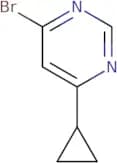
CAS:<p>Versatile small molecule scaffold</p>Formula:C7H9BrN2Purezza:Min. 95%Peso molecolare:201.06 g/mol4-Bromo-6-cyclopropylpyrimidine
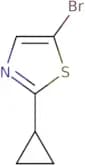
CAS:<p>Versatile small molecule scaffold</p>Formula:C7H7BrN2Purezza:Min. 95%Peso molecolare:199.05 g/mol5-bromo-2-cyclopropylthiazole
CAS:<p>Versatile small molecule scaffold</p>Formula:C6H6BrNSPurezza:Min. 95%Peso molecolare:204.09 g/mol2-BROMO-5-CYCLOPROPYLPYRAZINE
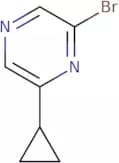
CAS:<p>Versatile small molecule scaffold</p>Formula:C7H7BrN2Purezza:Min. 95%Peso molecolare:199.05 g/mol2-bromo-6-cyclopropylpyrazine
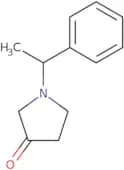
CAS:<p>Versatile small molecule scaffold</p>Formula:C7H7BrN2Purezza:Min. 95%Peso molecolare:199.05 g/mol1-(1-Phenylethyl)pyrrolidin-3-one
CAS:<p>Versatile small molecule scaffold</p>Formula:C12H15NOPurezza:Min. 95%Peso molecolare:189.25 g/molN-(4,4-Dimethylcyclohexyl)-4,4-dimethylcyclohexan-1-amine
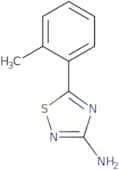
CAS:<p>Versatile small molecule scaffold</p>Formula:C16H31NPurezza:Min. 95%Peso molecolare:237.42 g/mol5-(2-Methylphenyl)-1,2,4-thiadiazol-3-amine
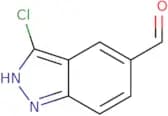
CAS:<p>Versatile small molecule scaffold</p>Formula:C9H9N3SPurezza:Min. 95%Peso molecolare:191.26 g/mol3-Chloro-1H-indazole-5-carbaldehyde
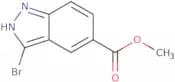
CAS:<p>Versatile small molecule scaffold</p>Formula:C8H5ClN2OPurezza:Min. 95%Peso molecolare:180.59 g/molMethyl 3-bromo-1H-indazole-5-carboxylate
CAS:<p>Versatile small molecule scaffold</p>Formula:C9H7BrN2O2Purezza:Min. 95%Peso molecolare:255.07 g/mol3-iodo-1H-indazole-6-carboxylic acid
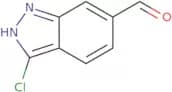
CAS:<p>Versatile small molecule scaffold</p>Formula:C8H5IN2O2Purezza:Min. 95%Peso molecolare:288.04 g/mol3-Chloro-1H-indazole-6-carbaldehyde
CAS:<p>Versatile small molecule scaffold</p>Formula:C8H5N2OClPurezza:Min. 95%Peso molecolare:180.59 g/mol4-(Tetrahydro-2H-pyran-4-yl)benzoic acid
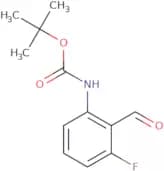
CAS:<p>Versatile small molecule scaffold</p>Formula:C12H14O3Purezza:Min. 95%Peso molecolare:206.24 g/moltert-butyl N-(3-fluoro-2-formylphenyl)carbamate
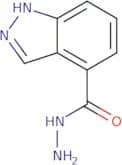
CAS:<p>Versatile small molecule scaffold</p>Formula:C12H14FNO3Purezza:Min. 95%Peso molecolare:239.2 g/mol1H-Indazole-4-carbohydrazide
CAS:<p>Versatile small molecule scaffold</p>Formula:C8H8N4OPurezza:Min. 95%Peso molecolare:176.18 g/moltert-Butyl N-[(2-oxo-2,3-dihydro-1H-indol-3-yl)methyl]carbamate
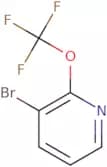
CAS:<p>Versatile small molecule scaffold</p>Formula:C14H18N2O3Purezza:Min. 95%Peso molecolare:262.3 g/mol3-bromo-2-(trifluoromethoxy)pyridine
CAS:<p>Versatile small molecule scaffold</p>Formula:C6H3BrF3NOPurezza:Min. 95%Peso molecolare:242 g/mol1-Methyl-1H-pyrazolo[3,4-b]pyridine-5-carbonitrile
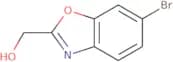
CAS:<p>Versatile small molecule scaffold</p>Formula:C8H6N4Purezza:Min. 95%Peso molecolare:158.16 g/mol(6-Bromo-1,3-benzoxazol-2-yl)methanol
CAS:<p>Versatile small molecule scaffold</p>Formula:C8H6BrNO2Purezza:Min. 95%Peso molecolare:228.04 g/mol3-(Oxan-4-yl)propan-1-amine
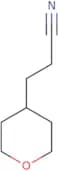
CAS:<p>Versatile small molecule scaffold</p>Formula:C8H17NOPurezza:Min. 95%Peso molecolare:143.23 g/mol3-(Oxan-4-yl)propanenitrile
CAS:<p>Versatile small molecule scaffold</p>Formula:C8H13NOPurezza:Min. 95%Peso molecolare:139.19 g/moltert-Butyl 2,6-diazaspiro[4.5]decane-2-carboxylate
CAS:<p>Versatile small molecule scaffold</p>Formula:C13H24N2O2Purezza:Min. 95%Peso molecolare:240.34 g/mol1,8-Diazaspiro[5.5]undecane-8-carboxylic acid tert-butyl ester
CAS:<p>Versatile small molecule scaffold</p>Formula:C14H26N2O2Purezza:Min. 95%Peso molecolare:254.37 g/mol8-Cbz-1,8-diazaspiro[5.5]undecane
CAS:<p>Versatile small molecule scaffold</p>Formula:C17H24N2O2Purezza:Min. 95%Peso molecolare:288.4 g/mol7-Methyl-2,7-diazaspiro[4.5]decane dihydrochloride
CAS:<p>Versatile small molecule scaffold</p>Formula:C9H20Cl2N2Purezza:Min. 95%Peso molecolare:227.17 g/mol7-Benzyl-2,7-diazaspiro[4.5]decane
CAS:<p>Versatile small molecule scaffold</p>Formula:C15H22N2Purezza:Min. 95%Peso molecolare:230.35 g/mol2-Methyl-2,7-diazaspiro[4.5]decane
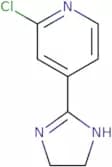
CAS:<p>Versatile small molecule scaffold</p>Formula:C9H18N2Purezza:Min. 95%Peso molecolare:154.25 g/mol2-Chloro-4-(4,5-dihydro-1H-imidazol-2-yl)pyridine
CAS:<p>Versatile small molecule scaffold</p>Formula:C8H8ClN3Purezza:Min. 95%Peso molecolare:181.62 g/moltert-Butyl 2,5-diazaspiro[3.4]octane-2-carboxylate
CAS:<p>Versatile small molecule scaffold</p>Formula:C11H20N2O2Purezza:Min. 95%Colore e forma:Clear LiquidPeso molecolare:212.29 g/moltert-Butyl 2,5-diazaspiro[3.4]octane-5-carboxylate
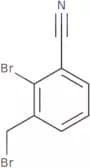
CAS:<p>Versatile small molecule scaffold</p>Formula:C11H20N2O2Purezza:Min. 95%Peso molecolare:212.29 g/mol2-Bromo-3-bromomethyl-benzonitrile
CAS:<p>Versatile small molecule scaffold</p>Formula:C8H5Br2NPurezza:Min. 95%Peso molecolare:274.94 g/moltert-Butyl N-{2-[2-(tetramethyl-1,3,2-dioxaborolan-2-yl)phenyl]ethyl}carbamate
CAS:<p>Versatile small molecule scaffold</p>Formula:C19H30BNO4Purezza:Min. 95%Peso molecolare:347.3 g/mol4-Bromo-6-chloro-2H-benzo[d][1,2,3]triazole
CAS:<p>Versatile small molecule scaffold</p>Formula:C6H3BrClN3Purezza:Min. 95%Peso molecolare:232.47 g/molMethyl 4-(2,2,2-trifluoro-1-hydroxyethyl)benzoate
CAS:<p>Versatile small molecule scaffold</p>Formula:C10H9F3O3Purezza:Min. 95%Peso molecolare:234.17 g/mol4-(1,2,2,2-Tetrafluoroethyl)benzoic acid
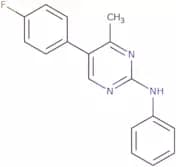
CAS:<p>Versatile small molecule scaffold</p>Formula:C9H6F4O2Purezza:Min. 95%Peso molecolare:222.14 g/mol5-(4-Fluorophenyl)-4-methyl-N-phenylpyrimidin-2-amine
CAS:<p>Versatile small molecule scaffold</p>Formula:C17H14FN3Purezza:Min. 95%Peso molecolare:279.31 g/molMethyl 3-(4-bromobutoxy)benzoate
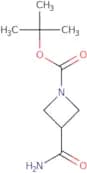
CAS:<p>Versatile small molecule scaffold</p>Formula:C12H15BrO3Purezza:Min. 95%Peso molecolare:287.15 g/moltert-butyl 3-carbamoylazetidine-1-carboxylate
CAS:<p>Versatile small molecule scaffold</p>Formula:C9H16N2O3Purezza:Min. 95%Peso molecolare:200.24 g/mol1-(3-Bromophenylsulfonyl)-4-methylpiperazine
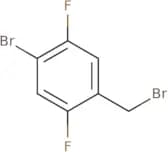
CAS:<p>Versatile small molecule scaffold</p>Formula:C11H15BrN2O2SPurezza:Min. 95%Peso molecolare:319.22 g/mol4-Bromo-2,5-difluorobenzyl bromide
CAS:<p>Versatile small molecule scaffold</p>Formula:C7H4Br2F2Purezza:Min. 95%Peso molecolare:285.91 g/mol4-Bromo-2,5-difluorobenzyl alcohol
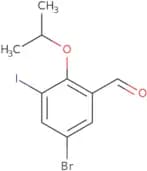
CAS:<p>Versatile small molecule scaffold</p>Formula:C7H5OF2BrPurezza:Min. 95%Peso molecolare:223.01 g/mol5-Bromo-3-iodo-2-isopropoxybenzaldehyde
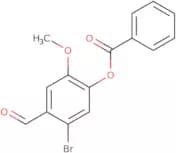
CAS:<p>Versatile small molecule scaffold</p>Formula:C10H10BrIO2Purezza:Min. 95%Peso molecolare:368.99 g/mol5-Bromo-4-formyl-2-methoxyphenyl benzoate
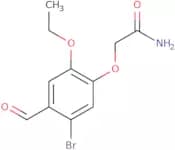
CAS:<p>Versatile small molecule scaffold</p>Formula:C15H11BrO4Purezza:Min. 95%Peso molecolare:335.15 g/mol2-(5-Bromo-2-ethoxy-4-formylphenoxy)acetamide
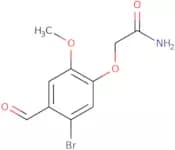
CAS:<p>Versatile small molecule scaffold</p>Formula:C11H12BrNO4Purezza:Min. 95%Peso molecolare:302.12 g/mol2-(5-Bromo-4-formyl-2-methoxyphenoxy)acetamide
CAS:<p>Versatile small molecule scaffold</p>Formula:C10H10BrNO4Purezza:Min. 95%Peso molecolare:288.09 g/molEthyl (5-bromo-2-ethoxy-4-formylphenoxy)acetate
CAS:<p>Versatile small molecule scaffold</p>Formula:C13H15BrO5Purezza:Min. 95%Peso molecolare:331.16 g/mol2-(2-Formylphenoxy)-N-(2-methylphenyl)acetamide
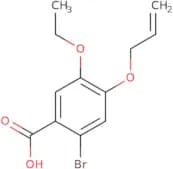
CAS:<p>Versatile small molecule scaffold</p>Formula:C16H15NO3Purezza:Min. 95%Peso molecolare:269.29 g/mol4-(Allyloxy)-2-bromo-5-ethoxybenzoic acid
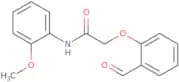
CAS:<p>Versatile small molecule scaffold</p>Formula:C12H13BrO4Purezza:Min. 95%Peso molecolare:301.13 g/mol2-(2-Formylphenoxy)-N-(2-methoxyphenyl)acetamide
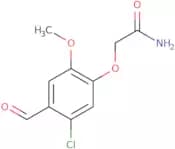
CAS:<p>Versatile small molecule scaffold</p>Formula:C16H15NO4Purezza:Min. 95%Peso molecolare:285.29 g/mol2-(5-Chloro-4-formyl-2-methoxyphenoxy)acetamide
CAS:<p>Versatile small molecule scaffold</p>Formula:C10H10ClNO4Purezza:Min. 95%Peso molecolare:243.64 g/mol3-Chloro-5-[(4-chlorophenyl)methanesulfinyl]-1,2,4-thiadiazole
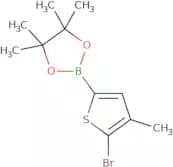
CAS:<p>3-Chloro-5-[(4-chlorophenyl)methanesulfinyl]-1,2,4-thiadiazole is an inhibitor of lipid kinases that is used to treat metabolic disorders and cancer. It also has neuroprotective effects and can be used to treat degenerative diseases. 3-Chloro-5-[(4-chlorophenyl)methanesulfinyl]-1,2,4-thiadiazole inhibits the growth of bacteria by binding to their cell membranes and causing them to leak. This drug has been shown to be effective against a number of microorganisms, including Bacillus subtilis, Escherichia coli, Pseudomonas aeruginosa, Staphylococcus aureus, Enterococcus faecalis, Klebsiella pneumoniae and Proteus mirabilis. The concentration of 3-Chloro-5-[(4-chlorophenyl)</p>Formula:C9H6Cl2N2OS2Purezza:Min. 95%Peso molecolare:293.2 g/mol5-Bromo-4-methylthiophene-2-boronic acid, pinacol ester
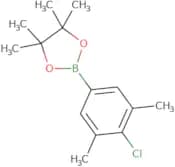
CAS:<p>Versatile small molecule scaffold</p>Formula:C11H16BBrO2SPurezza:Min. 95%Peso molecolare:303.03 g/mol2-(4-Chloro-3,5-dimethylphenyl)-4,4,5,5-tetramethyl-1,3,2-dioxaborolane
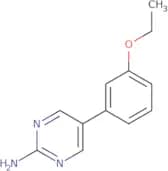
CAS:<p>Versatile small molecule scaffold</p>Formula:C14H20BClO2Purezza:Min. 95%Peso molecolare:266.57 g/mol5-(3-Ethoxyphenyl)pyrimidin-2-amine
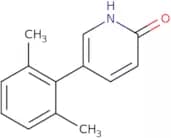
CAS:<p>Versatile small molecule scaffold</p>Formula:C12H13N3OPurezza:Min. 95%Peso molecolare:215.25 g/mol5-(2,6-Dimethylphenyl)pyridin-2-ol
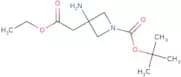
CAS:<p>Versatile small molecule scaffold</p>Formula:C13H13NOPurezza:Min. 95%Peso molecolare:199.25 g/moltert-butyl 3-amino-3-(2-ethoxy-2-oxoethyl)azetidine-1-carboxylate
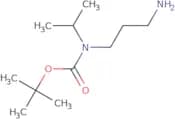
CAS:<p>Versatile small molecule scaffold</p>Formula:C12H22N2O4Purezza:Min. 95%Peso molecolare:258.3 g/moltert-Butyl N-(3-aminopropyl)-N-(propan-2-yl)carbamate
CAS:<p>Versatile small molecule scaffold</p>Formula:C11H24N2O2Purezza:Min. 95%Peso molecolare:216.32 g/mol4-chloro-2-methyl-1H-pyrrolo[2,3-d]pyrimidine-5-carbaldehyde
CAS:<p>Versatile small molecule scaffold</p>Formula:C8H6ClN3OPurezza:Min. 95%Peso molecolare:195.61 g/molEthyl 3-cyano-6-(3-hydroxypropyl)pyrazolo[1,5-a]pyrimidine-7-carboxylate
CAS:<p>Versatile small molecule scaffold</p>Formula:C13H14N4O3Purezza:Min. 95%Peso molecolare:274.28 g/mol1-[(5-Methyl-1,2-oxazol-3-yl)methyl]-4-(4-{[5-(trifluoromethyl)pyridin-2-yl]oxy}benzoyl)piperazine
CAS:<p>Versatile small molecule scaffold</p>Formula:C22H21F3N4O3Purezza:Min. 95%Peso molecolare:446.4 g/molTakinib
CAS:Prodotto controllato<p>Takinib is a small molecule that is being developed as a treatment for inflammatory bowel disease (IBD). Takinib inhibits the production of pro-inflammatory factors, including cytokines and chemokines. It also reduces the proliferation of cancer cells. Takinib has been shown to be effective in inhibiting cisplatin-induced nephrotoxicity in vivo. It has also been shown to inhibit angiogenesis by suppressing the expression of vascular endothelial growth factor (VEGF) and to induce apoptosis in activated T cells. The molecule also inhibits the expression of molecules such as tumor necrosis factor alpha (TNFα), interleukin 6 (IL6), and monocyte chemoattractant protein 1 (MCP1). The drug's effectiveness against IBD has been demonstrated in a number of clinical trials. The drug has an effective dose of 10mg/kg/day, which is administered orally for up to 12 weeks.</p>Formula:C18H18N4O2Purezza:Min. 95%Peso molecolare:322.36 g/mol5-(2-Phenylethynyl)furan-3-carboxylic acid
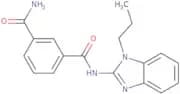
CAS:<p>Versatile small molecule scaffold</p>Formula:C13H8O3Purezza:Min. 95%Peso molecolare:212.2 g/mol1-[4-(Dimethylamino)phenyl]-3-{2,6-dimethylimidazo[2,1-b][1,3]thiazol-5-yl}prop-2-en-1-one
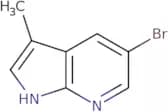
CAS:<p>Versatile small molecule scaffold</p>Formula:C18H19N3OSPurezza:Min. 95%Peso molecolare:325.4 g/mol5-Bromo-3-methyl-7-azaindole
CAS:<p>Versatile small molecule scaffold</p>Formula:C8H7BrN2Purezza:Min. 95%Peso molecolare:211.06 g/mol5-Methyl-1-{[4-(trifluoromethyl)phenyl]methyl}-1H-1,2,3-triazole-4-carboxylic acid
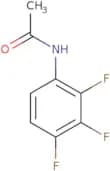
CAS:<p>Versatile small molecule scaffold</p>Formula:C12H10F3N3O2Purezza:Min. 95%Peso molecolare:285.22 g/molN-(2,3,4-Trifluorophenyl)acetamide
CAS:<p>Versatile small molecule scaffold</p>Formula:C8H6NOF3Purezza:Min. 95%Peso molecolare:189.13 g/mol1-[Bromo(phenyl)methyl]-4-fluorobenzene
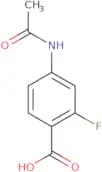
CAS:<p>Versatile small molecule scaffold</p>Formula:C13H10BrFPurezza:Min. 95%Peso molecolare:265.12 g/mol4-Acetamido-2-fluorobenzoic acid
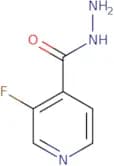
CAS:<p>The Indexes of Motivation for Research in the Holistic Health Sciences is a comprehensive, searchable database that provides the most current information on research and scholarly activities in the holistic health sciences. The index covers topics such as mind-body medicine, integrative medicine, complementary and alternative medicine, humanistic and transpersonal psychology, psychotherapy and counseling, medical sociology, and medical anthropology. The index is designed to support researchers in identifying research topics relevant to their work.</p>Formula:C9H8FNO3Purezza:Min. 95%Peso molecolare:197.16 g/mol3-Fluoropyridine-4-carbohydrazide
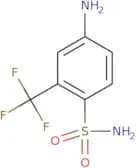
CAS:<p>Versatile small molecule scaffold</p>Formula:C6H6FN3OPurezza:Min. 95%Peso molecolare:155.13 g/mol4-Amino-2-(trifluoromethyl)benzene-1-sulfonamide
CAS:<p>Versatile small molecule scaffold</p>Formula:C7H7F3N2O2SPurezza:Min. 95%Peso molecolare:240.21 g/mol1-Benzyl-1H,2H-cyclohepta[D]imidazol-2-one
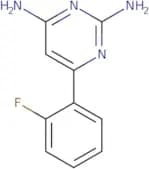
CAS:<p>1-Benzyl-1H,2H-cyclohepta[D]imidazol-2-one is a hydrophobic, insoluble compound that can be reconstituted and implanted in the body. It is used for diagnostic purposes as a bioactive agent and can be injected or administered through iontophoresis. The drug targets specific cells by binding to proteins on the cell surface and is active against cancer cells and bacteria. 1-Benzyl-1H,2H-cyclohepta[D]imidazol-2-one has been shown to inhibit protein synthesis in monolayers of cultured human erythrocytes at high concentrations (i.e., 10 mM). The drug inhibits bacterial growth by binding to DNA gyrase, preventing transcription and replication; it also inhibits DNA topoisomerase IV, which maintains the integrity of bacterial DNA.</p>Formula:C15H12N2OPurezza:Min. 95%Peso molecolare:236.27 g/mol6-(2-Fluorophenyl)pyrimidine-2,4-diamine
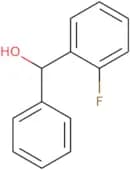
CAS:<p>Versatile small molecule scaffold</p>Formula:C10H9FN4Purezza:Min. 95%Peso molecolare:204.2 g/mol(2-Fluorophenyl)(phenyl)methanol
CAS:<p>Versatile small molecule scaffold</p>Formula:C13H11FOPurezza:Min. 95%Peso molecolare:202.22 g/mol2-Benzoyl-4-fluorophenol
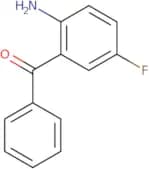
CAS:<p>Versatile small molecule scaffold</p>Formula:C13H9FO2Purezza:Min. 95%Peso molecolare:216.21 g/mol(2-Amino-5-fluorophenyl)(phenyl)methanone
CAS:<p>2-Amino-5-fluorophenyl)(phenyl)methanone is a hydrogen bond acceptor that binds to the benzodiazepine receptor. Hydrogen bonds are formed by dipole interactions between the hydrogen atom of a donor molecule and the electronegative atoms of a receptor. This interaction is characterized by a high affinity, which makes it useful for medicinal chemistry. 2-Amino-5-fluorophenyl)(phenyl)methanone has been shown to interact with brain membranes and has been used in medicine as an anxiolytic agent. It produces its effects by enhancing the activity of GABA, an inhibitory neurotransmitter, at the benzodiazepine receptor site on GABA receptors in the brain. The drug also has some affinity for binding to other sites in the central nervous system, such as at GABA receptors in cortical neurons, pyramidal cells in hippocampus, and ventral tegmental area dopamine neurons.</p>Formula:C13H10FNOPurezza:Min. 95%Peso molecolare:215.23 g/mol3,4,6-trifluoro-2-nitroaniline
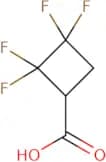
CAS:<p>3,4,6-Trifluoro-2-nitroaniline is a chemical compound with the formula C6H3FN3O2. It is an organic nitro compound that contains a nitro group, which is a functional group consisting of an oxygen atom double bonded to a nitrogen atom. Nitro groups are used in organic chemistry as a replacement for hydrogen atoms in order to produce compounds that have similar properties to those of their parent hydrocarbon. Nitro groups can be introduced into organic molecules by diazotization and coupling reactions. Nitration and chlorination of 3,4,6-trifluoro-2-nitroaniline give C6H3ClFNO2 and C6H3ClFNO respectively. 3,4,6-Trifluoro-2-nitroaniline has been shown to react with hypophosphorous acid to form hypophosphorous acid fluoride (C6H5P</p>Formula:C6H3F3N2O2Purezza:Min. 95%Peso molecolare:192.1 g/mol2,2,3,3-Tetrafluorocyclobutane-1-carboxylic acid
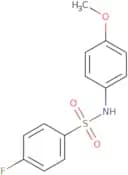
CAS:<p>Versatile small molecule scaffold</p>Formula:C5H4F4O2Purezza:Min. 95%Peso molecolare:172.08 g/mol4-Fluoro-N-(4-methoxyphenyl)benzene-1-sulfonamide
CAS:<p>Versatile small molecule scaffold</p>Formula:C13H12FNO3SPurezza:Min. 95%Peso molecolare:281.3 g/mol2H-1,2,4-Benzothiadiazine-1,1-dione
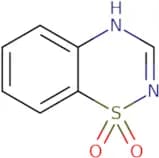
CAS:<p>2H-1,2,4-Benzothiadiazine-1,1-dione is a pharmaceutical agent that belongs to the group of benzothiadiazine compounds. It is used as an intermediate in the synthesis of other drugs and has antihypertensive activity. 2H-1,2,4-Benzothiadiazine-1,1-dione inhibits blood pressure by acting on alpha receptors in vascular smooth muscle cells to inhibit the release of nitric oxide. This drug also blocks the binding of angiotensin II to its receptors and thus reduces the production of aldosterone and other hormones that promote sodium retention. Benzothiadiazine compounds are also known for their ability to form tautomers and isomers with each other. One such example is 2H-1,2,4-benzothiadiazine-1,1-dione (TBDT).</p>Formula:C7H6N2O2SPurezza:Min. 95%Peso molecolare:182.2 g/mol3,4-Dihydro-2H-benzo[E][1,2,4]thiadiazine 1,1-dioxide
CAS:<p>Phenoxybenzamine is a phenoxy compound with a benzoylamino group. It inhibits the activity of monoamine oxidase, which is an enzyme that catalyzes the oxidation of monoamines and the degradation of catecholamines. Phenoxybenzamine has been shown to be effective in vitro against nerve cells. This drug has also been shown to be effective in vivo by reducing diabetic neuropathy and sciatic nerve injury in rats. Phenoxybenzamine inhibits the activity of alkoxycarbonyl groups, which are found in polyfluoroalkyl substances such as perfluorooctanoic acid (PFOA) or perfluorooctane sulfonate (PFOS).</p>Formula:C7H8N2O2SPurezza:Min. 95%Peso molecolare:184.22 g/mol1,1,1-Trifluoro-3,3-dimethylbutan-2-ol
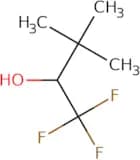
CAS:<p>Versatile small molecule scaffold</p>Formula:C6H11F3OPurezza:Min. 95%Peso molecolare:156.15 g/mol1-(Prop-2-yn-1-yl)cyclohexyl carbamate
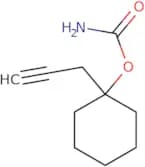
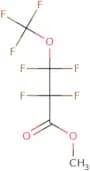
CAS:Prodotto controllato<p>Prop-2-yn-1-ylcyclohexyl carbamate is an analog of phenol, which has been used to synthesize drugs for the treatment of inflammatory bowel disease. It is an inhibitor of the enzyme phospholipase A2, which is responsible for the production of arachidonic acid from membrane phospholipids. Prop-2-yn-1-ylcyclohexyl carbamate binds to the hydroxyl group on phospholipids, inhibiting the release of arachidonic acid and preventing its conversion into inflammatory mediators. This drug can also be used as a fluorescent probe in fluorescence analysis.</p>Formula:C10H15NO2Purezza:Min. 95%Peso molecolare:181.23 g/molMethyl 2,2,3,3-tetrafluoro-3-(trifluoromethoxy)propanoate
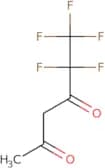
CAS:<p>Versatile small molecule scaffold</p>Formula:C5H3F7O3Purezza:Min. 95%Peso molecolare:244.06 g/mol5,5,6,6,6-Pentafluorohexane-2,4-dione
CAS:<p>Versatile small molecule scaffold</p>Formula:C6H5F5O2Purezza:Min. 95%Peso molecolare:204.1 g/mol5,5,5-Trifluoro-1-pentanol
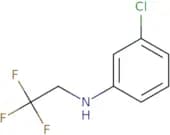
CAS:<p>Versatile small molecule scaffold</p>Formula:C5H9F3OPurezza:Min. 95%Peso molecolare:142.12 g/mol3-Chloro-N-(2,2,2-trifluoroethyl)aniline
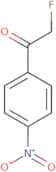
CAS:<p>Versatile small molecule scaffold</p>Formula:C8H7ClF3NPurezza:Min. 95%Peso molecolare:209.59 g/mol2-Fluoro-1-(4-nitrophenyl)ethan-1-one
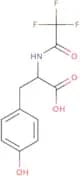
CAS:<p>Versatile small molecule scaffold</p>Formula:C8H6FNO3Purezza:Min. 95%Peso molecolare:183.14 g/mol(2S)-3-(4-Hydroxyphenyl)-2-(trifluoroacetamido)propanoic acid
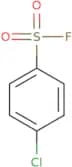
CAS:<p>Versatile small molecule scaffold</p>Formula:C11H10F3NO4Purezza:Min. 95%Peso molecolare:277.2 g/mol4-Chlorobenzenesulfonyl fluoride
CAS:<p>Versatile small molecule scaffold</p>Formula:C6H4ClFO2SPurezza:Min. 95%Peso molecolare:194.61 g/mol2-{[3-(Trifluoromethyl)phenyl]amino}acetic acid
CAS:<p>Versatile small molecule scaffold</p>Formula:C9H8F3NO2Purezza:Min. 95%Peso molecolare:219.16 g/mol4-Acetamido-3-fluorobenzene-1-sulfonyl chloride
CAS:<p>Versatile small molecule scaffold</p>Formula:C8H7ClFNO3SPurezza:Min. 95%Peso molecolare:251.66 g/mol2-Hydroxy-2-[3-(trifluoromethyl)phenyl]acetic acid
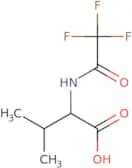
CAS:<p>2-Hydroxy-2-[3-(trifluoromethyl)phenyl]acetic acid (HPA) is a carboxylic acid that belongs to the family of monosubstituted carboxylic acids. It was synthesised in 1960 by reacting 3-(trifluoromethyl)benzoyl chloride with 2-hydroxyethanoic acid. HPA is a racemic mixture, which is why it has two enantiomers. These two enantiomers have different structures and highlights, but they share the same chemical formula. The mandelic acid is one of the dimers that can be formed from HPA, which occurs when an HPA molecule reacts with another HPA molecule. Mandelic acid also has hydroxyl groups and dimers that form as a result of its synthesis process.</p>Formula:C9H7F3O3Purezza:Min. 95%Peso molecolare:220.14 g/mol(2S)-3-Methyl-2-(trifluoroacetamido)butanoic acid
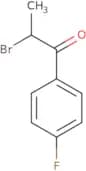
CAS:<p>(2S)-3-Methyl-2-(trifluoroacetamido)butanoic acid is an acid that is used as a precursor to other organic compounds. It is also known as trifluoroacetic acid, which has an acidic side chain. (2S)-3-Methyl-2-(trifluoroacetamido)butanoic acid can be synthesized by the condensation of indole-3-pyruvic acid and amines. This chemical compound also has chromatographic properties, hydroxyl group, tetrahydropyran, dehydration, nucleophilic, imine, anilines and oxazolones. (2S)-3-Methyl-2-(trifluoroacetamido)butanoic acid contains an amino function and aldehyde groups.</p>Formula:C7H10F3NO3Purezza:Min. 95%Peso molecolare:213.15 g/mol2-Bromo-1-(4-fluorophenyl)propan-1-one
CAS:<p>2-Bromo-1-(4-fluorophenyl)propan-1-one is an innovative, trifluoromethylthiolation reagent that has been synthesised for use in formate dehydrogenase and tosylates. 2-Bromo-1-(4-fluorophenyl)propan-1-one has a nucleophilic, bromine atom with a molybdenum active site. The functional groups on the molecule are ethers and thiols. The synthesis of this molecule is by electrolysis. This molecule was synthesised using inorganic methods.</p>Formula:C9H8BrFOPurezza:Min. 95%Peso molecolare:231.06 g/mol2,2-Difluoro-1-phenylethan-1-ol
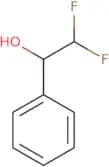
CAS:<p>Versatile small molecule scaffold</p>Formula:C8H8F2OPurezza:Min. 95%Peso molecolare:158.14 g/mol1-Fluoro-2-(prop-1-en-2-yl)benzene
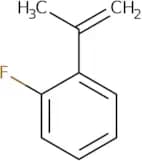
CAS:<p>Versatile small molecule scaffold</p>Formula:C9H9FPurezza:Min. 95%Peso molecolare:136.17 g/mol2,4-Dichloro-6-fluorophenol
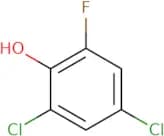
CAS:<p>Versatile small molecule scaffold</p>Formula:C6H3Cl2FOPurezza:Min. 95%Peso molecolare:180.99 g/mol3-Chloro-2,4,6-trifluoroaniline
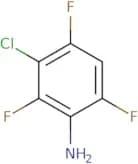
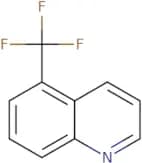
CAS:<p>Versatile small molecule scaffold</p>Formula:C6H3ClF3NPurezza:Min. 95%Peso molecolare:181.54 g/mol5-(Trifluoromethyl)quinoline
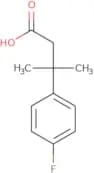
CAS:<p>Versatile small molecule scaffold</p>Formula:C10H6F3NPurezza:Min. 95%Peso molecolare:197.16 g/mol3-(4-Fluorophenyl)-3-methylbutanoic acid
CAS:<p>Versatile small molecule scaffold</p>Formula:C11H13FO2Purezza:Min. 95%Peso molecolare:196.22 g/mol5-Carbamoylpentanoic acid
CAS:<p>5-Carbamoylpentanoic acid is a fatty acid that is used in detergent compositions to form soap. It is also used as a raw material for the production of malonic acid, which can be used in the manufacture of polycarboxylic acids. 5-Carbamoylpentanoic acid has been shown to react with phosphorus pentoxide and diammonium hydroxide in a light-emitting reaction. This chemical can form an intermolecular hydrogen bond with amines, which may be due to its high reactivity towards nucleophiles. The reaction mechanism for this chemical is not well understood, but it is thought that it proceeds through an amide or alkyl addition.</p>Formula:C6H11NO3Purezza:Min. 95%Peso molecolare:145.16 g/mol1,1,1,7,7,7-Hexafluoroheptan-4-one
CAS:<p>1,1,1,7,7,7-Hexafluoroheptan-4-one is a fluorinated nonsteroidal antiinflammatory drug (NSAID) that is used to treat inflammation of the colon and other conditions. It is a potent inhibitor of cyclooxygenase 1 and 2 enzymes. This drug has been shown to be safe for use by pregnant women and children. The long-term effects on infants are not known. 1,1,1,7,7,7-Hexafluoroheptan-4-one inhibits the production of prostaglandins and may cause gastrointestinal bleeding. It also binds to gadolinium ions in the body and can be monitored using magnetic resonance imaging (MRI). Colchicine levels have been found to increase after treatment with this drug in some patients.</p>Formula:C7H8F6OPurezza:Min. 95%Peso molecolare:222.13 g/mol2-[(4-Fluorophenyl)thio]acetic acid
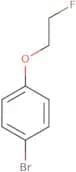
CAS:<p>2-[(4-Fluorophenyl)thio]acetic acid is a research chemical that belongs to the group of cyclocondensation compounds. It has been shown to yield two pyrimidines, pyrazolines, and isoxazoles when reacted with phenylacetaldehyde. This compound also forms an acid hydrazide when heated with hydrochloric acid. 2-[(4-Fluorophenyl)thio]acetic acid can be synthesized by reacting 4-fluorobenzaldehyde with hydrazine in refluxing ethanol. The c1-c7 alcohols are then removed using a vacuum distillation technique, followed by condensation of the remaining product. Chalcones are formed through this process as well.</p>Formula:C8H7FO2SPurezza:Min. 95%Peso molecolare:186.2 g/mol1-Bromo-4-(2-fluoroethoxy)benzene
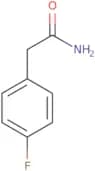
CAS:<p>Versatile small molecule scaffold</p>Formula:C8H8BrFOPurezza:Min. 95%Peso molecolare:219.05 g/mol2-(4-Fluorophenyl)acetamide
CAS:<p>2-(4-Fluorophenyl)acetamide (FFAA) is a broad-spectrum antiviral drug that has been evaluated against picornavirus, enterovirus, and rhinovirus. FFAA has been shown to be effective in the treatment of acute enterovirus infections in mice. This compound was also found to have a cytopathic effect on cells infected with enteroviruses in culture. It binds to the virus's RNA-dependent RNA polymerase and prevents viral replication. FFAA is not active against influenza A or B viruses, but it is active against influenza C virus. This compound has also been found to have medicinal properties, as it can inhibit the growth of human lung cancer cells in culture and may be useful for treating cancers such as leukemia.</p>Formula:C8H8FNOPurezza:Min. 95%Peso molecolare:153.15 g/mol3-Fluoro-phenylthioacetic acid
CAS:<p>Versatile small molecule scaffold</p>Formula:C8H7FO2SPurezza:Min. 95%Peso molecolare:186.2 g/mol3-Chloro-N-(2,2-difluoroethyl)aniline
CAS:<p>Versatile small molecule scaffold</p>Formula:C8H8ClF2NPurezza:Min. 95%Peso molecolare:191.6 g/mol4-(3-Fluoro-4-methoxyphenyl)butanoic acid
CAS:<p>Versatile small molecule scaffold</p>Formula:C11H13FO3Purezza:Min. 95%Peso molecolare:212.22 g/molN-(4-Fluoro-3-methylphenyl)acetamide
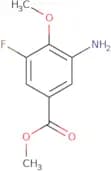
CAS:<p>Versatile small molecule scaffold</p>Formula:C9H10FNOPurezza:Min. 95%Peso molecolare:167.18 g/molMethyl 3-amino-5-fluoro-4-methoxybenzoate
CAS:<p>Versatile small molecule scaffold</p>Formula:C9H10FNO3Purezza:Min. 95%Peso molecolare:199.18 g/molN,N-Dibenzylguanidine hydrochloride
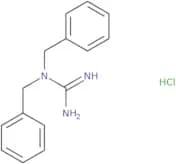
CAS:<p>Versatile small molecule scaffold</p>Formula:C15H18ClN3Purezza:Min. 95%Peso molecolare:275.77 g/mol2-Amino-2-(3-fluorophenyl)propanoic acid
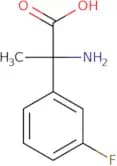
CAS:<p>Versatile small molecule scaffold</p>Formula:C9H10FNO2Purezza:Min. 95%Peso molecolare:183.18 g/mol4-Ethoxy-3-fluoronitrobenzene
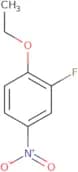
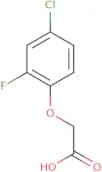
CAS:<p>Versatile small molecule scaffold</p>Formula:C8H8FNO3Purezza:Min. 95%Peso molecolare:185.15 g/mol2-(4-Chloro-2-fluorophenoxy)acetic acid
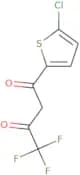
CAS:<p>Versatile small molecule scaffold</p>Formula:C8H6ClFO3Purezza:Min. 95%Peso molecolare:204.58 g/mol1-(5-Chlorothiophen-2-yl)-4,4,4-trifluorobutane-1,3-dione
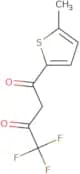
CAS:<p>Versatile small molecule scaffold</p>Formula:C8H4ClF3O2SPurezza:Min. 95%Peso molecolare:256.63 g/mol4,4,4-Trifluoro-1-(5-methyl-thiophen-2-yl)-butane-1,3-dione
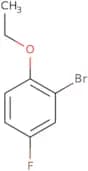
CAS:<p>Versatile small molecule scaffold</p>Formula:C9H7F3O2SPurezza:Min. 95%Peso molecolare:236.21 g/mol2-Bromo-4-fluorophenyl ethyl ether
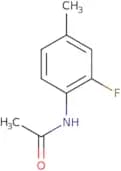
CAS:<p>Versatile small molecule scaffold</p>Formula:C8H8BrFOPurezza:Min. 95%Peso molecolare:219.05 g/molN-(2-Fluoro-4-methylphenyl)acetamide
CAS:<p>N-(2-fluoro-4-methylphenyl)acetamide (FMAA) is a sterically hindered, regioselective amine brominating agent. FMAA has shown high efficiency in the conversion of anilides to bromides. FMAA is also very efficient in orienting the substrates for bromination and can be used to prepare N-(2-bromo-4-methylphenyl)acetamide. The selectivity of this reagent is due to its steric effect that prevents the substrate from reacting with other functional groups on the molecule. FMAA has been successfully used in the synthesis of 2-[(2,6-dichlorophenyl)amino]-N-(2,4,6-trimethylphenyl)acetamide and 2-[(3,5-dichlorophenyl)amino]-N-(3,5,6-trimethylphenyl)acetamide.</p>Formula:C9H10FNOPurezza:Min. 95%Peso molecolare:167.18 g/mol2-(2-Fluorophenyl)acetamide
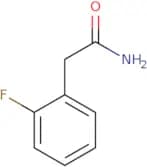
CAS:<p>2-(2-Fluorophenyl)acetamide is a nucleoside analogue that inhibits the activity of thymidine kinase, which is an enzyme that converts thymine to deoxyuridine monophosphate and vice versa. 2-(2-Fluorophenyl)acetamide has been shown to be effective against herpes simplex virus and is a lead compound for the development of antiviral compounds. This drug is not toxic to cells and has no adverse side effects.</p>Formula:C8H8FNOPurezza:Min. 95%Peso molecolare:153.16 g/molMethyl benzo[d][1,3]dioxole-5-carboxylate
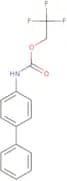
CAS:<p>Methyl benzo[d][1,3]dioxole-5-carboxylate is a prodrug of the active form, benzo[d][1,3]dioxole-5-carboxylic acid. It is used in the treatment of bowel disease and can be administered orally or intravenously. Methyl benzo[d][1,3]dioxole-5-carboxylate works by inhibiting the proteolytic enzymes that digest proteins in the small intestine. This drug has been shown to have an optimum concentration of 10-20 mg/mL when incubated with human ileal tissue. Methyl benzo[d][1,3]dioxole-5-carboxylate has also been shown to inhibit the activity of several inflammatory enzymes such as cyclooxygenase and lipoxygenase. This drug also has a protective effect on the lungs by inhibiting expiratory flow and clearing out</p>Formula:C9H8O4Purezza:Min. 95%Peso molecolare:180.16 g/mol2,2,2-Trifluoroethyl N-(4-phenylphenyl)carbamate
CAS:<p>Versatile small molecule scaffold</p>Formula:C15H12F3NO2Purezza:Min. 95%Peso molecolare:295.26 g/molN-(4-Fluorophenyl)-2-nitroaniline
CAS:<p>Versatile small molecule scaffold</p>Formula:C12H9FN2O2Purezza:Min. 95%Peso molecolare:232.21 g/molPyrido[2,3-b]pyrazine
CAS:<p>Pyrido[2,3-b]pyrazine is a sulfa drug that belongs to the group of drugs containing sulfur. It is an inhibitor of bacterial growth that binds to the nitrogen atom in the bacterial cell wall, thereby preventing coordination geometry and inhibiting growth. Pyrido[2,3-b]pyrazine has been shown to be active against cancer cells and has synergistic effects when used with other agents such as hydrochloric acid or trifluoroacetic acid. The binding of pyrido[2,3-b]pyrazine to the cell surface can disrupt receptor function and inhibit the production of certain growth factors. Pyrido[2,3-b]pyrazine also chelates metal ions such as iron and copper ions which are essential for bacterial metabolism.</p>Formula:C7H5N3Purezza:Min. 95%Peso molecolare:131.13 g/mol2-Amino-2-(2-fluorophenyl)propanoic acid
CAS:<p>Versatile small molecule scaffold</p>Formula:C9H10FNO2Purezza:Min. 95%Peso molecolare:183.18 g/mol4-Bromo-1,2-bis(trifluoromethyl)benzene
CAS:<p>4-Bromo-1,2-bis(trifluoromethyl)benzene is a reactive intermediate that can be used in the synthesis of other chemical compounds. It has been shown to react with cysteine residues and amino acid side chains, leading to covalent modifications in proteins. 4-Bromo-1,2-bis(trifluoromethyl)benzene is also used as a tool for screening chemical biology strategies and drug discovery.</p>Formula:C8H3BrF6Purezza:Min. 95%Peso molecolare:293 g/mol2-(2-Fluorophenyl)propan-2-ol
CAS:<p>Versatile small molecule scaffold</p>Formula:C9H11FOPurezza:Min. 95%Peso molecolare:154.18 g/molOpromazine hydrochloride
CAS:<p>Opromazine hydrochloride is an anti-infective agent that binds to the opiate receptor and inhibits the release of neurotransmitters. Opromazine hydrochloride has been shown to have synergistic effects when combined with gabapentin in human serum, which is a biological sample. Opromazine hydrochloride inhibits the replication of bacteria by binding to their nucleotide levels and preventing protein synthesis. It also binds to α1-acid glycoprotein, which is found in the blood, and prevents bacterial adhesion to tissue cells. The drug also binds to calmodulin and inhibits tricyclic antidepressants drugs such as desipramine, amitriptyline, nortriptyline, clomipramine, or imipramine.</p>Formula:C17H20Cl2N2OSPurezza:Min. 95%Peso molecolare:371.3 g/molELN484228
CAS:<p>ELN484228 is a ligand that binds to wild-type p53. It is a member of the ELN series, which are designed to have high affinity and specificity for wild-type p53. ELN484228 has been shown to inhibit the growth of cancer cells in vitro by binding to the wild-type p53 receptor and preventing it from entering into the nucleus of the cell. This ligand also blocks tumorigenesis in vivo by inhibiting tumor angiogenesis, metastasis, and invasion.</p>Formula:C12H10FNO2SPurezza:Min. 95%Peso molecolare:251.28 g/mol2-Amino-2-(4-fluoro-phenyl)-propionic acid
CAS:<p>Versatile small molecule scaffold</p>Formula:C9H10FNO2Purezza:Min. 95%Peso molecolare:183.18 g/mol1-Bromo-4-[(trifluoromethyl)sulfonyl]benzene
CAS:<p>Versatile small molecule scaffold</p>Formula:C7H4BrF3O2SPurezza:Min. 95%Peso molecolare:289.07 g/mol3-Oxa-9-azaspiro[5.5]undecane
CAS:<p>Versatile small molecule scaffold</p>Formula:C9H17NOPurezza:Min. 95%Peso molecolare:155.24 g/mol8-Thia-2-azaspiro[4.5]decane
CAS:<p>Versatile small molecule scaffold</p>Formula:C8H15NSPurezza:Min. 95%Peso molecolare:157.28 g/mol4-(2-Aminopropyl)phenol hydrobromide
CAS:Prodotto controllato<p>4-(2-Aminopropyl)phenol hydrobromide is a nonsteroidal anti-inflammatory drug that inhibits the production of prostaglandins and thromboxanes. It has been shown to be clinically relevant in the treatment of low diastolic pressure. The biological sample is typically obtained from a patient's blood or urine. The locomotor activity of animals was measured using a photocell beam apparatus, and the reaction solution contained 4-(2-aminopropyl)phenol hydrobromide, dopamine, and uric acid. <br>4-(2-Aminopropyl)phenol hydrobromide has been shown to reduce the incidence of infectious diseases in experimental models.</p>Formula:C9H14BrNOPurezza:Min. 95%Peso molecolare:232.12 g/mol3-Chloro-N-phenethyl-propionamide
CAS:<p>3-Chloro-N-phenethyl-propionamide is a hydrophobic, insoluble, and implanting drug that can be reconstituted with water and injected intravenously. It has been shown to have antimicrobial activity against P. aeruginosa in vitro, but not in vivo. 3-Chloro-N-phenethyl-propionamide has been used for the treatment of chronic wounds and burns. This drug has also been shown to be effective in iontophoresis devices when mixed with a diluent such as saline or water. 3-Chloro-N-phenethyl-propionamide interacts with bacterial cell membranes by binding to the anionic phospholipid head groups, disrupting membrane integrity and inhibiting protein synthesis. In addition, it may inhibit DNA gyrase activity by binding to dnaA protein.</p>Formula:C11H14ClNOPurezza:Min. 95%Peso molecolare:211.69 g/mol[2-Hydroxy-3-(3-methylphenoxy)propyl](propan-2-yl)amine hydrochloride
CAS:<p>2-Hydroxy-3-(3-methylphenoxy)propyl](propan-2-yl)amine hydrochloride is a pharmaceutical drug that is used to treat autoimmune diseases, such as diabetes. It is a glycol ester of the amino acid proline and has been shown to increase insulin sensitivity in cardiac tissue. The drug also has pluripotent cell activity, which means it can differentiate into other lineages of cells. This property makes 2-Hydroxy-3-(3-methylphenoxy)propyl](propan-2-yl)amine hydrochloride useful for regenerative medicine and tissue engineering. The drug also binds to receptors on cells and alters their function or gene expression. These effects are specific for each receptor and depend on the type of cell being treated.</p>Formula:C13H22ClNO2Purezza:Min. 95%Peso molecolare:259.77 g/mol2-Hydroxy-[1,1'-biphenyl]-3-carboxylic acid
CAS:<p>2-Hydroxy-[1,1'-biphenyl]-3-carboxylic acid (2HBC) is a monomer that belongs to the group of ester compounds. It has been shown to inhibit the growth of trichophyton mentagrophytes and other fungi by forming hydrogen bonds with the enzyme activities in the cell wall. 2HBC also inhibits microbial growth by binding to enzymes such as phospholipase A2, cyclooxygenase, and lipoxygenase, which are involved in inflammatory processes. This drug also inhibits bacterial growth by binding to the ribosome, preventing protein synthesis and leading to cell death. The inhibition of microbial growth is not limited to bacteria; it also occurs in fungi and protozoa. 2HBC has been shown to be active against both extracellular and intracellular microbial infections.</p>Formula:C13H10O3Purezza:Min. 95%Peso molecolare:214.22 g/mol(2S)-2-Amino-3-(4-hydroxy-3-methoxyphenyl)propanoic acid
CAS:Prodotto controllato<p>L-DOPA is a natural amino acid and intermediate in the biosynthesis of dopamine. It is also a precursor for the synthesis of norepinephrine from dopamine. L-DOPA is synthesized from the amino acid tyrosine by the enzyme tyrosine hydroxylase. It can be used as a drug to treat Parkinson's disease and other disorders that affect motor function, such as Huntington's disease and Tourette syndrome. L-DOPA is converted to dopamine by the enzyme dopa decarboxylase, which converts it to dopamine in a two-step process. The conversion of L-DOPA to dopamine can be monitored using electrochemical detection or fluorescence spectroscopy.</p>Formula:C10H13NO4Purezza:Min. 95%Peso molecolare:211.21 g/mol1-Methyl-6-oxo-1,4,5,6-tetrahydropyridazine-3-carboxamide
CAS:<p>1-Methyl-6-oxo-1,4,5,6-tetrahydropyridazine-3-carboxamide is a fatty acid ester with antihistaminic effects. It is used in pharmaceutical preparations as an antitussive and an excipient in diagnostic tests. It has been shown to be effective against acute or chronic inflammation of the respiratory tract, including bronchitis and asthma. 1-Methyl-6-oxo-1,4,5,6-tetrahydropyridazine-3-carboxamide has also been shown to inhibit prostaglandin synthesis by acting on the enzyme cyclooxygenase.</p>Formula:C6H9N3O2Purezza:Min. 95%Peso molecolare:155.15 g/molAzacycloundecane
CAS:<p>Azacycloundecane is a cycloalkane that is used as a solvent. The use of this compound in vivo models has been demonstrated to be useful in the study of drug uptake and distribution, as well as having clinical applications. Azacycloundecane is often used in detergent compositions due to its ability to solubilize fatty acids and inhibit their oxidation. This chemical has also been shown to have low energy, which makes it a suitable candidate for use in osmosis experiments. Azacycloundecane does not react with hydrogen chloride or carbonyl groups. It can be found naturally in fatty acids, amines, benzofuran derivatives, and aliphatic hydrocarbons.</p>Formula:C10H21NPurezza:Min. 95%Peso molecolare:155.28 g/mol9-Azabicyclo[6.1.0]nonane
CAS:<p>Versatile small molecule scaffold</p>Formula:C8H15NPurezza:Min. 95%Peso molecolare:125.21 g/mol6-Azabicyclo[3.1.0]hexane
CAS:<p>Versatile small molecule scaffold</p>Formula:C5H9NPurezza:Min. 95%Peso molecolare:83.13 g/mol3-Oxa-7-azabicyclo[3.3.1]nonane
CAS:<p>3-Oxa-7-azabicyclo[3.3.1]nonane is a linker that contains a hydroxyl group, heterocycle, intramolecular hydrogen, and fluorine. It has been shown to be an effective inhibitor of the HIV protease enzyme in vitro, although it is not active against other enzymes such as the human serum albumin or cytochrome P450. 3-Oxa-7-azabicyclo[3.3.1]nonane binds to the active site of the HIV protease by forming hydrogen bonds with amino acids near the active site and by stabilizing the conformation of its piperidine ring. This drug also has an axial orientation with respect to its fluoroquinolone plane and benzyl group that makes it stereoisomeric with 2 possible configurations: cis or trans.</p>Formula:C7H13NOPurezza:Min. 95%Peso molecolare:127.18 g/molRac-(1S,5R)-6-azabicyclo[3.2.1]octane hydrochloride
CAS:<p>Rac-(1S,5R)-6-azabicyclo[3.2.1]octane hydrochloride is a natural product that belongs to the group of lactams. It has been found in marine sponges and cyanobacteria. Rac-(1S,5R)-6-azabicyclo[3.2.1]octane hydrochloride has been shown to be an inhibitor of phosphoranes and epoxides, which are enzymes that catalyze the formation of phosphoranes, epoxides, and other reactive oxygen species. Rac-(1S,5R)-6-azabicyclo[3.2.1]octane hydrochloride inhibits these enzymes by binding to their active sites with high specificity and affinity, leading to the inhibition of their enzymatic activity and subsequent reduction of reactive oxygen species levels in cells.</p>Formula:C7H13N·HClPurezza:Min. 95%Peso molecolare:147.65 g/mol[1,3]Thiazolo[4,5-b]pyridine
CAS:<p>[1,3]Thiazolo[4,5-b]pyridine is a heterocyclic compound that is structurally similar to pyridine. It has been shown to act as an acceptor for hydrogen bonds and can be used in the synthesis of other compounds. [1,3]Thiazolo[4,5-b]pyridine has been shown to inhibit the growth of Staphylococcus aureus and amine-producing strains of bacteria such as Pseudomonas aeruginosa, Escherichia coli, and Klebsiella pneumoniae. This compound also acts as a nucleophile in pharmacophores that contain amines.</p>Formula:C6H4N2SPurezza:Min. 95%Peso molecolare:136.17 g/mol1H-Imidazo[4,5-b]pyrazine
CAS:<p>Imidazo[4,5-b]pyrazine is a chemical compound that binds to calcium ions and has been used in the treatment of metabolic disorders. The symptoms of imidazopyrazine include fatigue, weight loss, fever, chills, and muscle aches. Imidazopyrazine is also used for the treatment of autoimmune diseases such as rheumatoid arthritis. In vitro assays have shown that it activates macrophages and lymphocytes and may be useful in the treatment of skin lesions caused by an infection. Imidazopyrazine has been found to have pharmacokinetic properties with a half-life of 3 hours when administered orally. This drug has also been shown to have biological activity against rat liver microsomes.</p>Formula:C5H4N4Purezza:Min. 95%Peso molecolare:120.11 g/molBenzo[d][1,2,3]thiadiazole
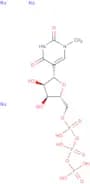
CAS:<p>Benzo[d][1,2,3]thiadiazole is a benzothiadiazole with a redox potential of -0.25 V that is stable in the absence of oxygen and light. It can be used to synthesize chemical pesticides by reacting with hydrochloric acid. The reaction mechanism of benzo[d][1,2,3]thiadiazole has been determined using nuclear magnetic resonance spectroscopy and quantum chemical calculations. This compound reacts with hydrogen bond acceptors on the enzyme active site to form covalent bonds. It also interacts with the enzyme's steric environment by forming hydrogen bonds and van der Waals forces. Benzo[d][1,2,3]thiadiazole also emits light when it reacts with nitric oxide in solution.</p>Formula:C6H4N2SPurezza:Min. 95%Peso molecolare:136.17 g/molN1-Methyl-pseudouridine-5'-triphosphate trisodium, 100mM aqueous solution
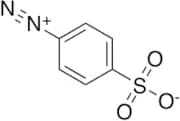
CAS:<p>Methyl-pseudouridine-5'-triphosphate trisodium is the triphosphate of 1-Methylpseudouridine is a substitute for uridine in modified mRNA. This substitution has shown to increase transfection by reducing immuogenicity. UV max wavelength = 272nm</p>Formula:C10H17N2O15P3•Na3Purezza:Min. 95%Colore e forma:Clear LiquidPeso molecolare:567.17 g/mol4-Diazobenzenesulfonic Acid
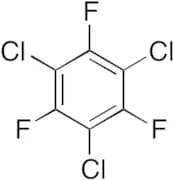
CAS:<p>Applications 4-Diazobenzenesulfonic acid (cas# 305-80-6) is a useful research chemical.<br></p>Formula:C6H4N2O3SPeso molecolare:184.171,3,5-Trifluorotrichlorobenzene
CAS:<p>Applications 1,3,5-Trifluorotrichlorobenzene is a useful reagent.<br></p>Formula:C6Cl3F3Peso molecolare:235.422-(4-Methoxyphenyl)ethyl bromide
CAS:<p>2-(4-Methoxyphenyl)ethyl bromide is an adenosine receptor antagonist that can be used in cancer treatment. It has been shown to inhibit the growth of cancer cells by blocking the binding of adenosine to its receptors and inhibiting phosphodiesterase, which is an enzyme that breaks down the key cellular messenger, cyclic AMP (cAMP). 2-(4-Methoxyphenyl)ethyl bromide also inhibits the production of aphanorphine, a morphine analogue that has been shown to stimulate endoplasmic reticulum stress and apoptosis in cancer cells. This compound has been synthesised and tested on animal models with promising results.</p>Formula:C9H11BrOPurezza:Min. 95%Peso molecolare:215.09 g/mol2,7-Naphthyridin-1(2H)-one
CAS:<p>Cabozantinib is a small molecule that is the first to target VEGFR-2, which is a receptor tyrosine kinase involved in the development of fibrosis. Cabozantinib inhibits the activity of VEGFR-2 by binding to its ATP-binding site and blocking the phosphorylation of downstream signaling pathways. Cabozantinib has been shown to have antifibrotic properties in both preclinical and clinical models. The drug candidate has been shown to reduce kidney fibrosis in animal models. The standard dose for cabozantinib was found to be 5 mg/kg, with a maximum tolerated dose of 20 mg/kg. In vitro studies have indicated that cabozantinib binds with high affinity to the ATP-binding pocket of VEGFR-2, exhibiting competitive inhibition against other kinases such as PDGFR-beta and cKit, as well as diaryliodonium (a specific inhibitor). Caboz</p>Formula:C8H6N2OPurezza:Min. 95%Peso molecolare:146.14 g/mol6-Bromo-3-methyl-2,3-dihydro-1,3-benzoxazol-2-one
CAS:<p>Versatile small molecule scaffold</p>Formula:C8H6BrNO2Purezza:Min. 95%Peso molecolare:228.04 g/mol(3-Aminopropyl)(3-phenylpropyl)amine
CAS:<p>Versatile small molecule scaffold</p>Formula:C12H20N2Purezza:Min. 95%Peso molecolare:192.3 g/mol6-Chloro-2,8-dimethylimidazo[1,2-b]pyridazine
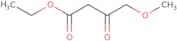
CAS:<p>Versatile small molecule scaffold</p>Formula:C8H8ClN3Purezza:Min. 95%Peso molecolare:181.62 g/molEthyl 4-methoxy-3-oxobutanoate
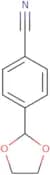
CAS:<p>Versatile small molecule scaffold</p>Formula:C7H12O4Purezza:Min. 95%Peso molecolare:160.17 g/mol4-(1,3-Dioxolan-2-yl)benzonitrile
CAS:<p>Versatile small molecule scaffold</p>Formula:C10H9NO2Purezza:Min. 95%Peso molecolare:175.18 g/mol(2S)-3-Hydroxy-2-phenylpropanoic acid
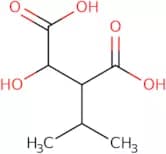
CAS:<p>(2S)-3-Hydroxy-2-phenylpropanoic acid is an unlabelled, naturally occurring compound. It is the citric acid analog of L-phenylalanine. The structure of (2S)-3-Hydroxy-2-phenylpropanoic acid is a skeleton that consists of one hydroxyl group and one carboxylic acid group. The carboxylic acid group has a double bond in the alpha position to the carboxyl carbon, which gives this molecule an acidic character. The chloride ion is also present in this structure. This molecule can be synthesized by a kinetic reaction that involves fatty acids and brugmansia as catalysts. It can also be synthesized through a catalysed reaction using thionyl chloride as a catalyst.</p>Formula:C9H10O3Purezza:Min. 95%Peso molecolare:166.17 g/mol2-Hydroxy-3-(1-methylethyl)-butanedioic acid
CAS:<p>2-Hydroxy-3-(1-methylethyl)-butanedioic acid is an organic compound that is a metabolite of the amino acid methionine. It is formed by the oxidation of the methyl group on the 2 position in methionine. The protein subunits are expressed in liver cells and it has been shown to have antioxidant properties. The analytical methods used for this compound include LC-MS/MS, which separates it into its individual isomers. This method can be used to determine the purity of 2-hydroxy-3-(1-methylethyl)-butanedioic acid. The carbonyl group in this molecule makes it susceptible to steric interactions with other molecules, which may lead to it being oxidized or reduced. It has been found that 2-hydroxy-3-(1-methylethyl)-butanedioic acid shows thermophilic and enterocolitic properties.</p>Formula:C7H12O5Purezza:Min. 95%Peso molecolare:176.17 g/molN-Carbethoxy-4-hydroxypiperidine
CAS:<p>N-Carbethoxy-4-hydroxypiperidine is a drug substance that is a h1 receptor antagonist. It is used as an antihistamine to treat the symptoms of hay fever and other allergic reactions. N-Carbethoxy-4-hydroxypiperidine is available in two enantiomers, or mirror images, which are labelled S and R. The R enantiomer is more potent than the S enantiomer for inhibiting histamine h1 receptors. This drug has been shown to inhibit the growth of tuberculosis bacteria in cell culture and animal models, but not against Mycobacterium avium complex. N-Carbethoxy-4-hydroxypiperidine has also been shown to have significant antibacterial activity against Clostridium perfringens with minimal toxicity in mice.</p>Formula:C8H15NO3Purezza:Min. 95%Peso molecolare:173.21 g/mol4-[1-(tert-Butoxy)-2-methyl-1-oxopropan-2-yl]benzoic acid
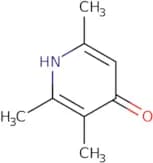
CAS:<p>Versatile small molecule scaffold</p>Formula:C15H20O4Purezza:Min. 95%Peso molecolare:264.32 g/mol2,3,6-Trimethylpyridin-4(1H)-One
CAS:<p>Versatile small molecule scaffold</p>Formula:C8H11NOPurezza:Min. 95%Peso molecolare:137.18 g/mol2-Oxa-spiro[3.3]heptan-6-ol
CAS:<p>Versatile small molecule scaffold</p>Formula:C6H10O2Purezza:Min. 95%Peso molecolare:114.14 g/mol2-Amino-5-fluoro-4-methoxybenzoic acid
CAS:<p>Versatile small molecule scaffold</p>Formula:C8H8FNO3Purezza:Min. 95%Peso molecolare:185.15 g/molMethyl 3-oxocyclohexanecarboxylate
CAS:<p>Methyl 3-oxocyclohexanecarboxylate is a chiral molecule that belongs to the class of β-unsaturated ketones. It has been shown to interact with enzymes from horse liver, dehydrogenase and carbanion. Methyl 3-oxocyclohexanecarboxylate is unreactive under most conditions and does not react with other molecules. The compound can be used as a starting material for the synthesis of olefinic compounds.</p>Formula:C8H12O3Purezza:Min. 95%Peso molecolare:156.18 g/mol8-Bromo-6-chloroisoquinoline
CAS:<p>Versatile small molecule scaffold</p>Formula:C9H5BrClNPurezza:Min. 95%Peso molecolare:242.5 g/molMethyl 1-methyl-4-oxocyclohexanecarboxylate
CAS:<p>Versatile small molecule scaffold</p>Formula:C9H14O3Purezza:Min. 95%Peso molecolare:170.21 g/mol2-Azaspiro[3.3]heptane-2,6-dicarboxylic acid 2-tert-butyl ester
CAS:<p>Versatile small molecule scaffold</p>Formula:C12H19NO4Purezza:Min. 95%Peso molecolare:241.28 g/mol4-(Aminomethyl)pyridine-2-carbonitrile hydrochloride
CAS:<p>Versatile small molecule scaffold</p>Formula:C7H8ClN3Purezza:Min. 95%Peso molecolare:169.61 g/mol4-(3-Aminopropyl)aniline
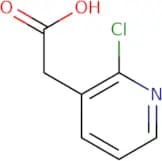
CAS:<p>Versatile small molecule scaffold</p>Formula:C9H14N2Purezza:Min. 95%Peso molecolare:150.22 g/mol(2-Chloropyridin-3-yl)acetic acid
CAS:<p>Versatile small molecule scaffold</p>Formula:C7H6ClNO2Purezza:Min. 95%Peso molecolare:171.6 g/mol2,4-Dichloroimidazo[2,1-F][1,2,4]triazine
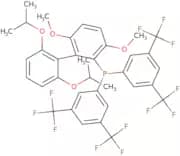
CAS:<p>Versatile small molecule scaffold</p>Formula:C5H2Cl2N4Purezza:Min. 95%Peso molecolare:189 g/molBis(3,5-bis(trifluoromethyl)phenyl)(2²,6²-bis(isopropoxy)-3,6-dimethoxybiphenyl-2-yl)phosphine
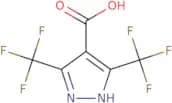
CAS:<p>Versatile small molecule scaffold</p>Formula:C36H31F12O4PPurezza:Min. 95%Peso molecolare:786.58 g/mol3,5-Bis(trifluoromethyl)-1H-pyrazole-4-carboxylic acid
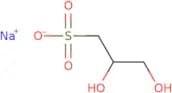
CAS:<p>3,5-Bis(trifluoromethyl)-1H-pyrazole-4-carboxylic acid is a chiral compound that has been shown to be an active building block for coordination frameworks. It is prepared from the reaction of 3,5-bis(trifluoromethyl)-1H-pyrazole with a carboxylic acid and can be used in the synthesis of metalloporphyrins. 3,5-Bis(trifluoromethyl)-1H-pyrazole-4-carboxylic acid has been shown to form stable coordination complexes with ligands such as bidentate or tridentate phosphoramidites and dimethylammonium chloride. This compound undergoes thermal treatment during the preparation process and reacts with various solvents and reagents.</p>Formula:C6H2F6N2O2Purezza:Min. 95%Peso molecolare:248.08 g/molSodium 2,3-dihydroxypropane-1-sulfonate
CAS:<p>Sodium 2,3-dihydroxypropane-1-sulfonate is a granular detergent that can be used in the production of heavy duty liquid and solid granules. It is an anionic surfactant with a sulfonate group that has a granular consistency. This detergent is often used as a wetting agent in detergents and as a dispersing agent in paints, dyes, and pharmaceuticals. Sodium 2,3-dihydroxypropane-1-sulfonate has been shown to be effective at removing particulate matter from water and can also be used as a stabilizer for other surfactants during manufacturing.</p>Formula:C3H7NaO5SPurezza:Min. 95%Peso molecolare:178.14 g/mol


![[1-(Cyclopropylmethyl)cyclopentyl]methanamine](/_next/image/?url=https%3A%2Fstatic.cymitquimica.com%2Fproducts%2F3D%2Fthumb-webp%2FLKC33644.webp&w=3840&q=75)


![3-BOC-3-Azabicyclo[3.1.0]hexane-1-methamine](/_next/image/?url=https%3A%2Fstatic.cymitquimica.com%2Fproducts%2F3D%2Fthumb-webp%2FLKC37927.webp&w=3840&q=75)

![Bis[(3-methyloxetan-3-yl)methyl]amine](/_next/image/?url=https%3A%2Fstatic.cymitquimica.com%2Fproducts%2F3D%2Fthumb-webp%2FLKC43289.webp&w=3840&q=75)


![4-Chloro-3-[(cyclopropylmethyl)sulfanyl]aniline](/_next/image/?url=https%3A%2Fstatic.cymitquimica.com%2Fproducts%2F3D%2Fthumb-webp%2FLKC52212.webp&w=3840&q=75)

![[5-(Difluoromethyl)-1-methyl-1H-pyrazol-4-yl]methanol](/_next/image/?url=https%3A%2Fstatic.cymitquimica.com%2Fproducts%2F3D%2Fthumb-webp%2FLKC55574.webp&w=3840&q=75)


![3-[(5-Bromopyrimidin-2-yl)oxy]benzoic acid](/_next/image/?url=https%3A%2Fstatic.cymitquimica.com%2Fproducts%2F3D%2Fthumb-webp%2FLTB37959.webp&w=3840&q=75)
![1-[4-(Trifluoromethyl)phenyl]-cyclobutanecarboxylic acid](/_next/image/?url=https%3A%2Fstatic.cymitquimica.com%2Fproducts%2F3D%2Fthumb-webp%2FLTB37978.webp&w=3840&q=75)






![tert-Butyl N-[(2-oxo-2,3-dihydro-1H-indol-3-yl)methyl]carbamate](/_next/image/?url=https%3A%2Fstatic.cymitquimica.com%2Fproducts%2F3D%2Fthumb-webp%2FLTB39248.webp&w=3840&q=75)
![1-Methyl-1H-pyrazolo[3,4-b]pyridine-5-carbonitrile](/_next/image/?url=https%3A%2Fstatic.cymitquimica.com%2Fproducts%2F3D%2Fthumb-webp%2FLTB39345.webp&w=3840&q=75)

![tert-Butyl 2,6-diazaspiro[4.5]decane-2-carboxylate](/_next/image/?url=https%3A%2Fstatic.cymitquimica.com%2Fproducts%2F3D%2Fthumb-webp%2FLTB39455.webp&w=3840&q=75)
![1,8-Diazaspiro[5.5]undecane-8-carboxylic acid tert-butyl ester](/_next/image/?url=https%3A%2Fstatic.cymitquimica.com%2Fproducts%2F3D%2Fthumb-webp%2FLTB39459.webp&w=3840&q=75)
![8-Cbz-1,8-diazaspiro[5.5]undecane](/_next/image/?url=https%3A%2Fstatic.cymitquimica.com%2Fproducts%2F3D%2Fthumb-webp%2FLTB39489.webp&w=3840&q=75)
![7-Methyl-2,7-diazaspiro[4.5]decane dihydrochloride](/_next/image/?url=https%3A%2Fstatic.cymitquimica.com%2Fproducts%2F3D%2Fthumb-webp%2FLTB39512.webp&w=3840&q=75)
![7-Benzyl-2,7-diazaspiro[4.5]decane](/_next/image/?url=https%3A%2Fstatic.cymitquimica.com%2Fproducts%2F3D%2Fthumb-webp%2FLTB39518.webp&w=3840&q=75)
![2-Methyl-2,7-diazaspiro[4.5]decane](/_next/image/?url=https%3A%2Fstatic.cymitquimica.com%2Fproducts%2F3D%2Fthumb-webp%2FLTB39566.webp&w=3840&q=75)
![tert-Butyl 2,5-diazaspiro[3.4]octane-2-carboxylate](/_next/image/?url=https%3A%2Fstatic.cymitquimica.com%2Fproducts%2F3D%2Fthumb-webp%2FLTB39802.webp&w=3840&q=75)
![tert-Butyl 2,5-diazaspiro[3.4]octane-5-carboxylate](/_next/image/?url=https%3A%2Fstatic.cymitquimica.com%2Fproducts%2F3D%2Fthumb-webp%2FLTB39804.webp&w=3840&q=75)
![tert-Butyl N-{2-[2-(tetramethyl-1,3,2-dioxaborolan-2-yl)phenyl]ethyl}carbamate](/_next/image/?url=https%3A%2Fstatic.cymitquimica.com%2Fproducts%2F3D%2Fthumb-webp%2FLTB60036.webp&w=3840&q=75)
![4-Bromo-6-chloro-2H-benzo[d][1,2,3]triazole](/_next/image/?url=https%3A%2Fstatic.cymitquimica.com%2Fproducts%2F3D%2Fthumb-webp%2FLTB83682.webp&w=3840&q=75)







![3-Chloro-5-[(4-chlorophenyl)methanesulfinyl]-1,2,4-thiadiazole](/_next/image/?url=https%3A%2Fstatic.cymitquimica.com%2Fproducts%2F3D%2Fthumb-webp%2FLUA99765.webp&w=3840&q=75)
![4-chloro-2-methyl-1H-pyrrolo[2,3-d]pyrimidine-5-carbaldehyde](/_next/image/?url=https%3A%2Fstatic.cymitquimica.com%2Fproducts%2F3D%2Fthumb-webp%2FLUB23778.webp&w=3840&q=75)
![Ethyl 3-cyano-6-(3-hydroxypropyl)pyrazolo[1,5-a]pyrimidine-7-carboxylate](/_next/image/?url=https%3A%2Fstatic.cymitquimica.com%2Fproducts%2F3D%2Fthumb-webp%2FLUB44730.webp&w=3840&q=75)
![1-[(5-Methyl-1,2-oxazol-3-yl)methyl]-4-(4-{[5-(trifluoromethyl)pyridin-2-yl]oxy}benzoyl)piperazine](/_next/image/?url=https%3A%2Fstatic.cymitquimica.com%2Fproducts%2F3D%2Fthumb-webp%2FLUB47157.webp&w=3840&q=75)

![1-[4-(Dimethylamino)phenyl]-3-{2,6-dimethylimidazo[2,1-b][1,3]thiazol-5-yl}prop-2-en-1-one](/_next/image/?url=https%3A%2Fstatic.cymitquimica.com%2Fproducts%2F3D%2Fthumb-webp%2FLUB59152.webp&w=3840&q=75)
![5-Methyl-1-{[4-(trifluoromethyl)phenyl]methyl}-1H-1,2,3-triazole-4-carboxylic acid](/_next/image/?url=https%3A%2Fstatic.cymitquimica.com%2Fproducts%2F3D%2Fthumb-webp%2FLUB88170.webp&w=3840&q=75)
![1-[Bromo(phenyl)methyl]-4-fluorobenzene](/_next/image/?url=https%3A%2Fstatic.cymitquimica.com%2Fproducts%2F3D%2Fthumb-webp%2FAAA36520.webp&w=3840&q=75)
![1-Benzyl-1H,2H-cyclohepta[D]imidazol-2-one](/_next/image/?url=https%3A%2Fstatic.cymitquimica.com%2Fproducts%2F3D%2Fthumb-webp%2FAAA36313.webp&w=3840&q=75)


![3,4-Dihydro-2H-benzo[E][1,2,4]thiadiazine 1,1-dioxide](/_next/image/?url=https%3A%2Fstatic.cymitquimica.com%2Fproducts%2F3D%2Fthumb-webp%2FAAA35984.webp&w=3840&q=75)

![2-{[3-(Trifluoromethyl)phenyl]amino}acetic acid](/_next/image/?url=https%3A%2Fstatic.cymitquimica.com%2Fproducts%2F3D%2Fthumb-webp%2FAAA34981.webp&w=3840&q=75)

![2-Hydroxy-2-[3-(trifluoromethyl)phenyl]acetic acid](/_next/image/?url=https%3A%2Fstatic.cymitquimica.com%2Fproducts%2F3D%2Fthumb-webp%2FAAA34910.webp&w=3840&q=75)


![2-[(4-Fluorophenyl)thio]acetic acid](/_next/image/?url=https%3A%2Fstatic.cymitquimica.com%2Fproducts%2F3D%2Fthumb-webp%2FAAA33251.webp&w=3840&q=75)
![Methyl benzo[d][1,3]dioxole-5-carboxylate](/_next/image/?url=https%3A%2Fstatic.cymitquimica.com%2Fproducts%2F3D%2Fthumb-webp%2FAAA32656.webp&w=3840&q=75)

![Pyrido[2,3-b]pyrazine](/_next/image/?url=https%3A%2Fstatic.cymitquimica.com%2Fproducts%2F3D%2Fthumb-webp%2FAAA32246.webp&w=3840&q=75)


![1-Bromo-4-[(trifluoromethyl)sulfonyl]benzene](/_next/image/?url=https%3A%2Fstatic.cymitquimica.com%2Fproducts%2F3D%2Fthumb-webp%2FAAA31220.webp&w=3840&q=75)
![3-Oxa-9-azaspiro[5.5]undecane](/_next/image/?url=https%3A%2Fstatic.cymitquimica.com%2Fproducts%2F3D%2Fthumb-webp%2FAAA31121.webp&w=3840&q=75)
![8-Thia-2-azaspiro[4.5]decane](/_next/image/?url=https%3A%2Fstatic.cymitquimica.com%2Fproducts%2F3D%2Fthumb-webp%2FAAA31094.webp&w=3840&q=75)


amine hydrochloride](/_next/image/?url=https%3A%2Fstatic.cymitquimica.com%2Fproducts%2F3D%2Fthumb-webp%2FAAA30611.webp&w=3840&q=75)
![2-Hydroxy-[1,1'-biphenyl]-3-carboxylic acid](/_next/image/?url=https%3A%2Fstatic.cymitquimica.com%2Fproducts%2F3D%2Fthumb-webp%2FAAA30406.webp&w=3840&q=75)


![9-Azabicyclo[6.1.0]nonane](/_next/image/?url=https%3A%2Fstatic.cymitquimica.com%2Fproducts%2F3D%2Fthumb-webp%2FAAA28661.webp&w=3840&q=75)
![6-Azabicyclo[3.1.0]hexane](/_next/image/?url=https%3A%2Fstatic.cymitquimica.com%2Fproducts%2F3D%2Fthumb-webp%2FAAA28563.webp&w=3840&q=75)
![3-Oxa-7-azabicyclo[3.3.1]nonane](/_next/image/?url=https%3A%2Fstatic.cymitquimica.com%2Fproducts%2F3D%2Fthumb-webp%2FAAA28075.webp&w=3840&q=75)
![Rac-(1S,5R)-6-azabicyclo[3.2.1]octane hydrochloride](/_next/image/?url=https%3A%2Fstatic.cymitquimica.com%2Fproducts%2F3D%2Fthumb-webp%2FAAA27985.webp&w=3840&q=75)
![[1,3]Thiazolo[4,5-b]pyridine](/_next/image/?url=https%3A%2Fstatic.cymitquimica.com%2Fproducts%2F3D%2Fthumb-webp%2FAAA27398.webp&w=3840&q=75)
![1H-Imidazo[4,5-b]pyrazine](/_next/image/?url=https%3A%2Fstatic.cymitquimica.com%2Fproducts%2F3D%2Fthumb-webp%2FAAA27394.webp&w=3840&q=75)
![Benzo[d][1,2,3]thiadiazole](/_next/image/?url=https%3A%2Fstatic.cymitquimica.com%2Fproducts%2F3D%2Fthumb-webp%2FAAA27377.webp&w=3840&q=75)



![6-Chloro-2,8-dimethylimidazo[1,2-b]pyridazine](/_next/image/?url=https%3A%2Fstatic.cymitquimica.com%2Fproducts%2F3D%2Fthumb-webp%2FSAA41223.webp&w=3840&q=75)


![4-[1-(tert-Butoxy)-2-methyl-1-oxopropan-2-yl]benzoic acid](/_next/image/?url=https%3A%2Fstatic.cymitquimica.com%2Fproducts%2F3D%2Fthumb-webp%2FNKD15780.webp&w=3840&q=75)
![2-Oxa-spiro[3.3]heptan-6-ol](/_next/image/?url=https%3A%2Fstatic.cymitquimica.com%2Fproducts%2F3D%2Fthumb-webp%2FNEC38108.webp&w=3840&q=75)


![2-Azaspiro[3.3]heptane-2,6-dicarboxylic acid 2-tert-butyl ester](/_next/image/?url=https%3A%2Fstatic.cymitquimica.com%2Fproducts%2F3D%2Fthumb-webp%2FLYB52653.webp&w=3840&q=75)


![2,4-Dichloroimidazo[2,1-F][1,2,4]triazine](/_next/image/?url=https%3A%2Fstatic.cymitquimica.com%2Fproducts%2F3D%2Fthumb-webp%2FKXC70089.webp&w=3840&q=75)