


Building Blocks
Questa sezione contiene prodotti fondamentali per la sintesi di composti organici e biologici. Building blocks sono i materiali di partenza essenziali utilizzati per costruire molecole complesse attraverso varie reazioni chimiche. Svolgono un ruolo critico nella scoperta di farmaci, nella scienza dei materiali e nella ricerca chimica. Presso CymitQuimica, offriamo una gamma diversificata di building blocks di alta qualità per supportare le tue ricerche innovative e progetti industriali, assicurandoti di avere i componenti essenziali per una sintesi di successo.
Sottocategorie di "Building Blocks"
- Acidi boronici e derivati dell'acido boronico(5.756 prodotti)
- Building Blocks Chirali(1.242 prodotti)
- Building Blocks Idrocarburici(6.095 prodotti)
- Building Blocks organici(61.036 prodotti)
Trovati 195887 prodotti di "Building Blocks"
Ordinare per
Purezza (%)
0
100
|
0
|
50
|
90
|
95
|
100
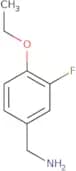
(4-Ethoxy-3-fluorophenyl)methanamine
CAS:<p>Versatile small molecule scaffold</p>Formula:C9H12FNOPurezza:Min. 95%Peso molecolare:169.2 g/mol3-Amino-1-[4-(propan-2-yloxy)phenyl]thiourea
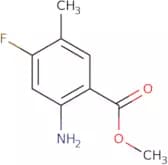
CAS:<p>Versatile small molecule scaffold</p>Formula:C10H15N3OSPurezza:Min. 95%Peso molecolare:225.31 g/molmethyl 2-amino-4-fluoro-5-methylbenzoate
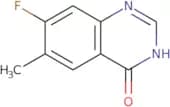
CAS:<p>Versatile small molecule scaffold</p>Formula:C9H10FNO2Purezza:Min. 95%Peso molecolare:183.2 g/mol7-Fluoro-6-methylquinazolin-4(3H)-one
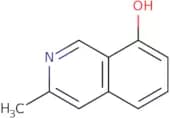
CAS:<p>Versatile small molecule scaffold</p>Formula:C9H7FN2OPurezza:Min. 95%Peso molecolare:178.16 g/mol3-Methylisoquinolin-8-ol
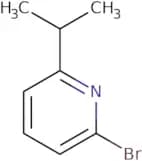
CAS:<p>Versatile small molecule scaffold</p>Formula:C10H9NOPurezza:Min. 95%Peso molecolare:159.18 g/mol2-Bromo-6-isopropylpyridine
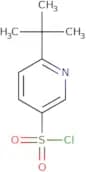
CAS:<p>Versatile small molecule scaffold</p>Formula:C8H10BrNPurezza:Min. 95%Peso molecolare:200.08 g/mol6-tert-Butylpyridine-3-sulfonyl chloride
CAS:<p>Versatile small molecule scaffold</p>Formula:C9H12ClNO2SPurezza:Min. 95%Peso molecolare:233.72 g/mol5-Bromo-3-ethylpyridin-2-amine
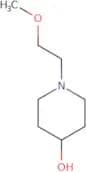
CAS:<p>Versatile small molecule scaffold</p>Formula:C7H9BrN2Purezza:Min. 95%Peso molecolare:201.06 g/mol1-(2-Methoxyethyl)piperidin-4-ol
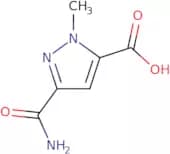
CAS:<p>Versatile small molecule scaffold</p>Formula:C8H17NO2Purezza:Min. 95%Peso molecolare:159.23 g/mol3-Carbamoyl-1-methyl-1H-pyrazole-5-carboxylic acid
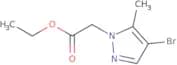
CAS:<p>Versatile small molecule scaffold</p>Formula:C6H7N3O3Purezza:Min. 95%Peso molecolare:169.14 g/molEthyl 2-(4-bromo-5-methyl-1H-pyrazol-1-yl)acetate
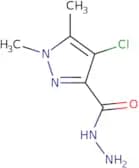
CAS:<p>Versatile small molecule scaffold</p>Formula:C8H11BrN2O2Purezza:Min. 95%Peso molecolare:247.09 g/mol4-Chloro-1,5-dimethyl-1H-pyrazole-3-carbohydrazide
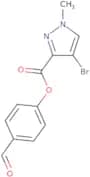
CAS:<p>Versatile small molecule scaffold</p>Formula:C6H9ClN4OPurezza:Min. 95%Peso molecolare:188.61 g/mol4-Formylphenyl 4-bromo-1-methyl-1H-pyrazole-3-carboxylate
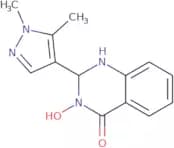
CAS:<p>Versatile small molecule scaffold</p>Formula:C12H9BrN2O3Purezza:Min. 95%Peso molecolare:309.11 g/mol2-(1,5-Dimethyl-1H-pyrazol-4-yl)-3-hydroxy-2,3-dihydro-1H-quinazolin-4-one
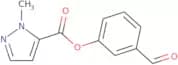
CAS:<p>Versatile small molecule scaffold</p>Formula:C13H14N4O2Purezza:Min. 95%Peso molecolare:258.28 g/mol3-Formylphenyl 1-methyl-1H-pyrazole-5-carboxylate
CAS:<p>Versatile small molecule scaffold</p>Formula:C12H10N2O3Purezza:Min. 95%Peso molecolare:230.22 g/mol5-[(4-Nitro-1H-pyrazol-1-yl)methyl]furan-2-carbaldehyde
CAS:<p>Versatile small molecule scaffold</p>Formula:C9H7N3O4Purezza:Min. 95%Peso molecolare:221.17 g/mol4-[(4-Bromo-1H-pyrazol-1-yl)methyl]aniline
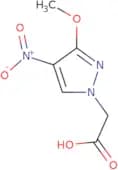
CAS:<p>Versatile small molecule scaffold</p>Formula:C10H10BrN3Purezza:Min. 95%Peso molecolare:252.11 g/mol2-(3-Methoxy-4-nitro-1H-pyrazol-1-yl)acetic acid
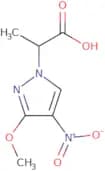
CAS:<p>Versatile small molecule scaffold</p>Formula:C6H7N3O5Purezza:Min. 95%Peso molecolare:201.14 g/mol2-(3-Methoxy-4-nitro-1H-pyrazol-1-yl)propanoic acid
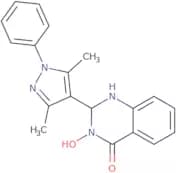
CAS:<p>Versatile small molecule scaffold</p>Formula:C7H9N3O5Purezza:Min. 95%Peso molecolare:215.16 g/mol2-(3,5-Dimethyl-1-phenyl-1H-pyrazol-4-yl)-3-hydroxy-1,2,3,4-tetrahydroquinazolin-4-one
CAS:<p>Versatile small molecule scaffold</p>Formula:C19H18N4O2Purezza:Min. 95%Peso molecolare:334.4 g/mol5-[(3,5-Dimethyl-4-nitro-1H-pyrazol-1-yl)methyl]furan-2-carbaldehyde
CAS:<p>5-[(3,5-Dimethyl-4-nitro-1H-pyrazol-1-yl)methyl]furan-2-carbaldehyde (MFA) is a nucleophilic reagent that can be used to introduce the triflate group into organic molecules. MFA is prepared by reacting 5-(hydroxymethyl)furfural with methanesulfonyl chloride in the presence of triethylamine. This compound has been used to study DNA methylation, as well as reactions involving sulfonates and mesylates.<br>br>br><br>The MFA molecule has a nucleophilic hydroxymethyl group that reacts with electron withdrawing groups such as trifluoromethanesulfonate and methanesulfonyl chloride. The electron donating hydroxymethyl group can also react with electron withdrawing groups such as tosylate and sulfonate, which have an electrophilic carbonyl carbon atom</p>Formula:C11H11N3O4Purezza:Min. 95%Peso molecolare:249.22 g/mol2-[3-(3,5-Dimethyl-1H-pyrazol-4-yl)adamantan-1-yl]acetic acid
CAS:<p>Versatile small molecule scaffold</p>Formula:C17H24N2O2Purezza:Min. 95%Peso molecolare:288.4 g/mol5-[(4-Bromo-3-nitro-1H-pyrazol-1-yl)methyl]furan-2-carboxylic acid
CAS:<p>Versatile small molecule scaffold</p>Formula:C9H6BrN3O5Purezza:Min. 95%Peso molecolare:316.06 g/mol[5-(Difluoromethyl)-3-methyl-1H-pyrazol-1-yl]acetic acid
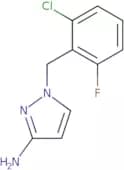
CAS:<p>Versatile small molecule scaffold</p>Formula:C7H8F2N2O2Purezza:Min. 95%Peso molecolare:190.15 g/mol1-(2-Chloro-6-fluoro-benzyl)-1 H -pyrazol-3-ylamine
CAS:<p>Versatile small molecule scaffold</p>Formula:C10H9ClFN3Purezza:Min. 95%Peso molecolare:225.65 g/molEthyl 4-chloro-1,5-dimethyl-1H-pyrazole-3-carboxylate
CAS:<p>Versatile small molecule scaffold</p>Formula:C8H11ClN2O2Purezza:Min. 95%Peso molecolare:202.64 g/mol5-[(4-Bromo-3-nitro-1H-pyrazol-1-yl)methyl]furan-2-carbaldehyde
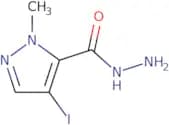
CAS:<p>Versatile small molecule scaffold</p>Formula:C9H6BrN3O4Purezza:Min. 95%Peso molecolare:300.07 g/mol4-Iodo-1-methyl-1H-pyrazole-5-carbohydrazide
CAS:<p>Versatile small molecule scaffold</p>Formula:C5H7IN4OPurezza:Min. 95%Peso molecolare:266.04 g/mol1-[(2,6-Dichlorophenyl)methyl]-1H-pyrazol-4-amine
CAS:<p>Versatile small molecule scaffold</p>Formula:C10H9Cl2N3Purezza:Min. 95%Peso molecolare:242.1 g/mol3-{3-[(4-Bromophenoxy)methyl]-4-methoxyphenyl}prop-2-enoic acid
CAS:<p>Versatile small molecule scaffold</p>Formula:C17H15BrO4Purezza:Min. 95%Peso molecolare:363.2 g/mol2-[5-Methyl-3-(trifluoromethyl)-1H-pyrazol-1-yl]acetohydrazide
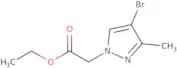
CAS:<p>2-[5-Methyl-3-(trifluoromethyl)-1H-pyrazol-1-yl]acetohydrazide (MTPA) is a hydrazide derivative that has been shown to be cytotoxic against human cells. MTPA binds to sulfa drugs, which cause crosslinking of proteins and inhibition of the enzyme dihydropyrimidine dehydrogenase. MTPA also has antimicrobial activity, inhibiting the growth of bacteria such as Salmonella enterica serovar Typhi and Staphylococcus aureus. It is also used in pharmacological treatment for infectious diseases.</p>Formula:C7H9F3N4OPurezza:Min. 95%Peso molecolare:222.17 g/molEthyl 2-(4-bromo-3-methyl-1H-pyrazol-1-yl)acetate
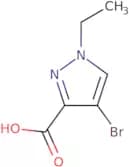
CAS:<p>Versatile small molecule scaffold</p>Formula:C8H11BrN2O2Purezza:Min. 95%Peso molecolare:247.09 g/mol4-bromo-1-ethyl-1H-pyrazole-3-carboxylic acid
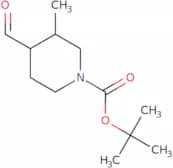
CAS:<p>Versatile small molecule scaffold</p>Formula:C6H7BrN2O2Purezza:Min. 95%Peso molecolare:219 g/moltert-butyl 4-formyl-3-methylpiperidine-1-carboxylate
CAS:<p>Versatile small molecule scaffold</p>Formula:C12H21NO3Purezza:Min. 95%Peso molecolare:227.3 g/mol3-azabicyclo[3.3.1]nonane-3-carboxylic acid, 9-oxo-, 1,1-dimethylethyl ester
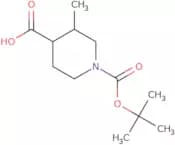
CAS:<p>Versatile small molecule scaffold</p>Formula:C13H21NO3Purezza:Min. 95%Peso molecolare:239.32 g/molN-Boc-3-methyl-4-piperidinecarboxylic Acid
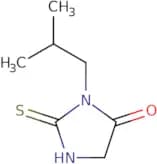
CAS:<p>Versatile small molecule scaffold</p>Formula:C12H21NO4Purezza:Min. 95%Peso molecolare:243.3 g/mol1-(2-Methylpropyl)-2-sulfanyl-4,5-dihydro-1H-imidazol-5-one
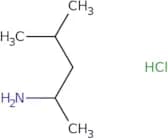
CAS:<p>Versatile small molecule scaffold</p>Formula:C7H12N2OSPurezza:Min. 95%Peso molecolare:172.25 g/mol(2S)-4-Methylpentan-2-amine hydrochloride
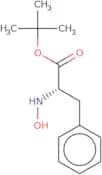
CAS:Prodotto controllato<p>Versatile small molecule scaffold</p>Formula:C6H16ClNPurezza:Min. 95%Peso molecolare:137.65 g/moltert-Butyl (2S)-2-(N-hydroxyamino)-3-phenylpropanoate
CAS:<p>Versatile small molecule scaffold</p>Formula:C13H19NO3Purezza:Min. 95%Peso molecolare:237.3 g/mol[4-(Heptafluoropropan-2-yl)phenyl]methanol
CAS:<p>Versatile small molecule scaffold</p>Formula:C10H7F7OPurezza:Min. 95%Peso molecolare:276.15 g/molMethyl 3-[(oxan-4-yl)amino]propanoate
CAS:<p>Versatile small molecule scaffold</p>Formula:C9H17NO3Purezza:Min. 95%Peso molecolare:187.24 g/moltert-Butyl 2-[(7S)-5-amino-2,8-dioxo-3,9-diazatricyclo[8.4.0.0,3,7]tetradeca-1(14),10,12-trien-9-yl]acetate
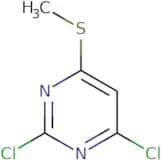
CAS:<p>Versatile small molecule scaffold</p>Formula:C18H23N3O4Purezza:Min. 95%Peso molecolare:345.4 g/mol2,4-Dichloro-6-(methylsulfanyl)pyrimidine
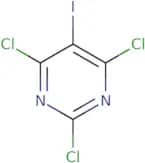
CAS:<p>Versatile small molecule scaffold</p>Formula:C5H4Cl2N2SPurezza:Min. 95%Peso molecolare:195.07 g/mol2,4,6-Trichloro-5-iodopyrimidine
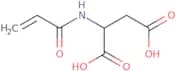
CAS:<p>Versatile small molecule scaffold</p>Formula:C4Cl3IN2Purezza:Min. 95%Peso molecolare:309.32 g/mol(2R)-2-(Prop-2-enamido)butanedioic acid
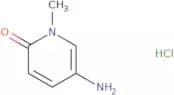
CAS:<p>Versatile small molecule scaffold</p>Formula:C7H9NO5Purezza:Min. 95%Peso molecolare:187.2 g/mol5-Amino-1-methyl-1,2-dihydropyridin-2-one hydrochloride
CAS:<p>Versatile small molecule scaffold</p>Formula:C6H8N2O·HClPurezza:Min. 95%Peso molecolare:160.6 g/molN-[3-(Morpholin-4-yl)propyl]aniline
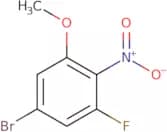
CAS:<p>Versatile small molecule scaffold</p>Formula:C13H20N2OPurezza:Min. 95%Peso molecolare:220.31 g/mol5-Bromo-1-fluoro-3-methoxy-2-nitrobenzene
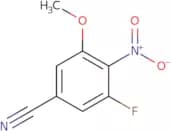
CAS:<p>Versatile small molecule scaffold</p>Formula:C7H5BrFNO3Purezza:Min. 95%Peso molecolare:250.02 g/mol3-Fluoro-5-methoxy-4-nitrobenzonitrile
CAS:<p>Versatile small molecule scaffold</p>Formula:C8H5FN2O3Purezza:Min. 95%Peso molecolare:196.14 g/mol3-Bromopyrazolo[1,5-b]pyridazine
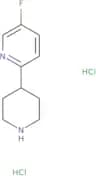
CAS:<p>Versatile small molecule scaffold</p>Formula:C6H4BrN3Purezza:Min. 95%Peso molecolare:198.02 g/mol5-Fluoro-2-(piperidin-4-yl)pyridine dihydrochloride
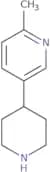
CAS:<p>Versatile small molecule scaffold</p>Formula:C10H15Cl2FN2Purezza:Min. 95%Peso molecolare:253.14 g/mol2-Methyl-5-(piperidin-4-yl)pyridine
CAS:<p>Versatile small molecule scaffold</p>Formula:C11H16N2Purezza:Min. 95%Peso molecolare:176.26 g/mol2-Amino-2-(4,4-difluorocyclohexyl)acetic acid hydrochloride
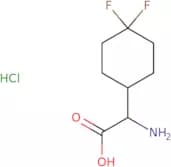
CAS:<p>Versatile small molecule scaffold</p>Formula:C8H14ClF2NO2Purezza:Min. 95%Peso molecolare:229.7 g/mol1-tert-Butylcyclobutan-1-amine hydrochloride
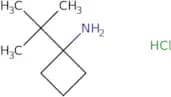
CAS:<p>Versatile small molecule scaffold</p>Formula:C8H18ClNPurezza:Min. 95%Peso molecolare:163.7 g/molSpiro[2.4]heptan-5-amine hydrochloride
CAS:<p>Versatile small molecule scaffold</p>Formula:C7H14ClNPurezza:Min. 95%Peso molecolare:147.64 g/mol1-[(4-Methylphenyl)methyl]-1H-1,3-benzodiazole-2-carbaldehyde
CAS:<p>Versatile small molecule scaffold</p>Formula:C16H14N2OPurezza:Min. 95%Peso molecolare:250.29 g/mol4-(2-Methylprop-2-en-1-yl)-5-(3,4,5-trimethoxyphenyl)-4H-1,2,4-triazole-3-thiol
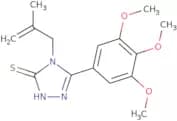
CAS:<p>Versatile small molecule scaffold</p>Formula:C15H19N3O3SPurezza:Min. 95%Peso molecolare:321.4 g/mol2-{[4-Ethyl-5-(4-methoxyphenyl)-4H-1,2,4-triazol-3-yl]sulfanyl}acetohydrazide
CAS:<p>Versatile small molecule scaffold</p>Formula:C13H17N5O2SPurezza:Min. 95%Peso molecolare:307.37 g/mol4-(Furan-2-ylmethyl)-5-(4-methoxyphenyl)-4H-1,2,4-triazole-3-thiol
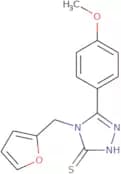
CAS:<p>Versatile small molecule scaffold</p>Formula:C14H13N3O2SPurezza:Min. 95%Peso molecolare:287.34 g/mol4-(Furan-2-ylmethyl)-5-(phenoxymethyl)-4H-1,2,4-triazole-3-thiol
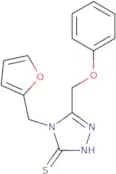
CAS:<p>Versatile small molecule scaffold</p>Formula:C14H13N3O2SPurezza:Min. 95%Peso molecolare:287.34 g/mol4-(Furan-2-ylmethyl)-5-(3-methylphenoxymethyl)-4H-1,2,4-triazole-3-thiol
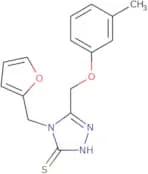
CAS:<p>Versatile small molecule scaffold</p>Formula:C15H15N3O2SPurezza:Min. 95%Peso molecolare:301.4 g/mol4-(Furan-2-ylmethyl)-5-phenyl-4H-1,2,4-triazole-3-thiol
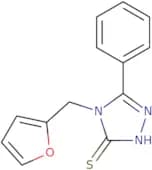
CAS:<p>Versatile small molecule scaffold</p>Formula:C13H11N3OSPurezza:Min. 95%Peso molecolare:257.31 g/mol2-{[4-Benzyl-5-(furan-2-yl)-4H-1,2,4-triazol-3-yl]sulfanyl}acetic acid
CAS:<p>Versatile small molecule scaffold</p>Formula:C15H13N3O3SPurezza:Min. 95%Peso molecolare:315.3 g/mol2-Ethyl-1-[(3-methylphenyl)methyl]-1H-1,3-benzodiazole
CAS:Prodotto controllato<p>Versatile small molecule scaffold</p>Formula:C17H18N2Purezza:Min. 95%Peso molecolare:250.34 g/mol2-{6-Bromo-3H-imidazo[4,5-b]pyridin-2-yl}pyridine
CAS:<p>Versatile small molecule scaffold</p>Formula:C11H7BrN4Purezza:Min. 95%Peso molecolare:275.1 g/mol4-Chloro-2,6-difluorophenylacetonitrile
CAS:<p>Versatile small molecule scaffold</p>Formula:C8H4BrCl2NPurezza:Min. 95%Peso molecolare:187.57 g/mol5-(Trifluoromethyl)thieno[3,2-b]pyridine
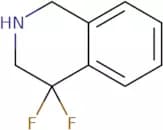
CAS:<p>Versatile small molecule scaffold</p>Formula:C8H4F3NSPurezza:Min. 95%Peso molecolare:203.19 g/mol4,4-Difluoro-1,2,3,4-tetrahydroisoquinoline
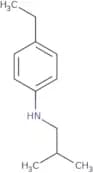
CAS:<p>Versatile small molecule scaffold</p>Formula:C9H9F2NPurezza:Min. 95%Peso molecolare:169.17 g/mol4-Ethyl-N-(2-methylpropyl)aniline
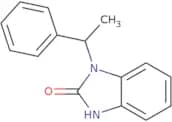
CAS:<p>4-Ethyl-N-(2-methylpropyl)aniline is a drug that belongs to the group of aryl halides. It has been shown to have potent anti-inflammatory effects, which are due to the inhibition of IL-17A and other cytokines. This drug also has an oral bioavailability profile that is modified by nucleophilic agents and retinoic acid, which may be related to its pharmacokinetic properties. 4-Ethyl-N-(2-methylpropyl)aniline has been shown to be a potential therapeutic target for autoimmune diseases such as rheumatoid arthritis. 4-Ethyl-N-(2-methylpropyl)aniline is not very soluble in water but is readily soluble in lipids and fats, which may account for its high bioavailability through oral administration. In vivo studies show that 4ethyl N-(2methylpropyl)aniline does not induce significant hepatotoxicity or neph</p>Formula:C12H19NPurezza:Min. 95%Peso molecolare:177.29 g/mol1-(1-Phenylethyl)-2,3-dihydro-1H-1,3-benzodiazol-2-one
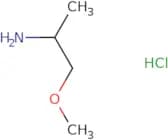
CAS:<p>Versatile small molecule scaffold</p>Formula:C15H14N2OPurezza:Min. 95%Peso molecolare:238.28 g/mol(2S)-1-Methoxypropan-2-amine hydrochloride
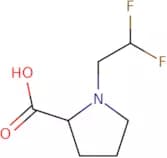
CAS:<p>Versatile small molecule scaffold</p>Formula:C4H12ClNOPurezza:Min. 95%Peso molecolare:125.6 g/mol1-(2,2-Difluoroethyl)pyrrolidine-2-carboxylic acid
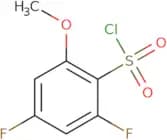
CAS:<p>Versatile small molecule scaffold</p>Formula:C7H11F2NO2Purezza:Min. 95%Peso molecolare:179.16 g/mol2,4-Difluoro-6-methoxybenzene-1-sulfonyl chloride
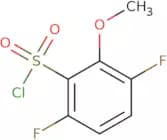
CAS:<p>Versatile small molecule scaffold</p>Formula:C7H5ClF2O3SPurezza:Min. 95%Peso molecolare:242.63 g/mol3,6-Difluoro-2-methoxybenzene-1-sulfonyl chloride
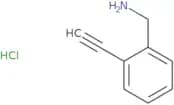
CAS:<p>Versatile small molecule scaffold</p>Formula:C7H5ClF2O3SPurezza:Min. 95%Peso molecolare:242.63 g/mol(2-Ethynylphenyl)methanamine hydrochloride
CAS:<p>Versatile small molecule scaffold</p>Formula:C9H10ClNPurezza:Min. 95%Peso molecolare:167.6 g/mol4-Bromo-7-methoxyindolin-2-one
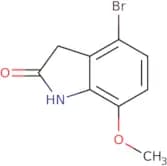
CAS:<p>Versatile small molecule scaffold</p>Formula:C9H8BrNO2Purezza:Min. 95%Peso molecolare:242.07 g/mol2-[4-(Difluoromethoxy)-3-fluorophenyl]-4,4,5,5-tetramethyl-1,3,2-dioxaborolane
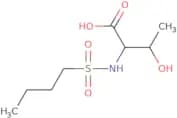
CAS:<p>Versatile small molecule scaffold</p>Formula:C13H16BF3O3Purezza:Min. 95%Peso molecolare:288.07 g/mol2-(Butane-1-sulfonamido)-3-hydroxybutanoic acid
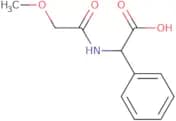
CAS:<p>Versatile small molecule scaffold</p>Formula:C8H17NO5SPurezza:Min. 95%Peso molecolare:239.29 g/mol2-(2-Methoxyacetamido)-2-phenylacetic acid
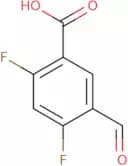
CAS:<p>Versatile small molecule scaffold</p>Formula:C11H13NO4Purezza:Min. 95%Peso molecolare:223.22 g/mol2,4-Difluoro-5-formylbenzoic acid
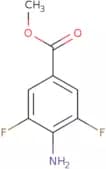
CAS:<p>Versatile small molecule scaffold</p>Formula:C8H4F2O3Purezza:Min. 95%Peso molecolare:186.11 g/molmethyl 4-amino-3,5-difluorobenzoate
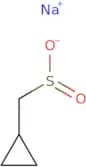
CAS:Versatile small molecule scaffoldFormula:C8H7F2NO2Purezza:Min. 95%Peso molecolare:187.1 g/molSodium cyclopropylmethanesulfinate
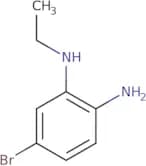
CAS:<p>Sodium cyclopropylmethanesulfinate is a sulfone that is used as a mediator in the synthesis of heterocycloalkyl compounds. It is also used in the treatment of methoxyethyl and tosylates. Sodium cyclopropylmethanesulfinate is a modulator, which aids in the palladium-catalyzed coupling reaction by removing water from the reaction. It can be used as an inhibitor for organic reactions, such as sulfonyl or tosylate reactions. Sodium cyclopropylmethanesulfinate yields are relatively low because it has a high boiling point and decomposes rapidly at higher temperatures.</p>Formula:C4H7NaO2SPurezza:Min. 95%Peso molecolare:142.15 g/mol5-Bromo-1-N-ethylbenzene-1,2-diamine
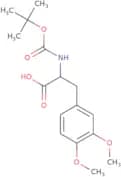
CAS:<p>Versatile small molecule scaffold</p>Formula:C8H11BrN2Purezza:Min. 95%Peso molecolare:215.09 g/molN-Boc-3,4-dimethoxy-DL-phenylalanine
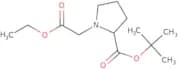
CAS:<p>Versatile small molecule scaffold</p>Formula:C16H23NO6Purezza:Min. 95%Peso molecolare:325.36 g/mol(S)-tert-Butyl 1-(2-ethoxy-2-oxoethyl)pyrrolidine-2-carboxylate
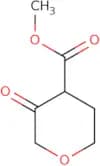
CAS:<p>Versatile small molecule scaffold</p>Formula:C13H23NO4Purezza:Min. 95%Peso molecolare:257.33 g/molMethyl 3-oxooxane-4-carboxylate
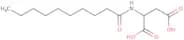
CAS:<p>Versatile small molecule scaffold</p>Formula:C7H10O4Purezza:Min. 95%Peso molecolare:158.15 g/mol(2R)-2-Decanamidobutanedioic acid
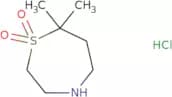
CAS:<p>Versatile small molecule scaffold</p>Formula:C14H25NO5Purezza:Min. 95%Peso molecolare:287.4 g/mol7,7-Dimethyl-1,4-thiazepane 1,1-dioxide hydrochloride
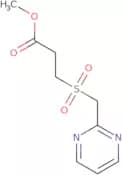
CAS:<p>Versatile small molecule scaffold</p>Formula:C7H16ClNO2SPurezza:Min. 95%Peso molecolare:213.73 g/molMethyl 3-(pyrimidin-2-ylmethanesulfonyl)propanoate
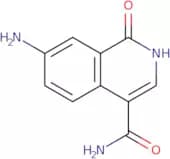
CAS:<p>Versatile small molecule scaffold</p>Formula:C9H12N2O4SPurezza:Min. 95%Peso molecolare:244.27 g/mol7-Amino-1-oxo-1,2-dihydroisoquinoline-4-carboxamide
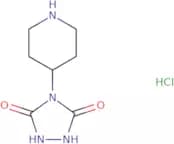
CAS:<p>Versatile small molecule scaffold</p>Formula:C10H9N3O2Purezza:Min. 95%Peso molecolare:203.2 g/mol4-(Piperidin-4-yl)-1,2,4-triazolidine-3,5-dione hydrochloride
CAS:<p>Versatile small molecule scaffold</p>Formula:C7H13ClN4O2Purezza:Min. 95%Peso molecolare:220.66 g/mol1-{4,5-Dimethyl-4H,7H-[1,2,4]triazolo[1,5-a]pyrimidin-6-yl}ethan-1-one
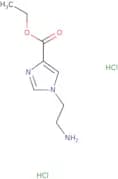
CAS:<p>Versatile small molecule scaffold</p>Formula:C9H12N4OPurezza:Min. 95%Peso molecolare:192.22 g/molEthyl 1-(2-aminoethyl)-1H-imidazole-4-carboxylate dihydrochloride
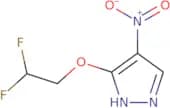
CAS:<p>Versatile small molecule scaffold</p>Formula:C8H15Cl2N3O2Purezza:Min. 95%Peso molecolare:256.13 g/mol3-(2,2-Difluoroethoxy)-4-nitro-1H-pyrazole
CAS:<p>Versatile small molecule scaffold</p>Formula:C5H5F2N3O3Purezza:Min. 95%Peso molecolare:193.11 g/molMethyl({2-[4-(trifluoromethyl)phenoxy]propyl})amine hydrochloride
CAS:<p>Versatile small molecule scaffold</p>Formula:C11H15ClF3NOPurezza:Min. 95%Peso molecolare:269.69 g/mol4-[5-(2-Methoxyphenyl)-1,2,4-oxadiazol-3-yl]piperidine hydrochloride
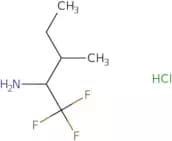
CAS:<p>Versatile small molecule scaffold</p>Formula:C14H18ClN3O2Purezza:Min. 95%Peso molecolare:295.76 g/mol1,1,1-Trifluoro-3-methylpentan-2-amine hydrochloride
CAS:<p>Versatile small molecule scaffold</p>Formula:C6H13ClF3NPurezza:Min. 95%Peso molecolare:191.62 g/mol1-[5-(Butan-2-yl)-1H-1,2,4-triazol-3-yl]ethan-1-amine hydrochloride
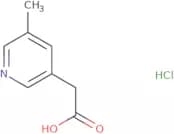
CAS:<p>Versatile small molecule scaffold</p>Formula:C8H17ClN4Purezza:Min. 95%Peso molecolare:204.7 g/mol2-(5-Methylpyridin-3-yl)acetic acid hydrochloride
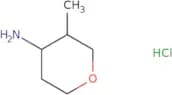
CAS:<p>Versatile small molecule scaffold</p>Formula:C8H10ClNO2Purezza:Min. 95%Peso molecolare:187.62 g/mol3-Methyloxan-4-amine hydrochloride
CAS:<p>Versatile small molecule scaffold</p>Formula:C6H14ClNOPurezza:Min. 95%Peso molecolare:151.63 g/mol5-Ethyl-1-[3-(trifluoromethyl)phenyl]-1H-pyrazol-4-amine hydrochloride
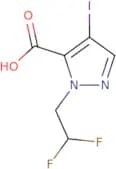
CAS:<p>Versatile small molecule scaffold</p>Formula:C12H13ClF3N3Purezza:Min. 95%Peso molecolare:291.7 g/mol1-(2,2-Difluoroethyl)-4-iodo-1H-pyrazole-5-carboxylic acid
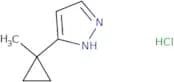
CAS:<p>Versatile small molecule scaffold</p>Formula:C6H5F2IN2O2Purezza:Min. 95%Peso molecolare:302.02 g/mol3-(1-Methylcyclopropyl)-1H-pyrazole hydrochloride
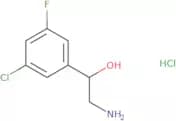
CAS:<p>Versatile small molecule scaffold</p>Formula:C7H11ClN2Purezza:Min. 95%Peso molecolare:158.63 g/mol2-Amino-1-(3-chloro-5-fluorophenyl)ethan-1-ol hydrochloride
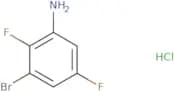
CAS:<p>Versatile small molecule scaffold</p>Formula:C8H10Cl2FNOPurezza:Min. 95%Peso molecolare:226.07 g/mol3-Bromo-2,5-difluoroaniline hydrochloride
CAS:<p>Versatile small molecule scaffold</p>Formula:C6H5BrClF2NPurezza:Min. 95%Peso molecolare:244.46 g/molN4-{3-[Ethyl(phenyl)amino]propyl}pyrido[2,3-d]pyrimidine-4,7-diamine
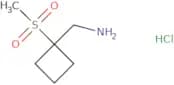
CAS:<p>Versatile small molecule scaffold</p>Formula:C18H22N6Purezza:Min. 95%Peso molecolare:322.4 g/mol(1-Methanesulfonylcyclobutyl)methanamine Hydrochloride
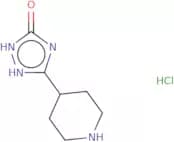
CAS:<p>Versatile small molecule scaffold</p>Formula:C6H13NO2S·HClPurezza:Min. 95%Peso molecolare:199.69 g/mol5-(Piperidin-4-yl)-2,3-dihydro-1H-1,2,4-triazol-3-one hydrochloride
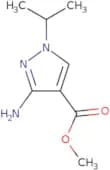
CAS:<p>Versatile small molecule scaffold</p>Formula:C7H13ClN4OPurezza:Min. 95%Peso molecolare:204.7 g/molMethyl 3-amino-1-(propan-2-yl)-1H-pyrazole-4-carboxylate
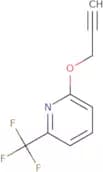
CAS:<p>Versatile small molecule scaffold</p>Formula:C8H13N3O2Purezza:Min. 95%Peso molecolare:183.21 g/mol2-(Prop-2-yn-1-yloxy)-6-(trifluoromethyl)pyridine
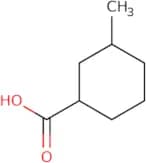
CAS:<p>Versatile small molecule scaffold</p>Formula:C9H6F3NOPurezza:Min. 95%Peso molecolare:201.14 g/mol3-Methylcyclohexane-1-carboxylic acid
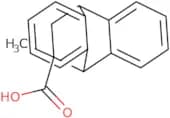
CAS:<p>3-Methylcyclohexane-1-carboxylic acid is an inorganic compound that belongs to the group of carboxylic acids. It has a molecular weight of 134.11 and a melting point of -64°C. The 3-methylcyclohexane-1-carboxylic acid isomers are separated by a spectrometer, which is a device that measures the intensity and wavelength of electromagnetic radiation. The molecular ions have been identified as [M+H]+. These ions are used to identify the composition of organic compounds, such as 5HT1A receptor ligands and serotonin, which is a neurotransmitter found in the brain. 3-Methylcyclohexane-1-carboxylic acid has been shown to be effective for treating depression, anxiety disorders, and other mood disorders when administered orally or intravenously.</p>Formula:C8H14O2Purezza:Min. 95%Peso molecolare:142.2 g/mol9,10-Dihydro-11-methyl- 9,10-ethanoanthracene-11-carboxylic acid
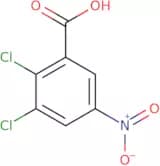
CAS:<p>Versatile small molecule scaffold</p>Formula:C18H16O2Purezza:Min. 95%Peso molecolare:264.3 g/mol2,3-Dichloro-5-nitrobenzoic acid
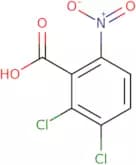
CAS:<p>Versatile small molecule scaffold</p>Formula:C7H3Cl2NO4Purezza:Min. 95%Peso molecolare:236.01 g/mol2,3-Dichloro-6-nitrobenzoic acid
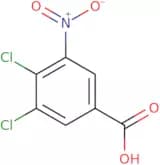
CAS:<p>Versatile small molecule scaffold</p>Formula:C7H3Cl2NO4Purezza:Min. 95%Peso molecolare:236.01 g/mol3,4-dichloro-5-nitrobenzoic acid
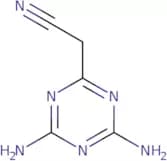
CAS:<p>Versatile small molecule scaffold</p>Formula:C7H3Cl2NO4Purezza:Min. 95%Peso molecolare:236 g/mol2-(Diamino-1,3,5-triazin-2-yl)acetonitrile
CAS:<p>Versatile small molecule scaffold</p>Formula:C5H6N6Purezza:Min. 95%Peso molecolare:150.14 g/mol4-Methyl-2-phenyl-2-oxazoline-5-one
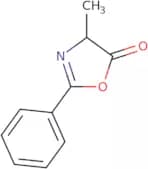
CAS:<p>4-Methyl-2-phenyl-2-oxazoline-5-one is a mesoionic compound that polymerizes by 1,3-dipolar cycloaddition. This reaction can be performed in the absence of solvents and is known to be fast and efficient. The product of this reaction is a poly(4-methylphenyl)oxazoline, which has been shown to be an effective precursor for carbon nanotubes.</p>Formula:C10H9NO2Purezza:Min. 95%Peso molecolare:175.18 g/molN-[4-(Dimethylamino)phenyl]prop-2-enamide
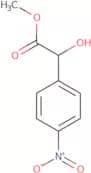
CAS:<p>Versatile small molecule scaffold</p>Formula:C11H14N2OPurezza:Min. 95%Peso molecolare:190.24 g/molmethyl 2-hydroxy-2-(4-nitrophenyl)acetate
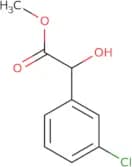
CAS:<p>Versatile small molecule scaffold</p>Formula:C9H9NO5Purezza:Min. 95%Peso molecolare:211.17 g/molMethyl 2-(3-chlorophenyl)-2-hydroxyacetate
CAS:<p>Versatile small molecule scaffold</p>Formula:C9H9ClO3Purezza:Min. 95%Peso molecolare:200.62 g/mol1-{Bicyclo[2.2.1]heptan-2-yl}ethan-1-ol
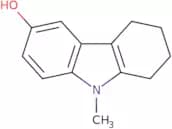
CAS:<p>Versatile small molecule scaffold</p>Formula:C9H16OPurezza:Min. 95%Peso molecolare:140.22 g/mol9-Methyl-2,3,4,9-tetrahydro-1H-carbazol-6-ol
CAS:<p>Versatile small molecule scaffold</p>Formula:C13H15NOPurezza:Min. 95%Peso molecolare:201.26 g/mol5-chloro-[1,3]thiazolo[5,4-d]pyrimidine
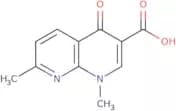
CAS:<p>5-Chloro-[1,3]thiazolo[5,4-d]pyrimidine is a non-polar compound that is soluble in non-polar solvents. It reacts with 5-aminouracil to form the pentasulfide. This reaction can be followed by monitoring the change in fluorescence of the product as it cyclises to form a chloride. The reaction may also be monitored by measuring the release of phosphorous pentoxide gas from phosphoryl chloride. 5-Chloro-[1,3]thiazolo[5,4-d]pyrimidine has been used in fluorescence studies and cyclisation reactions.</p>Formula:C5H2N3SClPurezza:Min. 95%Peso molecolare:171.6 g/mol1,7-Dimethyl-4-oxo-1,4-dihydro-1,8-naphthyridine-3-carboxylic acid
CAS:<p>Versatile small molecule scaffold</p>Formula:C11H10N2O3Purezza:Min. 95%Peso molecolare:218.21 g/mol3-Methyl-3,9-diazaspiro[5,5]undecane
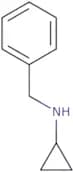
CAS:<p>Versatile small molecule scaffold</p>Formula:C10H20N2Purezza:Min. 95%Peso molecolare:168.28 g/molN-Cyclopropyl-benzylamine
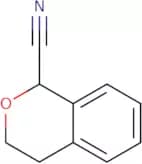
CAS:<p>N-Cyclopropyl-benzylamine is a dopamine precursor that inhibits the activity of p-450 enzymes. It has been shown to be effective in clinical trials and is used as a model drug for other compounds with similar structures. N-Cyclopropyl-benzylamine irreversibly inhibits the activity of p-450 enzymes, but does not inhibit other cytochrome P450 enzymes such as CYP2D6 or CYP1A2. It has been shown to have antihypertensive effects in animal models and human pharmacokinetic studies, but no biological properties have been identified. N-Cyclopropyl-benzylamine can be found in rat liver microsomes and aminergic neurons.</p>Formula:C10H13NPurezza:Min. 95%Peso molecolare:147.22 g/mol3,4-Dihydro-1H-2-benzopyran-1-carbonitrile
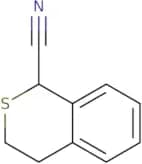
CAS:<p>Versatile small molecule scaffold</p>Formula:C10H9NOPurezza:Min. 95%Peso molecolare:159.18 g/mol3,4-Dihydro-1H-2-benzothiopyran-1-carbonitrile
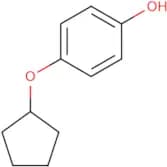
CAS:<p>Versatile small molecule scaffold</p>Formula:C10H9NSPurezza:Min. 95%Peso molecolare:175.25 g/mol4-(Cyclopentyloxy)phenol
CAS:<p>Versatile small molecule scaffold</p>Formula:C11H14O2Purezza:Min. 95%Peso molecolare:178.23 g/mol2-[(Carboxymethyl)sulfanyl]-2-methylpropanoic acid
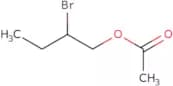
CAS:<p>Versatile small molecule scaffold</p>Formula:C6H10O4SPurezza:Min. 95%Peso molecolare:178.21 g/mol2-Bromobutyl acetate
CAS:<p>2-Bromobutyl acetate is an experimental chemical that has been used in organic synthesis. It is a dehydrogenase inhibitor, and its recycling properties have been shown in some experiments.</p>Formula:C6H11BrO2Purezza:Min. 95%Peso molecolare:195.05 g/mol4-Chloro-3-methylanisole
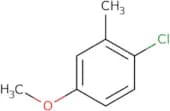
CAS:<p>Versatile small molecule scaffold</p>Formula:C8H9ClOPurezza:Min. 95%Peso molecolare:156.61 g/mol1,2,3,4-Tetrahydroquinoline-4-carboxamide
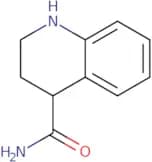
CAS:<p>Versatile small molecule scaffold</p>Formula:C10H12N2OPurezza:Min. 95%Peso molecolare:176.21 g/mol2H-1,2,4-Benzothiadiazin-3(4H)-one 1,1-dioxide
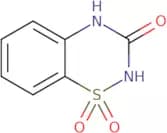
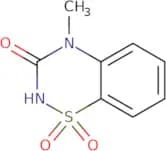
CAS:<p>Versatile small molecule scaffold</p>Formula:C7H6N2O3SPurezza:Min. 95%Peso molecolare:198.19 g/mol4-Methyl-2H-1,2,4-benzothiadiazin-3(4H)-one 1,1-dioxide
CAS:<p>Versatile small molecule scaffold</p>Formula:C8H8N2O3SPurezza:Min. 95%Peso molecolare:212.23 g/mol3-Ethoxy-2,2-dimethylcyclobutan-1-ol
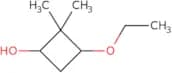
CAS:<p>Versatile small molecule scaffold</p>Formula:C8H16O2Purezza:Min. 95%Peso molecolare:144.21 g/mol3-Ethylisonicotinonitrile
CAS:<p>Versatile small molecule scaffold</p>Formula:C8H8N2Purezza:Min. 95%Peso molecolare:132.16 g/mol5-Acetylfuran-2-carboxylic acid
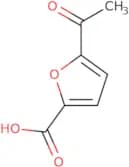
CAS:<p>5-Acetylfuran-2-carboxylic acid is a pharmaceutical compound that is synthesized by the acetylation of 5-acetylfuran. It can be used as a raw material for the synthesis of other pharmaceuticals, such as ferrocene and aliphatic alcohols. Acetylation can be carried out using acetic anhydride or acetyl chloride. This chemical has been shown to have high yield when synthesized in bulk quantities and can be easily made into polyalkylated compounds. The nature of this compound is not yet known.</p>Formula:C7H6O4Purezza:Min. 95%Peso molecolare:154.12 g/mol6-Phenyl-pyrimidine-2,4-diol
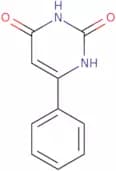
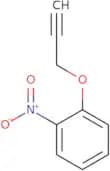
CAS:<p>6-Phenyl-pyrimidine-2,4-diol is a cyclobutane that can be found in acidic solutions. It can also be found as an enantiomeric mixture of the two stereoisomers, which are the result of a dimerisation reaction. The hydrated form of this molecule has been shown to react with nucleic acids and nucleobases. 6-Phenyl-pyrimidine-2,4-diol can be used as a precursor to form other molecules.</p>Formula:C10H8N2O2Purezza:Min. 95%Peso molecolare:188.19 g/mol1-nitro-2-(prop-2-yn-1-yloxy)benzene
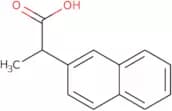
CAS:<p>1-nitro-2-(prop-2-yn-1-yloxy)benzene (NPPB) is a p-glycoprotein inhibitor that blocks the efflux of anticancer drugs from cancer cells. It has been shown to inhibit the cytotoxicity of verapamil, which is a calcium channel blocker used in the treatment of high blood pressure and coronary artery disease. NPPB is also a modulator that inhibits multidrug resistance, which is the ability of cancer cells to resist chemotherapy. This drug has been shown to induce apoptosis in a dose dependent manner, which means that it kills cancer cells when they are exposed to higher doses. NPPB can be used as an anticancer drug in combination with other drugs to increase its effectiveness and reduce toxicity.</p>Formula:C9H7NO3Purezza:Min. 95%Peso molecolare:177.15 g/mol2-(Naphthalen-2-yl)propanoic acid
CAS:<p>Naphthalen-2-ylpropanoic acid is a molecule that is used as an oral drug. It is a potentiator of opioid analgesics and has been shown to inactivate some types of bacterial cells. Naphthalen-2-ylpropanoic acid binds to the naphthol group of β-lactam antibiotics, which leads to their inactivation by covalent binding. This compound also inhibits the production of acetaminophen, which may be due to its inhibition of glutathione reductase enzymes. Naphthalen-2-ylpropanoic acid has been found to be safe for use in infants and children, as well as for adults, with no significant adverse effects observed at therapeutic doses.</p>Formula:C13H12O2Purezza:Min. 95%Peso molecolare:200.23 g/molSpiro[4.4]nonan-1-ol
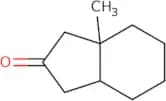
CAS:<p>Versatile small molecule scaffold</p>Formula:C9H16OPurezza:Min. 95%Peso molecolare:140.22 g/molrac-(3aR,7aS)-3a-Methyl-octahydro-1H-inden-2-one
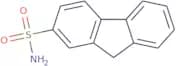
CAS:<p>Versatile small molecule scaffold</p>Formula:C10H16OPurezza:Min. 95%Peso molecolare:152.23 g/mol9H-Fluorene-2-sulfonamide
CAS:<p>Versatile small molecule scaffold</p>Formula:C13H11NO2SPurezza:Min. 95%Peso molecolare:245.3 g/mol(3-Methoxyadamantan-1-yl)methanamine hydrochloride
CAS:<p>Versatile small molecule scaffold</p>Formula:C12H22ClNOPurezza:Min. 95%Peso molecolare:231.8 g/molN-Ethylbutylamine
CAS:<p>N-Ethylbutylamine is an amine that is used as a raw material for the production of anti-infective agents and biodiesel. This chemical has a high boiling point, which makes it suitable for use in industrial processes such as chromatography and basic protein purification. It is also used as a solid catalyst to synthesize fatty acids from alcohols, amines, and glycerol. N-Ethylbutylamine can be synthesized by reacting carbon disulfide with anhydrous ammonia gas, followed by hydrolysis of the resulting ethylamine sulfate salt. This process produces hydrogen sulfide gas as a byproduct. The chemical has been shown to have receptor binding properties and intermolecular hydrogen bonding capabilities, both of which are important features in drug discovery research. N-Ethylbutylamine also exhibits uv absorption bands at 220 nm and 275 nm, making it useful in analytical chemistry techniques such as water vapor detection</p>Formula:C6H15NPurezza:Min. 95%Peso molecolare:186.25 g/mol2-[4-(2-Methylpropoxy)phenyl]acetic acid
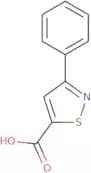
CAS:<p>2-[4-(2-Methylpropoxy)phenyl]acetic acid is an acylating agent that is used to synthesize the target product, 4-hydroxyphenylacetic acid, in a hydrolysis reaction with methylester and azide. In the synthesis of pimavanserin, 2-[4-(2-methylpropoxy)phenyl]acetic acid is reacted with benzylamine in the presence of a carbamate to form an amide bond. The intermediate product is then reacted with tartrate to form the final product.</p>Formula:C12H16O3Purezza:Min. 95%Peso molecolare:208.25 g/mol3-Phenyl-1,2-thiazole-5-carboxylic acid
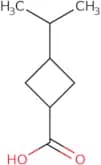
CAS:<p>Versatile small molecule scaffold</p>Formula:C10H7NO2SPurezza:Min. 95%Peso molecolare:205.23 g/mol3-(Propan-2-yl)cyclobutane-1-carboxylic acid
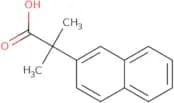
CAS:<p>Versatile small molecule scaffold</p>Formula:C8H14O2Purezza:Min. 95%Peso molecolare:142.2 g/mol2-Methyl-2-(2-naphthyl)propanoic acid
CAS:<p>Versatile small molecule scaffold</p>Formula:C14H14O2Purezza:Min. 95%Peso molecolare:214.27 g/mol2-Methyl-2-(naphthalen-1-yl)propanoic acid
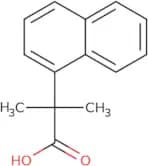
CAS:<p>Versatile small molecule scaffold</p>Formula:C14H14O2Purezza:Min. 95%Peso molecolare:214.26 g/mol2-Chloro-6-hydroxypurine
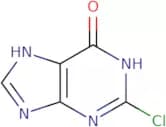
CAS:<p>2-Chloro-6-hydroxypurine is a purine derivative that inhibits the synthesis of nucleic acids, proteins and lipids. It has been shown to be effective in the treatment of myeloproliferative diseases and some forms of cancer. The 2-chloro-6-hydroxypurine molecule has two tautomeric forms, including the lactam form and the mesomeric form. The lactam form is more stable than the mesomeric form, but both forms are active in inhibiting DNA synthesis.</p>Formula:C5H3ClN4OPurezza:Min. 95%Peso molecolare:170.56 g/mol4-Bromo-1-(prop-2-en-1-yl)-1H-pyrazole
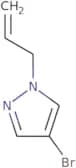
CAS:<p>Versatile small molecule scaffold</p>Formula:C6H7BrN2Purezza:Min. 95%Peso molecolare:187.04 g/mol2-Iodo-5-nitro-1H-imidazole
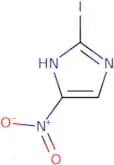
CAS:<p>2-Iodo-5-nitro-1H-imidazole is an intermediate in the synthesis of a number of drugs, including antibiotics, antiparasitics, and antimalarial agents. This compound is a potent inhibitor of bacterial growth and has shown some activity against protozoal infections.</p>Formula:C3H2IN3O2Purezza:Min. 95%Peso molecolare:238.97 g/mol4,5-Diiodo-1,2-dimethyl-1H-imidazole
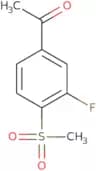
CAS:<p>Versatile small molecule scaffold</p>Formula:C5H6I2N2Purezza:Min. 95%Peso molecolare:347.92 g/mol3'-Fluoro-4'-(methylsulphonyl)acetophenone
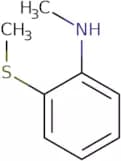
CAS:<p>Versatile small molecule scaffold</p>Formula:C9H9FO3SPurezza:Min. 95%Peso molecolare:216.23 g/molN-Methyl-2-(methylsulfanyl)aniline
CAS:<p>Versatile small molecule scaffold</p>Formula:C8H11NSPurezza:Min. 95%Peso molecolare:153.25 g/molN-{[4-(Propan-2-yl)phenyl]methylidene}hydroxylamine
CAS:<p>N-{[4-(Propan-2-yl)phenyl]methylidene}hydroxylamine is a tartrate reagent that is used in the asymmetric synthesis of chiral compounds. It has been shown to be effective in the synthesis of enantiomerically pure amines, ketones, and alcohols. This reagent has been shown to catalyze reactions with high enantioselectivities and tolerates a wide range of functional groups. The tartrate anion is formed stoichiometrically by the reaction of two equivalents of tartaric acid with one equivalent of a base such as dicyclohexyl or dimethylzinc. The glyoxal group may be converted to a dioxane by heating with ethylene glycol at 160 °C for 30 minutes. The acid ester may be hydrolyzed by heating with water at 100 °C for 2 hours.</p>Formula:C10H13NOPurezza:Min. 95%Peso molecolare:163.22 g/mol2-{[2-(Methylsulfanyl)phenoxy]methyl}oxirane
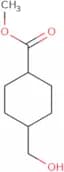
CAS:<p>Versatile small molecule scaffold</p>Formula:C10H12O2SPurezza:Min. 95%Peso molecolare:196.27 g/molMethyl cis-4-hydroxymethylcyclohexane-1-carboxylate
CAS:<p>Versatile small molecule scaffold</p>Formula:C9H16O3Purezza:Min. 95%Peso molecolare:172.22 g/mol[2-(Hydroxymethyl)oxolan-2-yl]methanol
CAS:<p>2-(Hydroxymethyl)oxolan-2-yl]methanol is a factor receptor agonist that has been shown to inhibit the growth of human colon cancer cells. The enantiomers of 2-(hydroxymethyl)oxolan-2-yl]methanol were found to have an opposite effect on cell proliferation in vitro, with the levorotatory form being more potent than the dextrorotatory form. This leads to inhibition of cell proliferation and differentiation, which may be due to its ability to induce phospholipase A2 activity and affect cellular signal transduction pathways. 2-(Hydroxymethyl)oxolan-2-yl]methanol is also able to inhibit tumorigenesis in mammary carcinoma cells and leukemia cells.</p>Formula:C6H12O3Purezza:Min. 95%Peso molecolare:132.16 g/molBicyclo[3.1.0]hexane-3-carboxylic acid
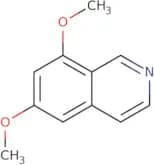
CAS:<p>Versatile small molecule scaffold</p>Formula:C7H10O2Purezza:Min. 95%Peso molecolare:126.15 g/mol6,8-Dimethoxyisoquinoline
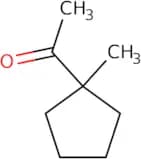
CAS:<p>Versatile small molecule scaffold</p>Formula:C11H11NO2Purezza:Min. 95%Peso molecolare:189.21 g/mol1-(1-Methylcyclopentyl)ethan-1-one
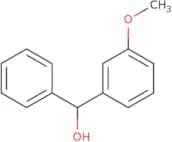
CAS:<p>Versatile small molecule scaffold</p>Formula:C8H14OPurezza:Min. 95%Peso molecolare:126.2 g/mol3-Methoxybenzhydrol
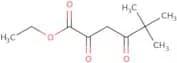
CAS:<p>Versatile small molecule scaffold</p>Formula:C14H14O2Purezza:Min. 95%Peso molecolare:214.26 g/molEthyl Trimethylacetopyruvate
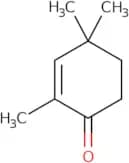
CAS:<p>Ethyl Trimethylacetopyruvate is a chemical compound that belongs to the class of organic ester compounds. It has been shown to have high proton chemical stability and strong hydrogen bonding properties. This compound also has a chelate ring, which is formed through a reaction between an acid and a metal ion, such as ethyl acetate (CH3CO2CH3) or ethyl propionate (CH3CO2CH2CH3). Ethyl Trimethylacetopyruvate is synthesized by reacting ethanol with trimethylacetaldehyde in the presence of sulfuric acid. This process produces two products: Ethyl 2-methylpropanoate (Et2MP) and Ethyl 3-methylbutanoate (Et3MB). The molecule's x-ray diffraction data has been obtained using synchrotron radiation, which can be used to study the molecular structure and identify its purity.</p>Formula:C10H16O4Purezza:Min. 95%Peso molecolare:200.23 g/mol2,4,4-Trimethylcyclohex-2-en-1-one
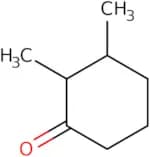
CAS:<p>2,4,4-Trimethylcyclohex-2-en-1-one (TMC) is a carbonyl group that has an oxime group. It can be used as an intermediate in the synthesis of dienones and ester compounds. TMC can be prepared by reacting 2,4,4-trimethylcyclohexanone with formaldehyde or acetaldehyde in the presence of a base. TMC is also used as a reagent for the synthesis of safranal and exocyclic dienones. Safranal is found in plants such as saffron, which gives it its distinctive aroma and flavor. Exocyclic dienones are found in plants such as coffee beans and vanilla beans.</p>Formula:C9H14OPurezza:Min. 95%Colore e forma:PowderPeso molecolare:138.21 g/mol2,3-Dimethylcyclohexan-1-one
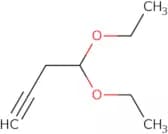
CAS:<p>2,3-Dimethylcyclohexan-1-one is a synthetic compound that belongs to the group of enolates. This molecule can be synthesized from 2,3-dimethylcyclohexane by alkylation with bromide and then reduction with sodium borohydride. It has anti-inflammatory properties that are due to its ability to inhibit prostaglandin synthesis. The levorotatory form is more active than the dextrorotatory form. Kinetic studies have shown that the stereoselectivity is dependent on the solvent and temperature used in the reaction.</p>Formula:C8H14OPurezza:Min. 95%Peso molecolare:126.2 g/mol4,4-Diethoxybut-1-yne
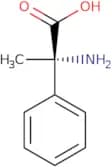
CAS:<p>4,4-Diethoxybut-1-yne is a versatile chemical that can be used in a variety of configurations. It is an efficient and trackable chemical that has been extracted from coal tar. The configurations of 4,4-diethoxybut-1-yne include the cis and trans isomers. This chemical can be used as a solvent in organic synthesis and as an intermediate in the production of pharmaceuticals. The stereochemistry of 4,4-diethoxybut-1-yne is controlled with the use of chiral auxiliary groups.</p>Formula:C8H14O2Purezza:Min. 95%Peso molecolare:142.2 g/mol(S)-α-methyl-phenylglycine
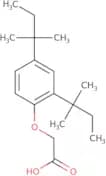
CAS:<p>Versatile small molecule scaffold</p>Formula:C9H11NO2Purezza:Min. 95%Peso molecolare:165.19 g/mol2,4-Di(tert-amyl)phenoxyacetic acid
CAS:<p>Versatile small molecule scaffold</p>Formula:C18H28O3Purezza:Min. 95%Colore e forma:PowderPeso molecolare:292.41 g/mol5,6,7,8-Tetrahydronaphthalene-2-carboxamide
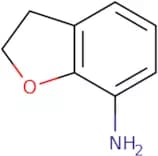
CAS:<p>5,6,7,8-Tetrahydronaphthalene-2-carboxamide is a substance that belongs to the category of alkoxy groups. It has a hydrogen atom and an oxygen atom. A methoxy group can be found in its structure. This substance also has a nitrogen atom and an alkyl group. 5,6,7,8-Tetrahydronaphthalene-2-carboxamide is an organic chemical with pharmacological properties. The substance is also known as 1-(3-(1-methylethyl)phenyl)-5,5-dimethylhydantoin. It has two different isomers: 2-(3-(1-methylethyl)phenyl)-5,5-dimethylhydantoin and 3-(3-(1-methylethyl)phenyl)-5,5-dimethylhydantoin.</p>Formula:C11H13NOPurezza:Min. 95%Peso molecolare:175.23 g/mol2,3-Dihydro-1-benzofuran-7-amine
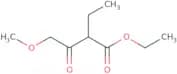
CAS:<p>2,3-Dihydro-1-benzofuran-7-amine is an industrial chemical that is used in the synthesis of a variety of pharmaceuticals. It serves as a protonic inhibitor and has been shown to be effective against acetaldehyde. This compound has been optimized for use in Friedel-Crafts reactions and can be used as a catalyst for hydroxylation reactions. 2,3-Dihydro-1-benzofuran-7-amine can be prepared by reductive amination of phenylacetic acid with formaldehyde followed by hydrolysis of the intermediate dihydropyridine.</p>Formula:C8H9NOPurezza:Min. 95%Peso molecolare:135.17 g/molEthyl 2-ethyl-4-methoxy-3-oxobutanoate
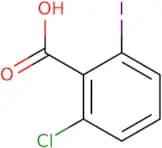
CAS:<p>Versatile small molecule scaffold</p>Formula:C9H16O4Purezza:Min. 95%Peso molecolare:188.22 g/mol2-Chloro-6-iodobenzoic acid
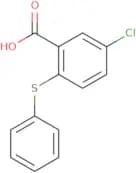
CAS:<p>2-Chloro-6-iodobenzoic acid is a white solid that is soluble in water. It is a member of the group of aromatic compounds, which are organic compounds that contain one or more benzene rings. The 2-chloro-6-iodobenzoic acid molecule has two chlorides and two iodines as substituents. It is used as an intermediate in the synthesis of other organic compounds and drugs such as erythromycin, sulfasalazine, and tetracycline.<br>2-Chloro-6-iodobenzoic acid can be made from the condensation of chlorobenzene with sulfuric acid followed by cyclization with sulfuric acid to yield benzoic acid. The condensation product is then treated with hydrogen peroxide to make 2-chloro-6-iodobenzoic acid.</p>Formula:C7H4ClIO2Purezza:Min. 95%Peso molecolare:282.46 g/mol5-Chloro-2-(phenylsulfanyl)benzoic acid
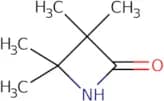
CAS:<p>Versatile small molecule scaffold</p>Formula:C13H9ClO2SPurezza:Min. 95%Peso molecolare:264.73 g/mol3,3,4,4-Tetramethylazetidin-2-one
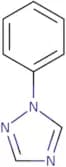
CAS:<p>3,3,4,4-Tetramethylazetidin-2-one is a drug that has been shown to be effective for the treatment of cancer in animal models and human patients. It inhibits the growth of tumor cells by inhibiting DNA synthesis and causing cell death through apoptosis. 3,3,4,4-Tetramethylazetidin-2-one has also been shown to have cardiotoxic effects in animals and humans when administered orally. 3,3,4,4-Tetramethylazetidin-2-one binds to plasma proteins that are found in high concentrations in the heart muscle. This binding may lead to a decrease in cardiac output and an increase in blood pressure. 3,3,4,4-Tetramethylazetidin-2-one is not absorbed into the bloodstream following oral administration and does not accumulate in tissues or organs. The drug is eliminated primarily through the kidneys with a</p>Formula:C7H13NOPurezza:Min. 95%Peso molecolare:127.18 g/mol1-Phenyl-1H-1,2,4-triazole
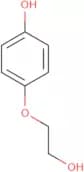
CAS:<p>1-Phenyl-1H-1,2,4-triazole is a chemical compound that is used as a reagent in organic synthesis. It is a colorless to white crystalline solid that has a melting point of 127 °C. 1-Phenyl-1H-1,2,4-triazole exists in two isomers: cis and trans. The cis form is more stable than the trans form and has a melting point of 154 °C. The cis form also has higher boiling point of 275 °C and lower vapor pressure than the trans form. This chemical compound reacts easily with hydroxyalkyl groups and fluorine atoms to produce triketones. It can also react with chlorine or chloride ions to produce triazoles. 1-Phenyl-1H-1,2,4-triazole can be reacted with phenylhydrazine to produce mononuclear compounds.</p>Formula:C8H7N3Purezza:Min. 95%Peso molecolare:145.17 g/mol4-(2-Hydroxyethoxy)phenol
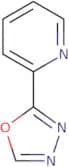
CAS:<p>4-(2-Hydroxyethoxy)phenol is a phenolic ether that has been shown to inhibit the torsion of adenosine. It also stabilizes the skin condition and has a crystal structure with an asymmetric molecule, which is why it can inhibit melanin production. 4-(2-Hydroxyethoxy)phenol has been shown to be effective in treating skin conditions such as hyperpigmentation, melasma, and cutaneous erythema.</p>Formula:C8H10O3Purezza:Min. 95%Peso molecolare:154.16 g/mol2-(1,3,4-Oxadiazol-2-yl)pyridine
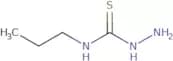
CAS:<p>2-(1,3,4-Oxadiazol-2-yl)pyridine is a compound that has been shown to have anticancer activity. It reacts with carbonyl groups in tissues and may modify the cell membrane by adding or removing functional groups. 2-(1,3,4-Oxadiazol-2-yl)pyridine also interacts with positron emitters and is able to be detected using a positron emission tomography scan. This compound has been found in human ganglia and can interact with acetylcholine receptors. The molecule was expressed in the human brain and changes in its expression levels have been correlated with cognitive function. 2-(1,3,4-Oxadiazol-2-yl)pyridine interacts with cholinergic receptors and has been shown to affect cellular processes such as protein synthesis. Pairwise energy calculations have revealed that this molecule will not bind to other molecules due to steric hindrance.</p>Formula:C7H5N3OPurezza:Min. 95%Peso molecolare:147.13 g/mol3-Amino-1-propylthiourea
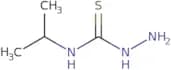
CAS:<p>Versatile small molecule scaffold</p>Formula:C4H11N3SPurezza:Min. 95%Peso molecolare:133.22 g/mol4-Isopropyl-3-thiosemicarbazide
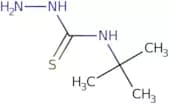
CAS:<p>Versatile small molecule scaffold</p>Formula:C4H11N3SPurezza:Min. 95%Peso molecolare:133.22 g/mol4-tert-Butyl-3-thiosemicarbazide
CAS:<p>4-tert-Butyl-3-thiosemicarbazide is an imine that binds to cisplatin, a platinum-based anti-cancer drug. It has been shown to be selective for the bladder cancer cells in vitro and in vivo. 4BTTSC has been validated by high performance liquid chromatography (HPLC) and nuclear magnetic resonance (NMR) spectra. The binding of 4BTTSC to cisplatin results in the formation of cisplatin chloride, which can be detected by autofluorescence spectrometry.</p>Formula:C5H13N3SPurezza:Min. 95%Peso molecolare:147.24 g/mol4-Benzyl-3-thiosemicarbazide
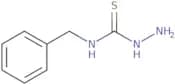
CAS:<p>4-Benzyl-3-thiosemicarbazide is a postulated compound that has been shown to inhibit topoisomerase I and II. The inhibition of these enzymes leads to the prevention of DNA replication, repair, and transcription. 4-Benzyl-3-thiosemicarbazide has also been shown to be an anti-cancer agent by inhibiting the growth of tumor cells in vitro. It is thought that this drug may work by binding to the bidentate ligand on topoisomerase I and II, preventing them from cleaving dsDNA. Alternatively, it may work through an intramolecular hydrogen bond or an intermolecular hydrogen bond with the thiol group on the sulfur atom. <br>4-Benzyl-3-thiosemicarbazide is soluble in water and ethanol but insoluble in ether. It has been shown to have a melting point between 108°C and 111°C, with</p>Formula:C8H11N3SPurezza:Min. 95%Peso molecolare:181.26 g/molN,N,N',N'-Tetraethylguanidine
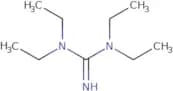
CAS:<p>Base employed in the preparation of alkyl nitriles.</p>Formula:C9H21N3Purezza:Min. 95%Peso molecolare:171.28 g/mol4-Formyl-1-methylpyridin-1-ium iodide
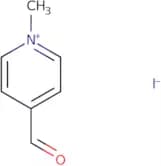
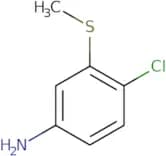
CAS:<p>Versatile small molecule scaffold</p>Formula:C7H8INOPurezza:Min. 95%Peso molecolare:249.05 g/mol4-Chloro-3-(methylsulfanyl)aniline
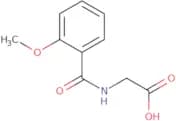
CAS:<p>Versatile small molecule scaffold</p>Formula:C7H8ClNSPurezza:Min. 95%Peso molecolare:173.66 g/mol(2-Methoxy-benzoylamino)-acetic acid
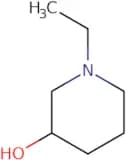
CAS:<p>(2-Methoxy-benzoylamino)-acetic acid is an endogenous metabolite of the drug 2-methoxybenzoic acid. This metabolite is formed in the human liver by oxidation of the benzoic acid moiety at the 2-position, and is found in human urine samples. (2-Methoxy-benzoylamino)-acetic acid has been shown to be a major urinary metabolite of 2-methoxybenzoic acid in humans. The metabolism of this substance has been studied using incubations with rat and human liver microsomes. The metabolites formed were identified by liquid chromatography, and those that could not be identified were characterized by mass spectrometry or nuclear magnetic resonance spectroscopy. The structures of these metabolites were determined using chemical degradation methods, such as gas chromatography/mass spectrometry (GC/MS) or high performance liquid chromatography/mass spectrometry (HPLC/</p>Formula:C10H11NO4Purezza:Min. 95%Peso molecolare:209.2 g/mol1-Ethyl-3-hydroxypiperidine
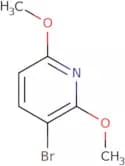
CAS:<p>1-Ethyl-3-hydroxypiperidine (1EHPP) is an alkanolamine that is a product of the metabolic pathway of ring-opening. It was synthesized in high yield by reacting 1,2-diaminobenzene with morpholine and benzyl chloride. The conjugates of 1EHPP were then hydrolyzed to form piperidine, the desired product. 1EHPP can be used for research purposes as it can be injected into animals and then isolated from their homogenates. This molecule has been shown to have gaseous properties due to its linear structure.</p>Formula:C7H15NOPurezza:Min. 95%Peso molecolare:129.2 g/mol3-Bromo-2,6-dimethoxypyridine
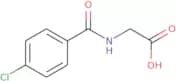
CAS:<p>Versatile small molecule scaffold</p>Formula:C7H8BrNO2Purezza:Min. 95%Peso molecolare:218.05 g/mol4-Chlorohippuric acid
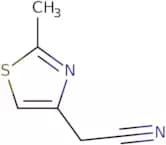
CAS:<p>4-Chlorohippuric acid is an active analogue of hippuric acid and is metabolized by cytochrome P450. It has a high chemical stability, which makes it a useful substrate for kinetic studies. The metabolism of 4-chlorohippuric acid to the corresponding sulfoxide (4-chloro-3'-sulfoxyhippurate) was found to be dependent on the concentration of rat liver microsomes in vitro and plasma concentrations in vivo. 4-Chlorohippuric acid is excreted mainly as hippuric acid in urine samples from humans and animals. Hippuric acid may also be formed by denaturation of 4-chlorohippurate or by hydrolysis of the amide bond between the two chloro groups.</p>Formula:C9H8ClNO3Purezza:Min. 95%Peso molecolare:213.62 g/mol2-(2-Methyl-1,3-thiazol-4-yl)acetonitrile
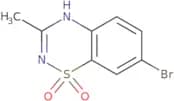
CAS:<p>Versatile small molecule scaffold</p>Formula:C6H6N2SPurezza:Min. 95%Peso molecolare:138.19 g/mol7-Bromo-3-methyl-4H-1,2,4-benzothiadiazine-1,1-dione
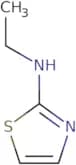
CAS:<p>Versatile small molecule scaffold</p>Formula:C8H7BrN2O2SPurezza:Min. 95%Peso molecolare:275.12 g/molEthyl-thiazol-2-yl-amine
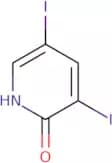
CAS:<p>Ethyl-thiazol-2-yl-amine is an organic compound that has the chemical formula CHN. It is a colorless liquid with a strong, unpleasant odor. This compound is used in the synthesis of urea derivatives and as a reagent for analyses of carbonyl compounds. Ethyl-thiazol-2-yl-amine can be synthesized by reacting ethylamine with trifluoroacetic acid and then adding ethoxycarbonyl isothiocyanate. The reaction mixture is heated to reflux, cyclizing the product into ethyl-thiazol-2-yl-amine.</p>Formula:C5H8N2SPurezza:Min. 95%Peso molecolare:128.2 g/mol3,5-Diiodopyridin-2-ol
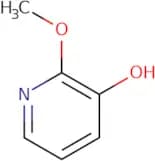
CAS:<p>Versatile small molecule scaffold</p>Formula:C5H3I2NOPurezza:Min. 95%Peso molecolare:346.89 g/mol2-Methoxypyridin-3-ol
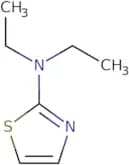
CAS:<p>2-Methoxypyridin-3-ol is a nitro compound that can be used as a lead compound to produce an inhibitor of oxime reductase. It can also be used as a pyridine ring, which is an important functional group in many organic compounds. 2-Methoxypyridin-3-ol has the ability to inhibit the enzyme oxime reductase, which catalyzes the formation of hydroxyl radicals from nitrosating agents and hydroxylamine, leading to their detoxification. This substance has been shown to be efficient in the orientation of nitro groups and ethers.</p>Formula:C6H7NO2Purezza:Min. 95%Peso molecolare:125.13 g/molN,N-Diethyl-1,3-thiazol-2-amine
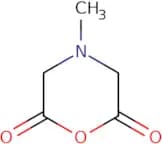
CAS:<p>Versatile small molecule scaffold</p>Formula:C7H12N2SPurezza:Min. 95%Peso molecolare:156.25 g/mol4-Methylmorpholine-2,6-dione
CAS:<p>4-Methylmorpholine-2,6-dione is a ligand that has been used in the synthesis of boronic acid derivatives. It has also been used to activate boronic acids. 4-Methylmorpholine-2,6-dione can be synthesised by reacting aryl boronic acids with dimethylformamide and acetonitrile in the presence of dehydrogenase and a metal catalyst. The resulting product is then cross-coupled with an amine to form the desired conjugate. 4-Methylmorpholine-2,6-dione is unreactive towards dehydration or morpholine.</p>Formula:C5H7NO3Purezza:Min. 95%Peso molecolare:129.11 g/mol5H,6H,7H,8H-Pyrazino[2,3-d]pyridazine-5,8-dione
CAS:<p>Versatile small molecule scaffold</p>Formula:C6H4N4O2Purezza:Min. 95%Peso molecolare:164.12 g/mol2-[(2-Methoxyethoxy)methyl]oxirane
CAS:<p>2-[(2-Methoxyethoxy)methyl]oxirane is a colorless liquid with a high boiling point and viscosity. It has a wide range of industrial applications, such as in metal extraction and purification, organic synthesis, and the production of ethylene oxide and other chemicals. 2-[(2-Methoxyethoxy)methyl]oxirane is used as a solvent for metal salts or other insoluble substances, such as lithium chloride. It can also be used to extract hydrocarbons from oil sands.</p>Formula:C6H12O3Purezza:Min. 95%Peso molecolare:132.16 g/mol

![3-Amino-1-[4-(propan-2-yloxy)phenyl]thiourea](/_next/image/?url=https%3A%2Fstatic.cymitquimica.com%2Fproducts%2F3D%2Fthumb-webp%2FMRB16503.webp&w=3840&q=75)

![5-[(4-Nitro-1H-pyrazol-1-yl)methyl]furan-2-carbaldehyde](/_next/image/?url=https%3A%2Fstatic.cymitquimica.com%2Fproducts%2F3D%2Fthumb-webp%2FMVA80943.webp&w=3840&q=75)
![4-[(4-Bromo-1H-pyrazol-1-yl)methyl]aniline](/_next/image/?url=https%3A%2Fstatic.cymitquimica.com%2Fproducts%2F3D%2Fthumb-webp%2FMVA80949.webp&w=3840&q=75)
![5-[(3,5-Dimethyl-4-nitro-1H-pyrazol-1-yl)methyl]furan-2-carbaldehyde](/_next/image/?url=https%3A%2Fstatic.cymitquimica.com%2Fproducts%2F3D%2Fthumb-webp%2FMVA80977.webp&w=3840&q=75)
![2-[3-(3,5-Dimethyl-1H-pyrazol-4-yl)adamantan-1-yl]acetic acid](/_next/image/?url=https%3A%2Fstatic.cymitquimica.com%2Fproducts%2F3D%2Fthumb-webp%2FMVA80980.webp&w=3840&q=75)
![5-[(4-Bromo-3-nitro-1H-pyrazol-1-yl)methyl]furan-2-carboxylic acid](/_next/image/?url=https%3A%2Fstatic.cymitquimica.com%2Fproducts%2F3D%2Fthumb-webp%2FMVA80985.webp&w=3840&q=75)
![[5-(Difluoromethyl)-3-methyl-1H-pyrazol-1-yl]acetic acid](/_next/image/?url=https%3A%2Fstatic.cymitquimica.com%2Fproducts%2F3D%2Fthumb-webp%2FMVA80986.webp&w=3840&q=75)

![5-[(4-Bromo-3-nitro-1H-pyrazol-1-yl)methyl]furan-2-carbaldehyde](/_next/image/?url=https%3A%2Fstatic.cymitquimica.com%2Fproducts%2F3D%2Fthumb-webp%2FMVA80999.webp&w=3840&q=75)
![1-[(2,6-Dichlorophenyl)methyl]-1H-pyrazol-4-amine](/_next/image/?url=https%3A%2Fstatic.cymitquimica.com%2Fproducts%2F3D%2Fthumb-webp%2FMVA81010.webp&w=3840&q=75)
![3-{3-[(4-Bromophenoxy)methyl]-4-methoxyphenyl}prop-2-enoic acid](/_next/image/?url=https%3A%2Fstatic.cymitquimica.com%2Fproducts%2F3D%2Fthumb-webp%2FMVA81011.webp&w=3840&q=75)
![2-[5-Methyl-3-(trifluoromethyl)-1H-pyrazol-1-yl]acetohydrazide](/_next/image/?url=https%3A%2Fstatic.cymitquimica.com%2Fproducts%2F3D%2Fthumb-webp%2FMVA81015.webp&w=3840&q=75)
![3-azabicyclo[3.3.1]nonane-3-carboxylic acid, 9-oxo-, 1,1-dimethylethyl ester](/_next/image/?url=https%3A%2Fstatic.cymitquimica.com%2Fproducts%2F3D%2Fthumb-webp%2FMVA82234.webp&w=3840&q=75)
![[4-(Heptafluoropropan-2-yl)phenyl]methanol](/_next/image/?url=https%3A%2Fstatic.cymitquimica.com%2Fproducts%2F3D%2Fthumb-webp%2FMVB16224.webp&w=3840&q=75)
![Methyl 3-[(oxan-4-yl)amino]propanoate](/_next/image/?url=https%3A%2Fstatic.cymitquimica.com%2Fproducts%2F3D%2Fthumb-webp%2FMVB21300.webp&w=3840&q=75)
![tert-Butyl 2-[(7S)-5-amino-2,8-dioxo-3,9-diazatricyclo[8.4.0.0,3,7]tetradeca-1(14),10,12-trien-9-y…](/_next/image/?url=https%3A%2Fstatic.cymitquimica.com%2Fproducts%2F3D%2Fthumb-webp%2FMVB49623.webp&w=3840&q=75)
![N-[3-(Morpholin-4-yl)propyl]aniline](/_next/image/?url=https%3A%2Fstatic.cymitquimica.com%2Fproducts%2F3D%2Fthumb-webp%2FMVB73526.webp&w=3840&q=75)
![3-Bromopyrazolo[1,5-b]pyridazine](/_next/image/?url=https%3A%2Fstatic.cymitquimica.com%2Fproducts%2F3D%2Fthumb-webp%2FMVB94968.webp&w=3840&q=75)
![Spiro[2.4]heptan-5-amine hydrochloride](/_next/image/?url=https%3A%2Fstatic.cymitquimica.com%2Fproducts%2F3D%2Fthumb-webp%2FMVD60108.webp&w=3840&q=75)
![1-[(4-Methylphenyl)methyl]-1H-1,3-benzodiazole-2-carbaldehyde](/_next/image/?url=https%3A%2Fstatic.cymitquimica.com%2Fproducts%2F3D%2Fthumb-webp%2FMWA01030.webp&w=3840&q=75)
![2-{[4-Ethyl-5-(4-methoxyphenyl)-4H-1,2,4-triazol-3-yl]sulfanyl}acetohydrazide](/_next/image/?url=https%3A%2Fstatic.cymitquimica.com%2Fproducts%2F3D%2Fthumb-webp%2FMWA01733.webp&w=3840&q=75)
![2-{[4-Benzyl-5-(furan-2-yl)-4H-1,2,4-triazol-3-yl]sulfanyl}acetic acid](/_next/image/?url=https%3A%2Fstatic.cymitquimica.com%2Fproducts%2F3D%2Fthumb-webp%2FMWA01754.webp&w=3840&q=75)
![2-Ethyl-1-[(3-methylphenyl)methyl]-1H-1,3-benzodiazole](/_next/image/?url=https%3A%2Fstatic.cymitquimica.com%2Fproducts%2F3D%2Fthumb-webp%2FMWA01811.webp&w=3840&q=75)
![2-{6-Bromo-3H-imidazo[4,5-b]pyridin-2-yl}pyridine](/_next/image/?url=https%3A%2Fstatic.cymitquimica.com%2Fproducts%2F3D%2Fthumb-webp%2FMWA02958.webp&w=3840&q=75)
![5-(Trifluoromethyl)thieno[3,2-b]pyridine](/_next/image/?url=https%3A%2Fstatic.cymitquimica.com%2Fproducts%2F3D%2Fthumb-webp%2FMWA03360.webp&w=3840&q=75)
![2-[4-(Difluoromethoxy)-3-fluorophenyl]-4,4,5,5-tetramethyl-1,3,2-dioxaborolane](/_next/image/?url=https%3A%2Fstatic.cymitquimica.com%2Fproducts%2F3D%2Fthumb-webp%2FMWB26235.webp&w=3840&q=75)
![1-{4,5-Dimethyl-4H,7H-[1,2,4]triazolo[1,5-a]pyrimidin-6-yl}ethan-1-one](/_next/image/?url=https%3A%2Fstatic.cymitquimica.com%2Fproducts%2F3D%2Fthumb-webp%2FMWC86817.webp&w=3840&q=75)
![Methyl({2-[4-(trifluoromethyl)phenoxy]propyl})amine hydrochloride](/_next/image/?url=https%3A%2Fstatic.cymitquimica.com%2Fproducts%2F3D%2Fthumb-webp%2FMWC89604.webp&w=3840&q=75)
![4-[5-(2-Methoxyphenyl)-1,2,4-oxadiazol-3-yl]piperidine hydrochloride](/_next/image/?url=https%3A%2Fstatic.cymitquimica.com%2Fproducts%2F3D%2Fthumb-webp%2FMWC89662.webp&w=3840&q=75)
![1-[5-(Butan-2-yl)-1H-1,2,4-triazol-3-yl]ethan-1-amine hydrochloride](/_next/image/?url=https%3A%2Fstatic.cymitquimica.com%2Fproducts%2F3D%2Fthumb-webp%2FMWC90443.webp&w=3840&q=75)
![5-Ethyl-1-[3-(trifluoromethyl)phenyl]-1H-pyrazol-4-amine hydrochloride](/_next/image/?url=https%3A%2Fstatic.cymitquimica.com%2Fproducts%2F3D%2Fthumb-webp%2FMWC90927.webp&w=3840&q=75)
![N4-{3-[Ethyl(phenyl)amino]propyl}pyrido[2,3-d]pyrimidine-4,7-diamine](/_next/image/?url=https%3A%2Fstatic.cymitquimica.com%2Fproducts%2F3D%2Fthumb-webp%2FMWC93136.webp&w=3840&q=75)
![N-[4-(Dimethylamino)phenyl]prop-2-enamide](/_next/image/?url=https%3A%2Fstatic.cymitquimica.com%2Fproducts%2F3D%2Fthumb-webp%2FNAA30463.webp&w=3840&q=75)
![1-{Bicyclo[2.2.1]heptan-2-yl}ethan-1-ol](/_next/image/?url=https%3A%2Fstatic.cymitquimica.com%2Fproducts%2F3D%2Fthumb-webp%2FNAA30529.webp&w=3840&q=75)
![5-chloro-[1,3]thiazolo[5,4-d]pyrimidine](/_next/image/?url=https%3A%2Fstatic.cymitquimica.com%2Fproducts%2F3D%2Fthumb-webp%2FNAA31608.webp&w=3840&q=75)
![3-Methyl-3,9-diazaspiro[5,5]undecane](/_next/image/?url=https%3A%2Fstatic.cymitquimica.com%2Fproducts%2F3D%2Fthumb-webp%2FNAA32345.webp&w=3840&q=75)
![2-[(Carboxymethyl)sulfanyl]-2-methylpropanoic acid](/_next/image/?url=https%3A%2Fstatic.cymitquimica.com%2Fproducts%2F3D%2Fthumb-webp%2FNAA33092.webp&w=3840&q=75)

![Spiro[4.4]nonan-1-ol](/_next/image/?url=https%3A%2Fstatic.cymitquimica.com%2Fproducts%2F3D%2Fthumb-webp%2FNAA35081.webp&w=3840&q=75)

![2-[4-(2-Methylpropoxy)phenyl]acetic acid](/_next/image/?url=https%3A%2Fstatic.cymitquimica.com%2Fproducts%2F3D%2Fthumb-webp%2FNAA36294.webp&w=3840&q=75)
![N-{[4-(Propan-2-yl)phenyl]methylidene}hydroxylamine](/_next/image/?url=https%3A%2Fstatic.cymitquimica.com%2Fproducts%2F3D%2Fthumb-webp%2FNAA37280.webp&w=3840&q=75)
![2-{[2-(Methylsulfanyl)phenoxy]methyl}oxirane](/_next/image/?url=https%3A%2Fstatic.cymitquimica.com%2Fproducts%2F3D%2Fthumb-webp%2FNAA37985.webp&w=3840&q=75)
![[2-(Hydroxymethyl)oxolan-2-yl]methanol](/_next/image/?url=https%3A%2Fstatic.cymitquimica.com%2Fproducts%2F3D%2Fthumb-webp%2FNAA38657.webp&w=3840&q=75)
![Bicyclo[3.1.0]hexane-3-carboxylic acid](/_next/image/?url=https%3A%2Fstatic.cymitquimica.com%2Fproducts%2F3D%2Fthumb-webp%2FNAA38851.webp&w=3840&q=75)
![5H,6H,7H,8H-Pyrazino[2,3-d]pyridazine-5,8-dione](/_next/image/?url=https%3A%2Fstatic.cymitquimica.com%2Fproducts%2F3D%2Fthumb-webp%2FNAA48040.webp&w=3840&q=75)
![2-[(2-Methoxyethoxy)methyl]oxirane](/_next/image/?url=https%3A%2Fstatic.cymitquimica.com%2Fproducts%2F3D%2Fthumb-webp%2FNAA48349.webp&w=3840&q=75)