Building Blocks
Questa sezione contiene prodotti fondamentali per la sintesi di composti organici e biologici. Building blocks sono i materiali di partenza essenziali utilizzati per costruire molecole complesse attraverso varie reazioni chimiche. Svolgono un ruolo critico nella scoperta di farmaci, nella scienza dei materiali e nella ricerca chimica. Presso CymitQuimica, offriamo una gamma diversificata di building blocks di alta qualità per supportare le tue ricerche innovative e progetti industriali, assicurandoti di avere i componenti essenziali per una sintesi di successo.
Sottocategorie di "Building Blocks"
- Acidi boronici e derivati dell'acido boronico(5.756 prodotti)
- Building Blocks Chirali(1.242 prodotti)
- Building Blocks Idrocarburici(6.095 prodotti)
- Building Blocks organici(61.036 prodotti)
Trovati 195887 prodotti di "Building Blocks"
Ordinare per
Purezza (%)
0
100
|
0
|
50
|
90
|
95
|
100
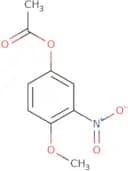
4-Methoxy-3-nitrophenyl acetate
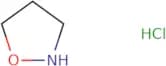
CAS:<p>Versatile small molecule scaffold</p>Formula:C9H9NO5Purezza:Min. 95%Peso molecolare:211.17 g/mol1,2-Oxazolidine hydrochloride
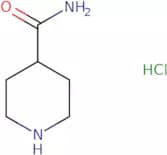
CAS:<p>1,2-Oxazolidine hydrochloride (1,2-OH) is an organic compound that is used as a reagent in organic synthesis. It is a chloride salt of the squaramide 1,2-oxazolidine and it reacts with hydrochloric acid to form the corresponding isoxazolidine. This process can be used to regenerate the starting reagent from a reaction mixture. The reaction yield for this process is in excess of 90%. 1,2-OH has shown pain control effects in mice and rats through its ability to inhibit prostaglandin synthesis. It also binds to c1-c6 alkoxyamines and iminiums, which are important intermediates in drug synthesis.</p>Formula:C3H8ClNOPurezza:Min. 95%Peso molecolare:109.55 g/mol4-Piperidinecarboxamide hydrochloride
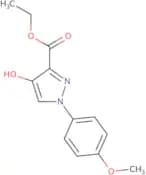
CAS:<p>Versatile small molecule scaffold</p>Formula:C6H13ClN2OPurezza:Min. 95%Peso molecolare:164.64 g/molEthyl 4-hydroxy-1-(4-methoxyphenyl)-1H-pyrazole-3-carboxylate
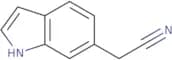
CAS:<p>Versatile small molecule scaffold</p>Formula:C13H14N2O4Purezza:Min. 95%Peso molecolare:262.26 g/mol2-(1H-Indol-6-yl)acetonitrile
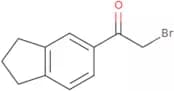
CAS:<p>Versatile small molecule scaffold</p>Formula:C10H8N2Purezza:Min. 95%Peso molecolare:156.18 g/mol2-Bromo-1-(2,3-dihydro-1H-inden-5-yl)ethan-1-one
CAS:<p>Versatile small molecule scaffold</p>Formula:C11H11BrOPurezza:Min. 95%Peso molecolare:239.11 g/mol7,8-Dihydro-5H-cyclohepta[b]pyridine-5,9(6H)-dione
CAS:<p>Versatile small molecule scaffold</p>Formula:C10H9NO2Purezza:Min. 95%Peso molecolare:175.19 g/molEthyl 3-chloro-5H,6H,7H,8H-pyrido[4,3-c]pyridazine-6-carboxylate
CAS:<p>Versatile small molecule scaffold</p>Formula:C10H12ClN3O2Purezza:Min. 95%Peso molecolare:241.67 g/molMethyl 3-chloro-5H,6H,7H,8H-pyrido[4,3-c]pyridazine-6-carboxylate
CAS:<p>Versatile small molecule scaffold</p>Formula:C9H10ClN3O2Purezza:Min. 95%Peso molecolare:227.65 g/molEthyl 3-hydroxy-5H,6H,7H,8H-pyrido[4,3-c]pyridazine-6-carboxylate
CAS:<p>Versatile small molecule scaffold</p>Formula:C10H13N3O3Purezza:Min. 95%Peso molecolare:223.23 g/mol2H,3H,5H,6H,7H,8H-Pyrido[4,3-c]pyridazin-3-one hydrochloride
CAS:<p>Versatile small molecule scaffold</p>Formula:C7H10ClN3OPurezza:Min. 95%Peso molecolare:187.63 g/mol5H,6H,7H,8H-Pyrido[4,3-c]pyridazin-3-ol
CAS:<p>Versatile small molecule scaffold</p>Formula:C7H9N3OPurezza:Min. 95%Peso molecolare:151.17 g/molMethyl 3-oxo-2H,3H,5H,6H,7H,8H-pyrido[4,3-c]pyridazine-6-carboxylate
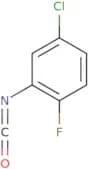
CAS:<p>Versatile small molecule scaffold</p>Formula:C9H11N3O3Purezza:Min. 95%Peso molecolare:209.2 g/mol4-Chloro-1-fluoro-2-isocyanatobenzene
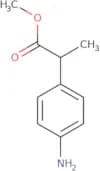
CAS:<p>Versatile small molecule scaffold</p>Formula:C7H3ClFNOPurezza:Min. 95%Peso molecolare:171.55 g/molmethyl 2-(4-aminophenyl)propanoate
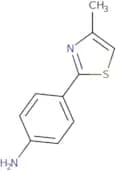
CAS:<p>Methyl 2-(4-aminophenyl)propanoate is a fatty acid amide that is derived from the arachidonic acid. It has been shown to be a lead compound with non-competitive inhibition of anandamide hydrolase. Methyl 2-(4-aminophenyl)propanoate also inhibits other hydrolases, such as the N-acylphosphatidylethanolamine phospholipase D and the phospholipase A2. This drug has been shown to have several effects in tissues, including cannabinoid receptors, which may be due to its ability to inhibit endocannabinoid metabolism and hydrolysis. This drug has also been shown to have anti-inflammatory properties.</p>Formula:C10H13NO2Purezza:Min. 95%Peso molecolare:179.2 g/mol4-(4-Methyl-1,3-thiazol-2-yl)aniline
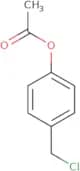
CAS:<p>Versatile small molecule scaffold</p>Formula:C10H10N2SPurezza:Min. 95%Peso molecolare:190.27 g/mol4-(Chloromethyl)phenyl acetate
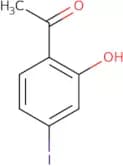
CAS:<p>4-(Chloromethyl)phenyl acetate is a nitro compound that is capable of inhibiting bacterial translocation in wild-type mice. It has been shown to decrease the influx of chloride ions into cells by binding to the membrane, preventing the formation of ion channels. 4-(Chloromethyl)phenyl acetate can also reduce lipid hydroperoxides and potentiate the activity of estradiol. This drug may be used to treat women with symptoms such as acne or endometriosis. The effects on phenotype are unknown because this drug has not been tested on humans.</p>Formula:C9H9ClO2Purezza:Min. 95%Peso molecolare:184.62 g/mol1-(2-Hydroxy-4-iodophenyl)ethan-1-one
CAS:<p>1-(2-Hydroxy-4-iodophenyl)ethan-1-one is a monomer that is used in the synthesis of polymers. It can be synthesized by irradiation of benzene with ultraviolet light. Yields are monitored by spectroscopies, such as elemental analysis, UV/visible spectroscopy, and IR spectroscopy. The reaction is carried out in organic solvents and yields 1-(2-hydroxy-4-iodophenyl)ethanone as an intermediate product. This compound can be polymerized using various methods to produce polymers with different properties. One method involves the use of benzene as a solvent and uv radiation for activation. 1-(2-Hydroxyphenyl)ethanone can also be polymerized using a metal catalyst (e.g., zinc). Theoretical models have been developed to predict the potential yields for this reaction.<br>END>></p>Formula:C8H7IO2Purezza:Min. 95%Peso molecolare:262.04 g/mol1-[4-Amino-2-(methylsulfanyl)-1,3-thiazol-5-yl]ethan-1-one
CAS:<p>Versatile small molecule scaffold</p>Formula:C6H8N2OS2Purezza:Min. 95%Peso molecolare:188.3 g/mol4-Amino-2-(methylthio)thiazole-5-carbonitrile
CAS:<p>4-Amino-2-(methylthio)thiazole-5-carbonitrile is an inhibitor of the epidermal growth factor receptor (EGFR). It binds to the EGFR and blocks the downstream signaling pathway, inhibiting cellular proliferation. This agent has been shown to inhibit tumor cell growth in vitro. 4-Amino-2-(methylthio)thiazole-5-carbonitrile binds to the enzyme tyrosine kinase, which is a key regulatory enzyme in signal transduction pathways. It inhibits phosphorylation of tyrosine residues on proteins, leading to inhibition of cellular proliferation. This drug has been shown to be effective against human tumor cells in culture and may be used for treating cancer patients with a specific mutation in their EGFR gene.</p>Formula:C9H17NO2Purezza:Min. 95%Peso molecolare:171.24 g/molMethyl 4-(1,3-dioxo-2,3-dihydro-1H-isoindol-2-yl)butanoate
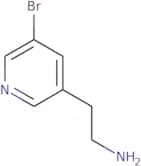
CAS:<p>Versatile small molecule scaffold</p>Formula:C13H13NO4Purezza:Min. 95%Peso molecolare:247.25 g/mol2-(5-Bromopyridin-3-yl)ethan-1-amine
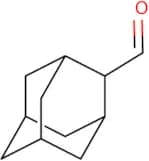
CAS:<p>Versatile small molecule scaffold</p>Formula:C7H9BrN2Purezza:Min. 95%Peso molecolare:201.06 g/molAdamantane-2-carbaldehyde
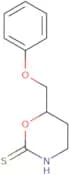
CAS:<p>Adamantane-2-carbaldehyde is a chemical that belongs to the class of organic compounds called ketones. It is used in model studies for the study of glutamate receptor metabotropic type 1 (mGluR1), which is a protein found in the central and peripheral nervous system. Adamantane-2-carbaldehyde can be synthesized by reacting an organometallic reagent with an enolate, which is formed from a Grignard reagent. This reaction produces an oxindole as a byproduct which can be converted into adamantane-2-carbaldehyde using acetonitrile. Adamantane-2-carbaldehyde has been shown to react with magnesium to form an adduct that binds to glutamic acid and other amino acids, demonstrating its use as a probe for studying glutamate receptor interactions with other biomolecules.</p>Formula:C11H16OPurezza:Min. 95%Peso molecolare:164.24 g/mol6-(Phenoxymethyl)-1,3-oxazinane-2-thione
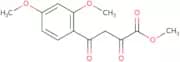
CAS:<p>6-Phenoxymethyl-1,3-oxazinane-2-thione is a potent drug candidate that has been shown to bind to the target site of the disease and inhibit its growth. 6-Phenoxymethyl-1,3-oxazinane-2-thione is insoluble in water and has a high concentration of active compound. The drug can be injected or implanted as a treatment for many diseases. 6-Phenoxymethyl-1,3-oxazinane-2-thione binds to the target site by iontophoresis, which means that it is delivered into the body from an external source using an electric current. This drug will be used as a diagnostic agent for implanting devices that are made out of hydrophobic materials such as silicon or plastic.</p>Formula:C11H13NO2SPurezza:Min. 95%Peso molecolare:223.29 g/molMethyl 4-(2,4-dimethoxyphenyl)-2,4-dioxobutanoate
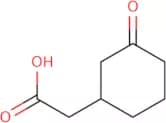
CAS:<p>Versatile small molecule scaffold</p>Formula:C13H14O6Purezza:Min. 95%Peso molecolare:266.25 g/mol2-(3-Oxocyclohexyl)acetic acid
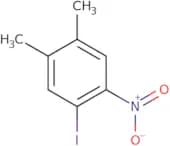
CAS:<p>Versatile small molecule scaffold</p>Formula:C8H12O3Purezza:Min. 95%Peso molecolare:156.18 g/mol1-Iodo-4,5-dimethyl-2-nitrobenzene
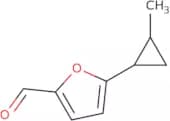
CAS:<p>1-Iodo-4,5-dimethyl-2-nitrobenzene is a synthetic chemical that is used to produce some pharmaceutical drugs. It has been shown to have a thermal expansion of 9.7 x 10^6 per °C at 20°C and 7.3 x 10^6 per °C at 100°C. The transition temperature for 1-iodo-4,5-dimethyl-2-nitrobenzene is 109°C. This chemical has an optical anisotropy of 0.28, which means that the material changes from being transparent to translucent when the light shines on it from different angles. 1-Iodo-4,5-dimethyl-2-nitrobenzene can be dissolved in a variety of solvents such as ether, acetone, and benzene. Refluxing this chemical produces ketones with a boiling point of around 210°C.</p>Formula:C8H8INO2Purezza:Min. 95%Peso molecolare:277.06 g/mol5-(2-Methylcyclopropyl)furan-2-carbaldehyde
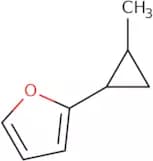
CAS:<p>Versatile small molecule scaffold</p>Formula:C9H10O2Purezza:Min. 95%Peso molecolare:150.17 g/mol2-(2-Methylcyclopropyl)furan
CAS:<p>2-(2-Methylcyclopropyl)furan is a furan with two methyl groups at the 2 and 6 positions. It is a colorless liquid that can be obtained by hydrogenating crotonaldehyde. 2-(2-Methylcyclopropyl)furan is used as a starting material in the production of alkylfurans, which are used as catalysts for the hydrogenation of olefins and dienes. The cyclopropane ring in this compound has been shown to react with catalytic amounts of palladium on carbon, forming an oxide on one side and a phenyl group on the other.</p>Formula:C8H10OPurezza:Min. 95%Peso molecolare:122.16 g/mol9-Decenal
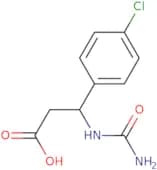
CAS:<p>9-Decenal is a polyunsaturated fatty acid that is found in many natural compounds. It has been shown to have antibacterial properties and is able to inhibit bacterial growth by catalysing the oxidation of nitrous oxide, which means it can be used as an antibiotic drug. 9-Decenal also has immunosuppressive activities and can suppress the immune system. In addition, 9-decenal can be used as a solid catalyst for chemical reactions. This compound has been shown to bind to silicon and form an ionic bond with the silicon atom, which may account for its anti-inflammatory properties. 9-Decenal also binds with fatty acids and primary alcohols, which are important components of marine metabolites. This compound's stereoselective properties have been studied extensively and it has been shown that it binds better to one enantiomer than the other.</p>Formula:C10H18OPurezza:Min. 95%Peso molecolare:154.25 g/mol3-(Carbamoylamino)-3-(4-chlorophenyl)propanoic acid
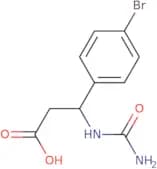
CAS:<p>Versatile small molecule scaffold</p>Formula:C10H11ClN2O3Purezza:Min. 95%Peso molecolare:242.66 g/mol3-(4-Bromophenyl)-3-(carbamoylamino)propanoic acid
CAS:<p>Versatile small molecule scaffold</p>Formula:C10H11BrN2O3Purezza:Min. 95%Peso molecolare:287.11 g/mol6-(4-Bromophenyl)-1,3-diazinane-2,4-dione
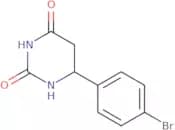
CAS:<p>Versatile small molecule scaffold</p>Formula:C10H9BrN2O2Purezza:Min. 95%Peso molecolare:269.09 g/mol2-(Cyclopentyloxy)-2-phenylacetic acid, sodium salt
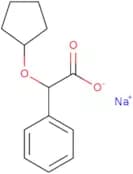
CAS:<p>Versatile small molecule scaffold</p>Formula:C13H15NaO3Purezza:Min. 95%Peso molecolare:242.25 g/mol1,2,3,4,5,6-Hexahydro-3-benzazocin-4-one
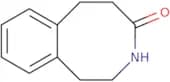
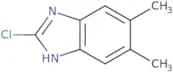
CAS:<p>Versatile small molecule scaffold</p>Formula:C11H13NOPurezza:Min. 95%Peso molecolare:175.23 g/mol2-Chloro-5,6-dimethyl-1H-benzimidazole
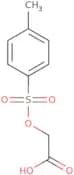
CAS:<p>2-Chloro-5,6-dimethyl-1H-benzimidazole is a riboside that has been shown to have cytotoxic activity against human cells. It is also able to inhibit the replication of simplex virus type 1 and herpes simplex virus type 1 in cell culture. 2-Chloro-5,6-dimethyl-1H-benzimidazole has been shown to be stereoselective and glycosylation resistant.</p>Formula:C9H9ClN2Purezza:Min. 95%Peso molecolare:180.63 g/mol2-(p-Toluenesulfonyloxy)acetic Acid
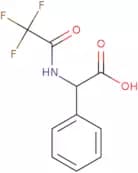
CAS:<p>Versatile small molecule scaffold</p>Formula:C9H10O5SPurezza:Min. 95%Peso molecolare:230.23 g/mol2-Phenyl-2-(trifluoroacetamido)acetic acid
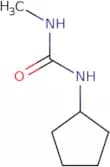
CAS:<p>Versatile small molecule scaffold</p>Formula:C10H8F3NO3Purezza:Min. 95%Peso molecolare:247.17 g/mol1-Cyclopentyl-3-methylurea
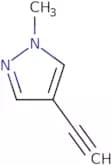
CAS:<p>Versatile small molecule scaffold</p>Formula:C7H14N2OPurezza:Min. 95%Peso molecolare:142.2 g/mol4-Ethynyl-1-methyl-1H-pyrazole
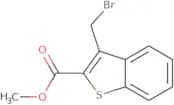
CAS:<p>Versatile small molecule scaffold</p>Formula:C6H6N2Purezza:Min. 95%Peso molecolare:106.13 g/molMethyl 3-(bromomethyl)-1-benzothiophene-2-carboxylate
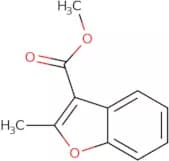
CAS:<p>Versatile small molecule scaffold</p>Formula:C11H9BrO2SPurezza:Min. 95%Peso molecolare:285.16 g/molMethyl 2-methyl-1-benzofuran-3-carboxylate
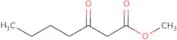
CAS:<p>Versatile small molecule scaffold</p>Formula:C11H10O3Purezza:Min. 95%Peso molecolare:190.19 g/molMethyl 3-Oxoheptanoate
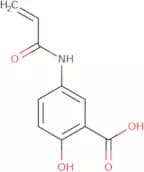
CAS:<p>Methyl 3-Oxoheptanoate is a synthetic compound with anti-cancer properties. It has been shown to inhibit the growth of neuroblastomas and other cancer cells. Methyl 3-Oxoheptanoate is a fluorescent compound that can be used as an affinity label in immunohistochemistry experiments. This molecule has also been shown to have an affinity for the atrial natriuretic peptide receptor, which may be responsible for its fibrillation inhibition activity. Methyl 3-Oxoheptanoate is synthesized by irradiation of a mixture of methyl octanoate and hexanal with UV light in the presence of oxygen.<br>Methyl 3-Oxoheptanoate was first reported by Friedel and Crafts in 1877, although this reaction is not catalyzed by methyl 3-oxoheptanoate itself.</p>Formula:C8H14O3Purezza:Min. 95%Peso molecolare:158.2 g/mol2-Hydroxy-5-(prop-2-enamido)benzoic acid
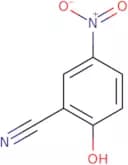
CAS:<p>Versatile small molecule scaffold</p>Formula:C10H9NO4Purezza:Min. 95%Peso molecolare:207.18 g/mol2-Hydroxy-5-nitrobenzonitrile
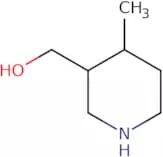
CAS:<p>2-Hydroxy-5-nitrobenzonitrile is a potential drug that has been shown to inhibit the uptake of pyochelin, a bacterial metabolite involved in iron metabolism. The kinetic and biological properties of 2-hydroxy-5-nitrobenzonitrile have been studied with respect to its effects on gram-negative bacteria such as Pseudomonas aeruginosa. This molecule has also been shown to have immunomodulatory activities and can be used as a potential drug for the treatment of various diseases, including diabetes mellitus. In addition, 2-hydroxy-5-nitrobenzonitrile is a potent xanthine oxidase inhibitor that has been shown to inhibit human albumin oxidation. This molecule is also stereoselective, which means it binds preferentially to one enantiomer of the enzyme it targets.</p>Formula:C7H4N2O3Purezza:Min. 95%Peso molecolare:164.12 g/mol(4-Methylpiperidin-3-yl)methanol
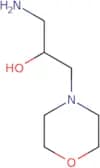
CAS:<p>Versatile small molecule scaffold</p>Formula:C7H15NOPurezza:Min. 95%Peso molecolare:129.2 g/mol1-Amino-3-morpholin-4-yl-propan-2-ol
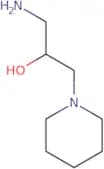
CAS:<p>Versatile small molecule scaffold</p>Formula:C7H16N2O2Purezza:Min. 95%Peso molecolare:160.21 g/mol1-Amino-3-(piperidin-1-yl)propan-2-ol
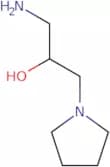
CAS:<p>Versatile small molecule scaffold</p>Formula:C8H18N2OPurezza:Min. 95%Peso molecolare:158.25 g/mol1-amino-3-pyrrolidin-1-ylpropan-2-ol
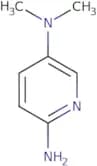
CAS:<p>Versatile small molecule scaffold</p>Formula:C7H16N2OPurezza:Min. 95%Peso molecolare:144.22 g/mol2,5-Pyridinediamine, N5,N5-dimethyl-
CAS:<p>2,5-Pyridinediamine, N5,N5-dimethyl (2,5-PD) is an organic compound that reacts with bromine to form 2,5-dibromopyridine. It can be used in the synthesis of other pyridine compounds.</p>Formula:C7H11N3Purezza:Min. 95%Peso molecolare:137.18 g/mol2-Bromobenzo[b]thiophene-3-carbaldehyde
CAS:<p>2-Bromobenzo[b]thiophene-3-carbaldehyde is a copper (II) complex, which is obtained by the reaction of 2-bromobenzo[b]-thiophene with copper metal in an alkaline environment. It is a divalent organometallic compound with a formyl group. The complex has been synthesized and studied using spectroscopic methods. It has also been shown to be nucleophilic and can react with electrophiles, such as hydrosulfide, to produce thiols. The carbonyl group can undergo tautomerization to the enol form.</p>Formula:C9H5BrOSPurezza:Min. 95%Peso molecolare:241.1 g/mol1,5-Dimethyl-1H-benzo[D]imidazol-2-amine
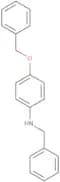
CAS:<p>Versatile small molecule scaffold</p>Formula:C9H11N3Purezza:Min. 95%Peso molecolare:161.21 g/molN-Benzyl-4-(benzyloxy)aniline
CAS:<p>Versatile small molecule scaffold</p>Formula:C20H19NOPurezza:Min. 95%Peso molecolare:289.4 g/molN-{[4-(Benzyloxy)phenyl]methyl}aniline
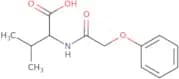
CAS:<p>Versatile small molecule scaffold</p>Formula:C20H19NOPurezza:Min. 95%Peso molecolare:289.4 g/mol(2S)-3-Methyl-2-(2-phenoxyacetamido)butanoic acid
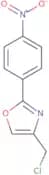
CAS:<p>Versatile small molecule scaffold</p>Formula:C13H17NO4Purezza:Min. 95%Peso molecolare:251.28 g/mol4-(Chloromethyl)-2-(4-nitrophenyl)-1,3-oxazole
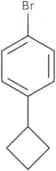
CAS:<p>Versatile small molecule scaffold</p>Formula:C10H7ClN2O3Purezza:Min. 95%Peso molecolare:238.63 g/molBenzene, 1-bromo-4-cyclobutyl-
CAS:<p>Versatile small molecule scaffold</p>Formula:C10H11BrPurezza:Min. 95%Peso molecolare:211.1 g/mol8-Azabicyclo[5.2.0]nonane
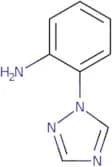
CAS:<p>Versatile small molecule scaffold</p>Formula:C8H15NPurezza:Min. 95%Peso molecolare:125.21 g/mol2-(1H-1,2,4-Triazol-1-yl)aniline
CAS:<p>Versatile small molecule scaffold</p>Formula:C8H8N4Purezza:Min. 95%Peso molecolare:160.18 g/molN-Methylthiophene-2-carboxamide
CAS:<p>N-Methylthiophene-2-carboxamide is an organic compound with a carbonyl group. The conformational and molecular parameters of this compound have been determined using X-ray diffraction and validated by quantum chemical calculations. It has been shown that N-Methylthiophene-2-carboxamide can modulate the conformational behavior of proteins, including their function as enzyme inhibitors, and it is also able to bind to DNA in a covalent manner. N-Methylthiophene-2-carboxamide can be used as a solvent for other molecules that are insoluble in water or other solvents.</p>Formula:C6H7NOSPurezza:Min. 95%Peso molecolare:141.19 g/mol2-Oxo-6-(pyridin-4-yl)-1,2-dihydropyridine-3-carbonitrile
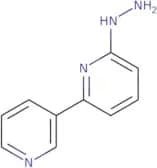
CAS:<p>Versatile small molecule scaffold</p>Formula:C11H7N3OPurezza:Min. 95%Peso molecolare:197.19 g/mol2-Hydrazinyl-6-(pyridin-3-yl)pyridine
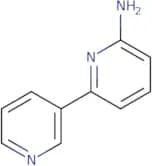
CAS:<p>Versatile small molecule scaffold</p>Formula:C10H10N4Purezza:Min. 95%Peso molecolare:186.21 g/mol3-(6-Aminopyridin-2-yl)pyridine
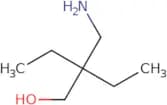
CAS:<p>Versatile small molecule scaffold</p>Formula:C10H9N3Purezza:Min. 95%Peso molecolare:171.2 g/mol2-(Aminomethyl)-2-ethylbutan-1-ol
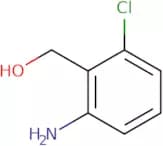
CAS:<p>Versatile small molecule scaffold</p>Formula:C7H17NOPurezza:Min. 95%Peso molecolare:131.22 g/mol(2-Amino-6-chlorophenyl)methanol
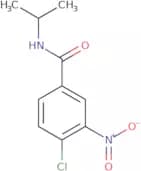
CAS:<p>2-Amino-6-chlorophenyl)methanol is a cyclic amine with a chloro substituent. It has been used as a precursor for the synthesis of carbamates and iminium compounds. The synthesis of 2-aminopyridine (1) from 2-amino-6-chlorophenol (2) involves an oxidative coupling reaction followed by an iminium formation. This process can be done in one step or in two steps, depending on the type of coupling agent used. The yields of this process are dependent on the reagents used, but can be up to 98% when using potassium permanganate as the coupling agent.</p>Formula:C7H8ClNOPurezza:Min. 95%Peso molecolare:157.6 g/mol4-Chloro-3-nitro-N-(propan-2-yl)benzamide
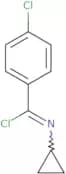
CAS:<p>Versatile small molecule scaffold</p>Formula:C10H11ClN2O3Purezza:Min. 95%Peso molecolare:242.66 g/mol4-Chloro-N-cyclopropylbenzene-1-carbonimidoyl chloride
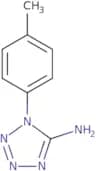
CAS:<p>Versatile small molecule scaffold</p>Formula:C10H9Cl2NPurezza:Min. 95%Peso molecolare:214.09 g/mol1-(4-Methylphenyl)-1H-1,2,3,4-tetrazol-5-amine
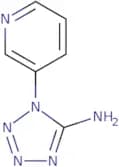
CAS:<p>Versatile small molecule scaffold</p>Formula:C8H9N5Purezza:Min. 95%Peso molecolare:175.19 g/mol1-(Pyridin-3-yl)-1H-1,2,3,4-tetrazol-5-amine
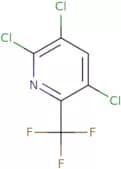
CAS:<p>Versatile small molecule scaffold</p>Formula:C6H6N6Purezza:Min. 95%Peso molecolare:162.2 g/mol2,3,5-Trichloro-6-(trifluoromethyl)pyridine
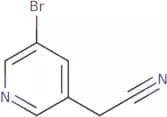
CAS:<p>Versatile small molecule scaffold</p>Formula:C6HCl3F3NPurezza:Min. 95%Peso molecolare:250.4 g/mol2-(5-Bromopyridin-3-yl)acetonitrile
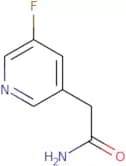
CAS:<p>Versatile small molecule scaffold</p>Formula:C7H5BrN2Purezza:Min. 95%Peso molecolare:197.03 g/mol2-(5-Fluoropyridin-3-yl)acetamide
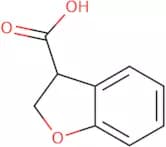
CAS:<p>Versatile small molecule scaffold</p>Formula:C7H7FN2OPurezza:Min. 95%Peso molecolare:154.14 g/mol2,3-Dihydrobenzofuran-3-carboxylic acid
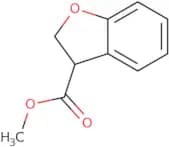
CAS:<p>Versatile small molecule scaffold</p>Formula:C9H8O3Purezza:Min. 95%Peso molecolare:164.16 g/molMethyl 2,3-dihydro-1-benzofuran-3-carboxylate
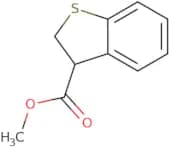
CAS:<p>Methyl 2,3-dihydro-1-benzofuran-3-carboxylate is a nonporous, nature, aldehyde that inhibits the growth of bacteria. It has been shown to inhibit the production of malonic acid in a reaction catalyzed by malonate decarboxylase and to inhibit the growth of bacteria by binding to their cell surfaces and interfering with their metabolism. Methyl 2,3-dihydro-1-benzofuran-3-carboxylate is used in techniques such as kinetic and titration calorimetry for measuring inhibition rates. This compound also has an oral route of administration and is used as an inhibitor in synthetic chemistry.</p>Formula:C10H10O3Purezza:Min. 95%Peso molecolare:178.18 g/molMethyl 2,3-dihydro-1-benzothiophene-3-carboxylate
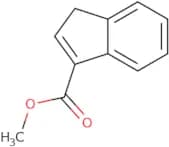
CAS:<p>Methyl 2,3-dihydro-1-benzothiophene-3-carboxylate is a chemical that is used to modify proteins by methylation. This process can be used to study epigenetics and the methylation patterns of proteins in mammalian cells. Methyl 2,3-dihydro-1-benzothiophene-3-carboxylate can also be used as a marker for DNA methylation. The detection methods for this compound include chromatography, mass spectrometry, and NMR spectroscopy.</p>Formula:C10H10O2SPurezza:Min. 95%Peso molecolare:194.25 g/molMethyl 1H-indene-3-carboxylate
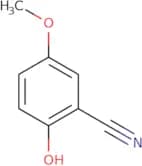
CAS:<p>Methyl 1H-indene-3-carboxylate (1,4-dimethoxybenzene) is an organic compound that is a methyl derivative of indene. It can be synthesized by the reaction of methyl acetoacetate with formaldehyde and hydrochloric acid. 1,4-Dimethoxybenzene has been shown to absorb light in the ultraviolet region, which may be due to its cyclic structure. This property allows the molecule to act as a photosensitive material for solar cells or photovoltaic devices. The efficiency of these devices has been increased by irradiating them with ultrafast pulses of light. Methyl 1H-indene-3-carboxylate may also function as an acceptor in organic electronic devices such as OLEDs and OPVs.</p>Formula:C11H10O2Purezza:Min. 95%Peso molecolare:174.2 g/mol2-Hydroxy-5-methoxy-benzonitrile
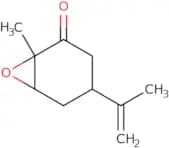
CAS:<p>2-Hydroxy-5-methoxy-benzonitrile (2HMOB) is a benzene carbonitrile that can be used in the synthesis of many different types of organic compounds. 2HMOB is synthesized by reacting anisole with benzyl bromide in the presence of a copper(I) catalyst. The reaction occurs through the following series of steps:</p>Formula:C8H7NO2Purezza:Min. 95%Peso molecolare:149.15 g/mol1,6-Epoxyisodihydrocarvone
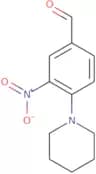
CAS:<p>Versatile small molecule scaffold</p>Formula:C10H14O2Purezza:Min. 95%Peso molecolare:166.22 g/mol3-Nitro-4-piperidinobenzaldehyde
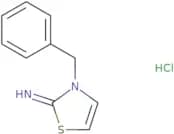
CAS:<p>Versatile small molecule scaffold</p>Formula:C12H14N2O3Purezza:Min. 95%Peso molecolare:234.25 g/mol3-Benzyl-2,3-dihydro-1,3-thiazol-2-imine hydrochloride
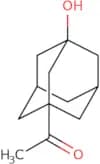
CAS:<p>Versatile small molecule scaffold</p>Formula:C10H11ClN2SPurezza:Min. 95%Peso molecolare:226.73 g/mol1-(3-Hydroxyadamantan-1-yl)ethan-1-one
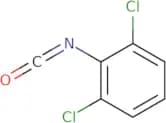
CAS:<p>1-(3-Hydroxyadamantan-1-yl)ethan-1-one (HAEE) is a racemic mixture of 1-(3-hydroxyadamantan-1-yl)ethanol (HAEE). HAEE can be synthesized from ethyl formate and quinidine. The process optimization step includes the reaction time and alkalization. HAEE has been used in the synthesis of quinine, an antimalarial drug, and to produce enolate salts. This process is optimized with chloride as a chlorinating agent and ethyl formate as an alkylating agent.</p>Formula:C12H18O2Purezza:Min. 95%Peso molecolare:194.27 g/mol2,6-Dichlorophenyl Isocyanate
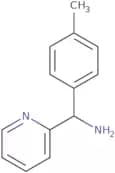
CAS:<p>2,6-Dichlorophenyl Isocyanate (2,6-DCPI) is an environmental pollutant that can be found in polyvinyl chloride and other plastics. 2,6-DCPI inhibits cell proliferation by binding to the tyrosine kinases of the cells. This binding prevents the activation of the cells' receptors and inhibits the production of proteins such as hydroxyproline. 2,6-DCPI has been shown to have anti-cancer effects in mice models and is being investigated for use in chemotherapy treatments. It also has a potential role in treating some skin diseases such as psoriasis because it inhibits the production of collagenase.</p>Formula:C7H3Cl2NOPurezza:Min. 95%Peso molecolare:188.01 g/mol(4-Methylphenyl)(pyridin-2-yl)methanamine
CAS:<p>Versatile small molecule scaffold</p>Formula:C13H14N2Purezza:Min. 95%Peso molecolare:198.26 g/mol1-(3-Chlorophenyl)-1-(pyridin-2-yl)methanamine
CAS:<p>Versatile small molecule scaffold</p>Formula:C12H11ClN2Purezza:Min. 95%Peso molecolare:218.68 g/mol1,3,7-Trimethyl-1H,2H,3H,4H,7H-pyrrolo[2,3-d]pyrimidine-2,4-dione
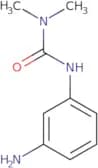
CAS:Prodotto controllato<p>Versatile small molecule scaffold</p>Formula:C9H11N3O2Purezza:Min. 95%Peso molecolare:193.2 g/mol1-(3-Aminophenyl)-3,3-dimethylurea
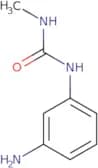
CAS:<p>Versatile small molecule scaffold</p>Formula:C9H13N3OPurezza:Min. 95%Peso molecolare:179.22 g/mol1-(3-Aminophenyl)-3-methylurea
CAS:<p>Versatile small molecule scaffold</p>Formula:C8H11N3OPurezza:Min. 95%Peso molecolare:165.19 g/mol(1-[(Dimethylamino)methyl]cyclobutyl)methanol
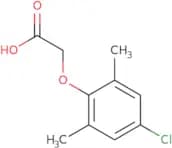
CAS:<p>Versatile small molecule scaffold</p>Formula:C8H17NOPurezza:Min. 95%Peso molecolare:143.23 g/mol2-(4-Chloro-2,6-dimethylphenoxy)acetic acid
CAS:<p>Versatile small molecule scaffold</p>Formula:C10H11ClO3Purezza:Min. 95%Peso molecolare:214.64 g/molEthyl 2-[(2-phenylphenyl)amino]acetate
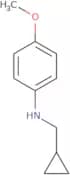
CAS:<p>Versatile small molecule scaffold</p>Formula:C16H17NO2Purezza:Min. 95%Peso molecolare:255.31 g/molN-(Cyclopropylmethyl)-4-methoxyaniline
CAS:<p>Versatile small molecule scaffold</p>Formula:C11H15NOPurezza:Min. 95%Peso molecolare:177.24 g/mol1-[2-(Trifluoromethyl)phenyl]ethylamine hydrochloride
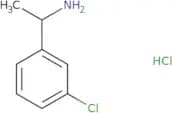
CAS:<p>Versatile small molecule scaffold</p>Formula:C9H10F3N·HClPurezza:Min. 95%Peso molecolare:225.64 g/mol1-(3-Chlorophenyl)ethanamine HCl
CAS:<p>Versatile small molecule scaffold</p>Formula:C8H10ClN·HClPurezza:Min. 95%Peso molecolare:192.09 g/mol1-Cyclopropyl-1-phenylmethanamine hydrochloride
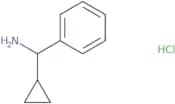
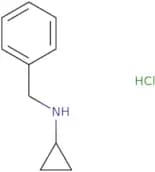
CAS:<p>Versatile small molecule scaffold</p>Formula:C10H14ClNPurezza:Min. 95%Peso molecolare:183.68 g/molN-Cyclopropylbenzylamine HCl
CAS:<p>N-Cyclopropylbenzylamine HCl is a molecule that is used in the synthesis of other compounds. It is an amine that has been reconstituted and inactivated with water. N-Cyclopropylbenzylamine HCl irreversibly inhibits phosphodiesterase type 4, which catalyzes the hydrolysis of cyclic adenosine monophosphate (cAMP). The bond between the N-cyclopropyl group and the benzene ring is cleaved, yielding a residue.</p>Formula:C10H13N·HClPurezza:Min. 95%Peso molecolare:183.68 g/mol1-(2,3-Dichlorophenyl)-N-methylmethanamine hydrochloride
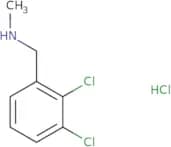
CAS:<p>Versatile small molecule scaffold</p>Formula:C8H10Cl3NPurezza:Min. 95%Peso molecolare:226.5 g/mol1-(2-Aminoethoxy)-2,3-dichlorobenzene hydrochloride
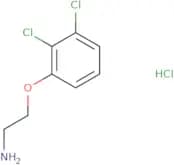
CAS:<p>Versatile small molecule scaffold</p>Formula:C8H10Cl3NOPurezza:Min. 95%Peso molecolare:242.5 g/mol3-(3,4-Dichlorophenyl)propan-1-amine hydrochloride
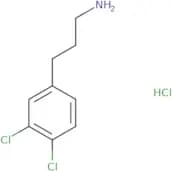
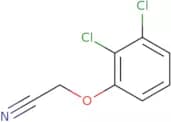
CAS:<p>Versatile small molecule scaffold</p>Formula:C9H12Cl3NPurezza:Min. 95%Peso molecolare:240.6 g/mol2-(2,3-Dichlorophenoxy)acetonitrile
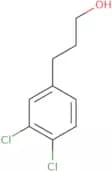
CAS:<p>Versatile small molecule scaffold</p>Formula:C8H5Cl2NOPurezza:Min. 95%Peso molecolare:202.03 g/mol3-(3,4-Dichlorophenyl)propan-1-ol
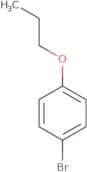
CAS:<p>Versatile small molecule scaffold</p>Formula:C9H10Cl2OPurezza:Min. 95%Peso molecolare:205.08 g/mol1-Bromo-4-propoxybenzene
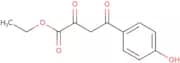
CAS:<p>Versatile small molecule scaffold</p>Formula:C9H11BrOPurezza:Min. 95%Peso molecolare:215.09 g/molEthyl 4-(4-hydroxyphenyl)-2,4-dioxobutanoate
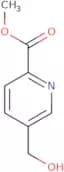
CAS:<p>Versatile small molecule scaffold</p>Formula:C12H12O5Purezza:Min. 95%Peso molecolare:236.22 g/molMethyl 5-(hydroxymethyl)pyridine-2-carboxylate
CAS:<p>Versatile small molecule scaffold</p>Formula:C8H9NO3Purezza:Min. 95%Peso molecolare:167.16 g/molN-[(Hydrazinecarbonyl)methyl]thiophene-2-carboxamide
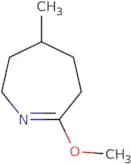
CAS:<p>Versatile small molecule scaffold</p>Formula:C7H9N3O2SPurezza:Min. 95%Peso molecolare:199.23 g/mol7-Methoxy-4-methyl-3,4,5,6-tetrahydro-2H-azepine
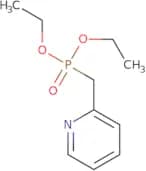
CAS:<p>Versatile small molecule scaffold</p>Formula:C8H15NOPurezza:Min. 95%Peso molecolare:141.21 g/molDiethyl (pyridin-2-ylmethyl)phosphonate
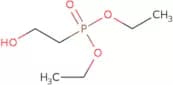
CAS:<p>Diethyl (pyridin-2-ylmethyl)phosphonate is a ligand that forms hydrogen bonds with water molecules. This compound is a mononuclear, diamagnetic, and non-planar molecule with two chloride atoms and one nitrogen atom coordinated to the phosphorus. Diethyl (pyridin-2-ylmethyl)phosphonate has been shown to chelate metal ions in coordination complexes and can be used as an organic ligand in crystal x-ray diffraction studies of organic compounds.</p>Formula:C10H16NO3PPurezza:Min. 95%Peso molecolare:229.21 g/molDiethyl (2-hydroxyethyl)phosphonate
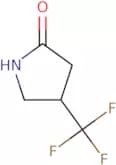
CAS:<p>Diethyl (2-hydroxyethyl)phosphonate is an intramolecular nucleophilic compound that contains a diethylamino group. Diethyl (2-hydroxyethyl)phosphonate is soluble in water and insoluble in organic solvents, with a ph range of 2 to 11. Diethyl (2-hydroxyethyl)phosphonate is used as a catalyst for organic reactions, such as the hydrolysis of esters. It also catalyzes the reaction between dialkylamines and amino compounds to form amides. This compound has been shown to be a good model for the synthesis of amino groups.</p>Formula:C6H15O4PPurezza:Min. 95%Peso molecolare:182.15 g/mol4-(Trifluoromethyl)-2-pyrrolidinone
CAS:<p>Versatile small molecule scaffold</p>Formula:C5H6F3NOPurezza:Min. 95%Peso molecolare:153.1 g/moltert-Butyl N-[(1S,3R)-3-(hydroxymethyl)cyclopentyl]carbamate
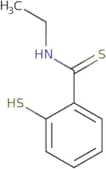
CAS:<p>Versatile small molecule scaffold</p>Formula:C11H21NO3Purezza:Min. 95%Peso molecolare:215.29 g/molN-Ethyl-2-sulfanylbenzene-1-carbothioamide
CAS:<p>Versatile small molecule scaffold</p>Formula:C9H11NS2Purezza:Min. 95%Peso molecolare:197.3 g/mol1-((Benzyloxy)carbonyl)-2-methylpiperidine-2-carboxylic acid
CAS:<p>Versatile small molecule scaffold</p>Formula:C15H19NO4Purezza:Min. 95%Peso molecolare:277.31 g/mol7-benzyl-3-thia-7-azabicyclo[3.3.1]nonan-9-one
CAS:<p>7-benzyl-3-thia-7-azabicyclo[3.3.1]nonan-9-one (7BAN) is a compound that has been shown to have antiarrhythmic effects in animal models. The conformational stability of 7BAN has been determined by single crystal x-ray diffraction data, and the conformers have been determined by conformational analysis. The conformation of this drug is stabilized by the benzyl group and the azabicyclo group, which are responsible for its antiarrhythmic activity.</p>Formula:C14H17NOSPurezza:Min. 95%Peso molecolare:247.36 g/mol3-(Ethylsulfanyl)benzonitrile
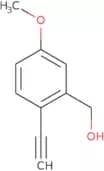
CAS:<p>Versatile small molecule scaffold</p>Formula:C9H9NSPurezza:Min. 95%Peso molecolare:163.24 g/mol(2-Ethynyl-5-methoxyphenyl)methanol
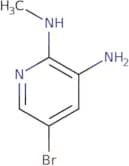
CAS:<p>Versatile small molecule scaffold</p>Formula:C10H10O2Purezza:Min. 95%Peso molecolare:162.19 g/mol5-Bromo-2-N-methylpyridine-2,3-diamine
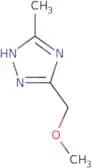
CAS:<p>Versatile small molecule scaffold</p>Formula:C6H8BrN3Purezza:Min. 95%Peso molecolare:202.05 g/mol5-(Methoxymethyl)-3-methyl-1H-1,2,4-triazole
CAS:<p>Versatile small molecule scaffold</p>Formula:C5H9N3OPurezza:Min. 95%Peso molecolare:127.14 g/mol(1,3-dihydro-2-benzofuran-5-yl)methanol
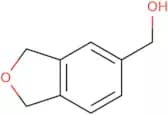
CAS:<p>Versatile small molecule scaffold</p>Formula:C9H10O2Purezza:Min. 95%Peso molecolare:150.18 g/mol6-Methoxy-2,4-dihydro-1H-3,1-benzoxazin-2-one
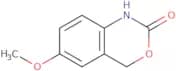
CAS:<p>Versatile small molecule scaffold</p>Formula:C9H9NO3Purezza:Min. 95%Peso molecolare:179.17 g/mol6-Hydroxy-2,4-dihydro-1H-3,1-benzoxazin-2-one
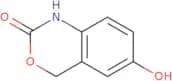
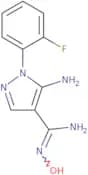
CAS:<p>Versatile small molecule scaffold</p>Formula:C8H7NO3Purezza:Min. 95%Peso molecolare:165.15 g/mol5-Amino-1-(2-fluorophenyl)-N'-hydroxy-1H-pyrazole-4-carboximidamide
CAS:<p>Versatile small molecule scaffold</p>Formula:C10H10FN5OPurezza:Min. 95%Peso molecolare:235.22 g/mol2-Butyl-2,3-dihydro-1H-indazol-3-one
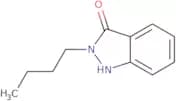
CAS:<p>Versatile small molecule scaffold</p>Formula:C11H14N2OPurezza:Min. 95%Peso molecolare:190.24 g/mol8-Methoxy-4-methyl-1,2,3,4-tetrahydroquinoline
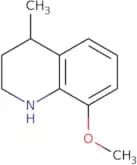
CAS:<p>Versatile small molecule scaffold</p>Formula:C11H15NOPurezza:Min. 95%Peso molecolare:177.24 g/mol4-Bromo-2-(bromomethyl)quinoline
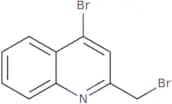
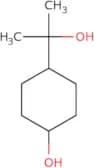
CAS:<p>Versatile small molecule scaffold</p>Formula:C10H7Br2NPurezza:Min. 95%Peso molecolare:300.98 g/mol4-(2-Hydroxypropan-2-yl)cyclohexan-1-ol
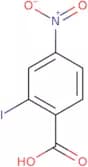
CAS:<p>Versatile small molecule scaffold</p>Formula:C9H18O2Purezza:Min. 95%Peso molecolare:158.24 g/mol2-iodo-4-nitrobenzoic acid
CAS:<p>2-Iodo-4-nitrobenzoic acid is a synthetic heterocyclic compound with the molecular formula C6H3INO2Cl. It has a picric pharmacophore, which is a structural motif that consists of a trifluoromethyl group and two nitro groups. 2-Iodo-4-nitrobenzoic acid is insoluble in water and hydrochloric acid. It can be synthesized by reacting diphenylmethane with sodium hydroxide solution and then adding hydrochloric acid to the resultant solution. The chemical structure of 2-iodo-4-nitrobenzoic acid appears as an orange crystalline solid in its pure form, but it has not been observed to have any biological activity. The chemical shifts for the methyl protons are between 1.5 and 4 ppm, and the chemical shifts for the hydrogen protons are between 2 and 4 ppm in its nmr spectra.</p>Formula:C7H4INO4Purezza:Min. 95%Peso molecolare:293 g/molPyridazine-3-carboxylic acid hydrazide
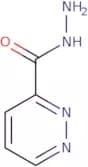
CAS:<p>Pyridazine-3-carboxylic acid hydrazide is a chemical compound that belongs to the class of heterocyclic compounds. It can be synthesized by reacting 3-hydrazinopyridine with pyridine in a process that involves elemental analysis and spectral analysis. This compound has been shown to react with metal ions and form a ligand complex. Pyridazine-3-carboxylic acid hydrazide also has electronic spectra when it reacts with acids and bases, which are related to its formation constants. The parameters of this chemical are given below:</p>Formula:C5H6N4OPurezza:Min. 95%Peso molecolare:138.13 g/mol5,5-Dimethyl-2,4-pyrrolidinedione
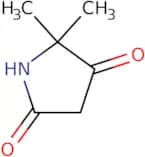
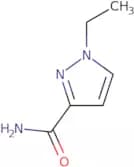
CAS:<p>5,5-Dimethyl-2,4-pyrrolidinedione is the common name for a photochemical reaction that produces the anion of a substituted pyrrole. The reaction starts with a ketone or an aldehyde and two molecules of formaldehyde. This reaction is usually carried out in the presence of light. The efficiency of this process depends on the substituents on the molecule. In some cases, n-substituted pyrroles are more efficient than n-acetylated or n-alkylated pyrroles. If all three substituents are hydrogens, then the reactivity diminishes. 5,5-Dimethyl-2,4-pyrrolidinedione has been used as a precursor to produce 1-(1H)indolium salts and other compounds with antiinflammatory properties by alkylation or methoxycarbonylation reactions.</p>Formula:C6H9NO2Purezza:Min. 95%Peso molecolare:127.14 g/mol1-Ethyl-1H-pyrazole-3-carboxamide
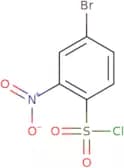
CAS:<p>1-Ethyl-1H-pyrazole-3-carboxamide (1EPC) is a carbonic anhydrase inhibitor. It is used in the treatment of cancer, including lung carcinoma and breast carcinoma. 1EPC inhibits the growth of cancer cells by inhibiting the production of ATP in hypoxic regions of the tumor cell, thereby causing a dose-dependent cytotoxicity effect. This drug also has anticancer effects against fibroblast cells and carcinoma cells, as well as inhibiting the synthesis of DNA and RNA.</p>Formula:C6H9N3OPurezza:Min. 95%Peso molecolare:139.16 g/mol4-Bromo-2-nitrobenzenesulphonyl chloride
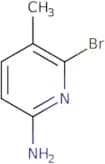
CAS:<p>Versatile small molecule scaffold</p>Formula:C6H3BrClNO4SPurezza:Min. 95%Peso molecolare:300.51 g/mol6-bromo-5-methylpyridin-2-amine
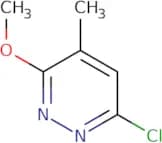
CAS:<p>6-Bromo-5-methylpyridin-2-amine is an imidazopyridine drug that has been shown to inhibit the growth of bacterial strains in vitro. It also binds to the electron density, which may be due to its heteroaromatic ring and ionization potential. 6BMPA is synthesized by reacting 2-chloro-6-bromopyridine with 5-methylpyridinium iodide. For the synthesis of a monomer, 6BMPA is reacted with a second molecule of 5-methylpyridinium iodide, yielding the imidazopyrazine as a product. Drug discovery for this compound has been shown to be promising in animal models.</p>Formula:C6H7BrN2Purezza:Min. 95%Peso molecolare:187 g/mol6-Chloro-3-Methoxy-4-methylpyridazine
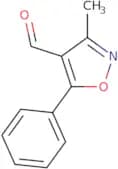
CAS:<p>6-Chloro-3-Methoxy-4-methylpyridazine is an alkoxide of hydrazine. It is a white crystalline solid that melts at 130 °C and has a mp of 138 °C. 6-Chloro-3-Methoxy-4-methylpyridazine is selective for the liver, and has been used in research to study hepatic diseases. It has also been used as an intermediate in the synthesis of other compounds. The 6-chloro group on the pyridine nitrogen atom reacts with phosphorus oxychloride to produce a monohydrate salt, which can be hydrolyzed by refluxing with water to form the oxychloride salt. The chloride atom on the methoxy group can be replaced by chlorine by heating with phosphorus and hydrazine monohydrate. This process is efficient because it produces only one chlorinated product instead of two chlorinated products that are produced when chlorine gas is added directly to</p>Formula:C6H7ClN2OPurezza:Min. 95%Peso molecolare:158.59 g/mol3-Methyl-5-phenyl-isoxazole-4-carbaldehyde
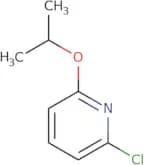
CAS:<p>Versatile small molecule scaffold</p>Formula:C11H9NO2Purezza:Min. 95%Peso molecolare:187.2 g/mol2-Chloro-6-isopropoxypyridine
CAS:<p>2-Chloro-6-isopropoxypyridine is a reactive organometallic compound that has the ability to form stable, structurally diverse, and often useful compounds. It can be used as an intermediate in the synthesis of substituted pyridines, furans, and other heterocycles. The synthesis of these compounds is usually achieved through cycloaddition reactions with suitably substituted arenes. 2-Chloro-6-isopropoxypyridine can be synthesized by the lithium chloride induced elimination reaction between chloroacetone and isopropyl alcohol at low temperatures. This method is regioselective, in that it gives a mixture of 2-chloro-6-isopropoxypyridine and its diastereoisomer.<br>2CIP produces a mixture of products with different substitution patterns because it undergoes a cycloaddition reaction with substituents on the aromatic ring. The lithiation</p>Formula:C8H10NOClPurezza:Min. 95%Peso molecolare:171.62 g/mol(2R)-2-{[(tert-Butoxy)carbonyl]amino}-3-cyclopropylpropanoic acid
CAS:<p>Versatile small molecule scaffold</p>Formula:C11H19NO4Purezza:Min. 95%Peso molecolare:229.27 g/mol2,5-diaza-bicyclo[2.2.1]heptane 2hcl
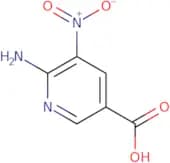
CAS:<p>Versatile small molecule scaffold</p>Formula:C5H12Cl2N2Purezza:Min. 95%Peso molecolare:171.07 g/mol6-Amino-5-nitronicotinic acid
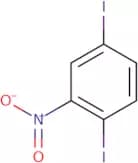
CAS:<p>Versatile small molecule scaffold</p>Formula:C6H5N3O4Purezza:Min. 95%Peso molecolare:183.12 g/mol1,4-Diiodo-2-nitrobenzene
CAS:<p>Versatile small molecule scaffold</p>Formula:C6H3I2NO2Purezza:Min. 95%Peso molecolare:374.9 g/mol7-Oxo-4H,7H-[1,2,4]triazolo[1,5-a]pyrimidine-6-carbonitrile
CAS:<p>Versatile small molecule scaffold</p>Formula:C6H3N5OPurezza:Min. 95%Peso molecolare:161.12 g/mol5-Acetamidothiophene-2-carboxylic acid
CAS:<p>Versatile small molecule scaffold</p>Formula:C7H7NO3SPurezza:Min. 95%Peso molecolare:185.2 g/molMethyl 2-amino-3-hydroxy-2-methylpropanoate hydrochloride
CAS:<p>Versatile small molecule scaffold</p>Formula:C5H12ClNO3Purezza:Min. 95%Peso molecolare:169.61 g/mol2-{[(tert-Butoxy)carbonyl]amino}-3-hydroxy-2-methylpropanoic acid
CAS:<p>Versatile small molecule scaffold</p>Formula:C9H17NO5Purezza:Min. 95%Peso molecolare:219.23 g/mol4-Chloro-1,3-thiazole-2-sulfonamide
CAS:<p>Versatile small molecule scaffold</p>Formula:C3H3ClN2O2S2Purezza:Min. 95%Peso molecolare:198.7 g/mol1,3-Thiazole-4-sulfonamide
CAS:<p>1,3-Thiazole-4-sulfonamide is an herbicide belonging to the thiazole derivatives. It has a variety of uses in agriculture, forestry, and urban services such as weed control. 1,3-Thiazole-4-sulfonamide inhibits plant growth by inhibiting photosynthesis in plants. This herbicide has been shown to be effective against annual grasses and broadleaf weeds.</p>Formula:C3H4N2O2S2Purezza:Min. 95%Peso molecolare:164.21 g/molMethyl 5-sulfamoyl-1,3-thiazole-4-carboxylate
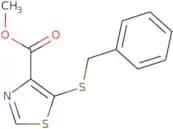
CAS:<p>Versatile small molecule scaffold</p>Formula:C5H6N2O4S2Purezza:Min. 95%Peso molecolare:222.2 g/molMethyl 5-(benzylsulfanyl)-1,3-thiazole-4-carboxylate
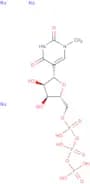
CAS:<p>Versatile small molecule scaffold</p>Formula:C12H11NO2S2Purezza:Min. 95%Peso molecolare:265.4 g/molN1-Methyl-pseudouridine-5'-triphosphate trisodium, 100mM aqueous solution
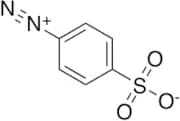
CAS:<p>Methyl-pseudouridine-5'-triphosphate trisodium is the triphosphate of 1-Methylpseudouridine is a substitute for uridine in modified mRNA. This substitution has shown to increase transfection by reducing immuogenicity. UV max wavelength = 272nm</p>Formula:C10H17N2O15P3•Na3Purezza:Min. 95%Colore e forma:Clear LiquidPeso molecolare:567.17 g/mol4-Diazobenzenesulfonic Acid
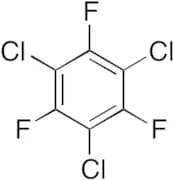
CAS:<p>Applications 4-Diazobenzenesulfonic acid (cas# 305-80-6) is a useful research chemical.<br></p>Formula:C6H4N2O3SPeso molecolare:184.171,3,5-Trifluorotrichlorobenzene
CAS:<p>Applications 1,3,5-Trifluorotrichlorobenzene is a useful reagent.<br></p>Formula:C6Cl3F3Peso molecolare:235.422-Amino-6-chloropurine
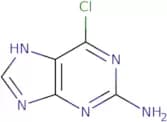
CAS:<p>2-Amino-6-chloropurine is a nucleophilic substituent that is used in the synthesis of 2-amino-6-chloropurine. It reacts with hydroxyl groups to form a palladium-catalyzed coupling reaction solution, which is then treated with hydrochloric acid and trifluoroacetic acid. The product is purified by crystallization and recrystallization. This compound has potent antitumor activity against carcinoma cell lines, but it has not been shown to have any effect against Mycobacterium tuberculosis.</p>Formula:C5H4ClN5Purezza:Min. 95%Colore e forma:Off-White PowderPeso molecolare:169.57 g/mol2-Aminoimidazole sulfate
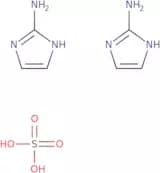
CAS:<p>2-Aminoimidazole sulfate is a chemical compound that is used as a transfection reagent. It has been shown to have high transfection efficiency with low cytotoxicity. The diameter of the molecule is in the range of 2 - 3 nm, which allows it to be taken up by cells and thus be active in them. This chemical can be dehydrogenated to form imidazole-2-sulfonic acid, which may interact with other molecules. There have been many advances in this area, including modifications and gaseous forms of the molecule. Research into the interactions of this compound with other chemicals and their effects on cellular uptake are ongoing.</p>Formula:C3H5N3•(H2O4S)0Purezza:Min. 95%Colore e forma:Off-White PowderPeso molecolare:264.26 g/mol3-(cis-4-(2-(4-(2,3-Dichlorophenyl)piperazin-1-yl)ethyl)cyclohexyl)-1,1-dimethylurea
CAS:<p>Please enquire for more information about 3-(cis-4-(2-(4-(2,3-Dichlorophenyl)piperazin-1-yl)ethyl)cyclohexyl)-1,1-dimethylurea including the price, delivery time and more detailed product information at the technical inquiry form on this page</p>Formula:C21H32Cl2N4OPurezza:Min. 95%Peso molecolare:427.41 g/mol(R)-tert-Butyl 2-methylpiperazine-1-carboxylate
CAS:<p>(R)-tert-Butyl 2-methylpiperazine-1-carboxylate is a versatile building block that can be used for the synthesis of complex compounds. The compound is a reagent, speciality chemical, and useful building block in research. It can be used as a reaction component or scaffold in synthesis. (R)-tert-Butyl 2-methylpiperazine-1-carboxylate has been shown to react with nucleophiles such as amines and alcohols to form stable products. This product has high quality and is useful for chemical reactions involving carbonyl groups.</p>Formula:C10H20N2O2Purezza:Min. 95%Colore e forma:White PowderPeso molecolare:200.28 g/mol(R)-4-N-Boc-2-hydroxymethyl-piperazine
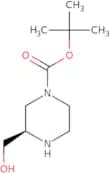
CAS:<p>Please enquire for more information about (R)-4-N-Boc-2-hydroxymethyl-piperazine including the price, delivery time and more detailed product information at the technical inquiry form on this page</p>Formula:C10H20N2O3Purezza:Min. 95%Peso molecolare:216.28 g/mol2-Bromo-5-hydroxypyridine
CAS:<p>2-Bromo-5-hydroxypyridine is an aromatic compound that is used in the synthesis of a variety of pharmaceuticals and other organic compounds. It can be synthesized by the Suzuki coupling reaction from 2-bromobenzaldehyde and 5-aminopyridine. 2-Bromo-5-hydroxypyridine has been shown to be a hepatotoxin in humans, with possible carcinogenic activity. It also has cholinergic properties, as well as being able to cause fluorescence when exposed to halogens. The carbon next to the hydroxyl group is a stereocenter, so there are two different configurations for this molecule. The configuration shown above (R) is the more stable form of this molecule due to its electron withdrawing power on the neighboring oxygen atom.</p>Formula:C5H4BrNOPurezza:Min. 95%Colore e forma:White PowderPeso molecolare:174 g/mol1-Bromo-4-iodobenzene
CAS:<p>1-Bromo-4-iodobenzene is an aryl halide that can be synthesized by the cross coupling of ethyl formate and hydrochloric acid. This compound is useful in analytical applications, such as chromatographic methods, due to its high solubility in organic solvents. It is also used in synthetic procedures for the preparation of other aryl halides. 1-Bromo-4-iodobenzene has been used to synthesize calcium carbonate via the Suzuki coupling reaction with sodium salts, which are nucleophiles. The carbonyl group on this molecule reacts with the nucleophile, forming an alkyl group and a metal salt. Transfer reactions involving these salts can produce other products with different functional groups.</p>Formula:C6H4BrIPurezza:Min. 95%Colore e forma:PowderPeso molecolare:282.9 g/molBoc-Phe-Phe-OH
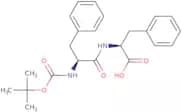
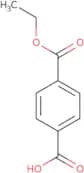
CAS:<p>Boc-Phe-Phe-OH is a linker that is used to create homologues. It has been shown to be able to form supramolecular structures and encapsulate biomolecules, such as amino acids. The ester linkage of Boc-Phe-Phe-OH can be modified by the addition of a carboxylic acid, which can lead to changes in its fluorescence and magnetic properties. Boc-Phe-Phe-OH is primarily used as an intermediate for fluorescent probes or other molecules.</p>Formula:C23H28N2O5Purezza:Min. 95%Peso molecolare:412.48 g/mol1,4-Benzenedicarboxylic acid, monoethyl ester
CAS:<p>1,4-Benzenedicarboxylic acid, monoethyl ester (1,4-BDE) is a monomer that is used in the manufacture of polycarbonates and other plastics. 1,4-BDE is also used as a solvent for xylene and butanol. It has been shown to be useful in the production of polyester fibers. The monomer can be synthesized by reacting ethylene with terephthalic acid or dimethyl terephthalate (DMT). This reaction produces 1,4-BDE and methanol as byproducts. The process is carried out at temperatures of 250 °C to 300 °C and under atmospheric pressure. The purified product can be isolated using distillation or extraction with organic solvents such as benzene or butanol. The reaction can be carried out in the presence of ruthenium, which acts as a catalyst.</p>Formula:C10H10O4Purezza:Min. 95%Colore e forma:White PowderPeso molecolare:194.18 g/molCyclobutanethiol
CAS:<p>Cyclobutanethiol is a 1-cyclopentene-1-carboxylic acid, which is a cyclic form of the alkylthio group. It is an organic solvent with a hydroxyl group at one end and an alkyl group at the other end. Cyclobutanethiol can be used as a sealant or as a solvent in organic chemistry. The compound has been shown to inhibit insulin resistance by binding to cb1 receptors on cells, thereby inhibiting the production of glucose. Cyclobutanethiol also absorbs ultraviolet light, so it can be used in photochemistry.</p>Formula:C4H8SPurezza:90%Colore e forma:Clear LiquidPeso molecolare:88.17 g/mol(3S)-3- [4- [(2-Chlorophenyl) methyl] phenoxy] tetrahydrofuran
CAS:<p>Please enquire for more information about (3S)-3- [4- [(2-Chlorophenyl) methyl] phenoxy] tetrahydrofuran including the price, delivery time and more detailed product information at the technical inquiry form on this page</p>Purezza:Min. 95%Chlorpheniramine N-oxide
CAS:<p>Please enquire for more information about Chlorpheniramine N-oxide including the price, delivery time and more detailed product information at the technical inquiry form on this page</p>Formula:C16H19ClN2OPurezza:Min. 95%Peso molecolare:290.79 g/mol6-(Chloromethyl)pteridine-2,4-diamine monohydrochloride
CAS:<p>Please enquire for more information about 6-(Chloromethyl)pteridine-2,4-diamine monohydrochloride including the price, delivery time and more detailed product information at the technical inquiry form on this page</p>Formula:C7H7ClN6•HClPurezza:Min. 95%Peso molecolare:247.08 g/molCyanidin 3-O-rutinoside
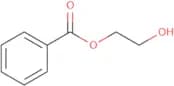
CAS:<p>Please enquire for more information about Cyanidin 3-O-rutinoside including the price, delivery time and more detailed product information at the technical inquiry form on this page</p>Formula:C27H31O15Purezza:Min. 95%Peso molecolare:595.53 g/mol2-Hydroxyethyl benzoate
CAS:<p>2-Hydroxyethyl benzoate is a model system that has been used to study the mechanism of hydrolysis of an ester with a hydroxyl group. The reaction products are a metal hydroxide and a chloride ion. 2-Hydroxyethyl benzoate is an antimicrobial agent that has shown activity against bacteria, fungi, and protozoa. It is thought to work by reacting with fatty acids in the cell membrane, leading to disruption of the membrane and leakage of cellular contents. It also reacts with chloride ions to form hydroxybenzoic acid and water molecules. The activation energy for this reaction was found to be around 19 kJ mol−1.</p>Formula:C9H10O3Purezza:Min. 95%Peso molecolare:166.17 g/molCoproporphyrin III
CAS:<p>Please enquire for more information about Coproporphyrin III including the price, delivery time and more detailed product information at the technical inquiry form on this page</p>Formula:C36H38N4O8Purezza:Min. 95%Peso molecolare:654.71 g/molMethyl trans-4-bromo-2-butenoate
CAS:<p>Methyl trans-4-bromo-2-butenoate is a synthetic compound that contains a hydroxyl group and two bromine atoms. It is synthesized by the reaction of diethyl succinate, hydrogen, and piperazine in an aqueous solution. Methyl trans-4-bromo-2-butenoate has been shown to have antineoplastic activity in combination with epidermal growth factor (EGF) and carbohydrate conjugates. It also binds to cell surface receptors on the epidermal cells, inhibiting their growth. The structural formula of methyl trans-4-bromo-2-butenoate can be seen below: [[File:Methyltrans4bromobutanoate.png|thumb|300px|left|The structural formula of methyl trans-[4] -[bromo]-[2] -butenoate.]]</p>Formula:C5H7BrO2Purezza:Min. 95%Colore e forma:Clear LiquidPeso molecolare:179.01 g/mol4-Chloro-N-[2-(1,2-dihydro-2-oxo-4-quinolinyl)ethyl]benzamide
CAS:<p>Please enquire for more information about 4-Chloro-N-[2-(1,2-dihydro-2-oxo-4-quinolinyl)ethyl]benzamide including the price, delivery time and more detailed product information at the technical inquiry form on this page</p>Formula:C18H15ClN2O2Purezza:Min. 95%Peso molecolare:326.78 g/mol(αR)-α-(2-Chlorophenyl)-2H-tetrazole-2-ethanol
CAS:<p>Please enquire for more information about (αR)-α-(2-Chlorophenyl)-2H-tetrazole-2-ethanol including the price, delivery time and more detailed product information at the technical inquiry form on this page</p>Formula:C9H9ClN4OPurezza:Min. 95%Peso molecolare:224.65 g/molMethyl 3-chloropropionate
CAS:<p>Methyl 3-chloropropionate is an alkyl ether that has been used in clinical studies as a liquid phase ion-pair extraction solvent. It was developed to replace the use of hexane, which is not environmentally friendly and can also cause irritation. Methyl 3-chloropropionate has been shown to have a higher viscosity than hexane at room temperature and is less likely to evaporate than hexane. Methyl 3-chloropropionate has also been used as a synthetic process solvent, with the reaction time being shorter than that of hexane. This compound can be used for chromatography without any effect on the solute or the stationary phase. Methyl 3-chloropropionate has also been shown to be effective in lipase and agarose gel assays, as well as chloride ion extraction from water samples.</p>Formula:C4H7ClO2Purezza:Min. 95%Colore e forma:Clear LiquidPeso molecolare:122.55 g/molD-Carnosine trifluoroacetate
CAS:<p>Please enquire for more information about D-Carnosine trifluoroacetate including the price, delivery time and more detailed product information at the technical inquiry form on this page</p>Formula:C9H14N4O3•(C2HF3O2)xPurezza:Min. 95%N-[2-[(2S)-2-Cyano-4,4-difluoro-1-pyrrolidinyl]-2-oxoethyl]-6-[methyl[3-(1-piperazinyl)propyl]amino]-4-quinolinecarboxamide trifluor oacetate
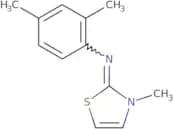
CAS:<p>Please enquire for more information about N-[2-[(2S)-2-Cyano-4,4-difluoro-1-pyrrolidinyl]-2-oxoethyl]-6-[methyl[3-(1-piperazinyl)propyl]amino]-4-quinolinecarboxamide trifluor oacetate including the price, delivery time and more detailed product information at the technical inquiry form on this page</p>Formula:C25H31F2N7O2•(C2HF3O2)xPurezza:Min. 95%Peso molecolare:499.56 g/molCymiazole
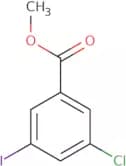
CAS:<p>Veterinary drug, ectoparasiticide</p>Formula:C12H14N2SPurezza:Min. 95%Colore e forma:Brown Clear LiquidPeso molecolare:218.32 g/mol3-Chloro-5-iodobenzoic acid methyl ester
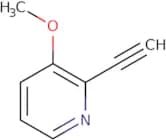
CAS:<p>3-Chloro-5-iodobenzoic acid methyl ester is a versatile building block that can be used to make many complex compounds, including research chemicals and reagents. 3-Chloro-5-iodobenzoic acid methyl ester is used as an intermediate for the production of speciality chemicals and has many uses in chemical reactions. This compound was previously sold under the CAS number 289039-85-6.</p>Formula:C8H6ClIO2Purezza:Min. 95%Colore e forma:PowderPeso molecolare:296.49 g/mol2-Ethynyl-3-methoxypyridine
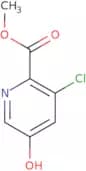
CAS:<p>2-Ethynyl-3-methoxypyridine is a chiral, alkynyl compound that can be synthesized from the reaction of acetone and ethyne. This compound is axially chiral and has two rotational isomers, which are optically active. The synthesis of this compound was first reported in 1952 by cyclizing 2-ethynylpyridine with methoxyacetophenone in the presence of acetic acid. The photochemical reactions of this compound have been studied extensively and it has shown to be a useful substrate for pyridines.</p>Formula:C8H7NOPurezza:Min. 95%Peso molecolare:133.14 g/molMethyl 3-chloro-5-hydroxypyridine-2-carboxylate
CAS:<p>Versatile small molecule scaffold</p>Formula:C7H6NO3ClPurezza:Min. 95%Peso molecolare:187.58 g/mol2-Ethyl-4-methyl-1-pentanol
CAS:<p>2-Ethyl-4-methyl-1-pentanol is a solvent that has been used in industrial applications such as wastewater treatment and chemical compositions. It is also a structural isomer of 2-ethylhexanol. 2-Ethyl-4-methyl-1-pentanol is soluble in water and has been shown to have toxic effects on test animals at high doses. However, it does not cause any acute toxicities in rats at lower doses. The use of this solvent may be limited by its potential carcinogenicity and toxicity to the liver and kidneys.</p>Formula:C8H18OPurezza:Min. 95%Colore e forma:Clear LiquidPeso molecolare:130.23 g/mol4-{[(tert-butoxy)carbonyl]amino}bicyclo[2.2.2]octane-1-carboxylic acid
CAS:<p>Versatile small molecule scaffold</p>Formula:C14H23NO4Purezza:Min. 95%Peso molecolare:269.3 g/mol2-Ethyl-4-methylpentanoic acid
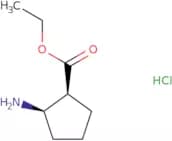
CAS:<p>2-Ethyl-4-methylpentanoic acid is an organic compound that can be found in vivo. It is a postoperative amide, which is used to reduce pain and inflammation. It has been shown to have anti-inflammatory effects in mice with allergic conjunctivitis. 2-Ethyl-4-methylpentanoic acid has also been shown to inhibit the proliferation of endothelial cells and increase ulceration in mice fed a high-fat diet. The compound binds to the CB2 receptor, inhibiting the production of matrix metalloproteinases, which are enzymes that break down collagen and cartilage. This drug also inhibits the production of nitric oxide and prostaglandin E2 by binding to the COX2 enzyme, which leads to reduced nasal congestion.br>br></p>Formula:C8H16O2Purezza:Min. 95%Peso molecolare:144.21 g/mol(1R,2S)-rel-Ethyl 2-aminocyclopentanecarboxylate hydrochloride
CAS:<p>Versatile small molecule scaffold</p>Formula:C8H16ClNO2Purezza:Min. 95%Peso molecolare:193.67 g/mol2-(2-(3-Aminopropoxy)ethoxy)ethan-1-ol
CAS:<p>Versatile small molecule scaffold</p>Formula:C7H17NO3Purezza:Min. 95%Peso molecolare:163.21 g/mol(1R,5S,6r)-rel-3-Oxabicyclo[3.1.0]hexane-6-carboxylic acid
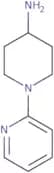
CAS:<p>Versatile small molecule scaffold</p>Formula:C6H8O3Purezza:Min. 95%Peso molecolare:128.13 g/mol(1-Pyridin-2-yl)piperidin-4-amine
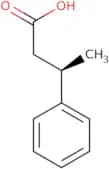
CAS:<p>(1-Pyridin-2-yl)piperidin-4-amine is a drug that acts as an anorexiant. It binds to the serotonin 5HT3 receptor, which is involved in the regulation of appetite and mood. It also blocks the action of serotonin at the 5HT4 receptor, which is involved in mediating intestinal motility. This agent has been shown to have a potent antagonist effect on the 1-4c alkyl group of serotonin receptors. The phenoxy group and methyl group are also responsible for binding with serotonin receptors and blocking their activity.</p>Formula:C10H15N3Purezza:Min. 95%Peso molecolare:177.25 g/mol(R)-3-Phenylbutyric Acid
CAS:<p>Versatile small molecule scaffold</p>Formula:C10H12O2Purezza:Min. 95%Peso molecolare:164.2 g/molrac-Demiditraz
CAS:<p>Please enquire for more information about rac-Demiditraz including the price, delivery time and more detailed product information at the technical inquiry form on this page</p>Formula:C13H16N2Purezza:Min. 95%Peso molecolare:200.28 g/molDeschloro amlodipine maleate
CAS:<p>Please enquire for more information about Deschloro amlodipine maleate including the price, delivery time and more detailed product information at the technical inquiry form on this page</p>Formula:C20H26N2O5•C4H4O4Purezza:Min. 95%Peso molecolare:490.5 g/molAdamantane
CAS:<p>Adamantane is a potent antiviral drug for the treatment of influenza. It is an oxidation catalyst that also has biological properties, such as a potent antitumor activity and potent antiviral resistance. Adamantane has been used to treat many human pathogens, including viruses, fungi and bacteria. Adamantane is a skeleton-like structure with four carbons and six hydrogen atoms that can be oxidized to adamantane oxide or reduced to adamantane alcohol. The adamantane molecule binds to the viral protein at a site called the toll-like receptor. This binding prevents viral replication by inhibiting mRNA synthesis in the virus.</p>Formula:C10H16Purezza:Min. 95%Colore e forma:White Off-White PowderPeso molecolare:136.23 g/mol4,5-Dihydro-2-methyl-4-thiazolecarboxylic acid trifluoroacetate
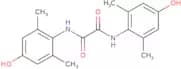
CAS:<p>Please enquire for more information about 4,5-Dihydro-2-methyl-4-thiazolecarboxylic acid trifluoroacetate including the price, delivery time and more detailed product information at the technical inquiry form on this page</p>Formula:C5H7NO2S•(C2HF3O2)xPurezza:Min. 95%N1,N2-Bis(4-hydroxy-2,6-dimethylphenyl)ethanediamide
CAS:<p>Versatile small molecule scaffold</p>Formula:C18H20N2O4Purezza:Min. 95%Peso molecolare:328.4 g/mol6,7-Dichloro-1-cyclopropyl-1,4-dihydro-4-oxo-3-quinolinecarboxylic acid
CAS:<p>Please enquire for more information about 6,7-Dichloro-1-cyclopropyl-1,4-dihydro-4-oxo-3-quinolinecarboxylic acid including the price, delivery time and more detailed product information at the technical inquiry form on this page</p>Formula:C13H9Cl2NO3Purezza:Min. 95%Peso molecolare:298.12 g/mol2-(Chloromethyl)-4H,6H,7H-pyrano[4,3-d][1,3]thiazole
CAS:<p>Versatile small molecule scaffold</p>Formula:C7H8ClNOSPurezza:Min. 95%Peso molecolare:189.66 g/mol4,5-Dihydro-1H-imidazol-2-amine hydrochloride
CAS:<p>Please enquire for more information about 4,5-Dihydro-1H-imidazol-2-amine hydrochloride including the price, delivery time and more detailed product information at the technical inquiry form on this page</p>Formula:C3H7N3•HClPurezza:Min. 95%Peso molecolare:121.57 g/mol4-Desmethyl-2-methyl celecoxib
CAS:<p>Please enquire for more information about 4-Desmethyl-2-methyl celecoxib including the price, delivery time and more detailed product information at the technical inquiry form on this page</p>Formula:C17H14F3N3O2SPurezza:Min. 95%Peso molecolare:381.4 g/mol2-Amino-5-fluoro-4-methoxybenzoic acid
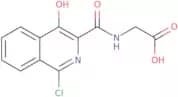
CAS:<p>Versatile small molecule scaffold</p>Formula:C8H8FNO3Purezza:Min. 95%Peso molecolare:185.15 g/molFG-2216
CAS:<p>FG-2216 is a peptide that activates the G protein-coupled receptor, leading to increased intracellular calcium. FG-2216 is a potent agonist of the GPRC6A receptor and has been shown to inhibit pain perception in animal models. FG-2216 has been shown to have no effect on ion channels and does not affect cellular proliferation or migration. FG-2216 may be useful as a research tool for studying the function of the GPRC6A receptor in animal models.</p>Formula:C12H9ClN2O4Purezza:Min. 95%Peso molecolare:280.66 g/mol(S)-2,4-Dichloro-±-(chloromethyl)benzyl Alcohol
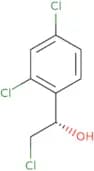
CAS:<p>Versatile small molecule scaffold</p>Formula:C8H7Cl3OPurezza:Min. 95%Peso molecolare:225.49 g/molPentanimidamide hydrochloride
CAS:<p>Pentanimidamide hydrochloride is a drug that belongs to the group of aromatic hydrocarbon drugs. It is a potent antihypertensive agent with a rapid onset and long duration of action. Pentanimidamide hydrochloride has been shown to inhibit the production of reactive oxygen species, which are generated by the respiratory chain in mitochondria, and to prevent the formation of pyrazinoic acid, an inhibitor of blood vessel relaxation. This drug also has been shown to reduce blood pressure in animal models by binding to specific receptors on cells in the cardiovascular system. The active form is bound to plasma proteins such as albumin and alpha-1-acid glycoprotein, which are found in high concentrations in erythrocytes. Pentanimidamide hydrochloride also binds to alkynyl groups and phenyl groups, which may be due to its ability to form covalent bonds with these functional groups.</p>Formula:C5H13ClN2Purezza:Min. 95%Peso molecolare:136.62 g/mol4-(Isopropylamino)butanol
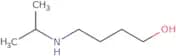
CAS:<p>4-(Isopropylamino)butanol is a colorless liquid with an alkaline reaction. It reacts easily with acids and is soluble in water. The boiling point of this substance is 242°C. In the presence of ammonium chloride, the solution becomes acidic. 4-(Isopropylamino)butanol is used as a solvent for paints, varnishes, and lacquers.</p>Formula:C7H17NOPurezza:Min. 95%Peso molecolare:131.22 g/mol1-Boc-pyrrolidine-3-ethanol
CAS:<p>Versatile small molecule scaffold</p>Formula:C11H21NO3Purezza:Min. 95%Peso molecolare:215.29 g/mol3,5-Dibromopyridin-4-ol
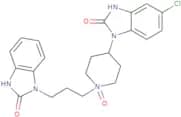
CAS:<p>Versatile small molecule scaffold</p>Formula:C5H3Br2NOPurezza:Min. 95%Peso molecolare:252.89 g/molDomperidone N-oxide
CAS:<p>Please enquire for more information about Domperidone N-oxide including the price, delivery time and more detailed product information at the technical inquiry form on this page</p>Formula:C22H24ClN5O3Purezza:Min. 95%Peso molecolare:441.91 g/mol

![7,8-Dihydro-5H-cyclohepta[b]pyridine-5,9(6H)-dione](/_next/image/?url=https%3A%2Fstatic.cymitquimica.com%2Fproducts%2F3D%2Fthumb-webp%2FPBA71340.webp&w=3840&q=75)
![Ethyl 3-chloro-5H,6H,7H,8H-pyrido[4,3-c]pyridazine-6-carboxylate](/_next/image/?url=https%3A%2Fstatic.cymitquimica.com%2Fproducts%2F3D%2Fthumb-webp%2FPBA71599.webp&w=3840&q=75)
![Methyl 3-chloro-5H,6H,7H,8H-pyrido[4,3-c]pyridazine-6-carboxylate](/_next/image/?url=https%3A%2Fstatic.cymitquimica.com%2Fproducts%2F3D%2Fthumb-webp%2FPBA71601.webp&w=3840&q=75)
![Ethyl 3-hydroxy-5H,6H,7H,8H-pyrido[4,3-c]pyridazine-6-carboxylate](/_next/image/?url=https%3A%2Fstatic.cymitquimica.com%2Fproducts%2F3D%2Fthumb-webp%2FPBA71648.webp&w=3840&q=75)
![2H,3H,5H,6H,7H,8H-Pyrido[4,3-c]pyridazin-3-one hydrochloride](/_next/image/?url=https%3A%2Fstatic.cymitquimica.com%2Fproducts%2F3D%2Fthumb-webp%2FPBA71649.webp&w=3840&q=75)
![5H,6H,7H,8H-Pyrido[4,3-c]pyridazin-3-ol](/_next/image/?url=https%3A%2Fstatic.cymitquimica.com%2Fproducts%2F3D%2Fthumb-webp%2FPBA71650.webp&w=3840&q=75)
![Methyl 3-oxo-2H,3H,5H,6H,7H,8H-pyrido[4,3-c]pyridazine-6-carboxylate](/_next/image/?url=https%3A%2Fstatic.cymitquimica.com%2Fproducts%2F3D%2Fthumb-webp%2FPBA71652.webp&w=3840&q=75)
![1-[4-Amino-2-(methylsulfanyl)-1,3-thiazol-5-yl]ethan-1-one](/_next/image/?url=https%3A%2Fstatic.cymitquimica.com%2Fproducts%2F3D%2Fthumb-webp%2FPBA73626.webp&w=3840&q=75)



![2-Bromobenzo[b]thiophene-3-carbaldehyde](/_next/image/?url=https%3A%2Fstatic.cymitquimica.com%2Fproducts%2F3D%2Fthumb-webp%2FPBA85698.webp&w=3840&q=75)
![1,5-Dimethyl-1H-benzo[D]imidazol-2-amine](/_next/image/?url=https%3A%2Fstatic.cymitquimica.com%2Fproducts%2F3D%2Fthumb-webp%2FPBA86012.webp&w=3840&q=75)
![N-{[4-(Benzyloxy)phenyl]methyl}aniline](/_next/image/?url=https%3A%2Fstatic.cymitquimica.com%2Fproducts%2F3D%2Fthumb-webp%2FPBA86075.webp&w=3840&q=75)
![8-Azabicyclo[5.2.0]nonane](/_next/image/?url=https%3A%2Fstatic.cymitquimica.com%2Fproducts%2F3D%2Fthumb-webp%2FPBA87295.webp&w=3840&q=75)



![1,3,7-Trimethyl-1H,2H,3H,4H,7H-pyrrolo[2,3-d]pyrimidine-2,4-dione](/_next/image/?url=https%3A%2Fstatic.cymitquimica.com%2Fproducts%2F3D%2Fthumb-webp%2FPBA93051.webp&w=3840&q=75)
![(1-[(Dimethylamino)methyl]cyclobutyl)methanol](/_next/image/?url=https%3A%2Fstatic.cymitquimica.com%2Fproducts%2F3D%2Fthumb-webp%2FPBA94342.webp&w=3840&q=75)
![Ethyl 2-[(2-phenylphenyl)amino]acetate](/_next/image/?url=https%3A%2Fstatic.cymitquimica.com%2Fproducts%2F3D%2Fthumb-webp%2FPBA95019.webp&w=3840&q=75)
![1-[2-(Trifluoromethyl)phenyl]ethylamine hydrochloride](/_next/image/?url=https%3A%2Fstatic.cymitquimica.com%2Fproducts%2F3D%2Fthumb-webp%2FPBA95968.webp&w=3840&q=75)
![N-[(Hydrazinecarbonyl)methyl]thiophene-2-carboxamide](/_next/image/?url=https%3A%2Fstatic.cymitquimica.com%2Fproducts%2F3D%2Fthumb-webp%2FPBA97826.webp&w=3840&q=75)
![tert-Butyl N-[(1S,3R)-3-(hydroxymethyl)cyclopentyl]carbamate](/_next/image/?url=https%3A%2Fstatic.cymitquimica.com%2Fproducts%2F3D%2Fthumb-webp%2FPBB34172.webp&w=3840&q=75)

![7-benzyl-3-thia-7-azabicyclo[3.3.1]nonan-9-one](/_next/image/?url=https%3A%2Fstatic.cymitquimica.com%2Fproducts%2F3D%2Fthumb-webp%2FPDA39804.webp&w=3840&q=75)

![(2R)-2-{[(tert-Butoxy)carbonyl]amino}-3-cyclopropylpropanoic acid](/_next/image/?url=https%3A%2Fstatic.cymitquimica.com%2Fproducts%2F3D%2Fthumb-webp%2FPDA48308.webp&w=3840&q=75)
![2,5-diaza-bicyclo[2.2.1]heptane 2hcl](/_next/image/?url=https%3A%2Fstatic.cymitquimica.com%2Fproducts%2F3D%2Fthumb-webp%2FPDA48738.webp&w=3840&q=75)
![7-Oxo-4H,7H-[1,2,4]triazolo[1,5-a]pyrimidine-6-carbonitrile](/_next/image/?url=https%3A%2Fstatic.cymitquimica.com%2Fproducts%2F3D%2Fthumb-webp%2FPDA48867.webp&w=3840&q=75)


![2-{[(tert-Butoxy)carbonyl]amino}-3-hydroxy-2-methylpropanoic acid](/_next/image/?url=https%3A%2Fstatic.cymitquimica.com%2Fproducts%2F3D%2Fthumb-webp%2FPDA50039.webp&w=3840&q=75)








![(3S)-3- [4- [(2-Chlorophenyl) methyl] phenoxy] tetrahydrofuran](/_next/image/?url=https%3A%2Fstatic.cymitquimica.com%2Fproducts%2F3D%2Fthumb-webp%2FFC181171.webp&w=3840&q=75)




![4-Chloro-N-[2-(1,2-dihydro-2-oxo-4-quinolinyl)ethyl]benzamide](/_next/image/?url=https%3A%2Fstatic.cymitquimica.com%2Fproducts%2F3D%2Fthumb-webp%2FFC184071.webp&w=3840&q=75)



![N-[2-[(2S)-2-Cyano-4,4-difluoro-1-pyrrolidinyl]-2-oxoethyl]-6-[methyl[3-(1-piperazinyl)propyl]amin…](/_next/image/?url=https%3A%2Fstatic.cymitquimica.com%2Fproducts%2F3D%2Fthumb-webp%2FFC184139.webp&w=3840&q=75)

![4-{[(tert-butoxy)carbonyl]amino}bicyclo[2.2.2]octane-1-carboxylic acid](/_next/image/?url=https%3A%2Fstatic.cymitquimica.com%2Fproducts%2F3D%2Fthumb-webp%2FNJB30476.webp&w=3840&q=75)


![(1R,5S,6r)-rel-3-Oxabicyclo[3.1.0]hexane-6-carboxylic acid](/_next/image/?url=https%3A%2Fstatic.cymitquimica.com%2Fproducts%2F3D%2Fthumb-webp%2FFCA78088.webp&w=3840&q=75)





![2-(Chloromethyl)-4H,6H,7H-pyrano[4,3-d][1,3]thiazole](/_next/image/?url=https%3A%2Fstatic.cymitquimica.com%2Fproducts%2F3D%2Fthumb-webp%2FSDC46081.webp&w=3840&q=75)