Building Blocks
Sottocategorie di "Building Blocks"
- Acidi boronici e derivati dell'acido boronico(5.783 prodotti)
- Building Blocks Chirali(1.242 prodotti)
- Building Blocks Idrocarburici(6.105 prodotti)
- Building Blocks organici(61.055 prodotti)
Trovati 205383 prodotti di "Building Blocks"
5-Chloro-2-hydroxy-N-[3-(trifluoromethyl)phenyl]benzamide
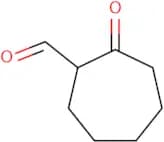
CAS:Versatile small molecule scaffoldFormula:C14H9ClF3NO2Purezza:Min. 95%Peso molecolare:315.67 g/mol2-Oxo-cycloheptanecarboxaldehyde
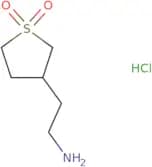
CAS:2-Oxo-cycloheptanecarboxaldehyde is a chemical compound that belongs to the class of organic compounds called acyloin. It is used in organic synthesis for the preparation of various heterocycles and triflates. 2-Oxo-cycloheptanecarboxaldehyde has a high stereoselectivity and selectivity, which makes it an excellent reagent for synthesizing chiral molecules with high purity. This chemical has been shown to be very reactive, forming triflates with sulfur and halogens like chlorine or bromine. 2-Oxo-cycloheptanecarboxaldehyde can also be used as a reagent in the conversion of alcohols into esters using triflic acid or trialkylamines.Formula:C8H12O2Purezza:Min. 95%Peso molecolare:140.18 g/molTetrahydro-3-thiopheneethanamine 1,1-dioxide hydrochloride
CAS:Versatile small molecule scaffold
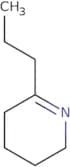
Formula:C6H14ClNO2SPurezza:Min. 95%Peso molecolare:199.7 g/mol6-Propyl-2,3,4,5-tetrahydropyridine
CAS:6-Propyl-2,3,4,5-tetrahydropyridine is a tetrahydropyridine. These compounds inhibit the activity of dopamine decarboxylase and prevent the conversion of dopamine to norepinephrine in nerve cells. 6-Propyl-2,3,4,5-tetrahydropyridine has been found to have antidepressant effects in animal studies.
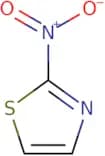
Formula:C8H15NPurezza:Min. 95%Peso molecolare:125.21 g/mol2-Nitro-1,3-thiazole
CAS:Versatile small molecule scaffold
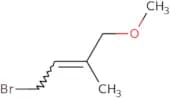
Formula:C3H2N2O2SPurezza:Min. 95%Peso molecolare:130.13 g/mol4-Bromo-1-methoxy-2-methylbut-2-ene
CAS:Versatile small molecule scaffoldFormula:C6H11BrOPurezza:Min. 95%Peso molecolare:179.05 g/mol1-[(Ethanesulfonyl)methyl]-4-nitrobenzene
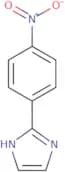
CAS:Versatile small molecule scaffoldFormula:C9H11NO4SPurezza:Min. 95%Peso molecolare:229.25 g/mol2-(4-Nitrophenyl)-1H-imidazole
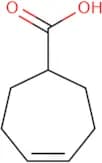
CAS:Versatile small molecule scaffoldFormula:C9H7N3O2Purezza:Min. 95%Peso molecolare:189.17 g/molCyclohept-4-enecarboxylic acid
CAS:Cyclohept-4-enecarboxylic acid is a cyclic ketone that has been shown to yield monoaldehydes and bicyclic β-unsaturated ketones when subjected to thermodynamic equilibration. It can be synthesized from the dienone by aldol cyclization, or by the intramolecular reaction of an enamine with itself. Cycloheptenes are analogous compounds to this ketone.Formula:C8H12O2Purezza:Min. 95%Peso molecolare:140.18 g/mol1,3-Dihydro-2,1,3-benzothiadiazole 2,2-dioxide
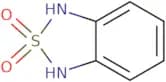
CAS:1,3-Dihydro-2,1,3-benzothiadiazole 2,2-dioxide is a heterocyclic compound that has been used as a reagent in the synthesis of epoxides. 1,3-Dihydro-2,1,3-benzothiadiazole 2,2-dioxide promotes the regiospecific addition of primary amines to thionyl chloride to form N-(chlorosulfonyl) N′-[(N′-phenylamino) carbonyl] amino acids. It has also been used as an intermediate in the synthesis of a ligand for the metabotropic glutamate receptor.
Formula:C6H6N2O2SPurezza:Min. 95%Peso molecolare:170.19 g/mol3-(Dimethylamino)-2,2-dimethylpropanoic acid hydrochloride
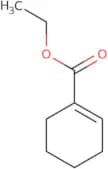
CAS:Versatile small molecule scaffoldFormula:C7H16ClNO2Purezza:Min. 95%Peso molecolare:181.66 g/molEthyl cyclohex-1-ene-1-carboxylate
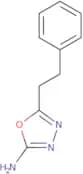
CAS:Ethyl cyclohex-1-ene-1-carboxylate is an organic solvent that is used as a reagent in the synthesis of oxone. It has a low boiling point and is soluble in water, making it easy to use for reactions involving sodium salts. Ethyl cyclohex-1-ene-1-carboxylate has been shown to be effective at doses of 3.0 g/kg and above. The diameter of this compound is 1.06 nm and its solubility in water is 0.0014 g/l at 25 degrees Celsius. Oxone can be synthesized using ethyl cyclohex-1-ene-1 carboxylate and aziridine with the aid of sodium salts or potassium salts for example, as catalysts. This compound can also be used as a linker molecule between molecules with different functional groups, such as particle and inorganic materials. It also has optical properties, with a yellow color whenFormula:C9H14O2Purezza:Min. 95%Peso molecolare:154.21 g/mol5-(2-Phenylethyl)-1,3,4-oxadiazol-2-amine
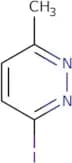
CAS:Versatile small molecule scaffoldFormula:C10H11N3OPurezza:Min. 95%Peso molecolare:189.21 g/mol3-iodo-6-methylpyridazine
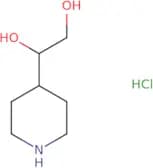
CAS:3-Iodo-6-methylpyridazine is an isoquinoline derivative. It is a cross-coupling reagent that can be used as a nucleophile in organic synthesis. 3-Iodo-6-methylpyridazine is a threefold equivalent of the starting material and can be used to synthesize functionalized imines, such as those found in pyrimidine or purine nucleosides. Alkoxycarbonyl groups are common substituents on the pyridine ring of 3-iodo-6-methylpyridazine, which can be used to synthesize substituted pyrimidine or purine nucleosides by coupling with amines. The diethyl ester group on 3-iodo-6-methylpyridazine allows it to be easily converted into other functionalities, such as those found in amino acids. Palladium catalysis has been shown to enhance the yields of this reaction. This reFormula:C5H5N2IPurezza:Min. 95%Peso molecolare:220.01 g/mol1-(piperidin-4-yl)ethane-1,2-diol hydrochloride
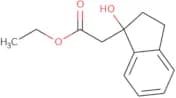
CAS:Versatile small molecule scaffoldFormula:C7H16ClNO2Purezza:Min. 95%Peso molecolare:182 g/molEthyl 2-(1-hydroxy-2,3-dihydro-1H-inden-1-yl)acetate
CAS:Versatile small molecule scaffoldFormula:C13H16O3Purezza:Min. 95%Peso molecolare:220.26 g/mol1-[(3-Chlorophenyl)methyl]cyclopropane-1-carboxylic acid
CAS:Versatile small molecule scaffoldFormula:C11H11ClO2Purezza:Min. 95%Peso molecolare:210.65 g/mol1-[(4-Chlorophenyl)methyl]cyclopropane-1-carboxylic acid
CAS:Versatile small molecule scaffold
Formula:C11H11ClO2Purezza:Min. 95%Peso molecolare:210.65 g/mol2-(3-Chlorophenyl)-5-methyl-2H-1,2,3-triazole-4-carboxylic acid
CAS:Versatile small molecule scaffoldFormula:C10H8ClN3O2Purezza:Min. 95%Peso molecolare:237.64 g/mol3-(4-Chlorophenyl)pyrrolidine-2,5-dione
CAS:Versatile small molecule scaffold
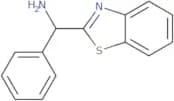
Formula:C10H8ClNO2Purezza:Min. 95%Peso molecolare:209.63 g/mol1,3-Benzothiazol-2-yl(phenyl)methanamine
CAS:Versatile small molecule scaffold
Formula:C14H12N2SPurezza:Min. 95%Peso molecolare:240.33 g/molbicyclo[2.2.1]heptan-2-ol
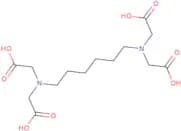
CAS:Bicyclo[2.2.1]heptan-2-ol is a ternary compound that has been synthesized by the reaction of trifluoroacetic acid with hydrochloric acid and methyl ethyl ketone. This type of polymerization reaction is highly reactive, leading to an increase in kinetic energy and deuterium isotope effects. The steric interactions between the carbonyl group and the olefin double bond are also important in this process.Formula:C7H12OPurezza:Min. 95%Peso molecolare:112.17 g/mol1,6-Diaminohexane-N,N,N²,N²-tetraacetic acid
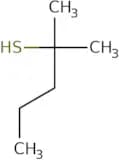
CAS:1,6-Diaminohexane-N,N,N²,N²-tetraacetic acid (DAHA) is a metal chelator that binds to the metal ions of copper and nickel. It has minimal toxicity and is used to prepare biological samples for analysis. DAHA binds to metal ions in the presence of glycol ethers or fatty acids. This complex is then separated by particle size using a centrifuge or liquid chromatography. DAHA can be used as an antimicrobial agent against bacteria such as Staphylococcus aureus and Pseudomonas aeruginosa.Formula:C14H24N2O8Purezza:Min. 95%Peso molecolare:348.35 g/mol2-Methylpentane-2-thiol
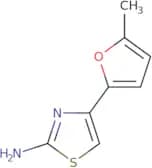
CAS:Versatile small molecule scaffoldFormula:C6H14SPurezza:Min. 95%Peso molecolare:118.24 g/mol4-(5-Methyl-furan-2-yl)-thiazol-2-ylamine
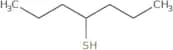
CAS:Versatile small molecule scaffoldFormula:C8H8N2OSPurezza:Min. 95%Peso molecolare:180.23 g/molHeptane-4-thiol
CAS:Heptane-4-thiol is a hydroxyethyl crosslinked, cross-linked, expressed, isomer, transition, sulfide. The crystal structure of this molecule has been determined using X-ray diffraction and it was found to be a potent inhibitor of the transferase enzyme. The isomers of heptane-4-thiol are also studied in order to find out how they affect the biological activity of the molecule. Heptane-4-thiol has been shown to inhibit the human enzyme acid lipase and has a heat resistance that allows for it to be used in industrial processes.
Formula:C7H16SPurezza:Min. 95%Peso molecolare:132.27 g/mol2-[(Pyrimidin-4-yl)amino]ethan-1-ol
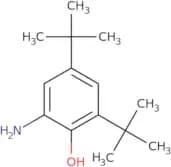
CAS:Versatile small molecule scaffoldFormula:C6H9N3OPurezza:Min. 95%Peso molecolare:139.16 g/mol2-Amino-4,6-di-tert-butylphenol
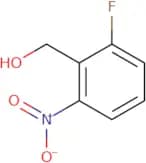
CAS:2-Amino-4,6-di-tert-butylphenol is a phenolic compound that has antiviral properties. It reacts with nucleophiles to form 2-amino-4,6-di-(tertiary butyl)phenoxide and 2,4,6-triaminophenol. The functional theory for the antiviral activity of 2-amino-4,6-di-(tertiary butyl)phenol is based on its ability to react with nucleophiles and form products that inhibit viral replication. This agent has been shown to be effective against Mycobacterium tuberculosis and Mycobacterium avium complex in cell culture studies. 2AAP inhibits the growth of human cancer cells in vitro by blocking the synthesis of DNA and RNA. It also inhibits protein synthesis by binding to methylamine groups in proteins and inhibiting the release of aminoacyl adenosine triphosphate (ATPFormula:C14H23NOPurezza:Min. 95%Peso molecolare:221.34 g/mol2-Fluoro-6-nitrobenzyl alcohol
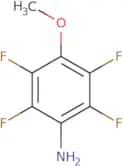
CAS:Versatile small molecule scaffoldFormula:C7H6FNO3Purezza:Min. 95%Peso molecolare:171.13 g/mol2,3,5,6-Tetrafluoro-4-methoxyaniline
CAS:Versatile small molecule scaffold
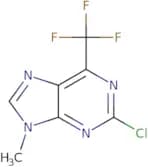
Formula:C7H5F4NOPurezza:Min. 95%Peso molecolare:195.11 g/mol2-Chloro-9-methyl-6-(trifluoromethyl)-9H-purine
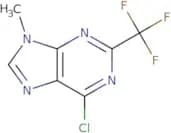
CAS:Versatile small molecule scaffoldFormula:C7H4ClF3N4Purezza:Min. 95%Peso molecolare:236.58 g/mol6-Chloro-9-methyl-2-(trifluoromethyl)-9H-purine
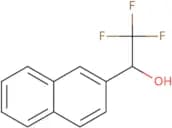
CAS:Versatile small molecule scaffoldFormula:C7H4ClF3N4Purezza:Min. 95%Peso molecolare:236.58 g/mol2,2,2-Trifluoro-1-(naphthalen-2-yl)ethan-1-ol
CAS:2,2,2-Trifluoro-1-(naphthalen-2-yl)ethan-1-ol is a diastereomerically pure compound that can be synthesized in high yield. It is a precursor to other compounds that are used as pharmaceuticals and pesticides. This compound is not commercially available, but it can be prepared from the corresponding alcohol by desilylation followed by enantioselective sulfinylation or trifluoromethylation with the use of chiral fluorinating reagents such as trifluoromethyltrimethylsilane. The sulfinyl group in this molecule has been shown to have an increased diastereoselectivity compared to related substrates.Formula:C12H9F3OPurezza:Min. 95%Peso molecolare:226.19 g/mol1-Bromo-3,3-diethoxy-1,1-difluoropropane
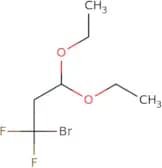
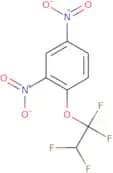
CAS:Versatile small molecule scaffoldFormula:C7H13BrF2O2Purezza:Min. 95%Peso molecolare:247.08 g/mol2,4-Dinitro-1-(1,1,2,2-tetrafluoroethoxy)benzene
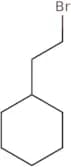
CAS:Versatile small molecule scaffoldFormula:C8H4F4N2O5Purezza:Min. 95%Peso molecolare:284.12 g/mol2-Bromoethylcyclohexane
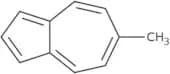
CAS:2-Bromoethylcyclohexane (2BC) is a heterocycle that has shown antituberculosis activity. This compound inhibits the growth of mycobacteria by inhibiting protein synthesis and cell division, which are vital for bacterial growth. 2BC also has an inhibitory effect on the human papillomavirus (HPV). It binds to the virus' receptor, thereby preventing it from binding to a host cell. 2BC has been shown to be effective against skin cancer cells by inhibiting their proliferation. This heterocyclic compound has fluorescence resonance energy transfer properties and can be used as a marker for DNA double strand breaks in cells.Formula:C8H15BrPurezza:Min. 95%Peso molecolare:191.11 g/mol6-Methylazulene
CAS:6-Methylazulene is a trifluoroacetic acid derivative of azulene that has been used in the synthesis of annulenes and fulvenes. It can be synthesized from carbinols or by cross-coupling with a metal halide. 6-Methylazulene is a reactive intermediate for organic synthesis, which can be used to create new molecules with fluorescent properties. It is also used as a precursor for the synthesis of fulvene and annulene. This compound has two functional groups, an acidic methyl group and an amine group. The molecule adopts a five-membered ring structure with three double bonds around the central carbon atom. The reactivity of this compound is influenced by the presence of electron withdrawing groups at positions 3 and 5, which allow it to undergo nucleophilic substitution reactions more readily than other azulenes. These properties make 6-methylazulene useful in synthetic organic chemistry as well as inFormula:C11H10Purezza:Min. 95%Peso molecolare:142.2 g/mol2-Cyanoethyl ether
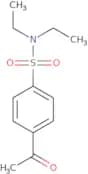
CAS:2-Cyanoethyl ether is a chemical compound used for the treatment of wastewater. The compound is prepared by reacting ethylene with hydrogen peroxide in the presence of an alkali metal catalyst. 2-Cyanoethyl ether has been shown to be effective in removing cyanides, acrylonitrile, and other organic compounds from wastewater. The activation energy for this reaction is 22.3 kJ/mol. This chemical can also exist as four isomers: cis-, trans-, syn-, and anti-.Formula:C6H8N2OPurezza:Min. 98%Colore e forma:Clear LiquidPeso molecolare:124.14 g/mol4-Acetyl-N,N-diethylbenzene-1-sulfonamide
CAS:Versatile small molecule scaffoldFormula:C12H17NO3SPurezza:Min. 95%Peso molecolare:255.34 g/mol6,7,8,9-Tetrahydro-5H-benzo[7]annulen-2-ol
CAS:Versatile small molecule scaffold
Formula:C11H14OPurezza:Min. 95%Peso molecolare:162.23 g/mol1-(1-Adamantyl)propan-1-one
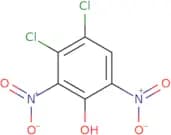
CAS:Versatile small molecule scaffoldFormula:C13H20OPurezza:Min. 95%Peso molecolare:192.3 g/mol3,4-Dichloro-2,6-dinitrophenol
CAS:Versatile small molecule scaffoldFormula:C6H2Cl2N2O5Purezza:Min. 95%Peso molecolare:252.99 g/mol6,9-diazaspiro[4.5]decan-10-one
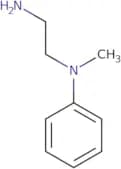
CAS:Versatile small molecule scaffoldFormula:C8H14N2OPurezza:Min. 95%Peso molecolare:154.21 g/molN1-Methyl-N1-phenyl-ethane-1,2-diamine
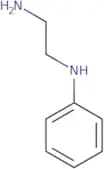
CAS:Versatile small molecule scaffoldFormula:C9H14N2Purezza:Min. 95%Peso molecolare:150.23 g/molN-Phenylethylenediamine
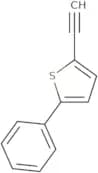
CAS:N-Phenylethylenediamine is a molecule that contains hydrogen bonds. Hydrogen bonds are the covalent interactions between hydrogen atoms and electronegative atoms, like oxygen or nitrogen, in molecules. N-phenylethylenediamine has been shown to have antiinflammatory activity, which may be due to its ability to inhibit prostaglandin synthesis. Hydrogen bonding interactions are also present between carbonyl groups and protonated amines in this molecule. This allows for stereoselective reactions with amines that have a hydrogen atom on an asymmetric carbon atom at the alpha position. It has been isolated as a yield of 34%.Formula:C8H12N2Purezza:Min. 95%Peso molecolare:136.2 g/mol2-Ethynyl-5-phenylthiophene
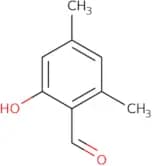
CAS:Versatile small molecule scaffoldFormula:C12H8SPurezza:Min. 95%Peso molecolare:184.26 g/mol2-Hydroxy-4,6-dimethyl-benzaldehyde
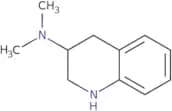
CAS:Versatile small molecule scaffoldFormula:C9H10O2Purezza:Min. 95%Peso molecolare:150.18 g/molN,N-Dimethyl-1,2,3,4-tetrahydroquinolin-3-amine
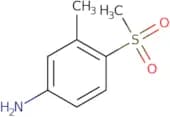
CAS:Versatile small molecule scaffoldFormula:C11H16N2Purezza:Min. 95%Peso molecolare:176.26 g/mol4-Methanesulfonyl-3-methylaniline
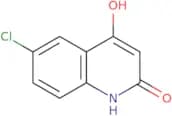
CAS:Versatile small molecule scaffoldFormula:C8H11NO2SPurezza:Min. 95%Peso molecolare:185.25 g/mol6-Chloro-4-hydroxy-1,2-dihydroquinolin-2-one
CAS:6-Chloro-4-hydroxy-1,2-dihydroquinolin-2-one is a diazotized aromatic amine. This compound has absorption spectra and acidic properties. It can be used as a precursor to other compounds, including hydrazones and substituted quinolines. 6-Chloro-4-hydroxy-1,2-dihydroquinolin-2-one can also act as an amine or an aromatic amine in the presence of acids or bases. When treated with acid, this compound forms an ionic salt that has a systematic name of 6-(chlorocarbonyl)-4H-[1,2]diazaquinoline 2,4(1H,3H)-dione. This compound also has two tautomers: the keto form and the enol form.Formula:C9H6ClNO2Purezza:Min. 95%Peso molecolare:195.6 g/mol
![5-Chloro-2-hydroxy-N-[3-(trifluoromethyl)phenyl]benzamide](/_next/image/?url=https%3A%2Fstatic.cymitquimica.com%2Fproducts%2F3D%2Fthumb-webp%2FBAA58042.webp&w=3840&q=75)

![1-[(Ethanesulfonyl)methyl]-4-nitrobenzene](/_next/image/?url=https%3A%2Fstatic.cymitquimica.com%2Fproducts%2F3D%2Fthumb-webp%2FBAA61241.webp&w=3840&q=75)

![1-[(3-Chlorophenyl)methyl]cyclopropane-1-carboxylic acid](/_next/image/?url=https%3A%2Fstatic.cymitquimica.com%2Fproducts%2F3D%2Fthumb-webp%2FBAA62129.webp&w=3840&q=75)
![1-[(4-Chlorophenyl)methyl]cyclopropane-1-carboxylic acid](/_next/image/?url=https%3A%2Fstatic.cymitquimica.com%2Fproducts%2F3D%2Fthumb-webp%2FBAA62137.webp&w=3840&q=75)


![bicyclo[2.2.1]heptan-2-ol](/_next/image/?url=https%3A%2Fstatic.cymitquimica.com%2Fproducts%2F3D%2Fthumb-webp%2FBAA63268.webp&w=3840&q=75)
![2-[(Pyrimidin-4-yl)amino]ethan-1-ol](/_next/image/?url=https%3A%2Fstatic.cymitquimica.com%2Fproducts%2F3D%2Fthumb-webp%2FBAA64087.webp&w=3840&q=75)

![6,7,8,9-Tetrahydro-5H-benzo[7]annulen-2-ol](/_next/image/?url=https%3A%2Fstatic.cymitquimica.com%2Fproducts%2F3D%2Fthumb-webp%2FBAA65993.webp&w=3840&q=75)

![6,9-diazaspiro[4.5]decan-10-one](/_next/image/?url=https%3A%2Fstatic.cymitquimica.com%2Fproducts%2F3D%2Fthumb-webp%2FBAA66433.webp&w=3840&q=75)