Building Blocks
Questa sezione contiene prodotti fondamentali per la sintesi di composti organici e biologici. Building blocks sono i materiali di partenza essenziali utilizzati per costruire molecole complesse attraverso varie reazioni chimiche. Svolgono un ruolo critico nella scoperta di farmaci, nella scienza dei materiali e nella ricerca chimica. Presso CymitQuimica, offriamo una gamma diversificata di building blocks di alta qualità per supportare le tue ricerche innovative e progetti industriali, assicurandoti di avere i componenti essenziali per una sintesi di successo.
Sottocategorie di "Building Blocks"
- Acidi boronici e derivati dell'acido boronico(5.756 prodotti)
- Building Blocks Chirali(1.242 prodotti)
- Building Blocks Idrocarburici(6.093 prodotti)
- Building Blocks organici(60.529 prodotti)
Trovati 195534 prodotti di "Building Blocks"
Ordinare per
Purezza (%)
0
100
|
0
|
50
|
90
|
95
|
100
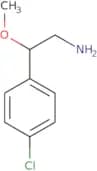
2-(4-Chlorophenyl)-2-methoxyethan-1-amine
CAS:Prodotto controllato<p>Versatile small molecule scaffold</p>Formula:C9H12ClNOPurezza:Min. 95%Peso molecolare:185.65 g/molMethyl 5-fluoro-2-iodobenzoate
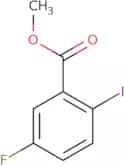
CAS:<p>Versatile small molecule scaffold</p>Formula:C8H6FIO2Purezza:Min. 95%Peso molecolare:280.04 g/molMethyl (2S)-1-(piperidin-4-yl)pyrrolidine-2-carboxylate dihydrochloride
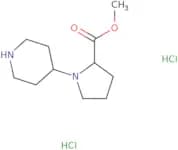
CAS:<p>Versatile small molecule scaffold</p>Formula:C11H22Cl2N2O2Purezza:Min. 95%Peso molecolare:285.21 g/mol3-Cyclohexyl-1-[4-(1,1-dioxo-1,2-thiazolidin-2-yl)phenyl]urea
CAS:<p>Versatile small molecule scaffold</p>Formula:C16H23N3O3SPurezza:Min. 95%Peso molecolare:337.4 g/mol([1-(Cyclopropylsulfonyl)piperidin-4-yl]methyl)amine
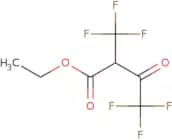
CAS:<p>Versatile small molecule scaffold</p>Formula:C9H18N2O2SPurezza:Min. 95%Peso molecolare:218.32 g/molEthyl 4,4,4-trifluoro-3-oxo-2-(trifluoromethyl)butanoate
CAS:<p>Versatile small molecule scaffold</p>Formula:C7H6F6O3Purezza:Min. 95%Peso molecolare:252.11 g/mol2-Hydroxymethyl-1,4-benzodioxan
CAS:<p>2-Hydroxymethyl-1,4-benzodioxan is an organic compound that has a hydrophobic base. It is a white to light yellow crystalline powder with a melting point of about 110 degrees Celsius. 2-Hydroxymethyl-1,4-benzodioxan is soluble in organic solvents and reacts with acids to form salts. The reaction products are high in value, which means they are very reactive. It can be used as an inorganic base and has been shown to react with substances such as potassium hydroxide or sodium hydroxide to form salts. 2-Hydroxymethyl-1,4-benzodioxan has been shown to have cardiac arrhythmia activity and may also be involved in the transport mechanism of ions across cell membranes.</p>Formula:C9H10O3Purezza:Min. 95%Peso molecolare:166.17 g/molOct-7-en-2-one
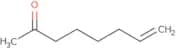
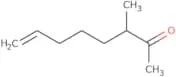
CAS:<p>Oct-7-en-2-one is a reactive diketone that reacts with oxygen to form peroxides and other reactive oxygen species. This isomeric compound has been shown to react with nucleophiles, such as styrene, forming an intermediate that undergoes a nucleophilic attack by the carbonyl group. The mechanism of this reaction remains unclear, but it may be rationalized by invoking the following steps: 1) Oct-7-en-2-one reacts with molecular oxygen to form peroxides and other reactive oxygen species; 2) The peroxides then react with styrene to produce an intermediate; 3) Finally, the carbonyl group of the intermediate reacts with the nucleophilic group on the styrene molecule.</p>Formula:C8H14OPurezza:Min. 95%Peso molecolare:126.2 g/mol3-Methyloct-7-en-2-one
CAS:<p>Versatile small molecule scaffold</p>Formula:C9H16OPurezza:Min. 95%Peso molecolare:140.22 g/molN-Ethyl-N-(4-nitrophenyl)amine
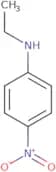
CAS:<p>N-Ethyl-N-(4-nitrophenyl)amine is a stabilizer that can be used in the production of polymers. It is an experimental thermodynamic stabilizer with a high yield and good temperature stability (between −30°C and 120°C). N-Ethyl-N-(4-nitrophenyl)amine has been shown to interact with centralite, which is a compound with two nitrobenzene rings. This interaction leads to the formation of a new crystal structure that has improved optical properties. The crystal growth rate increases as the temperature increases, which results in a change in morphology from rod-like to globular, depending on the liquid phase.</p>Formula:C8H10N2O2Purezza:Min. 95%Peso molecolare:166.18 g/mol4-Acetyl-1-naphthol
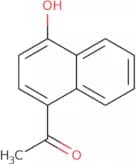
CAS:<p>4-Acetyl-1-naphthol is a labile compound that can be degraded by phototransformation. It is an intermediate in the preparation of carbaryl, a pesticide that inhibits cholinesterase and is used to control insects. 4-Acetyl-1-naphthol reacts with phosphorus pentachloride to form chloroacetanilide, which is a precursor for many herbicides. This compound also forms exciplexes with benzoates and cyclic compounds such as chloride or chlorine. 4-Acetyl-1-naphthol has been shown to have ligand properties, binding to metal ions and forming stable compounds.</p>Formula:C12H10O2Purezza:Min. 95%Peso molecolare:186.21 g/mol2-Phenylindolizine-3-carbaldehyde
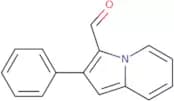
CAS:<p>2-Phenylindolizine-3-carbaldehyde is a heterocyclic compound that is an intermediate in the synthesis of indolizine. It has been shown to be an efficient reaction intermediate for the synthesis of imines and other heterocycles. 2-Phenylindolizine-3-carbaldehyde reacts with hydroxylamine to form an iminium ion, which then reacts with either a second molecule of hydroxylamine or an electrophile (such as acetone) to form the desired indolizine product. The high yield and efficiency make it a good choice for synthesizing indolizines.</p>Formula:C15H11NOPurezza:Min. 95%Peso molecolare:221.25 g/mol2-(Cyclohex-2-en-1-yl)acetic acid
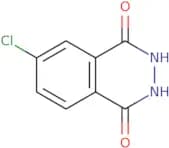
CAS:<p>Versatile small molecule scaffold</p>Formula:C8H12O2Purezza:Min. 95%Peso molecolare:140.18 g/mol6-Chloro-1,2,3,4-tetrahydrophthalazine-1,4-dione
CAS:<p>Versatile small molecule scaffold</p>Formula:C8H5ClN2O2Purezza:Min. 95%Peso molecolare:196.59 g/mol1,2-Thiazole-5-carbonyl chloride
CAS:<p>Versatile small molecule scaffold</p>Formula:C4H2ClNOSPurezza:Min. 95%Peso molecolare:147.58 g/mol1-(1,2-Thiazol-5-yl)ethan-1-one
CAS:<p>Versatile small molecule scaffold</p>Formula:C5H5NOSPurezza:Min. 95%Peso molecolare:127.17 g/molrac-(1S,4S)-4-(Hydroxymethyl)cyclohexanol
CAS:<p>Rac-4-hydroxymethylcyclohexanol is an alicyclic glycol that has shown to have strong antibacterial activity against gram-positive bacteria and a wide range of gram-negative bacteria. It has been shown to be active against Mycobacterium tuberculosis, Bordetella pertussis, and Helicobacter pylori. This compound also inhibits the growth of various species of fungi.</p>Formula:C7H14O2Purezza:Min. 95%Peso molecolare:130.18 g/mol3-(Morpholin-4-ylcarbonyl)-2-naphthol
CAS:<p>Versatile small molecule scaffold</p>Formula:C15H15NO3Purezza:Min. 95%Peso molecolare:257.28 g/mol3-(Prop-2-yn-1-yloxy)phenol
CAS:<p>3-(Prop-2-yn-1-yloxy)phenol is a low molecular weight, azide-containing compound. It is synthesized by the reaction of propargyl alcohol with sodium azide in the presence of magnesium as a catalyst. 3-(Prop-2-yn-1-yloxy)phenol can be used as an activating agent for Grignard reagents, and it has been shown to be effective in bulk polymerization reactions. The terminal alkynes react with 1,3-dipolar cycloaddition to form two new carbon atoms that are bound to the original carbon atom. This process is known as transfer. 3-(Prop-2-yn-1-yloxy)phenol has also been shown to have low molecular weight, which makes it useful for reactions at lower temperatures.</p>Formula:C9H8O2Purezza:Min. 95%Peso molecolare:148.16 g/mol3-Amino-4-ethylbenzene-1-sulfonic acid
CAS:<p>Versatile small molecule scaffold</p>Formula:C8H11NO3SPurezza:Min. 95%Peso molecolare:201.25 g/mol2-Hydroxyethyl N,N-dimethylcarbamate
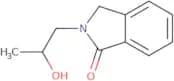
CAS:<p>Versatile small molecule scaffold</p>Formula:C5H11NO3Purezza:Min. 95%Peso molecolare:133.15 g/mol2-(2-Hydroxypropyl)-2,3-dihydro-1H-isoindol-1-one
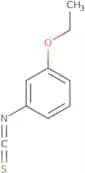
CAS:<p>Versatile small molecule scaffold</p>Formula:C11H13NO2Purezza:Min. 95%Peso molecolare:191.23 g/mol1-Ethoxy-3-isothiocyanatobenzene
CAS:<p>1-Ethoxy-3-isothiocyanatobenzene is a structural modification of phenyl isothiocyanate. It has been shown to inhibit the polymerization of pyrazole derivatives, which are important for cellular growth and proliferation. 1-Ethoxy-3-isothiocyanatobenzene has also been shown to inhibit the cell apoptosis process by binding to the intracellular domain of Mcl-1, a protein that regulates mitochondrial membrane potential and release of cytochrome c. This compound also inhibits the hepg2 cell line, which is involved in the synthesis of prostaglandins and inflammatory mediators. The inhibition of this cell line may be due to its ability to disrupt cellular structure.</p>Formula:C9H9NOSPurezza:Min. 95%Peso molecolare:179.24 g/mol1-Ethyl-4-methyl-1H-pyrazol-5-amine
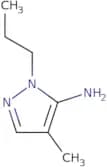
CAS:<p>Versatile small molecule scaffold</p>Formula:C6H11N3Purezza:Min. 95%Peso molecolare:125.17 g/mol4-Methyl-2-propyl-2H-pyrazol-3-ylamine
CAS:<p>Versatile small molecule scaffold</p>Formula:C7H13N3Purezza:Min. 95%Peso molecolare:139.2 g/mol[(4-Amino-3-ethylphenyl)sulfanyl]formonitrile
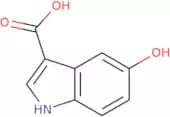
CAS:<p>Versatile small molecule scaffold</p>Formula:C9H10N2SPurezza:Min. 95%Peso molecolare:178.26 g/mol1H-Indole-3-carboxylic acid, 5-hydroxy-
CAS:<p>1H-Indole-3-carboxylic acid, 5-hydroxy is a serotonin receptor agonist. It has been shown to inhibit cancer cell growth and induce apoptosis in human leukemia cells. 1H-Indole-3-carboxylic acid, 5-hydroxy inhibits the production of nitric oxide by inhibiting the enzyme nitrite reductase, which is required for the formation of nitric oxide. This compound also inhibits β-carboline alkaloids and amides that are involved in carcinogenesis. 1H-Indole-3-carboxylic acid, 5-hydroxy has potent inhibitory activities against tumor cells with an IC50 value of 0.1 μM and can be used as a chemotherapeutic agent for cancer treatment or prevention of cancer recurrence. An alternative preparative method for 1H-indole carboxylic acid, 5 hydroxy is provided below:</p>Formula:C9H7NO3Purezza:Min. 95%Peso molecolare:177.16 g/molEthyl 5-Methoxy-3-methyl-1-benzofuran-2-carboxylate
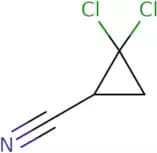
CAS:<p>Versatile small molecule scaffold</p>Formula:C13H14O4Purezza:Min. 95%Peso molecolare:234.24 g/mol2,2-Dichlorocyclopropane-1-carbonitrile
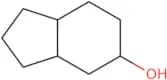
CAS:<p>Versatile small molecule scaffold</p>Formula:C4H3Cl2NPurezza:Min. 95%Peso molecolare:135.98 g/molOctahydro-1H-inden-5-ol
CAS:<p>Versatile small molecule scaffold</p>Formula:C9H16OPurezza:Min. 95%Peso molecolare:140.22 g/molEthyl 2-[(adamantan-1-yl)amino]acetate
CAS:<p>Versatile small molecule scaffold</p>Formula:C14H23NO2Purezza:Min. 95%Peso molecolare:237.34 g/mol4-Methoxybenzaldehyde oxime
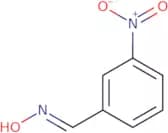
CAS:<p>4-Methoxybenzaldehyde oxime is a chemical compound that reacts with polyvinyl chloride to form polyvinyl pyrrolidone. It can be used as a dehydrating agent in the reaction of alcohols, amines, and thiols. 4-Methoxybenzaldehyde oxime has been shown to react with picolinic acid to form an aldoxime. The optical properties of 4-methoxybenzaldehyde oxime are similar to those of chloroform. This compound reacts with chloride ions and methyl ethyl alcohol to form an organic solution that contains carbonyl groups and functional groups.</p>Formula:C8H9NO2Purezza:Min. 95%Peso molecolare:151.16 g/molsyn-3-Nitrobenzaldoxime
CAS:<p>Syn-3-Nitrobenzaldoxime is a molecule that is produced by the reaction of anhydrous sodium and chloride in the presence of aluminium. It is a white solid that has a melting point of -6°C to -8°C. Syn-3-Nitrobenzaldoxime has two possible isomers, syn-3-nitrobenzaldoxime and anti-syn-3-nitrobenzaldoxime. The rate of this reaction increases with temperature, which means it would be more efficient at higher temperatures. <br>Syn-3-Nitrobenzaldoxime can be used for analytical methods such as spectrometric measurements, kinetic analysis, and vibrational spectroscopy. It can also be used in chemical ionization experiments because it will emit positive ions when it decomposes due to its high molecular weight. Syn-3-Nitrobenzaldoxime may also be used in functional theory calculations because</p>Formula:C7H6N2O3Purezza:Min. 95%Peso molecolare:166.14 g/molAdamantan-1-yl-methyl-amine
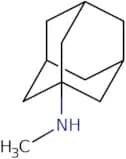
CAS:<p>Adamantan-1-yl-methyl-amine is a chemical compound that has been shown to have anti-inflammatory and neuroprotective properties in animal studies. It is a chiral molecule with two enantiomers, which bind to different types of dopamine receptors. The (S) isomer binds to the D2 receptor, while the (R) isomer binds to the D4 receptor. The affinity for these receptors differs by more than 10 fold, suggesting that the two enantiomers have different effects on the central nervous system and may be useful in treating degenerative diseases such as Parkinson's disease. Adamantan-1-yl-methyl-amine also shows antihistaminic activity and antagonistic effects on alpha adrenergic receptors in mice.</p>Formula:C11H19NPurezza:Min. 95%Peso molecolare:165.27 g/mol3,5-Dimethylpyridine N-oxide
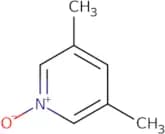
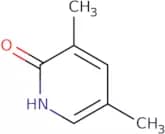
CAS:<p>3,5-Dimethylpyridine N-oxide is a reactive n-oxide that has been synthesized for the first time in this work. This compound can be formed by reacting 3,5-dimethylpyridine with nitric acid. The reaction proceeds through a nitro group to form an amine and an n-oxide group. Kinetic data was obtained from the reaction of 3,5-dimethylpyridine and nitric acid at different temperatures and concentrations. The reaction rate increased with increasing temperature and concentration. The crystal structure of 3,5-dimethylpyridine N-oxide was determined by X-ray diffraction analysis. The mechanism of this reaction is proposed to involve nucleophilic attack of the amine on the nitro group followed by elimination of water to give the n-oxide product.</p>Formula:C7H9NOPurezza:Min. 95%Peso molecolare:123.15 g/mol3,5-Dimethyl-1,2-dihydropyridin-2-one
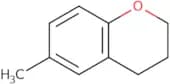
CAS:<p>Versatile small molecule scaffold</p>Formula:C7H9NOPurezza:Min. 95%Peso molecolare:123.15 g/mol6-Methyl-3,4-dihydro-2H-1-benzopyran
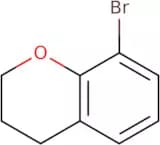
CAS:<p>Versatile small molecule scaffold</p>Formula:C10H12OPurezza:Min. 95%Peso molecolare:148.2 g/mol8-Bromochromane
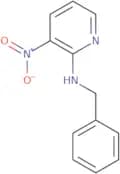
CAS:<p>Versatile small molecule scaffold</p>Formula:C9H9BrOPurezza:Min. 95%Peso molecolare:213.07 g/molN-Benzyl-3-nitropyridin-2-amine
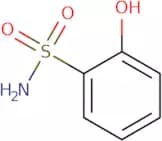
CAS:<p>Versatile small molecule scaffold</p>Formula:C12H11N3O2Purezza:Min. 95%Peso molecolare:229.24 g/mol2-Hydroxybenzene-1-sulfonamide
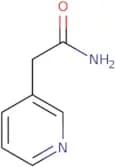
CAS:<p>2-Hydroxybenzene-1-sulfonamide (2HBS) is an aromatic hydrocarbon that inhibits the metabolism of aromatic compounds. It has an inhibitory effect on the enzyme cytochrome P450 2E1, which is responsible for the oxidation of hydroxylated aromatic compounds. The compound can also be used as a solvent. 2HBS binds to lysine residues in proteins, preventing the protein from functioning properly. This binding can lead to irreversible inhibition of enzymes and other proteins. 2HBS has been shown to have a protective effect against brain infarction in mice by inhibiting hydrogen atom production and reducing the levels of quinoline derivatives. The compound is activated by exposure to light, heat, or silver ions, which enhances its ability to inhibit cytochrome P450 2E1</p>Formula:C6H7NO3SPurezza:Min. 95%Peso molecolare:173.19 g/mol2-(Pyridin-3-yl)acetamide
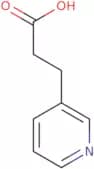
CAS:<p>2-(Pyridin-3-yl)acetamide is a benzodiazepine receptor antagonist that binds to the benzodiazepine site on the GABA receptor. It has potent inhibitory activity against dpp-4, which is an enzyme that degrades active insulin and has been implicated in the development of type 2 diabetes. The drug has been shown to be effective in chronic treatment of Parkinson's disease with reduced side effects when compared to other drugs used for this indication. It also showed anxiolytic activity in animal studies. This drug may have a role as a future treatment for anxiety disorders and diseases of the nervous system such as Alzheimer's disease, Huntington's disease, and Tourette syndrome.</p>Formula:C7H8N2OPurezza:Min. 95%Peso molecolare:136.15 g/mol3-(3-Pyridyl)propionic Acid
CAS:<p>3-(3-Pyridyl)propionic Acid is a molecule that contains a hydroxyl group. It is an asymmetric synthesis of β-amino acid and has been shown to inhibit cancer cells. 3-(3-Pyridyl)propionic Acid inhibits the enzyme fibrinogen, which is important for blood clotting. This agent also has antiplatelet effects and can be used as an amine or perfluorinated reagent. 3-(3-Pyridyl)propionic Acid also inhibits the enzyme aldolase, which has been found to be useful in the treatment of diabetes mellitus type II.</p>Formula:C8H9NO2Purezza:Min. 95%Peso molecolare:151.17 g/molEthyl cyclohexa-1,3-diene-1-carboxylate
CAS:<p>Ethyl cyclohexa-1,3-diene-1-carboxylate is a conformationally constrained analog of the purine nucleoside adenosine. It has been shown to inhibit replication of the HIV-1 virus in cultured cells. This compound binds to the viral RNA and prevents it from being translated into viral proteins. Ethyl cyclohexa-1,3-diene-1-carboxylate has also been shown to inhibit the synthesis of pyrimidines in human cells, which may be due to its ability to react with nucleobases that are required for this process. Ethyl cyclohexa-1,3-diene-1-carboxylate is not active against Herpes simplex virus type 1 (HSV 1), which is due to its inability to interact with nucleosides that are required for HSV 1 replication.</p>Formula:C9H12O2Purezza:Min. 95%Peso molecolare:152.19 g/mol1,4-Dimethyl-2-(2-propenyloxy)benzene
CAS:<p>Versatile small molecule scaffold</p>Formula:C11H14OPurezza:Min. 95%Peso molecolare:162.23 g/mol1-Nitro-3-(prop-2-ene-1-sulfonyl)benzene
CAS:<p>Versatile small molecule scaffold</p>Formula:C9H9NO4SPurezza:Min. 95%Peso molecolare:227.24 g/mol5-Ethyl-3-methylfuran-2-carboxylic acid
CAS:<p>Versatile small molecule scaffold</p>Formula:C8H10O3Purezza:Min. 95%Peso molecolare:154.16 g/mol3-Bromo-1-chloroprop-1-ene
CAS:<p>Versatile small molecule scaffold</p>Formula:C3H4BrClPurezza:Min. 95%Peso molecolare:155.42 g/molN-Phenylthiophene-2-carboximidamide
CAS:<p>N-Phenylthiophene-2-carboximidamide is an organic compound that contains a substituted thiophene ring. The 2-position of the thiophene ring is substituted with a phenyl group, and the 4-position is substituted with a carboxylic acid. The amidine skeleton can be converted to an imidazole or cyclic amide by substitution at the N-1 position. N-Phenylthiophene-2-carboximidamide can be oxidized to form an aromatic carbonyl group in the presence of oxygen, which allows for regioselectivity in its synthesis. This functional group can also react with other functional groups such as alcohols, thiols, and amines to form various chalcones and imidazoles.</p>Formula:C11H10N2SPurezza:Min. 95%Peso molecolare:202.28 g/mol2,4-dichloro-5-(chlorosulfonyl)benzoic acid
CAS:<p>2,4-Dichloro-5-(chlorosulfonyl)benzoic acid is an organic compound that is used as a reagent in the synthesis of other chemicals. It belongs to the group of sulfonyl chlorides and has similar functional groups to 2,4-dichlorophenylsulfonyl chloride.</p>Formula:C7H3Cl3O4SPurezza:Min. 95%Peso molecolare:289.51 g/mol4-Nitroquinoline
CAS:<p>4-Nitroquinoline is a methyltransferase inhibitor that can be used to study the role of DNA methylation in carcinogenesis. It has been shown to produce tumorigenesis in mice and to induce cancerous lesions in animals. 4-Nitroquinoline is a natural compound that has been found to inhibit cellular proliferation and induce apoptosis, which may be due to its genotoxic activity. 4-Nitroquinoline is also an experimental model for studying carcinomas, which are cancers of epithelial cells lining the organs and cavities of the body.</p>Formula:C9H6N2O2Purezza:Min. 95%Peso molecolare:174.16 g/mol

![3-Cyclohexyl-1-[4-(1,1-dioxo-1,2-thiazolidin-2-yl)phenyl]urea](/_next/image/?url=https%3A%2Fstatic.cymitquimica.com%2Fproducts%2F3D%2Fthumb-webp%2FCYB96968.webp&w=3840&q=75)
![([1-(Cyclopropylsulfonyl)piperidin-4-yl]methyl)amine](/_next/image/?url=https%3A%2Fstatic.cymitquimica.com%2Fproducts%2F3D%2Fthumb-webp%2FCYB97517.webp&w=3840&q=75)





![[(4-Amino-3-ethylphenyl)sulfanyl]formonitrile](/_next/image/?url=https%3A%2Fstatic.cymitquimica.com%2Fproducts%2F3D%2Fthumb-webp%2FDAA70345.webp&w=3840&q=75)

![Ethyl 2-[(adamantan-1-yl)amino]acetate](/_next/image/?url=https%3A%2Fstatic.cymitquimica.com%2Fproducts%2F3D%2Fthumb-webp%2FDAA71668.webp&w=3840&q=75)