Building Blocks
Questa sezione contiene prodotti fondamentali per la sintesi di composti organici e biologici. Building blocks sono i materiali di partenza essenziali utilizzati per costruire molecole complesse attraverso varie reazioni chimiche. Svolgono un ruolo critico nella scoperta di farmaci, nella scienza dei materiali e nella ricerca chimica. Presso CymitQuimica, offriamo una gamma diversificata di building blocks di alta qualità per supportare le tue ricerche innovative e progetti industriali, assicurandoti di avere i componenti essenziali per una sintesi di successo.
Sottocategorie di "Building Blocks"
- Acidi boronici e derivati dell'acido boronico(5.756 prodotti)
- Building Blocks Chirali(1.242 prodotti)
- Building Blocks Idrocarburici(6.095 prodotti)
- Building Blocks organici(61.036 prodotti)
Trovati 195887 prodotti di "Building Blocks"
Ordinare per
Purezza (%)
0
100
|
0
|
50
|
90
|
95
|
100
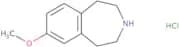
7-methoxy-2,3,4,5-tetrahydro-1H-3-benzazepine hydrochloride
CAS:<p>Versatile small molecule scaffold</p>Formula:C11H16ClNOPurezza:Min. 95%Peso molecolare:213.71 g/mol2-Chloro-N-[2-(4-methoxyphenyl)ethyl]acetamide
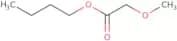
CAS:<p>Versatile small molecule scaffold</p>Formula:C11H14ClNO2Purezza:Min. 95%Peso molecolare:227.69 g/molButyl 2-methoxyacetate
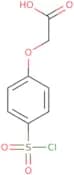
CAS:<p>Butyl 2-methoxyacetate is a solvent that is used in the polymerization of acrylate monomers. It can also be used as a polymerization initiator to initiate the polymerization of acrylic acid, methacrylic acid and acrylonitrile. Butyl 2-methoxyacetate has an acidic nature and reacts with inorganic salts such as sodium hydroxide or potassium hydroxide. This reaction produces an organic salt, which can be isolated by crystallization. The hydrocarbon group on butyl 2-methoxyacetate makes it useful for extraction of lipids from natural sources. Butyl 2-methoxyacetate is also used as a solid catalyst in the polymerization of styrene, vinyl acetate and other aliphatic hydrocarbons.</p>Formula:C7H14O3Purezza:Min. 95%Peso molecolare:146.18 g/mol2-(4-(Chlorosulfonyl)phenoxy)acetic acid
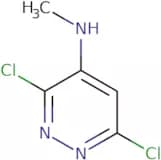
CAS:<p>Versatile small molecule scaffold</p>Formula:C8H7ClO5SPurezza:Min. 95%Peso molecolare:250.66 g/mol3,6-Dichloro-N-methylpyridazin-4-amine
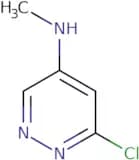
CAS:<p>Versatile small molecule scaffold</p>Formula:C5H5Cl2N3Purezza:Min. 95%Peso molecolare:178.02 g/mol6-Chloro-N-methylpyridazin-4-amine
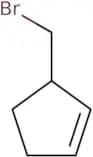
CAS:<p>Versatile small molecule scaffold</p>Formula:C5H6ClN3Purezza:Min. 95%Peso molecolare:143.57 g/mol3-(Bromomethyl)cyclopent-1-ene
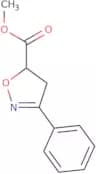
CAS:<p>Versatile small molecule scaffold</p>Formula:C6H9BrPurezza:Min. 95%Peso molecolare:161.04 g/molMethyl 3-phenyl-4,5-dihydro-1,2-oxazole-5-carboxylate
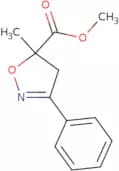
CAS:<p>Versatile small molecule scaffold</p>Formula:C11H11NO3Purezza:Min. 95%Peso molecolare:205.21 g/molMethyl 5-methyl-3-phenyl-4,5-dihydro-1,2-oxazole-5-carboxylate
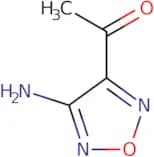
CAS:<p>Versatile small molecule scaffold</p>Formula:C12H13NO3Purezza:Min. 95%Peso molecolare:219.24 g/mol1-(4-Amino-1,2,5-oxadiazol-3-yl)ethan-1-one
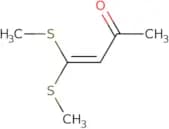
CAS:<p>Versatile small molecule scaffold</p>Formula:C4H5N3O2Purezza:Min. 95%Peso molecolare:127.1 g/mol4,4-Bis(methylsulfanyl)but-3-en-2-one
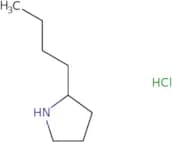
CAS:<p>Versatile small molecule scaffold</p>Formula:C6H10OS2Purezza:Min. 95%Peso molecolare:162.3 g/mol2-Butylpyrrolidine hydrochloride
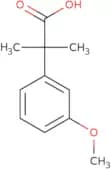
CAS:<p>Versatile small molecule scaffold</p>Formula:C8H18ClNPurezza:Min. 95%Peso molecolare:163.69 g/mol2-(3-Methoxyphenyl)-2-methylpropanoic acid
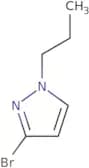
CAS:<p>Versatile small molecule scaffold</p>Formula:C11H14O3Purezza:Min. 95%Peso molecolare:194.23 g/mol3-Bromo-1-propyl-1H-pyrazole
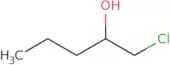
CAS:<p>Versatile small molecule scaffold</p>Formula:C6H9BrN2Purezza:Min. 95%Peso molecolare:189.05 g/mol1-Chloropentan-2-ol
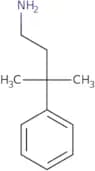
CAS:<p>1-Chloropentan-2-ol is an allylphenol compound with a chiral center. It is used as a chiral synthon in the synthesis of pharmaceutically active compounds, including pharmaceuticals and agrochemicals. 1-Chloropentan-2-ol can be synthesized by the reaction of allyl bromide and chloroform in the presence of copper(I) iodide and a diphosphine catalyst. This process generates enantiomeric excesses of up to 99%. The use of bimetallic catalysts can also increase the enantioselectivity, with selectivities up to 99% ee.<br>1-Chloropentan-2-ol has been shown to be effective as a chiral catalyst in the formation of chlorohydrins from primary amines or secondary amines. Chlorohydrins are intermediates in organic synthesis, which are used for the production of</p>Formula:C5H11ClOPurezza:Min. 95%Peso molecolare:122.59 g/mol3-Methyl-3-phenylbutan-1-amine
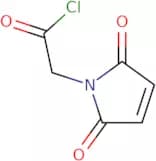
CAS:<p>Versatile small molecule scaffold</p>Formula:C11H17NPurezza:Min. 95%Peso molecolare:163.26 g/mol2-(2,5-Dioxo-2,5-dihydro-1H-pyrrol-1-yl)acetyl chloride
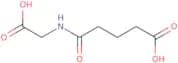
CAS:<p>2-(2,5-Dioxo-2,5-dihydro-1H-pyrrol-1-yl)acetyl chloride is a stereoselective monomer for the preparation of polymers and acetoxy compounds. It is used as an acylation agent and has been shown to react with azetidinones. 2-(2,5-Dioxo-2,5-dihydro-1H-pyrrol-1-yl)acetyl chloride is a colorless liquid that can be synthesized by reacting acetaldehyde with pyrrole in the presence of sodium <br>desulfite.</p>Formula:C6H4ClNO3Purezza:Min. 95%Peso molecolare:173.55 g/molN-Glutarylglycin
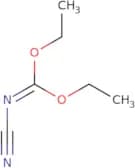
CAS:<p>N-Glutarylglycin is an antiretroviral drug that inhibits the HIV virus from infecting human cells. It is a type of nucleoside analog and works by blocking the reverse transcriptase enzyme, which is necessary for viral replication. N-Glutarylglycin has been shown to be effective in treating cardiac and renal diseases caused by HIV infection, as well as other diseases such as atherosclerosis. The drug is not active against viruses that do not use reverse transcriptase or that replicate within the cytoplasm of a cell. N-Glutarylglycin has also been shown to have probiotic properties, which may be due to its ability to stimulate intestinal bacterial growth and inhibit the adhesion of certain bacteria to intestinal epithelial cells.</p>Formula:C7H11NO5Purezza:Min. 95%Peso molecolare:189.17 g/molEthyl N-cyanoethoxycarboximidate
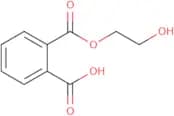
CAS:<p>Ethyl N-cyanoethoxycarboximidate is a chemical compound that is used to synthesize selenadiazoles. This compound undergoes photolysis with ultraviolet light, which leads to the formation of the corresponding oxadiazole. The sulfur analogues of this compound are thermally stable and can be synthesized using catalytic hydrogenation or hydrolysis. Ethyl N-cyanoethoxycarboximidate has been shown to react with alkenes in a rearrangement reaction and also undergoes thermolysis when heated.</p>Formula:C6H10N2O2Purezza:Min. 95%Peso molecolare:142.16 g/mol2-((2-Hydroxyethoxy)carbonyl)benzoic acid
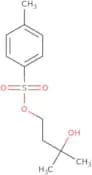
CAS:<p>2-((2-Hydroxyethoxy)carbonyl)benzoic acid (HECA) is a reactive and catalytic ligand that can be used to study the kinetics and mechanism of transition metal catalyzed reactions. HECA binds to transition metals such as nickel, palladium, platinum, and copper. It is also a ligand for alkoxides and alcohols. HECA has been shown to be an effective catalyst in organic synthesis, including the catalysis of oxidative addition reactions.</p>Formula:C10H10O5Purezza:Min. 95%Peso molecolare:210.18 g/mol3-hydroxy-3-methylbutyl 4-methylbenzenesulfonate
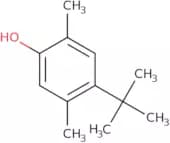
CAS:<p>Versatile small molecule scaffold</p>Formula:C12H18O4SPurezza:Min. 95%Peso molecolare:258.34 g/mol4-(tert-Butyl)-2,5-dimethylphenol
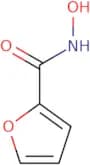
CAS:<p>Versatile small molecule scaffold</p>Formula:C12H18OPurezza:Min. 95%Peso molecolare:178.27 g/molN-Hydroxyfuran-2-carboxamide
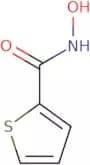
CAS:<p>Furfural is a sugar-derived compound that has been used in the production of polyurethane and other synthetic materials. It is also a major component of "coffee grounds" and can be found in many food products, such as bakery goods, cocoa, and chocolate. Furfural inhibits lipases by binding to the active site of the enzyme which prevents it from breaking down fats. The basic group on furfural interacts with the active site of the enzyme, which slows down its reaction rate. A mathematical model has been created to help determine kinetic parameters for furfural's inhibitory effect on lipases. These parameters are then used to measure the affinity between furfural and the enzyme's active site based on mathematical theory. Furfural also has an inhibitory effect on hydroxamic acid-type enzymes by binding to their active sites and reducing their enzymatic activity. This may be due to its ability to form hydrogen bonds with water molecules at the active site of</p>Formula:C5H5NO3Purezza:Min. 95%Peso molecolare:127.1 g/molN-Hydroxythiophene-2-carboxamide
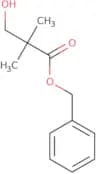
CAS:<p>N-Hydroxythiophene-2-carboxamide is an organic compound that contains a furyl, hydroxamic, alkenyl, halogen atoms, pyridyl, endoparasites, alkynyl, sulfur, cycloalkyl, heteroaryl and nitro group. It is used as a pesticide for the control of various plant diseases. N-Hydroxythiophene-2-carboxamide has been shown to be effective against various fungi and parasites in laboratory tests.</p>Formula:C5H5NO2SPurezza:Min. 95%Peso molecolare:143.17 g/molBenzyl 3-hydroxy-2,2-dimethylpropanoate
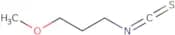
CAS:<p>Benzyl 3-hydroxy-2,2-dimethylpropanoate is a prodrug that is metabolized to the active form, benzyl 3-hydroxy-2,2-dimethylpropionate (BZMDP), by esterases. It has been shown to have pharmacological effects in animals and humans. BZMDP is a pyrazole derivative with a carbonyl group and an alkylene chain. It binds to the human liver enzyme cytochrome P450 2C8 and inhibits the metabolism of acetaminophen, thereby increasing its bioavailability. As an analgesic agent, BZMDP has been shown to be effective against postoperative pain in animal studies. BZMDP has also been shown to reduce hyperglycemia in diabetic mice through inhibition of carbohydrate metabolism at the level of glycolysis.</p>Formula:C12H16O3Purezza:Min. 95%Peso molecolare:208.26 g/mol3-Methoxypropyl isothiocyanate
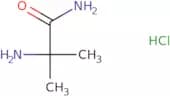
CAS:<p>Versatile small molecule scaffold</p>Formula:C5H9NOSPurezza:Min. 95%Peso molecolare:131.2 g/mol2-Amino-2-methyl-propanamide HCl
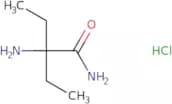
CAS:<p>Versatile small molecule scaffold</p>Formula:C4H11ClN2OPurezza:Min. 95%Peso molecolare:138.6 g/mol2-Amino-2-ethylbutanamide hydrochloride
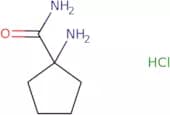
CAS:<p>Versatile small molecule scaffold</p>Formula:C6H15ClN2OPurezza:Min. 95%Peso molecolare:166.65 g/mol1-Aminocyclopentane-1-carboxamide hydrochloride
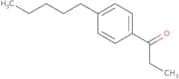
CAS:<p>1-Aminocyclopentane-1-carboxamide hydrochloride is a potent and selective inhibitor of neutral endopeptidase (NEP) that can be used for the treatment of migraine. This drug is a competitive antagonist at the NEP receptor, which is located in the central nervous system. 1-Aminocyclopentane-1-carboxamide hydrochloride has shown to be an effective treatment for migraine sufferers, with minimal side effects.</p>Formula:C6H13ClN2OPurezza:Min. 95%Peso molecolare:164.63 g/mol1-(4-Pentylphenyl)propan-1-one
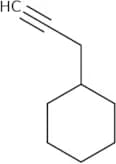
CAS:<p>Versatile small molecule scaffold</p>Formula:C14H20OPurezza:Min. 95%Peso molecolare:204.31 g/mol3-Cyclohexyl-1-propyne
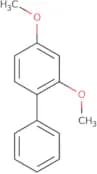
CAS:<p>3-Cyclohexyl-1-propyne is a molecule that has been synthesized using palladium-catalyzed coupling. This compound has been shown to inhibit the growth of staphylococcus, and other bacteria, by inhibiting pyrazole synthesis. 3-Cyclohexyl-1-propyne can also be used for the preparation of conjugates with chemical species such as hydroxy groups. The use of homogeneous catalysts and the use of stereoselective reactions have made this process highly efficient.</p>Formula:C9H14Purezza:Min. 95%Peso molecolare:122.21 g/mol2,4-Dimethoxy-1-phenylbenzene
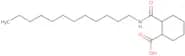
CAS:<p>Versatile small molecule scaffold</p>Formula:C14H14O2Purezza:Min. 95%Peso molecolare:214.26 g/molrac-(1R,2S)-2-(Dodecylcarbamoyl)cyclohexane-1-carboxylic acid
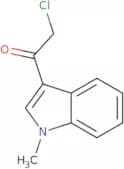
CAS:<p>Versatile small molecule scaffold</p>Formula:C20H37NO3Purezza:Min. 95%Peso molecolare:339.5 g/mol2-Chloro-1-(1-methyl-1H-indol-3-yl)-ethanone
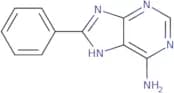
CAS:Prodotto controllato<p>Versatile small molecule scaffold</p>Formula:C11H10ClNOPurezza:Min. 95%Peso molecolare:207.66 g/mol8-Phenyl-9H-purin-6-amine
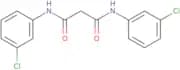
CAS:<p>8-Phenyl-9H-purin-6-amine is a purine nucleoside that has been shown to be an antagonist of the adenosine receptor. Purines are found in DNA and RNA, and they are used as a source of energy in cells. The purines can also act as signaling molecules in the body by binding to adenosine receptors. This drug inhibits these receptors, which may be useful for treating intestinal diseases (e.g., irritable bowel syndrome). 8-Phenyl-9H-purin-6-amine has also been shown to inhibit cancer cell growth and tumor formation. It interacts with the G protein coupled receptors, which may lead to its antihypertensive effect.</p>Formula:C11H9N5Purezza:Min. 95%Peso molecolare:211.22 g/molN,N'-Bis(3-chlorophenyl)propanediamide
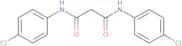
CAS:<p>Versatile small molecule scaffold</p>Formula:C15H12Cl2N2O2Purezza:Min. 95%Peso molecolare:323.2 g/molN,N'-Bis(4-chlorophenyl)propanediamide
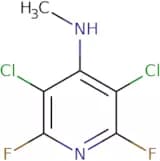
CAS:<p>Versatile small molecule scaffold</p>Formula:C15H12Cl2N2O2Purezza:Min. 95%Peso molecolare:323.2 g/mol3,5-Dichloro-2,6-difluoro-N-methyl-4-pyridinamine
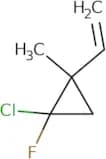
CAS:<p>Versatile small molecule scaffold</p>Formula:C6H4Cl2F2N2Purezza:Min. 95%Peso molecolare:213.01 g/mol1-Chloro-2-ethenyl-1-fluoro-2-methylcyclopropane
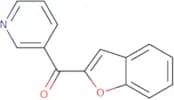
CAS:<p>Versatile small molecule scaffold</p>Formula:C6H8ClFPurezza:Min. 95%Peso molecolare:134.58 g/mol3-(1-Benzofuran-2-carbonyl)pyridine
CAS:<p>Versatile small molecule scaffold</p>Formula:C14H9NO2Purezza:Min. 95%Peso molecolare:223.23 g/mol7-Phenylheptan-1-amine
CAS:<p>Versatile small molecule scaffold</p>Formula:C13H21NPurezza:Min. 95%Peso molecolare:191.3 g/mol[(4-Chlorophenyl)amino](oxo)acetic acid
CAS:<p>Versatile small molecule scaffold</p>Formula:C8H6ClNO3Purezza:Min. 95%Peso molecolare:199.59 g/mol[(3-Methylphenyl)carbamoyl]formic acid
CAS:<p>Versatile small molecule scaffold</p>Formula:C9H9NO3Purezza:Min. 95%Peso molecolare:179.17 g/mol2-{[(4-Bromophenyl)methyl]sulfanyl}acetic acid
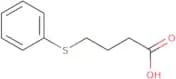
CAS:<p>Versatile small molecule scaffold</p>Formula:C9H9BrO2SPurezza:Min. 95%Peso molecolare:261.14 g/mol4-(Phenylsulfanyl)butanoic acid
CAS:<p>4-(Phenylsulfanyl)butanoic acid is an analog of retinoic acid, which is a metabolite of vitamin A. This drug has been shown to have both activating and inhibitory effects on the kidney cell, depending on the concentration. It has been shown to be effective in reducing acute kidney injury in rats by inhibiting the production of inflammatory cytokines. 4-(Phenylsulfanyl)butanoic acid has also been shown to activate N-acetylglucosamine kinase, which plays an important role in protein synthesis and cell division. The pharmacophore for this drug is a phenylsulfanyl group with a butanoyl chain. This drug binds to a protein target, which activates or inhibits various proteins that are involved in cellular processes such as protein synthesis, cell division, and activation of inflammatory cytokines.</p>Formula:C10H12O2SPurezza:Min. 95%Peso molecolare:196.26 g/mol2-{2-Methylimidazo[1,2-a]pyridin-3-yl}acetic acid
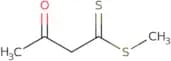
CAS:<p>Versatile small molecule scaffold</p>Formula:C10H10N2O2Purezza:Min. 95%Peso molecolare:190.2 g/molMethyl 3-oxobutanedithioate
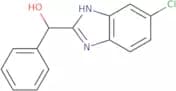
CAS:<p>Methyl 3-oxobutanedithioate is a lead compound that can be used to lower blood glucose levels. It is a ligand that binds to the peroxisome proliferator-activated receptor gamma (PPARγ) and activates it, causing insulin sensitivity. Methyl 3-oxobutanedithioate has been shown to have high lipophilicity, which is important for its activity as a PPARγ agonist. This drug also has a low toxicity profile and does not cause liver toxicity or damage when administered orally. Methyl 3-oxobutanedithioate has been shown to reduce blood glucose in mice by oral administration of a glucose load and improves glycemic control in diabetic rats with pancreatic beta cells. It is highly selective for PPARγ, but may also have some affinity for PPARα and PPARβ/δ.</p>Formula:C5H8OS2Purezza:Min. 95%Peso molecolare:148.3 g/mol(5-Chloro-1H-1,3-benzodiazol-2-yl)(phenyl)methanol
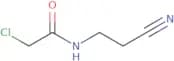
CAS:<p>Versatile small molecule scaffold</p>Formula:C14H11ClN2OPurezza:Min. 95%Peso molecolare:258.7 g/mol2-Chloro-N-(2-cyanoethyl)acetamide
CAS:<p>2-Chloro-N-(2-cyanoethyl)acetamide is a potent and selective inhibitor of the protein kinase C (PKC). The PKC protein kinases are enzymes that regulate the activity of cells in response to stimuli. 2-Chloro-N-(2-cyanoethyl)acetamide has been shown to be effective against some viruses and tumor cells, but not against bacteria. It inhibits the growth of some cancer cells and has been shown to inhibit the replication of animal viruses such as influenza virus. This drug is also used for treatment of abdominal infections, hepatitis, pancreatitis, mesenteric adenitis, and animals with cancer. 2-Chloro-N-(2-cyanoethyl)acetamide can act as a noncompetitive inhibitor by binding to a site on the enzyme that is different from ATP binding site.</p>Formula:C5H7ClN2OPurezza:Min. 95%Peso molecolare:146.57 g/mol5-Bromo-2-ethoxypyrimidine
CAS:<p>5-Bromo-2-ethoxypyrimidine is a heterocyclic compound that can be synthesized from 2-ethoxy pyrimidine and bromine. It is a colorless to light yellowish liquid that has a boiling point of 150°C. 5-Bromo-2-ethoxypyrimidine is an alkoxide that can be prepared by the reaction of uracil and perfluoroalkyl acid. It undergoes hydrolysis when treated with acid, forming hydrogen bromide and ethyl cyanoacetate.</p>Formula:C6H7BrN2OPurezza:Min. 95%Peso molecolare:203.04 g/mol

![2-Chloro-N-[2-(4-methoxyphenyl)ethyl]acetamide](/_next/image/?url=https%3A%2Fstatic.cymitquimica.com%2Fproducts%2F3D%2Fthumb-webp%2FSAA63950.webp&w=3840&q=75)
acetic acid](/_next/image/?url=https%3A%2Fstatic.cymitquimica.com%2Fproducts%2F3D%2Fthumb-webp%2FSAA73871.webp&w=3840&q=75)
![[(3-Methylphenyl)carbamoyl]formic acid](/_next/image/?url=https%3A%2Fstatic.cymitquimica.com%2Fproducts%2F3D%2Fthumb-webp%2FSAA73878.webp&w=3840&q=75)
![2-{[(4-Bromophenyl)methyl]sulfanyl}acetic acid](/_next/image/?url=https%3A%2Fstatic.cymitquimica.com%2Fproducts%2F3D%2Fthumb-webp%2FSAA74250.webp&w=3840&q=75)
![2-{2-Methylimidazo[1,2-a]pyridin-3-yl}acetic acid](/_next/image/?url=https%3A%2Fstatic.cymitquimica.com%2Fproducts%2F3D%2Fthumb-webp%2FSAA74507.webp&w=3840&q=75)