Building Blocks
Questa sezione contiene prodotti fondamentali per la sintesi di composti organici e biologici. Building blocks sono i materiali di partenza essenziali utilizzati per costruire molecole complesse attraverso varie reazioni chimiche. Svolgono un ruolo critico nella scoperta di farmaci, nella scienza dei materiali e nella ricerca chimica. Presso CymitQuimica, offriamo una gamma diversificata di building blocks di alta qualità per supportare le tue ricerche innovative e progetti industriali, assicurandoti di avere i componenti essenziali per una sintesi di successo.
Sottocategorie di "Building Blocks"
- Acidi boronici e derivati dell'acido boronico(5.756 prodotti)
- Building Blocks Chirali(1.242 prodotti)
- Building Blocks Idrocarburici(6.095 prodotti)
- Building Blocks organici(61.036 prodotti)
Trovati 195887 prodotti di "Building Blocks"
Ordinare per
Purezza (%)
0
100
|
0
|
50
|
90
|
95
|
100
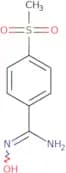
N-Hydroxy-4-methanesulfonylbenzene-1-carboximidamide
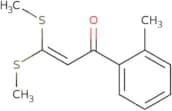
CAS:<p>Versatile small molecule scaffold</p>Formula:C8H10N2O3SPurezza:Min. 95%Peso molecolare:214.24 g/mol1-(2-Methylphenyl)-3,3-bis(methylsulfanyl)prop-2-en-1-one
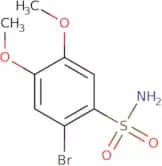
CAS:<p>Versatile small molecule scaffold</p>Formula:C12H14OS2Purezza:Min. 95%Peso molecolare:238.4 g/mol2-Bromo-4,5-dimethoxybenzene-1-sulfonamide
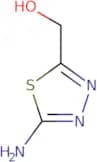
CAS:<p>Versatile small molecule scaffold</p>Formula:C8H10BrNO4SPurezza:Min. 95%Peso molecolare:296.14 g/mol(5-Amino-1,3,4-thiadiazol-2-yl)methanol
CAS:<p>Versatile small molecule scaffold</p>Formula:C3H5N3OSPurezza:Min. 95%Peso molecolare:131.16 g/mol9-(Bromomethyl)-9H-fluorene
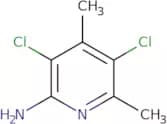
CAS:<p>Versatile small molecule scaffold</p>Formula:C14H11BrPurezza:Min. 95%Peso molecolare:259.14 g/mol2-Amino-3,5-dichloro-4,6-dimethylpyridine
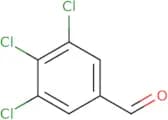
CAS:<p>Versatile small molecule scaffold</p>Formula:C7H8Cl2N2Purezza:Min. 95%Peso molecolare:191.05 g/mol3,4,5-Trichlorobenzaldehyde
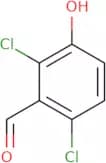
CAS:<p>3,4,5-Trichlorobenzaldehyde is an aldehyde that is used as a reagent for the detection of isomers. It is also used to determine the efficiency and selectivity of gas chromatography. In addition, 3,4,5-trichlorobenzaldehyde has been shown to be a useful reagent for the identification of alcohols. This compound has also been found to be useful in determining the structure of various compounds by gas chromatography. 3,4,5-trichlorobenzaldehyde is often used as a reference standard in analytical chemistry due to its structural simplicity and ease of purification.</p>Formula:C7H3Cl3OPurezza:Min. 95%Peso molecolare:209.46 g/mol2,6-Dichloro-3-hydroxybenzaldehyde
CAS:<p>Versatile small molecule scaffold</p>Formula:C7H4Cl2O2Purezza:Min. 95%Peso molecolare:191.01 g/molN-(3-Methylbutyl)-1H-pyrazolo[3,4-d]pyrimidin-4-amine
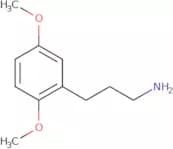
CAS:<p>Versatile small molecule scaffold</p>Formula:C10H15N5Purezza:Min. 95%Peso molecolare:205.26 g/mol3-(2,5-Dimethoxyphenyl)propan-1-amine
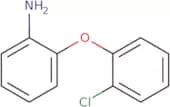
CAS:<p>Versatile small molecule scaffold</p>Formula:C11H17NO2Purezza:Min. 95%Peso molecolare:195.26 g/mol2-(2-Chlorophenoxy)aniline
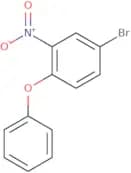
CAS:<p>Versatile small molecule scaffold</p>Formula:C12H10ClNOPurezza:Min. 95%Peso molecolare:219.67 g/mol4-Bromo-2-nitro-1-phenoxybenzene
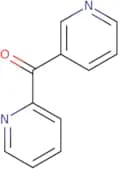
CAS:<p>Versatile small molecule scaffold</p>Formula:C12H8BrNO3Purezza:Min. 95%Peso molecolare:294.1 g/mol3-(Pyridine-2-carbonyl)pyridine
CAS:<p>3-(Pyridine-2-carbonyl)pyridine is a ligand that binds to metal cations and anions. This ligand has been shown to have a helical structure, which allows it to interact with the metal cations. 3-(Pyridine-2-carbonyl)pyridine forms an anion in solution, which can be stabilized by interaction with a metal cation. The interactions between these ligands and metal cations are highly dependent on their conformations, as well as their bonding and geometry. 3-(Pyridine-2-carbonyl)pyridine has been shown to be stable in the solid state when interacting with perchlorate ions. These interactions are also reversible and can be used for docking studies of various compounds.</p>Formula:C11H8N2OPurezza:Min. 95%Peso molecolare:184.19 g/mol2,5,8,11-Tetrathiadodecane
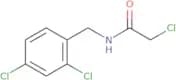
CAS:<p>Versatile small molecule scaffold</p>Formula:C8H18S4Purezza:Min. 95%Peso molecolare:242.5 g/mol2-Chloro-N-(2,4-dichloro-benzyl)-acetamide
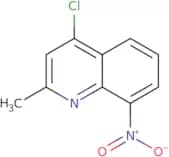
CAS:<p>Versatile small molecule scaffold</p>Formula:C9H8Cl3NOPurezza:Min. 95%Peso molecolare:252.5 g/mol4-Chloro-2-methyl-8-nitroquinoline
CAS:<p>4-Chloro-2-methyl-8-nitroquinoline is a quinoline analog that is protonated to form a proton sponge. This proton sponge is able to bind to protons and remove them from the solution through protonation, which results in a decrease in pH. The structural similarity of 4-chloro-2-methyl-8-nitroquinoline to the natural amino acid histidine allows it to act as an analog for this amino acid. In addition, the nitrogen atom on 4-chloro-2-methyl-8 nitroquinoline has a heteroatom that can bind with protons. As a result, this compound can be used as a proton sponge for its ability to remove protons from solutions.</p>Formula:C10H7ClN2O2Purezza:Min. 95%Peso molecolare:222.63 g/mol4-Methyl-6-phenyl-1H,6H-[1,2]diazolo[3,4-c]pyrazol-3-amine
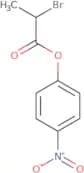
CAS:<p>Versatile small molecule scaffold</p>Formula:C11H11N5Purezza:Min. 95%Peso molecolare:213.24 g/mol4-Nitrophenyl 2-bromopropanoate
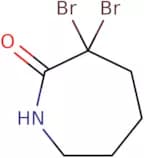
CAS:<p>4-Nitrophenyl 2-bromopropanoate (4NPB) is a prosthetic group that is used to label peptides for imaging purposes. It has been shown to be a high specific activity radiolabel, and can be synthesized by the radiosynthesis of 4-nitrophenol with bromopropane. The 4-nitrophenyl group is also a specific prosthetic group, which can be incorporated into peptides for use in imaging studies.</p>Formula:C9H8BrNO4Purezza:Min. 95%Peso molecolare:274.07 g/mol3,3-Dibromo-azepan-2-one
CAS:<p>3,3-Dibromo-azepan-2-one is a molecule that has been shown to inhibit cancer cell growth in the nanomolar range. It acts by binding to a specific site on the enzyme protein which prevents the synthesis of new proteins and causes cellular apoptosis. This molecule has shown high specificity for prostate cancer cells, but it may also be effective against other cancers. 3,3-Dibromo-azepan-2-one has been modified to improve its pharmacological properties and it is being screened for anti-cancer activity in animals.</p>Formula:C6H9Br2NOPurezza:Min. 95%Peso molecolare:270.95 g/mol[(2-Bromoethoxy)methyl]cyclopropane
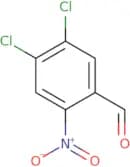
CAS:<p>Versatile small molecule scaffold</p>Formula:C6H11BrOPurezza:Min. 95%Peso molecolare:179.05 g/mol4,5-dichloro-2-nitrobenzaldehyde
CAS:<p>Versatile small molecule scaffold</p>Formula:C7H3Cl2NO3Purezza:Min. 95%Peso molecolare:220.01 g/mol1,1'-Oxybis[2,2-diethoxyethane]
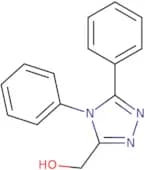
CAS:<p>Versatile small molecule scaffold</p>Formula:C12H26O5Purezza:Min. 95%Peso molecolare:250.33 g/mol(Diphenyl-4H-1,2,4-triazol-3-yl)methanol
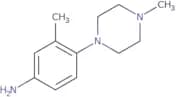
CAS:<p>Versatile small molecule scaffold</p>Formula:C15H13N3OPurezza:Min. 95%Peso molecolare:251.28 g/mol3-Methyl-4-(4-methyl-1-piperazinyl)aniline
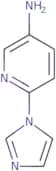
CAS:<p>Versatile small molecule scaffold</p>Formula:C12H19N3Purezza:Min. 95%Peso molecolare:205.3 g/mol6-(1H-Imidazol-1-yl)pyridin-3-amine
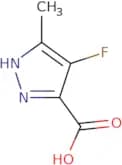
CAS:<p>Versatile small molecule scaffold</p>Formula:C8H8N4Purezza:Min. 95%Peso molecolare:160.18 g/mol4-Fluoro-5-methyl-1H-pyrazole-3-carboxylic acid
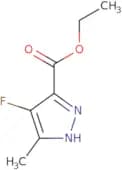
CAS:<p>Versatile small molecule scaffold</p>Formula:C5H5FN2O2Purezza:Min. 95%Peso molecolare:144.1 g/molEthyl 4-fluoro-5-methyl-1H-pyrazole-3-carboxylate
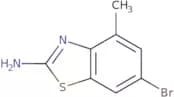
CAS:<p>Versatile small molecule scaffold</p>Formula:C7H9FN2O2Purezza:90%Peso molecolare:172.16 g/mol2-Amino-6-bromo-4-methylbenzothiazole
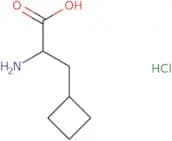
CAS:<p>2-Amino-6-bromo-4-methylbenzothiazole is a heterocyclic compound that has been shown to be an efficient catalyst for the cyclization of α,β-unsaturated aldehydes. It reacts with pyridinium salts in ionic liquids at room temperature and yields high yields of 4-hydroxycoumarin. This heterocycle has also been used as a pharmacological probe. 2-Amino-6-bromo-4-methylbenzothiazole is an acid and can serve as a mediator for reactions involving aldehydes, which are often difficult to react with other reagents. The reaction time for this heterocycle is short and it does not require any special operational conditions.</p>Formula:C8H7BrN2SPurezza:Min. 95%Peso molecolare:243.12 g/mol2-Amino-3-cyclobutylpropanoic acid hydrochloride
CAS:<p>Versatile small molecule scaffold</p>Formula:C7H14ClNO2Purezza:Min. 95%Peso molecolare:179.64 g/mol2-{[(tert-butoxy)carbonyl]amino}-3-(3,3-difluorocyclobutyl)propanoic acid
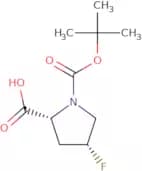
CAS:<p>Versatile small molecule scaffold</p>Formula:C12H19F2NO4Purezza:Min. 95%Peso molecolare:279.3 g/mol(2R,4R)-1-(tert-Butoxycarbonyl)-4-fluoropyrrolidine-2-carboxylic acid
CAS:<p>Versatile small molecule scaffold</p>Formula:C10H16FNO4Purezza:Min. 95%Peso molecolare:233.24 g/molCBR-5884
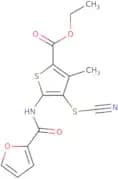
CAS:<p>CBR-5884 is a synthetic molecule that inhibits the synthesis of fatty acids in cells. It binds to the mitochondrial membrane potential and prevents ATP production. This compound has been shown to be effective in inhibiting cancers and is a noncompetitive inhibitor of fatty acid synthase. The proapoptotic activity of CBR-5884 may result from its ability to induce apoptosis, as well as covalent inhibitors that inhibit cancer cell proliferation.</p>Formula:C14H12N2O4S2Purezza:Min. 95%Peso molecolare:336.39 g/mol4-(4-Fluorobenzenesulfonyl)piperazine-1-carbaldehyde
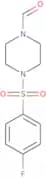
CAS:<p>Versatile small molecule scaffold</p>Formula:C11H13FN2O3SPurezza:Min. 95%Peso molecolare:272.3 g/mol2,2-Difluoro-2-(1-hydroxycyclobutyl)acetic acid
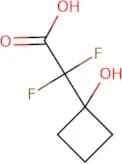
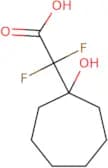
CAS:<p>Versatile small molecule scaffold</p>Formula:C6H8F2O3Purezza:Min. 95%Peso molecolare:166.12 g/mol2,2-Difluoro-2-(1-hydroxycycloheptyl)acetic acid
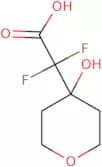
CAS:<p>Versatile small molecule scaffold</p>Formula:C9H14F2O3Purezza:Min. 95%Peso molecolare:208.2 g/mol2,2-Difluoro-2-(4-hydroxyoxan-4-yl)acetic acid
CAS:<p>Versatile small molecule scaffold</p>Formula:C7H10F2O4Purezza:Min. 95%Peso molecolare:196.15 g/mol3-Cyclopropyl-2,2-difluoro-3-hydroxypropanoic acid
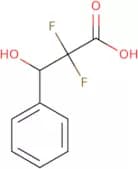
CAS:<p>Versatile small molecule scaffold</p>Formula:C6H8F2O3Purezza:Min. 95%Peso molecolare:166.12 g/mol2,2-Difluoro-3-hydroxy-3-phenylpropanoic acid
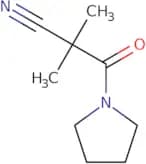
CAS:<p>Versatile small molecule scaffold</p>Formula:C9H8F2O3Purezza:Min. 95%Peso molecolare:202.15 g/mol2,2-Dimethyl-3-oxo-3-(pyrrolidin-1-yl)propanenitrile
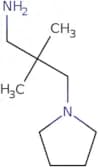
CAS:<p>Versatile small molecule scaffold</p>Formula:C9H14N2OPurezza:Min. 95%Peso molecolare:166.22 g/mol2,2-Dimethyl-3-(pyrrolidin-1-yl)propan-1-amine
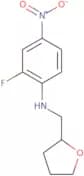
CAS:<p>Versatile small molecule scaffold</p>Formula:C9H20N2Purezza:Min. 95%Peso molecolare:156.27 g/mol2-Fluoro-4-nitro-N-(oxolan-2-ylmethyl)aniline
CAS:<p>Versatile small molecule scaffold</p>Formula:C11H13FN2O3Purezza:Min. 95%Peso molecolare:240.23 g/mol4-Chloro-6-(4-fluorophenyl)thieno[3,2-d]pyrimidine
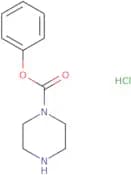
CAS:<p>Versatile small molecule scaffold</p>Formula:C12H6ClFN2SPurezza:Min. 95%Peso molecolare:264.7 g/molPhenyl piperazine-1-carboxylate hydrochloride
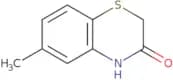
CAS:<p>Versatile small molecule scaffold</p>Formula:C11H15ClN2O2Purezza:Min. 95%Peso molecolare:242.7 g/mol6-Methyl-2H-1,4-benzothiazin-3(4H)-one
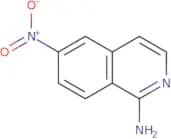
CAS:<p>Versatile small molecule scaffold</p>Formula:C9H9NOSPurezza:Min. 95%Peso molecolare:179.24 g/mol6-Nitroisoquinolin-1-amine
CAS:<p>6-Nitroisoquinolin-1-amine is an inhibitor of protein kinases, which are enzymes that regulate the activity of other proteins. 6-Nitroisoquinolin-1-amine selectively inhibits the activity of protein kinases in cells, preferentially inhibiting certain types of protein kinases from others. This inhibition leads to a decrease in cellular proliferation and disease progression. 6-Nitroisoquinolin-1-amine has been shown to be effective against a number of diseases, such as cancer, diabetes, and Alzheimer's Disease. This drug has been used in medicinal chemistry to optimize therapeutics for these diseases.</p>Formula:C9H7N3O2Purezza:Min. 95%Peso molecolare:189.17 g/molEthyl 1-(1-methyl-1H-pyrazolo[3,4-d]pyrimidin-4-yl)piperidine-4-carboxylate
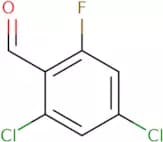
CAS:<p>Versatile small molecule scaffold</p>Formula:C14H19N5O2Purezza:Min. 95%Peso molecolare:289.33 g/mol2,4-Dichloro-6-fluorobenzaldehyde
CAS:<p>Versatile small molecule scaffold</p>Formula:C7H3Cl2FOPurezza:Min. 95%Peso molecolare:193 g/mol4-(4-Bromo-1H-pyrazol-1-yl)aniline
CAS:<p>Versatile small molecule scaffold</p>Formula:C9H8BrN3Purezza:Min. 95%Peso molecolare:238.08 g/mol3,4-Dimethylcyclohexane-1-carboxylic acid
CAS:<p>Versatile small molecule scaffold</p>Formula:C9H16O2Purezza:Min. 95%Peso molecolare:156.22 g/mol2-(4,4-Dimethylcyclohexyl)acetic acid
CAS:<p>Versatile small molecule scaffold</p>Formula:C10H18O2Purezza:Min. 95%Peso molecolare:170.25 g/mol


![N-(3-Methylbutyl)-1H-pyrazolo[3,4-d]pyrimidin-4-amine](/_next/image/?url=https%3A%2Fstatic.cymitquimica.com%2Fproducts%2F3D%2Fthumb-webp%2FGCA96492.webp&w=3840&q=75)

![4-Methyl-6-phenyl-1H,6H-[1,2]diazolo[3,4-c]pyrazol-3-amine](/_next/image/?url=https%3A%2Fstatic.cymitquimica.com%2Fproducts%2F3D%2Fthumb-webp%2FGCA98455.webp&w=3840&q=75)
![[(2-Bromoethoxy)methyl]cyclopropane](/_next/image/?url=https%3A%2Fstatic.cymitquimica.com%2Fproducts%2F3D%2Fthumb-webp%2FGCA98804.webp&w=3840&q=75)
![1,1'-Oxybis[2,2-diethoxyethane]](/_next/image/?url=https%3A%2Fstatic.cymitquimica.com%2Fproducts%2F3D%2Fthumb-webp%2FGCA99916.webp&w=3840&q=75)
![2-{[(tert-butoxy)carbonyl]amino}-3-(3,3-difluorocyclobutyl)propanoic acid](/_next/image/?url=https%3A%2Fstatic.cymitquimica.com%2Fproducts%2F3D%2Fthumb-webp%2FGCB12843.webp&w=3840&q=75)

![4-Chloro-6-(4-fluorophenyl)thieno[3,2-d]pyrimidine](/_next/image/?url=https%3A%2Fstatic.cymitquimica.com%2Fproducts%2F3D%2Fthumb-webp%2FGCB26056.webp&w=3840&q=75)
![Ethyl 1-(1-methyl-1H-pyrazolo[3,4-d]pyrimidin-4-yl)piperidine-4-carboxylate](/_next/image/?url=https%3A%2Fstatic.cymitquimica.com%2Fproducts%2F3D%2Fthumb-webp%2FGCB42842.webp&w=3840&q=75)