Building Blocks
Questa sezione contiene prodotti fondamentali per la sintesi di composti organici e biologici. Building blocks sono i materiali di partenza essenziali utilizzati per costruire molecole complesse attraverso varie reazioni chimiche. Svolgono un ruolo critico nella scoperta di farmaci, nella scienza dei materiali e nella ricerca chimica. Presso CymitQuimica, offriamo una gamma diversificata di building blocks di alta qualità per supportare le tue ricerche innovative e progetti industriali, assicurandoti di avere i componenti essenziali per una sintesi di successo.
Sottocategorie di "Building Blocks"
- Acidi boronici e derivati dell'acido boronico(5.756 prodotti)
- Building Blocks Chirali(1.242 prodotti)
- Building Blocks Idrocarburici(6.095 prodotti)
- Building Blocks organici(61.037 prodotti)
Trovati 196200 prodotti di "Building Blocks"
Ordinare per
Purezza (%)
0
100
|
0
|
50
|
90
|
95
|
100
Methyl bicyclo[2.2.1]heptane-2-carboxylate
CAS:<p>Versatile small molecule scaffold</p>Formula:C9H14O2Purezza:Min. 95%Peso molecolare:154.21 g/mol2,3-Diamino-6-methylpyrimidin-4(3H)-one
CAS:<p>2,3-Diamino-6-methylpyrimidin-4(3H)-one (2,3-DMP) is an acetoacetate derivative that stabilizes the pyrazole ring and prevents it from undergoing a condensation reaction. It has been shown to chelate metal ions and produce ethyl acetoacetate as a result of the condensation reaction. 2,3-DMP also has aminoguanidine-like activity in the treatment of diabetic neuropathy and may be used for the treatment of other neurological disorders.</p>Formula:C5H8N4OPurezza:Min. 95%Peso molecolare:140.15 g/mol4-((Dimethylamino)methyl)benzonitrile
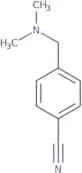
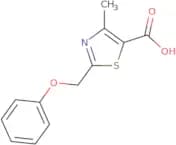
CAS:<p>4-((Dimethylamino)methyl)benzonitrile is a chemical pesticide that belongs to the group of insecticides. It has been shown to be effective against a wide range of insects, including mosquitoes and cockroaches. 4-((Dimethylamino)methyl)benzonitrile is found in many household products, such as flea repellents, ant baits, and mosquito coils. This compound has been shown to have no adverse effects on humans or mammals when used at low concentrations. However, it may cause skin irritation and respiratory problems at higher concentrations. 4-((Dimethylamino)methyl)benzonitrile has also been shown to have some biological activity against soil bacteria.</p>Formula:C10H12N2Purezza:Min. 95%Peso molecolare:160.22 g/mol4-Methyl-2-(phenoxymethyl)-1,3-thiazole-5-carboxylic acid
CAS:<p>Versatile small molecule scaffold</p>Formula:C12H11NO3SPurezza:Min. 95%Peso molecolare:249.29 g/molDimethoxy-1,2-thiazole-4-carbonitrile
CAS:<p>Versatile small molecule scaffold</p>Formula:C6H6N2O2SPurezza:Min. 95%Peso molecolare:170.19 g/molN,3-Dimethyl-1,2,4-Thiadiazol-5-Amine
CAS:<p>Versatile small molecule scaffold</p>Formula:C4H7N3SPurezza:Min. 95%Peso molecolare:129.18 g/mol6,7,8,9-Tetrahydro-5H-benzo[7]annulen-5-ol
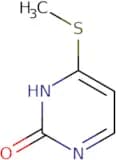
CAS:<p>Tetrabenazine is a dopamine receptor antagonist that is used to treat Parkinson's disease. It has been shown to have a high affinity for the D2 dopamine receptor, which is associated with the symptoms of Parkinson's disease. Tetrabenazine inhibits the binding of dopamine to the D2 receptor by occupying its site and blocking it, thereby reducing the effect of dopamine on neurons.</p>Formula:C11H14OPurezza:Min. 95%Peso molecolare:162.23 g/mol4-(Methylsulfanyl)-1,2-dihydropyrimidin-2-one
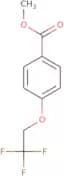
CAS:<p>4-(Methylsulfanyl)-1,2-dihydropyrimidin-2-one is a thione that has been studied in electrochemistry, photochemistry, and magnetic properties. The UV absorption spectrum of 4-(methylsulfanyl)-1,2-dihydropyrimidin-2-one displays the cyclic nature of this molecule. The structural features of the molecule have been elucidated by x-ray crystallography and functional theory. The tautomeric form has been characterized using magnetic studies and cyclic voltammetry. These studies reveal that the tautomeric form is more stable than the other forms at low pH values and increases in stability with increased electron density on sulfur atoms. Disulphide derivatives were obtained by reacting 4-(methylsulfanyl)-1,2-dihydropyrimidin-2-one with sodium dithionite.</p>Formula:C5H6N2OSPurezza:Min. 95%Peso molecolare:142.18 g/molMethyl 4-(2,2,2-trifluoroethoxy)benzoate
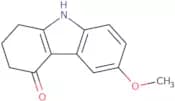
CAS:<p>Versatile small molecule scaffold</p>Formula:C10H9F3O3Purezza:Min. 95%Peso molecolare:234.17 g/mol6-Methoxy-1,2,3,9-tetrahydro-carbazol-4-one
CAS:<p>6-Methoxy-1,2,3,9-tetrahydro-carbazol-4-one is a cyclization product of 6-methoxytetralin. It has been shown that alkaline conditions will result in the tautomerization and cyclization of 6-methoxytetralin to form 6-methoxy-1,2,3,9-tetrahydrocarbazol-4-one. The alkaline solution can be prepared by adding sodium hydroxide to a solution containing methanol and water. Oximes are formed when an amine reacts with an aldehyde or ketone. In this case, the oxime is formed from the reaction of the indole ring with the carbonyl group on the 6 methoxy substituted tetralin. This reaction is catalyzed by acid or base and results in a condensation product called 4H-[1]benzop</p>Formula:C13H13NO2Purezza:Min. 95%Peso molecolare:215.25 g/mol2-Thioxo-1,2,3,5,6,7-hexahydro-4H-cyclopenta[D]pyrimidin-4-one
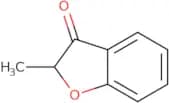
CAS:<p>Versatile small molecule scaffold</p>Formula:C7H8N2OSPurezza:Min. 95%Peso molecolare:168.22 g/mol2-Methyl-2,3-dihydro-1-benzofuran-3-one
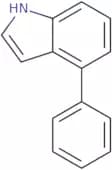
CAS:<p>Versatile small molecule scaffold</p>Formula:C9H8O2Purezza:Min. 95%Peso molecolare:148.16 g/mol4-Phenyl-1H-indole
CAS:<p>4-Phenyl-1H-indole is a heterocyclic organic compound that is structurally related to pyrazoles, indazoles, and other cyclic compounds. It has the chemical formula CHN and it can be found in yields of 0.2% by weight. Substituents on the 4-phenyl ring include carboxyl and cyclic structures. Reactions that can be carried out on this compound include a Diels-Alder reaction with maleic anhydride to form a heteroleptic compound. The functional group present in this molecule is the carboxylate ester.</p>Formula:C14H11NPurezza:Min. 95%Peso molecolare:193.24 g/mol3-Chloropropane-1-sulfonamide
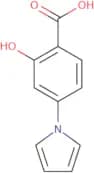
CAS:<p>3-Chloropropane-1-sulfonamide is a nonabsorbable heterocyclic sulfonamide that inhibits the permeability of pyrimidines and alkenes. It is synthesized by reacting an isocyanate with a template molecule. The synthesis of 3-chloropropane-1-sulfonamide involves the reaction of an isocyanate with a pyridine or a template molecule such as 3,5-dimethoxybenzene or 2,6-diisopropylphenol. This compound can be used as an inhibitor for the synthesis of bicyclic heterocycles, such as indole and quinoline.</p>Formula:C3H8ClNO2SPurezza:Min. 95%Peso molecolare:157.62 g/mol2-Hydroxy-4-pyrrol-1-yl-benzoic acid
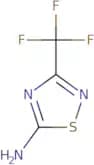
CAS:<p>2-hydroxy-4-pyrrol-1-yl-benzoic acid (HPABA) is a postulated structure-based drug that has been shown to inhibit the bacterial enzyme, 2,4-diaminopyrimidine deaminase (DAP). HPABA is an amide and analog of the natural substrate of DAP. It inhibits DAP by competitive inhibition at the active site. The dose of HPABA required for inhibition is dependent on the concentration of DAP in the cell. The low molecular weight and lipophilic properties of HPABA allow it to cross cellular membranes easily. This compound also has pharmacokinetic properties that make it an ideal candidate for use as a chemotherapeutic agent. HPABA is metabolized into reactive intermediates by cytochrome P450 enzymes and glutathione S transferases, which have been shown to cause DNA damage and cytotoxicity in cancer cells. These metabolites are further metabol</p>Formula:C11H9NO3Purezza:Min. 95%Peso molecolare:203.2 g/mol3-(Trifluoromethyl)-1,2,4-thiadiazol-5-amine
CAS:<p>Versatile small molecule scaffold</p>Formula:C3H2F3N3SPurezza:Min. 95%Peso molecolare:169.13 g/mol3-(1,3-Oxazol-2-yl)aniline
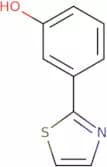
CAS:<p>Versatile small molecule scaffold</p>Formula:C9H8N2OPurezza:Min. 95%Peso molecolare:160.17 g/mol3-(1,3-Thiazol-2-yl)phenol
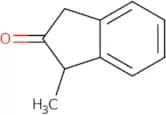
CAS:<p>Versatile small molecule scaffold</p>Formula:C9H7NOSPurezza:Min. 95%Peso molecolare:177.22 g/mol1-Methyl-2,3-dihydro-1H-inden-2-one
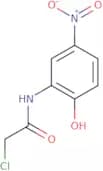
CAS:<p>1-Methyl-2,3-dihydro-1H-inden-2-one is a piperidine that belongs to the class of nitro compounds. It has been shown to be statistically significant in animal trials for the treatment of melanogaster and cicer arietinum. 1-Methyl-2,3-dihydro-1H-inden-2-one has also been evaluated as an antihyperglycemic drug in women and infants. The molecule contains two nitro groups, which increase its solubility in water and allow it to be administered orally. This drug is metabolized into an oxindole, which inhibits the enzyme dihydropyrimidine dehydrogenase, thereby preventing DNA synthesis.</p>Formula:C10H10OPurezza:Min. 95%Peso molecolare:146.19 g/mol2-Chloro-N-(2-hydroxy-5-nitrophenyl)acetamide
CAS:<p>Versatile small molecule scaffold</p>Formula:C8H7ClN2O4Purezza:Min. 95%Peso molecolare:230.61 g/mol[2-(3,4-Dimethoxyphenyl)ethyl](2-phenylethyl)amine hydrochloride
CAS:<p>Versatile small molecule scaffold</p>Formula:C18H24ClNO2Purezza:Min. 95%Peso molecolare:321.8 g/mol(3S,6R)-3-[(2S)-Butan-2-yl]-6-methylpiperazine-2,5-dione
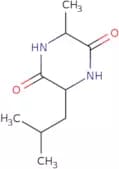
CAS:<p>Versatile small molecule scaffold</p>Formula:C9H16N2O2Purezza:Min. 95%Peso molecolare:184.2 g/mol(3R,6S)-3-Methyl-6-(2-methylpropyl)piperazine-2,5-dione
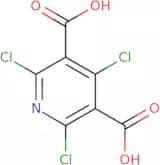
CAS:<p>Versatile small molecule scaffold</p>Formula:C9H16N2O2Purezza:Min. 95%Peso molecolare:184.24 g/molTrichloropyridine-3,5-dicarboxylic acid
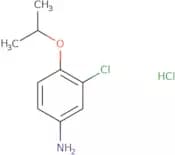
CAS:<p>Versatile small molecule scaffold</p>Formula:C7H2Cl3NO4Purezza:Min. 95%Peso molecolare:270.4 g/molAniline, 3-chloro-4-isopropoxy- (hydrochloride)
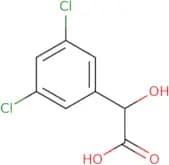
CAS:<p>Versatile small molecule scaffold</p>Formula:C9H13Cl2NOPurezza:Min. 95%Peso molecolare:222.11 g/mol2-(3,5-Dichlorophenyl)-2-hydroxyacetic acid
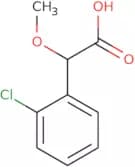
CAS:<p>Versatile small molecule scaffold</p>Formula:C8H6Cl2O3Purezza:Min. 95%Peso molecolare:221.03 g/mol2-(2-Chlorophenyl)-2-methoxyacetic acid
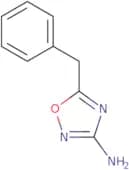
CAS:<p>Versatile small molecule scaffold</p>Formula:C9H9ClO3Purezza:Min. 95%Peso molecolare:200.62 g/mol5-Benzyl-1,2,4-oxadiazol-3-amine
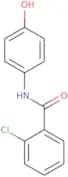
CAS:<p>Versatile small molecule scaffold</p>Formula:C9H9N3OPurezza:Min. 95%Peso molecolare:175.19 g/mol2-Chloro-N-(4-hydroxyphenyl)benzamide
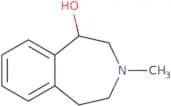
CAS:<p>Versatile small molecule scaffold</p>Formula:C13H10ClNO2Purezza:Min. 95%Peso molecolare:247.67 g/mol3-Methyl-2,3,4,5-tetrahydro-1H-3-benzazepin-1-ol
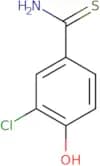
CAS:<p>Versatile small molecule scaffold</p>Formula:C11H15NOPurezza:Min. 95%Peso molecolare:177.2 g/mol3-Chloro-4-hydroxybenzene-1-carbothioamide
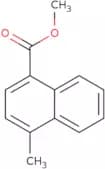
CAS:<p>Versatile small molecule scaffold</p>Formula:C7H6ClNOSPurezza:Min. 95%Peso molecolare:187.65 g/molMethyl 4-methyl-1-naphthoate
CAS:<p>Versatile small molecule scaffold</p>Formula:C13H12O2Purezza:Min. 95%Peso molecolare:200.23 g/mol2-Phenoxynicotinic acid
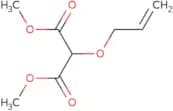
CAS:<p>2-Phenoxynicotinic acid is a drug that inhibits the activity of nitric oxide synthase, an enzyme involved in the production of nitric oxide. Nitric oxide is a gas that is produced by macrophages and other cells in response to inflammation or injury. It has been shown that 2-Phenoxynicotinic acid inhibits the production of nitric oxide in vitro. This drug has been used clinically to treat cardiovascular disorders and diseases, including arrhythmias, hypertension, angina pectoris, and coronary artery disease. 2-Phenoxynicotinic acid has also been shown to be effective against leishmania parasites. It binds to glutathione s-transferase, an enzyme that is found on the surface of cells and plays an important role in cellular detoxification processes. The binding of 2-Phenoxynicotinic acid with glutathione s-transferase leads to inhibition of this enzyme's enzym</p>Formula:C12H9NO3Purezza:Min. 95%Peso molecolare:215.2 g/mol1,3-Dimethyl 2-(prop-2-en-1-yloxy)propanedioate
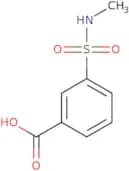
CAS:<p>Versatile small molecule scaffold</p>Formula:C8H12O5Purezza:Min. 95%Peso molecolare:188.2 g/mol3-(Methylsulfamoyl)benzoic acid
CAS:<p>3-(Methylsulfamoyl)benzoic acid (MSBA) is a nitro compound that inhibits cancer cell growth by binding to the DNA of cancer cells. It is also an inhibitor that binds to the enzyme cyclin-dependent kinase 2, which is involved in cell division. 3-(Methylsulfamoyl)benzoic acid has been shown to inhibit the growth of cancer cells in culture and inhibits tumor formation in mice, but it does not have any effect on normal cells. The mechanism of action may be due to its ability to inhibit the production of amines, which are necessary for the synthesis of DNA and RNA.</p>Formula:C8H9NO4SPurezza:Min. 95%Peso molecolare:215.23 g/mol2-Amino-1,3-oxazole-4-carboxamide
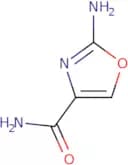
CAS:<p>Versatile small molecule scaffold</p>Formula:C4H5N3O2Purezza:Min. 95%Peso molecolare:127.1 g/mol1-(2-Methoxy-4-methylphenyl)ethan-1-one
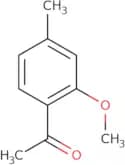
CAS:<p>Versatile small molecule scaffold</p>Formula:C10H12O2Purezza:Min. 95%Peso molecolare:164.2 g/mol3-(2-Methoxyethoxy)propanenitrile
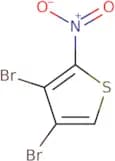
CAS:<p>3-(2-Methoxyethoxy)propanenitrile is a complex molecule that can be synthesized in an efficient method. It is used as a chemical catalyst to promote reactions involving pyrrole and other heterocycles, such as cross-coupling reactions with aryl chlorides. 3-(2-Methoxyethoxy)propanenitrile has been shown to form monolayers on the surface of electrodes, which may be useful for the fabrication of devices. The solvents used in this synthesis are also important for the design of new synthetic methods.</p>Formula:C6H11NO2Purezza:Min. 95%Peso molecolare:129.16 g/mol3,4-Dibromo-2-nitrothiophene
CAS:<p>Versatile small molecule scaffold</p>Formula:C4HBr2NO2SPurezza:Min. 95%Peso molecolare:286.93 g/mol2-(4-Bromothiophen-3-yl)ethan-1-ol
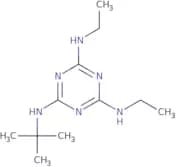
CAS:<p>Versatile small molecule scaffold</p>Formula:C6H7BrOSPurezza:Min. 95%Peso molecolare:207.09 g/molBis(ethylamino)-tert-butylamino-S-triazine-d9
CAS:<p>Versatile small molecule scaffold</p>Formula:C11H22N6Purezza:Min. 95%Peso molecolare:238.33 g/molQuinolin-4-amine hydrochloride
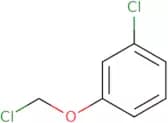
CAS:<p>Quinolin-4-amine hydrochloride is a DNA polymerase inhibitor. It inhibits the transcription of viral genes by binding to the DNA polymerase enzyme, thereby preventing transcription and replication of viral DNA. Quinolin-4-amine hydrochloride has shown to be effective against various viruses in tissue culture, including herpes simplex virus, vaccinia virus, and HIV. The compound has also been shown to inhibit the growth of influenza A virus in cell culture. Quinolin-4-amine hydrochloride is useful as a diagnostic agent for identifying unvaccinated individuals who are at risk for acquiring certain viruses or as an antiviral agent in tissue culture or cell culture during outbreaks of virulent viruses such as HIV or hepatitis C virus.</p>Formula:C9H9ClN2Purezza:Min. 95%Peso molecolare:180.63 g/mol1-Chloro-3-(chloromethoxy)benzene
CAS:<p>Versatile small molecule scaffold</p>Formula:C7H6Cl2OPurezza:Min. 95%Peso molecolare:177.02 g/molFmoc-DL-alanine
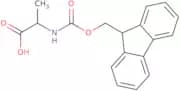
CAS:<p>Fmoc-DL-alanine is a moiety that is used in the synthesis of peptides and proteins. It has a pyrrole ring with an imidazole side chain. It is fluorescent, which can be useful for spectral analysis. Fmoc-DL-alanine has been shown to be a potent inhibitor of malignant cells, which may be due to its ability to inhibit the enzyme amino function. Fmoc-DL-alanine is stable under acidic conditions and does not react with nitro groups or carbohydrates. This compound is also soluble in water and can be synthesized with optimized acid residues.</p>Formula:C18H17NO4Purezza:Min. 95%Peso molecolare:311.33 g/mol2-Formyl-5-phenylphenol
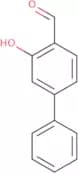
CAS:<p>2-Formyl-5-phenylphenol is an analytical reagent that can be used as a probe for detection of zinc ions in aqueous solutions. It is synthesized from salicylaldehyde and phenylmagnesium bromide with zinc chloride as a catalyst. 2-Formyl-5-phenylphenol reacts with the hydroxide ion to form an alcohol, which is then oxidized by hydrogen peroxide to form a phenoxy radical. This radical reacts with another molecule of hydrogen peroxide to form a fluorescent compound, homolytically cleaving the molecule. The reactivity of the heterocyclic ring depends on its position on the ring, with meta positions being more reactive than ortho or para positions.<br>2-Formyl-5-phenylphenol has been shown to have good reactivity with other nucleophiles such as amines, thiols, alcohols, and carboxylic acids.</p>Formula:C13H10O2Purezza:Min. 95%Peso molecolare:198.22 g/mol6-Phenyl-1-benzofuran
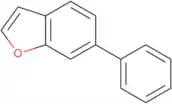
CAS:<p>Versatile small molecule scaffold</p>Formula:C14H10OPurezza:Min. 95%Peso molecolare:194.23 g/mol1-Methylcyclooctane-1-carbonitrile
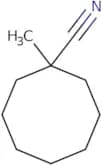
CAS:<p>Versatile small molecule scaffold</p>Formula:C10H17NPurezza:Min. 95%Peso molecolare:151.2 g/mol1-Methylcycloheptane-1-carboxylic acid
CAS:<p>1-Methylcycloheptane-1-carboxylic acid is a benzyl benzoate compound that has antipsychotic properties. It is used as an antipsychotic agent and also has a tolerability profile with minimal side effects. The drug binds to the dopamine D2 receptor, resulting in increased uptake of dopamine in the synapse by blocking its reuptake. The compound is soluble in water and lipid solvents, which allows for it to be absorbed easily through the skin or mucous membranes. 1-Methylcycloheptane-1-carboxylic acid is not active against bacteria and fungi.</p>Formula:C9H16O2Purezza:Min. 95%Peso molecolare:156.22 g/mol1-Methylcyclooctane-1-carboxylic acid
CAS:<p>Versatile small molecule scaffold</p>Formula:C10H18O2Purezza:Min. 95%Peso molecolare:170.2 g/molN-Benzylcyclohexanecarboxamide
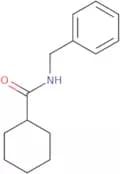
CAS:<p>Versatile small molecule scaffold</p>Formula:C14H19NOPurezza:Min. 95%Peso molecolare:217.31 g/mol
![Methyl bicyclo[2.2.1]heptane-2-carboxylate](/_next/image/?url=https%3A%2Fstatic.cymitquimica.com%2Fproducts%2F3D%2Fthumb-webp%2FKBA52081.webp&w=3840&q=75)




![6,7,8,9-Tetrahydro-5H-benzo[7]annulen-5-ol](/_next/image/?url=https%3A%2Fstatic.cymitquimica.com%2Fproducts%2F3D%2Fthumb-webp%2FKBA55094.webp&w=3840&q=75)
![2-Thioxo-1,2,3,5,6,7-hexahydro-4H-cyclopenta[D]pyrimidin-4-one](/_next/image/?url=https%3A%2Fstatic.cymitquimica.com%2Fproducts%2F3D%2Fthumb-webp%2FKBA56327.webp&w=3840&q=75)


amine hydrochloride](/_next/image/?url=https%3A%2Fstatic.cymitquimica.com%2Fproducts%2F3D%2Fthumb-webp%2FKBA58998.webp&w=3840&q=75)
![(3S,6R)-3-[(2S)-Butan-2-yl]-6-methylpiperazine-2,5-dione](/_next/image/?url=https%3A%2Fstatic.cymitquimica.com%2Fproducts%2F3D%2Fthumb-webp%2FKBA59070.webp&w=3840&q=75)