Building Blocks
Sottocategorie di "Building Blocks"
- Acidi boronici e derivati dell'acido boronico(5.778 prodotti)
- Building Blocks Chirali(1.243 prodotti)
- Building Blocks Idrocarburici(6.098 prodotti)
- Building Blocks organici(61.042 prodotti)
Trovati 204339 prodotti di "Building Blocks"
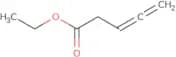
Ethyl penta-3,4-dienoate
CAS:Versatile small molecule scaffold
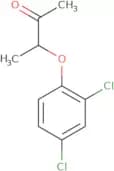
Formula:C7H10O2Purezza:Min. 95%Peso molecolare:126.15 g/mol3-(2,4-Dichlorophenoxy)butan-2-one
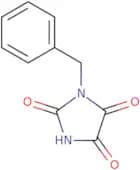
CAS:Versatile small molecule scaffoldFormula:C10H10Cl2O2Purezza:Min. 95%Peso molecolare:233.09 g/mol1-Benzylimidazolidine-2,4,5-trione
CAS:Versatile small molecule scaffold
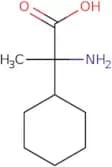
Formula:C10H8N2O3Purezza:Min. 95%Peso molecolare:204.18 g/mol(2S)-2-Amino-2-cyclohexylpropanoic acid
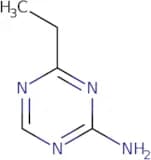
CAS:Versatile small molecule scaffoldFormula:C9H17NO2Purezza:Min. 95%Peso molecolare:171.24 g/mol4-Ethyl-1,3,5-triazin-2-amine
CAS:Versatile small molecule scaffold
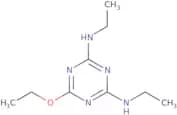
Formula:C5H8N4Purezza:Min. 95%Peso molecolare:124.14 g/mol6-Ethoxy-2-N,4-N-diethyl-1,3,5-triazine-2,4-diamine
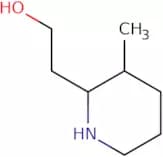
CAS:Versatile small molecule scaffoldFormula:C9H17N5OPurezza:Min. 95%Peso molecolare:211.26 g/mol2-(3-Methylpiperidin-2-yl)ethan-1-ol
CAS:Versatile small molecule scaffold
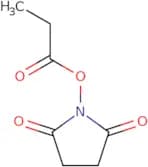
Formula:C8H17NOPurezza:Min. 95%Peso molecolare:143.23 g/molN-(Propionyloxy)succinimide
CAS:N-(Propionyloxy)succinimide (NPS) is an analog of the natural hormone cortisol. It binds to the glucocorticoid receptor and activates it by binding to the cytoplasmic region of the receptor, which leads to inhibition of the transcription factor c-jun. This inhibits tumor necrosis factor-related apoptosis-inducing ligand (TRAIL) production, leading to decreased epidermal growth factor (EGF) synthesis, and prevents monocyte chemotaxis. NPS also has a high affinity for kidney bean α-amylase and can be used as a probe in studies investigating this enzyme.
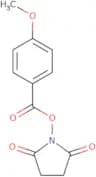
Formula:C7H9NO4Purezza:Min. 95%Peso molecolare:171.15 g/mol2,5-Dioxopyrrolidin-1-yl 4-methoxybenzoate
CAS:Versatile small molecule scaffold
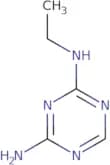
Formula:C12H11NO5Purezza:Min. 95%Peso molecolare:249.22 g/mol2-N-Ethyl-1,3,5-triazine-2,4-diamine
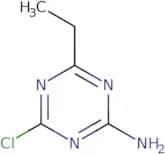
CAS:Versatile small molecule scaffoldFormula:C5H9N5Purezza:Min. 95%Peso molecolare:139.16 g/mol4-chloro-6-ethyl-1,3,5-triazin-2-amine
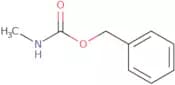
CAS:Versatile small molecule scaffoldFormula:C5H7N4ClPurezza:Min. 95%Peso molecolare:158.59 g/molBenzyl N-methylcarbamate
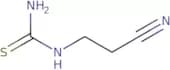
CAS:Benzyl N-methylcarbamate is an adrenergic receptor agonist that binds with high affinity to the 2-adrenergic receptors. It has been shown to have physiological effects on the gastrointestinal tract and has been used as a treatment for bowel disease. In addition, it also has anti-inflammatory properties that are mediated by its ability to inhibit the release of inflammatory mediators such as nitric oxide. Benzyl N-methylcarbamate is used in the treatment of inflammatory diseases, including rheumatoid arthritis and asthma. This drug is also effective against cancer cells and autoimmune diseases.Formula:C9H11NO2Purezza:Min. 95%Peso molecolare:165.19 g/mol(2-Cyanoethyl)thiourea
CAS:(2-Cyanoethyl)thiourea is a carbonyl compound that is insoluble in water. It has a molecular weight of 180.2 and it contains two carbon atoms. The compound is crosslinked and lactate-modified, but not modified by lysine or unmodified. This compound reacts with the enzyme dehydrogenase to produce hydrogen peroxide and 2-cyanoethanol. The reaction mechanism for this process is as follows: The substrate binds to the active site of the enzyme, forming an enzyme-substrate complex; the enzyme transfers electrons from NADH to the substrate; this results in a release of hydrogen peroxide, which then reacts with 2-cyanoethanol to form ethylene glycol and oxalic acid. The x-ray analysis showed that this molecule has a homologous structure with other enzymes.Formula:C4H7N3SPurezza:Min. 95%Peso molecolare:129.19 g/mol2-Methyl-imidazo[1,2-a]pyridine-3-carbaldehyde
CAS:Versatile small molecule scaffold
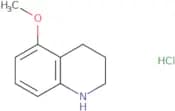
Formula:C9H8N2OPurezza:Min. 95%Peso molecolare:160.18 g/mol5-methoxy-1,2,3,4-tetrahydroquinoline
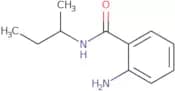
CAS:5-methoxy-1,2,3,4-tetrahydroquinoline is an anticancer agent that targets cancer cells by interfering with their metabolism. It has been shown to inhibit the growth of cancer cells in vitro and in vivo. This compound is a potential therapeutic for Alzheimer's disease and other neurological disorders due to its ability to cross the blood-brain barrier. 5-methoxy-1,2,3,4-tetrahydroquinoline is able to bind selectively with DNA or RNA molecules and modify them without affecting the surrounding healthy cells. The fluorescent properties of this molecule allow it to be detected easily in tissues. 5-methoxy-1,2,3,4-tetrahydroquinoline can be conjugated with different drugs or imaging agents for multifunctional treatment of cancer.Formula:C10H13NOPurezza:Min. 95%Peso molecolare:163.21 g/mol2-Amino-N-(but-2-yl)benzamide
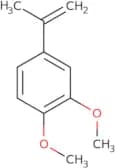
CAS:Versatile small molecule scaffoldFormula:C11H16N2OPurezza:Min. 95%Peso molecolare:192.26 g/mol1,2-Dimethoxy-4-(prop-1-en-2-yl)benzene
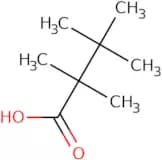
CAS:Versatile small molecule scaffoldFormula:C11H14O2Purezza:Min. 95%Peso molecolare:178.23 g/mol2,2,3,3-Tetramethylbutanoic acid
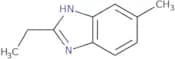
CAS:2,2,3,3-Tetramethylbutanoic acid is a superacid that reacts with carbon and oxygen to form carbon monoxide and hydrogen gas. The reaction of 2,2,3,3-tetramethylbutanoic acid with an alkane forms a carboxylic acid. When 2,2,3,3-tetramethylbutanoic acid is heated with an alkene in the presence of sodium metal or potassium tert-butoxide it undergoes an isomerization reaction to form a 1-alkene. This reaction can also be carried out using a catalyst such as nickel or palladium on charcoal.Formula:C8H16O2Purezza:Min. 95%Peso molecolare:144.21 g/mol2-Ethyl-5-methyl-1H-1,3-benzodiazole
CAS:2-Ethyl-5-methyl-1H-1,3-benzodiazole is a chemical compound with the molecular formula C10H12N2. It is a white solid that is soluble in organic solvents such as benzene. This substance has shown to be a potent, noncompetitive inhibitor of the enzyme nucleoprotein. 2-Ethyl-5-methyl-1H-1,3-benzodiazole has been shown to have carcinogenic properties and can cause liver tumors in rats. The mechanism of action for this substance may be due to its ability to inhibit the metabolism of vitamin A and other chemicals in the liver by competitive inhibition with enzymes such as cytochrome P450.
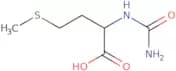
Formula:C10H12N2Purezza:Min. 95%Peso molecolare:160.22 g/mol2-(Carbamoylamino)-4-(methylsulfanyl)butanoic acid
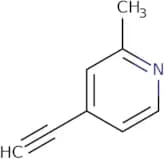
CAS:2-(Carbamoylamino)-4-(methylsulfanyl)butanoic acid is the substrate for the enzyme l-amino acid oxidase, which catalyses the oxidation of L-amino acids to α-keto acids and ammonia. This activity is dependent on sodium carbonate as a cofactor, pH, and metal ion (e.g., zinc). The optimum temperature for this reaction is 60°C. The kinetic constant for this reaction was determined by measuring the rate at different concentrations of 2-(carbamoylamino)-4-(methylsulfanyl)butanoic acid. 2-(Carbamoylamino)-4-(methylsulfanyl)butanoic acid has been shown to inhibit the production of malondialdehyde in rat liver mitochondria.Formula:C6H12N2O3SPurezza:Min. 95%Peso molecolare:192.24 g/mol4-Ethynyl-2-methylpyridine
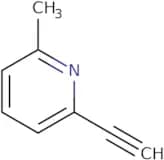
CAS:Versatile small molecule scaffoldFormula:C8H7NPurezza:Min. 95%Peso molecolare:117.15 g/mol2-Ethynyl-6-methylpyridine
CAS:2-Ethynyl-6-methylpyridine (EMPy) is a cytostatic agent that inhibits the synthesis of DNA, RNA and proteins. EMPy is used as an antiviral agent to inhibit the replication of hepatitis B virus, herpes simplex virus type 1 and 2 and varicella zoster virus. It also has chemoselective properties, which means that it reacts only with one type of molecule at a time. EMPy can be synthesized by cross-coupling reactions between deoxyribonucleosides and pyridine nucleophiles. The resulting EMPy can be converted into nucleophilic substitutions or eliminated by unselective cross-coupling reactions with nucleophilic reagents.
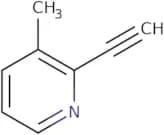
Formula:C8H7NPurezza:Min. 95%Peso molecolare:117.15 g/mol2-Ethynyl-3-methylpyridine
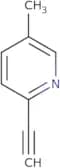
CAS:2-Ethynyl-3-methylpyridine is a compound that can be used in the synthesis of other compounds. It is a pyridyl analog with an ethynyl group at the 2 position and a methyl group at the 3 position. 2-Ethynyl-3-methylpyridine inhibits cox enzymes, which are responsible for the production of prostaglandins. This inhibition increases the production of anti-inflammatory prostacyclin, but decreases the production of proinflammatory prostaglandins such as thromboxane A2 and leukotriene B4. 2-Ethynyl-3-methylpyridine has been shown to inhibit both Cox 1 and Cox 2 isozymes, which may make it more potent than aspirin.Formula:C8H7NPurezza:Min. 95%Peso molecolare:117.15 g/mol2-Ethynyl-5-methylpyridine
CAS:2-Ethynyl-5-methylpyridine is an organometallic compound that can be synthesized by the reduction of 2-bromo-6-(diethoxymethyl)pyridine with sodium borohydride. This reaction generates a mixture of mono-, di-, and tri-substituted pyridines, which are separated by gas chromatography. The synthesis of this compound can be done in two steps: first, 2-bromo-6-(diethoxymethyl)pyridine is prepared by reacting diethoxyacetaldehyde with 2-bromopyridine; second, the desired product is synthesized from 2-ethynylpyridine. This process involves the addition of methylmagnesium bromide to the 2-(2'-hydroxyphenyl)propane diol and subsequent oxidation with sodium dichromate. Upon irradiation or photoexcitation, this compound undergoes oxidative dimer
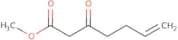
Formula:C8H7NPurezza:Min. 95%Peso molecolare:117.15 g/molMethyl 3-oxohept-6-enoate
CAS:Methyl 3-oxohept-6-enoate is a cyclopropane, which is a type of organic compound that contains one or more rings of carbon atoms. This compound can be synthesized by the chemoenzymatic process using hydrogen chloride and activated methylene chloride. The synthesis starts with an acidic condensation process, followed by the hydroalkylation of methyl 3-oxoheptanoate. The resulting product is then isolated through a chiral synthetic process and has an isolated yield of 51%.
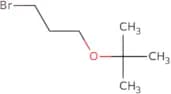
Formula:C8H12O3Purezza:Min. 95%Peso molecolare:156.18 g/mol1-Bromo-3-(tert-butoxy)propane
CAS:Versatile small molecule scaffold
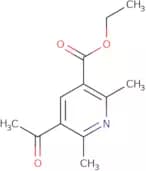
Formula:C7H15BrOPurezza:Min. 95%Peso molecolare:195.1 g/molEthyl 5-acetyl-2,6-dimethylpyridine-3-carboxylate
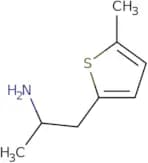
CAS:Versatile small molecule scaffoldFormula:C12H15NO3Purezza:Min. 95%Peso molecolare:221.25 g/mol1-(5-Methylthiophen-2-yl)propan-2-amine
CAS:Prodotto controllatoVersatile small molecule scaffoldFormula:C8H13NSPurezza:Min. 95%Peso molecolare:155.26 g/mol4-Methyl-6H,7H-thieno[3,2-c]pyridine
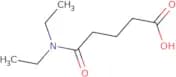
CAS:Versatile small molecule scaffoldFormula:C8H9NSPurezza:Min. 95%Peso molecolare:151.23 g/mol4-(Diethylcarbamoyl)butanoic acid
CAS:Versatile small molecule scaffoldFormula:C9H17NO3Purezza:Min. 95%Peso molecolare:187.24 g/mol1-[2-(Methylsulfanyl)phenyl]ethan-1-ol
CAS:Versatile small molecule scaffold
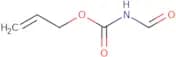
Formula:C9H12OSPurezza:Min. 95%Peso molecolare:168.26 g/molProp-2-en-1-yl N-carbonylcarbamate
CAS:Versatile small molecule scaffold
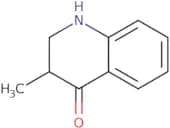
Formula:C5H7NO3Purezza:Min. 95%Peso molecolare:129.11 g/mol3-Methyl-1,2,3,4-tetrahydroquinolin-4-one
CAS:Versatile small molecule scaffoldFormula:C10H11NOPurezza:Min. 95%Peso molecolare:161.2 g/mol2-[(2-Hydroxyacetyl)oxy]acetic acid
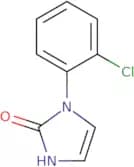
CAS:2-[(2-Hydroxyacetyl)oxy]acetic acid is a hydrolyzing agent that is used in the acylation reaction. 2-[(2-Hydroxyacetyl)oxy]acetic acid is a colorless, crystalline solid and has a melting point of 159-163°C. It is soluble in water, but not in organic solvents. This product can be used to produce an acylation product that contains an acetyl group, which can be obtained by dehydration of the glycolic acid ester. The resulting product will have a high yield and a polymeric structure. The major products are fatty acids with chloride substituents on the hydrocarbon chain. The main use of this product is as a hydrolysis agent for chloroacetic acid.Formula:C4H6O5Purezza:Min. 95%Peso molecolare:134.09 g/mol1-(2-Chlorophenyl)-2,3-dihydro-1H-imidazol-2-one
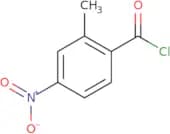
CAS:Versatile small molecule scaffoldFormula:C9H7ClN2OPurezza:Min. 95%Peso molecolare:194.62 g/mol2-Methyl-4-nitrobenzoyl chloride
CAS:Versatile small molecule scaffold
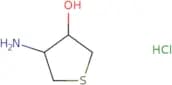
Formula:C8H6ClNO3Purezza:Min. 95%Peso molecolare:199.59 g/molrac-(3R,4S)-4-Aminothiolan-3-ol hydrochloride
CAS:Versatile small molecule scaffold
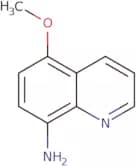
Formula:C4H10ClNOSPurezza:Min. 95%Peso molecolare:155.65 g/mol8-Amino-5-methoxyquinoline
CAS:8-Amino-5-methoxyquinoline is a quinoline derivative that can be prepared by a radical mechanism. It is synthesized from ammonium nitrate and c–h bond. 8-Amino-5-methoxyquinoline has been used in the synthesis of various other compounds and for the study of its functional groups. The compound also has been studied to determine if it can be an effective catalyst for reactions such as amination reactions, but it is not considered very efficient in this role.Formula:C10H10N2OPurezza:Min. 95%Peso molecolare:174.2 g/molBenzyl-(5,6-dihydro-4H-[1,3]thiazin-2-yl)-amine
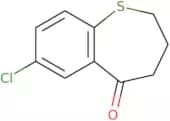
CAS:Versatile small molecule scaffoldFormula:C11H14N2SPurezza:Min. 95%Peso molecolare:206.31 g/mol7-Chloro-2,3,4,5-tetrahydro-1-benzothiepin-5-one
CAS:Versatile small molecule scaffoldFormula:C10H9ClOSPurezza:Min. 95%Peso molecolare:212.7 g/mol4,6-Dichloro-1H-benzo[D]imidazol-2-amine
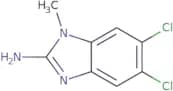
CAS:Versatile small molecule scaffoldFormula:C7H5Cl2N3Purezza:Min. 95%Peso molecolare:202.04 g/mol5,6-Dichloro-1-methyl-1H-1,3-benzodiazol-2-amine
CAS:Versatile small molecule scaffoldFormula:C8H7Cl2N3Purezza:Min. 95%Peso molecolare:216.06 g/molImidazo[1,2-a]pyridin-3-ylmethanol
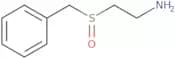
CAS:Imidazo[1,2-a]pyridin-3-ylmethanol (IM) is a heterocyclic compound that has been used as a fluorescent sensor for acidic environments. IM has been shown to emit fluorescence when it reacts with hydroxymethyl groups in the presence of solvents. This reaction is an example of fluorescence emission. The emission of the molecule is dependent on its environment, and can be sensitive to changes in pH or solvent composition. IM has also been used extensively in synthetic organic chemistry as a reactive intermediate, due to its high reactivity and low toxicity.Formula:C8H8N2OPurezza:Min. 95%Peso molecolare:148.17 g/mol2-Phenylmethanesulfinylethan-1-amine
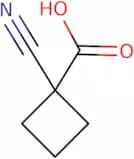
CAS:Versatile small molecule scaffoldFormula:C9H13NOSPurezza:Min. 95%Peso molecolare:183.27 g/mol1-Cyanocyclobutanecarboxylic acid
CAS:Versatile small molecule scaffoldFormula:C6H7NO2Purezza:Min. 95%Peso molecolare:125.13 g/molN-{Imidazo[1,2-a]pyridin-3-ylmethylidene}hydroxylamine
CAS:Versatile small molecule scaffoldFormula:C8H7N3OPurezza:Min. 95%Peso molecolare:161.16 g/mol1-{6-bromoimidazo[1,2-a]pyridin-3-yl}ethan-1-one
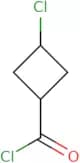
CAS:Versatile small molecule scaffoldFormula:C9H7BrN2OPurezza:Min. 95%Peso molecolare:239.07 g/mol3-Chlorocyclobutanecarbonyl chloride
CAS:3-Chlorocyclobutanecarbonyl chloride is a chemical compound that is used in organic synthesis as a diiodide source. 3-Chlorocyclobutanecarbonyl chloride can be prepared by reacting acetone with cyclobutenes in the presence of catalytic amounts of copper(II) or silver(I) oxide. The reaction affords the desired product in high yield and can be mediated by strong acids such as hydrochloric acid.
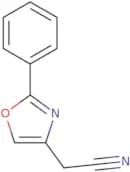
Formula:C5H6Cl2OPurezza:Min. 95%Peso molecolare:153 g/mol2-(2-Phenyl-1,3-oxazol-4-yl)acetonitrile
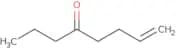
CAS:Versatile small molecule scaffoldFormula:C11H8N2OPurezza:Min. 95%Peso molecolare:184.19 g/molOct-7-en-4-one
CAS:Versatile small molecule scaffold
Formula:C8H14OPurezza:Min. 95%Peso molecolare:126.2 g/mol

![2-Methyl-imidazo[1,2-a]pyridine-3-carbaldehyde](/_next/image/?url=https%3A%2Fstatic.cymitquimica.com%2Fproducts%2F3D%2Fthumb-webp%2FFBA38493.webp&w=3840&q=75)
![4-Methyl-6H,7H-thieno[3,2-c]pyridine](/_next/image/?url=https%3A%2Fstatic.cymitquimica.com%2Fproducts%2F3D%2Fthumb-webp%2FFBA43399.webp&w=3840&q=75)
![1-[2-(Methylsulfanyl)phenyl]ethan-1-ol](/_next/image/?url=https%3A%2Fstatic.cymitquimica.com%2Fproducts%2F3D%2Fthumb-webp%2FFBA43931.webp&w=3840&q=75)
![2-[(2-Hydroxyacetyl)oxy]acetic acid](/_next/image/?url=https%3A%2Fstatic.cymitquimica.com%2Fproducts%2F3D%2Fthumb-webp%2FFBA45085.webp&w=3840&q=75)
![Benzyl-(5,6-dihydro-4H-[1,3]thiazin-2-yl)-amine](/_next/image/?url=https%3A%2Fstatic.cymitquimica.com%2Fproducts%2F3D%2Fthumb-webp%2FFBA48073.webp&w=3840&q=75)
![4,6-Dichloro-1H-benzo[D]imidazol-2-amine](/_next/image/?url=https%3A%2Fstatic.cymitquimica.com%2Fproducts%2F3D%2Fthumb-webp%2FFBA48676.webp&w=3840&q=75)
![Imidazo[1,2-a]pyridin-3-ylmethanol](/_next/image/?url=https%3A%2Fstatic.cymitquimica.com%2Fproducts%2F3D%2Fthumb-webp%2FFBA48943.webp&w=3840&q=75)
![N-{Imidazo[1,2-a]pyridin-3-ylmethylidene}hydroxylamine](/_next/image/?url=https%3A%2Fstatic.cymitquimica.com%2Fproducts%2F3D%2Fthumb-webp%2FFBA49308.webp&w=3840&q=75)
![1-{6-bromoimidazo[1,2-a]pyridin-3-yl}ethan-1-one](/_next/image/?url=https%3A%2Fstatic.cymitquimica.com%2Fproducts%2F3D%2Fthumb-webp%2FFBA49341.webp&w=3840&q=75)