Building Blocks
Questa sezione contiene prodotti fondamentali per la sintesi di composti organici e biologici. Building blocks sono i materiali di partenza essenziali utilizzati per costruire molecole complesse attraverso varie reazioni chimiche. Svolgono un ruolo critico nella scoperta di farmaci, nella scienza dei materiali e nella ricerca chimica. Presso CymitQuimica, offriamo una gamma diversificata di building blocks di alta qualità per supportare le tue ricerche innovative e progetti industriali, assicurandoti di avere i componenti essenziali per una sintesi di successo.
Sottocategorie di "Building Blocks"
- Acidi boronici e derivati dell'acido boronico(5.756 prodotti)
- Building Blocks Chirali(1.242 prodotti)
- Building Blocks Idrocarburici(6.095 prodotti)
- Building Blocks organici(61.038 prodotti)
Trovati 196817 prodotti di "Building Blocks"
Ordinare per
Purezza (%)
0
100
|
0
|
50
|
90
|
95
|
100
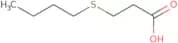
3-(Butylthio)propanoic acid
CAS:<p>Versatile small molecule scaffold</p>Formula:C7H14O2SPurezza:Min. 95%Peso molecolare:162.25 g/mol4-Amino-7,8-dihydropteridin-7-one
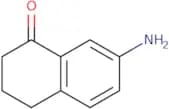
CAS:<p>Versatile small molecule scaffold</p>Formula:C6H5N5OPurezza:Min. 95%Peso molecolare:163.14 g/mol7-amino-α-tetralone
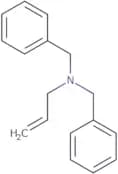
CAS:<p>Versatile small molecule scaffold</p>Formula:C10H11NOPurezza:Min. 95%Peso molecolare:161.2 g/molDibenzyl(prop-2-en-1-yl)amine
CAS:<p>Dibenzyl(prop-2-en-1-yl)amine is an imidazole compound that can be prepared from the reaction of benzyl chloride with ammonia. It is a heterocyclic compound that contains a benzyl group and is used as an intermediate for the synthesis of other molecules. Dibenzyl(prop-2-en-1-yl)amine has been shown to have antiplatelet effects in vitro and may be useful in the treatment of thrombosis.</p>Formula:C17H19NPurezza:Min. 95%Peso molecolare:237.34 g/mol2-(Benzyloxy)ethanimidamide hydrochloride
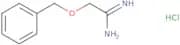
CAS:<p>Versatile small molecule scaffold</p>Formula:C9H13ClN2OPurezza:Min. 95%Peso molecolare:200.66 g/mol2-Bromo-1-(3-nitro-4-methylphenyl)ethanone
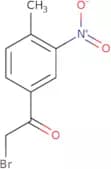
CAS:<p>Versatile small molecule scaffold</p>Formula:C9H8BrNO3Purezza:Min. 95%Peso molecolare:258.07 g/molMethyl (4-chlorobenzoyl)acetate
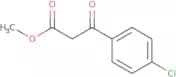
CAS:<p>Methyl (4-chlorobenzoyl)acetate is a nonlinear optical material with hyperpolarizability. It has a fingerprint spectrum that can be used as an identification tool and it has been shown to have diffraction properties. This compound crystallizes in the orthorhombic crystal structure and its optical properties are determined by its interconnected molecular lattice. Methyl (4-chlorobenzoyl)acetate is used in the preparation of other compounds, such as methoxymethane, which can be used to synthesize pharmaceuticals such as acetaminophen.</p>Formula:C10H9ClO3Purezza:Min. 95%Peso molecolare:212.63 g/mol(2-Ethoxyethyl)urea
CAS:<p>Versatile small molecule scaffold</p>Formula:C5H12N2O2Purezza:Min. 95%Peso molecolare:132.16 g/mol1-(3-Bromofuran-2-yl)ethan-1-one
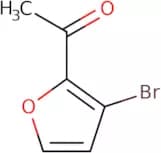
CAS:<p>1-(3-Bromofuran-2-yl)ethan-1-one is a monoterpenoid that belongs to the family of indole alkaloids. It has been isolated from natural sources and can be synthesized in the laboratory. Indole alkaloids are biologically active compounds with a variety of uses. 1-(3-Bromofuran-2-yl)ethan-1-one has shown biological activities, including antiinflammatory and antimicrobial properties.</p>Formula:C6H5BrO2Purezza:Min. 95%Peso molecolare:189.01 g/mol(R)-1-(thiophen-2-yl)ethanamine
CAS:<p>Versatile small molecule scaffold</p>Formula:C6H9NSPurezza:Min. 95%Peso molecolare:127.21 g/mol4-(2-Hydroxyethoxy)benzaldehyde
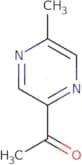
CAS:<p>4-(2-Hydroxyethoxy)benzaldehyde is a growth factor that inhibits the synthesis of isonicotinic acid and erythromycin. It can be used to treat inflammatory diseases, such as arthritis, by inhibiting prostaglandin production. 4-(2-Hydroxyethoxy)benzaldehyde can be synthesized by the reaction of hydroxybenzaldehyde with 2-bromoethanol in the presence of hydrochloric acid or methyl ethyl chloride. The compound forms a deep purple solution when mixed with hydrochloric acid and turns yellow when treated with an aqueous solution of hydroxide ions. Azobenzene can form adducts with 4-(2-hydroxyethoxy)benzaldehyde, which are useful for studying the photochemical properties of this molecule.</p>Formula:C9H10O3Purezza:Min. 95%Peso molecolare:166.18 g/mol1-(5-Methyl-pyrazin-2-yl)-ethanone
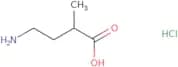
CAS:<p>1-(5-Methyl-pyrazin-2-yl)-ethanone is an acidic compound that has been detected in the headspace of foods such as meat and fish. It is formed by the reaction of hexanal with fatty acids. 1-(5-Methyl-pyrazin-2-yl)-ethanone has been detected in various foods and beverages, including meat, fish, bakery products, and fruit juices. The detection of this compound can be done using a mass spectrometer or a gas chromatograph. This chemical is analysed by solid phase microextraction (SPME) and ionization detector (GC/MS). In some cases it can also be determined by spectrometric analysis.</p>Formula:C7H8N2OPurezza:Min. 95%Peso molecolare:136.15 g/mol4-Amino-2-methylbutanoic acid hydrochloride
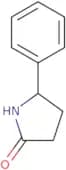
CAS:<p>Versatile small molecule scaffold</p>Formula:C5H12ClNO2Purezza:Min. 95%Peso molecolare:153.61 g/mol5-Phenylpyrrolidin-2-one
CAS:<p>5-Phenylpyrrolidin-2-one is a synthetic molecule that optimizes the catalysis of allylamines. This molecule has been shown to be a hydrolysis product of an amide and a carbonyl, and can be oxidized by sodium periodate to generate the allylamine. 5-Phenylpyrrolidin-2-one has also been found to catalyze the transfer of carbonyl groups from one molecule to another, which is useful for photocyclization reactions. This compound can also be used as an oxidant in allylamine reactions.</p>Formula:C10H11NOPurezza:Min. 95%Peso molecolare:161.2 g/mol1-[(2-Nitrophenyl)sulfanyl]propan-2-one
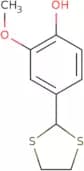
CAS:<p>Versatile small molecule scaffold</p>Formula:C9H9NO3SPurezza:Min. 95%Peso molecolare:211.24 g/mol2-(4-Hydroxy-3-methoxyphenyl)-1,3-dithiolane
CAS:<p>2-(4-Hydroxy-3-methoxyphenyl)-1,3-dithiolane is a metabolite of the drug product 2-[4-(hydroxymethyl)phenyl]-1,3-dithiolane. It is used as an analytical standard for drug development and in natural product research and development. The chemical properties of 2-(4-hydroxy-3-methoxyphenyl)-1,3-dithiolane are similar to those of its parent compound, but it has a smaller molecular weight. This compound has been found to be a substrate for CYP2C9 and CYP2C19 in vitro. Metabolism studies have shown that 2-(4-hydroxy-3-methoxyphenyl)-1,3-dithiolane is not converted to the parent compound or any other metabolites when incubated with human liver microsomes at 37°C.</p>Formula:C10H12O2S2Purezza:Min. 95%Peso molecolare:228.3 g/mol2-Amino-5-phenoxybenzoic acid
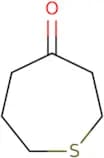
CAS:<p>Versatile small molecule scaffold</p>Formula:C13H11NO3Purezza:Min. 95%Peso molecolare:229.23 g/molThiepan-4-one
CAS:<p>Thiepan-4-one is an indole derivative that belongs to the group of unsymmetrical ketones. It is a heterocyclic compound that has been found to be an effective antibiotic against Gram-positive bacteria, such as Streptococcus pyogenes and Staphylococcus aureus. Thiepan-4-one has also shown activity against Mycobacterium tuberculosis and Mycobacterium avium complex.</p>Formula:C6H10OSPurezza:Min. 95%Peso molecolare:130.21 g/mol1-[4-(Methoxymethyl)phenyl]ethan-1-one
CAS:<p>Versatile small molecule scaffold</p>Formula:C10H12O2Purezza:Min. 95%Peso molecolare:164.2 g/mol(7-Aminoheptyl)dimethylamine
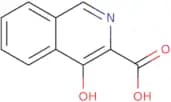
CAS:<p>Versatile small molecule scaffold</p>Formula:C9H22N2Purezza:Min. 95%Colore e forma:Clear LiquidPeso molecolare:158.28 g/mol4-Hydroxyisoquinoline-3-carboxylic acid
CAS:<p>Versatile small molecule scaffold</p>Formula:C10H7NO3Purezza:Min. 95%Peso molecolare:189.17 g/mol5-(1,2,3,4-Tetrahydroisoquinolin-2-ylmethyl)quinolin-8-ol
CAS:<p>Versatile small molecule scaffold</p>Formula:C19H18N2OPurezza:Min. 95%Peso molecolare:290.4 g/molEthyl 4-methylheptanoate
CAS:<p>Ethyl 4-methylheptanoate is a volatile compound that is used as a synthetic pheromone to control populations of Nicrophorus beetles. The compound is synthesized by the reaction of ethyl ester and heptanal, mediated by an organocuprate. It has been shown that this compound has a long-distance mediated effect on the population of Nicrophorus beetles. The phylogeny of this compound was determined using gas chromatography-mass spectrometry (GC-MS) analysis, which indicated that this compound is found in many species in the genus Ethyl 4-methylheptanoate. This substance also has fatty acid esters, which have been shown to have operational and behavioral effects on these beetles.</p>Formula:C10H20O2Purezza:Min. 95%Peso molecolare:172.26 g/mol(2,2-Dibromocyclopropyl)methanol
CAS:<p>Versatile small molecule scaffold</p>Formula:C4H6Br2OPurezza:Min. 95%Peso molecolare:229.9 g/mol2-[2-(4-Chlorophenyl)-1,3-oxazol-4-yl]acetic acid
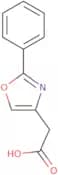
CAS:<p>Versatile small molecule scaffold</p>Formula:C11H8ClNO3Purezza:Min. 95%Peso molecolare:237.64 g/mol2-(2-Phenyl-1,3-oxazol-4-yl)acetic acid
CAS:<p>Versatile small molecule scaffold</p>Formula:C11H9NO3Purezza:Min. 95%Peso molecolare:203.19 g/mol2-[2-(4-Fluorophenyl)-1,3-oxazol-4-yl]acetonitrile
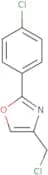
CAS:<p>Versatile small molecule scaffold</p>Formula:C11H7FN2OPurezza:Min. 95%Peso molecolare:202.18 g/mol4-(Chloromethyl)-2-(4-chlorophenyl)-1,3-oxazole
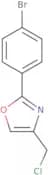
CAS:<p>Versatile small molecule scaffold</p>Formula:C10H7Cl2NOPurezza:Min. 95%Peso molecolare:228.07 g/mol2-(4-Bromophenyl)-4-(chloromethyl)-1,3-oxazole
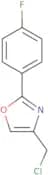
CAS:<p>Versatile small molecule scaffold</p>Formula:C10H7NOClBrPurezza:Min. 95%Peso molecolare:272.52 g/mol4-(chloromethyl)-2-(4-fluorophenyl)-1,3-oxazole
CAS:<p>Versatile small molecule scaffold</p>Formula:C10H7ClFNOPurezza:Min. 95%Peso molecolare:211.62 g/mol4-(Chloromethyl)-2-[4-(trifluoromethyl)phenyl]-1,3-oxazole
CAS:<p>Versatile small molecule scaffold</p>Formula:C11H7ClF3NOPurezza:Min. 95%Peso molecolare:261.63 g/mol2-[2-(4-Fluorophenyl)-1,3-oxazol-4-yl]acetic acid
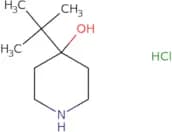
CAS:<p>Versatile small molecule scaffold</p>Formula:C11H8FNO3Purezza:Min. 95%Peso molecolare:221.18 g/mol4-(tert-Butyl)piperidin-4-ol hydrochloride
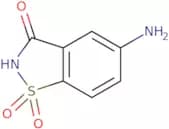
CAS:<p>Versatile small molecule scaffold</p>Formula:C9H20ClNOPurezza:Min. 95%Peso molecolare:193.71 g/mol5-Amino-2,3-dihydro-1,2-benzothiazole-1,1,3-trione
CAS:<p>5-Amino-2,3-dihydro-1,2-benzothiazole-1,1,3-trione is a nitro compound that has been shown to have toxin and sweet taste activity. 5-Amino-2,3-dihydro-1,2-benzothiazole-1,1,3-trione is used in the analysis of sweeteners in food products. It is also used as an intermediate in the synthesis of other compounds. 5AMT has been shown to be mutagenic and cytotoxic in some assays.</p>Formula:C7H6N2O3SPurezza:Min. 95%Peso molecolare:198.2 g/mol6-Amino-1,1-dioxo-1,2-benzothiazol-3-one
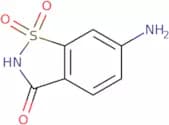
CAS:<p>6-Amino-1,1-dioxo-1,2-benzothiazol-3-one (6ABT) is a diazo compound that has been used in the synthesis of bioconjugates. 6ABT is an intermediate for the preparation of monoclonal antibodies and as an inhibitor of carbonic anhydrase II. 6ABT has been shown to have anti-cancer properties by inhibiting proliferation and inducing apoptosis in human cancer cells. It also inhibits cell growth in human colon cancer cells and human breast cancer cells. 6ABT has been found to inhibit the diphenolase activity of beta-hexosaminidase and alpha-glucosidase, which are enzymes that break down proteins and carbohydrates respectively. This inhibition may lead to metabolic disorders such as diabetes mellitus type 2.</p>Formula:C7H6N2O3SPurezza:Min. 95%Colore e forma:PowderPeso molecolare:198.19 g/mol5-Methyl-1,2,3-Thiadiazole-4-Carboxylic Acid
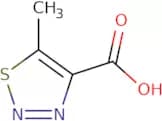
CAS:<p>5-Methyl-1,2,3-thiadiazole-4-carboxylic acid is a carboxylic acid that is used as an adjuvant for agricultural purposes. It is used to increase the effectiveness of insecticides and acaricides. This material can be prepared by synthetic methods. 5-Methyl-1,2,3-thiadiazole-4-carboxylic acid is activated by carboxylic acids to form a reactive methyl ester. This activation increases the solubility and stability of this compound. 5MTT provides insecticidal activity with an attack on the insect's nervous system and prevents virus infection in plants by blocking viral replication.</p>Formula:C4H4N2O2SPurezza:Min. 95%Peso molecolare:144.15 g/mol1,2,3-Benzothiadiazole-6-carboxylic acid
CAS:<p>Versatile small molecule scaffold</p>Formula:C7H4N2O2SPurezza:Min. 95%Colore e forma:PowderPeso molecolare:180.19 g/mol2-(5-Bromothiophen-2-yl)-2-oxoacetic acid
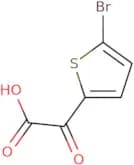
CAS:<p>Versatile small molecule scaffold</p>Formula:C6H3BrO3SPurezza:Min. 95%Peso molecolare:235.06 g/mol2-Hydroxy-2-(thiophen-3-yl)acetic acid
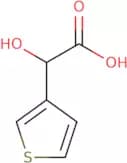
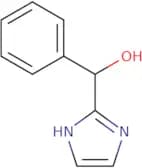
CAS:<p>Versatile small molecule scaffold</p>Formula:C6H6O3SPurezza:Min. 95%Peso molecolare:158.18 g/mol1H-Imidazol-2-yl(phenyl)methanol
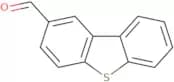
CAS:<p>Versatile small molecule scaffold</p>Formula:C10H10N2OPurezza:Min. 95%Peso molecolare:174.2 g/molDibenzothiophene-2-carboxaldehyde
CAS:<p>Dibenzothiophene-2-carboxaldehyde is a colorimetric, nucleophilic, and fluorescent compound. The fluorescence of this compound is activated by UV light and can be used to measure the concentration of other compounds with a high degree of sensitivity. This chemical is used in optical sensing devices such as fluorescent sensors or fluorophores. The fluorescence emission can be induced by an electron transfer reaction, which involves a nucleophilic attack on the carbonyl group. Dibenzothiophene-2-carboxaldehyde is also used in titrations and has low detection limits. It reacts with dmso solution to form a fluorescent sensor for monitoring reactions that require an intramolecular nucleophilic attack.</p>Formula:C13H8OSPurezza:Min. 95%Peso molecolare:212.27 g/mol2-{[(5-Methylfuran-2-yl)methyl]amino}ethan-1-ol
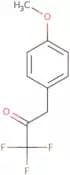
CAS:<p>Versatile small molecule scaffold</p>Formula:C8H13NO2Purezza:Min. 95%Peso molecolare:155.19 g/mol3-(4-Methoxyphenyl)-1,1,1-trifluoro-2-propanone
CAS:<p>Versatile small molecule scaffold</p>Formula:C10H9F3O2Purezza:Min. 95%Peso molecolare:218.17 g/molBenzyl[3-(dimethylamino)propyl]amine dihydrochloride
CAS:<p>Versatile small molecule scaffold</p>Formula:C12H22Cl2N2Purezza:Min. 95%Peso molecolare:265.22 g/mol2-(Propan-2-yl)but-3-ynoic acid
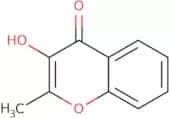
CAS:<p>Versatile small molecule scaffold</p>Formula:C7H10O2Purezza:Min. 95%Peso molecolare:126.2 g/mol3-Hydroxy-2-methyl-4H-chromen-4-one
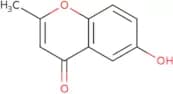
CAS:<p>3-Hydroxy-2-methyl-4H-chromen-4-one is a synthetic compound that has been shown to have potential use as an anticancer agent. It was originally developed for the treatment of cancer, but clinical studies have been limited due to its poor solubility and toxicity. 3-Hydroxy-2-methyl-4H-chromen-4-one has antiangiogenic effects, which means it prevents the formation of new blood vessels that are necessary for tumor growth. This effect may be due to its ability to inhibit the production of substances that stimulate angiogenesis, such as erythropoietin and vascular endothelial growth factor (VEGF). In addition, 3HMMCT inhibits iron homeostasis by binding to ferric iron in the enterocyte lysosome and preventing its absorption from food. This leads to increased excretion of iron in feces and urine.</p>Formula:C10H8O3Purezza:Min. 95%Peso molecolare:176.17 g/mol6-Hydroxy-2-methyl-4H-chromen-4-one
CAS:<p>Protocetraric acid is a natural product that is found in the bark of Usnea longissima. It can be synthesized by diazotization and oxidation of protocetraric acid with nitrous acid, followed by hydrolysis. Protocetraric acid has been shown to have cytotoxic effects on murine cells and multidimensional structures. The structure of protocetraric acid is similar to that of chromones and flavones, which are also found in Usnea longissima. Protocetraric acid has been shown to inhibit the enzyme catalase, suggesting it may have anti-inflammatory properties.</p>Formula:C10H8O3Purezza:Min. 95%Peso molecolare:176.17 g/molN-Methyl-N-phenylpyrrolidin-3-amine
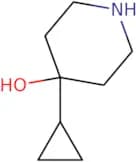
CAS:<p>Versatile small molecule scaffold</p>Formula:C11H16N2Purezza:Min. 95%Peso molecolare:176.26 g/mol4-cyclopropylpiperidin-4-ol
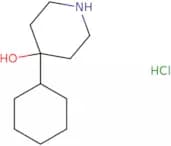
CAS:<p>Versatile small molecule scaffold</p>Formula:C8H15NOPurezza:Min. 95%Peso molecolare:141.21 g/mol4-Cyclohexylpiperidin-4-ol hydrochloride
CAS:<p>Versatile small molecule scaffold</p>Formula:C11H22ClNOPurezza:Min. 95%Peso molecolare:219.75 g/mol





![1-[(2-Nitrophenyl)sulfanyl]propan-2-one](/_next/image/?url=https%3A%2Fstatic.cymitquimica.com%2Fproducts%2F3D%2Fthumb-webp%2FXAA05728.webp&w=3840&q=75)

![1-[4-(Methoxymethyl)phenyl]ethan-1-one](/_next/image/?url=https%3A%2Fstatic.cymitquimica.com%2Fproducts%2F3D%2Fthumb-webp%2FXAA07250.webp&w=3840&q=75)



![2-[2-(4-Chlorophenyl)-1,3-oxazol-4-yl]acetic acid](/_next/image/?url=https%3A%2Fstatic.cymitquimica.com%2Fproducts%2F3D%2Fthumb-webp%2FXAA08688.webp&w=3840&q=75)
![2-[2-(4-Fluorophenyl)-1,3-oxazol-4-yl]acetonitrile](/_next/image/?url=https%3A%2Fstatic.cymitquimica.com%2Fproducts%2F3D%2Fthumb-webp%2FXAA08728.webp&w=3840&q=75)
![4-(Chloromethyl)-2-[4-(trifluoromethyl)phenyl]-1,3-oxazole](/_next/image/?url=https%3A%2Fstatic.cymitquimica.com%2Fproducts%2F3D%2Fthumb-webp%2FXAA09140.webp&w=3840&q=75)
![2-[2-(4-Fluorophenyl)-1,3-oxazol-4-yl]acetic acid](/_next/image/?url=https%3A%2Fstatic.cymitquimica.com%2Fproducts%2F3D%2Fthumb-webp%2FXAA09143.webp&w=3840&q=75)

![2-{[(5-Methylfuran-2-yl)methyl]amino}ethan-1-ol](/_next/image/?url=https%3A%2Fstatic.cymitquimica.com%2Fproducts%2F3D%2Fthumb-webp%2FXAA09962.webp&w=3840&q=75)
![Benzyl[3-(dimethylamino)propyl]amine dihydrochloride](/_next/image/?url=https%3A%2Fstatic.cymitquimica.com%2Fproducts%2F3D%2Fthumb-webp%2FXAA10229.webp&w=3840&q=75)