


Building Blocks
Sottocategorie di "Building Blocks"
- Acidi boronici e derivati dell'acido boronico(5.780 prodotti)
- Building Blocks Chirali(1.239 prodotti)
- Building Blocks Idrocarburici(6.100 prodotti)
- Building Blocks organici(61.005 prodotti)
Trovati 205234 prodotti di "Building Blocks"
Methyl 2-cyclopropylacetate
CAS:Methyl 2-cyclopropylacetate is a heterocyclic compound that has anticancer activity. It inhibits the production of inflammatory cytokines, such as IL-8, in mice with colitis. Methyl 2-cyclopropylacetate also has been shown to inhibit the binding of noradrenaline to its receptor in cell cultures and animals with bowel disease. This drug binds to 5-ht1a receptors and inhibits reuptake of serotonin. Methyl 2-cyclopropylacetate is metabolized by CYP2D6 and CYP3A4 enzymes, making it an inhibitor for these two enzymes. The methyl group can be substituted with ethyl formate or an alkynyl group, which are less reactive than nitro groups when exposed to nucleophiles.Formula:C6H10O2Purezza:Min. 95%Peso molecolare:114.14 g/molN-(Furan-2-ylmethyl)quinazolin-4-amine
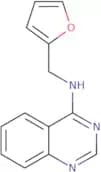
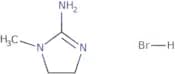
CAS:Versatile small molecule scaffoldFormula:C13H11N3OPurezza:Min. 95%Peso molecolare:225.25 g/mol1-Methyl-4,5-dihydro-1H-imidazol-2-amine hydrobromide
CAS:Versatile small molecule scaffoldFormula:C4H10BrN3Purezza:Min. 95%Peso molecolare:180.05 g/mol1-[2-(Piperazin-1-yl)ethyl]-1,2-dihydropyridin-2-one dihydrochloride
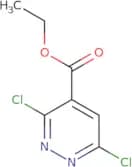
CAS:Versatile small molecule scaffoldFormula:C11H19Cl2N3OPurezza:Min. 95%Peso molecolare:280.19 g/molEthyl 3,6-dichloropyridazine-4-carboxylate
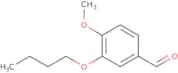
CAS:Versatile small molecule scaffoldFormula:C7H6Cl2N2O2Purezza:Min. 95%Peso molecolare:221.04 g/mol3-Butoxy-4-methoxybenzaldehyde
CAS:Versatile small molecule scaffoldFormula:C12H16O3Purezza:Min. 95%Peso molecolare:208.25 g/mol1-{Tricyclo[2.2.1.0,2,6]heptan-3-yl}ethan-1-one
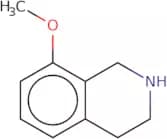
CAS:Versatile small molecule scaffoldFormula:C9H12OPurezza:Min. 95%Peso molecolare:136.2 g/mol8-Methoxy-1,2,3,4-tetrahydroisoquinoline
CAS:8-Methoxy-1,2,3,4-tetrahydroisoquinoline is a heterocyclic compound that can be synthesized from 1,2,3,4-tetrahydroisoquinoline by catalyzed cyclization with butyllithium. This reaction is known as an ortho-lithiation. The scifinder search of this compound shows that it has the following substituents: a chlorine atom and two methoxy groups on the phenyl group.Formula:C10H13NOPurezza:Min. 95%Peso molecolare:163.22 g/mol4-Bromobenzaldehyde oxime
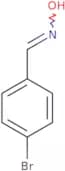
CAS:4-Bromobenzaldehyde oxime is an antibacterial agent that binds to the surface of gram-positive pathogens and inhibits their growth. It has been shown to inhibit the biosynthesis of bacterial cell walls, which may be due to its ability to form a covalent bond with serum albumin. This functional group is also responsible for the antiinflammatory activity 4-Bromobenzaldehyde oxime displays. The carbonyl group on this molecule reacts with abscisic acid (ABA) in a dehydration reaction, producing a chloride and an oxazolidinone.
Formula:C7H6BrNOPurezza:Min. 95%Peso molecolare:200.03 g/mol2-Chloro-N-[2-(2-methoxyphenyl)ethyl]acetamide
CAS:Versatile small molecule scaffoldFormula:C11H14ClNO2Purezza:Min. 95%Peso molecolare:227.69 g/mol2-Chloro-N-[2-(3-chlorophenyl)ethyl]acetamide
CAS:Versatile small molecule scaffoldFormula:C10H11Cl2NOPurezza:Min. 95%Peso molecolare:232.1 g/mol2-Chloro-N-[2-(2,3-dichlorophenyl)ethyl]acetamide
CAS:Versatile small molecule scaffoldFormula:C10H10Cl3NOPurezza:Min. 95%Peso molecolare:266.5 g/mol2-Chloro-N-[2-(4-methoxyphenyl)ethyl]propanamide
CAS:Versatile small molecule scaffoldFormula:C12H16ClNO2Purezza:Min. 95%Peso molecolare:241.71 g/mol(2-Imidazo[1,2-a]pyridin-3-ylethyl)amine dihydrochloride
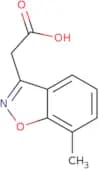
CAS:Versatile small molecule scaffoldFormula:C9H13Cl2N3Purezza:Min. 95%Peso molecolare:234.12 g/mol2-(7-Methyl-1,2-benzoxazol-3-yl)acetic acid
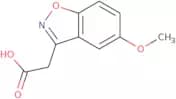
CAS:Versatile small molecule scaffoldFormula:C10H9NO3Purezza:Min. 95%Peso molecolare:191.18 g/mol2-(5-Methoxy-1,2-benzoxazol-3-yl)acetic acid
CAS:Versatile small molecule scaffoldFormula:C10H9NO4Purezza:Min. 95%Peso molecolare:207.18 g/mol2-(5-Hydroxybenzo[D]isoxazol-3-yl)acetic Acid
CAS:Versatile small molecule scaffold
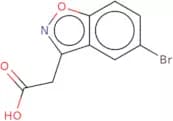
Formula:C9H7NO4Purezza:Min. 95%Peso molecolare:193.15 g/mol2-(5-bromo-1,2-benzoxazol-3-yl)acetic acid
CAS:Versatile small molecule scaffoldFormula:C9H6BrNO3Purezza:Min. 95%Peso molecolare:256.1 g/molSodium 4-bromobenzene-1-sulfinate
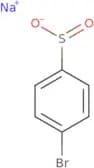
CAS:Versatile small molecule scaffold
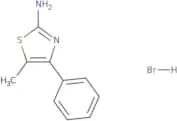
Formula:C6H4BrNaO2SPurezza:Min. 95%Peso molecolare:243.06 g/mol5-Methyl-4-phenyl-1,3-thiazol-2-amine hydrobromide
CAS:Versatile small molecule scaffoldFormula:C10H10N2S·HBrPurezza:Min. 95%Peso molecolare:271.18 g/molSpiro[4.4]nonan-2-one
CAS:Versatile small molecule scaffoldFormula:C9H14OPurezza:Min. 95%Peso molecolare:138.21 g/mol2-Ethoxy-4-[(hydroxyimino)methyl]phenol
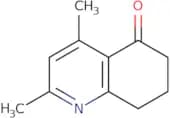
CAS:Oxysporum f. is a fungus that can cause both bacterial and fungal infections in humans, animals, and plants. The 2-Ethoxy-4-[(hydroxyimino)methyl]phenol (2-EtO-4-[(HIM))] is an oxime derivative that has been shown to be an effective antibacterial agent against Oxysporum f. It has also shown antifungal activity against cercospora in vitro. The compound was synthesized by reacting chloroacetyl chloride with 4-[(hydroxyimino)methyl]-2-methoxyphenol in the presence of triethylamine. The 2-EtO-4-[(HIM))] isomers are separated by column chromatography and their elemental analysis is performed by mass spectrometry. 2-Ethoxy-4-[(hydroxyimino)methyl]phenol exhibits antibacterial activity against oxysporum fFormula:C9H11NO3Purezza:Min. 95%Peso molecolare:181.19 g/mol2,4-Dimethyl-5,6,7,8-tetrahydroquinolin-5-one
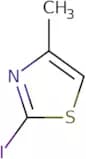
CAS:Versatile small molecule scaffoldFormula:C11H13NOPurezza:Min. 95%Peso molecolare:175.23 g/mol2-Iodo-4-methylthiazole
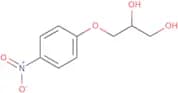
CAS:2-Iodo-4-methylthiazole is a chemical that is found in the human body. It is a subtype of glutamate, which is an amino acid that acts as a neurotransmitter. The ethynyl group on 2-Iodo-4-methylthiazole makes it a metabotropic antagonist. This chemical has been shown to have therapeutic potential for the treatment of nervous system disorders, such as epilepsy and Parkinson's disease. Although 2-Iodo-4-methylthiazole does not bind to the glutamate receptor, it blocks its activation by antagonists, such as ibotenic acid and kainic acid. This inhibition prevents excessive stimulation of the nervous system.Formula:C4H4INSPurezza:Min. 95%Peso molecolare:225.05 g/mol3-(4-Nitrophenoxy)propane-1,2-diol
CAS:3-(4-Nitrophenoxy)propane-1,2-diol (3NPPD) is a nitrophenol that inhibits the growth of bacteria. 3NPPD has been shown to be an effective antimicrobial agent against Pseudomonas aeruginosa and other pathogenic bacteria. This compound binds to the cellular target at physiological concentrations, thereby inhibiting their growth rate. 3NPPD inhibits the synthesis of proteins by binding to the ribosomes in the bacterial cell wall. It also inhibits protein synthesis in eukaryotic cells by binding to ribosomes in rat liver microsomes and may cause damage to DNA. 3NPPD has been shown to inhibit the virulence factor production of P. aeruginosa.
Formula:C9H11NO5Purezza:Min. 95%Peso molecolare:213.19 g/mol1-Methyl-2-piperidin-1-yl-ethylamine
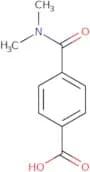
CAS:Versatile small molecule scaffoldFormula:C8H18N2Purezza:Min. 95%Peso molecolare:142.24 g/mol4-(Dimethylcarbamoyl)benzoic acid
CAS:Versatile small molecule scaffold
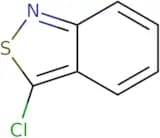
Formula:C10H11NO3Purezza:Min. 95%Peso molecolare:193.2 g/mol3-Chloro-2,1-benzothiazole
CAS:3-Chloro-2,1-benzothiazole is an anti-inflammatory drug that has been shown to inhibit the cyclization of arachidonic acid to prostaglandin G2. This drug is a thiobenzamide and is structurally related to other drugs with anti-inflammatory properties. 3-Chloro-2,1-benzothiazole has been shown to reduce inflammation by inhibiting the production of prostaglandins and leukotrienes. It also inhibits amine oxidase, which breaks down amines such as histamine and serotonin.Formula:C7H4ClNSPurezza:Min. 95%Peso molecolare:169.63 g/mol5-p-Tolyloxymethyl-3H-[1,3,4]oxadiazole-2-thione
CAS:Versatile small molecule scaffoldFormula:C10H10N2O2SPurezza:Min. 95%Peso molecolare:222.27 g/molN-(2,2-Dichloroethenyl)acetamide
CAS:Versatile small molecule scaffold
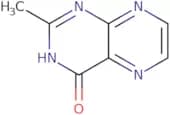
Formula:C4H5Cl2NOPurezza:Min. 95%Peso molecolare:153.99 g/mol2-Methylpteridin-4-ol
CAS:2-Methylpteridin-4-ol is a molecule that belongs to the group of bifunctional molecules. It is a component of the mitochondrial respiratory chain and has been shown to inhibit radiation-induced DNA damage in human cells. 2-Methylpteridin-4-ol has also been shown to have anti-cancer activity, but it does not cause any cytotoxic effects on normal cells. 2-Methylpteridin-4-ol is synthesized from glycinamide ribonucleotide (GAR) and pteridine in vivo and has been shown to inhibit glucose uptake in vitro. This compound binds to the active site of ATP synthase, inhibiting its function and leading to cell death.
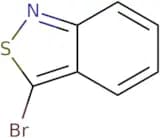
Formula:C7H6N4OPurezza:Min. 95%Peso molecolare:162.15 g/mol3-Bromo-2,1-benzothiazole
CAS:Versatile small molecule scaffoldFormula:C7H4BrNSPurezza:Min. 95%Peso molecolare:214.08 g/molPropane-2-sulfinyl chloride
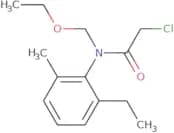
CAS:Versatile small molecule scaffoldFormula:C3H7ClOSPurezza:Min. 95%Peso molecolare:126.61 g/molAcetochlor
CAS:Acetochlor is a herbicide that belongs to the class of chloroacetanilides. It has been shown to inhibit the activity of enzymes such as polyphenol oxidase and peroxidase in plants. Acetochlor also inhibits microbial growth, but its mechanism of action is not known. The compound has been shown to be toxic to aquatic organisms and may have significant cytotoxicity in mammalian cell cultures. Acetochlor has been found to be an effective disinfectant for wastewater treatment and has been used in polymerase chain reactions (PCR). Acetochlor is also used as a herbicide for control of weeds and grasses.Formula:C14H20ClNO2Purezza:Min. 95%Peso molecolare:269.77 g/mol2,3-Dihydro-1,4λ⁶-benzoxathiine-4,4-dione
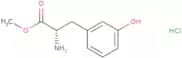
CAS:Versatile small molecule scaffoldFormula:C8H8O3SPurezza:Min. 95%Peso molecolare:184.2 g/mol(S)-methyl 2-amino-3-(3-hydroxyphenyl)propanoate hydrochloride
CAS:Versatile small molecule scaffoldFormula:C10H14ClNO3Purezza:Min. 95%Peso molecolare:231.68 g/molrac-(4aR,9aR)-4a-Methyl-2,3,4,4a,9,9a-hexahydro-1H-carbazole
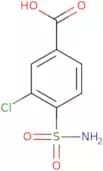
CAS:Versatile small molecule scaffoldFormula:C13H17NPurezza:Min. 95%Peso molecolare:187.3 g/mol3-Chloro-4-sulfamoylbenzoic acid
CAS:Versatile small molecule scaffoldFormula:C7H6ClNO4SPurezza:Min. 95%Peso molecolare:235.65 g/mol1-[4-(2-Propynyloxy)phenyl]-1-ethanone
CAS:1-[4-(2-Propynyloxy)phenyl]-1-ethanone is a quinine derivative with a bathochromic shift. It has been shown to undergo cycloadditions, photophysical, and supramolecular reactions in the presence of other molecules. 1-[4-(2-Propynyloxy)phenyl]-1-ethanone shows luminescent properties under optical microscopy and shifts from red to blue when it is irradiated. The compound can also be used as an optical probe for studying the mechanism of drug release in vitro.
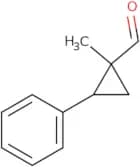
Formula:C11H10O2Purezza:Min. 95%Peso molecolare:174.2 g/molrac-(1R,2S)-1-Methyl-2-phenylcyclopropane-1-carbaldehyde
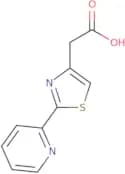
CAS:Versatile small molecule scaffoldFormula:C11H12OPurezza:Min. 95%Peso molecolare:160.21 g/mol(2-Pyridin-2-yl-thiazol-4-yl)-acetic acid
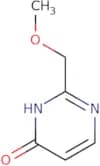
CAS:Versatile small molecule scaffoldFormula:C10H8N2O2SPurezza:Min. 95%Peso molecolare:220.25 g/mol2-(Methoxymethyl)-1,4-dihydropyrimidin-4-one
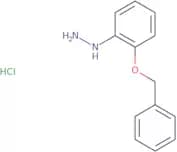
CAS:Versatile small molecule scaffoldFormula:C6H8N2O2Purezza:Min. 95%Peso molecolare:140.14 g/mol(2-Benzyloxy-phenyl)-hydrazine Hydrochloride
CAS:Versatile small molecule scaffoldFormula:C13H15ClN2OPurezza:Min. 95%Peso molecolare:250.72 g/molN-[2-(Benzyloxy)phenyl]acetamide
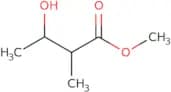
CAS:Versatile small molecule scaffoldFormula:C15H15NO2Purezza:Min. 95%Peso molecolare:241.28 g/molMethyl 3-hydroxy-2-methylbutanoate
CAS:Methyl 3-hydroxy-2-methylbutanoate is a chiral compound that can be found in wine. The enantiomers of this compound can be distinguished using a variety of analytical methods. These include chromatographic methods, such as the use of postharvest and solid phase microextraction to separate isomers, as well as spectrometric and mass spectrometric analysis. Methyl 3-hydroxy-2-methylbutanoate has been detected in wines by these methods and is believed to contribute to wine flavor.Formula:C6H12O3Purezza:Min. 95%Colore e forma:Clear LiquidPeso molecolare:132.16 g/mol3,5-Dimethylfuran-2-carboxylic acid
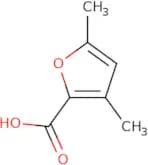
CAS:Versatile small molecule scaffold
Formula:C7H8O3Purezza:Min. 95%Peso molecolare:140.14 g/mol(R)-(+)-β-Methylphenethylamine hydrochloride
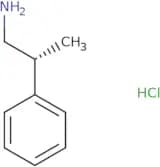
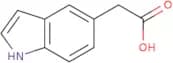
CAS:Prodotto controllatoVersatile small molecule scaffoldFormula:C9H13N•HClPurezza:Min. 95%Peso molecolare:171.67 g/mol2-(1H-Indol-5-yl)acetic acid
CAS:2-(1H-Indol-5-yl)acetic acid is a lipogenic agent that is used in the treatment of cancer. It binds to nuclear hormone receptors, which regulate lipid biosynthesis. 2-(1H-Indol-5-yl)acetic acid has been shown to inhibit the growth of human bladder cancer cells and increase the uptake of fatty acids by these cells. This agent also has anti-inflammatory properties and causes an increase in reactive oxygen species in microglia, which are immune system cells found in the brain. 2-(1H-Indol-5-yl)acetic acid has been shown to have cytotoxic effects on mammalian cells, but not on bacteria or yeast. 2-(1H-Indol-5-yl)acetic acid may be administered intravenously or intraperitoneally.
Formula:C10H9NO2Purezza:Min. 95%Peso molecolare:175.18 g/mol5-Oxaspiro[2.4]heptane-4,6-dione
CAS:5-Oxaspiro[2.4]heptane-4,6-dione is an organic compound that has been synthesized by irradiating styrene with light. It has a molecular formula of C7H12O3 and a molar mass of 150.17 g/mol. The compound exists in two isomers, the cis and trans isomers, which have different optical properties that can be observed when it is irradiated with light. 5-Oxaspiro[2.4]heptane-4,6-dione has been shown to be reactive in many different ways; for example, it can modulate the activity of other compounds or transfer hydrogen atoms from one molecule to another. The compound also participates in stereospecific reactions, where the orientation of bonds affects the reactivity of the molecule. 5-Oxaspiro[2.4]heptane-4,6-dione has a five membered ring that resembles the
Formula:C6H6O3Purezza:Min. 95%Peso molecolare:126.11 g/molN-Benzyl-N-methylpropanamide
CAS:Versatile small molecule scaffoldFormula:C11H15NOPurezza:Min. 95%Peso molecolare:177.24 g/mol

![1-[2-(Piperazin-1-yl)ethyl]-1,2-dihydropyridin-2-one dihydrochloride](/_next/image/?url=https%3A%2Fstatic.cymitquimica.com%2Fproducts%2F3D%2Fthumb-webp%2FJBA12557.webp&w=3840&q=75)
![1-{Tricyclo[2.2.1.0,2,6]heptan-3-yl}ethan-1-one](/_next/image/?url=https%3A%2Fstatic.cymitquimica.com%2Fproducts%2F3D%2Fthumb-webp%2FJBA13200.webp&w=3840&q=75)
![2-Chloro-N-[2-(2-methoxyphenyl)ethyl]acetamide](/_next/image/?url=https%3A%2Fstatic.cymitquimica.com%2Fproducts%2F3D%2Fthumb-webp%2FJBA16211.webp&w=3840&q=75)
![2-Chloro-N-[2-(3-chlorophenyl)ethyl]acetamide](/_next/image/?url=https%3A%2Fstatic.cymitquimica.com%2Fproducts%2F3D%2Fthumb-webp%2FJBA16215.webp&w=3840&q=75)
![2-Chloro-N-[2-(2,3-dichlorophenyl)ethyl]acetamide](/_next/image/?url=https%3A%2Fstatic.cymitquimica.com%2Fproducts%2F3D%2Fthumb-webp%2FJBA16221.webp&w=3840&q=75)
![2-Chloro-N-[2-(4-methoxyphenyl)ethyl]propanamide](/_next/image/?url=https%3A%2Fstatic.cymitquimica.com%2Fproducts%2F3D%2Fthumb-webp%2FJBA16229.webp&w=3840&q=75)
![(2-Imidazo[1,2-a]pyridin-3-ylethyl)amine dihydrochloride](/_next/image/?url=https%3A%2Fstatic.cymitquimica.com%2Fproducts%2F3D%2Fthumb-webp%2FJBA16488.webp&w=3840&q=75)
![2-(5-Hydroxybenzo[D]isoxazol-3-yl)acetic Acid](/_next/image/?url=https%3A%2Fstatic.cymitquimica.com%2Fproducts%2F3D%2Fthumb-webp%2FJBA17303.webp&w=3840&q=75)
![Spiro[4.4]nonan-2-one](/_next/image/?url=https%3A%2Fstatic.cymitquimica.com%2Fproducts%2F3D%2Fthumb-webp%2FJBA17718.webp&w=3840&q=75)
![2-Ethoxy-4-[(hydroxyimino)methyl]phenol](/_next/image/?url=https%3A%2Fstatic.cymitquimica.com%2Fproducts%2F3D%2Fthumb-webp%2FJBA18493.webp&w=3840&q=75)
![5-p-Tolyloxymethyl-3H-[1,3,4]oxadiazole-2-thione](/_next/image/?url=https%3A%2Fstatic.cymitquimica.com%2Fproducts%2F3D%2Fthumb-webp%2FJBA24310.webp&w=3840&q=75)


![1-[4-(2-Propynyloxy)phenyl]-1-ethanone](/_next/image/?url=https%3A%2Fstatic.cymitquimica.com%2Fproducts%2F3D%2Fthumb-webp%2FJBA26414.webp&w=3840&q=75)
![N-[2-(Benzyloxy)phenyl]acetamide](/_next/image/?url=https%3A%2Fstatic.cymitquimica.com%2Fproducts%2F3D%2Fthumb-webp%2FJBA28819.webp&w=3840&q=75)
![5-Oxaspiro[2.4]heptane-4,6-dione](/_next/image/?url=https%3A%2Fstatic.cymitquimica.com%2Fproducts%2F3D%2Fthumb-webp%2FJBA29944.webp&w=3840&q=75)
