Building Blocks
Sottocategorie di "Building Blocks"
- Acidi boronici e derivati dell'acido boronico(5.780 prodotti)
- Building Blocks Chirali(1.239 prodotti)
- Building Blocks Idrocarburici(6.100 prodotti)
- Building Blocks organici(61.005 prodotti)
Trovati 205234 prodotti di "Building Blocks"
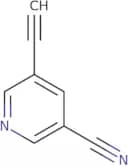
5-Ethynylpyridine-3-carbonitrile
CAS:Versatile small molecule scaffold
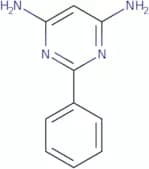
Formula:C8H4N2Purezza:Min. 95%Peso molecolare:128.13 g/mol2-Phenylpyrimidine-4,6-diamine
CAS:Versatile small molecule scaffold
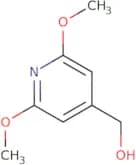
Formula:C10H10N4Purezza:Min. 95%Peso molecolare:186.21 g/mol2,6-Dimethoxy-4-pyridinemethanol
CAS:Versatile small molecule scaffold
Formula:C8H11NO3Purezza:Min. 95%Peso molecolare:169.18 g/mol2-[(2-Methylphenyl)amino]benzonitrile
CAS:Versatile small molecule scaffold
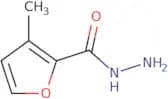
Formula:C14H12N2Purezza:Min. 95%Peso molecolare:208.26 g/mol3-Methylfuran-2-carbohydrazide
CAS:Versatile small molecule scaffold
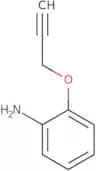
Formula:C6H8N2O2Purezza:Min. 95%Peso molecolare:140.14 g/mol2-(2-Propyn-1-yloxy)aniline
CAS:Versatile small molecule scaffold
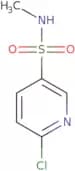
Formula:C9H9NOPurezza:Min. 95%Peso molecolare:147.17 g/mol6-Chloro-N-methylpyridine-3-sulfonamide
CAS:Versatile small molecule scaffold
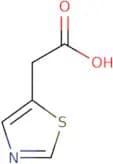
Formula:C6H7ClN2O2SPurezza:Min. 95%Peso molecolare:206.65 g/mol2-(Thiazol-5-yl)acetic acid
CAS:2-(Thiazol-5-yl)acetic acid is an antimicrobial that is used as a fungicide. It has been shown to inhibit the growth of Fusarium and Curvularia. 2-(Thiazol-5-yl)acetic acid also has fungicidal activity against Refluxing, butanoic acid, and Oxysporum. This compound has been found to be effective against fungi in a number of different studies. 2-(Thiazol-5-yl)acetic acid inhibits the synthesis of ribosomes by inhibiting mRNA translation, leading to cell death by inhibition of protein synthesis.
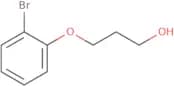
Formula:C5H5NO2SPurezza:Min. 95%Peso molecolare:143.16 g/mol3-(2-Bromophenoxy)propan-1-ol
CAS:Versatile small molecule scaffold
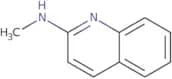
Formula:C9H11BrO2Purezza:Min. 95%Peso molecolare:231.09 g/molN-Methylquinolin-2-amine
CAS:N-Methylquinolin-2-amine is a quinoline derivative that binds to the fatty acid ester of amides, which are found on the surface of cells. It has high specificity for hydroxy groups and is operational in aqueous solutions. N-Methylquinolin-2-amine has been shown to have activity against Alzheimer's disease by binding to the fatty acid ester of amide and blocking the function of ligands. The reaction time can be reduced by adding hydroxy group and alkyl group to the molecule. A molecular orbital diagram shows how this compound reacts with an amide substrate. This drug can be used as a diagnostic or postoperative treatment for Alzheimer's disease.
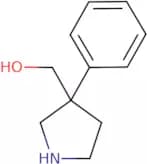
Formula:C10H10N2Purezza:Min. 95%Peso molecolare:158.2 g/mol(3-Phenylpyrrolidin-3-yl)methanol
CAS:Versatile small molecule scaffold
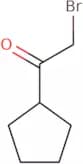
Formula:C11H15NOPurezza:Min. 95%Peso molecolare:177.24 g/mol2-bromo-1-cyclopentylethan-1-one
CAS:2-bromo-1-cyclopentylethan-1-one is a racemic mixture of two enantiomers, 2-bromo-1-(2-methylpropyl)ethanone and 1-(2-methylpropyl)-2-(phenyl)ethanone. The compound has been shown to inhibit cell proliferation in vitro and has been used in the treatment of allergies without any observed side effects. This drug may act by inhibition of the synthesis of L-amino acids or vitamin B6, which are required for cell division. It may also have an effect on alkylating DNA, leading to inhibition of protein synthesis.
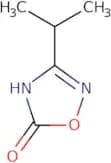
Formula:C7H11BrOPurezza:Min. 95%Peso molecolare:191.07 g/mol3-(Propan-2-yl)-1,2,4-oxadiazol-5-ol
CAS:Versatile small molecule scaffold
Formula:C5H8N2O2Purezza:Min. 95%Peso molecolare:128.13 g/mol7-Chloro-[1,2,4]triazolo[1,5-a]pyrimidine
CAS:Versatile small molecule scaffold
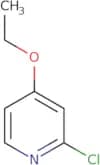
Formula:C5H3ClN4Purezza:Min. 95%Peso molecolare:154.56 g/mol2-chloro-4-ethoxypyridine
CAS:Versatile small molecule scaffold
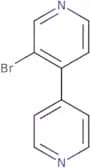
Formula:C7H8ClNOPurezza:Min. 95%Peso molecolare:157.6 g/mol3-Bromo-4-(pyridin-4-yl)pyridine
CAS:Versatile small molecule scaffold
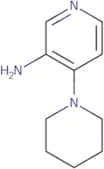
Formula:C10H7BrN2Purezza:Min. 95%Peso molecolare:235.08 g/mol4-(1-Piperidyl)pyridin-3-amine
CAS:Versatile small molecule scaffold
Formula:C10H15N3Purezza:Min. 95%Peso molecolare:177.24 g/molBenzyl Methyl Malnonate
CAS:Benzyl Methyl Malnonate (BMM) is a polycarboxylic acid that has an inhibitory effect on the receptor binding of inorganic acids. It is used as a solid catalyst for the oxidative carbonylation of olefins and dienes. BMM can also be used to prepare heterocycles by the reaction of an active methylene with malonic acid and fluorine. The hydroxyl group on the benzyl methyl malonate molecule can undergo thermally induced oxidative carbonylation, which produces benzoic acid and formaldehyde.
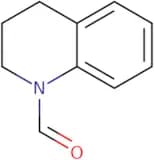
Formula:C11H12O4Purezza:Min. 95%Peso molecolare:208.21 g/mol1,2,3,4-Tetrahydroquinoline-1-carbaldehyde
CAS:Tetrahydroquinoline-1-carbaldehyde is extracted from the seeds of the plant Cyperus rotundus. It has been shown to have trackable results in laboratory mice.
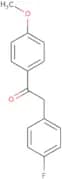
Formula:C10H11NOPurezza:Min. 95%Peso molecolare:161.2 g/mol2-(4-Fluorophenyl)-1-(4-methoxyphenyl)ethan-1-one
CAS:Versatile small molecule scaffold
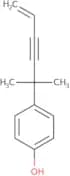
Formula:C15H13FO2Purezza:Min. 95%Peso molecolare:244.26 g/mol4-(2-Methylhex-5-en-3-yn-2-yl)phenol
CAS:Versatile small molecule scaffold
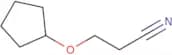
Formula:C13H14OPurezza:Min. 95%Peso molecolare:186.25 g/mol3-(Cyclopentyloxy)propanenitrile
CAS:Versatile small molecule scaffold
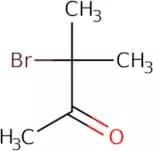
Formula:C8H13NOPurezza:Min. 95%Peso molecolare:139.19 g/mol3-Bromo-3-methyl-2-butanone
CAS:3-Bromo-3-methyl-2-butanone is a carbocyanine dye with a low molecular weight. It has been shown to be an effective ligand for technetium and can be used to synthesize this radionuclide in the presence of acid catalysts. The synthesis of 3-bromo-3-methyl-2-butanone is achieved by reacting 3,5,5'-trimethylcyclohexyl isopropyl ether with bromine in the presence of an acid catalyst. The reaction time required for complete conversion may vary from 1 to 24 hours depending on the concentration and type of catalyst used. 3-Bromo-3-methyl-2-butanone is reversibly protonated and exhibits an enolate tautomeric structure. It also reacts with alkyl halides to form 2,4,6,8,10,12,-pentamethylcyclopentadien
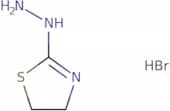
Formula:C5H9BrOPurezza:Min. 95%Peso molecolare:165.03 g/mol1-(4,5-Dihydro-1,3-thiazol-2-yl)hydrazine hydrobromide
CAS:Versatile small molecule scaffold
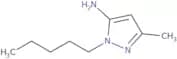
Formula:C3H8BrN3SPurezza:Min. 95%Peso molecolare:198.09 g/mol3-Methyl-1-pentyl-1H-pyrazol-5-amine
CAS:Versatile small molecule scaffold
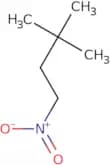
Formula:C9H17N3Purezza:Min. 95%Peso molecolare:167.25 g/mol3,3-Dimethyl-1-nitrobutane
CAS:Versatile small molecule scaffold
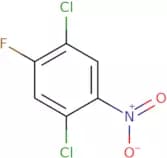
Formula:C6H13NO2Purezza:Min. 95%Peso molecolare:131.17 g/mol1,4-Dichloro-2-fluoro-5-nitrobenzene
CAS:Versatile small molecule scaffold
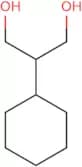
Formula:C6H2Cl2FNO2Purezza:Min. 95%Peso molecolare:209.99 g/mol2-Cyclohexylpropane-1,3-diol
CAS:2-Cyclohexylpropane-1,3-diol is a substrate for porcine pancreatic lipase. It is hydrolyzed by this enzyme, which is stereoselective and enantioselective. 2-Cyclohexylpropane-1,3-diol also has properties that are similar to angiotensin, a peptide that is secreted by the human body. This substance can be used as a solvent for other organic compounds in chemical reactions.
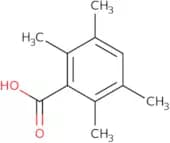
Formula:C9H18O2Purezza:Min. 95%Peso molecolare:158.24 g/mol2,3,5,6-Tetramethylbenzoic acid
CAS:2,3,5,6-Tetramethylbenzoic acid (TMB) is a white crystalline solid that is soluble in organic solvents and slightly soluble in water. It is used as a precursor for the manufacture of dyes, pharmaceuticals, and other organic compounds. TMB has been shown to be an effective catalyst for the use of malonic acid as a substrate. The active site of TMB is acidic and it has been shown to catalyse the reaction between malonic acid and carbon tetrachloride with a dipole moment. TMB also interacts with functional groups such as methylene chloride, chloroform, methanol and benzene.
Formula:C11H14O2Purezza:Min. 95%Peso molecolare:178.23 g/molRef: 3D-CAA60445
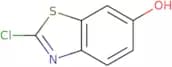
Prodotto fuori produzione2-chloro-1,3-benzothiazol-6-ol
CAS:Versatile small molecule scaffold
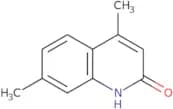
Formula:C7H4ClNOSPurezza:Min. 95%Peso molecolare:185.63 g/mol4,7-Dimethyl-1,2-dihydroquinolin-2-one
CAS:Versatile small molecule scaffold
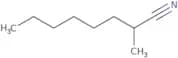
Formula:C11H11NOPurezza:Min. 95%Peso molecolare:173.21 g/mol2-Methyloctanenitrile
CAS:2-Methyloctanenitrile is an oxime that can be hydrocyanated to produce a regioselective addition product. This reaction is catalyzed by the presence of hydroxylamine, which acts as a ligand in the transition state. The reaction proceeds with anti-markovnikov selectivity, which is due to the hydroxyl group on the methyl group. This reaction has been optimized for frequency and rates of reaction, and can be used with aldoximes as well.
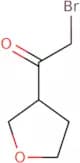
Formula:C9H17NPurezza:Min. 95%Peso molecolare:139.24 g/mol2-Bromo-1-(oxolan-3-yl)ethan-1-one
CAS:Versatile small molecule scaffold
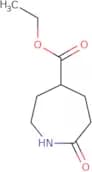
Formula:C6H9BrO2Purezza:Min. 95%Peso molecolare:193.04 g/molEthyl 7-oxoazepane-4-carboxylate
CAS:Versatile small molecule scaffold
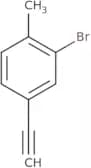
Formula:C9H15NO3Purezza:Min. 95%Peso molecolare:185.22 g/mol2-Bromo-4-ethynyl-1-methylbenzene
CAS:Versatile small molecule scaffold
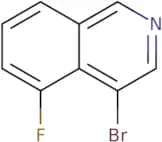
Formula:C9H7BrPurezza:Min. 95%Peso molecolare:195.06 g/mol4-Bromo-5-fluoro-isoquinoline
CAS:Versatile small molecule scaffold
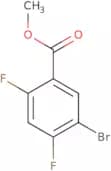
Formula:C9H5BrFNPurezza:Min. 95%Peso molecolare:226.04 g/molMethyl 5-bromo-2,4-difluorobenzoate
CAS:Versatile small molecule scaffold
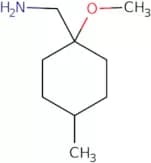
Formula:C8H5BrF2O2Purezza:Min. 95%Peso molecolare:251.02 g/mol(1-Methoxy-4-methylcyclohexyl)methanamine
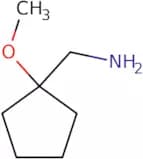
CAS:Versatile small molecule scaffoldFormula:C9H19NOPurezza:Min. 95%Peso molecolare:157.25 g/mol(1-Methoxycyclopentyl)methanamine
CAS:Versatile small molecule scaffold
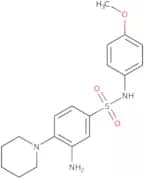
Formula:C7H15NOPurezza:Min. 95%Peso molecolare:129.2 g/mol3-Amino-N-(4-methoxyphenyl)-4-(piperidin-1-yl)benzene-1-sulfonamide
CAS:Versatile small molecule scaffold
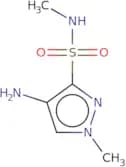
Formula:C18H23N3O3SPurezza:Min. 95%Peso molecolare:361.5 g/mol4-Amino-N,1-dimethyl-1H-pyrazole-3-sulfonamide
CAS:Versatile small molecule scaffold
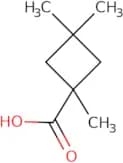
Formula:C5H10N4O2SPurezza:Min. 95%Peso molecolare:190.2 g/mol1,3,3-Trimethylcyclobutane-1-carboxylic acid
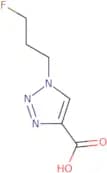
CAS:Versatile small molecule scaffoldFormula:C8H14O2Purezza:Min. 95%Peso molecolare:142.2 g/mol1-(3-Fluoropropyl)-1H-1,2,3-triazole-4-carboxylic acid
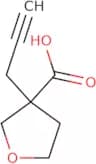
CAS:Versatile small molecule scaffoldFormula:C6H8FN3O2Purezza:Min. 95%Peso molecolare:173.15 g/mol3-(Prop-2-yn-1-yl)oxolane-3-carboxylic acid
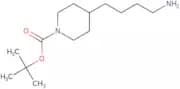
CAS:Versatile small molecule scaffoldFormula:C8H10O3Purezza:Min. 95%Peso molecolare:154.16 g/moltert-Butyl 4-(4-aminobutyl)piperidine-1-carboxylate
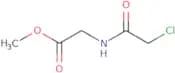
CAS:Versatile small molecule scaffoldFormula:C14H28N2O2Purezza:Min. 95%Peso molecolare:256.38 g/molMethyl 2-(2-chloroacetamido)acetate
CAS:Versatile small molecule scaffold
Formula:C5H8ClNO3Purezza:Min. 95%Peso molecolare:165.57 g/mol1-Oxaspiro[4.5]dec-2-en-4-one
CAS:Versatile small molecule scaffold
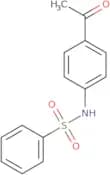
Formula:C9H12O2Purezza:Min. 95%Peso molecolare:152.19 g/molN-(4-Acetylphenyl)benzenesulfonamide
CAS:N-(4-Acetylphenyl)benzenesulfonamide is a chalcone derivative that has been synthesized in order to determine the structural basis for its anticancer activity. This compound has demonstrated selective cytotoxicity against cancer cells and a lack of toxicity to non-cancerous cells. It has also shown an ability to inhibit tumor growth in vivo.
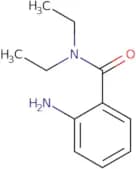
Formula:C14H13NO3SPurezza:Min. 95%Peso molecolare:275.32 g/mol2-Amino-N,N-diethylbenzamide
CAS:Versatile small molecule scaffold
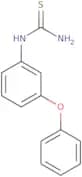
Formula:C11H16N2OPurezza:Min. 95%Peso molecolare:192.26 g/mol(3-Phenoxyphenyl)thiourea
CAS:Versatile small molecule scaffold
Formula:C13H12N2OSPurezza:Min. 95%Peso molecolare:244.31 g/mol

![2-[(2-Methylphenyl)amino]benzonitrile](/_next/image/?url=https%3A%2Fstatic.cymitquimica.com%2Fproducts%2F3D%2Fthumb-webp%2FCCA57772.webp&w=3840&q=75)
![7-Chloro-[1,2,4]triazolo[1,5-a]pyrimidine](/_next/image/?url=https%3A%2Fstatic.cymitquimica.com%2Fproducts%2F3D%2Fthumb-webp%2FCCA34191.webp&w=3840&q=75)

![1-Oxaspiro[4.5]dec-2-en-4-one](/_next/image/?url=https%3A%2Fstatic.cymitquimica.com%2Fproducts%2F3D%2Fthumb-webp%2FBDA95195.webp&w=3840&q=75)