Building Blocks
Sottocategorie di "Building Blocks"
- Acidi boronici e derivati dell'acido boronico(5.780 prodotti)
- Building Blocks Chirali(1.241 prodotti)
- Building Blocks Idrocarburici(6.100 prodotti)
- Building Blocks organici(61.023 prodotti)
Trovati 205289 prodotti di "Building Blocks"
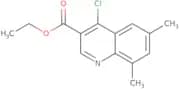
Ethyl 4-chloro-6,8-dimethylquinoline-3-carboxylate
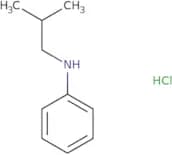
CAS:Versatile small molecule scaffoldFormula:C14H14ClNO2Purezza:Min. 95%Peso molecolare:263.72 g/molN-(2-Methylpropyl)aniline hydrochloride
CAS:Versatile small molecule scaffold
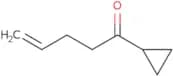
Formula:C10H16ClNPurezza:Min. 95%Peso molecolare:185.69 g/mol1-Cyclopropylpent-4-en-1-one
CAS:Versatile small molecule scaffold
Formula:C8H12OPurezza:Min. 95%Peso molecolare:124.18 g/mol1H,7H-[1,2,4]Triazolo[1,5-a]pyrimidin-7-one
CAS:Fluconazole is an oral antifungal drug that is used to treat a variety of fungal infections such as candida, cryptococcus, and histoplasmosis. It binds to the 14-alpha-demethylase enzyme in the fungal cell membrane and inhibits the synthesis of ergosterol, which is an essential component of the cell membrane. This prevents the formation of ergosterol crystals that are necessary for maintaining cell shape and function. Fluconazole has been shown to be effective against influenza virus and other viruses that use subunits similar to those found in fluconazole. Fluconazole also has antibacterial properties against bacteria such as Staphylococcus aureus and Streptococcus pneumonia. The pharmacokinetic properties of fluconazole have been studied using ethyl bromoacetate and carboxylate derivatives. Fluconazole has also been shown to inhibit methicillin-resistant Staphylococcus
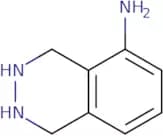
Formula:C5H4N4OPurezza:Min. 95%Peso molecolare:136.11 g/mol1,2,3,4-Tetrahydrophthalazin-5-amine
CAS:Versatile small molecule scaffold
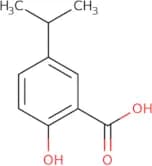
Formula:C8H11N3Purezza:Min. 95%Peso molecolare:149.19 g/mol2-Hydroxy-5-(propan-2-yl)benzoic acid
CAS:Versatile small molecule scaffold
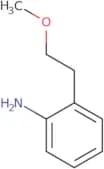
Formula:C10H12O3Purezza:Min. 95%Peso molecolare:180.2 g/mol2-(2-Methoxyethyl)aniline
CAS:2-(2-Methoxyethyl)aniline is a chemical compound with the chemical formula CH3OCH2NHCH2CH2SCl. It is a colorless, water-soluble liquid and has a pungent odor. 2-(2-Methoxyethyl)aniline reacts with trimethylamine to form trimethylammonium chloride. It also reacts with dimethyl sulfate to form dimethyl sulfate and methylamine. The reaction with hydrazine yields anilinohydrazide and methylated aniline, which can then be converted into borohydride or chlorotrimethylsilane by reacting it with lithium borohydride or chlorotrimethylsilane respectively.
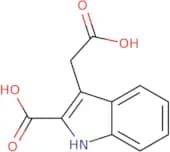
2-(2-Methoxyethyl)aniline is used in the synthesis of various organic compounds such as pharmaceuticals, dyes, pesticides, and perfumes.Formula:C9H13NOPurezza:Min. 95%Peso molecolare:151.21 g/mol3-(Carboxymethyl)-1H-indole-2-carboxylic acid
CAS:3-(Carboxymethyl)-1H-indole-2-carboxylic acid is an intramolecular cyclization reaction that involves the amination of a propanoic acid and a ring system. This reaction is analogous to the synthesis of 2,5-diaminopentane, which is also a cyclization of an amine to form a five-membered ring. The nmda receptor complex has been shown to be efficient in binding 3-(carboxymethyl)-1H-indole-2-carboxylic acid and other analogues of this compound. In addition, 3-(carboxymethyl)-1H-indole-2-carboxylic acid has shown affinity for the glycine site on the nmda receptor complex. The chemistry behind this drug is not well understood due to its complexity.
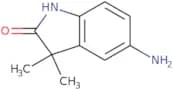
Formula:C11H9NO4Purezza:Min. 95%Peso molecolare:219.19 g/mol5-Amino-3,3-dimethyl-indolin-2-one
CAS:Versatile small molecule scaffold
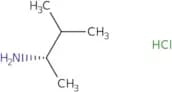
Formula:C10H12N2OPurezza:Min. 95%Peso molecolare:176.21 g/mol(S)-3-Methyl-2-butylamine Hydrochloride ee
CAS:Versatile small molecule scaffold
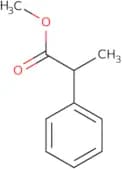
Formula:C5H14ClNPurezza:Min. 95%Peso molecolare:123.62 g/molMethyl 2-phenylpropanoate
CAS:Methyl 2-phenylpropanoate is the product of a lipase-catalyzed reaction between methanol and phenylacetic acid. The hydrolysis of the ester bond releases methanol, which can then react with another molecule of phenylacetic acid to form methyl 2-phenylpropanoate. Methyl 2-phenylpropanoate is a key intermediate in the synthesis of beta blockers, such as propranolol. It can also be used as an alternative to cyclopentane for synthesizing stereoisomers of cyclohexane. The reaction mechanism involves an activation energy that is kinetically favorable and has an asymmetric synthesis. The stereoselectivity of this reaction is due to the use of an acid catalyst and a chiral ligand.
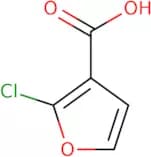
Formula:C10H12O2Purezza:Min. 95%Peso molecolare:164.2 g/mol2-chlorofuran-3-carboxylic acid
CAS:2-Chloro-3-carboxylic acid is a broad spectrum inhibitor of human herpesvirus 1 (HSV-1) and human herpesvirus 2 (HSV-2). It is a non-nucleoside inhibitor of DNA polymerases. The compound binds to the active site of the enzyme, preventing the formation of an active complex with the template strand. 2-Chloro-3-carboxylic acid inhibits both DNA polymerases and RNA polymerases. This antiviral drug has been shown to inhibit HSV replication in culture by 95%. 2C3CA has been shown to have high specificity for HSV type 1 and type 2, as well as for all other human DNA viruses, including adenoviruses and cytomegalovirus.
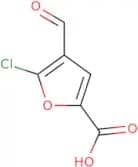
2C3CA is not active against other animal DNA viruses or bacterial DNA viruses.Formula:C5H3ClO3Purezza:Min. 95%Peso molecolare:146.53 g/mol5-Chloro-4-formylfuran-2-carboxylic acid
CAS:Versatile small molecule scaffoldFormula:C6H3ClO4Purezza:Min. 95%Peso molecolare:174.54 g/mol1,3-Diethyl-1,3-dimethylurea
CAS:Versatile small molecule scaffold
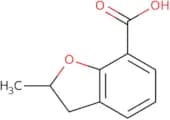
Formula:C7H16N2OPurezza:Min. 95%Peso molecolare:144.21 g/mol2-Methyl-2,3-dihydro-1-benzofuran-7-carboxylic acid
CAS:Versatile small molecule scaffold
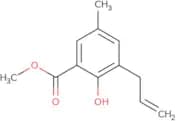
Formula:C10H10O3Purezza:Min. 95%Peso molecolare:178.18 g/molMethyl 2-hydroxy-5-methyl-3-(prop-2-en-1-yl)benzoate
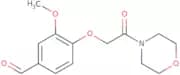
CAS:Versatile small molecule scaffoldFormula:C12H14O3Purezza:Min. 95%Peso molecolare:206.24 g/mol3-Methoxy-4-(2-morpholin-4-yl-2-oxoethoxy)benzaldehyde
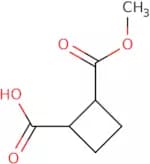
CAS:Versatile small molecule scaffoldFormula:C14H17NO5Purezza:Min. 95%Peso molecolare:279.29 g/molrac-(1R,2R)-2-(Methoxycarbonyl)cyclobutane-1-carboxylic acid
CAS:Versatile small molecule scaffoldFormula:C7H10O4Purezza:Min. 95%Peso molecolare:158.15 g/mol1-(2,6-Dimethoxy-4-methylphenyl)ethan-1-one
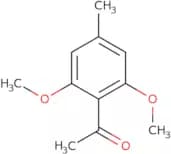
CAS:Versatile small molecule scaffold
Formula:C11H14O3Purezza:Min. 95%Peso molecolare:194.23 g/molSpiro[4.4]non-3-en-2-one
CAS:Versatile small molecule scaffold
Formula:C9H12OPurezza:Min. 95%Peso molecolare:136.19 g/mol4-Chloro-2-methylfuro[3,2-c]pyridine
CAS:Versatile small molecule scaffold
Formula:C8H6ClNOPurezza:Min. 95%Peso molecolare:167.59 g/mol(1-tert-Butylazetidin-2-yl)methanol
CAS:Versatile small molecule scaffold
Formula:C8H17NOPurezza:Min. 95%Peso molecolare:143.23 g/mol[(3,4-Dihydro-1H-2-benzopyran-1-yl)methyl](methyl)amine hydrochloride
CAS:Versatile small molecule scaffold
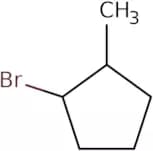
Formula:C11H16ClNOPurezza:Min. 95%Peso molecolare:213.7 g/mol1-Bromo-2-methylcyclopentane
CAS:Versatile small molecule scaffold
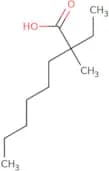
Formula:C6H11BrPurezza:Min. 95%Colore e forma:Clear LiquidPeso molecolare:163.06 g/mol2-Ethyl-2-methyloctanoic acid
CAS:Versatile small molecule scaffold
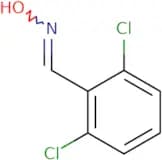
Formula:C11H22O2Purezza:Min. 95%Peso molecolare:186.29 g/mol(E)-2,6-Dichlorobenzaldehyde oxime
CAS:(E)-2,6-Dichlorobenzaldehyde oxime is an oxime that has a high affinity for electron-rich molecules. It is a toxicant that targets toxicants with electron-donating groups such as benzene. This compound also has physicochemical properties such as solubility in water and lipids which make it suitable for mucosal administration. (E)-2,6-Dichlorobenzaldehyde oxime is used as a herbicide to control weeds in crops like soybeans and corn.
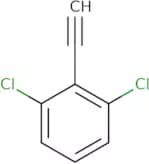
Formula:C7H5Cl2NOPurezza:Min. 95%Peso molecolare:190.02 g/mol1,3-Dichloro-2-ethynylbenzene
CAS:Versatile small molecule scaffold
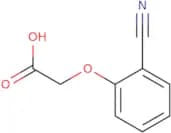
Formula:C8H4Cl2Purezza:Min. 95%Peso molecolare:171.02 g/mol2-(2-Cyanophenoxy)acetic acid
CAS:Versatile small molecule scaffold
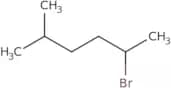
Formula:C9H7NO3Purezza:Min. 95%Peso molecolare:177.16 g/mol2-Bromo-5-methylhexane
CAS:2-Bromo-5-methylhexane is a homologous series of compounds with an alkylating agent that can inhibit cholinesterase and cause cancer. This compound has been shown to have anti-inflammatory properties, which may be due to its ability to modulate fatty acid metabolism. 2-Bromo-5-methylhexane also has been found to be effective in the treatment of prostate cancer cells. It is believed that this compound inhibits chloride channels, which are involved in the regulation of cell volume, and sodium channels, which are involved in nerve transmission. 2-Bromo-5-methylhexane also has fluorescence properties and can be used as a stain for sternal glands.
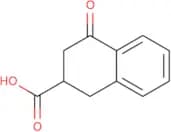
Formula:C7H15BrPurezza:Min. 95%Peso molecolare:179.1 g/mol2-Naphthalenecarboxylic acid, 1,2,3,4-tetrahydro-4-oxo-
CAS:2-Naphthalenecarboxylic acid, 1,2,3,4-tetrahydro-4-oxo-, is an organic compound that is a derivative of naphthalene. It can be synthesized by reacting benzene with acetic anhydride in the presence of a base catalyst. This product is used as a solvent and antioxidant in plastics manufacturing.
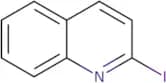
Formula:C11H10O3Purezza:Min. 95%Peso molecolare:190.2 g/mol2-Iodoquinoline
CAS:2-Iodoquinoline is a quinoline derivative that has been shown to be a potent inhibitor of the uptake of amyloid protein in vitro. 2-Iodoquinoline is also able to inhibit the growth of cancer cells and induce apoptosis. The mechanism by which 2-Iodoquinoline inhibits tumor cell growth may be due to its ability to activate epidermal growth factor receptor (EGFR). This compound has also been shown to stimulate epidermal growth through the activation of EGFR and other signaling pathways, such as phosphatidylinositol 3 kinase (PI3K) and mitogen-activated protein kinase (MAPK).
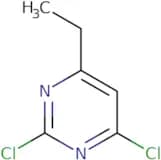
Formula:C9H6INPurezza:Min. 95%Peso molecolare:255.06 g/mol2,4-dichloro-6-ethylpyrimidine
CAS:Versatile small molecule scaffold
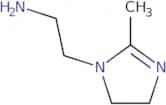
Formula:C6H6Cl2N2Purezza:Min. 95%Peso molecolare:177 g/mol2-(2-Methyl-4,5-dihydro-1H-imidazol-1-yl)ethan-1-amine
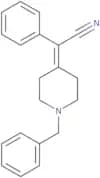
CAS:2-(2-Methyl-4,5-dihydro-1H-imidazol-1-yl)ethan-1-amine is an organic compound that has been used as a catalyst. It crystallizes in the triclinic system and exhibits high catalytic activity. The hydrothermal synthesis of 2-(2,4,5-trimethylphenyl)-N,N′,N″,N″′-[2(2,4,5-trimethylphenyl)ethenyl]-tetrahedrane (Cp*TiMe3) was achieved by using diethylenetriamine (DETA) as a starting material. This product catalyzes the cyclization of acetaldehyde to form benzaldehyde with high catalytic activity. The probe 2-(2,4,5-trimethylphenyl)-N,N′-[2(2,4,5-trimethylphenylFormula:C6H13N3Purezza:Min. 95%Peso molecolare:127.19 g/mol2-(1-Benzylpiperidin-4-ylidene)-2-phenylacetonitrile
CAS:Versatile small molecule scaffold
Formula:C20H20N2Purezza:Min. 95%Peso molecolare:288.4 g/molL-152,804
CAS:L-152,804 is a potent inhibitor of the dopamine receptor. It has been shown to have an inhibitory effect on wild-type mice and functional assays in vitro. L-152,804 inhibits locomotor activity in wild type mice and increases energy metabolism in adipose tissue. L-152,804 binds to the dopamine receptor by competitive inhibition and inhibits the binding of glutamate and dopamine to the receptor. This drug has also been shown to have anti-inflammatory effects in a rat model of arthritis.
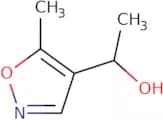
Formula:C23H26O4Purezza:Min. 95%Peso molecolare:366.46 g/mol1-(5-Methyl-1,2-oxazol-4-yl)ethan-1-ol
CAS:Versatile small molecule scaffold
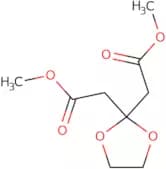
Formula:C6H9NO2Purezza:Min. 95%Peso molecolare:127.14 g/molDimethyl 1,3-dioxolane-2,2-diacetate
CAS:Versatile small molecule scaffold
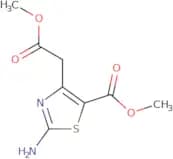
Formula:C9H14O6Purezza:Min. 95%Peso molecolare:218.2 g/molMethyl 2-amino-4-(2-methoxy-2-oxoethyl)-1,3-thiazole-5-carboxylate
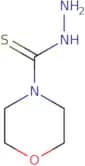
CAS:Versatile small molecule scaffoldFormula:C8H10N2O4SPurezza:Min. 95%Peso molecolare:230.24 g/molN-Aminomorpholine-4-carbothioamide
CAS:N-Aminomorpholine-4-carbothioamide is a ligand that binds to the carboxylates of chloroform. It is produced by the enzyme subtilisin from the amino acid L-alanine and the compound 2-acetylpyridine. This ligand has been found in microorganisms such as Escherichia coli, Staphylococcus aureus, and Saccharomyces cerevisiae. N-Aminomorpholine-4-carbothioamide has been shown to be an effective inhibitor of yeast growth but not bacterial growth. The molecular weight of this ligand is 226.2 g mol−1 and it is a dimer at room temperature with two molecules linked together by hydrogen bonds.
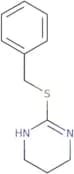
Formula:C5H11N3OSPurezza:Min. 95%Peso molecolare:161.23 g/mol2-(Benzylsulfanyl)-1,4,5,6-tetrahydropyrimidine
CAS:Versatile small molecule scaffoldFormula:C11H14N2SPurezza:Min. 95%Peso molecolare:206.31 g/mol2-(4-Bromo-phenyl)-acetamidine hydrochloride
CAS:Versatile small molecule scaffold
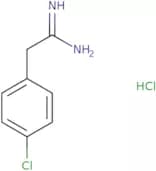
Formula:C8H10BrClN2Purezza:Min. 95%Peso molecolare:249.53 g/mol4-Chlorobenzeneethanimidamide hydrochloride
CAS:Versatile small molecule scaffold
Formula:C8H10Cl2N2Purezza:Min. 95%Peso molecolare:205.08 g/mol2-Methylquinazoline-4-thiol
CAS:2-Methylquinazoline-4-thiol is a heterocyclic compound with a thione group. Its amide groups are similar to those found in peptides, which play an important role in the coordination chemistry of the molecule. The 2-methylquinazoline-4-thiol skeleton is tetracyclic and can be used for synthetic purposes. This compound has been shown to have hepatoprotective properties, but also has cytotoxic effects on cells.
Formula:C9H8N2SPurezza:Min. 95%Peso molecolare:176.24 g/mol5-(3-Chloropropyl)-4-methyl-1,3-thiazole
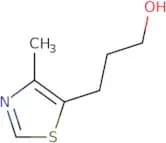
CAS:5-(3-Chloropropyl)-4-methyl-1,3-thiazole is a hydrophobic antibiotic that is used as a diluent in iontophoresis. It has been shown to have targetable properties and high concentrations when it is used in phase chromatography. 5-(3-Chloropropyl)-4-methyl-1,3-thiazole also serves as a fixative agent and can be used as a diagnostic tool for the detection of salicylic acid. This compound has been found to be insoluble at high concentrations, so it cannot be reconstituted with water.Formula:C7H10ClNSPurezza:Min. 95%Peso molecolare:175.68 g/mol3-(4-Methyl-1,3-thiazol-5-yl)propan-1-ol
CAS:Versatile small molecule scaffold
Formula:C7H11NOSPurezza:Min. 95%Peso molecolare:157.24 g/mol3-Phenylumbelliferone
CAS:3-Phenylumbelliferone is a coumarin derivative that is used as an antidiabetic drug. It is a competitive inhibitor of the enzyme phosphatase, which inactivates tyrosine kinase, and inhibits the formation of DOPA from L-tyrosine, resulting in inhibition of glucose uptake by cells. 3-Phenylumbelliferone also fluoresces at wavelengths of 340 nm when excited with ultraviolet light. This property has been shown to be helpful in the detection of phenylurea herbicides, polycyclic aromatic hydrocarbons, and other compounds.
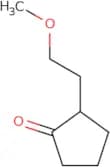
Formula:C15H10O3Purezza:Min. 95%Peso molecolare:238.24 g/mol2-(2-Methoxyethyl)cyclopentan-1-one
CAS:Versatile small molecule scaffold
Formula:C8H14O2Purezza:Min. 95%Peso molecolare:142.2 g/mol1-[(1-Aminopropan-2-yl)oxy]-3-methoxybenzene
CAS:Versatile small molecule scaffoldFormula:C10H15NO2Purezza:Min. 95%Peso molecolare:181.23 g/mol1-(o-Methoxyphenoxy)-2-propanone
CAS:1-(o-Methoxyphenoxy)-2-propanone is a guaifenesin precursor that is used as a supercritical solvent. It has been shown to liquefy benzyl groups, which are difficult to dissolve in other solvents. The 1-(o-methoxyphenoxy)-2-propanone molecule contains methoxy groups and benzyl groups, which are both susceptible to irradiation. The optimum irradiation time for the 1-(o-methoxyphenoxy)-2-propanone molecule was found to be about 15 hours at room temperature. This compound has high affinity values for gas chromatography/mass spectrometry parameters and can be reused up to ten times without significant change in its properties.
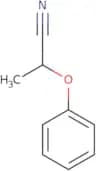
Formula:C10H12O3Purezza:Min. 95%Peso molecolare:180.2 g/mol2-Phenoxypropanenitrile
CAS:2-Phenoxypropanenitrile is a hydrogen chloride derivate of an amide. It reacts with ethylene diamine to form 2-aminoethanol. This compound can be further reacted with sulfide to form the sulfide derivative, cysteamine. The reaction time for this process is between 10 and 20 hours at room temperature. 2-Phenoxypropanenitrile has been shown to inhibit tyrosine kinase and other enzymes that are important for cancer cell growth. This substance also has anti-inflammatory properties, which may be due to its ability to scavenge hydroxyl radicals and react with ROS (reactive oxygen species) such as hydrogen peroxide and superoxide anion radicals.
Formula:C9H9NOPurezza:Min. 95%Peso molecolare:147.17 g/mol

![1H,7H-[1,2,4]Triazolo[1,5-a]pyrimidin-7-one](/_next/image/?url=https%3A%2Fstatic.cymitquimica.com%2Fproducts%2F3D%2Fthumb-webp%2FGBA59208.webp&w=3840&q=75)

![Spiro[4.4]non-3-en-2-one](/_next/image/?url=https%3A%2Fstatic.cymitquimica.com%2Fproducts%2F3D%2Fthumb-webp%2FGBA29751.webp&w=3840&q=75)
![4-Chloro-2-methylfuro[3,2-c]pyridine](/_next/image/?url=https%3A%2Fstatic.cymitquimica.com%2Fproducts%2F3D%2Fthumb-webp%2FGBA27081.webp&w=3840&q=75)

amine hydrochloride](/_next/image/?url=https%3A%2Fstatic.cymitquimica.com%2Fproducts%2F3D%2Fthumb-webp%2FGBA23158.webp&w=3840&q=75)





![1-[(1-Aminopropan-2-yl)oxy]-3-methoxybenzene](/_next/image/?url=https%3A%2Fstatic.cymitquimica.com%2Fproducts%2F3D%2Fthumb-webp%2FGAA44096.webp&w=3840&q=75)