


Building Blocks
Sottocategorie di "Building Blocks"
- Acidi boronici e derivati dell'acido boronico(5.780 prodotti)
- Building Blocks Chirali(1.239 prodotti)
- Building Blocks Idrocarburici(6.100 prodotti)
- Building Blocks organici(61.005 prodotti)
Trovati 205234 prodotti di "Building Blocks"
Benzyl[(2-methylphenyl)methyl]amine
CAS:Versatile small molecule scaffold
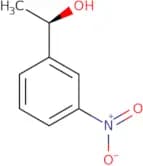
Formula:C15H17NPurezza:Min. 95%Peso molecolare:211.3 g/mol(1R)-1-(3-Nitrophenyl)ethanol
CAS:(1R)-1-(3-Nitrophenyl)ethanol is a prochiral alcohol that is generated by the oxidation of nitrobenzene. It has an optimal pH range of 5.5-7.0 and optimum catalytic activity at a ph range of 6.5-8.0. (1R)-1-(3-Nitrophenyl)ethanol can be used in the production of antibiotics such as penicillin and cephalosporin, which are derived from erythromycin. The chiral nature of this molecule allows for the synthesis of two different stereoisomers: erythromycin A and erythromycin B. This molecule also has been shown to have antifungal properties, inhibiting the growth of bacteria such as Bacillus subtilis, Staphylococcus aureus, and Escherichia coli.
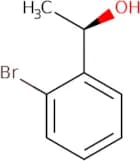
Formula:C8H9NO3Purezza:Min. 95%Peso molecolare:167.16 g/mol(R)-(+)-2-Bromo-±-methylbenzyl alcohol
CAS:Versatile small molecule scaffold
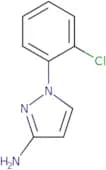
Formula:C8H9BrOPurezza:Min. 95%Peso molecolare:201.06 g/mol1-(2-Chlorophenyl)-1H-pyrazol-3-amine
CAS:Versatile small molecule scaffold
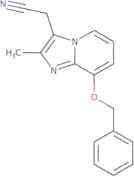
Formula:C9H8ClN3Purezza:Min. 95%Peso molecolare:193.63 g/molSCH 28080
CAS:SCH 28080 is a potent inhibitor of transcriptional activator protein-1 (AP-1) and nuclear factor-κB (NF-κB). These two transcriptional regulatory proteins are activated by various stimuli, including inflammatory cytokines, such as IL-1β, TNF-α, and IL-6. Activation of these transcription factors leads to the upregulation of the genes encoding proinflammatory mediators, such as eosinophil cationic protein and interleukins. SCH 28080 has been shown to inhibit NF-κB activation in human HL60 cells, which may be due to its ability to bind to both the α subunit of NF-κB and AP-1.
Formula:C17H15N3OPurezza:Min. 95%Peso molecolare:277.33 g/mol7-Chloro-5-methylimidazo[1,2-c]pyrimidine-2-carboxamide
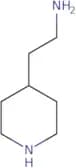
CAS:Versatile small molecule scaffoldFormula:C8H7ClN4OPurezza:Min. 95%Peso molecolare:210.62 g/mol2-(Piperidin-4-yl)ethan-1-amine
CAS:2-(Piperidin-4-yl)ethan-1-amine is a nonsteroidal anti-inflammatory drug (NSAID) that inhibits the enzyme pancreatic lipase. This inhibition of lipases leads to the decrease in triglycerides and phospholipids in the blood, which prevents inflammation. 2-(Piperidin-4-yl)ethan-1-amine has been shown to have antibacterial and antifungal properties. It has been used for the treatment of infections caused by Mycobacteria sp., including Mycobacterium tuberculosis, M. avium complex, and M. kansasii. It also has been used for the treatment of orlistat induced side effects such as steatorrhea and diarrhea. The use of this drug is limited because it can cause liver toxicity or gastrointestinal ulceration at high doses.
Formula:C7H16N2Purezza:Min. 95%Peso molecolare:128.22 g/mol1H-Pyrazolo[3,4-c]pyridin-3-amine
CAS:Versatile small molecule scaffold
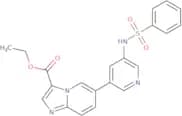
Formula:C6H6N4Purezza:Min. 95%Peso molecolare:134.14 g/molHS-173
CAS:HS-173 is a synthetic nucleoside analog that has transcription-polymerase chain inhibitory activity. HS-173 inhibits the expression of genes by binding to the major groove of DNA and blocking the progression of transcription. This drug also induces autophagy to eliminate damaged or dysfunctional cells, as well as regulating cell proliferation and differentiation. In addition, HS-173 has been shown to have synergistic effects with epidermal growth factor (EGF) and radiation in hl-60 cells and monoclonal antibody against carcinoembryonic antigen in k562 cells.
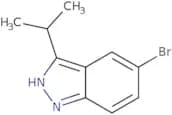
Formula:C21H18N4O4SPurezza:Min. 95%Peso molecolare:422.46 g/mol5-Bromo-3-isopropyl-1H-indazole
CAS:Versatile small molecule scaffold
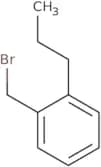
Formula:C10H11BrN2Purezza:Min. 95%Peso molecolare:239.12 g/mol1-(Bromomethyl)-2-propylbenzene
CAS:Versatile small molecule scaffold
Formula:C10H13BrPurezza:Min. 95%Peso molecolare:213.11 g/moltert-Butyl N-[1-(propane-1-sulfonyl)piperidin-4-yl]carbamate
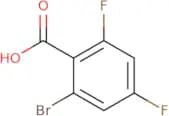
CAS:Versatile small molecule scaffoldFormula:C13H26N2O4SPurezza:Min. 95%Peso molecolare:306.42 g/mol2-Bromo-4,6-difluorobenzoic acid
CAS:Versatile small molecule scaffold
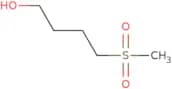
Formula:C7H3BrF2O2Purezza:Min. 95%Peso molecolare:237 g/mol4-Methanesulfonylbutan-1-ol
CAS:Versatile small molecule scaffold
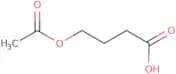
Formula:C5H12O3SPurezza:Min. 95%Peso molecolare:152.21 g/mol4-(Acetyloxy)butanoic acid
CAS:Prodotto controllato4-(Acetyloxy)butanoic acid is a vasoconstrictor that has been shown to be effective in the treatment of autoimmune diseases, cancer, and other types of disorders. This compound has been shown to modulate the immune system by increasing the number of T-cells and natural killer cells. 4-(Acetyloxy)butanoic acid also provides a targetable strategy for the treatment of cancer by implanting radioactive isotopes or chemotherapeutic drugs in proximity to tumor cells. The drug can also be administered through iontophoresis or hyperthermia, which have been shown to increase its effectiveness.
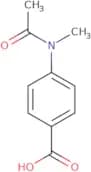
Formula:C6H10O4Purezza:Min. 95%Peso molecolare:146.14 g/mol4-(N-methylacetamido)benzoic acid
CAS:Versatile small molecule scaffold
Formula:C10H11NO3Purezza:Min. 95%Peso molecolare:193.2 g/mol7-Methyl-5H,7H-furo[3,4-b]pyridin-5-one
CAS:Versatile small molecule scaffold
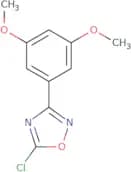
Formula:C8H7NO2Purezza:Min. 95%Peso molecolare:149.15 g/mol5-Chloro-3-(3,5-dimethoxyphenyl)-1,2,4-oxadiazole
CAS:Versatile small molecule scaffold
Formula:C10H9ClN2O3Purezza:Min. 95%Peso molecolare:240.64 g/molEthyl 8-chloro[1,3]dioxolo[4,5-g]quinoline-7-carboxylate
CAS:Versatile small molecule scaffold
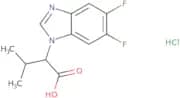
Formula:C13H10ClNO4Purezza:Min. 95%Peso molecolare:279.68 g/mol2-(5,6-Difluoro-1H-1,3-benzodiazol-1-yl)-3-methylbutanoic acid hydrochloride
CAS:Versatile small molecule scaffoldFormula:C12H13ClF2N2O2Purezza:Min. 95%Peso molecolare:290.69 g/mol4-Methoxypyrazolo[1,5-a]pyridine
CAS:Versatile small molecule scaffold
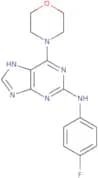
Formula:C8H8N2OPurezza:Min. 95%Peso molecolare:148.16 g/molN-(4-Fluorophenyl)-6-(morpholin-4-yl)-9H-purin-2-amine
CAS:Versatile small molecule scaffold
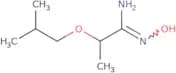
Formula:C15H15FN6OPurezza:Min. 95%Peso molecolare:314.32 g/molN'-Hydroxy-2-(2-methylpropoxy)propanimidamide
CAS:Versatile small molecule scaffold
Formula:C7H16N2O2Purezza:Min. 95%Peso molecolare:160.21 g/mol2-[3-(But-2-en-1-yloxy)phenyl]acetic acid
CAS:Versatile small molecule scaffold
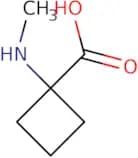
Formula:C12H14O3Purezza:Min. 95%Peso molecolare:206.24 g/mol1-(Methylamino)cyclobutane-1-carboxylic acid
CAS:Versatile small molecule scaffold
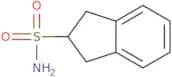
Formula:C6H11NO2Purezza:Min. 95%Peso molecolare:129.16 g/mol2,3-Dihydro-1H-indene-2-sulfonamide
CAS:Versatile small molecule scaffold
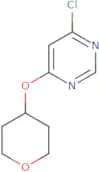
Formula:C9H11NO2SPurezza:Min. 95%Peso molecolare:197.26 g/mol4-Chloro-6-(oxan-4-yloxy)pyrimidine
CAS:Versatile small molecule scaffold
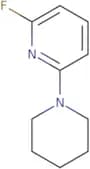
Formula:C9H11ClN2O2Purezza:Min. 95%Peso molecolare:214.65 g/mol2-Fluoro-6-(piperidin-1-yl)pyridine
CAS:Versatile small molecule scaffold
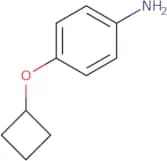
Formula:C10H13FN2Purezza:Min. 95%Peso molecolare:180.22 g/mol4-Cyclobutoxyaniline
CAS:Versatile small molecule scaffold
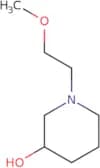
Formula:C10H13NOPurezza:Min. 95%Peso molecolare:163.22 g/mol1-(2-Methoxyethyl)piperidin-3-ol
CAS:Versatile small molecule scaffold
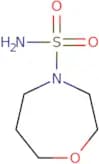
Formula:C8H17NO2Purezza:Min. 95%Peso molecolare:159.23 g/mol1,4-Oxazepane-4-sulfonamide
CAS:Versatile small molecule scaffold
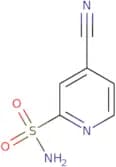
Formula:C5H12N2O3SPurezza:Min. 95%Peso molecolare:180.2 g/mol4-Cyanopyridine-2-sulfonamide
CAS:Versatile small molecule scaffold
Formula:C6H5N3O2SPurezza:Min. 95%Peso molecolare:183.19 g/mol[1-(6-Methylpyridazin-3-yl)pyrrolidin-2-yl]methanol
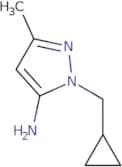
CAS:Versatile small molecule scaffoldFormula:C10H15N3OPurezza:Min. 95%Peso molecolare:193.25 g/mol1-(Cyclopropylmethyl)-3-methyl-1H-pyrazol-5-amine
CAS:Versatile small molecule scaffold
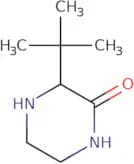
Formula:C8H13N3Purezza:Min. 95%Peso molecolare:151.21 g/mol3-tert-Butylpiperazin-2-one
CAS:Versatile small molecule scaffold
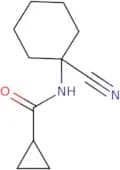
Formula:C8H16N2OPurezza:Min. 95%Peso molecolare:156.2 g/molN-(1-Cyanocyclohexyl)cyclopropanecarboxamide
CAS:Versatile small molecule scaffold
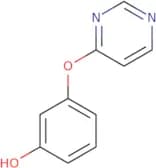
Formula:C11H16N2OPurezza:Min. 95%Peso molecolare:192.26 g/mol3-(Pyrimidin-4-yloxy)phenol
CAS:Versatile small molecule scaffold
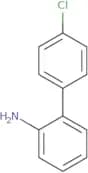
Formula:C10H8N2O2Purezza:Min. 95%Peso molecolare:188.18 g/mol4'-Chloro-biphenyl-2-ylamine
CAS:4'-Chloro-biphenyl-2-ylamine is an organic solvent that is used in alkalization and as a reagent in chemical reactions. It has been shown to be bactericidal, with a broad spectrum of activity against Gram-positive and Gram-negative bacteria. 4'-Chloro-biphenyl-2-ylamine can be synthesized by the reaction of biphenyl with hydrogen chloride, producing an azide and chloride. The azide reacts with chloroacetic acid to produce the desired compound.
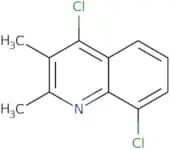
Formula:C12H10ClNPurezza:Min. 95%Peso molecolare:203.67 g/mol4,8-Dichloro-2,3-dimethylquinoline
CAS:Versatile small molecule scaffold
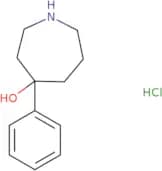
Formula:C11H9Cl2NPurezza:Min. 95%Peso molecolare:226.1 g/mol4-Phenylazepan-4-ol hydrochloride
CAS:Versatile small molecule scaffold
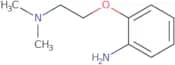
Formula:C12H18ClNOPurezza:Min. 95%Peso molecolare:227.73 g/mol2-(2-Dimethylamino-ethoxy)-phenylamine
CAS:Prodotto controllato2-(2-Dimethylamino-ethoxy)-phenylamine is a colorless liquid with a boiling point of 212 °C. The detection limit for this compound is 2 ppm. It has an acidity of 0.1 and can be synthesized from the reaction of two equivalents of phenol and two equivalents of ethylenediamine in the presence of conc. sulfuric acid, followed by reduction of the nitro group to an amine. This compound is used as an intermediate in the synthesis of several drugs such as amphetamine, methamphetamine, and ephedrine, as well as pharmaceuticals such as levamisole, clonidine, and mepyramine hydrochloride.
2-(2-Dimethylamino-ethoxy)-phenylamine can be detected using UV spectroscopy at wavelengths between 260 nm and 270 nm with maximum absorption at 266 nm.Formula:C10H16N2OPurezza:Min. 95%Peso molecolare:180.25 g/mol4-Methoxyphenyl acetate
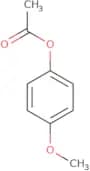
CAS:4-Methoxyphenyl acetate is the product of a chloroformate reaction with an alcohol. It has been synthesized in high yield and purified by recrystallization from hexahydrate to produce a white crystalline solid. This compound is soluble in water and chloroform, and is stable at room temperature. 4-Methoxyphenyl acetate has been shown to be active against influenza virus strains Covid-19, H1N1, H3N2, PR8, H5N1, and H7N7. The mechanism of action is not fully understood but this molecule may act as a substrate for the enzyme active site of the viral polymerase complex or interfere with viral nucleic acid replication.
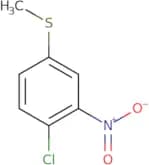
Formula:C9H10O3Purezza:Min. 95%Peso molecolare:166.17 g/mol(4-chloro-3-nitrophenyl)(methyl)sulfane
CAS:Versatile small molecule scaffold
Formula:C7H6ClNO2SPurezza:Min. 95%Peso molecolare:203.64 g/mol2-Phenyl-5-oxazolone
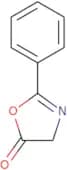
CAS:2-Phenyl-5-oxazolone is a chemical compound that has been used as a starting material for the synthesis of various other organic compounds. It can be synthesized by the reaction of 2-phenylacetamide with 3-chloro-5,6-dihydrobenzoxazole. The kinetic data for this reaction are provided in the table below. Monoclonal antibodies have been used to detect and quantify 2-phenyl-5-oxazolone in human urine samples, but it is not yet known whether this compound plays any role in the development of prostate cancer cells. Caproic acid is a metabolite that is formed from 2-phenylacetamide during its conversion to 2-phenyl 5 oxazolone.
Formula:C9H7NO2Purezza:Min. 95%Peso molecolare:161.16 g/mol3-Methyl-5-phenyl-1,2,4-oxadiazole
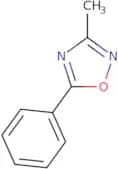
CAS:3-Methyl-5-phenyl-1,2,4-oxadiazole is an organic compound that has been synthesized from aminoacids. It is a mesoionic heterocyclic compound with the chemical formula CHNO. 3-Methyl-5-phenyl-1,2,4-oxadiazole is a dipolarophile and can be used in cycloaddition reactions with nitrosobenzene to produce nitrostyrenes. 3-Methyl-5-phenyl-1,2,4-oxadiazole can also be synthesized by using diazomethane as a reagent and a regiospecific process.
Formula:C9H8N2OPurezza:Min. 95%Peso molecolare:160.17 g/mol3-Pyridin-3-yl-[1,2,4]oxadiazol-5-ol
CAS:Versatile small molecule scaffold
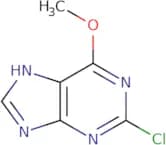
Formula:C7H5N3O2Purezza:Min. 95%Peso molecolare:163.13 g/mol2-Chloro-6-methoxypurine
CAS:2-Chloro-6-methoxypurine is a nucleoside that is synthesized by the enzyme nucleoside phosphorylase. It is used in an enzymatic reaction to produce 2-chloroadenine and allopurinol. The reaction requires ribose and d-arabinose as substrates, and can also be carried out at high temperatures (60°C). The bacteria E. coli can be used for the production of 2-chloro-6-methoxypurine. This product has been shown to inhibit bacterial growth in vitro when mixed with other substances such as xylosides, soluble form, and thermophilic.
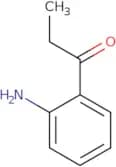
Formula:C6H5ClN4OPurezza:Min. 95%Peso molecolare:184.58 g/mol1-(2-Aminophenyl)propan-1-one
CAS:1-(2-Aminophenyl)propan-1-one (1AP) is a cytotoxic agent that belongs to the class of iminoquinones. It is a synthetic compound that can be dimerized with copper(II) ions. 1AP has been shown to induce cell death in vitro by forming an imine with DNA, which results in the formation of reactive oxygen species and nitro groups. This drug also has nitro groups that are capable of binding to proteins and carbohydrates, which may contribute to its cytotoxic activity.
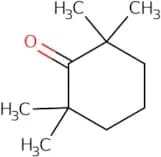
Formula:C9H11NOPurezza:Min. 95%Peso molecolare:149.19 g/mol2,2,6,6-Tetramethylcyclohexan-1-one
CAS:2,2,6,6-Tetramethylcyclohexan-1-one is a chemical compound with the molecular formula CHO. It is a colorless liquid that boils around 100°C and has a strong odor. 2,2,6,6-Tetramethylcyclohexan-1-one can be used in the dehydrogenation of alicyclic compounds to form alkenes. The reaction proceeds by attack of the intermediate on the double bond and elimination of two hydrogen atoms from an adjacent methyl group. In this process, one molecule of water is also produced. This reaction mechanism can be postulated for homologues as well.
Formula:C10H18OPurezza:Min. 95%Peso molecolare:154.25 g/mol7-Azaspiro[3.5]nonane-6,8-dione
CAS:Versatile small molecule scaffold
Formula:C8H11NO2Purezza:Min. 95%Peso molecolare:153.18 g/mol
![Benzyl[(2-methylphenyl)methyl]amine](/_next/image/?url=https%3A%2Fstatic.cymitquimica.com%2Fproducts%2F3D%2Fthumb-webp%2FBDA12258.webp&w=3840&q=75)

![7-Chloro-5-methylimidazo[1,2-c]pyrimidine-2-carboxamide](/_next/image/?url=https%3A%2Fstatic.cymitquimica.com%2Fproducts%2F3D%2Fthumb-webp%2FBDA07540.webp&w=3840&q=75)
![1H-Pyrazolo[3,4-c]pyridin-3-amine](/_next/image/?url=https%3A%2Fstatic.cymitquimica.com%2Fproducts%2F3D%2Fthumb-webp%2FBDA00617.webp&w=3840&q=75)
![tert-Butyl N-[1-(propane-1-sulfonyl)piperidin-4-yl]carbamate](/_next/image/?url=https%3A%2Fstatic.cymitquimica.com%2Fproducts%2F3D%2Fthumb-webp%2FBBB05654.webp&w=3840&q=75)
![7-Methyl-5H,7H-furo[3,4-b]pyridin-5-one](/_next/image/?url=https%3A%2Fstatic.cymitquimica.com%2Fproducts%2F3D%2Fthumb-webp%2FBBA91904.webp&w=3840&q=75)
![Ethyl 8-chloro[1,3]dioxolo[4,5-g]quinoline-7-carboxylate](/_next/image/?url=https%3A%2Fstatic.cymitquimica.com%2Fproducts%2F3D%2Fthumb-webp%2FBBA89317.webp&w=3840&q=75)
![4-Methoxypyrazolo[1,5-a]pyridine](/_next/image/?url=https%3A%2Fstatic.cymitquimica.com%2Fproducts%2F3D%2Fthumb-webp%2FBAC71547.webp&w=3840&q=75)
![2-[3-(But-2-en-1-yloxy)phenyl]acetic acid](/_next/image/?url=https%3A%2Fstatic.cymitquimica.com%2Fproducts%2F3D%2Fthumb-webp%2FBAC40562.webp&w=3840&q=75)
![[1-(6-Methylpyridazin-3-yl)pyrrolidin-2-yl]methanol](/_next/image/?url=https%3A%2Fstatic.cymitquimica.com%2Fproducts%2F3D%2Fthumb-webp%2FBAC25616.webp&w=3840&q=75)
![3-Pyridin-3-yl-[1,2,4]oxadiazol-5-ol](/_next/image/?url=https%3A%2Fstatic.cymitquimica.com%2Fproducts%2F3D%2Fthumb-webp%2FBAA19899.webp&w=3840&q=75)
![7-Azaspiro[3.5]nonane-6,8-dione](/_next/image/?url=https%3A%2Fstatic.cymitquimica.com%2Fproducts%2F3D%2Fthumb-webp%2FBAA19586.webp&w=3840&q=75)