Building Blocks
Sottocategorie di "Building Blocks"
- Acidi boronici e derivati dell'acido boronico(5.780 prodotti)
- Building Blocks Chirali(1.239 prodotti)
- Building Blocks Idrocarburici(6.100 prodotti)
- Building Blocks organici(61.005 prodotti)
Trovati 205234 prodotti di "Building Blocks"
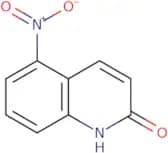
5-Nitro-1H-quinolin-2-one
CAS:Versatile small molecule scaffold
Formula:C9H6N2O3Purezza:Min. 95%Peso molecolare:190.16 g/mol1,7,7-Trimethylspiro[bicyclo[2.2.1]heptane-2,4'-imidazolidine]-2',5'-dione
CAS:Versatile small molecule scaffold
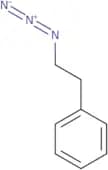
Formula:C12H18N2O2Purezza:Min. 95%Peso molecolare:222.28 g/mol(2-Azidoethyl)benzene
CAS:2-Azidoethylbenzene is a coumarin derivative that has been identified as an important bioactive molecule. It is synthesized by the reaction of azides and benzene using a reaction solution. The compound reacts with hydroxyl groups to form a C-N bond, which may be responsible for its biological activity. 2-Azidoethylbenzene has been shown to have anti-leukemia effects in radiation-sensitive leukemia cells. It also has vasodilatory properties that may be related to the increase in blood pressure induced by the compound. 2-Azidoethylbenzene has also been shown to be effective against hypoxia inducible factors such as HIF1α, which are proteins involved in cell growth and proliferation.
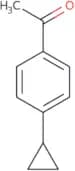
Formula:C8H9N3Purezza:Min. 95%Peso molecolare:147.18 g/mol1-(4-Cyclopropylphenyl)ethanone
CAS:Versatile small molecule scaffold
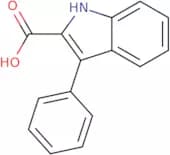
Formula:C11H12OPurezza:Min. 95%Peso molecolare:160.22 g/mol3-Phenyl-1H-indole-2-carboxylic Acid
CAS:3-Phenyl-1H-indole-2-carboxylic acid is a chemical compound that has an acidic property. It is used in the analysis of hormones, such as testosterone and estradiol. 3-Phenyl-1H-indole-2-carboxylic acid is used to analyze the biotic and abiotic properties of a sample by liquid chromatography. It can be used for the profiling of steroids, such as cortisol and cortisone, and sex hormones. This chemical is also used to highlight the presence of acetonitrile in a sample.
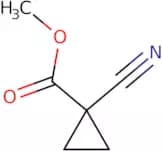
Formula:C15H11NO2Purezza:Min. 95%Peso molecolare:237.25 g/molMethyl 1-cyanocyclopropanecarboxylate
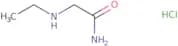
CAS:Versatile small molecule scaffoldFormula:C6H7NO2Purezza:Min. 95%Peso molecolare:125.13 g/mol2-(Ethylamino)acetamide hydrochloride
CAS:Versatile small molecule scaffold
Formula:C4H11ClN2OPurezza:Min. 95%Peso molecolare:138.59 g/mol{[3-(Trifluoromethyl)phenyl]carbamoyl}formic acid
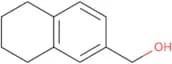
CAS:Versatile small molecule scaffoldFormula:C9H6F3NO3Purezza:Min. 95%Peso molecolare:233.14 g/mol(5,6,7,8-Tetrahydronaphthalen-2-yl)methanol
CAS:(5,6,7,8-Tetrahydronaphthalen-2-yl)methanol is a hexacyclic molecule that is used as an intermediate in the production of drugs. It can also be used as a precursor for the synthesis of various nitrogen compounds. This compound has potent inducers of cytochrome P450 and hydroxylase enzymes. This product is also considered to be carcinogenic and has been shown to cause tumors in rats when given orally.
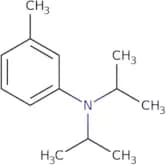
Formula:C11H14OPurezza:Min. 95%Peso molecolare:162.23 g/mol3-Methyl-N,N-bis(propan-2-yl)aniline
CAS:Versatile small molecule scaffold
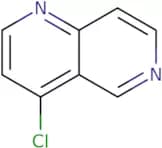
Formula:C13H21NPurezza:Min. 95%Peso molecolare:191.31 g/mol4-Chloro-1,6-naphthyridine
CAS:4-Chloro-1,6-naphthyridine is a chlorinated derivative of 1,6-naphthyridine. It is synthesized by catalytic hydrogenation. Catalytic hydrogenation of 4-chloro-1,6-naphthyridine yields two isomeric products: 4-chloronicotinamide and 4-chlorobenzamide. The industrial process for the synthesis of 4-chloro-1,6-naphthyridine involves condensation with ethyl acetate to form the N-(4'-chlorophenyl)ethane sulfonate salt followed by reaction with potassium chloride in alcoholic solution.
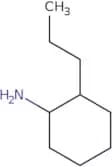
Formula:C8H5ClN2Purezza:Min. 95%Peso molecolare:164.6 g/mol2-Propylcyclohexan-1-amine
CAS:2-Propylcyclohexan-1-amine is a hydrogenation reaction intermediate that is produced by the thermodynamic equilibrium of cyclohexanone. It is a colorless liquid that has an amine odor. 2-Propylcyclohexan-1-amine can be used as a solvent and as a reactant in industrial processes. The phosphide ion, P, in this compound can be oxidized to form phosphoric acid with heat or light. This reaction has an activation energy (Ea) of 78 kJ/mol and produces hydrogen gas and the corresponding acid from 2-propyclohexanone. The bond cleavage reaction between phosphine and cyclohexane has an Ea of 54 kJ/mol and produces hydrogen gas, phosphate ions, and the corresponding alcohol.
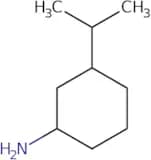
Formula:C9H19NPurezza:Min. 95%Peso molecolare:141.25 g/mol3-(Propan-2-yl)cyclohexan-1-amine
CAS:Versatile small molecule scaffold
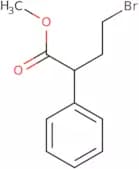
Formula:C9H19NPurezza:Min. 95%Peso molecolare:141.25 g/molMethyl 4-bromo-2-phenylbutanoate
CAS:Versatile small molecule scaffold
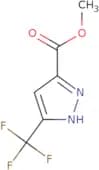
Formula:C11H13BrO2Purezza:Min. 95%Peso molecolare:257.12 g/molMethyl 5-(trifluoromethyl)pyrazole-3-carboxylate
CAS:Versatile small molecule scaffold
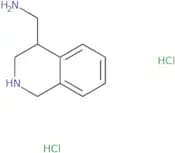
Formula:C6H5F3N2O2Purezza:Min. 95%Peso molecolare:194.11 g/mol(1,2,3,4-Tetrahydroisoquinolin-4-yl)methanamine dihydrochloride
CAS:Versatile small molecule scaffold
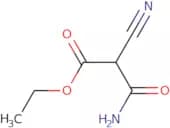
Formula:C10H16Cl2N2Purezza:Min. 95%Peso molecolare:235.15 g/molEthyl 2-carbamoyl-2-cyanoacetate
CAS:Versatile small molecule scaffold
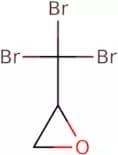
Formula:C6H8N2O3Purezza:Min. 95%Peso molecolare:156.14 g/mol2-(Tribromomethyl)oxirane
CAS:Versatile small molecule scaffold
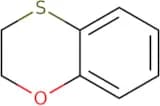
Formula:C3H3Br3OPurezza:Min. 95%Peso molecolare:294.77 g/mol2,3-Dihydro-1,4-benzoxathiine
CAS:2,3-Dihydro-1,4-benzoxathiine is a chemical compound that blocks the action of ethylene. It is an antimycotic and has been used to treat fungal infections. The structure of 2,3-dihydro-1,4-benzoxathiine is similar to that of the estrogen molecule and it binds to the estrogen receptor with high affinity. This drug also acts as a selective serotonin receptor ligand and binds selectively to serotonin receptors. In addition, this drug has been shown to act on the nucleus by inhibiting melatonin synthesis in rats.
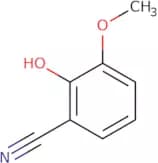
Formula:C8H8OSPurezza:Min. 95%Peso molecolare:152.22 g/mol2-Hydroxy-3-methoxybenzenecarbonitrile
CAS:2-Hydroxy-3-methoxybenzenecarbonitrile (2HMB) is a reagent that is used in the synthesis of benzofurans. It is an analog of 2,2'-dichlorodiethyl carbonate. The reaction mechanism involves the conversion of 2HMB to 2-chloro-3-methoxybenzenecarbonitrile, followed by the elimination of chloride to yield 3-hydroxybenzofuran. This reagent also has the ability to catalyze reactions such as demethylation and alkylations.
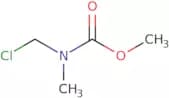
Formula:C8H7NO2Purezza:Min. 95%Peso molecolare:149.15 g/molMethyl N-(chloromethyl)-N-methylcarbamate
CAS:Versatile small molecule scaffold
Formula:C4H8ClNO2Purezza:Min. 95%Peso molecolare:137.56 g/mol3-[(2-Furylmethyl)amino]propanenitrile
CAS:Versatile small molecule scaffold
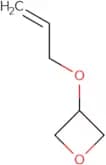
Formula:C8H10N2OPurezza:Min. 95%Peso molecolare:150.18 g/mol3-(Allyloxy)oxetane
CAS:3-(Allyloxy)oxetane is a monomer that has been found to be an effective adhesive. It is synthesized by the reaction of allyl alcohol with oxetane in the presence of base. 3-(Allyloxy)oxetane is used as an adhesive in textile manufacturing, paper coating, and sealing windows. It has also been found to be a promising material for use in sealants and adhesives.
Formula:C6H10O2Purezza:Min. 95%Peso molecolare:114.14 g/mol(2R,3S,4R,5R)-Oxane-2,3,4,5-tetrol
CAS:(2R,3S,4R,5R)-Oxane-2,3,4,5-tetrol is a ligand that binds to metal ions and isomers of nitro groups. This compound has four chiral centers and two stereogenic centers. It has been used as an immobilized catalyst in the synthesis of enantiopure alcohols and aldehydes. (2R,3S,4R,5R)-Oxane-2,3,4,5-tetrol can be used as a feedstock for the production of polyols or polymers. It can also be used in fermentations such as the conversion of sugars into alcohols using yeast. (2R,3S,4R,5R)-Oxane-2,3,4,5-tetrol is transported across cell membranes by active transport or diffusion. Growth temperature affects its solubility in water and its ability to form hydrogen bonds
Formula:C5H10O5Purezza:Min. 95%Peso molecolare:150.13 g/mol4-(4-Methoxy-phenyl)-piperidine hydrochloride
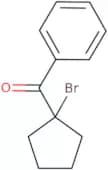
CAS:Versatile small molecule scaffoldFormula:C12H18ClNOPurezza:Min. 95%Peso molecolare:227.74 g/mol(1-Bromocyclopentyl)(phenyl)methanone
CAS:Versatile small molecule scaffold
Formula:C12H13BrOPurezza:Min. 95%Peso molecolare:253.13 g/mol5-Iodopentanenitrile
CAS:5-Iodopentanenitrile is a reactive chemical that can be used to produce organic compounds. This compound is an intermediate in the production of 5-iodo-1,3-dihydrobenzofuran and 5-iodoquinoline. It is also used for the production of pharmaceutical intermediates such as fluoroquinolones and alkylating agents. The mechanism of this chemical's reactivity has been studied extensively, which led to the discovery that it reacts by nucleophilic addition at electron deficient carbonyls groups. These reactions are known as Grignard reactions or halolactonizations. This chemical has also been shown to be reactive with biomolecules, such as DNA and RNA, and can bind to their sugar residues.
Formula:C5H8INPurezza:Min. 95%Peso molecolare:209.03 g/mol4-Iodobutanenitrile
CAS:4-Iodobutanenitrile is a synthetic compound that is used in the preparation of cyclobutanones. It can be prepared by the reaction of bromoacetic acid chloride with lysine. This procedure yields the product in high yield and purity and without significant amounts of undesired side products, such as 4-bromobutanenitrile and 2-chlorobenzene. The 4-iodobutanenitrile is synthesized using an asymmetric synthesis which includes hydrochloric acid as a reagent.
Formula:C4H6INPurezza:Min. 95%Peso molecolare:195 g/mol3-(4-Iodo-5-methyl-1H-pyrazol-1-yl)propanoic acid
CAS:Versatile small molecule scaffold
Formula:C7H9IN2O2Purezza:Min. 95%Peso molecolare:280.06 g/mol4-Azatricyclo[5.2.2.0,2,6]undec-8-ene-3,5-dione
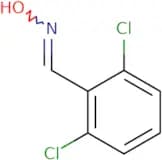
CAS:4-Azatricyclo[5.2.2.0,2,6]undec-8-ene-3,5-dione (ATU) is a chemical compound that has been shown to have antimicrobial properties. It inhibits the growth of gram-negative and gram-positive bacteria and shows significant inhibition of MT4 cells in culture. ATU also demonstrated antifungal properties against Candida albicans and Aspergillus niger in vitro. ATU has been found to be cytotoxic to cells in culture, but not to mammals. The mechanism of action is not known, but it may be due to binding with DNA or RNA.>>END>>Formula:C10H11NO2Purezza:Min. 95%Peso molecolare:177.2 g/mol(E)-2,6-Dichlorobenzaldehyde oxime
CAS:(E)-2,6-Dichlorobenzaldehyde oxime is an oxime that has a high affinity for electron-rich molecules. It is a toxicant that targets toxicants with electron-donating groups such as benzene. This compound also has physicochemical properties such as solubility in water and lipids which make it suitable for mucosal administration. (E)-2,6-Dichlorobenzaldehyde oxime is used as a herbicide to control weeds in crops like soybeans and corn.
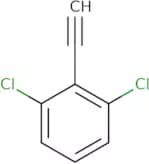
Formula:C7H5Cl2NOPurezza:Min. 95%Peso molecolare:190.02 g/mol1,3-Dichloro-2-ethynylbenzene
CAS:Versatile small molecule scaffold
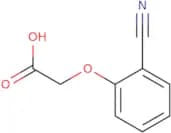
Formula:C8H4Cl2Purezza:Min. 95%Peso molecolare:171.02 g/mol2-(2-Cyanophenoxy)acetic acid
CAS:Versatile small molecule scaffold
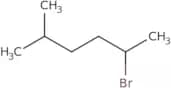
Formula:C9H7NO3Purezza:Min. 95%Peso molecolare:177.16 g/mol2-Bromo-5-methylhexane
CAS:2-Bromo-5-methylhexane is a homologous series of compounds with an alkylating agent that can inhibit cholinesterase and cause cancer. This compound has been shown to have anti-inflammatory properties, which may be due to its ability to modulate fatty acid metabolism. 2-Bromo-5-methylhexane also has been found to be effective in the treatment of prostate cancer cells. It is believed that this compound inhibits chloride channels, which are involved in the regulation of cell volume, and sodium channels, which are involved in nerve transmission. 2-Bromo-5-methylhexane also has fluorescence properties and can be used as a stain for sternal glands.
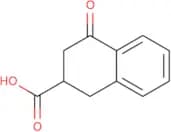
Formula:C7H15BrPurezza:Min. 95%Peso molecolare:179.1 g/mol2-Naphthalenecarboxylic acid, 1,2,3,4-tetrahydro-4-oxo-
CAS:2-Naphthalenecarboxylic acid, 1,2,3,4-tetrahydro-4-oxo-, is an organic compound that is a derivative of naphthalene. It can be synthesized by reacting benzene with acetic anhydride in the presence of a base catalyst. This product is used as a solvent and antioxidant in plastics manufacturing.
Formula:C11H10O3Purezza:Min. 95%Peso molecolare:190.2 g/mol2-Iodoquinoline
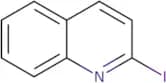
CAS:2-Iodoquinoline is a quinoline derivative that has been shown to be a potent inhibitor of the uptake of amyloid protein in vitro. 2-Iodoquinoline is also able to inhibit the growth of cancer cells and induce apoptosis. The mechanism by which 2-Iodoquinoline inhibits tumor cell growth may be due to its ability to activate epidermal growth factor receptor (EGFR). This compound has also been shown to stimulate epidermal growth through the activation of EGFR and other signaling pathways, such as phosphatidylinositol 3 kinase (PI3K) and mitogen-activated protein kinase (MAPK).
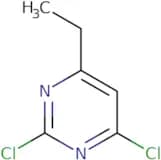
Formula:C9H6INPurezza:Min. 95%Peso molecolare:255.06 g/mol2,4-dichloro-6-ethylpyrimidine
CAS:Versatile small molecule scaffold
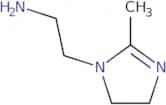
Formula:C6H6Cl2N2Purezza:Min. 95%Peso molecolare:177 g/mol2-(2-Methyl-4,5-dihydro-1H-imidazol-1-yl)ethan-1-amine
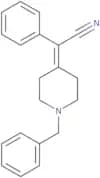
CAS:2-(2-Methyl-4,5-dihydro-1H-imidazol-1-yl)ethan-1-amine is an organic compound that has been used as a catalyst. It crystallizes in the triclinic system and exhibits high catalytic activity. The hydrothermal synthesis of 2-(2,4,5-trimethylphenyl)-N,N′,N″,N″′-[2(2,4,5-trimethylphenyl)ethenyl]-tetrahedrane (Cp*TiMe3) was achieved by using diethylenetriamine (DETA) as a starting material. This product catalyzes the cyclization of acetaldehyde to form benzaldehyde with high catalytic activity. The probe 2-(2,4,5-trimethylphenyl)-N,N′-[2(2,4,5-trimethylphenylFormula:C6H13N3Purezza:Min. 95%Peso molecolare:127.19 g/mol2-(1-Benzylpiperidin-4-ylidene)-2-phenylacetonitrile
CAS:Versatile small molecule scaffold
Formula:C20H20N2Purezza:Min. 95%Peso molecolare:288.4 g/molL-152,804
CAS:L-152,804 is a potent inhibitor of the dopamine receptor. It has been shown to have an inhibitory effect on wild-type mice and functional assays in vitro. L-152,804 inhibits locomotor activity in wild type mice and increases energy metabolism in adipose tissue. L-152,804 binds to the dopamine receptor by competitive inhibition and inhibits the binding of glutamate and dopamine to the receptor. This drug has also been shown to have anti-inflammatory effects in a rat model of arthritis.
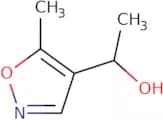
Formula:C23H26O4Purezza:Min. 95%Peso molecolare:366.46 g/mol1-(5-Methyl-1,2-oxazol-4-yl)ethan-1-ol
CAS:Versatile small molecule scaffold
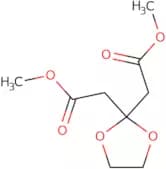
Formula:C6H9NO2Purezza:Min. 95%Peso molecolare:127.14 g/molDimethyl 1,3-dioxolane-2,2-diacetate
CAS:Versatile small molecule scaffold
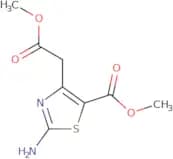
Formula:C9H14O6Purezza:Min. 95%Peso molecolare:218.2 g/molMethyl 2-amino-4-(2-methoxy-2-oxoethyl)-1,3-thiazole-5-carboxylate
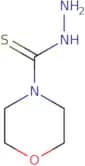
CAS:Versatile small molecule scaffoldFormula:C8H10N2O4SPurezza:Min. 95%Peso molecolare:230.24 g/molN-Aminomorpholine-4-carbothioamide
CAS:N-Aminomorpholine-4-carbothioamide is a ligand that binds to the carboxylates of chloroform. It is produced by the enzyme subtilisin from the amino acid L-alanine and the compound 2-acetylpyridine. This ligand has been found in microorganisms such as Escherichia coli, Staphylococcus aureus, and Saccharomyces cerevisiae. N-Aminomorpholine-4-carbothioamide has been shown to be an effective inhibitor of yeast growth but not bacterial growth. The molecular weight of this ligand is 226.2 g mol−1 and it is a dimer at room temperature with two molecules linked together by hydrogen bonds.
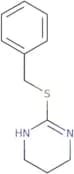
Formula:C5H11N3OSPurezza:Min. 95%Peso molecolare:161.23 g/mol2-(Benzylsulfanyl)-1,4,5,6-tetrahydropyrimidine
CAS:Versatile small molecule scaffoldFormula:C11H14N2SPurezza:Min. 95%Peso molecolare:206.31 g/mol2-(4-Bromo-phenyl)-acetamidine hydrochloride
CAS:Versatile small molecule scaffold
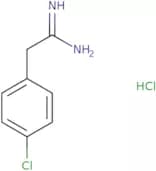
Formula:C8H10BrClN2Purezza:Min. 95%Peso molecolare:249.53 g/mol4-Chlorobenzeneethanimidamide hydrochloride
CAS:Versatile small molecule scaffold
Formula:C8H10Cl2N2Purezza:Min. 95%Peso molecolare:205.08 g/mol2-Methylquinazoline-4-thiol
CAS:2-Methylquinazoline-4-thiol is a heterocyclic compound with a thione group. Its amide groups are similar to those found in peptides, which play an important role in the coordination chemistry of the molecule. The 2-methylquinazoline-4-thiol skeleton is tetracyclic and can be used for synthetic purposes. This compound has been shown to have hepatoprotective properties, but also has cytotoxic effects on cells.
Formula:C9H8N2SPurezza:Min. 95%Peso molecolare:176.24 g/mol5-(3-Chloropropyl)-4-methyl-1,3-thiazole
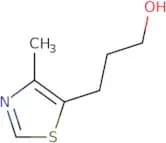
CAS:5-(3-Chloropropyl)-4-methyl-1,3-thiazole is a hydrophobic antibiotic that is used as a diluent in iontophoresis. It has been shown to have targetable properties and high concentrations when it is used in phase chromatography. 5-(3-Chloropropyl)-4-methyl-1,3-thiazole also serves as a fixative agent and can be used as a diagnostic tool for the detection of salicylic acid. This compound has been found to be insoluble at high concentrations, so it cannot be reconstituted with water.Formula:C7H10ClNSPurezza:Min. 95%Peso molecolare:175.68 g/mol3-(4-Methyl-1,3-thiazol-5-yl)propan-1-ol
CAS:Versatile small molecule scaffold
Formula:C7H11NOSPurezza:Min. 95%Peso molecolare:157.24 g/mol

![1,7,7-Trimethylspiro[bicyclo[2.2.1]heptane-2,4'-imidazolidine]-2',5'-dione](/_next/image/?url=https%3A%2Fstatic.cymitquimica.com%2Fproducts%2F3D%2Fthumb-webp%2FGAA92930.webp&w=3840&q=75)
![{[3-(Trifluoromethyl)phenyl]carbamoyl}formic acid](/_next/image/?url=https%3A%2Fstatic.cymitquimica.com%2Fproducts%2F3D%2Fthumb-webp%2FGAA89083.webp&w=3840&q=75)
![3-[(2-Furylmethyl)amino]propanenitrile](/_next/image/?url=https%3A%2Fstatic.cymitquimica.com%2Fproducts%2F3D%2Fthumb-webp%2FGAA78868.webp&w=3840&q=75)




![4-Azatricyclo[5.2.2.0,2,6]undec-8-ene-3,5-dione](/_next/image/?url=https%3A%2Fstatic.cymitquimica.com%2Fproducts%2F3D%2Fthumb-webp%2FGAA71529.webp&w=3840&q=75)