Building Blocks
Sottocategorie di "Building Blocks"
- Acidi boronici e derivati dell'acido boronico(5.778 prodotti)
- Building Blocks Chirali(1.243 prodotti)
- Building Blocks Idrocarburici(6.099 prodotti)
- Building Blocks organici(61.038 prodotti)
Trovati 205376 prodotti di "Building Blocks"
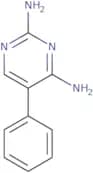
5-Phenylpyrimidine-2,4-diamine
CAS:5-Phenylpyrimidine-2,4-diamine is an antiparasitic agent that belongs to the group of derivs. It has been shown to inhibit coccidian growth in vitro and has antiparasitic activity against bacteria and protozoa. 5-Phenylpyrimidine-2,4-diamine binds to the enzyme acetyl coenzyme A synthetase in the parasite's mitochondria and prevents the synthesis of ATP. This leads to cell death.Formula:C10H10N4Purezza:Min. 95%Peso molecolare:186.21 g/mol2-(Thiophen-2-yl)quinazoline-4-thiol
CAS:Versatile small molecule scaffold
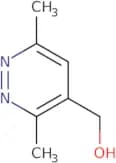
Formula:C12H8N2S2Purezza:Min. 95%Peso molecolare:244.3 g/mol(3,6-Dimethylpyridazin-4-yl)methanol
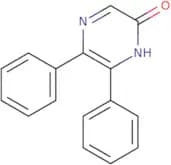
CAS:Versatile small molecule scaffoldFormula:C7H10N2OPurezza:Min. 95%Peso molecolare:138.17 g/mol5,6-Diphenylpyrazinol
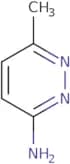
CAS:5,6-Diphenylpyrazinol is a nitrated derivative of pyrazine. It is synthesized by nitrating 5,6-diphenylpyrazine with a mixture of sulfuric and nitric acid. The product is isolated by fractional distillation.Formula:C16H12N2OPurezza:Min. 95%Peso molecolare:248.28 g/mol3-Amino-6-methylpyridazine
CAS:3-Amino-6-methylpyridazine is a pro-apoptotic molecule that interacts with the kinase domain of the pro-apoptotic protein Bax, inducing programmed cell death. This compound has been shown to be homologous with other compounds that inhibit mycobacterium avium and staphylococcus in vitro. 3-Amino-6-methylpyridazine inhibits the replication of tuberculosis bacteria by inhibiting DNA synthesis. It also has a cytotoxic effect on mycobacterium avium cells, which may be due to its ability to induce apoptosis.
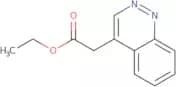
3-Amino-6-methylpyridazine has an antiinflammatory effect on macrophages by inhibiting cyclooxygenase and lipoxygenase activity.Purezza:Min. 95%Ethyl 2-(cinnolin-4-yl)acetate
CAS:Versatile small molecule scaffold
Formula:C12H12N2O2Purezza:Min. 95%Peso molecolare:216.24 g/mol2,5,6-Trimethyl-3H,4H-thieno[2,3-d]pyrimidin-4-one
CAS:Versatile small molecule scaffold
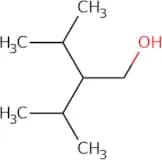
Formula:C9H10N2OSPurezza:Min. 95%Peso molecolare:194.26 g/mol3-Methyl-2-(propan-2-yl)butan-1-ol
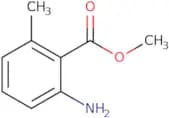
CAS:Versatile small molecule scaffoldFormula:C8H18OPurezza:Min. 95%Peso molecolare:130.23 g/molMethyl 2-amino-6-methylbenzoate
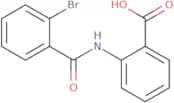
CAS:Methyl 2-amino-6-methylbenzoate (MMAB) is a prophylactic agent that inhibits the growth of tumor cells. It is used for prophylactic treatment of patients with a syndrome in which there is an increased risk of tumor formation. MMAB inhibits the production of DNA and RNA, which are needed for cell division. The drug also inhibits the activity of ribonucleotide reductase and deoxyribonucleotide reductase, which are enzymes involved in DNA synthesis. MMAB has been shown to inhibit the growth of tumor cells and may be useful in preventing tumors from forming.Formula:C9H11NO2Purezza:Min. 95%Peso molecolare:165.19 g/mol2-(2-Bromobenzamido)benzoic acid
CAS:Versatile small molecule scaffoldFormula:C14H10BrNO3Purezza:Min. 95%Peso molecolare:320.14 g/mol5-Iodofuran-2-carboxylic acid
CAS:5-Iodofuran-2-carboxylic acid is an ionic compound that acts as a serotonin reuptake inhibitor. It is a hardener in liquid crystal display (LCD) screens, and has been used to increase the hardness of epoxy resin in coatings for plastic. 5-Iodofuran-2-carboxylic acid inhibits the serotonin transporter (SERT), which is responsible for the reuptake of serotonin from the synaptic cleft. This inhibition leads to increased extracellular concentrations of serotonin, which can result in serotonergic side effects such as nausea, vomiting, and headache.
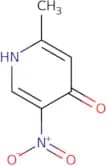
Formula:C5H3IO3Purezza:Min. 95%Peso molecolare:237.98 g/mol2-Methyl-5-nitropyridin-4-ol
CAS:Versatile small molecule scaffold
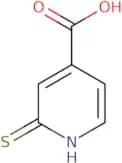
Formula:C6H6N2O3Purezza:Min. 95%Peso molecolare:154.12 g/mol2-Thioxo-1,2-dihydropyridine-4-carboxylic acid
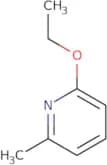
CAS:2-Thioxo-1,2-dihydropyridine-4-carboxylic acid (TDPCA) is a molecule that is structurally similar to the protonated form of 2-thioxoimidazole carboxylic acid. TDPCA has been shown to be an antibacterial agent against Staphylococcus aureus with surface-enhanced Raman scattering properties. TDPCA can also act as a fluorescence probe and has pharmacokinetic properties that are dependent on its molecular weight, which can be determined using plasma mass spectrometry. TDPCA absorbs light in the red region of the spectrum and shifts to the blue region when it reacts with silver ions. It also binds to carboxylate groups, which may be used for detection by nanosensors.Formula:C6H5NO2SPurezza:Min. 95%Peso molecolare:155.17 g/mol2-Ethoxy-6-methylpyridine
CAS:2-Ethoxy-6-methylpyridine is a polypeptide chain with anti-oxidant properties. It has been shown to significantly reduce oxidative damage to protein synthesis in the cytoplasm of animals. 2-Ethoxy-6-methylpyridine also inhibits lipid peroxidation and membrane damage, which may be due to its ability to act as an endoplasmic reticulum (ER) template. This compound is able to bind to ER membranes and alter their structure, which may lead to the prevention of cell death.
Formula:C8H11NOPurezza:Min. 95%Peso molecolare:137.18 g/mol[(2-Methylphenyl)thio]acetic acid
CAS:Versatile small molecule scaffold
Formula:C9H10O2SPurezza:Min. 95%Peso molecolare:182.24 g/molAcetic acid, 2-[(2-chlorophenyl)thio]-
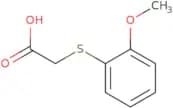
CAS:Versatile small molecule scaffoldFormula:C8H7O2SClPurezza:Min. 95%Peso molecolare:202.66 g/mol(2-Methoxy-phenylsulfanyl)-acetic acid
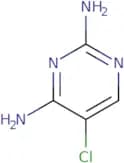
CAS:Versatile small molecule scaffoldFormula:C9H10O3SPurezza:Min. 95%Peso molecolare:198.24 g/mol5-Chloropyrimidine-2,4-diamine
CAS:5-Chloropyrimidine-2,4-diamine is a chemical compound that has been shown to inhibit the growth of cancer cells in vitro. The compound is an anti-cancer agent that can be used to treat lung cancer. It has been shown to have a cytotoxic effect on human lung cancer cells and to inhibit the proliferation of these cells in vitro. It also inhibits the growth of other types of human cancer cells, including those from breast, colon and prostate cancers. This substance has been shown to bind with high affinity to DNA and RNA and modulate their synthesis. 5-Chloropyrimidine-2,4-diamine also inhibits cell division by binding to the enzyme topoisomerase II, which controls the unwinding of DNA strands during replication.Formula:C4H5ClN4Purezza:Min. 95%Peso molecolare:144.56 g/mol2-[(2-Methylphenyl)sulfanyl]-2-phenylacetic acid
CAS:Versatile small molecule scaffoldFormula:C15H14O2SPurezza:Min. 95%Peso molecolare:258.3 g/mol2-[(2,4-Dimethylphenyl)sulfanyl]-2-phenylacetic acid
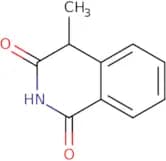
CAS:Versatile small molecule scaffoldFormula:C16H16O2SPurezza:Min. 95%Peso molecolare:272.4 g/mol4-Methyl-4H-isoquinoline-1,3-dione
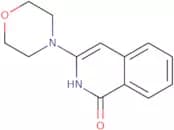
CAS:Versatile small molecule scaffoldFormula:C10H9NO2Purezza:Min. 95%Peso molecolare:175.18 g/mol3-(Morpholin-4-yl)-1,2-dihydroisoquinolin-1-one
CAS:Versatile small molecule scaffoldFormula:C13H14N2O2Purezza:Min. 95%Peso molecolare:230.26 g/mol2-Tridecyloxirane
CAS:2-Tridecyloxirane is a diagnostic agent that is used to identify hydroxy groups in collagen. It reacts with the hydroxyl group on collagen, forming an acyl chloride intermediate. This intermediate can be detected using a gas chromatography technique. The biodegradability of 2-tridecyloxirane has been studied and found to be dependent on the environment in which it is released. It was found to have a half-life of around 4 days in water, but up to 8 months in soil. The viscosity of 2-tridecyloxirane has been shown to decrease as the temperature increases, with the highest rate of change at temperatures above 150°C. This chemical has also been shown to react with primary amines and alicyclic compounds, such as ebola virus.
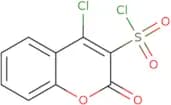
Formula:C15H30OPurezza:Min. 95%Peso molecolare:226.4 g/mol4-Chloro-2-oxo-2H-chromene-3-sulfonyl chloride
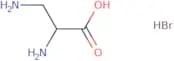
CAS:4-Chloro-2-oxo-2H-chromene-3-sulfonyl chloride is a heterocyclic compound with significant biological activity. It is a salmonicida that kills bacteria by inhibiting the enzyme adenosine triphosphate (ATP). 4-Chloro-2-oxo-2H-chromene-3-sulfonyl chloride has been shown to have significant activity against Staphylococcus aureus, Streptococcus pneumoniae, and Streptococcus pyogenes. This drug also inhibits the growth of Pseudomonas aeruginosa and Escherichia coli.Formula:C9H4Cl2O4SPurezza:Min. 95%Peso molecolare:279.1 g/mol2,3-Diaminopropionic acid monohydrobromide
CAS:2,3-Diaminopropionic acid monohydrobromide is a dibenzoylated derivative of 2,3-diaminopropionic acid. It has been shown to be an antibacterial agent. The compound inhibits bacterial growth by binding to the ribosomal protein L5 and blocking the synthesis of proteins necessary for cell division. 2,3-Diaminopropionic acid monohydrobromide has also been found to have neuropathic effects in animals. This compound can be extracted from plants such as lathyrus and eluted with ethanol or hydrobromide.Formula:C3H8N2O2·HBrPurezza:Min. 95%Peso molecolare:185.02 g/mol1H,2H,3H,4H-Pyrazino[1,2-a]indole hydrochloride
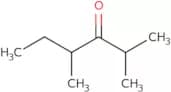
CAS:Versatile small molecule scaffoldFormula:C11H13ClN2Purezza:Min. 95%Peso molecolare:208.69 g/mol2,4-Dimethyl-3-hexanone
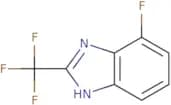
CAS:Versatile small molecule scaffoldFormula:C8H16OPurezza:Min. 95%Peso molecolare:128.21 g/mol4-Fluoro-2-(trifluoromethyl)-1H-1,3-benzodiazole
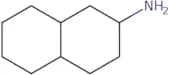
CAS:Versatile small molecule scaffoldFormula:C8H4F4N2Purezza:Min. 95%Peso molecolare:204.12 g/molDecahydronaphthalen-2-amine
CAS:Versatile small molecule scaffold
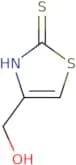
Formula:C10H19NPurezza:Min. 95%Peso molecolare:153.26 g/mol(2-Sulfanyl-1,3-thiazol-4-yl)methanol
CAS:Versatile small molecule scaffoldFormula:C4H5NOS2Purezza:Min. 95%Peso molecolare:147.2 g/mol[3-(3-chlorophenyl)propyl]amine
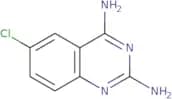
CAS:Versatile small molecule scaffoldFormula:C9H12ClNPurezza:Min. 95%Peso molecolare:169.65 g/mol6-Chloroquinazoline-2,4-diamine
CAS:Versatile small molecule scaffoldFormula:C8H7ClN4Purezza:Min. 95%Peso molecolare:194.62 g/mol6,7-Dichloroquinazolin-2-amine
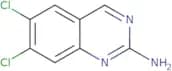
CAS:Versatile small molecule scaffold
Formula:C8H5Cl2N3Purezza:Min. 95%Peso molecolare:214.05 g/mol2-Methylthieno[3,2-d]pyrimidin-4-ol
CAS:Versatile small molecule scaffold
Formula:C7H6N2OSPurezza:Min. 95%Peso molecolare:166.2 g/mol10-Methyl-7-thia-9,11-diazatricyclo[6.4.0.0,2,6]dodeca-1(8),2(6),9-trien-12-one
CAS:Versatile small molecule scaffoldFormula:C10H10N2OSPurezza:Min. 95%Peso molecolare:206.3 g/molBicyclo[2.2.2]octan-2-ol
CAS:Bicyclo[2.2.2]octan-2-ol is an antiplasmodial agent that is used to treat malaria caused by Plasmodium falciparum and P. vivax. It binds to the parasite's heme, preventing its conversion of heme to protoporphyrin IX and blocking the synthesis of ATP, leading to cell death. Bicyclo[2.2.2]octan-2-ol has also been shown to be effective against multiresistant strains of plasmodium and has a low toxicity in humans. This substance can be synthesized by epimerization of 2-(bromomethyl)cyclohexanol with maleic anhydride or 2-benzoylcyclohexanol with benzoic acid. The yields from these reactions are low, but the product can be easily tracked due to its distinctive chemical properties (e.g., high boiling point
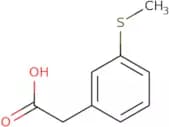
Formula:C8H14OPurezza:Min. 95%Peso molecolare:126.2 g/mol3-(Methylthio)phenyl acetic acid
CAS:Versatile small molecule scaffold
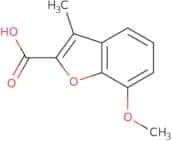
Formula:CH3SC6H4CH2CO2HPurezza:Min. 95%Peso molecolare:182.24 g/mol7-Methoxy-3-methyl-1-benzofuran-2-carboxylic acid
CAS:Versatile small molecule scaffold
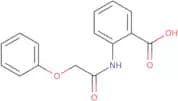
Formula:C11H10O4Purezza:Min. 95%Peso molecolare:206.19 g/mol2-(2-Phenoxyacetamido)benzoic acid
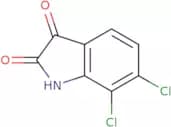
CAS:Versatile small molecule scaffoldFormula:C15H13NO4Purezza:Min. 95%Peso molecolare:271.27 g/mol6,7-dichloro-2,3-dihydro-1H-indole-2,3-dione
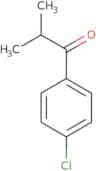
CAS:6,7-Dichloro-2,3-dihydro-1H-indole-2,3-dione is a drug that is used to treat high blood pressure. It is a potent inhibitor of the enzyme phosphodiesterase (PDE), which breaks down cyclic adenosine monophosphate (cAMP). 6,7-Dichloro-2,3-dihydro-1H-indole-2,3-dione inhibits PDE and increases the concentration of cAMP in cells. This increase in cAMP leads to an increased effect of the neurotransmitter acetylcholine on the heart and blood vessels. 6,7-Dichloro-2,3-dihydro-1H-indole--2,3--dione also increases calcium binding to membrane receptors and increases membrane hyperpolarization. These changes lead to an increase in nω--nitro--Formula:C8H3Cl2NO2Purezza:Min. 95%Peso molecolare:216.02 g/mol1-(4-Chlorophenyl)-2-methylpropan-1-one
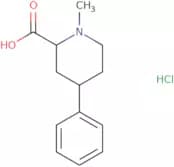
CAS:1-(4-Chlorophenyl)-2-methylpropan-1-one is a phenyl ester that is used as an intermediate in the synthesis of other compounds. 1-(4-Chlorophenyl)-2-methylpropan-1-one can be synthesized by reacting potassium t-butoxide with diethyl succinate, followed by reaction with isopropyl alcohol. This process will result in the production of 1-(4-chlorophenyl)-2-methylpropan-1-one and potassium t-butoxide. The compound can also be synthesized by condensing naphthalene, diethyl ether, and isopropanol. This process will produce the same product but with a different reactant order.Formula:C10H11OClPurezza:Min. 95%Peso molecolare:182.64 g/mol1-Methyl-4-phenylpiperidine-2-carboxylic acid hydrochloride
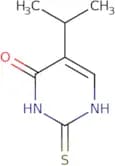
CAS:Versatile small molecule scaffoldFormula:C13H18ClNO2Purezza:Min. 95%Peso molecolare:255.74 g/mol5-(Propan-2-yl)-2-sulfanyl-3,4-dihydropyrimidin-4-one
CAS:5-(Propan-2-yl)-2-sulfanyl-3,4-dihydropyrimidin-4-one is a synthetic compound that blocks the activity of viral reverse transcriptase and DNA polymerase. It is also an inhibitor of human immunodeficiency virus (HIV) and has been shown to be effective in mice with AIDS. This drug also has radical scavenging activities and can be used as a possible anti-inflammatory agent for the treatment of rheumatoid arthritis. 5-(Propan-2-yl)-2-sulfanyl-3,4-dihydropyrimidin-4-one belongs to the class of pyrimidine nucleosides and has been shown to inhibit nonnucleoside reverse transcriptase inhibitors, such as indole alkaloids. This drug has a molecular weight of 319.06 g/mol and contains an ethyl formate, isopropyl group, hydroxyl
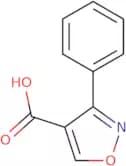
Formula:C7H10N2OSPurezza:Min. 95%Peso molecolare:170.23 g/mol3-Phenylisoxazole-4-carboxylic acid
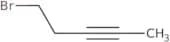
CAS:3-Phenylisoxazole-4-carboxylic acid is a small molecule that has been shown to have high affinity for the metabotropic glutamate receptor subtype mGluR7. It also binds to the allosteric site on this receptor and is therefore a potent agonist. 3-Phenylisoxazole-4-carboxylic acid has been shown to be orally bioavailable and selective for mGluR7 in vivo. This molecule can be modified chemically to increase its physicochemical properties, such as solubility, permeability, and lipophilicity, which will allow it to cross the blood brain barrier more easily. 3-Phenylisoxazole-4-carboxylic acid may be used as a lead compound for the development of new drugs that target metabotropic glutamate receptors.Formula:C10H7NO3Purezza:Min. 95%Peso molecolare:189.16 g/mol5-Bromopent-2-yne
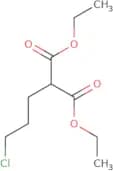
CAS:Versatile small molecule scaffoldFormula:C5H7BrPurezza:Min. 95%Peso molecolare:147.01 g/mol1,3-diethyl 2-(3-chloropropyl)propanedioate
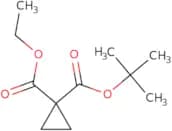
CAS:1,3-Diethyl 2-(3-chloropropyl)propanedioate is an organic compound that can be extracted from the seeds of a tree in the genus Garcinia (family Clusiaceae). It has been isolated from the leaves of plants in the family Fabaceae. The compound is a colorless liquid with a slightly fruity odor and a boiling point of 203°C. The chemical structure of 1,3-diethyl 2-(3-chloropropyl)propanedioate can be explained as two diethyl 3-chloropropanedioates linked by an ether bond. The molecule contains one alkoxycarbonyl group and one hydroxy group. The alkoxycarbonyl group is responsible for its basic properties and the hydroxy group allows it to form ester derivatives. The compound can be purified by using a variety of methods, including thermal treatment or acidification. Unpurified 1,3Formula:C10H17ClO4Purezza:Min. 95%Peso molecolare:236.69 g/mol1-tert-Butyl 1-ethyl cyclopropane-1,1-dicarboxylate
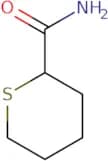
CAS:Versatile small molecule scaffoldFormula:C11H18O4Purezza:Min. 95%Peso molecolare:214.26 g/molThiane-2-carboxamide
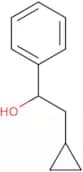
CAS:Versatile small molecule scaffoldFormula:C6H11NOSPurezza:Min. 95%Peso molecolare:145.23 g/mol2-Cyclopropyl-1-phenylethan-1-ol
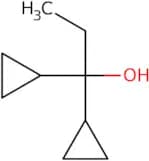
CAS:Versatile small molecule scaffoldFormula:C11H14OPurezza:Min. 95%Peso molecolare:162.23 g/mol1,1-Dicyclopropylpropan-1-ol
CAS:Versatile small molecule scaffoldFormula:C9H16OPurezza:Min. 95%Peso molecolare:140.22 g/mol

![2,5,6-Trimethyl-3H,4H-thieno[2,3-d]pyrimidin-4-one](/_next/image/?url=https%3A%2Fstatic.cymitquimica.com%2Fproducts%2F3D%2Fthumb-webp%2FTAA59345.webp&w=3840&q=75)
![[(2-Methylphenyl)thio]acetic acid](/_next/image/?url=https%3A%2Fstatic.cymitquimica.com%2Fproducts%2F3D%2Fthumb-webp%2FTAA61915.webp&w=3840&q=75)
![Acetic acid, 2-[(2-chlorophenyl)thio]-](/_next/image/?url=https%3A%2Fstatic.cymitquimica.com%2Fproducts%2F3D%2Fthumb-webp%2FTAA61918.webp&w=3840&q=75)
![2-[(2-Methylphenyl)sulfanyl]-2-phenylacetic acid](/_next/image/?url=https%3A%2Fstatic.cymitquimica.com%2Fproducts%2F3D%2Fthumb-webp%2FTAA62645.webp&w=3840&q=75)
![2-[(2,4-Dimethylphenyl)sulfanyl]-2-phenylacetic acid](/_next/image/?url=https%3A%2Fstatic.cymitquimica.com%2Fproducts%2F3D%2Fthumb-webp%2FTAA62651.webp&w=3840&q=75)

![1H,2H,3H,4H-Pyrazino[1,2-a]indole hydrochloride](/_next/image/?url=https%3A%2Fstatic.cymitquimica.com%2Fproducts%2F3D%2Fthumb-webp%2FTAA63752.webp&w=3840&q=75)
![[3-(3-chlorophenyl)propyl]amine](/_next/image/?url=https%3A%2Fstatic.cymitquimica.com%2Fproducts%2F3D%2Fthumb-webp%2FTAA65549.webp&w=3840&q=75)
![2-Methylthieno[3,2-d]pyrimidin-4-ol](/_next/image/?url=https%3A%2Fstatic.cymitquimica.com%2Fproducts%2F3D%2Fthumb-webp%2FTAA67813.webp&w=3840&q=75)
![10-Methyl-7-thia-9,11-diazatricyclo[6.4.0.0,2,6]dodeca-1(8),2(6),9-trien-12-one](/_next/image/?url=https%3A%2Fstatic.cymitquimica.com%2Fproducts%2F3D%2Fthumb-webp%2FTAA67829.webp&w=3840&q=75)
![Bicyclo[2.2.2]octan-2-ol](/_next/image/?url=https%3A%2Fstatic.cymitquimica.com%2Fproducts%2F3D%2Fthumb-webp%2FTAA68463.webp&w=3840&q=75)