


Building Blocks
Sottocategorie di "Building Blocks"
- Acidi boronici e derivati dell'acido boronico(5.778 prodotti)
- Building Blocks Chirali(1.243 prodotti)
- Building Blocks Idrocarburici(6.099 prodotti)
- Building Blocks organici(61.038 prodotti)
Trovati 205376 prodotti di "Building Blocks"
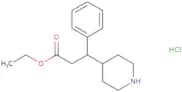
Ethyl 3-phenyl-3-(piperidin-4-yl)propanoate hydrochloride
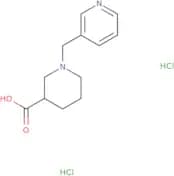
CAS:Versatile small molecule scaffoldFormula:C16H24ClNO2Purezza:Min. 95%Peso molecolare:297.82 g/mol1-(Pyridin-3-ylmethyl)piperidine-3-carboxylic acid dihydrochloride
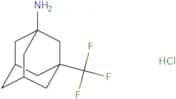
CAS:Versatile small molecule scaffoldFormula:C12H18Cl2N2O2Purezza:Min. 95%Peso molecolare:293.19 g/mol3-(Trifluoromethyl)adamantan-1-amine hydrochloride
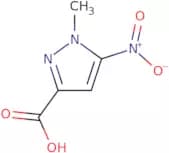
CAS:Versatile small molecule scaffoldFormula:C11H17ClF3NPurezza:Min. 95%Peso molecolare:255.71 g/mol1-Methyl-5-nitro-pyrazole-3-carboxylic acid
CAS:Versatile small molecule scaffoldFormula:C5H5N3O4Purezza:Min. 95%Peso molecolare:171.11 g/mol2-(1,4-Diazepan-1-yl)acetamide dihydrochloride
CAS:Versatile small molecule scaffoldFormula:C7H17Cl2N3OPurezza:Min. 95%Peso molecolare:230.13 g/mol1-(5-Methanesulfonyl-2-methylbenzenesulfonyl)piperazine hydrochloride
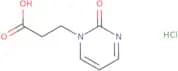
CAS:Versatile small molecule scaffoldFormula:C12H19ClN2O4S2Purezza:Min. 95%Peso molecolare:354.9 g/mol3-(2-Oxo-1,2-dihydropyrimidin-1-yl)propanoic acid hydrochloride
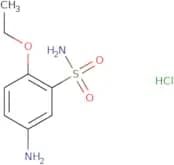
CAS:Versatile small molecule scaffoldFormula:C7H9ClN2O3Purezza:Min. 95%Peso molecolare:204.61 g/mol5-Amino-2-ethoxybenzene-1-sulfonamide hydrochloride
CAS:Versatile small molecule scaffoldFormula:C8H13ClN2O3SPurezza:Min. 95%Peso molecolare:252.72 g/mol1-[(3-Cyclopropyl-1-methyl-1H-pyrazol-5-yl)methyl]piperidin-4-amine
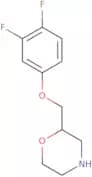
CAS:Versatile small molecule scaffoldFormula:C13H22N4Purezza:Min. 95%Peso molecolare:234.34 g/mol2-(3,4-Difluorophenoxymethyl)morpholine
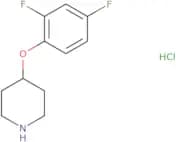
CAS:Versatile small molecule scaffoldFormula:C11H13F2NO2Purezza:Min. 95%Peso molecolare:229.22 g/mol4-(2,4-Difluorophenoxy)piperidine hydrochloride
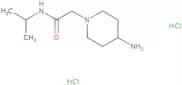
CAS:Versatile small molecule scaffoldFormula:C11H14ClF2NOPurezza:Min. 95%Peso molecolare:249.68 g/mol2-(4-Aminopiperidin-1-yl)-N-(propan-2-yl)acetamide dihydrochloride
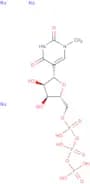
CAS:Versatile small molecule scaffoldFormula:C10H23Cl2N3OPurezza:Min. 95%Peso molecolare:272.21 g/molN1-Methyl-pseudouridine-5'-triphosphate trisodium, 100mM aqueous solution
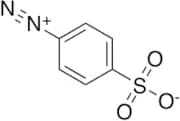
CAS:Methyl-pseudouridine-5'-triphosphate trisodium is the triphosphate of 1-Methylpseudouridine is a substitute for uridine in modified mRNA. This substitution has shown to increase transfection by reducing immuogenicity. UV max wavelength = 272nmFormula:C10H17N2O15P3•Na3Purezza:Min. 95%Colore e forma:Clear LiquidPeso molecolare:567.17 g/mol4-Diazobenzenesulfonic Acid
CAS:Applications 4-Diazobenzenesulfonic acid (cas# 305-80-6) is a useful research chemical.
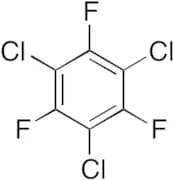
Formula:C6H4N2O3SPeso molecolare:184.171,3,5-Trifluorotrichlorobenzene
CAS:Applications 1,3,5-Trifluorotrichlorobenzene is a useful reagent.
Formula:C6Cl3F3Peso molecolare:235.425-bromo-6-methoxy-1h-indole
CAS:5-bromo-6-methoxy-1H-indole is a synthetic, nonsteroidal compound that is structurally related to prednisolone. It has been shown to induce the synthesis of collagen by stimulating fibroblasts in culture. This drug also has anti-inflammatory and modulating effects on s1p receptors, which may be due to its ability to inhibit the production of proinflammatory cytokines such as tumor necrosis factor alpha (TNFα). 5-bromo-6-methoxy-1H-indole is a potent inhibitor of acid methyl esters, which are involved in inflammation and tissue destruction. 5-bromo-6-methoxy-1H--indole also has an effect on dermal cells, which may be due to its ability to inhibit the production of matrix metalloproteinase enzymes. This drug can also cause atrophy in granuloma cells and prevent the development of inflammatory
Formula:C9H8BrNOPurezza:Min. 95%Peso molecolare:226.07 g/mol2-(Chloromethyl)-4H,6H,7H-pyrano[4,3-d][1,3]thiazole
CAS:Versatile small molecule scaffoldFormula:C7H8ClNOSPurezza:Min. 95%Peso molecolare:189.66 g/mol6-Oxa-2-azaspiro[3.4]octane HCl
CAS:Versatile small molecule scaffold
Formula:C6H12ClNOPurezza:Min. 95%Peso molecolare:149.62 g/mol5-(2-Aminoethyl)thiophene-2-sulfonamide hydrochloride
CAS:Versatile small molecule scaffoldFormula:C6H11ClN2O2S2Purezza:Min. 95%Peso molecolare:242.8 g/molMito-TEMPO
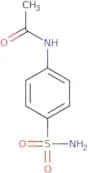
CAS:Mito-TEMPO is a mitochondrial-targeted antioxidant that scavenges reactive oxygen species (ROS) and protects against oxidative injury. It has been shown to be effective in reducing oxidative damage in the heart and liver, as well as in models of neuronal death. Mito-TEMPO is also a potent inhibitor of lipid peroxidation and is able to prevent the formation of aldehydes. This drug has minimal toxicity, which may be due to its ability to accumulate in mitochondria without disrupting mitochondrial functions. Mito-TEMPO has been tested on healthy individuals with no observed side effects.Formula:C29H35ClN2O2PPurezza:Min. 95%Peso molecolare:510.03 g/mol4-Acetamidobenzenesulfonamide
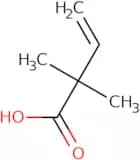
CAS:4-Acetamidobenzenesulfonamide is a drug that inhibits the activity of several enzymes and is used in wastewater treatment. It has been shown to have a beneficial effect on metabolic disorders, such as insulin resistance, obesity, and type 2 diabetes. 4-Acetamidobenzenesulfonamide also regulates transcriptional activity by inhibiting the interaction between DNA and RNA polymerases. This drug has been shown to be active in treating autoimmune diseases, such as multiple sclerosis, rheumatoid arthritis, lupus erythematosus and Crohn's disease. It also aids in HIV infection by acting as an inhibitor of toll-like receptor signalling pathways. The drug binds to hydrogen bonds and hydrophobic interactions with water molecules to form a hydrophobic layer on the surface of cells in order to reduce water permeability. The drug also reduces bowel diseases such as ulcerative colitis and liver lesions caused by alcohol consumption or congestiveFormula:C8H10N2O3SPurezza:Min. 95%Peso molecolare:214.24 g/mol2,2-Dimethylbut-3-enoic acid
CAS:2,2-Dimethylbut-3-enoic acid is a bioactive compound that is used to synthesize other compounds. It has been shown to have a number of functions, such as being an electrolyte and having an electron deficient group in its structure. 2,2-Dimethylbut-3-enoic acid reacts with electrophilic functional groups at high temperatures to form allylation products. This reaction is called cheletropic and has been shown to be reversible.
Formula:C6H10O2Purezza:Min. 95%Peso molecolare:114.14 g/mol3-[5-(Aminomethyl)-1-oxo-2,3-dihydro-1H-isoindol-2-yl]piperidine-2,6-dione hydrochloride
CAS:Versatile small molecule scaffoldFormula:C14H16ClN3O3Purezza:Min. 95%Peso molecolare:309.75 g/molMethyl 2-cyanoprop-2-enoate, stabilized with MEHQ
CAS:Please enquire for more information about Methyl 2-cyanoprop-2-enoate, stabilized with MEHQ including the price, delivery time and more detailed product information at the technical inquiry form on this pageFormula:C5H5NO2Purezza:Min. 95%Peso molecolare:111.10 g/mol5-Iodo-2-methylphenol
CAS:Versatile small molecule scaffoldFormula:C7H7IOPurezza:Min. 95%Peso molecolare:234.03 g/mol2-Cyclopropylphenol
CAS:2-Cyclopropylphenol is a hydrogen chloride derivative of 2-cyclohexen-1-one. It has been shown to have high affinity for the α receptor, which is a functional group in the integrin receptor that mediates cell adhesion. 2-Cyclopropylphenol has been shown to be effective for the treatment of hepatitis. 2-Cyclopropylphenol also forms an organometallic complex with platinum, which can be used as an anticancer agent and shows good antiviral activity against hepatitis C virus (HCV). The molecular modeling of this compound was done by using quantum chemical calculations and NMR spectra. The synthesis of this compound was developed from benzene and ethynylbenzene. The photochemical properties of this compound were investigated by methane monooxygenase reconstitution studies.
Formula:C9H10OPurezza:Min. 95%Peso molecolare:134.18 g/mol6-Chloro-2,8-dimethylimidazo[1,2-b]pyridazine
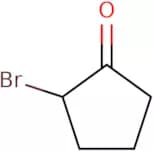
CAS:Versatile small molecule scaffoldFormula:C8H8ClN3Purezza:Min. 95%Peso molecolare:181.62 g/mol2-Bromocyclopentanone
CAS:2-Bromocyclopentanone is an organic molecule that is used in the synthesis of epoxides. It is also a potential precursor for the synthesis of polymers, dyes, and pharmaceuticals. 2-Bromocyclopentanone has been shown to undergo photolysis when irradiated with ultraviolet light or through chemical reaction with acetonitrile. This product has two conformers with different rotational barriers and corresponding spectral properties. The two conformers can be distinguished by their ultraviolet spectra. The synthetic methods for 2-bromocyclopentanone involve halogenation followed by hydrolysis to yield bromoacetic acid, which is then converted to the desired product by acylation or alkylation.
Formula:C5H7BrOPurezza:Min. 95%Peso molecolare:163.01 g/mol6-Chlorohexanol
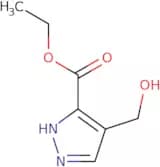
CAS:6-Chlorohexanol is a fatty alcohol with a hydroxyl group. It is soluble in water and has a phase transition temperature of -114°C. 6-Chlorohexanol can be synthesized by reacting 2,6-dichlorophenol with hydrochloric acid and sodium hydroxide in the presence of azobenzene. The reaction solution is then heated to about 300°C for 3 hours. 6-Chlorohexanol is used as a model system for studying the photochemical reactions of fatty acids. Hydroxy groups are susceptible to light exposure, which leads to the formation of carbonyl compounds such as malonic acid and chloride monomers.Formula:C6H13ClOPurezza:Min. 95%Colore e forma:PowderPeso molecolare:136.62 g/molEthyl 4-(hydroxymethyl)-1H-pyrazole-3-carboxylate
CAS:Versatile small molecule scaffoldFormula:C7H10N2O3Purezza:Min. 95%Peso molecolare:170.17 g/mol4-Bromo-2,6-dimethoxybenzaldehyde
CAS:Versatile small molecule scaffold
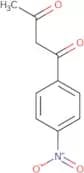
Formula:C9H9BrO3Purezza:Min. 95%Peso molecolare:245.07 g/mol1-(4-Nitrophenyl)butane-1,3-dione
CAS:1-(4-Nitrophenyl)butane-1,3-dione is a tautomer of 1,4-naphthoquinone. This compound has been reported to have an optical rotation of [alpha]D=+14.2° (C=1 in methanol). The triflate and carbonyl groups are involved in hydrogen bonding with each other. The hydrogen bond is a weak interaction that only occurs between polar molecules. This compound also has an x-ray crystal structure, which can be determined by diffraction studies. It is possible to synthesize this molecule from 1,4-naphthoquinone and butane-1,3-dione or by photolysis of 1-(4-nitrophenyl)-2,5-dioxopentanoic acid. In addition to its optical properties, the intramolecular hydrogen bonds give this molecule interesting optical properties.
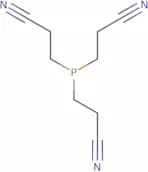
Formula:C10H9NO4Purezza:Min. 95%Peso molecolare:207.18 g/molTris(2-cyanoethyl)phosphine
CAS:Tris(2-cyanoethyl)phosphine (TCEP) is a metal carbonyl compound that has been used as a reagent in organic chemistry. TCEP is an amphoteric molecule that can react with both acids and bases, and is stable in the pH range of 5 to 9. It has been shown to have anti-inflammatory properties by inhibiting neutrophil migration. TCEP also has biological properties, such as its ability to inhibit the growth of Cryptococcus neoformans. TCEP binds to the mitochondrial membrane potential, which prevents proton leakage through the membrane and inhibits oxidative phosphorylation. TCEP binds strongly to minerals such as sodium salts, which can be used to isolate this molecule from reaction solutions. TCEP can be obtained by laser ablation or X-ray crystallography techniques.Formula:C9H12N3PPurezza:Min. 95 Area-%Peso molecolare:193.19 g/mol4-(2,6-Difluorophenyl)piperidin-4-ol hydrochloride
CAS:Versatile small molecule scaffold
Formula:C11H14ClF2NOPurezza:Min. 95%Peso molecolare:249.68 g/mol6-Amino-2-propylhexanoic acid hydrochloride
CAS:Versatile small molecule scaffoldFormula:C9H19NO2•HClPurezza:Min. 95%Peso molecolare:209.71 g/mol(2S)-3-Hydroxy-2-phenylpropanoic acid
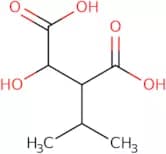
CAS:(2S)-3-Hydroxy-2-phenylpropanoic acid is an unlabelled, naturally occurring compound. It is the citric acid analog of L-phenylalanine. The structure of (2S)-3-Hydroxy-2-phenylpropanoic acid is a skeleton that consists of one hydroxyl group and one carboxylic acid group. The carboxylic acid group has a double bond in the alpha position to the carboxyl carbon, which gives this molecule an acidic character. The chloride ion is also present in this structure. This molecule can be synthesized by a kinetic reaction that involves fatty acids and brugmansia as catalysts. It can also be synthesized through a catalysed reaction using thionyl chloride as a catalyst.Formula:C9H10O3Purezza:Min. 95%Peso molecolare:166.17 g/mol2-Hydroxy-3-(1-methylethyl)-butanedioic acid
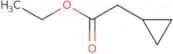
CAS:2-Hydroxy-3-(1-methylethyl)-butanedioic acid is an organic compound that is a metabolite of the amino acid methionine. It is formed by the oxidation of the methyl group on the 2 position in methionine. The protein subunits are expressed in liver cells and it has been shown to have antioxidant properties. The analytical methods used for this compound include LC-MS/MS, which separates it into its individual isomers. This method can be used to determine the purity of 2-hydroxy-3-(1-methylethyl)-butanedioic acid. The carbonyl group in this molecule makes it susceptible to steric interactions with other molecules, which may lead to it being oxidized or reduced. It has been found that 2-hydroxy-3-(1-methylethyl)-butanedioic acid shows thermophilic and enterocolitic properties.Formula:C7H12O5Purezza:Min. 95%Peso molecolare:176.17 g/molethyl cyclopropaneacetate
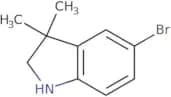
CAS:Ethyl cyclopropaneacetate is an organic compound that belongs to the class of aminophenyl ethyl esters. It has been shown to inhibit neutrophil migration and angiotensin II-induced vasoconstriction in cerebral arteries, suggesting that it may have a role in the treatment of chronic bronchitis. Ethyl cyclopropaneacetate has also been shown to have antimycotic activity against Candida albicans and Aspergillus niger, as well as cancer-fighting effects. This compound is synthesized by reacting triethyl orthoformate with adenosine under mild conditions. The reaction system is high yielding and can be used for the synthesis of other drugs.Formula:C7H12O2Purezza:Min. 95%Peso molecolare:128.17 g/mol5-bromo-3,3-dimethyl-2,3-dihydro-1H-indole
CAS:5-bromo-3,3-dimethyl-2,3-dihydro-1H-indole is an activator that is used in palladium catalyzed reactions to form a phosphine ligand. 5-bromo-3,3-dimethyl-2,3-dihydro-1H-indole is also used as a vasotropic agent and reagent for organic synthesis. It is used to synthesize ethylesters and salts of 5-(5'-bromo)-2,2'-dihydroquinoline carboxylic acid. This compound can be hydrolyzed with alkaline solution to produce the corresponding amine.
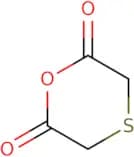
Formula:C10H12BrNPurezza:Min. 95%Peso molecolare:226.1 g/molThiodiglycolic Anhydride
CAS:Thiodiglycolic anhydride is a synthetic reagent that is used in the synthesis of erdosteine. It also has been used in the synthesis of other products, such as magnetic particles for imaging and therapeutic uses. Thiodiglycolic anhydride can be used to synthesize erdosteine, which is a substrate for the enzyme hydroxylase and contains a hydroxy group in its structure. The hydroxyl group on erdosteine reacts with thiodiglycolic anhydride to form acrylonitrile, which then reacts with benzyl groups to form benzylthio-esters. These benzylthio-esters are then converted into acid transporters.Formula:C4H4O3SPurezza:Min. 95%Peso molecolare:132.14 g/mol2-(2-Ethoxyphenoxy)acetic acid
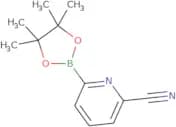
CAS:Versatile small molecule scaffoldFormula:C10H12O4Purezza:Min. 95%Peso molecolare:196.2 g/mol6-Cyanopyridine-2-boronic Acid Pinacol Ester
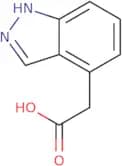
CAS:Versatile small molecule scaffoldFormula:C12H15BN2O2Purezza:Min. 95%Peso molecolare:230.07 g/mol(1H-Indazol-4-yl)acetic acid
CAS:(1H-Indazol-4-yl)acetic acid is a cation that has been shown to have pharmacological activity. It is hydrolyzable and is used as an anti-inflammatory agent. This compound also decarboxylates and hydrolyzes, which are processes that produce carboxyl and fluoro groups. (1H-Indazol-4-yl)acetic acid has been shown to be an anti-inflammatory agent, with effects against inflammation in the central nervous system. This drug also inhibits the production of inflammatory cytokines, including tumor necrosis factor alpha (TNFα), interleukin 1β (IL1β), and IL6.Formula:C9H8N2O2Purezza:Min. 95%Peso molecolare:176.17 g/molDiethyl Acetylphosphonate
CAS:Diethyl Acetylphosphonate is a synthetic chemical that is used in the production of ethyl esters, which are used as intermediates for the production of epoxides. It has shown to be a bidentate ligand and reacts with primary amines. Diethyl Acetylphosphonate can be made by reacting phosphorus pentachloride with ethyl acetate and hydrochloric acid. The reaction mechanism is similar to that of other organophosphorus compounds, in which a phosphine oxide intermediate reacts with an organic halide. Diethyl Acetylphosphonate has shown to be effective in detergent compositions and triethyl orthoformate, as well as alkanoic acid.
Formula:C6H13O4PPurezza:Min. 95%Peso molecolare:180.14 g/moltert-Butyl 2,9-diazaspiro[5.5]undecane-2-carboxylate
CAS:Versatile small molecule scaffold
Formula:C14H26N2O2Purezza:Min. 95%Peso molecolare:254.38 g/mol2,4-Dichloro-6-(propan-2-yl)pyrimidine
CAS:Versatile small molecule scaffold
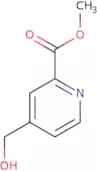
Formula:C7H8Cl2N2Purezza:Min. 95%Peso molecolare:191.05 g/molMethyl 4-(hydroxymethyl)pyridine-2-carboxylate
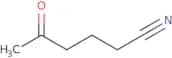
CAS:Versatile small molecule scaffoldFormula:C8H9NO3Purezza:Min. 95%Peso molecolare:167.16 g/mol5-Ketohexanenitrile
CAS:5-Ketohexanenitrile is a liquid that is used in the production of medicine. The compound has been shown to be an effective inhibitor of the enzyme, dehydrogenase, which catalyzes the conversion of 5-ketohexanoic acid to hexadecanoic acid. This reaction is important for the oxidation of fatty acids and can be found in all living organisms. 5-Ketohexanenitrile has also been shown to inhibit the enzyme, hydrogen peroxide oxidase, which catalyzes the conversion of hydrogen peroxide to water and oxygen gas. 5-Ketohexanenitrile is also an intermediate in acrylonitrile production. It can be produced by vaporizing hexadecanoic acid with a catalyst such as trimethylpyridine or acetic acid. 5-Ketohexanenitrile can exist as two isomers: cis and trans. It is a primary amine that reacts with alkali metals such asFormula:C6H9NOPurezza:Min. 95%Peso molecolare:111.14 g/mol5-Bromo-2-(2,2,2-trifluoroethyl)pyridine
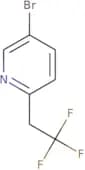
CAS:Versatile small molecule scaffold
Formula:C7H5BrF3NPurezza:Min. 95%Peso molecolare:240.02 g/moltert-Butyl 1,8-diazaspiro[4.5]decane-1-carboxylate
CAS:Versatile small molecule scaffoldFormula:C13H24N2O2Purezza:Min. 95%Peso molecolare:240.3 g/mol

![1-[(3-Cyclopropyl-1-methyl-1H-pyrazol-5-yl)methyl]piperidin-4-amine](/_next/image/?url=https%3A%2Fstatic.cymitquimica.com%2Fproducts%2F3D%2Fthumb-webp%2FWWB76979.webp&w=3840&q=75)


![2-(Chloromethyl)-4H,6H,7H-pyrano[4,3-d][1,3]thiazole](/_next/image/?url=https%3A%2Fstatic.cymitquimica.com%2Fproducts%2F3D%2Fthumb-webp%2FSDC46081.webp&w=3840&q=75)
![6-Oxa-2-azaspiro[3.4]octane HCl](/_next/image/?url=https%3A%2Fstatic.cymitquimica.com%2Fproducts%2F3D%2Fthumb-webp%2FJEC65612.webp&w=3840&q=75)


![3-[5-(Aminomethyl)-1-oxo-2,3-dihydro-1H-isoindol-2-yl]piperidine-2,6-dione hydrochloride](/_next/image/?url=https%3A%2Fstatic.cymitquimica.com%2Fproducts%2F3D%2Fthumb-webp%2FIWB26469.webp&w=3840&q=75)


![6-Chloro-2,8-dimethylimidazo[1,2-b]pyridazine](/_next/image/?url=https%3A%2Fstatic.cymitquimica.com%2Fproducts%2F3D%2Fthumb-webp%2FSAA41223.webp&w=3840&q=75)






![tert-Butyl 2,9-diazaspiro[5.5]undecane-2-carboxylate](/_next/image/?url=https%3A%2Fstatic.cymitquimica.com%2Fproducts%2F3D%2Fthumb-webp%2FPHA33303.webp&w=3840&q=75)

![tert-Butyl 1,8-diazaspiro[4.5]decane-1-carboxylate](/_next/image/?url=https%3A%2Fstatic.cymitquimica.com%2Fproducts%2F3D%2Fthumb-webp%2FKKB27992.webp&w=3840&q=75)