Building Blocks
Sottocategorie di "Building Blocks"
- Acidi boronici e derivati dell'acido boronico(5.778 prodotti)
- Building Blocks Chirali(1.243 prodotti)
- Building Blocks Idrocarburici(6.098 prodotti)
- Building Blocks organici(61.042 prodotti)
Trovati 204339 prodotti di "Building Blocks"
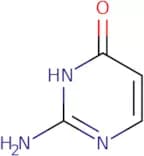
Isocytosine
CAS:Isocytosine is a prodrug that has been synthesized with the intramolecular hydrogen on the nitrogen atoms, which makes it more chemically stable. Isocytosine is a reactive molecule, and can react with tautomers to form isocytosine derivatives. Isocytosine contains three hydrogen atoms that are transferable through reactions to other molecules. The chemical stability of isocytosine allows for its use in wastewater treatment. It also has metabolic effects, such as the inhibition of colorectal adenocarcinoma and metabolic disorders. Isocytosine can be used as a model system for studying transfer reactions and reaction mechanisms.
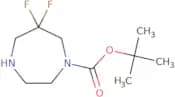
Formula:C4H5N3OPurezza:Min. 95%Colore e forma:PowderPeso molecolare:111.1 g/moltert-butyl 6,6-difluoro-1,4-diazepane-1-carboxylate
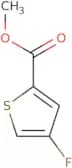
CAS:Versatile small molecule scaffoldFormula:C10H18F2N2O2Purezza:Min. 95%Peso molecolare:236.3 g/molMethyl 4-fluorothiophene-2-carboxylate
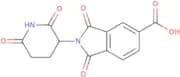
CAS:Methyl 4-fluorothiophene-2-carboxylate is a fluorinated organic compound that is used as a model compound in polymer chemistry. It has been used to synthesize polymers with stepwise fluorination and diketopyrrolopyrrole moieties. This molecule also has optoelectronic properties and can be converted to a conjugated, monofluorinated, or difluorinated form by the addition of electron-withdrawing groups such as nitro or cyano groups. Methyl 4-fluorothiophene-2-carboxylate is an acceptor for electron transfer reactions.Formula:C6H5FO2SPurezza:Min. 95%Peso molecolare:160.16 g/mol2-(2,6-Dioxopiperidin-3-yl)-1,3-dioxoisoindoline-5-carboxylic acid
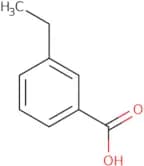
CAS:Please enquire for more information about 2-(2,6-Dioxopiperidin-3-yl)-1,3-dioxoisoindoline-5-carboxylic acid including the price, delivery time and more detailed product information at the technical inquiry form on this pageFormula:C14H10N2O6Purezza:Min. 95%Peso molecolare:302.24 g/molc3-Ethylbenzoic acid
CAS:C3-Ethylbenzoic acid is an organic compound that can be synthesized from the reactants ethyl bromide, propylene oxide, and acetic anhydride. The synthesis of C3-Ethylbenzoic acid is a stepwise process in which the starting materials are converted to intermediates and then reacted to form the desired product. The reaction mechanism involves bond cleavage, which generates a carboxylic acid group on one end of the molecule and a phenyl group on the other end. C3-Ethylbenzoic acid interacts with clausamine and isoprene during transport through cell membranes. This interaction may lead to increased permeability of cell membranes by c3-ethylbenzoic acid.Formula:C9H10O2Purezza:Min. 95%Peso molecolare:150.17 g/mol2-(4-Methoxyphenyl)ethyl bromide
CAS:2-(4-Methoxyphenyl)ethyl bromide is an adenosine receptor antagonist that can be used in cancer treatment. It has been shown to inhibit the growth of cancer cells by blocking the binding of adenosine to its receptors and inhibiting phosphodiesterase, which is an enzyme that breaks down the key cellular messenger, cyclic AMP (cAMP). 2-(4-Methoxyphenyl)ethyl bromide also inhibits the production of aphanorphine, a morphine analogue that has been shown to stimulate endoplasmic reticulum stress and apoptosis in cancer cells. This compound has been synthesised and tested on animal models with promising results.Formula:C9H11BrOPurezza:Min. 95%Peso molecolare:215.09 g/mol1H-Indol-2-ylmethanol
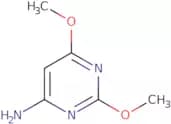
CAS:1H-Indol-2-ylmethanol is a model compound for the synthesis of bioactive molecules. It is used in biological studies as an inhibitor of chronic lymphocytic leukemia, heart disease, and inflammatory pain. The nitro group on 1H-Indol-2-ylmethanol has been shown to activate various enzymes involved in the inflammatory response. The hydroxy group on 1H-Indol-2-ylmethanol has been shown to inhibit cyclooxygenase (COX) enzymes, which are responsible for the production of prostaglandins that cause inflammation.Formula:C9H9NOPurezza:Min. 95%Colore e forma:PowderPeso molecolare:147.17 g/mol4-Amino-2,6-dimethoxypyrimidine
CAS:4-Amino-2,6-dimethoxypyrimidine is an organic compound that has been shown to be a methylating agent. It reacts with the hydrogen chloride present in seawater to form methyl chloride and hydrochloric acid. 4-Amino-2,6-dimethoxypyrimidine also interacts with hydrogen bonds and forms hydrogen bonds with other molecules. The molecular modeling study revealed that this compound is soluble in mineral acids such as sulfuric acid and hydrochloric acid. The solubility data also showed that 4-amino-2,6-dimethoxypyrimidine is soluble in water but not in chlorinated water. This drug has shown significant antifungal activity against Cryptococcus neoformans and Gram-negative organisms such as Escherichia coli, Salmonella typhi, Pseudomonas aeruginosa, Klebsiella pneumoniae, Proteus mirabilis, Enterobacter
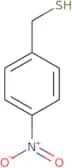
Formula:C6H9N3O2Purezza:Min. 95%Peso molecolare:155.15 g/mol(4-Nitrophenyl)methanethiol
CAS:4-Nitrophenylmethanethiol is a reactive molecule that reacts with dopamine D3, an important cytosolic protein, to form a stable covalent bond. This reaction was shown to be pH-dependent and the products were identified by x-ray diffraction data. The disulfide bond formed by this reaction is then reduced to the corresponding sulfhydryl group with sodium borohydride or hydroxide solution. 4-Nitrophenylmethanethiol also reacts with inorganic acid and sodium carbonate to form a molecule containing carbapenem, which is a model protein used in research on chemical reactions. 4-Nitrophenylmethanethiol reacts with chloride ions and phenyl groups to yield hydrochloric acid as the final product of the chemical reaction.
Formula:C7H7NO2SPurezza:Min. 95%Peso molecolare:169.2 g/mol1-Methyl-1,2,4-triazole
CAS:1-Methyl-1,2,4-triazole is a molecule containing nitrogen atoms. It can be used as a monomer in the preparation of polymers or materials. 1-Methyl-1,2,4-triazole has been shown to be effective for the equilibration of mixtures of organic compounds in analytical methods and matrix effect studies. The reaction vessel must be unsymmetrical to prevent the polymer from sticking to it and causing potential problems with the separation process.Formula:C3H5N3Purezza:Min. 98%Colore e forma:Clear LiquidPeso molecolare:83.09 g/mol6-Maleimidocaproic acid N-hydroxysuccinimide ester
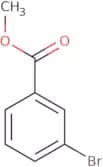
CAS:6-Maleimidocaproic acid N-hydroxysuccinimide ester (6MCA-NHS) is a fluorescent probe that reacts with the hydroxyl group of fatty acids in human serum and other biological samples. 6MCA-NHS binds to the carboxylic acid group at the end of a fatty acid molecule, forming a covalent bond. This process generates light emission that can be detected by a fluorescence probe to measure changes in pH or other chemical properties within the solution. 6MCA-NHS has been used as a tumor treatment, where laser ablation is used to break up tumor cells and release 6MCA-NHS into the cytoplasm. The drug can then bind to DNA molecules and inhibit protein synthesis, which results in cell death.Formula:C14H16N2O6Purezza:Min. 95%Colore e forma:White Off-White PowderPeso molecolare:308.29 g/molMethyl 3-bromobenzoate
CAS:Methyl 3-bromobenzoate is a cross-coupled compound with three functional groups: a methyl group, an acid bromo group, and a carboxylic acid benzoic ester. It is used in the synthesis of antigens that are chemically reactive to trifluoroacetic acid gas. The clinical studies have shown that the efficiency of this study is low because it has been found to be difficult to synthesize methyl 3-bromobenzoate in large quantities. This molecule can be prepared by the reaction of vinylene with an electrophile in non-polar solvents or by catalytic mechanisms.Formula:C8H7BrO2Purezza:Min. 95%Colore e forma:White PowderPeso molecolare:215.04 g/mol2-Phenoxyaniline
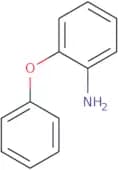
CAS:2-Phenoxyaniline is a nitro compound that can be converted to the corresponding palladium complexes. It is an inhibitor of the acylation reaction, which is a type of chemical reaction in which an organic molecule reacts with an acid. The inhibition of this reaction has been shown to have an effect on heart disease, specifically by lowering cholesterol levels and reducing atherosclerosis. 2-Phenoxyaniline has also been shown to inhibit the activation energy for electron transfer reactions, making it useful as a catalyst in analytical methods. 2-Phenoxyaniline also undergoes vibrational spectroscopy when exposed to liquid chromatography and other analytical methods.
Formula:C12H11NOPurezza:Min. 95%Colore e forma:Brown PowderPeso molecolare:185.22 g/mol3,5-Dimethylbenzaldehyde
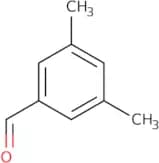
CAS:3,5-Dimethylbenzaldehyde is an organic compound that is a colorless liquid. It has a chemical formula of C9H12O2 and is classified as an aldehyde. 3,5-Dimethylbenzaldehyde can be synthesized by the reaction of isopropyl palmitate with xylene in the presence of carbon as a source. The reaction time required for this synthesis is approximately one day. The major products of this reaction are 3,5-dimethylbenzaldehyde and 2-methylbutanal. This reaction mechanism can also be used to determine the concentration of urinary metabolites in human urine samples. Analysis of these samples requires an organic solvent such as hexane or dichloromethane. Kinetic data was collected from the rate at which zinc powder reacts with 3,5-dimethylbenzaldehyde over time at different concentrations. A kinetic experiment was conducted using c–h bond activation to produce 3,5-dimethoxy
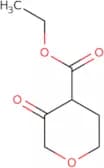
Formula:C9H10OPurezza:Min. 95%Colore e forma:Colorless Clear LiquidPeso molecolare:134.18 g/molEthyl 3-oxotetrahydro-2H-pyran-4-carboxylate
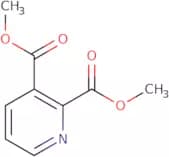
CAS:Versatile small molecule scaffoldFormula:C8H12O4Purezza:Min. 95%Peso molecolare:172.18 g/mol2,3-Pyridinedicarboxylic acid dimethylester
CAS:2,3-Pyridinedicarboxylic acid dimethylester (PDDE) is a methylated derivative of 3-nitrophthalic anhydride. It has been shown to be a stereoselective receptor blocker that binds to the glutamate site of the N-methyl-D-aspartate receptor. PDDE has also been shown to have high affinity for the cerebral cortex and is able to penetrate the blood brain barrier. PDDE blocks the NMDA receptor by binding to it and preventing ion flow, which leads to inhibition of neurotransmitter release. This drug is used as an injectable methyl derivative with a molecule weight of 217. The ionization detector can detect PDDE in tetrahydrofuran at concentrations of 1,000 ng/mL or less.Formula:C9H9NO4Purezza:Min. 95%Peso molecolare:195.17 g/mol2-Furanamine hydrochloride
CAS:Please enquire for more information about 2-Furanamine hydrochloride including the price, delivery time and more detailed product information at the technical inquiry form on this page
Formula:C4H5NO•HClPurezza:Min. 95%Colore e forma:PowderPeso molecolare:119.55 g/mol3-(iodomethyl)oxetane
CAS:Versatile small molecule scaffold
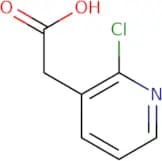
Formula:C4H7IOPurezza:Min. 95%Peso molecolare:198 g/mol(2-Chloropyridin-3-yl)acetic acid
CAS:Versatile small molecule scaffoldFormula:C7H6ClNO2Purezza:Min. 95%Peso molecolare:171.6 g/mol2-Bromo-6-fluoro-3-methylpyridine
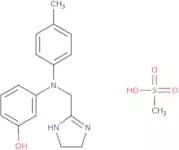
CAS:Versatile small molecule scaffoldFormula:C6H5BrFNPurezza:Min. 95%Peso molecolare:190.02 g/molPhentolamine methanesulfonate
CAS:Phentolamine is a synthetic mesylate that is used as an antihypertensive agent, and for the treatment of Raynaud's syndrome and pheochromocytoma. Phentolamine is also used to prevent frostbite and to treat various types of shock. Phentolamine blocks alpha-2-adrenergic receptors, thereby decreasing sympathetic nerve impulses to the heart, blood vessels, kidneys, and other organs. This drug also acts as a histamine antagonist by blocking H1-receptors on vascular smooth muscle cells. Phentolamine has been shown to have no significant effects on 5-hydroxytryptamine (5HT) release in vitro or in vivo.
Formula:C18H23N3O4SPurezza:Min. 95%Colore e forma:White PowderPeso molecolare:377.46 g/mol3-Methoxy-benzenesulfonic acid
CAS:Versatile small molecule scaffold
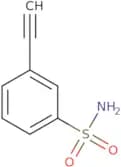
Formula:C7H8O4SPurezza:Min. 95%Peso molecolare:188.2 g/mol3-Ethynylbenzenesulfonamide
CAS:3-Ethynylbenzenesulfonamide is a synthetic, hydrophobic, antimicrobial compound that disrupts the cell membrane. It has been shown to be effective against both mammalian and microbial cells. The antimicrobial use of this compound is still under study, but it may provide an alternative to the current antibiotics. 3-Ethynylbenzenesulfonamide is amphipathic in nature and has an extremely large expansion ratio. This molecule is also hydrophobic, which may help with its ability to penetrate the cell membrane. Antimicrobial compounds are designed to inhibit or kill microorganisms such as bacteria or fungi by disrupting their cellular membranes. They work by interacting with specific targets on the surface of the target organism and producing a lethal effect on its function. 3-Ethynylbenzenesulfonamide interacts with proteins found on bacterial membranes called porins, resulting in a loss of osmotic stability and then permeability through the bilayer. This leadsFormula:C8H7NO2SPurezza:Min. 95%Peso molecolare:181.21 g/mol5-Bromopyridine-3-thiol
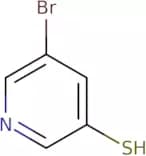
CAS:Versatile small molecule scaffold
Formula:C5H4BrNSPurezza:Min. 95%Peso molecolare:190.06 g/mol3-Pyridineboronic acid
CAS:3-Pyridineboronic acid is an antimicrobial agent that is used to treat bacterial and fungal infections. 3-Pyridineboronic acid is a prodrug that is metabolized to its active form, pyridinium boronate. This drug has been shown to be effective in the treatment of hypoxic tumors in mice, which are resistant to other anticancer drugs. 3-Pyridineboronic acid also has acidic properties and can be used as an antiseptic for the treatment of skin and eye infections. It can also be used as a hydrogen bonding partner when combined with halides, such as chloride or bromide ions. The drug binds to human serum proteins and forms an acidic complex that prevents bacterial growth by inhibiting protein synthesis. 3-Pyridineboronic acid also inhibits prostate cancer cells by competitively inhibiting the enzyme 4-pyridinylboronic acid reductase (4PBAR).Formula:C5H6BNO2Purezza:Min. 95%Peso molecolare:122.92 g/mol2-Pyridineboronic acid
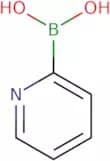
CAS:2-Pyridineboronic acid is a chemical compound that belongs to the group of quinoline derivatives. It is used in pharmaceutical preparations, including as an intermediate for the synthesis of other compounds. 2-Pyridineboronic acid has been shown to have antiproliferative effects on cancer cells and has been found to be active against nicotinic acetylcholine receptors (NAR). The compound also inhibits lipid kinase activity, which is involved in the production of phosphatidylcholine and phosphatidylethanolamine from phosphatidylserine. 2-Pyridineboronic acid can react with hydrochloric acid and electrochemical impedance spectroscopy to produce a solution that has a detection time of about 10 minutes.Formula:C5H6BNO2Purezza:Min. 95%Peso molecolare:122.92 g/molSpiro[3.3]heptane-2,6-dicarboxylic acid, 2,6-dimethyl ester
CAS:Versatile small molecule scaffoldFormula:C11H16O4Purezza:Min. 95%Peso molecolare:212.25 g/mol2,5-Dimethyl-1,4-benzenediamine
CAS:2,5-Dimethyl-1,4-benzenediamine is an amine that is used as a reagent in organic synthesis. It is also used to derivatize other molecules and as a precursor to other compounds. 2,5-Dimethyl-1,4-benzenediamine has been shown to be a good nucleophile and can react with electrophiles such as difluoride and the metal ion Ag(I). The reaction rate of 2,5-dimethyl-1,4-benzenediamine can be determined using high performance liquid chromatography or electrospray ionization. This compound can be synthesized from phenylmagnesium bromide and methyl iodide in the presence of aluminium chloride. It is possible to immobilize 2,5-dimethyl-1,4-benzenediamine on mesoporous silica by attaching it to the surface of the porous material with aminopFormula:C8H12N2Purezza:Min. 95%Colore e forma:Beige To Brown SolidPeso molecolare:136.19 g/molN-Fluorobenzenesulfonimide
CAS:N-Fluorobenzenesulfonimide is an organic compound with the molecular formula CHFNS. It is a fluorinating agent that can be used for the synthesis of organic compounds. N-Fluorobenzenesulfonimide has been shown to have anti-inflammatory properties and has shown promising results in animal studies for the treatment of hepatitis. The mechanism of action is not fully understood, but it may involve the formation of hydrogen bonds between N-fluorobenzenesulfonimide and amino acid residues in proteins, leading to inhibition of protein synthesis.
Formula:C12H10FNO4S2Purezza:Min. 95%Colore e forma:White PowderPeso molecolare:315.34 g/mol2-Bromo-5-methylpyridin-3-ol
CAS:Versatile small molecule scaffoldFormula:C6H6BrNOPurezza:Min. 95%Peso molecolare:188.02 g/molSodium ethanethiolate
CAS:Sodium ethanethiolate is a detergent composition that is used in the manufacturing of other detergents. It has a receptor binding mechanism and binds to the fatty acid component of the lipid bilayer. The hydroxyl group on the ethanethiolate molecule reacts with the hydrophobic region of the lipid bilayer, leading to disruption of membrane function. Sodium-dependent glucose transport is inhibited by sodium ethanethiolate, which also has metabolic disorders as a side effect. It is a bicyclic heterocycle and can be synthesized from p-hydroxybenzoic acid and trifluoroacetic acid. The chemical stability of this compound is high, making it useful for industrial applications.Formula:C2H5NaSPurezza:(¹H-Nmr) Min. 90 Area-%Colore e forma:White PowderPeso molecolare:84.12 g/molSHR 0302
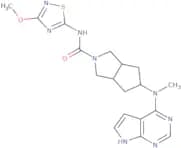
CAS:Please enquire for more information about SHR 0302 including the price, delivery time and more detailed product information at the technical inquiry form on this page
Formula:C18H22N8O2SPurezza:Min. 95%Peso molecolare:414.49 g/molSugammadex sulfoxide diastereomer-2
CAS:Please enquire for more information about Sugammadex sulfoxide diastereomer-2 including the price, delivery time and more detailed product information at the technical inquiry form on this pageFormula:C72H112O49S8Purezza:85%Colore e forma:PowderPeso molecolare:2,018.12 g/molSugammadex diastereomer 1 sulfoxide
CAS:Please enquire for more information about Sugammadex diastereomer 1 sulfoxide including the price, delivery time and more detailed product information at the technical inquiry form on this page
Formula:C72H112O49S8Purezza:90%Colore e forma:PowderPeso molecolare:2,018.16 g/molSodium 4-hydroxybenzenesulfonate dihydrate
CAS:Sodium 4-hydroxybenzenesulfonate dihydrate is a hydrogenated compound with reactive properties. It is used in the production of optical materials and is used to produce hydrogen peroxide, which is a strong oxidizing agent. Sodium 4-hydroxybenzenesulfonate dihydrate has been shown to react with calcium ions to form calcium sulfinates. The luminescence property of this compound can be enhanced by mixing it with other compounds such as x-ray diffraction study, functional groups, or hydrogen peroxide. The reaction time for the formation of sodium 4-hydroxybenzenesulfonate dihydrate can be shortened by adding anions such as sulfamic acid.Formula:C6H5NaO4S·2H2OPurezza:Min. 95%Colore e forma:White To Off-White SolidPeso molecolare:232.19 g/mol(S)-2,4-Dichloro-±-(chloromethyl)benzyl Alcohol
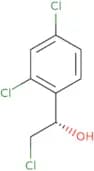
CAS:Versatile small molecule scaffold
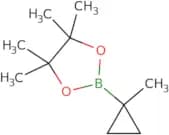
Formula:C8H7Cl3OPurezza:Min. 95%Peso molecolare:225.49 g/mol4,4,5,5-Tetramethyl-2-(1-methylcyclopropyl)-1,3,2-dioxaborolane
CAS:Versatile small molecule scaffoldFormula:C10H19BO2Purezza:Min. 95%Peso molecolare:182.07 g/mol4-Bromo-2,3-difluoropyridine
CAS:Versatile small molecule scaffold
Formula:C5H2BrF2NPurezza:Min. 95%Peso molecolare:193.98 g/mol3-(4-Hydroxyphenyl)hex-4-ynoic acid
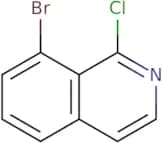
CAS:Versatile small molecule scaffoldFormula:C12H12O3Purezza:Min. 95%Peso molecolare:204.22 g/mol8-Bromo-1-chloroisoquinoline
CAS:Versatile small molecule scaffold
Formula:C9H5BrClNPurezza:Min. 95%Peso molecolare:242.5 g/molOctadecanedioic Acid
CAS:Octadecanedioic acid (ODA) is a fatty acid with the chemical formula CH3(CH2)14COOH. It is a colorless oily liquid that is soluble in water and alcohols. ODA is used in wastewater treatment, as it can remove metal hydroxides and organic substances such as alcohol residue. It has been shown to have low toxicity to humans, with no significant changes in blood chemistry or urinalysis parameters following exposure. It also has been shown to be chemically stable and biodegradable. ODA may be used in pharmaceutical preparations and process optimization, such as biological treatment of wastewater.Formula:C18H34O4Purezza:Min. 95%Colore e forma:White PowderPeso molecolare:314.46 g/molRef: 3D-FO75325
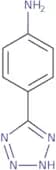
1kgPrezzo su richiesta100gPrezzo su richiesta250gPrezzo su richiesta500gPrezzo su richiesta4-(1H-Tetrazol-5-yl)aniline
CAS:Please enquire for more information about 4-(1H-Tetrazol-5-yl)aniline including the price, delivery time and more detailed product information at the technical inquiry form on this page
Formula:C7H7N5Purezza:Min. 95%Peso molecolare:161.16 g/mol1-Trityl-1H-imidazole-4-carbaldehyde
CAS:1-Trityl-1H-imidazole-4-carbaldehyde is a phosphorane that has been synthesized in the laboratory. It is an organometallic compound with a chloroformate ligand and a mononuclear, dimethylformamide complex. 1-Trityl-1H-imidazole-4-carbaldehyde has shown to be an electrophile and binds to receptor sites with high affinity. This may be due to its ability to form hydrogen bonds with the receptor site, which often occurs for pharmacokinetic profiles.
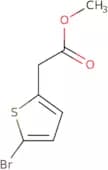
Formula:C23H18N2OPurezza:Min. 95%Peso molecolare:338.4 g/molMethyl 2-(5-bromothiophen-2-yl)acetate
CAS:Versatile small molecule scaffold
Formula:C7H7BrO2SPurezza:Min. 95%Peso molecolare:235.1 g/molDL-Tropic acid
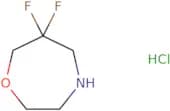
CAS:Please enquire for more information about DL-Tropic acid including the price, delivery time and more detailed product information at the technical inquiry form on this pageFormula:C9H10O3Purezza:Min. 95%Peso molecolare:166.17 g/mol6,6-difluoro-1,4-oxazepane hydrochloride
CAS:Versatile small molecule scaffoldFormula:C5H10ClF2NOPurezza:Min. 95%Peso molecolare:173.6 g/mol1,1',1''-(1,3,5-Triazinane-1,3,5-triyl)tris(2-bromoethan-1-one)
CAS:Please enquire for more information about 1,1',1''-(1,3,5-Triazinane-1,3,5-triyl)tris(2-bromoethan-1-one) including the price, delivery time and more detailed product information at the technical inquiry form on this page
Formula:C9H12Br3N3O3Purezza:Min. 95%Colore e forma:PowderPeso molecolare:449.82 g/mol2-[(6-Chloro-3,4-dihydro-3-methyl-2,4-dioxo-1(2H)-pyrimidinyl)methyl]-benzonitrile
CAS:2-[(6-Chloro-3,4-dihydro-3-methyl-2,4-dioxo-1(2H)-pyrimidinyl)methyl]-benzonitrile is an antibacterial agent that belongs to the group of nitro compounds. It inhibits bacterial growth by blocking the synthesis of proteins and DNA. 2-[(6-Chloro-3,4-dihydro-3-methyl-2,4-dioxo-1(2H)-pyrimidinyl)methyl]-benzonitrile has been shown to be active against a wide range of bacteria including Gram positive and Gram negative organisms. This compound also exhibits metal ion chelating properties and can be used for the removal of heavy metals from water. The square planar geometry of 2-[(6-Chloro-3,4-(dihydro)-3-(methyl)-2,4-(dioxo)-1Formula:C13H10ClN3O2Purezza:Min. 95%Peso molecolare:275.69 g/mol7H,8H-Pyrido[2,3-d]pyridazin-8-one
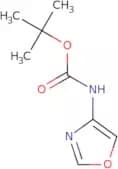
CAS:Versatile small molecule scaffoldFormula:C7H5N3OPurezza:Min. 95%Colore e forma:PowderPeso molecolare:147.13 g/moltert-Butyl oxazol-4-ylcarbamate
CAS:Versatile small molecule scaffoldFormula:C8H12N2O3Purezza:Min. 95%Peso molecolare:184.19 g/mol










![Spiro[3.3]heptane-2,6-dicarboxylic acid, 2,6-dimethyl ester](/_next/image/?url=https%3A%2Fstatic.cymitquimica.com%2Fproducts%2F3D%2Fthumb-webp%2FMBA94279.webp&w=3840&q=75)











![2-[(6-Chloro-3,4-dihydro-3-methyl-2,4-dioxo-1(2H)-pyrimidinyl)methyl]-benzonitrile](/_next/image/?url=https%3A%2Fstatic.cymitquimica.com%2Fproducts%2F3D%2Fthumb-webp%2FQJB75896.webp&w=3840&q=75)
![7H,8H-Pyrido[2,3-d]pyridazin-8-one](/_next/image/?url=https%3A%2Fstatic.cymitquimica.com%2Fproducts%2F3D%2Fthumb-webp%2FQAA37579.webp&w=3840&q=75)