


Building Blocks
Sottocategorie di "Building Blocks"
- Acidi boronici e derivati dell'acido boronico(5.778 prodotti)
- Building Blocks Chirali(1.243 prodotti)
- Building Blocks Idrocarburici(6.098 prodotti)
- Building Blocks organici(61.038 prodotti)
Trovati 205191 prodotti di "Building Blocks"
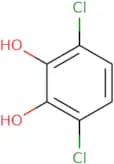
3,6-Dichlorobenzene-1,2-diol
CAS:3,6-Dichlorobenzene-1,2-diol is a conjugate acid of benzene. It has two dimensions in the plane of the molecule and three dimensions in space. The molecule is composed of six carbon atoms, six hydrogen atoms, and one chlorine atom. 3,6-Dichlorobenzene-1,2-diol has a centroid at the center of the molecule that is surrounded by a ring of four hydrogen atoms. The hydrogen-bonded molecules stack on top of each other to form a hexagonal shape. 3,6-Dichlorobenzene-1,2-diol forms hydrogen bonds with other molecules through its lone pairs of electrons on both oxygen atoms as well as through its pi electron system.Formula:C6H4Cl2O2Purezza:Min. 95%Peso molecolare:179 g/molMethyl 2-chloro-5-iodonicotinate
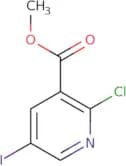
CAS:Methyl 2-chloro-5-iodonicotinate is a basic and yields a radioligand for use in imaging studies. It is used as a specific activity and solid-phase extraction. Methyl 2-chloro-5-iodonicotinate has been shown to be effective for radiolabeling studies of the brain following intravenous administration.
Formula:C7H5ClINO2Purezza:Min. 95%Peso molecolare:297.48 g/mol(2S,3R)-2-((((9H-Fluoren-9-yl)methoxy)carbonyl)amino)-3-methoxybutanoic acid
CAS:Versatile small molecule scaffoldFormula:C20H21NO5Purezza:Min. 95%Peso molecolare:355.4 g/mol1-(Oxan-2-yl)-3-phenyl-5-(tetramethyl-1,3,2-dioxaborolan-2-yl)-1H-pyrazole
CAS:Versatile small molecule scaffold
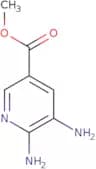
Formula:C20H27BN2O3Purezza:Min. 95%Peso molecolare:354.3 g/molMethyl 5,6-diaminopyridine-3-carboxylate
CAS:Versatile small molecule scaffoldFormula:C7H9N3O2Purezza:Min. 95%Peso molecolare:167.17 g/mol5-Bromo-3-(difluoromethyl)pyridine-2-carboxylic acid
CAS:Versatile small molecule scaffoldFormula:C7H4BrF2NO2Purezza:Min. 95%Peso molecolare:252.01 g/mol[(1S)-1-Ethyl-2-oxopropyl]-1,1-dimethylethyl ester carbamic acid
CAS:Versatile small molecule scaffoldFormula:C10H19NO3Purezza:Min. 95%Peso molecolare:201.26 g/moltert-Butyl (4-formylpyridin-2-yl)carbamate
CAS:Versatile small molecule scaffoldFormula:C11H14N2O3Purezza:Min. 95%Peso molecolare:222.2 g/mol9-Anthracenemethanol
CAS:9-Anthracenemethanol is a carcinogenic, mutagenic, and teratogenic compound. It is metabolized by a number of enzymatic reactions, including oxidation by cytochrome P450 enzymes and reduction by glutathione reductase. The compound has been shown to be activated in acid conditions, with an activation energy of 10 kcal/mol. It also forms an acid when heated, which can cause damage to cells. 9-Anthracenemethanol has been shown to have photochemical properties that may be used for the production of dyes or pigments.Formula:C15H12OPurezza:Min. 95%Colore e forma:Yellow PowderPeso molecolare:208.26 g/molJMJD2 Inhibitor, 5-carboxy-8HQ
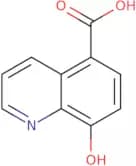
CAS:JMJD2 is an enzyme that catalyzes the methylation of histone H3 at lysine 27. JMJD2 inhibitors are compounds that inhibit JMJD2 activity, which may be used to treat cancer. This class of drugs inhibits the activity of JMJD2 by binding to the active site and blocking the substrate from entering. The most potent compound in this class, 5-carboxy-8HQ, has been shown to have antibacterial efficacy in a squamous cell carcinoma model system and up-regulated expression in wild-type cells. Additionally, this compound has been shown to significantly inhibit tumor growth in a mouse model of atherosclerotic lesion.Formula:C10H7NO3Purezza:Min. 95%Peso molecolare:189.17 g/mol2,3-Dihydro-1H-pyrrolo[3,2-c]pyridine hydrochloride
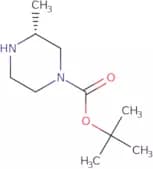
CAS:Versatile small molecule scaffoldFormula:C7H8N2·HClPurezza:Min. 95%Peso molecolare:156.62 g/mol(R)-4-Boc-2-methylpiperazine
CAS:(R)-4-Boc-2-methylpiperazine is a picolinamide dehydrogenase inhibitor that is used to treat type 2 diabetes. It has been shown to reduce blood glucose levels in animal models and human subjects with type 2 diabetes mellitus. The mechanism of action is thought to be via inhibition of the 11β-hydroxysteroid dehydrogenase, which increases insulin sensitivity. This drug also has good oral bioavailability, does not cause weight gain, and has an acceptable safety profile.
Formula:C10H20N2O2Purezza:Min. 95%Colore e forma:White PowderPeso molecolare:200.28 g/molBocNH-PEG3-CH2CH2NH2
CAS:BocNH-PEG3-CH2CH2NH2 is a PEG compound with two different functional groups (also known as heterobifunctional). Unlike homobifunctional PEG compounds (same functional group on both ends), this type of compounds are more versatile as have two different anchor points. BocNH-PEG3-CH2CH2NH2 is used as a linker and spacer to add a PEG moiety, via pegylation (a bioconjugation technique) to proteins, peptides, oligonucleotides, small molecules and nanoparticles.Formula:C13H28N2O5Purezza:Min. 95%Colore e forma:Clear LiquidPeso molecolare:292.37 g/mol5-Methyl-3-oxo-hexanoic acid methyl ester
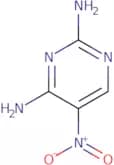
CAS:Versatile small molecule scaffoldFormula:C8H14O3Purezza:Min. 95%Peso molecolare:158.2 g/mol2,4-Diamino-5-nitropyrimidine
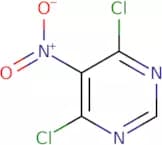
CAS:2,4-Diamino-5-nitropyrimidine is a synthetic molecule that belongs to the class of heterocyclic amines. It has been shown to be a potent antiproliferative agent and has been found to inhibit hepg2 cell growth in vitro. This compound was also found to inhibit cancer cells, including mcf-7. 2,4-Diamino-5-nitropyrimidine binds nucleophilic sites on proteins and inhibits enzymes involved in DNA synthesis. The inhibition of these enzymes leads to cell death by preventing the production of new proteins needed for cell division.Formula:C4H5N5O2Purezza:Min. 95%Colore e forma:Off-White To Yellow SolidPeso molecolare:155.12 g/mol4,6-Dichloro-5-nitropyrimidine
CAS:4,6-Dichloro-5-nitropyrimidine is an intermediate in the synthesis of Tenofovir, a nucleophilic drug that inhibits HIV. It is produced by the reaction of chloride with amines and nitro compounds in the presence of ammonium chloride. 4,6-Dichloro-5-nitropyrimidine has been shown to have anticancer activity against human lymphocytes and other cancer cells. It can also be used for the treatment of AIDS. The biological properties of this compound are dose dependent and are dependent on the size of chlorine atoms attached to nitrogen atoms.Formula:C4HCl2N3O2Purezza:Min. 95%Colore e forma:Yellow PowderPeso molecolare:193.98 g/mol2,4-Dibromothiazole
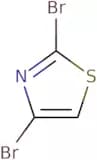
CAS:2,4-Dibromothiazole is a nicotinic acetylcholine receptor (nAChR) antagonist which selectively blocks the binding of acetylcholine to nAChRs. It has been shown to be effective in treating inflammatory bowel disease by inhibiting the production of inflammatory mediators. This drug also has anti-inflammatory effects and can be used for the treatment of autoimmune diseases such as Crohn's disease. 2,4-Dibromothiazole also has low energy properties and is used in palladium complexes for cross-coupling reactions. It can also be used as a cancer chemotherapeutic agent and as a cardiac drug.Formula:C3HBr2NSPurezza:Min. 95%Colore e forma:White PowderPeso molecolare:242.92 g/molDiiodomethane
CAS:Diiodomethane is a chemical compound with the molecular formula CHI. It is a colorless gas that can be obtained by reacting methyl ethyl and hydroxyl group in the presence of an oxidant such as boron nitride. Diiodomethane has been used as a substrate film for n-dimethyl formamide and reaction solution, which have been studied using spectroscopic data. The product of this reaction is water vapor that leaves the system due to its low boiling point. Reaction mechanism for this process is thought to be due to the kinetic energy of the particles that collide and produce diiodomethane molecules.Formula:CH2I2Purezza:Min. 95%Colore e forma:Yellow Clear LiquidPeso molecolare:267.84 g/mol4,4'-Dithiopyridine
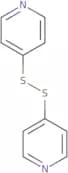
CAS:4,4'-Dithiopyridine is a reactive molecule that can be used in the synthesis of other organic compounds. It is a disulfide bond with a redox potential of -0.43 V, which makes it readily available for reaction. The structural analysis of 4,4'-dithiopyridine has been performed using NMR spectroscopy and gas chromatography/mass spectrometry (GC/MS). This compound is an inhibitor of sugar transport and can be used to study the p-nitrophenyl phosphate reductase enzyme in bacteria. The reaction product between 4,4'-dithiopyridine and NADPH cytochrome P450 produces the fluorescent molecule 2-aminopurine. This fluorescent molecule may be used as a probe to study transfer reactions in bacteria.
Formula:C10H8N2S2Purezza:Min. 95%Colore e forma:Off-White To Light (Or Pale) Yellow SolidPeso molecolare:220.32 g/mol2,6-Dichloro-4-methoxyaniline
CAS:2,6-Dichloro-4-methoxyaniline is a chemical that belongs to the group of methyl derivatives. It is used as an industrial chemical and as a precursor to other chemicals in the production of pesticides, herbicides, and other products. 2,6-Dichloro-4-methoxyaniline can be found in brominated flame retardants and phenolic resins. It is also present in pentachlorophenol (PCP) and hydroxylated congeners. 2,6-Dichloro-4-methoxyaniline has been detected in humans at levels ranging from 10 to 100 parts per billion. The chemical structure of 2,6-dichloro-4-methoxyaniline is similar to that of triclosan, which has been shown to have antimicrobial activity against bacteria such as Staphylococcus aureus and EscherichFormula:C7H7Cl2NOPurezza:Min. 95%Peso molecolare:192.04 g/mol1H,1H,7H-Dodecafluoroheptanol
CAS:1H,1H,7H-Dodecafluoroheptanol is a perfluorinated compound. It has been shown to be an efficient scavenger of reactive oxygen species (ROS) and to have a protective effect on collagen. The reaction mechanism of 1H,1H,7H-dodecafluoroheptanol is not fully understood. However, it has been shown that the chloride ion plays a key role in the formation of this product from 1H,1H,7F-dodecafluoroheptane. The reaction vessel used in this synthesis is critical because it must be anhydrous to prevent the formation of 1HF3OCl. Magnetic resonance spectroscopy has been used to study the chemical structures of this compound.
Formula:C7H4F12OPurezza:Min. 95%Colore e forma:Colorless PowderPeso molecolare:332.09 g/mol3,5-Diiodo-L-tyrosine
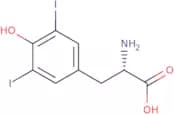
CAS:3,5-Diiodo-L-tyrosine (3DILT) is an iodinated amino acid that can be used as a marker for human immunodeficiency virus (HIV) infection. It is synthesized by the reaction of 3,5-diiodotyrosine with L-tyrosine in the presence of a metal chelate and dinucleotide phosphate. This reaction proceeds via nucleophilic substitution on the aromatic ring with an iodide ion. The product is then purified to remove unreacted 3,5-diiodotyrosine and the metal chelate. 3DILT reacts with antibodies in a luminescence immunoassay to produce light that can be detected. The detection limit of this assay is 10 pg/mL.Formula:C9H9I2NO3Purezza:Min. 95%Peso molecolare:432.98 g/mol2,5-Dimethyl-1,4-benzenediamine
CAS:2,5-Dimethyl-1,4-benzenediamine is an amine that is used as a reagent in organic synthesis. It is also used to derivatize other molecules and as a precursor to other compounds. 2,5-Dimethyl-1,4-benzenediamine has been shown to be a good nucleophile and can react with electrophiles such as difluoride and the metal ion Ag(I). The reaction rate of 2,5-dimethyl-1,4-benzenediamine can be determined using high performance liquid chromatography or electrospray ionization. This compound can be synthesized from phenylmagnesium bromide and methyl iodide in the presence of aluminium chloride. It is possible to immobilize 2,5-dimethyl-1,4-benzenediamine on mesoporous silica by attaching it to the surface of the porous material with aminopFormula:C8H12N2Purezza:Min. 95%Colore e forma:Beige To Brown SolidPeso molecolare:136.19 g/mol(2R,6R)-2,6-Dimethylmorpholine
CAS:(2R,6R)-2,6-Dimethylmorpholine is an isomerizing agent that converts (2S,6S)-2,6-dimethylmorpholine to (2R,6R)-2,6-dimethylmorpholine. It has been used in the synthesis of pharmaceuticals and optimization of reaction conditions. The optimum condition for the conversion is a temperature of 40°C with a time of 4 hours. It can also be used to synthesize mandelic acid from phenylglyoxal and nitroethane. This compound has been shown to have antibacterial activity against tonsillar bacteria and enantiomers with different sensitivities may be analyzed using plates coated with silica gel or polymeric resins. Parameters such as pH and temperature must also be optimized for this process.Formula:C6H13NOPurezza:Min. 95%Peso molecolare:115.17 g/mol3,4-Difluoro-1H-Pyrrole
CAS:3,4-Difluoro-1H-Pyrrole is a neutral compound with a molecular weight of 136.17 g/mol. It has the chemical formula C6H3F2N and it can be found in reactions involving the congener and coordination chemistry. 3,4-Difluoro-1H-Pyrrole is an intermediate in organic synthesis that is used as starting material for other organic compounds such as pharmaceuticals and agrochemicals. The redox potential of 3,4-Difluoro-1H-Pyrrole is -0.42 V for the reaction with chloride solution and its basicity is 0.89 mM at 25°C. This molecule has been studied by X-ray crystallography and by titration calorimetry for hydrogen bonding interactions.Formula:C4H3F2NPurezza:Min. 95%Peso molecolare:103.07 g/mol3-Boc-3-azabicyclo[3.2.1]octan-8-amine
CAS:Versatile small molecule scaffoldFormula:C12H22N2O2Purezza:Min. 95%Peso molecolare:226.32 g/molFmoc-Tyr(Et)-OH
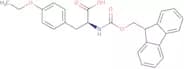
CAS:Please enquire for more information about Fmoc-Tyr(Et)-OH including the price, delivery time and more detailed product information at the technical inquiry form on this pageFormula:C26H25NO5Purezza:Min. 95%Peso molecolare:431.48 g/mol4-Fluoro-2-methoxy-5-nitroaniline
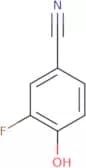
CAS:Intermediate in the synthesis of osimertinib (AZD9291)Formula:C7H7FN2O3Purezza:Min. 95%Peso molecolare:186.14 g/mol3-Fluoro-4-hydroxybenzonitrile
CAS:3-Fluoro-4-hydroxybenzonitrile is a compound with an acidic ph and a strain that is dispersive, desorptive, and polyacrylamide gel. It is a colorless liquid at room temperature. 3-Fluoro-4-hydroxybenzonitrile has been shown to react with dodecyl inorganic base and hydrochloric acid to produce 3-fluoroaniline. The localization of the reaction yield is on hydrotalcite activated by fluorine. This chemical has been shown to react at temperatures between 0°C and 140°C.Formula:C7H4FNOPurezza:Min. 95%Colore e forma:White PowderPeso molecolare:137.11 g/molIr[dffppy]2-(4,4′-dcf3bpy)pf6
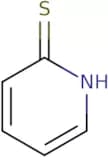
CAS:Please enquire for more information about Ir[dffppy]2-(4,4′-dcf3bpy)pf6 including the price, delivery time and more detailed product information at the technical inquiry form on this pageFormula:C34H16F18IrN4PPurezza:Min. 95%Peso molecolare:1,045.68 g/mol2-Mercaptopyridine
CAS:2-Mercaptopyridine is a quinone that has been used as an inhibitor of the HIV reverse transcriptase enzyme. It binds to the active site of the enzyme and inhibits its activity by forming a stable covalent bond with two cysteine residues in the enzyme. The molecule is stabilized by two adjacent sulfide bonds, which form a six-membered ring with three nitrogen atoms and one oxygen atom. This ring coordinates to the zinc ion in the active site of the enzyme. 2-Mercaptopyridine has also been found to be effective against methicillin-resistant Staphylococcus aureus (MRSA) and Mycobacterium tuberculosis. 2-Mercaptopyridine binds to DNA at positions where it is complementary to guanine or adenine nucleotides, thus preventing RNA synthesis and replication.Formula:C5H5NSPurezza:Min. 95%Colore e forma:PowderPeso molecolare:111.17 g/molN-Methoxymethyl-N-(trimethylsilylmethyl)benzylamine
CAS:N-Methoxymethyl-N-(trimethylsilylmethyl)benzylamine is a chiral, electron deficient reagent that reacts with aldehydes and boronic esters to form products with high chemical yields. This compound can be used as a catalyst for acylation reactions, such as the synthesis of p-nitrophenol. N-Methoxymethyl-N-(trimethylsilylmethyl)benzylamine is synthesized by the reaction of trifluoroacetic acid and an amine, followed by chloroformate displacement. The product is then reacted with acylating agents in the presence of catalysts.Formula:C13H23NOSiPurezza:Min. 95%Colore e forma:Clear Colourless To Pale Yellow LiquidPeso molecolare:237.41 g/molMethanesulfonato(diadamantyl-n-butylphosphino)-2'-amino-1,1'-biphenyl-2-yl)palladium(II) dichloromethane adduct
CAS:Please enquire for more information about Methanesulfonato(diadamantyl-n-butylphosphino)-2'-amino-1,1'-biphenyl-2-yl)palladium(II) dichloromethane adduct including the price, delivery time and more detailed product information at the technical inquiry form on this pageFormula:C37H52NO3PPdSPurezza:Min. 95%Peso molecolare:728.27 g/mol2-Methyl-2H-indazol-5-ylamine
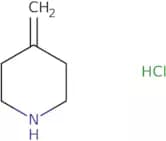
CAS:Please enquire for more information about 2-Methyl-2H-indazol-5-ylamine including the price, delivery time and more detailed product information at the technical inquiry form on this pageFormula:C8H9N3Purezza:Min. 95%Peso molecolare:147.18 g/mol4-Methylenepiperidine hydrochloride
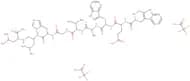
CAS:4-Methylenepiperidine hydrochloride is a synthetic, ethylene oxide derivative that is used as an antifungal drug. It is also used in the synthesis of other compounds and as a reagent in organic chemistry. 4-Methylenepiperidine hydrochloride can be synthesized by reacting ethylene with an alkoxide, followed by adding a metal halide such as organolithium reagents to form the desired product. The yield rate of this reaction is high and it is easy to perform on a large scale.Formula:C6H11N·HClPurezza:Min. 95%Colore e forma:White PowderPeso molecolare:133.62 g/molRC-3095 trifluoroacetate
CAS:Please enquire for more information about RC-3095 trifluoroacetate including the price, delivery time and more detailed product information at the technical inquiry form on this pageFormula:C56H79N15O9•C2HF3O2Purezza:Min. 95%Peso molecolare:1,220.35 g/molMethyl trans-4-bromo-2-butenoate
CAS:Methyl trans-4-bromo-2-butenoate is a synthetic compound that contains a hydroxyl group and two bromine atoms. It is synthesized by the reaction of diethyl succinate, hydrogen, and piperazine in an aqueous solution. Methyl trans-4-bromo-2-butenoate has been shown to have antineoplastic activity in combination with epidermal growth factor (EGF) and carbohydrate conjugates. It also binds to cell surface receptors on the epidermal cells, inhibiting their growth. The structural formula of methyl trans-4-bromo-2-butenoate can be seen below: [[File:Methyltrans4bromobutanoate.png|thumb|300px|left|The structural formula of methyl trans-[4] -[bromo]-[2] -butenoate.]]
Formula:C5H7BrO2Purezza:Min. 95%Colore e forma:Clear LiquidPeso molecolare:179.01 g/molMethyl 3-chloropropionate
CAS:Methyl 3-chloropropionate is an alkyl ether that has been used in clinical studies as a liquid phase ion-pair extraction solvent. It was developed to replace the use of hexane, which is not environmentally friendly and can also cause irritation. Methyl 3-chloropropionate has been shown to have a higher viscosity than hexane at room temperature and is less likely to evaporate than hexane. Methyl 3-chloropropionate has also been used as a synthetic process solvent, with the reaction time being shorter than that of hexane. This compound can be used for chromatography without any effect on the solute or the stationary phase. Methyl 3-chloropropionate has also been shown to be effective in lipase and agarose gel assays, as well as chloride ion extraction from water samples.
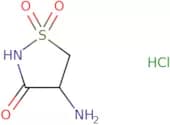
Formula:C4H7ClO2Purezza:Min. 95%Colore e forma:Clear LiquidPeso molecolare:122.55 g/mol4-Amino-3-isothiazolidinone 1,1-dioxide hydrochloride
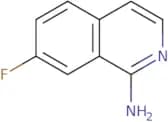
CAS:Versatile small molecule scaffoldFormula:C3H7ClN2O3SPurezza:Min. 95%Peso molecolare:186.62 g/mol7-Fluoroisoquinolin-1-amine
CAS:Versatile small molecule scaffoldFormula:C9H7FN2Purezza:Min. 95%Peso molecolare:162.16 g/mol2-Methoxy-benzenesulfonic acid
CAS:2-Methoxy-benzenesulfonic acid is a synthetic chemical compound that is used in the production of polymers and other ester compounds. It can be produced by reacting benzenesulfonyl chloride with methanol in the presence of a strong acid catalyst. 2-Methoxy-benzenesulfonic acid reacts with radiation to produce reactive oxygen species that are capable of damaging cellular structures. The molecule contains an intramolecular hydrogen bond, which stabilizes the structure and helps to form hydrogen bonds with other molecules. 2-Methoxy-benzenesulfonic acid also has a hydroxyl group, which allows it to function as an acidic compound that can react with water and cause inflammation. This functional group also makes it soluble in water, allowing it to penetrate tissue structures.
Formula:C7H8O4SPurezza:Min. 95%Peso molecolare:188.2 g/mol3-Methoxy-benzenesulfonic acid
CAS:Versatile small molecule scaffold
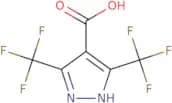
Formula:C7H8O4SPurezza:Min. 95%Peso molecolare:188.2 g/mol3,5-Bis(trifluoromethyl)-1H-pyrazole-4-carboxylic acid
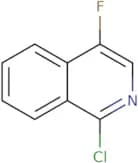
CAS:3,5-Bis(trifluoromethyl)-1H-pyrazole-4-carboxylic acid is a chiral compound that has been shown to be an active building block for coordination frameworks. It is prepared from the reaction of 3,5-bis(trifluoromethyl)-1H-pyrazole with a carboxylic acid and can be used in the synthesis of metalloporphyrins. 3,5-Bis(trifluoromethyl)-1H-pyrazole-4-carboxylic acid has been shown to form stable coordination complexes with ligands such as bidentate or tridentate phosphoramidites and dimethylammonium chloride. This compound undergoes thermal treatment during the preparation process and reacts with various solvents and reagents.Formula:C6H2F6N2O2Purezza:Min. 95%Peso molecolare:248.08 g/mol1-chloro-4-fluoroisoquinoline
CAS:1-chloro-4-fluoroisoquinoline is a chlorinating agent that has been used as a synthetic method for the synthesis of oxychloride. It is typically used in the presence of palladium catalyst, in the presence of phosphorus and under reductive conditions. The chlorination reaction is initiated by addition of hydrochloric acid or phosphorous oxychloride. The 1-hydroxyisoquinoline reacts with phosphorus to form a chloroformate, which reacts with fluorine gas to produce an intermediate chlorofluorinate. This intermediate then reacts with chlorine gas in the presence of palladium catalyst to generate the desired product, 1-chloro-4-fluoroisoquinoline.Formula:C9H5ClFNPurezza:Min. 95%Peso molecolare:181.59 g/mol3-chloro-4-cyanobenzoic acid
CAS:Versatile small molecule scaffoldFormula:C8H4ClNO2Purezza:Min. 95%Peso molecolare:181.58 g/mol2-(Bromomethyl)-6-fluorobenzonitrile
CAS:Versatile small molecule scaffoldFormula:C8H5BrFNPurezza:Min. 95%Peso molecolare:214.04 g/mol2-{[(3αR,4S,6R,6αS)-6-Amino-2,2-dimethyltetrahydro-3αH-cyclopenta[d][1,3]-dioxol-4-yl] oxy}-1-ethol
CAS:Versatile small molecule scaffoldFormula:C10H19NO4Purezza:Min. 95%Colore e forma:PowderPeso molecolare:217.26 g/mol2-[[(3aS,4R,6S,6aa)-4-[7-[[(1R,2S)-2-(3 ,4-Difluorophenyl)cyclopropyl]amino]-5-(propylthio)-3H-[1,2,3]triazolo[4 ,5-d]pyrimidin-3-yl]-2,2-dimethyl-tetrahydro-3aH-cyclopenta[d][1 ,3]dioxol-6-yl]oxy]ethanol
CAS:2-[[(3aS,4R,6S,6aa)-4-[7-[[(1R,2S)-2-(3,4-Difluorophenyl)cyclopropyl]amino]-5-(propylthio)-3H-[1,2,3]triazolo[4,5-d]pyrimidin-3-yl]- 2,2-dimethyl-tetrahydro-3aH-cyclopenta[d][1,3]dioxol-6-yl]oxy]ethanol-d7 is a compound with brominated sparfloxacin. It has various applications in the field of biochemistry and research chemicals. This compound has been found to have interactions with adipocytes and adipose tissues. Additionally, it has shown potential effects on glycan metabolism and potassium ion channels. Furthermore, this compound has been studied for its potential as an herbicide and its interaction with other substances such asFormula:C26H32F2N6O4SPurezza:Min. 95%Peso molecolare:562.63 g/mol2-Amino-5-bromo-3-fluorobenzoic acid
CAS:Versatile small molecule scaffoldFormula:C7H5BrFNO2Purezza:Min. 95%Peso molecolare:234.03 g/molMethyl 3-chloro-4-iodobenzoate
CAS:Versatile small molecule scaffoldFormula:C8H6ClIO2Purezza:Min. 95%Peso molecolare:296.49 g/mol




![[(1S)-1-Ethyl-2-oxopropyl]-1,1-dimethylethyl ester carbamic acid](/_next/image/?url=https%3A%2Fstatic.cymitquimica.com%2Fproducts%2F3D%2Fthumb-webp%2FEMA02105.webp&w=3840&q=75)


![2,3-Dihydro-1H-pyrrolo[3,2-c]pyridine hydrochloride](/_next/image/?url=https%3A%2Fstatic.cymitquimica.com%2Fproducts%2F3D%2Fthumb-webp%2FFAA91219.webp&w=3840&q=75)






![3-Boc-3-azabicyclo[3.2.1]octan-8-amine](/_next/image/?url=https%3A%2Fstatic.cymitquimica.com%2Fproducts%2F3D%2Fthumb-webp%2FFDC76351.webp&w=3840&q=75)

![Ir[dffppy]2-(4,4′-dcf3bpy)pf6](/_next/image/?url=https%3A%2Fstatic.cymitquimica.com%2Fproducts%2F3D%2Fthumb-webp%2FFGD43792.webp&w=3840&q=75)








![2-{[(3αR,4S,6R,6αS)-6-Amino-2,2-dimethyltetrahydro-3αH-cyclopenta[d][1,3]-dioxol-4-yl] oxy}-1-ethol](/_next/image/?url=https%3A%2Fstatic.cymitquimica.com%2Fproducts%2F3D%2Fthumb-webp%2FZKA69355.webp&w=3840&q=75)
![2-[[(3aS,4R,6S,6aa)-4-[7-[[(1R,2S)-2-(3 ,4-Difluorophenyl)cyclopropyl]amino]-5-(propylthio)-3H-[1,…](/_next/image/?url=https%3A%2Fstatic.cymitquimica.com%2Fproducts%2F3D%2Fthumb-webp%2FZKA69326.webp&w=3840&q=75)

