Building Blocks
Sottocategorie di "Building Blocks"
- Acidi boronici e derivati dell'acido boronico(5.774 prodotti)
- Building Blocks Chirali(1.237 prodotti)
- Building Blocks Idrocarburici(6.098 prodotti)
- Building Blocks organici(60.980 prodotti)
Trovati 205158 prodotti di "Building Blocks"
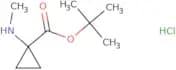
tert-Butyl 1-(methylamino)cyclopropane-1-carboxylate hydrochloride
CAS:Versatile small molecule scaffold
Formula:C9H18ClNO2Purezza:Min. 95%Peso molecolare:207.7 g/mol9-Methyl-2-(4-methyl-piperidin-1-yl)-4-oxo-4H-pyrido[1,2-a]pyrimidine-3-carbaldehyde
CAS:Versatile small molecule scaffold
Formula:C16H19N3O2Purezza:Min. 95%Peso molecolare:285.34 g/molMethyl 2-oxo-3-propoxypropanoate
CAS:Versatile small molecule scaffold
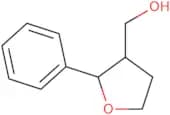
Formula:C7H12O4Purezza:Min. 95%Peso molecolare:160.2 g/mol(2-Phenyloxolan-3-yl)methanol
CAS:Versatile small molecule scaffold
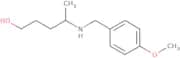
Formula:C11H14O2Purezza:Min. 95%Peso molecolare:178.23 g/mol4-((4-Methoxybenzyl)amino)pentan-1-ol
CAS:Versatile small molecule scaffold
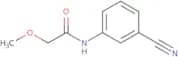
Formula:C13H21NO2Purezza:Min. 95%Peso molecolare:223.31 g/molN-(3-Cyanophenyl)-2-methoxyacetamide
CAS:Versatile small molecule scaffold
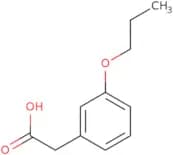
Formula:C10H10N2O2Purezza:Min. 95%Peso molecolare:190.2 g/mol(3-Propoxyphenyl)acetic acid
CAS:(3-Propoxyphenyl)acetic acid is a tetrapeptide that is evaluated for therapeutic use. It has been shown to be a hydrophobic molecule and can be used in the development of therapeutics. (3-Propoxyphenyl)acetic acid interacts with arginine residues, which is an amino acid that has been shown to optimize protein–protein interactions. This interaction results in the optimization of the n-terminal residue and the phosphotransfer process. The synthesis of (3-propoxyphenyl)acetic acid is performed on a solid phase, which allows for optimization of its structure by changing the substituents on its side chain.
Formula:C11H14O3Purezza:Min. 95%Peso molecolare:194.23 g/mol1-Boc-4-Amino-3-methylpiperidine
CAS:Versatile small molecule scaffold
Formula:C11H22N2O2Purezza:Min. 95%Peso molecolare:214.3 g/mol5-Chloro-3-iodo-7-azaindole
CAS:Versatile small molecule scaffold
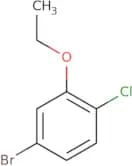
Formula:C7H4ClIN2Purezza:Min. 95%Peso molecolare:278.48 g/mol4-Bromo-1-chloro-2-ethoxybenzene
CAS:Versatile small molecule scaffold
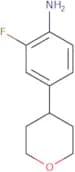
Formula:C8H8BrClOPurezza:Min. 95%Peso molecolare:235.51 g/mol2-Fluoro-4-(oxan-4-yl)aniline
CAS:Versatile small molecule scaffold
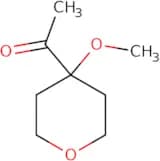
Formula:C11H14FNOPurezza:Min. 95%Peso molecolare:195.23 g/mol1-(4-Methoxyoxan-4-yl)ethan-1-one
CAS:Versatile small molecule scaffold
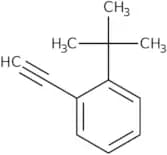
Formula:C8H14O3Purezza:Min. 95%Peso molecolare:158.19 g/mol1-(tert-Butyl)-2-ethynylbenzene
CAS:Versatile small molecule scaffold
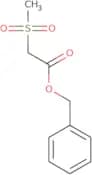
Formula:C12H14Purezza:Min. 95%Peso molecolare:158.24 g/molBenzyl 2-methanesulfonylacetate
CAS:Versatile small molecule scaffold
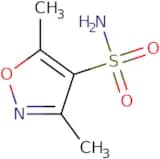
Formula:C10H12O4SPurezza:Min. 95%Peso molecolare:228.27 g/mol3,5-Dimethylisoxazole-4-sulfonamide
CAS:Versatile small molecule scaffold
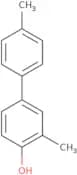
Formula:C5H8N2O3SPurezza:Min. 95%Peso molecolare:176.2 g/mol2-Methyl-4-(4-methylphenyl)phenol
CAS:Versatile small molecule scaffold
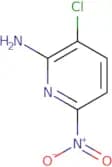
Formula:C14H14OPurezza:Min. 95%Peso molecolare:198.26 g/mol3-Chloro-6-nitropyridin-2-amine
CAS:Versatile small molecule scaffold
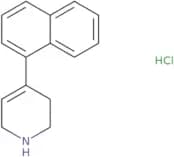
Formula:C5H4ClN3O2Purezza:Min. 95%Peso molecolare:173.56 g/mol4-(Naphthalen-1-yl)-1,2,3,6-tetrahydropyridine hydrochloride
CAS:Versatile small molecule scaffold
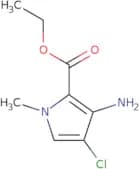
Formula:C15H16ClNPurezza:Min. 95%Peso molecolare:245.74 g/molEthyl 3-amino-4-chloro-1-methyl-1H-pyrrole-2-carboxylate
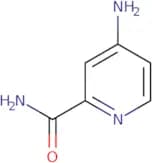
CAS:Versatile small molecule scaffoldFormula:C8H11ClN2O2Purezza:Min. 95%Peso molecolare:202.64 g/mol4-Aminopicolinamide
CAS:4-Aminopicolinamide is a monolithic integrated circuit that has a high frequency and coupling, as well as the capability of transmitting data through a magnetic or radio frequency. It also has the ability to operate with microprocessors with transponders. This circuit can be used in a variety of applications, such as RFID tags and labels, GPS devices, and biochips.
Formula:C6H7N3OPurezza:Min. 95%Peso molecolare:137.14 g/mol(4-Aminopyridin-2-yl)methanol
CAS:Versatile small molecule scaffold
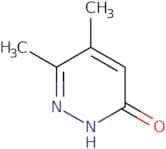
Formula:C6H8N2OPurezza:Min. 95%Peso molecolare:124.14 g/mol5,6-Dimethylpyridazin-3(2H)-one
CAS:Versatile small molecule scaffold
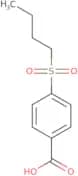
Formula:C6H8N2OPurezza:Min. 95%Peso molecolare:124.14 g/mol4-(Butane-1-sulfonyl)benzoic acid
CAS:Versatile small molecule scaffold
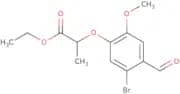
Formula:C11H14O4SPurezza:Min. 95%Peso molecolare:242.29 g/molEthyl 2-(5-bromo-4-formyl-2-methoxyphenoxy)propanoate
CAS:Versatile small molecule scaffold
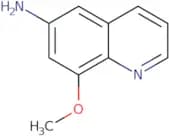
Formula:C13H15BrO5Purezza:Min. 95%Peso molecolare:331.16 g/mol8-Methoxyquinolin-6-amine
CAS:Versatile small molecule scaffold
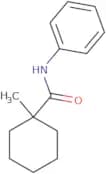
Formula:C10H10N2OPurezza:Min. 95%Peso molecolare:174.2 g/mol1-Methyl-N-phenylcyclohexane-1-carboxamide
CAS:Versatile small molecule scaffold
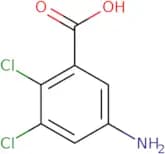
Formula:C14H19NOPurezza:Min. 95%Peso molecolare:217.31 g/mol5-Amino-2,3-dichlorobenzoic acid
CAS:Versatile small molecule scaffold
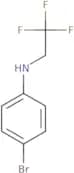
Formula:C7H5Cl2NO2Purezza:Min. 95%Peso molecolare:206.02 g/mol4-bromo-N-(2,2,2-trifluoroethyl)aniline
CAS:Versatile small molecule scaffold
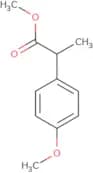
Formula:C8H7BrF3NPurezza:Min. 95%Peso molecolare:254 g/molMethyl 2-(4-methoxyphenyl)propanoate
CAS:Versatile small molecule scaffold
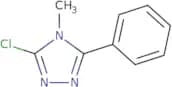
Formula:C11H14O3Purezza:Min. 95%Peso molecolare:194.23 g/mol3-Chloro-4-methyl-5-phenyl-4H-1,2,4-triazole
CAS:Versatile small molecule scaffold
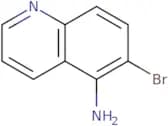
Formula:C9H8ClN3Purezza:Min. 95%Peso molecolare:193.63 g/mol5-Amino-6-bromoquinoline
CAS:Versatile small molecule scaffold
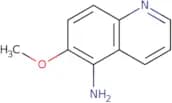
Formula:C9H7BrN2Purezza:Min. 95%Peso molecolare:223.07 g/mol6-Methoxyquinolin-5-amine
CAS:6-Methoxyquinolin-5-amine is a cytotoxic drug that belongs to the class of quinoline derivatives. It has been shown to induce cell death in cancer cells through a caspase-independent mechanism. 6-Methoxyquinolin-5-amine is also able to induce autophagy, which is a process of self-digestion and recycling of cellular components. The chemical stability of 6-methoxyquinolin-5-amine is greater than that of most other cytotoxic drugs, making it an active analogue with improved pharmacokinetic properties. This compound induces apoptosis by binding to the mitochondria and inhibiting electron transport chain activity. 6-Methoxyquinolin-5-amine can also cause reactive oxygen species release, which leads to DNA damage and subsequent apoptosis induction.
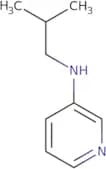
Formula:C10H10N2OPurezza:Min. 95%Peso molecolare:174.2 g/molN-(2-Methylpropyl)pyridin-3-amine
CAS:Versatile small molecule scaffold
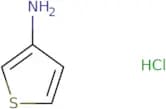
Formula:C9H14N2Purezza:Min. 95%Peso molecolare:150.22 g/molThiophen-3-amine hydrochloride
CAS:Thiophen-3-amine hydrochloride is a heterocyclic amine that is structurally related to quinaldine. It has shown nitro transfer and nitroso transfer, which are mechanisms for the formation of nitro and nitrosamines. Thiophen-3-amine hydrochloride has low energy, which makes it an excellent candidate for rechargeable batteries. The amines in this compound have affinity for functional groups on the backbones of polymers and monomers, making them useful in research and optimization.
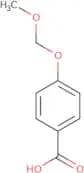
Formula:C4H6ClNSPurezza:Min. 95%Peso molecolare:135.62 g/mol4-(Methoxymethoxy)benzoic acid
CAS:4-(Methoxymethoxy)benzoic acid (MMBA) is a synthetic compound that is used in the synthesis of allyl compounds. MMBA is not chemically reactive and does not undergo any reactions at room temperature. This substance can be activated by adding a nucleophile, such as an alcohol or water molecule, which will then react with the electrophilic carbon atom. This reaction produces epoxide and an alkene product. The most common reaction occurs with methanol, producing methoxypropane, which can then be converted to other organic compounds. Research has shown that MMBA has anticancer properties due to its ability to inhibit cell growth and induce apoptosis in humans.
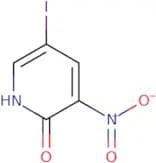
Formula:C9H10O4Purezza:Min. 95%Peso molecolare:182.17 g/mol2-Hydroxy-5-iodo-3-nitropyridine
CAS:Versatile small molecule scaffold
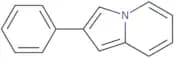
Formula:C5H3IN2O3Purezza:Min. 95%Peso molecolare:265.99 g/mol2-Phenylindolizine
CAS:2-Phenylindolizine is a chemical compound that can be used in the synthesis of other compounds. It has been shown to react with acrylonitrile to form a nitrile, which is an important intermediate in organic chemistry. 2-Phenylindolizine has also been shown to react with benzaldehyde, creating an acetal and a diazo compound. The reaction of 2-phenylindolizine with a chiral electrophile yields two different products. This reaction is highly efficient and can be screened for desirable products using fluorescence and yield measurements.
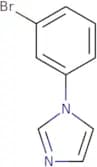
Formula:C14H11NPurezza:Min. 95%Peso molecolare:193.24 g/mol1-(3-Bromophenyl)-1H-imidazole
CAS:Versatile small molecule scaffold
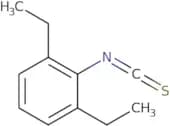
Formula:C9H7BrN2Purezza:Min. 95%Peso molecolare:223.07 g/mol2,6-Diethylphenylisothiocyanate
CAS:2,6-Diethylphenylisothiocyanate is an aliphatic anesthetic agent that binds to the acceptor site of the ligand-gated ion channels. It has a hydrophobic nature and can be used for research as a potential drug candidate for a variety of protein targets. This compound also has the ability to alter conformations of proteins such as apoferritin, which may lead to new insights into how these proteins function.
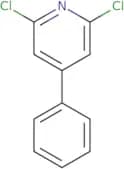
Formula:C11H13NSPurezza:Min. 95%Peso molecolare:191.29 g/mol2,6-Dichloro-4-phenylpyridine
CAS:2,6-Dichloro-4-phenylpyridine is a chemosensor that can be used to detect the presence of aromatic compounds. It has a modular structure consisting of an emission domain and a substrate binding domain. The fluorophore is reversibly bound to the substrate binding domain, which means that it can be detached from the substrate when the desired molecule is detected. This sensor has been shown to have high selectivity for aromatic molecules in both water and organic solvents. 2,6-Dichloro-4-phenylpyridine has also been studied structurally and found to react with a number of other chemical entities such as thiocyanate ion, nitrobenzene, and nitrophenol.
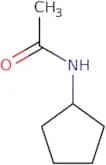
Formula:C11H7Cl2NPurezza:Min. 95%Peso molecolare:224.09 g/molN-Cyclopentylacetamide
CAS:N-Cyclopentylacetamide is a reactive alkylating agent that is used in the synthesis of organic chemicals. It reacts with chlorine to form chloroform, and with acetonitrile to form acetanilide. N-Cyclopentylacetamide also reacts electrochemically with fission products such as uranium to form uranium hexafluoride. The reaction of N-Cyclopentylacetamide with bromides yields a spectrum of cyclopentyl bromides. This compound can be used for the synthesis of pharmaceuticals and other chemical compounds.
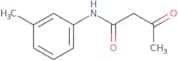
Formula:C7H13NOPurezza:Min. 95%Peso molecolare:127.18 g/molN-(3-Methylphenyl)-3-oxobutanamide
CAS:Versatile small molecule scaffold
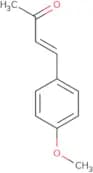
Formula:C11H13NO2Purezza:Min. 95%Peso molecolare:191.23 g/mol4-(4-Methoxyphenyl)-3-buten-2-one
CAS:4-(4-Methoxyphenyl)-3-buten-2-one is a compound that has been used as a model for the study of immobilization strategies. It is used to measure the diameter of mammalian cells and to study sugar transport. This compound also has hydroxide groups, which are capable of reacting with malonic acid or an aldehyde group, forming a covalent bond. The presence of these groups makes 4-(4-Methoxyphenyl)-3-buten-2-one an ideal candidate for immobilization purposes. The optical properties of this molecule are due to its β-unsaturated ketones and methyl ethyl group.
Formula:C11H12O2Purezza:Min. 95%Peso molecolare:176.22 g/molBenzo[D]thiazole-2-sulfonic acid
CAS:The Benzo[D]thiazole-2-sulfonic acid antigen is a low molecular weight, water-soluble chemical compound. It can be found in the wastewater of industrial facilities that produce it as a byproduct. The antigen has been used to develop an assay for detecting influenza virus in human sera and has also been shown to be effective against avian influenza virus.
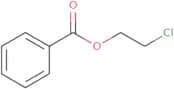
Formula:C7H5NO3S2Purezza:Min. 95%Colore e forma:PowderPeso molecolare:215.3 g/mol2-Chloroethyl Benzoate
CAS:2-Chloroethyl benzoate is a monocarboxylic acid that is used as an industrial chemical, pharmaceutical intermediate, and food additive. It is produced by the catalytic hydrogenation of hippuric acid with hydrogen chloride in the presence of p-hydroxybenzoic acid. 2-Chloroethyl benzoate has been shown to be effective in treating bowel disease, congestive heart failure, and inflammatory bowel disease. This compound can be synthesized by reacting piperazine with benzoic acid and chloroethyl chloride. The resulting product can be purified using solid catalyst.
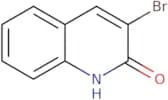
Formula:C9H9ClO2Purezza:Min. 95%Peso molecolare:184.62 g/mol3-Bromoquinolin-2(1H)-one
CAS:3-Bromoquinolin-2(1H)-one is a linker that can be used in the synthesis of organic compounds. It is a synthetic compound and has been shown to inhibit cancer cell growth by binding to receptor ligands, such as epidermal growth factor receptor (EGFR) and vascular endothelial growth factor receptor 2 (VEGFR2). 3-Bromoquinolin-2(1H)-one has also been shown to inhibit the activity of EGFR ligand inhibitors, such as erlotinib and gefitinib. This linker can be used in bifunctional molecules with amide or hydroxy groups. It is resistant to bacteria, making it ideal for use in conjugates with proteins or peptides.
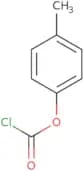
Formula:C9H6BrNOPurezza:Min. 95%Peso molecolare:224.05 g/molp-Tolyl chloroformate
CAS:The p-tolyl chloroformate (PCOCl) is a reactive organic compound that belongs to the group of pharmaceutical preparations. It has a functional group of hydroxy group, which is eliminated by reaction with chlorine in the presence of base. PCOCl is also used as a precursor for the synthesis of other compounds. The pharmacokinetic properties and cardiovascular effects have been studied in animals. This compound has been shown to have natriuretic properties and can be used for the treatment of inflammatory diseases.
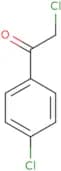
Formula:C8H7ClO2Purezza:Min. 95%Colore e forma:Clear LiquidPeso molecolare:170.59 g/mol2-Chloro-1-(4-chlorophenyl)ethanone
CAS:2-Chloro-1-(4-chlorophenyl)ethanone is a pyrazole derivative that inhibits the production of proinflammatory cytokines, such as tumor necrosis factor-α (TNF-α), interleukin 1β (IL-1β), and IL-6. It also exhibits significant anti-inflammatory activity. 2-Chloro-1-(4-chlorophenyl)ethanone is synthesized from the Grignard reagent and chloroacetaldehyde. The synthesis proceeds in two steps: first, the Grignard reagent is added to chloroacetaldehyde in DMF at -78°C to form an organometallic intermediate; second, the organometallic intermediate reacts with an acid chloride to produce the desired product. This reaction can be catalyzed by aluminium chloride or zinc chloride. 2CPAE has a high solubility in organic solvents and surfactants such as sodium dodecyl
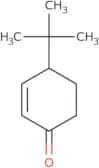
Formula:C8H6Cl2OPurezza:Min. 95%Peso molecolare:189.04 g/mol4-tert-Butylcyclohex-2-en-1-one
CAS:Versatile small molecule scaffold
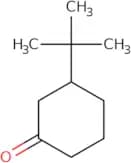
Formula:C10H16OPurezza:Min. 95%Peso molecolare:152.23 g/mol3-tert-Butylcyclohexan-1-one
CAS:3-tert-Butylcyclohexan-1-one is a compound that belongs to the family of solutes. It has been shown to inhibit cancer cells in xenopus oocytes and rat liver cells. 3-tert-Butylcyclohexan-1-one induces apoptosis by inhibiting the synthesis of proteins, which are vital for cell division. In addition, it inhibits the activity of gamma-aminobutyric acid (GABA) by binding to its receptor and acts as a competitive inhibitor of the GABA receptor. This compound also has allosteric modulating effects on alpha 2A adrenergic receptors.br>br>
3-tert-Butylcyclohexan-1-one is not toxic at nontoxic doses and does not cause any adverse side effects such as kidney damage or liver toxicity.Formula:C10H18OPurezza:Min. 95%Colore e forma:Clear LiquidPeso molecolare:154.25 g/mol

![9-Methyl-2-(4-methyl-piperidin-1-yl)-4-oxo-4H-pyrido[1,2-a]pyrimidine-3-carbaldehyde](/_next/image/?url=https%3A%2Fstatic.cymitquimica.com%2Fproducts%2F3D%2Fthumb-webp%2FAMA37710.webp&w=3840&q=75)


![Benzo[D]thiazole-2-sulfonic acid](/_next/image/?url=https%3A%2Fstatic.cymitquimica.com%2Fproducts%2F3D%2Fthumb-webp%2FAAA94157.webp&w=3840&q=75)